


business resources
Why Preventive Maintenance Saves Money for Industrial Facilities
15 Jul 2024

If you’re in charge of an industrial facility, you already know how costly unplanned downtime can be. One machine breaks, and suddenly your entire operation hits pause. It’s frustrating. It’s expensive. And most of the time, it didn’t have to happen. That’s why preventative maintenance is such a smart move. It helps you avoid surprises, keep things running smoothly, and—most importantly—save money.
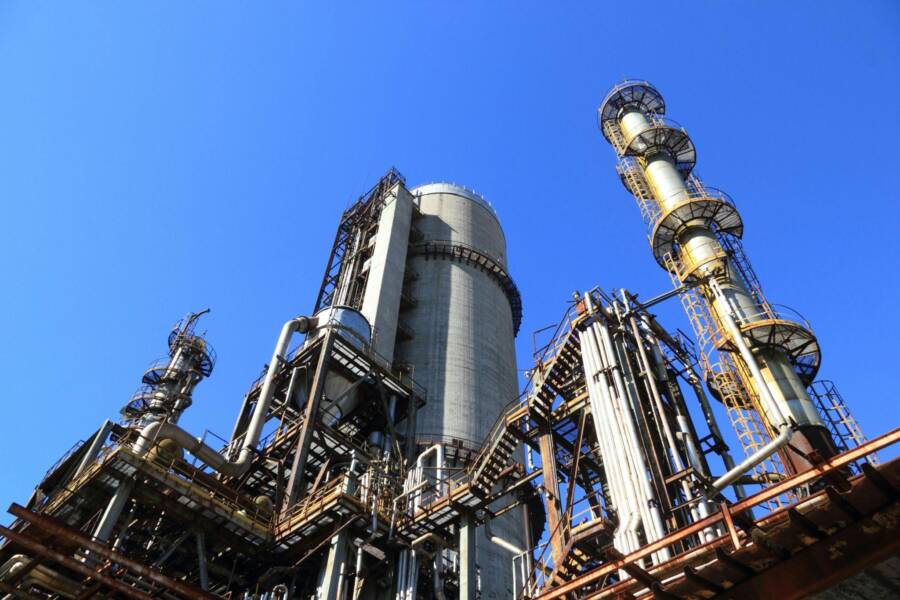
This isn’t about perfection. It’s about being proactive instead of reactive. When maintenance becomes part of your regular routine, you can fix problems before they get out of control. Let’s look at exactly how scheduled maintenance helps industrial facilities lower costs, improve operations, and stay ahead of breakdowns.
Planned Upkeep Avoids Surprise Repairs
Unplanned repairs are always the most expensive. When something fails without warning, you’re not just paying for parts and labor—you’re also paying for lost time, stalled production, and sometimes even emergency service premiums.
Regular maintenance keeps you ahead of those problems. When technicians check equipment on a schedule, they catch small issues before they turn into big ones. A worn belt can be swapped out during a routine visit, not when it snaps in the middle of a shift. Loose wiring, low coolant levels, and failing sensors can all be fixed early before they stop operations altogether.
This is especially true for large systems like heating and cooling. Many facilities schedule regular commercial HVAC service to make sure their heating and cooling systems don’t fail when they’re needed most. A failed HVAC system doesn’t just make the workspace uncomfortable—it can cause temperature-sensitive equipment to shut down or affect product quality. Catching small issues through scheduled service avoids these kinds of surprises.
Longer Equipment Lifespan
Industrial equipment is a serious investment. Replacing a chiller, compressor, or conveyor system isn’t cheap, and it’s not something you want to do often.
The good news is that well-maintained equipment lasts longer. When parts are lubricated, cleaned, and calibrated regularly, they experience less strain. Internal components stay in better condition, and the wear and tear slows down.
Think of it like this: the more care you give your machinery, the more years you get out of it. That directly translates to lower capital expenses over time. You spend less on replacements and stretch the life of your assets.
Lower Energy Costs Over Time
When machines run clean, they run efficiently. Dirty filters, clogged vents, and misaligned parts force systems to work harder. That extra effort drives up energy bills month after month.
Preventive maintenance solves this. Technicians check for airflow issues, energy drain, and misconfigured settings. A small tune-up now can prevent hundreds of dollars in wasted power later.
Take HVAC systems, for example. When a unit is clogged or low on refrigerant, it consumes more power to achieve the same temperature. But when it’s maintained properly, it runs smoothly and uses less energy. Over the course of a year, the savings add up.
The same applies to motors, lighting systems, and electrical panels. Clean, calibrated systems are simply more efficient. And when energy costs drop, those savings go right back into your budget.
You don’t need a full system upgrade to see results. Even routine maintenance, like tightening belts or checking airflow, can make a noticeable difference in utility bills.
Improved Safety & Fewer Workplace Interruptions
Broken equipment doesn’t just cost money—it can also create safety risks. Faulty wiring, overheating machines, or failing brake systems can lead to injuries or fires. Even minor problems can disrupt the flow of work, delay deliveries, or force crews to halt operations.
With preventative maintenance, safety checks are part of the process. Technicians catch overheating issues, check for exposed wires, and test emergency stops. This lowers the risk of accidents and helps you create a safer environment for your team.
And when equipment is safe and functional, your crew can do their jobs without stress. Nobody likes to work around unreliable machines. Preventive maintenance creates stability and reduces day-to-day disruptions. That means fewer incidents, fewer delays, and better morale across the board.
Predictable Budgeting & Fewer Emergencies
Budgeting for industrial facilities is already complex. The last thing you need is an unexpected bill for emergency repairs or overnight shipping on a rush-ordered part.
Scheduled maintenance takes the guesswork out of budgeting. When you know your machines are getting checked every month or quarter, you can build that into your operating costs. There’s no scrambling for funds or cutting corners somewhere else to cover a surprise fix.
Also, routine service helps you avoid overtime labor costs, third-party rentals, or rush deliveries—all of which can drive repair bills even higher. If you’ve ever had to pay for last-minute freight or find a temp rental unit during a breakdown, you know how fast those costs add up.
Planning ahead doesn’t just save money—it gives you peace of mind.
Easy Recordkeeping & Compliance
In many industries, you’re required to show service records for inspections, audits, or certifications. Whether it’s OSHA, FDA, or internal compliance checks, having clean records matters.
Preventative maintenance makes that easier. When service is scheduled, it’s documented. You know exactly when the equipment was last inspected, who worked on it, and what was done.
This matters for industries like food production, chemicals, or medical manufacturing, where equipment failure could lead to contamination, loss of materials, or failed inspections. Staying ahead with regular maintenance helps you meet standards and avoid penalties.
It also shows leadership. When upper management or stakeholders review your operations, having a strong maintenance history reflects well on your facility management practices.
Preventive maintenance might not seem urgent. After all, if something’s working, why mess with it?
But the reality is that regular upkeep is one of the smartest ways to save money in an industrial setting. It cuts down on unexpected costs, improves equipment life, and makes your whole operation more predictable and efficient.
If you’re tired of surprise repairs, late-night service calls, or wasted energy, preventative maintenance is worth prioritizing. A little planning now keeps things running longer—and keeps your budget in better shape. It’s a simple step with a big payoff.


