
business resources
Why Some Slot Games Build a Following and Others Are Quickly Forgotten
13 May 2026

Even though thousands of slot titles launch every year, only a handful earn a permanent place in regular rotation. Most get a few days of attention, then disappear into the back pages of a casino lobby. There is no universal recipe for success here, of course. Popularity is usually a mix of mechanics, design, math structure, theme coherence, and something harder to pin down: a sense that a game has a personality worth returning to.
The Mechanic Has to Be Memorable
Every game that earns lasting traction has one defining feature that players can describe in a single sentence. The mechanic does not have to be complex — it has to be distinct enough to stick.
Book of Dead built its reputation on a single loop: land the free spins, watch the expanding symbol chosen at random cover entire reels, and collect whatever it produces. More than eight years after its January 2016 release, it remains an industry fixture.
But expanding symbols are just one way a mechanic can anchor a game in a player's memory.
Three Mechanics That Create Lasting Engagement
Here are three more approaches that have proved durable in practice:
- Walking Wilds: ELK Studios introduced this in Wild Toro, where wilds move step by step across the reels on every respin, leaving a trail in their wake and potentially chaining several wins together. The feature won the EGR Game of the Year award in 2017 and has since been widely replicated.
- Cascading reels: When symbols involved in a win disappear, and new ones fall into their place, a single spin can produce a chain of consecutive wins. The mechanic appears in titles across multiple studios and works because each cascade feels like a continuation rather than a reset — the momentum builds within one spin.
- Volatile free spin structures: Games built around infrequent but deeply rewarding bonus rounds, where the feature itself contains the bulk of the win potential, give players a clear target. The base game becomes a holding pattern with purpose, not just dead time between sessions.
The mechanics above succeed partly because each one is legible from the first session but continues to feel meaningful across many more.
Theme and Identity Are Not Decorative
A strong theme is not just about good looks. It sets expectations and creates emotional context for the wins. Familiar themes act like genres in cinema: players walk in already knowing what to expect. When symbols, settings, and sound design align, the learning curve vanishes. That lowered entry friction brings in new players
Studios that produce games with generic themes and no clear identity tend to see those titles cycle through quickly. There is nothing to hold onto.
How Studios Build Reputations
Players tend to discover them through demos before ever depositing — trying a game risk-free, getting a feel for the math model, then deciding whether the studio's approach suits their style. That is why platforms listing ELK studios demo slots see strong repeat traffic: once a player connects with Wild Toro or the Nitropolis series, they want to know what else comes from the same team. The same logic applies to other popular developers, like Pragmatic, NetEnt, and many others.
The Math Model Determines Trust
A game's volatility and how it delivers wins shapes if players stick around or leave after a rough session. High-volatility slots offer the thrill of big wins but come with longer dry spells, while low-volatility slots provide more frequent, smaller payouts. Neither is wrong, but the game needs to signal which category it belongs to clearly enough for players to know what they signed up for.
When a slot delivers results that feel inconsistent with its stated volatility, or provides no meaningful moments across an extended session, trust erodes. Players do not return to games that feel arbitrary, even if the math is technically functioning as intended.
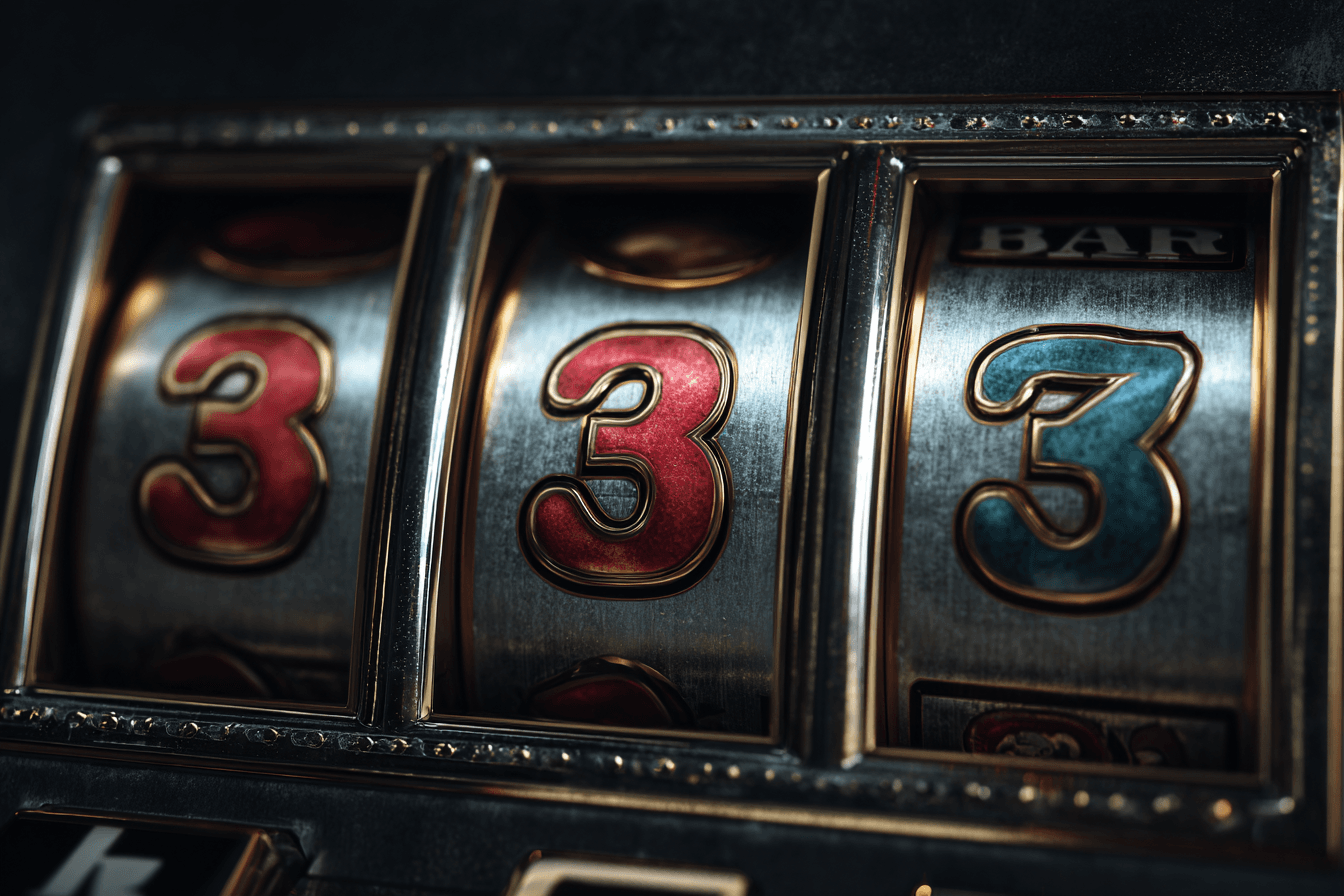
Part of what prevents that feeling of arbitrariness is deliberate feedback design. Near-misses, such as two jackpot symbols lining up and the third landing just above the payline, prompt the brain to treat that outcome as a sign of progress. That response draws players back in. Well-designed slots, including the famous Book series from Play'n Go, use this deliberately. The bonus symbol appearing on four of the five required positions is not an accident; it is part of a structural rhythm that sustains engagement between bonus triggers.
What Forgotten Games Usually Have in Common
Most slots that vanish within a week share a recognizable pattern. They offer surface novelty without a mechanic that creates meaningful moments or a math model that rewards patience.
- Complexity without payoff: Features stack on top of each other, but none produce wins proportional to the wait.
- Theme and mechanic mismatch: The visual identity and the gameplay loop have no real connection, so neither reinforces the other.
- No defining moment: There is nothing a player will describe to someone else or actively look forward to triggering.
- Forgettable audio: Sound is often the last element developers get right, but it is what makes big moments feel significant.
Games that check most of these boxes rarely get a second visit from the same player.
The Lasting Games Earn It
Slots that build real followings do so through consistency. The mechanic is clear and memorable. The math model is honest about what kind of session it delivers. The theme adds meaning to wins instead of just decorating the reels. There is no formula that guarantees longevity, but the games that are still discussed years after launch almost always have these qualities.


