
resources
Why Understanding Injury Causes Helps Improve Workplace Safety
06 Dec 2025

Workplace injuries affect far more than incident reports and insurance files. They touch productivity, morale, financial stability, and long term trust between workers and management. Many safety programs focus on surface level prevention such as signage, protective gear, and rule enforcement. Those steps matter, yet lasting safety improvement comes from a deeper task: learning why injuries happen in the first place.
When root causes are studied with care, patterns begin to surface. These patterns reveal gaps in training, flawed procedures, equipment limits, and human behavior under pressure. Each discovery offers a chance to refine safety practices with real insight rather than assumptions. Understanding injury causes reshapes how risks are viewed, how policies are written, and how leaders respond after an incident.
Legal and Financial Protection through Injury Cause Analysis
Understanding how an injury occurred carries strong value for legal and financial protection. When a company can document the sequence of events, contributing factors, and safety conditions at the time of an incident, it gains clarity during insurance reviews, workers' compensation claims, and regulatory inquiries. Clear cause analysis limits disputes and lowers the risk of prolonged litigation. In many cases, guidance from a personal injury lawyer during claim preparation shapes documentation quality and settlement leverage, which protects both injured workers and employers from uncertain outcomes. When incident details are vague, financial exposure grows through delayed claims, contested fault, and rising legal costs.
Human Factors and Behavior Patterns
Many workplace injuries trace back to human behavior, yet labeling an incident as human error rarely resolves the real issue. Factors such as fatigue, stress, time pressure, and unclear instructions heavily influence how employees act while on the job. Understanding these elements requires careful observation of work routines, shift structures, communication practices, and decision making under pressure. For example, repeated errors may occur during late night shifts, signaling that fatigue or diminished focus plays a role rather than individual negligence. Similarly, high-pressure environments where speed is prioritized over safety can inadvertently encourage risk taking.
Behavior patterns often reveal gaps in training or knowledge. A worker who skips a safety step may do so out of a habit formed under demanding conditions rather than intentional disregard for rules. Investigating these patterns helps management see beyond individual mistakes to the broader system that allowed them to occur. It also offers insight into how team dynamics, leadership style, and workplace culture affect safety. Workers are more likely to follow procedures consistently when they feel supported, understand the rationale behind safety rules, and are not pressured to cut corners.
By identifying recurring behavior-related causes, organizations can tailor interventions such as more practical training, adjusted shift schedules, improved communication protocols, and mentorship programs. Encouraging open reporting of near misses and unsafe practices without fear of punishment provides a richer understanding of potential hazards before they result in serious injury.
Equipment, Environment, and Physical Conditions
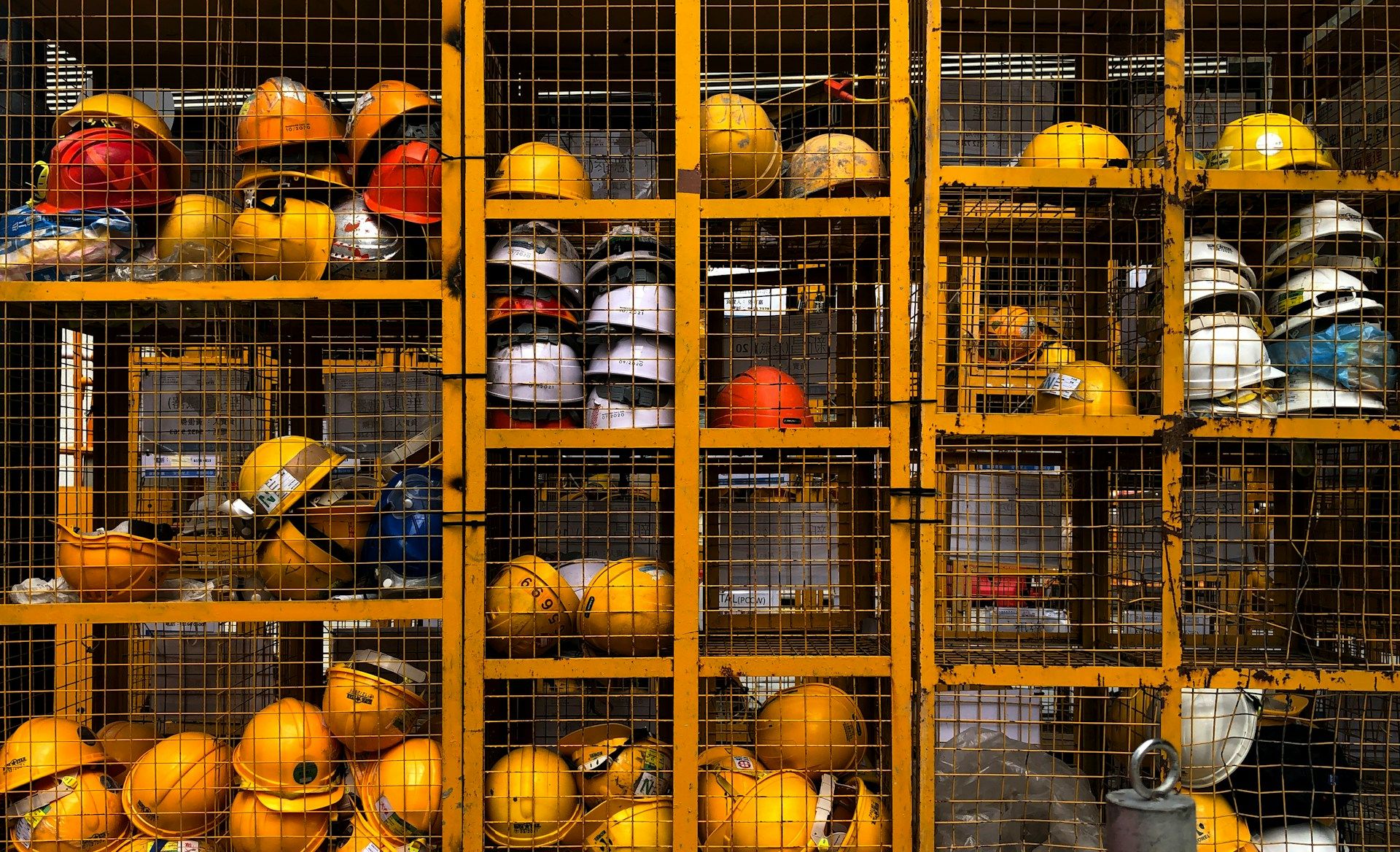
Machines, tools, and physical workspaces play a major role in determining how safely tasks can be performed. Injury cause analysis often reveals that equipment design, maintenance practices, or workplace layout contribute significantly to incidents. For example, a missing safety guard, worn-out machinery, uneven flooring, poor lighting, or congested pathways frequently appear in reports.
Each of these factors increases the likelihood of slips, trips, falls, or contact injuries. Equipment-related injuries frequently point to either design limitations or gaps in maintenance routines. Repeated injuries involving a particular machine may indicate a mechanical flaw, improper guarding, or the need for upgraded safety features. Physical environmental factors also matter; heat, noise, vibration, and air quality can subtly reduce focus, slow reaction times, and increase fatigue, making accidents more likely.
Even the placement of workstations, storage areas, and emergency exits influences how workers move safely through a space. By analyzing these conditions, organizations can prioritize investments in equipment upgrades, ergonomic adjustments, and environmental improvements, creating a workspace that reduces hazards. These targeted interventions lead to measurable improvements in safety, showing that practical solutions based on real-world data are far more effective than broad, generic safety measures.
Common Root Causes Seen Across Industries
- Inadequate training tied to task changes or new equipment
- Communication breakdowns during shift handovers or job transitions
- Fatigue linked to extended shifts or overtime cycles
- Poor housekeeping that leads to slips, trips, and falls
- Delayed maintenance on tools and machinery
- Lack of standardized procedures across teams
These root causes appear across manufacturing floors, offices, hospitals, and construction sites. Their recurrence shows that injury prevention relies less on industry type and more on consistent management practices. When organizations track these causes across departments, trends surface that single incident reviews may miss.
Reporting Systems and Data Driven Decisions
Injury cause analysis relies heavily on the quality and consistency of reporting systems. When incident reports capture only surface level details, such as “worker slipped” or “equipment malfunctioned,” it leaves gaps in understanding that prevent meaningful prevention strategies. Detailed reporting that includes task context, staffing levels, environmental conditions, equipment status, and witness observations creates a complete picture of each incident. Modern digital reporting tools can guide employees to provide this level of detail without adding excessive administrative burden. These systems often include checklists, prompts, and easy-to-use interfaces that standardize data collection, making trends easier to identify across departments or job sites.
Once sufficient data is collected, organizations gain the ability to identify recurring patterns and correlations that may not be obvious from individual events. For example, an increase in minor injuries during night shifts, seasonal spikes in repetitive strain incidents, or links between extended overtime and fatigue-related accidents become visible. These insights allow leaders to implement preventive measures based on evidence rather than guesswork. Management can adjust staffing levels, reallocate resources to high-risk areas, schedule targeted maintenance, or revise procedures where trends indicate persistent hazards. Continuous monitoring and analysis of this data creates a feedback loop in which safety strategies evolve alongside real workplace conditions. Over time, reporting systems transform from a reactive requirement into a proactive tool that drives informed decision making and supports a safer, more resilient workplace culture.
Each of these outcomes traces back to one central practice: careful study of how injuries actually occur. When leadership commits to this level of analysis, safety programs gain credibility among workers. Trust grows when employees see real hazards addressed rather than dismissed. Financial stability strengthens alongside worker protection. This approach reshapes safety culture into one driven by learning, clarity, and shared responsibility.


