
resources
Your Complete 50 States and Capitals List: A Quick Reference Guide
26 Feb 2026

Recalling all the U.S. states and their respective capitals can often prove challenging, particularly when immediate recall is required. Whether you're meticulously preparing for an academic quiz, assisting children with their homework, or simply aiming to refresh your knowledge for a local trivia night, a comprehensive list of the 50 states and their capitals can be an invaluable resource. This concise reference guide, designed for ease of use, provides precisely that. It's straightforward, focused, and readily scannable whenever a quick refresher is needed—no superfluous details, just the essential facts. Let's begin our exploration!
Key Takeaways
- A comprehensive list of the 50 states and their capitals proves immensely useful for educational purposes, travel planning, or engaging in quizzes.
- It's quite common for individuals to occasionally overlook a few state capitals, making a readily accessible guide highly beneficial.
- A common point of confusion arises when a state's capital is not its most populous city.
- Flashcards and interactive worksheets remain perennially popular and effective tools for memorizing this extensive list.
- Maintaining a printed or digital version of the list within easy reach significantly facilitates both initial study and subsequent review.
1. Alabama
Our comprehensive tour of the United States commences with the distinguished state of Alabama. Comfortably nestled in the heart of the South, Alabama boasts a rich historical tapestry and a remarkably diverse landscape—one that gracefully transitions from the pristine sandy beaches of the Gulf Coast to the undulating hills and verdant forests further inland. Indeed, it's a locale where quintessential Southern charm seamlessly intertwines with a burgeoning modern economy.
Montgomery proudly serves as Alabama's capital city. Historically, this city played an absolutely pivotal role in the American Civil Rights Movement, witnessing seminal events such as the Montgomery Bus Boycott—truly a place that profoundly shaped a crucial chapter of American history.
Consider these salient facts about Alabama:
- Statehood: Alabama became the 22nd state to join the Union on December 14, 1819.
- Nickname: It's often called the 'Heart of Dixie'.
- Major Cities: Besides Montgomery, other important cities include Birmingham, a hub for industry and healthcare, and Mobile, a historic port city.
The state's economy is notably diverse, showcasing robust strengths in manufacturing, aerospace, agriculture—particularly poultry and cotton—and the vital healthcare sector. Moreover, the state has experienced considerable transformation and growth over the years, skillfully blending its deep historical roots with proactive, forward-looking development.
2. Alaska
When envisioning Alaska, one typically conjures images of immense wilderness, breathtaking wildlife, and perhaps the ethereal glow of the Northern Lights. As the largest state in the U.S. by land area, it's a region that evokes a sense of both profound remoteness and unparalleled grandeur. But what of its capital city? That distinction belongs to Juneau.
Juneau, however, is hardly your typical capital city; rather, it is uniquely accessible solely by air or sea. Significantly, no roads link it to the broader expanse of Alaska or indeed to the contiguous lower 48 states, a characteristic that undeniably amplifies its distinctive allure. Can you imagine residing in a locale where one's daily commute could very well entail a ferry ride or a journey on a small aircraft?
Let's delve into a few compelling facts about Alaska and its distinctive capital:
- Vast and Wild: Alaska covers over 665,000 square miles, making it larger than the next three largest states combined. Its capital, Juneau, is nestled between mountains and the Gastineau Channel.
- Unique Accessibility: As mentioned, Juneau lacks road access. This means that goods, people, and services rely heavily on air and water transportation, shaping the local economy and lifestyle.
- Rich in Resources: The state is known for its natural resources, including oil, timber, and abundant fisheries. Juneau itself has a history tied to gold mining, which played a significant role in its early development.
The sheer, awe-inspiring scale of Alaska is genuinely challenging to comprehend until one experiences it firsthand. It is, without question, a place where nature commands the spotlight—and its capital, Juneau, stands as a remarkable testament to human resilience and adaptation within such a challenging, yet exquisitely beautiful, natural environment.
3. Arizona
Our attention now turns to Arizona, widely known as the Grand Canyon State. This region is steeped in history and showcases some truly spectacular landscapes. When one envisions Arizona, thoughts naturally drift to its expansive deserts and perhaps its iconic red rock formations, don't they? Yet, the state offers far more than just breathtaking vistas.
Phoenix holds the distinction as Arizona's capital. This isn't merely any state capital; it is, in fact, the most populous state capital throughout the entire United States—a truly significant distinction! It functions as a major nexus for commerce, culture, and the daily lives of countless individuals.
Here are some distinctive attributes that truly set Arizona apart:
- Grand Canyon National Park: This is probably the most famous spot in Arizona, and for good reason. It's massive and awe-inspiring.
- Desert Botanical Garden: Located in Phoenix, this place is amazing for seeing all sorts of desert plants up close. It really shows you the diversity of life that can thrive in arid conditions.
- Native American Heritage: Arizona has a rich history tied to its Native American tribes, with many reservations and cultural sites still active today.
Arizona's capital, Phoenix, has undergone substantial growth throughout the years. It has evolved into a prominent city in the Southwest, drawing residents and businesses alike with its appealing warm climate and ample economic opportunities. The city itself possesses a unique ambiance, masterfully blending modern urban development with an inherent connection to its encompassing desert environment.
Thus, while its natural beauty undoubtedly serves as a monumental draw, the state's capital city constitutes an equally significant aspect of its multifaceted identity.
4. Arkansas
Our journey through the United States continues with Arkansas. This state, strategically positioned within the South Central region of the nation, features a capital city whose name may well resonate with many.
Little Rock proudly stands as the capital of Arkansas.
Little Rock is more than merely the seat of government; it also holds the distinction of being Arkansas's most populous city. It is gracefully situated on the Arkansas River, a waterway that has demonstrably played a pivotal role in the state's historical trajectory and ongoing development. The city itself derives its name from a notable rock formation found on the river's bank, aptly referred to as the 'Little Rock'—or 'Petit Rocher' in its original French.
Let's explore a few noteworthy points concerning Arkansas and its capital:
- The nickname for Arkansas is "The Natural State," and it's known for its beautiful landscapes, including mountains, forests, and hot springs.
- Little Rock is home to several important historical sites, including the Little Rock Central High School National Historic Site, which was a key location during the Civil Rights Movement.
- The state is famous for its diamond mine, Crater of Diamonds State Park, where visitors can actually dig for diamonds.
Historically, Arkansas's economy has been intrinsically linked to agriculture, with key crops including rice, soybeans, and cotton constituting major products. Over recent years, however, it has successfully diversified, now encompassing robust manufacturing and burgeoning service sectors, with Little Rock functioning as a central hub for these dynamic activities.
5. California
When one contemplates the Golden State, what immediate images spring to mind? Is it Hollywood glamour, pristine beaches, or perhaps the innovative hub of Silicon Valley? California is, undeniably, a state brimming with remarkably diverse landscapes and a profound history. Its capital city, Sacramento, while perhaps not as globally renowned as Los Angeles or San Francisco, nonetheless fulfills an absolutely vital role in the state's complex governance.
California's progression to statehood was remarkably swift. Following its designation as a U.S. territory in 1848 after the Mexican-American War, the subsequent Gold Rush triggered an enormous demographic influx. This rapid population boom consequently propelled California to achieve statehood merely two years later, in 1850.
Consider these essential facts pertaining to California:
- Capital: Sacramento
- Largest City: Los Angeles
- Admission to Union: September 9, 1850 (31st state)
- Nickname: The Golden State
Sacramento, strategically positioned in Northern California, was designated the state capital owing to its central geographic location and its considerable historical importance during the Gold Rush era. Today, it functions both as a crucial hub for state government and a scenic gateway to the magnificent Sierra Nevada mountains.
Indeed, from the majestic redwood forests in the north to the arid deserts of the south, California truly offers an unparalleled range of experiences. It remains a state that continuously influences culture and drives innovation—not only across the nation but also globally.
6. Colorado
Our next destination on this journey through the United States is Colorado, a state justly celebrated for its magnificent Rocky Mountains and its dynamic, thriving cities. Denver proudly serves as the capital of Colorado—a city that has experienced substantial growth over the years, now standing as a prominent hub for culture, commerce, and exhilarating outdoor adventures.
Colorado's history is deeply interwoven with its mining legacy, particularly the gold and silver rushes, which significantly sculpted its early development. It formally achieved statehood in 1876, a bicentennial year that earned it the enduring moniker "The Centennial State." Presently, it offers a compelling blend where residents can savor both sophisticated urban life and remarkably convenient access to the wonders of nature.
Let's review a few essential facts concerning Colorado:
- Capital: Denver
- Nickname: The Centennial State
- Admission to Statehood: August 1, 1876 (38th state)
- Major Industries: Tourism, mining, agriculture, aerospace, and technology.
When one considers Colorado, images of skiing or hiking often come to mind—and these are, unequivocally, significant attractions. However, Denver itself offers a wealth of activities, ranging from its burgeoning culinary scene to its impressive array of museums and vibrant performing arts venues.
The state's geography is astonishingly diverse, spanning from the expansive high plains in the east to the imposing, rugged peaks of the Rocky Mountains in the west. This remarkable variety fundamentally influences every aspect of the state—from its climate and robust economy to the distinctive lifestyles embraced by its residents.
7. Connecticut
Our focus now shifts to Connecticut, a state that, in many respects, functions as a 'hidden gem' within the Northeast. When contemplating state capitals, one might instinctively envision a sprawling, bustling metropolis; yet, Connecticut's capital is Hartford—a city imbued with a venerable history, having played a truly significant role in the foundational era of the United States.
For a considerable period, Hartford has served as a preeminent center for insurance companies, thereby earning the enduring moniker "The Insurance Capital of the World." It is also notably recognized for its profound literary connections, having been home to such luminaries as Mark Twain and Harriet Beecher Stowe, whose residences are now preserved as fascinating museums.
Consider these compelling insights into Connecticut:
- It's the third smallest state by area but has a good population density.
- The state is known for its beautiful coastline along Long Island Sound.
- Connecticut was one of the original 13 colonies.
Intriguingly, the state's name originates from the Mohegan word "quinetucket," which translates to "beside the long tidal river"—a direct reference to the Connecticut River. This waterway has, in fact, been superlatively important for both transportation and trade throughout the entirety of the state's historical development.
Consequently, while it may not invariably be the first state that comes to mind for many, Connecticut—along with its capital, Hartford—possesses a remarkably rich past and continues to contribute significantly to the unfolding American narrative.
8. Delaware
Our journey through the United States next brings us to Delaware, a state that remarkably encapsulates a wealth of history within its compact borders. When one considers Delaware, images of its charming colonial towns or its pivotal role in early American history might well emerge. The distinguished capital city of Delaware is Dover.
Established in 1683, Dover holds the distinction of being one of the oldest cities in the United States. It is not, however, merely ancient; it also functions as a vital hub for state government and boasts a distinctive cultural milieu. Visitors can find the impressive Legislative Hall, home to the Delaware General Assembly, squarely in the heart of the city—truly an imposing edifice and a tangible symbol of the state's robust governance.
Let's review a few concise facts regarding Dover:
- Established: 1683
- Nickname: "The First State" (for being the first to ratify the U.S. Constitution)
- Key Landmark: Legislative Hall
Dover, while perhaps modest in size when contrasted with some other state capitals, nonetheless occupies a profoundly significant position in American history. It is a place where one can distinctly perceive the echoes of the past, even as a dynamic, thriving community actively engages in shaping its present and future.
9. Florida
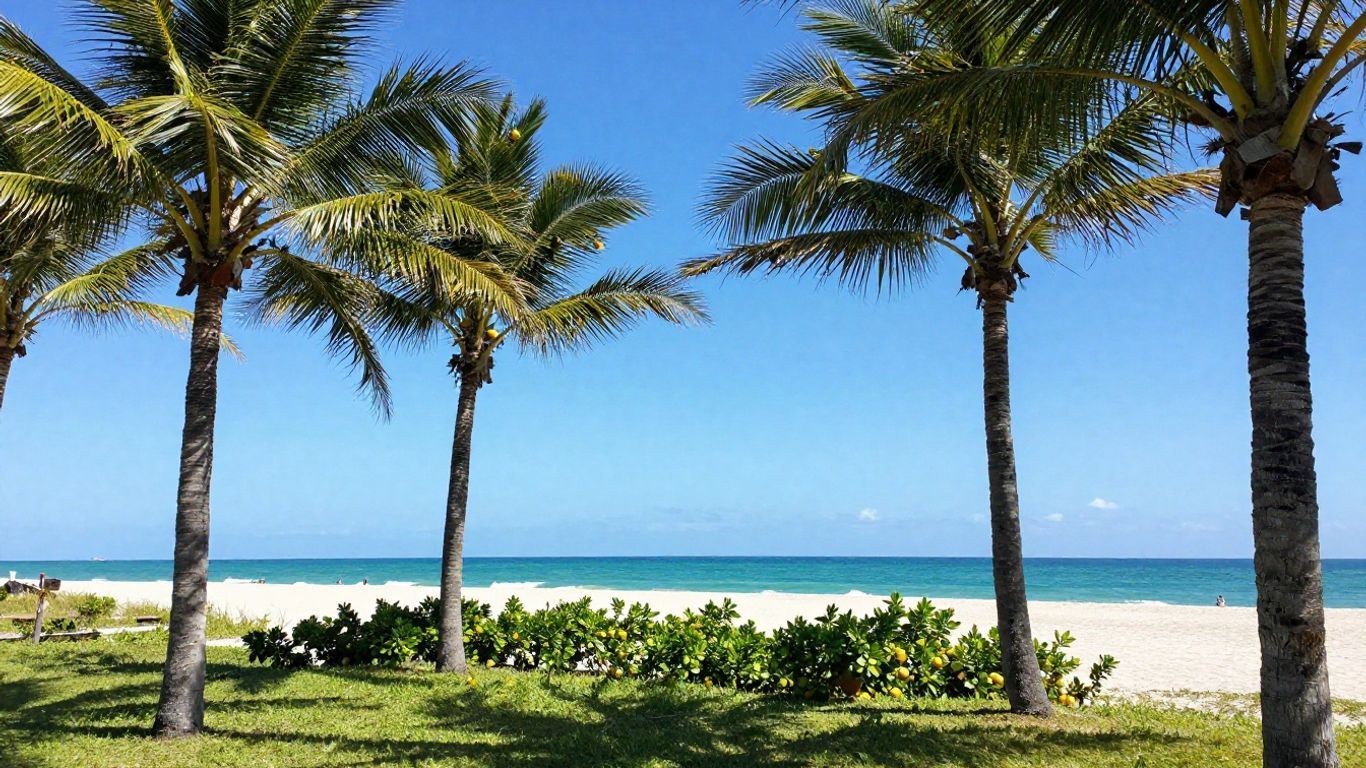
When envisioning Florida, one might readily conjure images of sun-drenched beaches, world-renowned theme parks, or perhaps the expansive Everglades. Yet, this dynamic state also possesses a capital city that, in many ways, represents a somewhat 'hidden gem.' The capital of Florida is Tallahassee.
Comfortably nestled in the Florida Panhandle, Tallahassee diverges from the archetypal bustling tourist destination. It functions primarily as a government and university town, steeped in a rich history that spans centuries. Indeed, it stands as one of the oldest capital cities in the United States, with its origins tracing back to the era of Spanish Florida.
Here are several distinguishing features that cause Tallahassee to particularly stand out:
- Historic Charm: You can find beautiful antebellum architecture and historic sites like the Old Capitol Building.
- Natural Beauty: Despite being a capital, it's surrounded by rolling hills, springs, and forests, offering plenty of outdoor activities.
- University Hub: Home to Florida State University and Florida A&M University, the city has a lively, youthful energy.
While it might not have the same name recognition as Miami or Orlando, Tallahassee plays a vital role as the center of Florida's state government and offers a unique glimpse into the state's past and present.
Tallahassee's geographic placement within the Panhandle naturally positions it somewhat apart from the primary tourist centers of South Florida, thereby imbuing it with a distinct character. It is, in essence, a locale where the serious affairs of state distinctly encounter quintessential Southern hospitality.
10. Georgia
Our attention now turns to Georgia—a state teeming with activity—and its capital, Atlanta, which lies at the very nexus of it all. Atlanta is far more than simply the capital; it is a major, undeniable hub for business, culture, and transportation across the entire Southeast. One might aptly consider it the veritable beating heart of the region.
Atlanta's history is remarkably profound, extending back to its foundational origins as a vital railroad town. It has undergone immense transformation over the years, evolving from its significant role in the Civil War to its emergence as a powerful center for the Civil Rights Movement. Today, it stands as a thoroughly modern metropolis, yet discerning visitors can still readily uncover poignant echoes of its storied past.
Consider these distinctive aspects that elevate Georgia and its capital:
- Peach State Pride: Georgia is famous for its peaches, and you'll see that reflected everywhere, from roadside stands to local businesses.
- Southern Hospitality: People in Georgia are generally known for being friendly and welcoming. It's a big part of the state's charm.
- Diverse Economy: While agriculture is important, Atlanta's economy is really diverse, with strong sectors in technology, film production, and logistics.
When one contemplates Georgia, images of undulating hills and a pervasive Southern charm might understandably materialize—and these elements are indeed intrinsic to its character. However, Atlanta itself is a vibrant, bustling city, characterized by a dynamic energy that consistently attracts individuals from diverse backgrounds.
The capital city of Georgia, Atlanta, has impressively evolved from its origins as a railroad hub into a profoundly significant economic and cultural center for the entirety of the southeastern United States. Its remarkable development indeed mirrors a broader narrative of American growth and transformative change.
11. Hawaii
Aloha! Let's now explore Hawaii, our sole island state. It is, unequivocally, a place quite unique within the U.S. for myriad reasons, and its capital city proves to be no exception to this distinctiveness.
Honolulu proudly serves as the capital of Hawaii.
Honolulu is situated on the island of Oahu, arguably the most recognized among the Hawaiian Islands. It functions not only as the state's political epicenter but also as a prominent hub for culture, commerce, and tourism throughout the Pacific region. Iconic landmarks such as Pearl Harbor, Waikiki Beach, and Diamond Head—all globally recognized—are found right within its vibrant confines.
Consider these concise facts concerning Hawaii and its capital:
- State: Hawaii
- Capital: Honolulu
- Nickname: The Aloha State
- Founded: August 21, 1959 (50th state)
When envisioning Hawaii, one might naturally conjure images of pristine beaches and dramatic volcanoes—and certainly, these are integral components of its allure. However, Honolulu is also a bustling urban center, characterized by a diverse population and a significant strategic role in Pacific trade and defense. It is, truly, a place where age-old traditions gracefully intersect with the dynamism of modern life.
It's genuinely fascinating how Honolulu, notwithstanding its status as a capital city, maintains such an intimate connection to the breathtaking natural beauty of the islands. The expansive ocean is perpetually within close proximity, and the dramatic volcanic landscape profoundly shapes the entire environment. This unique synthesis undeniably causes it to distinguish itself from many mainland capitals.
12. Idaho
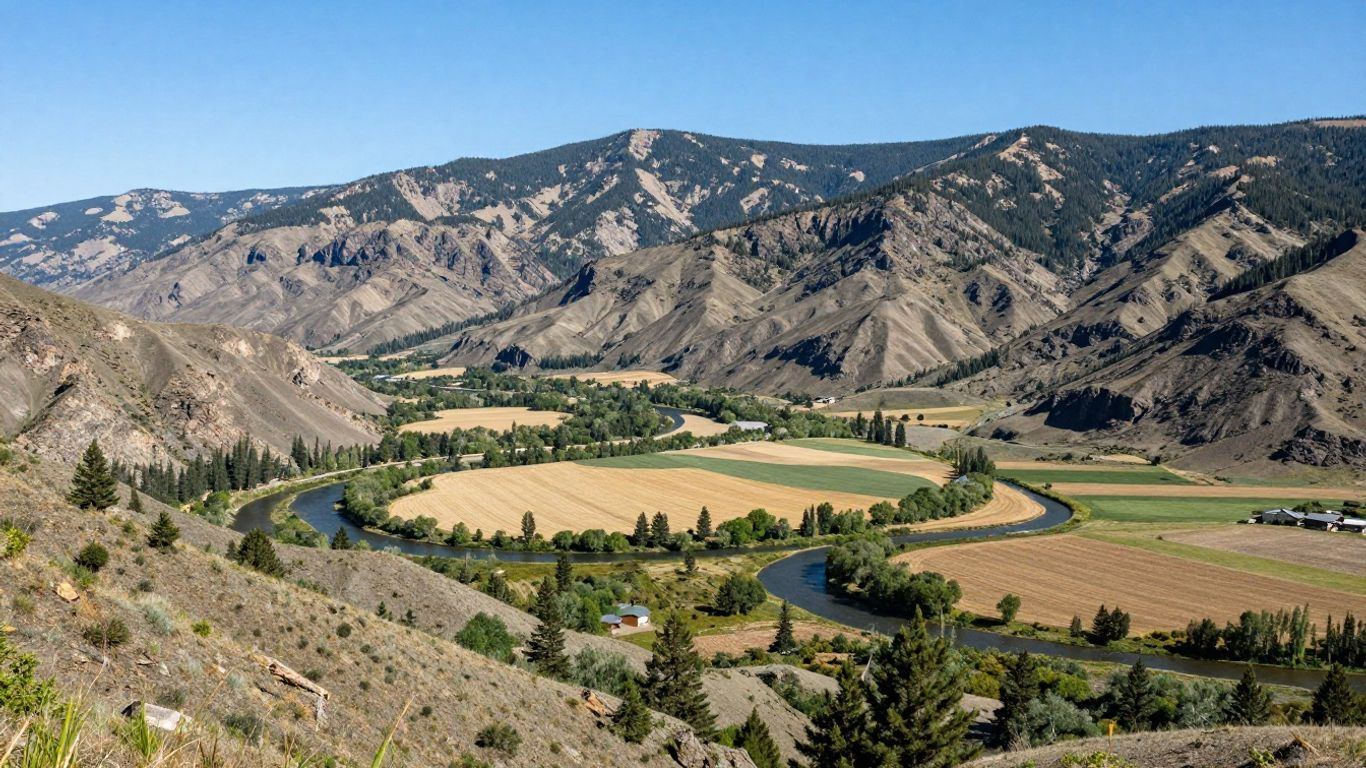
Idaho is gracefully situated in the northwestern United States, a region frequently acknowledged for its striking scenic landscapes and substantial agricultural output. The capital of Idaho is Boise—pronounced "BOY-see"—which serves not only as the state's governmental epicenter but also as its most populous city.
Below is a concise overview of key facts pertaining to Idaho:
| Fact | Detail |
|---|---|
| Statehood | 43rd state (1890) |
| Capital City | Boise |
| Largest City | Boise |
| State Nickname | The Gem State |
| Population (2026 est.) | ~2 million |
Among the 50 states, several unique attributes cause Idaho to particularly stand out:
- Home to the famous Snake River, which runs across southern Idaho.
- Renowned for producing most of the nation’s potatoes.
- Its vast areas of wilderness make it popular for hiking, fishing, and exploring.
While Boise might project a somewhat relaxed demeanor, a vibrant dynamism undeniably thrives beneath its surface—outdoor festivals, a burgeoning culinary scene, and convenient access to rugged, majestic mountains all constitute integral facets of life here.
13. Illinois
Our next destination is Illinois, famously known as the Land of Lincoln. This state is replete with activity, ranging from its bustling major cities to its expansive farmlands. When contemplating Illinois, Chicago likely emerges as the foremost image, doesn't it? Indeed, it serves as a preeminent hub for culture, commerce, and virtually every other endeavor. However, the state capital is, in fact, situated somewhat further south.
Springfield holds the distinction as the capital of Illinois.
While Springfield may not command the same widespread renown as Chicago, it possesses its own profoundly important history, particularly through its indelible association with Abraham Lincoln. It was here that he resided, practiced law, and where his final resting place is now located. The city wholeheartedly embraces its connection to Lincoln, evident in the multitude of historical sites meticulously dedicated to his memory.
Consider these distinctive characteristics that cause Illinois to truly stand out:
- Abraham Lincoln's Legacy: Springfield is home to the Abraham Lincoln Presidential Library and Museum, his tomb, and his preserved home.
- Economic Diversity: While Chicago is a powerhouse, other parts of the state have strong agricultural and industrial bases.
- Geography: Illinois is known for its flat terrain, making it great for farming, but it also has rolling hills in some areas.
It's quite intriguing how a state can encompass both a globally recognized major city and a capital that predominantly centers on historical significance. Springfield, by contrast, offers a more measured pace and an immersive exploration into a pivotal chapter of American history.
Illinois stands as a state that effectively bridges the divide between the agricultural foundations of the Midwest and the vibrant urban energy of its largest city. Its capital, Springfield, serves as an enduring and poignant reminder of the state's deep, profound connection to one of America's most revered presidents.
14. Indiana
Our journey through the United States now brings us to Indiana. This Midwestern state features a capital city that functions as a remarkable hub of activity. Indianapolis proudly serves as the capital of Indiana. It's far more than merely the seat of government; it is also a locale recognized for its significant contributions to the world of sports and its increasingly vibrant cultural landscape.
While contemplating Indiana, one might initially envision expansive rolling farmlands; however, its capital city presents a markedly different narrative. Indianapolis is a prominent urban center, bustling with diverse activities. It hosts a wide array of industries and boasts a continuously expanding population.
Consider these essential facts regarding Indiana's capital:
- Location: Situated in the center of the state, making it a convenient location for many.
- Nickname: Often called the "Crossroads of America" due to its extensive highway system.
- Major Events: Famous for hosting the Indianapolis 500, a world-renowned auto race.
Indianapolis possesses a rich history intrinsically linked to both transportation and industry. Its remarkable development was profoundly shaped by its central geographic location and the multitude of railroads that historically converged there, thereby establishing it as a vital hub for commerce and travel throughout the nation.
It is, indeed, fascinating how deeply a state's capital can reflect its core identity. Indianapolis, with its compelling amalgamation of quintessential Midwestern charm and dynamic big-city energy, stands as an exemplary illustration of this phenomenon.
15. Iowa
Our focus now shifts to Iowa, a state centrally located in the very heart of the Midwest. When envisioning Iowa, one might understandably picture undulating farmlands and vast cornfields—and such an image would certainly be accurate. Yet, it is also a place imbued with a rich history and a capital city that offers far more than agricultural landscapes.
Des Moines proudly serves as the capital of Iowa. While not the state's most populous city, it unequivocally functions as the central hub for both government and commerce. Des Moines has experienced considerable growth over the years, skillfully evolving beyond its traditional agricultural roots to become a more diverse and dynamic urban center.
Consider these essential facts about Des Moines:
- It's home to the Iowa State Capitol building, which is pretty impressive with its gold dome.
- The city has a growing arts and culture scene, with theaters, museums, and galleries.
- Des Moines is often recognized for its quality of life and affordability.
Des Moines is strategically situated at the confluence of the Des Moines and Raccoon Rivers. This prime location has undeniably played an instrumental role in its historical development, guiding its evolution from nascent early settlements to the vibrant modern city it is today. Significantly, these rivers continue to be an integral component of the city's unique landscape and abundant recreational opportunities.
When examining Iowa on a map, it's vital to recognize Des Moines as its anchor—the pivotal place where crucial decisions are made and where much of the state's essential activity is concentrated. It stands as a robust Midwestern capital, distinguished by its own unique character.
16. Kansas
Our journey through the United States next brings us to Kansas. This state, frequently referred to as the "Sunflower State," features a capital city that may well surprise you with its rich history and undeniable charm. Topeka proudly serves as the capital of Kansas.
Kansas possesses a profoundly rich past, intrinsically linked to both westward expansion and significant agricultural development. Its capital, Topeka, established in 1854, rapidly evolved into a pivotal focal point during the tumultuous period preceding the Civil War—most notably during the fraught "Bleeding Kansas" era.
Let's review a few essential facts pertaining to Kansas:
- Nickname: The Sunflower State
- Origin of Name: Derived from the Kansa Native American tribe.
- State Bird: Western Meadowlark
- State Flower: Sunflower
Topeka's historical significance is indeed considerable. It served as a crucial stop on the Underground Railroad and played a central role in the landmark Supreme Court case Brown v. Board of Education of Topeka, which unequivocally declared state-sponsored segregation in public schools unconstitutional. This pivotal event, one might argue, fundamentally altered the trajectory of civil rights in America.
When envisioning Kansas, one might naturally conjure images of expansive plains and extensive farming—and such an impression would certainly be accurate. Agriculture constitutes a monumental portion of the state's economy, with wheat notably standing as a major crop. However, Topeka itself is a vibrant city, boasting a burgeoning cultural scene and a palpable, strong sense of community.
17. Kentucky
Our comprehensive tour of the United States now brings us to Kentucky. This state is renowned for a multitude of attributes, though perhaps most famously for its magnificent horses and distinguished bourbon. Concerning its capital city, that distinction belongs to Frankfort—a city not the largest in Kentucky, yet it proudly fulfills the critically important role of state government.
Frankfort is gracefully situated along the Kentucky River, boasting a history that extends back to the late 1700s. It officially assumed the mantle of capital in 1792, concurrently with Kentucky's admission to statehood. The city is adorned with several beautiful historic edifices, including the venerable Old State Capitol and the imposing current State Capitol building, which is quite striking with its distinctive dome.
Frankfort is the capital of Kentucky.
Consider these key points regarding Frankfort:
- It's located in Franklin County.
- The Kentucky State Penitentiary, one of the oldest prisons in the US, is located nearby.
- The city is a hub for bourbon production, with several distilleries in and around the area.
While Louisville and Lexington may enjoy broader recognition within Kentucky due to their larger size and array of attractions, Frankfort, nonetheless, serves as the undeniable administrative heart of the state—a pivotal locus where decisions are meticulously crafted that profoundly impact all Kentuckians.
18. Louisiana
Our journey through the United States now turns to Louisiana. This distinctive Southern state boasts a truly unique culture, a vibrant tapestry woven from French, Spanish, African, and American influences. It is celebrated globally for its rich music, distinctive cuisine, and lively, spirited festivals.
Baton Rouge proudly serves as the capital of Louisiana.
Louisiana's capital city, Baton Rouge, is strategically situated directly on the Mississippi River. It functions as a quite important port and a significant center for various industries. The city itself possesses an extensive history, characterized by an intriguing blend of historic and contemporary architecture. Visitors can admire the impressive Old Louisiana State Capitol building—reminiscent of a majestic castle—alongside the strikingly taller, modern Louisiana State Capitol.
Consider these pertinent facts about Louisiana:
- Nickname: The Pelican State
- Statehood: Admitted to the Union on April 30, 1812 (18th state)
- Key Industries: Petrochemicals, agriculture (sugarcane, rice, cotton), fishing, and tourism.
Baton Rouge transcends its role as merely a government center; it is, rather, a compelling locale where history gracefully converges with the present. The picturesque riverfront area provides splendid vistas, and the city nurtures a vibrant, flourishing arts scene. It stands as an excellent example of how Louisiana adeptly integrates its rich historical legacy with its dynamic, ongoing development.
19. Maine
Continuing our exploration to the northeastern corner of the United States, we encounter Maine. This state, widely acclaimed for its dramatic, rugged coastline and its exquisitely fresh seafood, features a capital city that might pleasantly surprise you with its understated charm. Augusta proudly serves as the capital of Maine.
Established as early as 1647, Augusta boasts a history that spans several centuries. It is strategically located on the Kennebec River, a waterway that has historically played a significant role in its evolution as both a port and an industrial center. Today, it presents a harmonious blend of venerable historic architecture and essential modern governmental functions.
Consider these essential points regarding Augusta:
- It's one of the smallest state capitals by population on the East Coast.
- The Maine State House, designed by Charles Bulfinch, is a prominent landmark.
- The city is a hub for state government operations, including the legislature and various executive agencies.
While countless individuals might primarily associate Maine with its iconic lighthouses and delectable lobster, its capital city, Augusta, reveals a more subdued, administrative facet of the state's multifaceted identity. It is, undeniably, a place where history gracefully intersects with the present, steadfastly serving as the seat of government for the enduring "Pine Tree State."
20. Maryland
Maryland proudly situates its capital in Annapolis—a compact city absolutely brimming with history and an unmistakable coastal charm. Annapolis, nestled directly alongside the picturesque Chesapeake Bay, has functioned as the state capital since 1694. While it may not be Maryland's most populous city (that distinction belongs to Baltimore), Annapolis truly distinguishes itself through its inviting, walkable streets, exquisite colonial architecture, and its esteemed role as home to the United States Naval Academy.
Below, we present a concise snapshot of Maryland and its capital:
| State | Capital | Year Established as Capital | Population (Est. 2025) |
|---|---|---|---|
| Maryland | Annapolis | 1694 | ~40,000 |
Should your curiosity be piqued regarding Annapolis and Maryland, consider these compelling points:
- Annapolis is famous for its sailing culture and hosts major boat shows every year.
- The Maryland State House in Annapolis is the oldest US state capitol in continuous legislative use.
- Annapolis was once the temporary capital of the United States after the Revolutionary War.
Maryland, though geographically modest, boasts a capital that played a monumentally significant role in early American history—and today, it continues to warmly welcome visitors, students, and lawmakers with equal embrace.
21. Massachusetts
Our discussion now shifts to Massachusetts, a state profoundly enriched with history and featuring a particularly renowned capital city. When one considers Massachusetts, images of Boston's iconic historic sites or perhaps the tranquil beaches along Cape Cod might naturally surface. But its capital? That, indeed, is Boston—and it is a city of undeniable significance.
Boston is far more than simply the capital; it is the veritable heart of Massachusetts, serving as a dynamic hub for education, culture, and relentless innovation. As one of the oldest cities in the U.S., its rich history is palpable with every step—imagine traversing cobblestone streets and encountering edifices that have witnessed centuries unfold.
Here are several distinctive attributes that cause Boston to particularly stand out:
- A Center for Learning: Home to world-renowned universities like Harvard and MIT, Boston attracts students and researchers from all over. It's a place where ideas are born and developed.
- Rich in American History: You can walk the Freedom Trail and see where key events of the American Revolution took place. It's like stepping back in time.
- A Lively Cultural Scene: From museums and theaters to music venues and art galleries, there's always something happening in Boston. Plus, the food scene is pretty amazing too.
Boston's esteemed role as the capital signifies that it is the locus where many of the state's crucial decisions are meticulously deliberated and enacted. Furthermore, it functions as a major economic driver, boasting robust sectors in technology, finance, and healthcare. It stands as a city that skillfully harmonizes its profound historical roots with a dynamic, forward-looking ethos.
Thus, when contemplating Massachusetts, it's essential to recall that Boston is its capital—a city that epitomizes both a revered historical landmark and a dynamic modern powerhouse.
22. Michigan
Michigan's capital is Lansing, a city that was pragmatically selected during the 19th century due to its central location and convenient access to major waterways. This choice, it must be noted, often surprised many, as larger metropolitan centers such as Detroit appeared to be more obvious contenders at the time. Today, Lansing is recognized for its prominent universities, its enduring ties to the auto industry, and a significant governmental presence that profoundly influences the entire state.
Key Facts About Michigan
| Detail | Information |
|---|---|
| State Abbreviation | MI |
| Capital City | Lansing |
| Largest City | Detroit |
| Year Admitted | 1837 (26th state) |
| Nickname | The Great Lakes State |
Distinguishing Aspects of Michigan
- The state touches four of the five Great Lakes, more than any other.
- Lansing is a center for education, featuring Michigan State University.
- Michigan has two peninsulas, connected by the famous Mackinac Bridge.
Michigan truly distinguishes itself through its abundance of lakes, its storied auto industry history, and a fiercely proud local identity—it is, without question, a state that masterfully blends industrial tenacity with breathtaking natural beauty.
23. Minnesota
Our journey through the United States next brings us to Minnesota. This state, famously known for its abundant lakes, boasts a capital city that serves as a vibrant hub of activity and culture.
Saint Paul proudly stands as the capital of Minnesota.
Saint Paul forms one half of the renowned "Twin Cities," alongside Minneapolis; together, they constitute a major metropolitan area in the Upper Midwest. It is far more than simply a geographical point; it is a city steeped in rich history, featuring a dynamic arts scene, and playing a significant role in the state's overall economy.
Consider these compelling insights into Minnesota and its capital:
- "Land of 10,000 Lakes": While the nickname suggests a specific number, Minnesota actually boasts over 11,000 lakes, making it a popular destination for water activities and a defining feature of its landscape.
- State Government Hub: Saint Paul is home to the Minnesota State Capitol building, a beautiful architectural landmark that houses the state legislature and governor's office.
- Cultural Richness: The city offers a variety of cultural attractions, including the Science Museum of Minnesota, the Minnesota Children's Museum, and numerous theaters and art galleries.
Saint Paul's strategic location on the Mississippi River has historically played a pivotal role in its development as a crucial transportation and trade center. This advantageous positioning directly facilitated its growth from a modest settlement into the bustling capital city it has become today.
24. Mississippi
Continuing our progression down the list, we now arrive at Mississippi. This Southern state features a capital city that shares its evocative name with a major river—a recurring motif in American geography. Jackson proudly serves as the capital of Mississippi, a city that has indeed witnessed its share of pivotal historical events and significant cultural developments.
Established in 1821, Jackson was named in honor of Andrew Jackson, a celebrated hero of the War of 1812 and subsequently the seventh U.S. President. The city's strategic placement along the Pearl River rendered it an advantageous location for both trade and transportation.
Below is a concise overview of key facts pertaining to Mississippi:
- Capital: Jackson
- Nickname: The Magnolia State
- Statehood: December 10, 1817 (20th state)
- Notable Features: Rich musical heritage (birthplace of the Blues), significant Civil War history, and beautiful natural landscapes.
Jackson itself functions as a dynamic hub for culture and history. It proudly houses both the Mississippi Civil Rights Museum and the Museum of Mississippi History, providing profound insights into the state's multifaceted and often complex past. Furthermore, the city plays an integral role in the state's economy, with diverse industries significantly contributing to its ongoing growth.
Historically, the state's economy has largely depended upon agriculture, particularly cotton cultivation; however, it has judiciously diversified over the years to incorporate manufacturing and thriving service sectors. This notable economic shift has, in turn, also influenced the distinct development and unique character of its capital city.
25. Missouri and more
Our journey through this comprehensive list of states and their capitals continues apace! To date, we've traversed a significant expanse, and now we delve into the very heart of the Midwest with Missouri.
Missouri's capital city is Jefferson City. While it may not command the same widespread recognition as some of the more expansive state capitals, it nonetheless possesses its own unique history and profound significance within the state. Gracefully situated on the Missouri River, Jefferson City functions as the governmental hub for the venerable "Show-Me State."
As we proceed beyond Missouri, our journey through the remaining states and their respective capitals maintains an equal measure of importance. Each capital city, regardless of its size or population, plays an unequivocally vital role in its state's distinctive identity and meticulous administration. Consider this: from the sweeping plains of Nebraska to the majestic Rocky Mountains of Montana, every single capital city possesses its own compelling narrative.
To maintain our momentum, here is a concise overview of a few additional states and their capitals:
- Montana: Helena
- Nebraska: Lincoln
- Nevada: Carson City
- New Hampshire: Concord
- New Jersey: Trenton
- New Mexico: Santa Fe
- New York: Albany
- North Carolina: Raleigh
- North Dakota: Bismarck
- Ohio: Columbus
Recalling all these state capitals can indeed feel like a formidable task, particularly when attempting to assimilate them simultaneously. However, systematically breaking them down—whether state by state, or even region by region—can render the entire process considerably more manageable and less daunting. Ultimately, it truly is about discovering a learning rhythm that best suits your individual approach.
Wrapping Up Our US Geography Tour
And so, there you have it—a comprehensive presentation of all 50 U.S. states and their respective capitals. While the sheer volume might initially appear daunting, deconstructing the information state by state renders it significantly more manageable. Whether your objective is to prepare for an examination, meticulously plan a trip, or simply indulge a natural curiosity for such geographical facts, this meticulously compiled list is designed to assist you. Consider it your indispensable reference for U.S. geography. Keep it readily accessible, and you'll undoubtedly become a states and capitals expert in short order. Happy learning!
Frequently Asked Questions
Why is it important to learn the 50 states and their capitals?
Acquiring knowledge of all the states and their capitals significantly enhances one's understanding of U.S. geography. This information proves invaluable for academic pursuits, travel planning, and even engaging in trivia games. Moreover, it deepens our appreciation for the country and the distinctive characteristics that define each state.
What are the most effective strategies for memorizing the states and capitals?
Effective memorization techniques often include utilizing flashcards, engaging with educational songs, or regularly practicing with worksheets. Additionally, segmenting the list into smaller, more manageable groups—such as focusing on one geographical region at a time—can considerably simplify the learning process.
Are there readily available free resources to aid in studying the states and capitals?
Absolutely! A plethora of free resources are available online, including printable maps, interactive quizzes, and digital flashcards. Numerous websites also provide engaging worksheets and games specifically designed to facilitate practice and retention of the state capitals.
Why are the largest cities not always designated as state capitals?
Indeed, the capital city is not invariably the most populous urban center. Capital selections are sometimes based on factors such as a central geographic location within the state or a particular historical significance. For instance, while New York City is undeniably the largest city in New York, Albany holds the distinction of being its capital.
What interactive methods can be used to practice learning states and capitals with friends?
Engaging in reciprocal quizzing, playing matching games, or collaboratively completing puzzles are all excellent strategies. Furthermore, numerous board games and online interactive platforms exist that transform the learning experience into an enjoyable activity when shared with friends or family.
What exactly are state abbreviations, and what is their significance?
State abbreviations are standardized, concise codes—typically two letters—assigned to each state. Their primary utility lies in their use in postal addresses and on maps, where they serve to conserve space and enhance clarity. For example, 'CA' denotes California, while 'TX' represents Texas.


