
resources
Your Essential Monocle Travel Guide to Tokyo: Discover the City's Best
04 Dec 2025

Contemplating a journey to Tokyo? It's a metropolis that truly encompasses a vast spectrum of experiences, from its ultra-modern urban core to historic enclaves that feel perpetually rooted in time. This guide serves as your definitive resource for uncovering the city's finest aspects, whether your interests lie in innovative architecture, unparalleled culinary delights, or simply discovering an ideal spot for tranquil relaxation. We've curated a selection of insights to help you maximize your visit, ensuring you receive the most relevant information, much like a focused 'monocle travel guide tokyo' would provide. Prepare to immerse yourself in this extraordinary city!
Key Takeaways
- Discover Tokyo's diverse neighborhoods, each presenting unique experiences and attractions.
- Explore the city's harmonious blend of traditional and contemporary architecture and design.
- Indulge in Tokyo's renowned food and drink scene, from authentic local eateries to sophisticated fine dining establishments.
- Uncover distinctive shopping destinations and specialized record shops for acquiring souvenirs and unique treasures.
- Gain insights into recommended hotels, rejuvenating shiatsu massage locations, inviting cafes, and vibrant bars.
1. Neighborhoods To Explore
Tokyo, a city that reveals itself in rich, intricate layers, truly invites exploration of its distinct neighborhoods—a pivotal step in genuinely appreciating its multifaceted charm. Each area emanates a unique atmosphere, from Shibuya's pulsating energy to Ginza's refined elegance.
Indeed, delving into Tokyo's diverse districts unveils a city brimming with fascinating contrasts.
Allow us to highlight a few areas that vividly encapsulate the spirit of Tokyo:
- Shinjuku: Home to the Tokyo Metropolitan Government Building, which offers breathtaking panoramic city views, and the dynamic entertainment district of Kabukicho. It's a veritable hub of activity, bustling day and night.
- Harajuku: Renowned for its distinctive street style and Takeshita Street's eclectic shops, this area also provides a serene gateway to the majestic Meiji Jingu shrine.
- Ginza: Distinguished by its upscale shopping, grand department stores, and numerous art galleries. It stands as a sophisticated district that truly comes alive during the evenings.
- Asakusa: Here, one can journey back in time at Senso-ji Temple, Tokyo's oldest temple, and wander through the charming Nakamise-dori market that leads directly to it.
- Shimokitazawa: A more relaxed and bohemian area, replete with vintage clothing stores, independent boutiques, and cozy cafes—a popular haunt for a younger, trend-conscious crowd.
Exploring these neighborhoods offers an unparalleled glimpse into the multifaceted essence of Tokyo, showcasing its remarkable synthesis of tradition and modernity. Each district possesses its own distinctive rhythm and character, beckoning visitors to uncover its hidden gems.
For those with a particular interest in Tokyo's pop culture landscape, a visit to Kameari might prove particularly engaging. This east Tokyo neighborhood famously serves as the setting for the enduring manga series KochiKame, and a specific underpass has, quite naturally, become a popular pilgrimage site for fans KochiKame manga location.
When devising your exploration strategy, consider, of course, your preferred mode of transport. Tokyo's public transit system is remarkably efficient, rendering seamless travel between these diverse areas effortlessly achievable.
2. Architecture And Design
Tokyo stands as a city where the past and future converge in truly spectacular fashion, and its architectural landscape is a profound testament to this dynamic interplay. Here, one will discover everything from ancient temples gracefully nestled alongside gleaming skyscrapers to audacious contemporary designs that consistently push the very boundaries of what's conceivable. It's a place that genuinely rewards a discerning eye, with captivating structures often subtly integrated into the urban fabric or thoughtfully tucked away on charming side streets.
Indeed, the city's design philosophy frequently achieves a delicate balance between preserving tradition and embracing innovation. This compelling ethos is evident in how new buildings respectfully acknowledge the scale and materials of historic neighborhoods, or conversely, how modern structures skillfully incorporate quintessential elements of Japanese aesthetics, such as abundant natural light and expansive open spaces.
As you explore, do keep an eye out for these distinctive architectural styles:
- Traditional Wooden Structures: Seek out older temples, shrines, and certain residential areas that still boast exquisite wooden craftsmanship. These offer an invaluable glimpse into historical building techniques.
- Mid-Century Modernism: Tokyo surprises with a notable number of post-war era buildings, showcasing clean lines and functional design, significantly influenced by Western modernism.
- Contemporary Masterpieces: The city serves as an exhilarating canvas for world-renowned architects. Be sure to notice the striking, often experimental, designs that distinctly define Tokyo's modern skyline.
- Metabolism Movement: This unique Japanese architectural philosophy, emerging in the 1960s, envisioned cities as living organisms—structures designed to be adaptable and expandable. While pure examples are rare, their influence subtly persists in various urban planning concepts.
Tokyo's urban landscape is truly a dynamic canvas, perpetually being repainted with innovative structures that eloquently reflect its evolving identity. It's a city that unequivocally embraces bold statements, yet often does so with a quiet, inherent respect for its rich heritage. Pay close attention to the intricate details—the elegant curve of a roofline against the sky, the tactile texture of a facade, or the captivating interplay of light and shadow—and you'll undoubtedly cultivate a deeper appreciation for this incredible metropolis.
3. Food And Drink
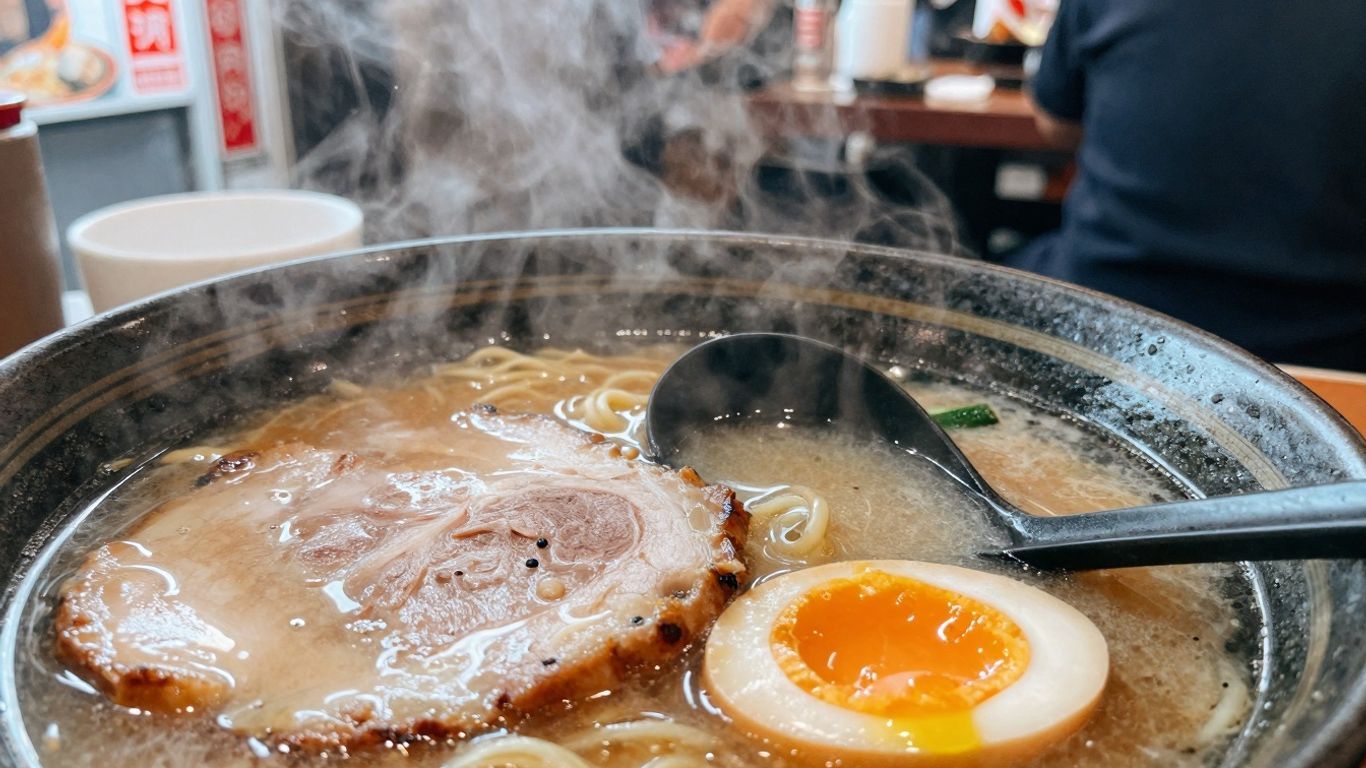
Tokyo's culinary landscape is a universe unto itself—a vibrant realm where tradition and innovation perform an exquisite dance on every single plate. One might well set aside any preconceived notions of Japanese cuisine, for this city offers an experience that extends far beyond sushi and ramen, though these staples, of course, are absolutely essential to explore.
From the bustling energy of street food stalls to the serene reverence of Michelin-starred temples of gastronomy, the sheer variety can, at first, feel quite overwhelming. But therein lies a significant part of the adventure. You might, for instance, discover yourself in a diminutive, family-run eatery, perhaps tucked away in a quiet alley, serving generations-old recipes, or perhaps in a sleek, modern establishment boldly pushing the boundaries of culinary artistry. The key, undoubtedly, is to maintain an open mind toward discovery.
Here are a few culinary avenues well worth exploring:
- Izakayas: These traditional Japanese pubs are ideal for a casual evening out. They present a diverse array of small dishes—everything from grilled skewers (yakitori) to crispy fried chicken (karaage) and fresh sashimi—perfectly complemented by beverages such as sake, shochu, and beer. It's an excellent method for sampling a multitude of distinct flavors.
- Depachika: Located in the basement levels of major department stores, these food halls are an absolute feast for the senses. You'll encounter everything from exquisitely prepared bento boxes and delicate pastries to gourmet ingredients and ready-to-eat meals. They're splendid for assembling a high-quality picnic or selecting a special treat.
- Specialty Restaurants: Tokyo truly excels in the realm of hyper-specialized dining. Whether your craving is for tempura, unagi (eel), soba noodles, or even particular regional Japanese cuisines, you'll readily find restaurants dedicated to perfecting that single, signature dish.
- Cafes and Kissaten: Beyond simply offering coffee, these establishments frequently provide light meals, sandwiches, and traditional Japanese sweets (wagashi). Kissaten, the older, more traditional coffee houses, often boast a quiet, wonderfully retro atmosphere.
When dining, it's worth remembering that presentation holds as much importance as taste. Observe the meticulous care evident in the arrangement of each dish. Furthermore, do not shy away from trying unfamiliar items; it's often in these moments that the most memorable experiences truly unfold.
While the city undeniably boasts a plethora of high-end dining options, some of the most genuinely rewarding culinary moments can be discovered in the simplest of settings. Look for places that consistently draw a steady stream of locals—that's typically an excellent indicator of quality.
4. Shopping Destinations
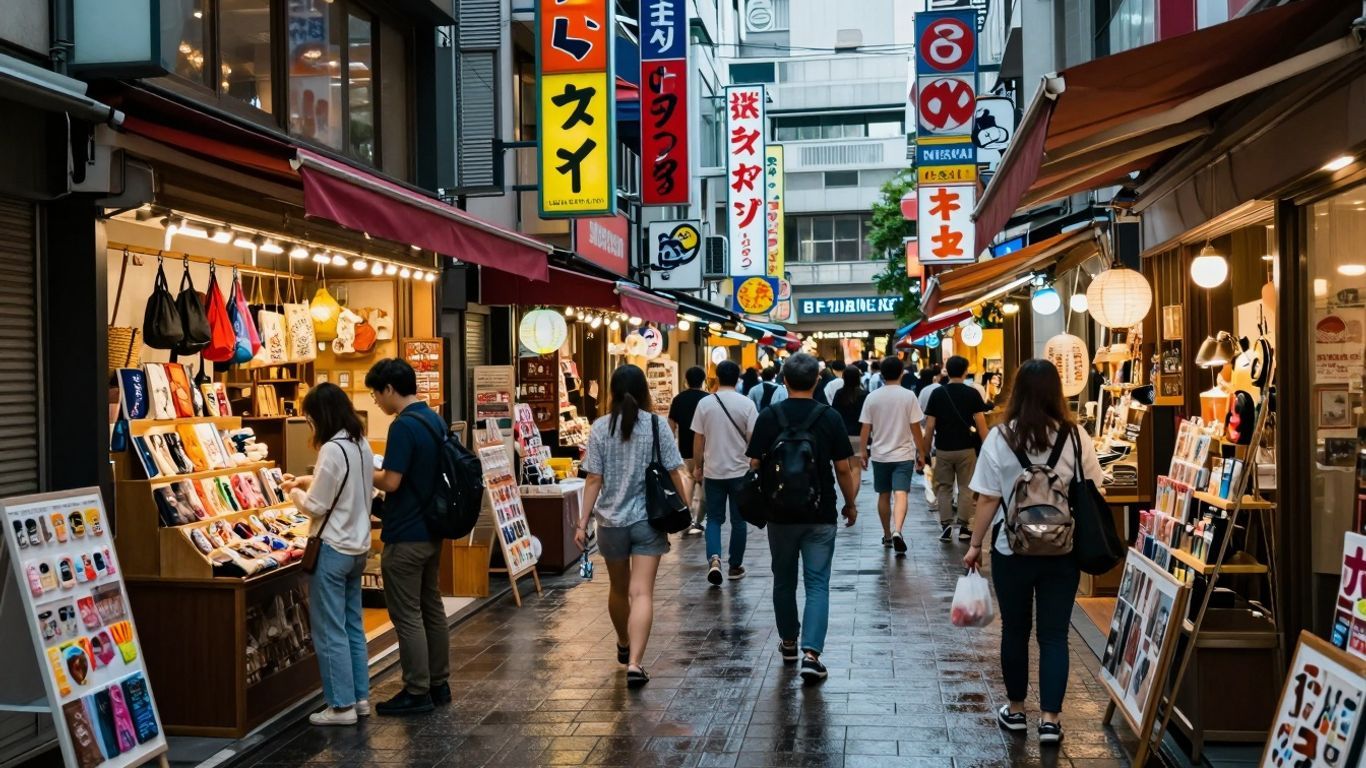
Tokyo is, without question, a shopper's paradise, presenting an extensive array from high-end designer boutiques to wonderfully quirky independent stores. One could readily spend days exploring its incredibly diverse retail landscape. For a genuine taste of luxury and cutting-edge fashion, a visit to Ginza is essential. This esteemed district is celebrated for its venerable department stores like Mitsukoshi and Wako, alongside the flagship outlets of numerous international brands. It's a quintessential locale where one can discover exquisite craftsmanship and the very latest trends.
Should you seek something a touch more distinctive and trend-driven, Shibuya undoubtedly remains your premier destination. This area pulsates with youthful energy and hosts expansive retailers such as Shibuya 109, as well as countless smaller boutiques showcasing the freshest street styles. By all means, do not miss the opportunity to explore its intriguing side streets for those truly hidden gems.
For an experience that is more deliberately curated and design-focused, Omotesando stands as the ideal choice. Often affectionately termed Tokyo's Champs-Élysées, it features architecturally stunning buildings housing brands that seamlessly blend fashion with artistic expression. Here, you'll encounter a sophisticated mix of international designers and refined Japanese labels.
Consider these key shopping areas:
- Ginza: The epitome of high-end fashion, luxury goods, and prestigious flagship stores.
- Shibuya: The heart of youth culture, cutting-edge street style, and dynamic department stores.
- Omotesando: Distinguished by designer boutiques, architectural marvels, and sophisticated, avant-garde brands.
- Daikanyama: A charming area offering chic boutiques, unique independent shops, and a wonderfully relaxed atmosphere.
Tokyo's shopping scene truly mirrors its cultural identity—a compelling blend of deeply rooted tradition and exhilarating modernity. Whether your quest is for a specific item or you simply relish the act of browsing, the city guarantees an unforgettable retail adventure.
5. Record Shops
Tokyo's music scene, much like the city itself, is remarkably vibrant and diverse; for vinyl enthusiasts, it represents an unparalleled treasure trove. One quickly moves beyond mere browsing here; indeed, the act of 'digging through crates' becomes an experience in itself. You'll uncover everything from incredibly rare Japanese pressings of Western classics to obscure local jazz and highly sought-after city pop gems.
Shibuya and Shinjuku are, without question, the undisputed epicenters for record shopping. These districts boast a significant concentration of shops, each cultivating its own unique specialty. Whether you're meticulously hunting for a particular genre or simply wish to lose yourself in an ocean of sound, these areas serve as your essential starting point.
Here are a few excellent places to commence your vinyl journey:
- Disk Union: With numerous branches across Tokyo, Disk Union is an absolute must-visit. They encompass an immense range of genres—from rock and jazz to electronic and hip-hop—and are highly regarded for their impeccably organized sections and highly knowledgeable staff. It's an exceptional spot for both new and pre-owned records.
- Tower Records Shibuya: While part of a major chain, the Shibuya branch is legendary in its own right. It's an enormous establishment, sprawling across several floors, and presents an astonishing selection of both domestic and international music. One could quite easily spend hours exploring its depths.
- Recofan: Another chain with multiple locations, Recofan is particularly fantastic for unearthing affordable used vinyl. Their inventory is truly massive, and you're highly likely to stumble upon some delightful, unexpected finds.
- Small Independent Shops: Do not overlook the smaller, independent stores often tucked away in charming neighborhoods like Shimokitazawa or Koenji. These frequently specialize in niche genres and tend to offer a more curated, distinctive selection.
As you browse, do keep an eye out for these distinguishing features:
- Japanese Pressings (Japans): Often characterized by unique obi strips (the paper band encircling the cover) and frequently superior sound quality, these are highly coveted among collectors.
- City Pop: This smooth, often upbeat genre, originating from the 70s and 80s, has experienced a tremendous resurgence in global popularity.
- Kayōkyoku: Traditional Japanese popular music, which can offer a truly fascinating listening experience.
The sheer volume of music available in Tokyo is, frankly, staggering. It's not merely about the big names; it's profoundly about discovering the myriad sounds that define different eras and subcultures within Japan. Be prepared to dedicate ample time—and perhaps even consider bringing an additional suitcase if your collection ambitions are serious.
6. Shiatsu Massage
When immersed in the exploration of Tokyo, particularly after a long and engaging day of sightseeing, a shiatsu massage can indeed prove to be an invaluable restorative. This traditional Japanese bodywork technique employs precise finger and palm pressure, alongside targeted stretches, to effectively relax muscles and enhance circulation. One might consider it an optimal method for recalibrating both body and mind.
The foundational principle behind shiatsu is to harmonize the body's intrinsic energy, colloquially known as 'ki'. Practitioners apply careful pressure to specific points along the body's energy pathways, termed meridians—aiming to release blockages and foster a profound sense of overall well-being.
Here’s a brief overview of what you might anticipate:
- Pressure Application: Therapists deftly utilize their thumbs, palms, fingers, and even elbows to apply rhythmic pressure. While generally not painful, a distinct and therapeutic sensation should certainly be felt.
- Stretching and Joint Manipulation: Gentle stretches and subtle joint rotations are frequently incorporated to improve flexibility and expand the range of motion.
- Focus on Meridians: The treatment is meticulously guided along the body's meridian lines, an approach akin to acupuncture but notably without the use of needles.
- Relaxation: Many individuals report finding shiatsu profoundly relaxing, which can significantly aid in stress reduction and improve sleep quality.
While the Monocle guide may not meticulously enumerate specific shiatsu parlors, it is a service you'll discover is widely available across the city. You can often locate reputable establishments by simply inquiring at your hotel for recommendations or by seeking out venues that clearly advertise their shiatsu services. Some luxury spas also integrate shiatsu as a component of a broader wellness package, much like the nature spas one might encounter in Tokyo—for a comprehensive list of options.
When embarking on a quest for a shiatsu massage, it is prudent to seek out practitioners who are certified or come highly recommended through positive reviews. This practice is deeply rooted in tradition, and securing a skilled therapist can undeniably make all the difference in your overall experience. Do not hesitate to inquire about their training and therapeutic approach before your session commences.
It represents a truly splendid opportunity to connect with a traditional Japanese practice, leaving you feeling wonderfully refreshed and utterly prepared for more Tokyo adventures.
7. Hotels
Selecting the appropriate accommodation in Tokyo can genuinely shape the entirety of your trip. The city offers an extraordinary spectrum of lodging, ranging from sleek, contemporary hotels to charming, traditional inns.
When making your hotel choice, it’s beneficial to consider the kind of experience you envision. Do you desire to be at the very epicenter of the action, or would you perhaps prefer a more tranquil retreat? Location is, of course, paramount, and Tokyo's exceptionally efficient public transport system ensures effortless mobility, regardless of where you choose to establish your base.
Here are several types of accommodations to thoughtfully consider:
- Luxury Hotels: These establishments typically provide unparalleled service, often boast spectacular city views, and are generally situated in prime areas like Ginza or Shinjuku. Expect nothing less than exacting standards and a wealth of amenities.
- Business Hotels: A highly popular choice, recognized for their efficiency and frequently reasonable pricing. They tend to be more compact but are invariably well-appointed and conveniently located near major train stations.
- Ryokan (Traditional Inns): For a truly authentic Japanese experience, a ryokan comes highly recommended. Here, you'll sleep on traditional futons laid on tatami mats and often partake in elaborate, multi-course traditional meals. It’s worth noting that some modern hotels now also offer ryokan-style rooms.
- Boutique Hotels: These present a more distinctive and stylish stay, often characterized by unique design elements and a noticeably more personalized atmosphere.
Many hotels in Tokyo prioritize providing a pristine, functional, and supremely comfortable foundation for exploring the city. While some designs might appear minimalist, the meticulous attention to detail in both service and amenities is consistently of a very high caliber.
Tokyo's hotel scene is, much like the city itself, wonderfully diverse. Whether your preference is for a destination hotel in its own right or simply a conveniently situated spot to rest your head, an ideal option certainly awaits. Consider what is most crucial for your stay—be it proximity to major sights, a unique ambiance, or adherence to a specific budget—and you'll undoubtedly find a perfect match.
While prices can indeed fluctuate significantly, securing your booking in advance is always a judicious decision, particularly during peak travel seasons. Furthermore, do ensure that your chosen hotel is conveniently located near a major train or subway station, as this will render navigating Tokyo considerably more straightforward.
8. Cafes
Tokyo's cafe scene is truly a universe unto itself—a fascinating landscape where one can discover everything from minimalist havens serving exquisite single-origin pour-overs to vibrantly themed establishments that are sheer, unadulterated fun. It's more than merely a place to grab a coffee; it embodies a cultural experience, offers a quiet moment for reflection, or serves as a dynamic social hub.
As you explore, do keep an attentive eye out for the smaller, independent cafes often tucked away on intriguing side streets. These frequently provide the most authentic and memorable experiences. You might, for example, stumble upon a spot where the barista greets every customer by name, or a tranquil corner affording a serene garden view. These, above all, are the establishments that genuinely capture the very spirit of Tokyo.
Here are a few distinct types of cafes you'll inevitably encounter:
- Kissaten: These are traditional Japanese coffee shops, often imbued with a delightful retro vibe. Their focus is on expertly brewed coffee, sometimes employing siphon methods, and they typically offer a quiet, deeply relaxed atmosphere. Expect simple, yet delicious, snacks such as toast or sandwiches.
- Themed Cafes: Tokyo is renowned for its ingeniously themed cafes, ranging from charming animal cafes (featuring cats, owls, or even hedgehogs) to whimsical character-based spots. While some may lean towards the touristy, they undeniably offer a unique, often playful, experience.
- Modern Coffee Roasters: For the truly discerning coffee aficionado, Tokyo boasts a burgeoning number of modern cafes that pride themselves on sourcing exceptional beans from across the globe and utilizing advanced brewing techniques. These establishments often feature sleek, contemporary designs.
- Chain Cafes: While you'll certainly find familiar international chains, even these often present unique offerings or designs that thoughtfully reflect their Tokyo location.
A Brief Guide to Cafe Etiquette:
When patronizing cafes, particularly the smaller ones, it is polite to be mindful of noise levels. Should you find yourself in a popular establishment during peak hours, be prepared for a potential wait. Moreover, some cafes might impose a table charge or a minimum order, especially during evening hours or if they host live music.
Do not hesitate to step inside that intriguing little shop you happen to pass; one truly never knows what delightful brew or peaceful moment might be awaiting within.
9. Bars
Tokyo's bar scene is as wonderfully varied as the city itself, presenting an array from diminutive, intimate establishments to vivacious, contemporary venues. One can discover places discreetly tucked away in quiet alleyways, serving meticulously crafted cocktails, or larger, more expansive venues exuding a palpable, buzzing atmosphere.
Indeed, the city genuinely offers a libation for every conceivable mood and occasion.
When navigating Tokyo's nightlife, consider these distinct types of bars:
- Cocktail Bars: Many bars in Tokyo pride themselves on their extraordinarily meticulous cocktail preparation. Seek out establishments that emphasize fresh ingredients and inventive flavor combinations. Some may specialize in exquisite Japanese spirits like sake or shochu, while others offer classic international drinks with a subtle Tokyo twist.
- Izakayas: These are quintessential Japanese pubs that serve an extensive range of small dishes alongside alcoholic beverages. They provide an excellent avenue for experiencing local food and drink culture within a wonderfully relaxed setting. Expect to find everything from grilled skewers (yakitori) to fresh sashimi on the menu.
- Themed Bars: Tokyo is famously known for its highly creative and, at times, wonderfully quirky themed bars. These can span from music-focused venues to places featuring truly unique decor and imaginative concepts, promising a memorable experience that extends well beyond merely the drinks themselves.
- Whisky Bars: Japan boasts a world-renowned whisky industry, and Tokyo, consequently, offers numerous bars dedicated to showcasing these exceptional spirits. You can frequently find extensive selections of both Japanese and international whiskies, often served neat or in refreshing highballs.
Exploring Tokyo's bar scene is, in itself, an adventure. Do not shy away from wandering down less-traveled side streets or venturing into unassuming buildings; some of the most captivating places are often artfully hidden away. A little judicious exploration can lead to truly wonderful discoveries.
When selecting a bar, thoughtfully consider the kind of atmosphere you're seeking. Certain areas are celebrated for their concentration of bars, facilitating effortless hopping between several different establishments in a single evening. Bear in mind that many smaller bars might impose cover charges or have seating limitations, so it's always wise to be prepared.
10. Museums
Tokyo's museum landscape is as wonderfully diverse as the city itself, offering everything from venerable ancient artifacts to the most cutting-edge contemporary art. While it's undoubtedly impossible to experience every single institution, judiciously focusing on a few key establishments can provide a truly magnificent overview of Japan's rich cultural heritage and its vibrant modern artistic expressions.
For those with a keen interest in traditional Japanese art and history, the Tokyo National Museum, situated in Ueno Park, is an absolute imperative. It houses an extensive collection of art and artifacts spanning centuries from Japan and other Asian countries. If, however, modern and contemporary art aligns more closely with your preferences, the Mori Art Museum, perched on the 53rd floor of the Roppongi Hills Mori Tower, presents breathtaking city views alongside its frequently thought-provoking exhibitions. It is, unequivocally, a place where art and architecture converge in spectacular fashion.
Here are a few prominent museums to consider for your itinerary:
- Tokyo National Museum: Immerse yourself in Japanese art and artifacts that traverse millennia.
- Mori Art Museum: Experience contemporary art against a backdrop of panoramic cityscapes.
- Ghibli Museum: Embark on a whimsical journey into the enchanting world of Studio Ghibli animation (securing advance tickets is absolutely essential).
- Nezu Museum: Discover exquisite pre-modern Japanese and East Asian art within a beautifully serene garden setting.
- National Museum of Nature and Science: An excellent choice for families, featuring engaging exhibits on natural history and technological advancements.
When meticulously planning your museum visits, it is crucial to remember that many popular attractions, such as the Ghibli Museum, necessitate ticket purchases well in advance. Consulting official websites for precise opening hours, exhibition schedules, and ticketing information is always a highly recommended practice prior to your departure.
Beyond these major institutions, Tokyo also boasts a plethora of smaller galleries and specialized museums. For instance, the area encompassing Daikanyama and Nakameguro, celebrated for its stylish boutiques and charming cafes, concurrently features smaller galleries that actively showcase emerging artists. You might even serendipitously uncover a hidden gem while exploring neighborhoods such as these, perhaps after a visit to a distinctive spot like Tsutaya Books.
Furthermore, do consider your transportation strategy. The Tokyo Metro and JR train lines offer remarkably efficient connectivity for reaching most museum districts. Acquiring a Suica or Pasmo card can significantly streamline your travel experience.
Your Tokyo Adventure Awaits
So, there you have it—a compelling glimpse into the many captivating facets of Tokyo. It is, undeniably, a city that offers something for everyone, whether you find yourself drawn to the quiet allure of its backstreets or the pulsating energy of its modern hubs. While we've merely touched upon a selection of remarkable spots, Tokyo's sheer scale and perpetual evolution mean one could dedicate a lifetime to exploration and still continually uncover new wonders. We sincerely hope this guide has provided an excellent foundation for embarking on your own unique journey. Remember to embrace the unexpected, remain open to novel experiences, and, most importantly, savor every moment in this incredible metropolis. Happy travels, indeed!
Frequently Asked Questions
What makes Tokyo a unique city to visit?
Tokyo distinguishes itself through its remarkable fusion of tradition and modernity, where ultra-contemporary architecture seamlessly coexists with ancient temples. The city is also renowned for its exceptional efficiency, pristine cleanliness, the graciousness of its residents, and an extraordinary culinary scene. It’s a destination that consistently offers delightful surprises!
How many neighborhoods does the guide cover?
This guide illuminates seven distinct neighborhoods across Tokyo. Each area possesses its own unique character and a wealth of attractions and activities, thereby ensuring a diverse exploratory experience of the city’s offerings.
Are there any tips for staying healthy while traveling in Tokyo?
Certainly, especially if health and well-being are primary concerns. The guide suggests practical measures such as endeavoring to avoid exceptionally crowded trains, considering a mask if you deem it necessary, monitoring your temperature, and diligent handwashing. The overarching aim is to ensure visitors feel both safe and warmly welcomed.
What kind of shopping can I expect in Tokyo?
Tokyo is truly a shopper’s dream! You’ll discover everything from the latest fashion trends and distinctive souvenirs to cutting-edge gadgets and exquisite traditional crafts. This guide directs you to some of the finest locations, ensuring you find precisely what you're seeking.
Does the guide recommend places to eat and drink?
Absolutely! Food and drink constitute an integral and enriching part of the Tokyo experience. The guide highlights establishments cherished by locals, encompassing inviting cafes, vibrant bars, and restaurants serving delectable Japanese cuisine. You are most certainly poised to discover some truly delightful gastronomic experiences!
Is this guide good for first-time visitors to Tokyo?
This guide serves as an excellent foundational resource, particularly if your interests lie in design, architecture, and uncovering some of Tokyo’s most captivating locations. However, for highly granular travel information, such as precise train station names or specific Japanese addresses, supplementing your trip with a more comprehensive, detailed guidebook would be advisable.


