
resources
Your Ultimate Amsterdam City Guides: Explore the Canals and Culture
23 Nov 2025

Planning a trip to Amsterdam? It can certainly feel a bit overwhelming with the myriad of options available, can't it? This comprehensive guide is designed to help you navigate through it all. Our focus will be on the city's iconic canals and the wealth of captivating experiences and attractions surrounding them. Consider this your definitive resource for understanding Amsterdam, whether it's your inaugural visit or you're returning for another exploration. We'll delve into its rich history, practical navigation tips, and must-see highlights, ensuring you have an truly memorable visit.
Key Takeaways
- Amsterdam's canals are far more than mere picturesque waterways; they intricately narrate the city's evolutionary journey and historical milestones, spanning from its foundational days to the grandeur of its Golden Age.
- Exploring these charming canals offers a spectrum of possibilities, from professionally guided boat tours to the independence of renting your own vessel, each providing distinct perspectives and engaging experiences.
- Observe the canal houses closely—their distinctive gables and external hoists unveil fascinating insights into the lives and livelihoods of past inhabitants.
- Do not overlook the celebrated Flower Market, a historic locale that continues to present a vibrant spectacle of blooms, and consider visiting museums dedicated to the enduring legacy of canal life.
- When venturing out, prioritize safety awareness around the water and seize the abundant photographic opportunities, particularly those found at bridges and along specific, scenic canal stretches.
Navigating Amsterdam's Historic Waterways
The Evolution of Amsterdam's Canals
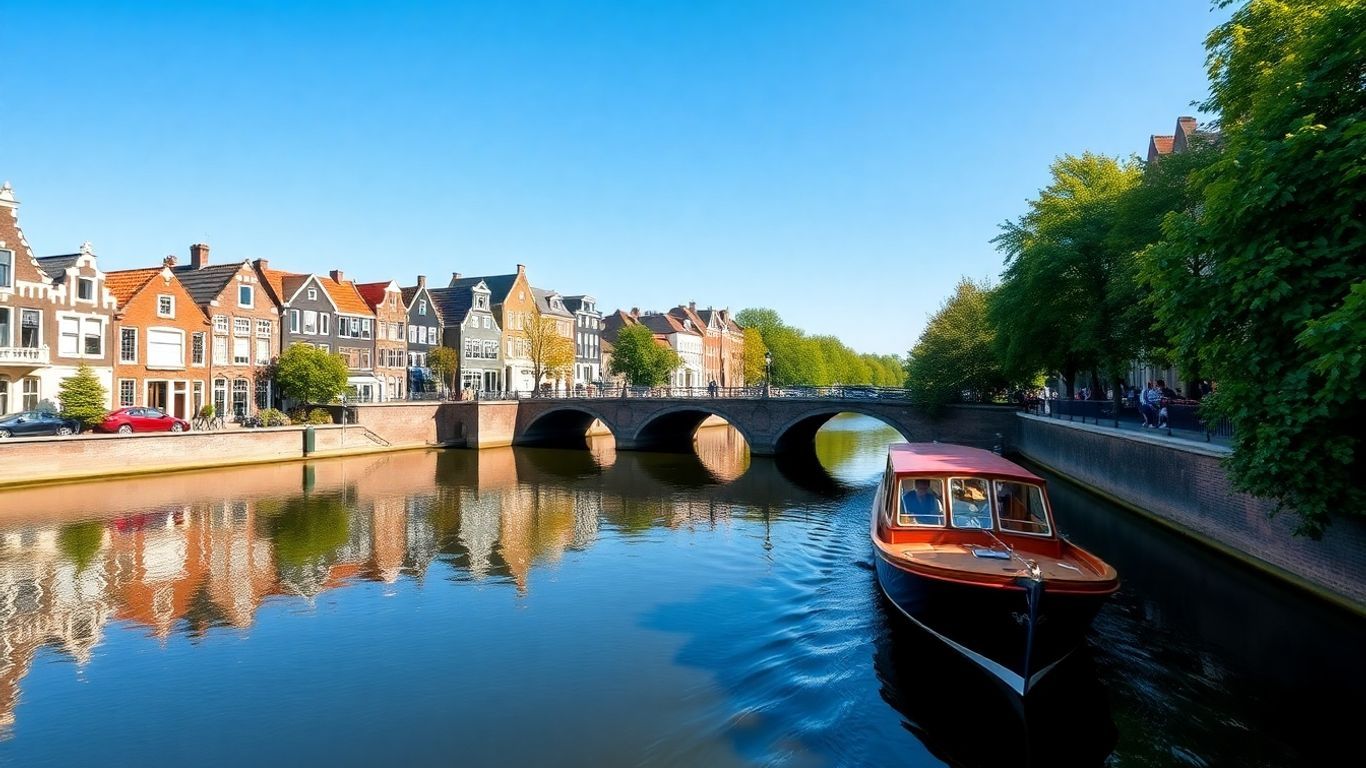
The Amsterdam we know today, a captivating tableau of waterways, wasn't always this way. Indeed, back around the year 1200, the area was largely a marshland bordering the Amstel River. Residents at that time sustained themselves primarily through fishing and trade, as agricultural pursuits proved quite challenging. The city's fortunes truly transformed in the 17th century, a period when the Dutch Republic emerged as a dominant force in global commerce, channeling immense wealth into the city. This newfound prosperity fueled rapid urban expansion, pushing the city's boundaries far beyond its original fortifications.
To manage this considerable growth and render the reclaimed land habitable, astute engineering solutions were imperative—and that's precisely where the canals came into play. The iconic canal ring, known locally as the Grachtengordel, was constructed in carefully planned stages and remains fundamentally important for water management to this day. Its historical and architectural significance is so profound that UNESCO recognized it as a World Heritage site in 2010. These approximately 165 canals, astonishingly, collectively span a greater distance than the famous waterways of Venice!
The canal system quite effectively partitions Amsterdam into roughly 90 smaller districts, each possessing its own unique atmosphere and distinct community character.
Understanding the Canal Ring
The Grachtengordel, or canal ring, stands as the quintessential core of Amsterdam's historic waterways. It's a UNESCO World Heritage site, and for compelling reasons. This impressive network of canals was meticulously developed in phases, primarily throughout the Dutch Golden Age, specifically to accommodate the city's rapidly expanding population and burgeoning trade. It wasn't solely about aesthetics, though; these canals served a critical, multifaceted role in water management, drainage, and transportation. The ingenious concentric layout, with the Herengracht, Keizersgracht, and Prinsengracht forming the principal arteries, represents a remarkable feat of urban planning. Each canal, you'll find, possesses its own unique character, subtly reflecting the different eras and specific purposes of its construction.
Key Canals and Districts to Explore
As you embark on your exploration of Amsterdam's intricate waterways, several areas distinctly stand out. The renowned Golden Bend on the Keizersgracht, for instance, is celebrated for its magnificent 17th-century canal houses, once the residences of the city's most affluent merchants. It's an unparalleled vantage point for appreciating the impressive architectural grandeur of the Golden Age. Conversely, the Jordaan district, with its charmingly smaller canals and labyrinthine narrow streets, offers a more intimate and bohemian ambiance, teeming with independent boutiques, inviting cafes, and secluded courtyards. Don't overlook the Singel, the city's oldest canal, which historically marked its outer defensive perimeter. Today, it remains a picturesque waterway, graced by historic buildings and hosting the perpetually vibrant floating Flower Market.
Here are some quintessential highlights worth noting:
- Keizersgracht (Emperor's Canal): Widely regarded as one of the broadest and most distinguished canals, it is elegantly lined with magnificent mansions.
- Prinsengracht (Prince's Canal): Particularly noted for being home to the Anne Frank House and a significant number of charming houseboats.
- Herengracht (Gentlemen's Canal): Often considered the most elegant of the canals, boasting exquisite patrician homes along its banks.
- Jordaan District: Formerly a working-class neighborhood, it is now celebrated for its bohemian spirit and exceptionally picturesque canals.
- Singel: This innermost canal gracefully encircles the historic city center, offering a scenic boundary.
Experiencing the Canals: Tours and Activities
Amsterdam's canals are truly more than just aesthetically pleasing waterways; they are, in many respects, the very lifeblood of the city and an absolutely superb way to take in the sights. Thankfully, you're presented with a variety of excellent options for venturing out onto the water, each offering a distinct atmosphere and experience.
Choosing the Right Canal Cruise
When most visitors envision seeing the canals, a classic boat tour is often the first thing that springs to mind—and for good reason! It's an exceptionally relaxed and efficient method to cover significant ground without tiring your feet. There's an abundance of companies offering cruises, so it's certainly worth investigating what each one brings to the table. Some operators provide spacious, open-decked vessels, while others prefer smaller, more intimate boats. If your visit extends into the evening, a nighttime cruise can be particularly enchanting, with the city's numerous bridges beautifully illuminated. Just be aware that these evening excursions might entail a slight premium. It truly is an excellent way to gain an overview of the city and observe iconic landmarks, such as the Anne Frank House, from an entirely fresh perspective.
Self-Guided Boat Rentals
For those seeking a more personalized and independent adventure, consider the option of renting your own boat. What's wonderful is that you typically won't require a special license or any prior boating experience to pilot these vessels. Rental companies usually provide a concise yet thorough orientation on how to operate them safely, often coupled with suggestions for scenic routes. This approach truly allows you to explore at your own rhythm, perhaps even uncovering some quieter, less frequented nooks and crannies. It's an undeniably enjoyable way to immerse yourself and feel like a local, even if only for a few hours. Many of these rental boats are electric, which means they're delightfully quiet and environmentally friendly, producing zero emissions.
Unique and Eco-Friendly Boat Tours
If you're on the lookout for something a little different, perhaps with a keen eye towards environmental consciousness, Amsterdam offers some truly innovative options. Certain companies, for instance, are deeply committed to sustainability, employing electric boats that are both remarkably quiet and completely emission-free. Others even feature engaging "plastic fishing" tours, where you can actively contribute to cleaning up the canals while enjoying your cruise. It's a wonderful synergy of sightseeing and making a positive impact. Furthermore, many of these eco-conscious tours utilize boats constructed from recycled materials, rendering the entire experience quite green and commendable.
It’s important to remember that while Amsterdam's canals are undeniably beautiful, swimming in them is generally not recommended. The water depth can vary significantly, and with the constant boat traffic, it simply isn't a safe activity. For your water-based adventures, it's always best to stick to the boats!
Here's a concise overview of what you can anticipate:
- Canal Cruises: Ideal for general sightseeing, straightforward to book, available on various boat sizes.
- Self-Guided Rentals: Offers unparalleled freedom and flexibility, perfect for exploring hidden areas, no license required.
- Eco-Friendly Tours: Sustainable choices, unique experiences such as plastic fishing, featuring tranquil electric boats.
Regardless of your preferred method, embarking on a canal journey is an absolute must-do when in Amsterdam. It genuinely provides an invaluable sense of the city's profound history and its distinctive layout. From the water, you can absorb so much—ranging from the historic canal houses with their uniquely gabled facades to the multitude of bridges gracefully connecting every part of the city. It’s a perspective you simply cannot gain solely from walking its charming streets.
Discovering Architectural Marvels Along the Canals
Amsterdam's canals are hardly just passive waterways; they serve as a dynamic, open-air museum, vividly showcasing centuries of architectural ingenuity and remarkable adaptation. As you explore, be sure to keep a keen eye out for the distinctive details that eloquently narrate the story of this extraordinary city built literally upon water.
Gables and Hoists: Hidden Features of Canal Houses
If you look closely at the upper sections of the canal houses, you'll invariably notice a fascinating array of gables—those decorative, often triangular, sections positioned at the roofline. These weren't merely ornamental; they frequently served a highly practical purpose. Many canal houses were deliberately constructed with a forward lean, an ingenious design choice intended to facilitate the hoisting of bulky items, like furniture, up to the higher floors through the large windows. To aid in this, a hoist, essentially a pulley system, was commonly affixed to the gable. You might even discern decorative elements on the gables themselves that subtly hinted at the original owner's profession—perhaps a stork for a midwife, for instance, or a pair of scissors for a tailor.
The inherent narrowness of the city's streets and the understandable desire to prevent damage to the building's facade necessitated these clever solutions for moving goods. It stands as a remarkable testament to the resourcefulness and ingenuity of Amsterdam's historic builders.
Iconic Bridges of Amsterdam
More than 1,700 bridges gracefully span Amsterdam's canals, each possessing its own unique character and fascinating history. Some are purely utilitarian, serving essential functions, while others stand as magnificent architectural statements. The Torensluis, constructed in 1648, is notable as one of the city's oldest and widest bridges, strategically located on the Singel canal. The Blauwbrug (Blue Bridge), elegantly crossing the Amstel River, is frequently lauded as one of the most beautiful, admired for its ornate design. And then, of course, there's the beloved Magere Brug (Skinny Bridge), a truly picturesque wooden drawbridge that has graced the silver screen in numerous films. It presents an incredibly romantic spectacle, particularly after dusk when it becomes exquisitely illuminated by hundreds of twinkling lights.
| Bridge Name | Location | Notable Feature |
|---|---|---|
| Torensluis | Singel | Oldest and widest bridge (1648) |
| Blauwbrug | Amstel River | Ornate design, considered very beautiful |
| Magere Brug | Amstel River | Wooden drawbridge, iconic and picturesque |
Architectural Details on Canal Banks
Beyond the impressive gables and iconic bridges, it's highly worthwhile to take a moment to appreciate the myriad smaller architectural details adorning the canal banks. Here, you'll uncover a rich tapestry of historical monuments, each with its own compelling narrative. Look for the distinctive Dutch stoop, those charming small steps often crafted from stone, leading up to the front doors. Observe the varied window styles, ranging from the tall, narrow windows common in older structures to more contemporary adaptations. Some houses even showcase intricate decorative stone carvings or unique brickwork patterns. And don't forget to keep an eye out for the somewhat whimsical 'plaskrul' or 'pee curls'—spiral-shaped urinals strategically installed on certain street corners, a quirky yet practical solution to public urination that dates back to the late 19th century and speaks volumes about the city's pragmatic approach to urban living.
Cultural Highlights Near the Waterways
Amsterdam's canals aren't merely aesthetically pleasing to behold; they are encircled by a palpable sense of history and vibrant culture. Many of the city's most intriguing sites are conveniently located just a stone's throw from the water's edge. Here, you can immerse yourself in museums that intricately chronicle the story of the canals themselves, explore historic homes offering an intimate glimpse into bygone eras, and even visit a renowned flower market that has flourished for centuries.
Museums Dedicated to Canal History
If your aim is to truly grasp why Amsterdam has earned its moniker as the 'Venice of the North,' then a visit to a museum specifically focused on canal history is, without question, a necessity. The Museum of the Canals (Het Grachtenhuis) offers an excellent starting point. It masterfully guides you through the city's watery past, lucidly explaining how these ingenious waterways shaped Amsterdam into the remarkable place it is today. You'll gain insights into the impressive engineering feats, the profound social impact, and the fascinating evolution of the canal system. It's quite captivating to witness the sheer foresight and meticulous planning that underpinned the creation of this unique urban landscape.
Historic Homes and Artist Studios
Many of the exquisite canal houses you admire from the outside aren't just beautiful facades; they are, in essence, living testaments to history. Some have been thoughtfully converted into museums, diligently preserving the original interiors and the compelling stories of their former occupants. The Anne Frank House, of course, stands as a somber yet profoundly important stop, offering a poignant look into a hidden annex. Then there's the Museum Van Loon, which transports you directly back to the 17th century with its perfectly preserved original furnishings. For those with an artistic inclination, the Rembrandt House Museum (Het Rembrandthuis) is where the celebrated painter both lived and worked. Wandering through his studio truly offers a tangible sense of his daily life and profound creative process—a window into genius, if you will.
The Vibrant Flower Market
Gracefully floating on the Singel canal, you'll discover the Bloemenmarkt, Amsterdam's world-famous flower market. It holds the unique distinction of being the only one of its kind globally, with its vibrant stalls charmingly set up on barges. While it admittedly caters somewhat to tourists these days, it boasts a rich history, dating back to the mid-19th century when vendors would arrive by boat to peddle their fresh goods. Even though it's now permanently moored on pontoons, it steadfastly retains its quintessential charm. Here, you can procure all manner of flowers, with tulips being a particular highlight, along with bulbs available year-round. It’s an undeniably colorful and fragrant locale that is certainly worth dedicating some time to stroll through.
Amsterdam's canals have consistently been central to its very identity, profoundly influencing every aspect from its distinctive architecture and dynamic trade to the minutiae of daily life. A deeper understanding of their history invariably enhances your appreciation for the city's unique character and the remarkable ingenuity of its people.
Here are a few specific elements to actively seek out when exploring these rich cultural spots:
- Architectural Details: Pay close attention to the gables adorning the canal houses. You might just spot symbolic carvings that eloquently reveal insights about the original inhabitants—perhaps a stork signifying a midwife or scissors for a tailor.
- Bridge Engineering: Take note of the remarkable diversity among the bridges. Some, like the Torensluis, boast incredible antiquity, while others, such as the Magere Brug (Skinny Bridge), are celebrated for their sheer beauty, particularly when bathed in light at night.
- Water Management: Keep an eye out for essential sluices (locks), like the Amstelsluizen. These structures were absolutely vital for maintaining water quality and regulating flow during the city's formative years.
- Public Art: Occasionally, you'll encounter unique pieces of street furniture, such as the 'pee curls' (Plaskrul)—those distinctive spiral urinals designed to discreetly address public urination and contribute to cleaner canals.
Practical Tips for Your Amsterdam Canal Exploration
Embarking on an exploration of Amsterdam's canals is an undeniably fantastic experience, but a touch of thoughtful preparation can truly elevate your visit. Here are some pertinent pointers to ensure you make the absolute most of your time both on and around the water.
Safety on and Around the Canals
Always maintain a keen awareness of your immediate surroundings, particularly when strolling near the water's edge, as many canals notably lack protective barriers. While falling into a canal is uncommon, and the water is generally not excessively deep (averaging around eight feet), it's crucial to understand that it is not considered safe for swimming due to concerns about water quality and the constant boat traffic. If you're opting to rent your own boat, remember the golden rule: always keep to the right side of the canal. Docking is typically permitted in most areas, but it's advisable to avoid mooring under bridges, in narrow channels, or in any designated prohibited zones. Crucially, ensure your boat's lights are activated after dusk for visibility.
Here are a few essential safety considerations:
- Pedestrian Awareness: Exercise caution with your footing, especially when traversing bridges and canal banks. Wet surfaces, in particular, can be unexpectedly slippery.
- Boating Rules: Should you be at the helm of a boat, it's prudent to familiarize yourself with fundamental canal etiquette. This includes understanding right-of-way protocols and adhering to applicable speed limits.
- Children: Maintain a vigilant eye on children when they are in proximity to the water. For smaller, open boats, the use of life vests is highly recommended.
Best Times for Canal Photography
Capturing the inherent beauty of Amsterdam's canals through your lens requires a degree of strategic timing. The "Golden Hour"—that magical period shortly after sunrise and just before sunset—offers a soft, warm light that makes the historic buildings and tranquil waterways positively glow. Early mornings are also exceptionally conducive for avoiding crowds, allowing you to secure those iconic shots with fewer people in your frame. For a truly distinct perspective, consider a night tour; many of the city's bridges are exquisitely illuminated, creating an undeniably magical and romantic atmosphere. Don't forget to pack a sturdy tripod if you intend to shoot in low-light conditions for sharper, clearer images—it makes all the difference, wouldn't you agree?
Understanding Canal Infrastructure
Amsterdam's canals are certainly more than just beautiful waterways; they represent a remarkable feat of sophisticated engineering. As you explore, you'll inevitably notice structures like sluices (or locks), which have been absolutely vital for effective water management since medieval times. The Amstelsluizen, for example, plays a key role in regulating water levels across the city. You might also spot those distinctive "pee curls" (plaskrul)—spiral-shaped urinals strategically installed in public areas to assist in waste management and ultimately contribute to keeping the canals cleaner. These elements are integral to the city's long and innovative history of adapting to its uniquely watery environment. Paying close attention to such details can undoubtedly add another enriching layer of appreciation to your canal experience.
Amsterdam's entire canal system is celebrated as a UNESCO World Heritage site, standing as a powerful testament to its profound historical significance and its enduring importance for both water management and urban life. This intricate network, developed meticulously over centuries, remarkably showcases innovative solutions for drainage, crucial land reclamation, and efficient transportation that continue to function seamlessly even today.
Beyond the Canals: Embracing Amsterdam's Culture
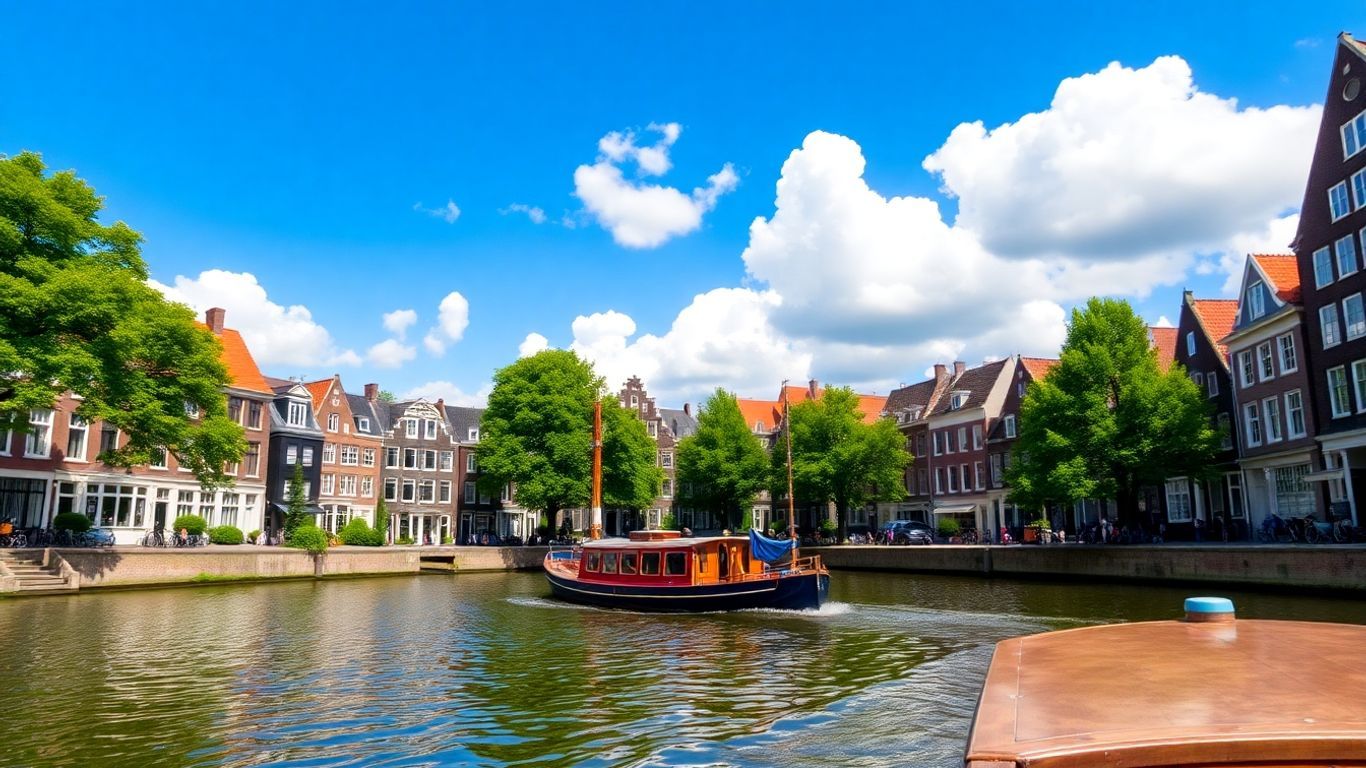
While the canals are, without a doubt, the beating heart of Amsterdam, the city's cultural pulse resonates powerfully throughout its diverse neighborhoods and vibrant local life. Venturing a little beyond the waterways reveals a city profoundly rich in art, history, and a truly distinctive way of living.
Exploring Neighborhoods and Local Life
Amsterdam is, at its core, a city composed of distinct districts, each imbued with its own unique character. The Jordaan, once a predominantly working-class area, has transformed into a charming labyrinth of narrow streets, independent boutiques, and inviting "brown cafes." It's an absolutely fantastic place to simply wander and truly soak in the essence of local life. For a more contemporary vibe, consider heading north across the IJ river to Amsterdam Noord. This area, historically an industrial zone, has undergone a remarkable metamorphosis, emerging as a dynamic hub for creativity, featuring captivating art installations, unique eateries, and a burgeoning music scene. Actively exploring these varied areas offers a more authentic and nuanced glimpse into what truly makes Amsterdam tick. You could easily spend days just getting wonderfully lost in the city's various pockets, serendipitously stumbling upon hidden courtyards and bustling local markets. For a deeper dive into these lesser-known locales, you might want to consider exploring Amsterdam's hidden gems.
Culinary Delights and Coffee Culture
Amsterdam's culinary landscape is every bit as diverse and rich as its neighborhoods. Beyond the beloved traditional Dutch snacks like stroopwafels and bitterballen, you'll uncover a truly global gastronomic experience. From the intricate flavors of Indonesian rijsttafel, a delightful legacy of colonial history, to freshly caught seafood and innovative vegetarian options, there is undoubtedly something to tantalize every palate. The city also proudly boasts a thriving coffee culture. "Koffiehuizen" are ubiquitous, providing inviting spaces to relax, engage in some people-watching, and savor an expertly brewed cup of coffee. Many of these cafes also serve light meals and delectable pastries, rendering them perfect for a leisurely mid-afternoon respite.
Here's a quick glimpse at some local favorites you absolutely must try:
| Food Item | Description |
|---|---|
| Stroopwafel | Thin waffle cookies with a delectable caramel syrup filling—a truly irresistible treat. |
| Bitterballen | Crispy deep-fried, savory meatballs, traditionally served hot with a dollop of mustard. |
| Haring (Herring) | Raw herring, often enjoyed traditionally with a side of chopped onions and pickles. |
| Poffertjes | Delicate, small, and fluffy Dutch pancakes, typically dusted generously with powdered sugar. |
Seasonal Events and Festivals
Amsterdam truly bursts into life throughout the year with a consistently packed calendar of engaging events and vibrant festivals. Depending on your travel dates, you might just catch the spectacularly vibrant King's Day celebrations in April, a time when the entire city enthusiastically turns orange, and lively parties spill into the streets and onto the canals. Summer heralds a plethora of outdoor festivals, concerts, and open-air film screenings. The autumn months, conversely, offer a more relaxed and reflective atmosphere, punctuated by engaging cultural weeks and tempting food festivals. Winter is undeniably magical, particularly around the holidays, with charming festive markets and the captivating Amsterdam Light Festival illuminating the canals. Thoughtfully planning your trip around a specific event can certainly inject an additional layer of excitement and cultural immersion into your Amsterdam experience.
Amsterdam's undeniable charm extends significantly beyond its celebrated waterways. The true spirit of the city is perhaps best discovered in its wonderfully diverse neighborhoods, its welcoming cafes, and the lively, spirited celebrations that punctuate its annual calendar. Embrace the local rhythm, and you'll uncover a city that is simultaneously steeped in history and remarkably contemporary.
Your Amsterdam Adventure Awaits
So, there you have it—a comprehensive glimpse into the watery heart of Amsterdam, a city defined by its canals. From the historic waterways that meticulously shaped this urban masterpiece to the vibrant culture that flourishes along their banks, there's an extraordinary abundance to see, do, and experience. Whether you're gracefully gliding on a boat, leisurely cycling past charming canal houses, or simply savoring a perfectly brewed coffee by the water's edge, Amsterdam consistently offers a truly unique and enriching experience. We sincerely hope this guide has provided you with an excellent starting point for your own personal exploration. Remember to wander freely, allow yourself to get a little lost, and ultimately discover your own cherished corners of this remarkably beautiful city. Happy travels!
Frequently Asked Questions
What are the Amsterdam canals famous for?
Amsterdam's canals are incredibly famous for several compelling reasons! They essentially function as the city's historic arteries, having been constructed centuries ago to facilitate trade and manage vital water flow. Today, they form a breathtaking part of the urban landscape where visitors and locals alike enjoy scenic boat rides, reside in charming houseboats, and simply soak in the picturesque views. It's no wonder they've been rightfully recognized as a UNESCO World Heritage site!
How can I explore the canals?
You're truly spoiled for choice when it comes to exploring these iconic waterways! A popular and relaxed option is to embark on a guided canal cruise, which offers an excellent overview of the city's sights. If you prefer to be your own captain, you can readily rent a small electric boat or even a kayak for a more intimate experience. Of course, simply walking or cycling along the canal banks also provides a wonderful way to appreciate them up close.
Are there any special buildings along the canals?
Yes, absolutely! Many of the historic houses lining the canals boast distinctive features, such as their characteristically tall, narrow facades and specialized hooks, known as hoists, at the very top. These hoists were ingeniously used to lift large furniture and goods into the upper floors, given that the internal staircases are often quite steep. You'll also encounter a multitude of beautiful, ancient bridges gracefully connecting the various segments of the city.
What can I see or do near the canals?
There's a wealth of discovery awaiting you! You can delve into museums dedicated to the canals' fascinating history, like the Museum of the Canals. Many historic houses have also been transformed into museums, notably the poignant Anne Frank House. And don't miss the world-renowned Flower Market, which floats charmingly on the water and offers a vibrant array of beautiful flowers and bulbs year-round.
Is it safe to swim in the canals?
It's generally advised not to swim in Amsterdam's canals. While they might appear inviting, the water quality isn't consistently pristine, and the canals can be surprisingly deep in places. Moreover, the presence of numerous boats creates significant safety hazards. For your water-based enjoyment, it's considerably safer to experience the canals from the comfort of a boat or from the security of the shore.
What's the best time to visit the canals?
Any time of year can be wonderful, as each season offers a distinct charm. Spring is particularly lovely with its blossoming flowers, while summer is ideal for warm-weather boat excursions. Autumn brings forth stunning foliage colors, and winter can be truly magical, especially if the canals happen to freeze over (though this is a rare occurrence) or during the festive holiday light displays. Evenings are also breathtaking, as the bridges become beautifully illuminated, creating a romantic atmosphere.


