
business resources
115 Grain vs 147 Grain 9mm Ammo: Cost and Performance Compared
02 Oct 2026

Shop for 9mm ammunition and you'll often see two bullet weights: 115 grain and 147 grain. The number describes the bullet's mass, not its power.
These loads can differ in velocity, sound, recoil feel, and price.
Retailers such as AmmoForSale.com stock both, so the useful comparison is which suits your firearm, your range, and your budget.
At a Glance
- 115 grain: lighter and generally faster. Most factory loads are supersonic from typical pistol barrels and are a common budget practice choice.
- 147 grain: heavier and generally slower. Many loads are subsonic, making them a common choice for suppressed firearms.
- Recoil: some shooters describe 115-grain loads as a quick snap and 147-grain loads as a longer push. The firearm and specific load matter.
- Cost: 147-grain practice ammunition often costs slightly more per round, though prices and promotions vary.
- Caveat: published velocities come from test barrels. Results from your firearm may differ.
What a Grain Actually Measures
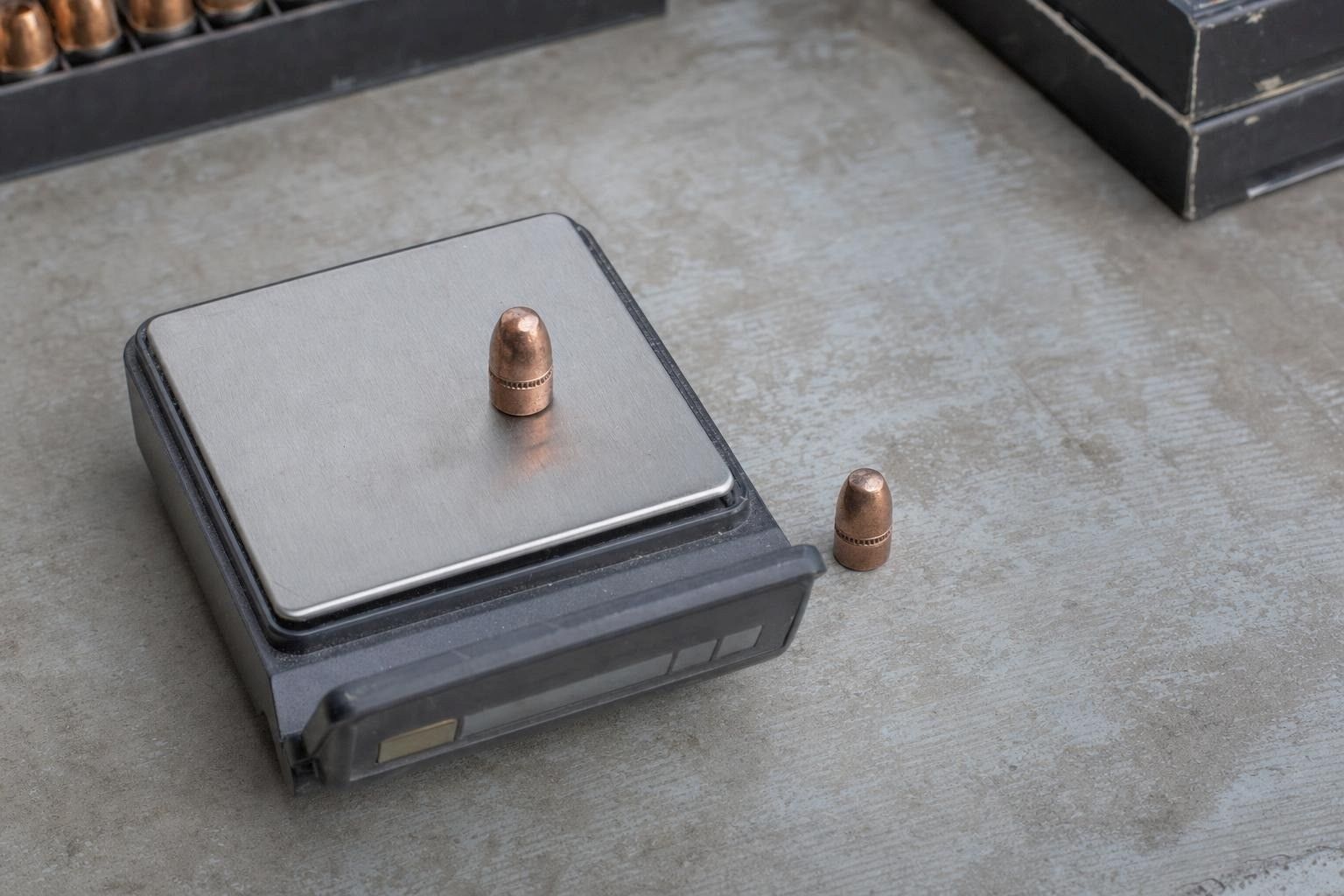
A grain is a unit of mass. On an ammunition box, it refers to the bullet's weight, not the powder charge or the complete cartridge. A 147-grain bullet is about 28 percent heavier than a 115-grain bullet.
In typical standard-pressure 9mm loads, the heavier bullet generally travels more slowly. Bullet weight alone doesn't tell you how a load will perform.
Velocity in the Real World
Published specifications illustrate the speed gap. Federal's American Eagle AE9DP 115-grain full metal jacket (FMJ) load is listed at 1,180 feet per second (fps).
Winchester's Super Suppressed 147-grain FMJ is listed at 990 fps.
These are different products, so the figures illustrate common velocity differences rather than isolate bullet weight as the only variable.
A short pistol barrel often produces lower velocity than a longer barrel, but the amount depends on the load.
Temperature and differences between production batches can also affect results. Treat catalog numbers as a starting point, not a promise.
This comparison concerns standard-pressure ammunition. Higher-pressure loads marked +P should be considered separately and used only in firearms approved for them.
Subsonic vs. Supersonic
The speed of sound is roughly 1,116 fps at 59°F (15°C), and it changes with air temperature. A bullet traveling below that threshold is subsonic and doesn't produce the sharp crack associated with supersonic flight.
That helps explain the appeal of 147-grain ammunition for suppressed pistols and pistol-caliber carbines.
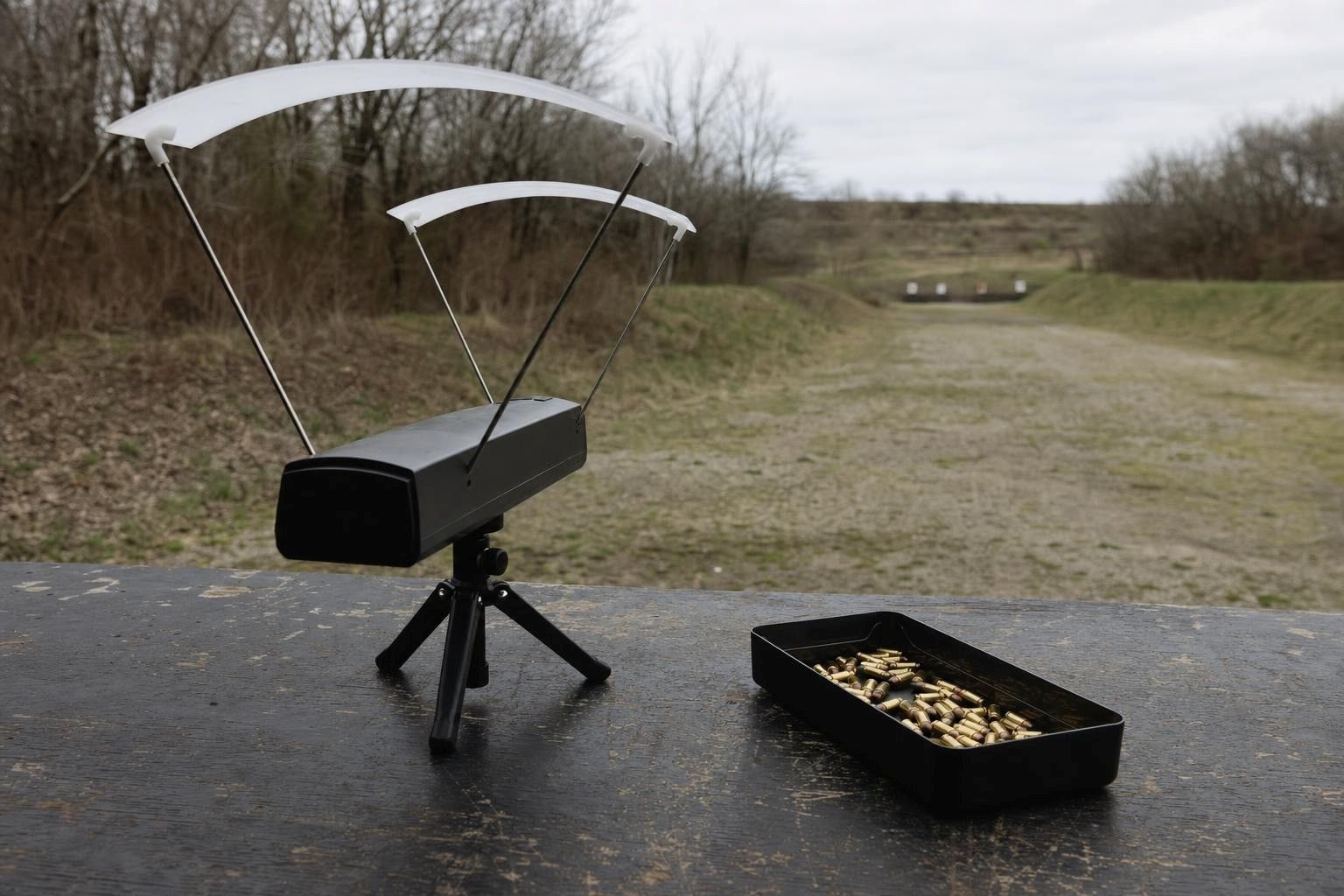
Many loads start below the sound threshold, but bullet weight alone doesn't guarantee subsonic velocity. Barrel length affects bullet speed, while colder air lowers the speed-of-sound threshold. A chronograph, which measures bullet velocity, can help confirm results from your firearm.
The AmmoForSale.com explainer offers a useful plain-language overview of speed, recoil feel, and common uses; see 115 grain vs 147 grain 9mm ammo for background. Manufacturer specifications provide the load-specific details needed to complete that comparison.
Subsonic ammunition still produces muzzle blast and mechanical noise. Neither it nor a suppressor replaces hearing protection.
Recoil and Feel
Recoil depends on more than bullet weight. Bullet velocity, propellant gases, and firearm weight all contribute. Slide movement, grip, and the firearm's design also affect how recoil feels to the shooter.
A 115-grain load may feel like a quick snap, while a 147-grain load may feel like a longer push. Some shooters prefer one sensation; others notice little difference.
Neither weight guarantees softer recoil. Comparing specific loads in the same pistol is more useful than choosing by bullet weight alone.
Point of Impact and Accuracy
Switching loads can change your point of impact, meaning where shots land relative to your sights.
Heavier bullets sometimes strike higher at close range, but the direction and size of the shift vary by firearm and load. Check your sight alignment with the ammunition you intend to use.
Neither weight is inherently more accurate. Compare both group size and location: a tight group away from your aiming point is different from a widely scattered group. The barrel, ammunition consistency, and shooter all influence the result.
Cost and Availability
For routine practice, 115-grain FMJ is often the lower-cost starting point.
Comparable 147-grain FMJ commonly carries a small premium, but case discounts and shipping can narrow or reverse that gap.
Compare similar products: practice FMJ and premium defensive ammunition aren't equivalent purchases.
A few habits make price comparisons more useful:
- Calculate cost per round rather than comparing box prices alone.
- Include shipping, taxes, and any fees in the total.
- Compare the same ammunition type and similar order quantities.
- Account for membership fees before treating a discount or free shipping as savings.
- Confirm that a load works in your firearm before committing to a full case.
Availability also matters. As with other online shopping categories, stock reliability and delivery speed shape what's practical to buy. A load you can buy consistently may be more practical for regular training than one available only during occasional sales.
Which Should You Buy?
Match the ammunition to its intended use, then check how the specific load performs in your firearm.
- Budget range practice: 115-grain FMJ is a sensible starting point because it's widely available and often less expensive.
- Suppressed use: 147-grain ammunition is often a suitable choice because many loads are subsonic. Check published velocity and results from your barrel.
- Practice alongside a 147-grain defensive load: 147-grain FMJ may approximate its recoil feel, but matching bullet weight doesn't guarantee matching velocity or point of impact.
A Simple Test Plan
- At a suitable range, fire a small sample of each load to check feeding, extraction, and ejection. A short test can reveal problems but doesn't establish long-term reliability.
- Shoot several groups from a stable rest at the same distance.
- Record group size, point of impact, and recoil feel for each load.
- If subsonic performance matters, measure velocity with a chronograph according to its instructions and range rules.
Safety and Sourcing
Buy factory ammunition from reputable sellers, whether a local shop or an established online retailer such as AmmoForSale.com, and follow applicable laws.
Confirm the cartridge designation and pressure rating match your firearm's manual.
Wear eye and ear protection, follow range rules on bullet types, and inspect ammunition for damage before loading.
For most buyers, the choice comes down to total cost, reliable function, and how a particular load behaves in their firearm. Bullet weight is a useful starting point, not the whole decision.


