


business resources
A Full Guide To Identifying Quality Distribution Systems
02 Jan 2026

A distribution system is only as good as its weakest point. You can have a strong source and solid treatment, but if delivery is unreliable, quality and performance drop fast.
The tricky part is that “quality” is not one feature. It is a mix of smart layout, durable components, stable pressure, clean storage, and maintenance you can actually keep up with.
Start With The Job The System Must Do
Before you judge equipment, get clear on demand. A farm line that runs 2 troughs is different from a site that needs constant high flow, or a facility that cannot tolerate downtime.
Map your peak use, not your average. Include seasonal spikes, washdowns, and future expansion so you do not design yourself into a corner.
Decide what “failure” looks like for you. For some users, a pressure dip is annoying. For others, a pressure dip shuts down operations.
Evaluate Storage As A Performance Tool
Storage is where many systems quietly win or lose. A well-chosen tank can smooth demand swings, protect pumps from short-cycling, and stabilize pressure. If storage is undersized or poorly placed, the whole network tends to feel inconsistent.
In many setups, the best results come from balancing volume, placement, and access. Choosing storage like Polymaster tanks can support reliability when the tank needs to stay consistent. Access matters because you cannot manage what you cannot reach.
Do not forget the human factor, because maintenance only works if it is realistic. If inspection and cleaning are difficult, they get skipped, and water quality can drift. Plan for clear access, safe entry or viewing points, and a simple way to drain or isolate the tank.
Check The System Layout For Simple, Logical Flow
Good systems predictably move water. The route should be clear, with minimal dead ends where water can sit and age.
Look for isolation points that let you shut off a section without shutting off everything. This matters during repairs, flushing, and upgrades.
If the design feels like a patchwork of add-ons, treat that as a risk signal. Complexity can work, but it usually raises the odds of leaks, pressure issues, and maintenance gaps.
Verify The Core Components Are Actually Present
A complete distribution system is more than pipes. The U.S. EPA describes distribution systems as the network that carries water through pipes and includes storage facilities, valves, and pumps.
Use that as a quick checklist, then confirm the details on your site. Are pumps sized for real head loss, or only for best-case conditions?
Do you have valves where they are needed, not just where it was convenient to install them? Missing control points often show up later as “mystery” performance problems.
Look For Pressure Stability And Control
Pressure that swings up and down is a warning sign. It can stress joints, loosen fittings, and quietly increase leak risk. It creates uneven delivery that makes taps, sprinklers, and equipment act temperamental.
A quality system avoids extremes through proper sizing and the right control devices. That can include pressure-reducing valves, pump controls, soft starts, and zoning that matches elevation and demand. The goal is steady pressure across normal use, not a high number on a gauge.
Test under realistic conditions. Static pressure can look fine while the system collapses at peak flow or during simultaneous draw. Check pressure at the far end while demand is high, then adjust controls until the swing tightens.
Inspect Materials And Connections Like A Skeptic
Materials should fit your water, your site, and your duty cycle. Sun, soil chemistry, heat, and vibration can age plastics and seals faster. If the material is wrong, failures show up early and repeat.
Connections deserve extra suspicion because they fail more than straight pipes. Watch fittings, transitions, and joints that are unsupported or under constant movement. A tiny drip today often becomes a big leak after pressure swings.
Do a walk-through scan and note issues as you go. Look for mixed materials without proper transition fittings, sagging spans, and old patch jobs. Flag fittings that look over-tightened, misaligned, or stressed by poor anchoring, and photograph them for reference.
Confirm The System Can Be Maintained
Quality is what can be maintained. If you cannot isolate sections or flush lines properly, small issues linger and grow. That can turn a “fine” system into one that feels unreliable.
Check access points, drain points, and whether you can move water through every branch. Dead ends and low-flow zones invite sediment buildup and stale water, which can drive taste, odor, or quality complaints. A quality setup makes routine flushing straightforward, not a major project.
Consider repair time and disruption. If a simple valve swap requires shutting down the whole site, that is a design weakness. The best systems are built so maintenance is fast, safe, and realistic to do on schedule.
Demand Monitoring And Documentation You Can Use
A quality system produces useful information. Basic monitoring helps you spot slow leaks, declining pump performance, and unusual demand before it becomes a crisis.
At a minimum, you want a way to track pressure and flow at key points. Even simple log sheets can be powerful if you use them consistently.
Focus on data that drives decisions:
- Pressure at the start and end of key runs.
- Pump run time and cycling frequency.
- Tank levels or refill frequency.
- Unusual spikes are tied to specific activities.
Stress-Test The Plan With Real-World Scenarios
A design that works on paper can fail in real life. Walk through the “bad day” situations and see how the system responds.
Think about power loss, a stuck valve, a broken fitting, or a sudden high-demand event. Where does water still flow, and where does everything stop?
Then look at recovery. A quality distribution system is resilient during problems, and it is fast to bring back to normal without guesswork.
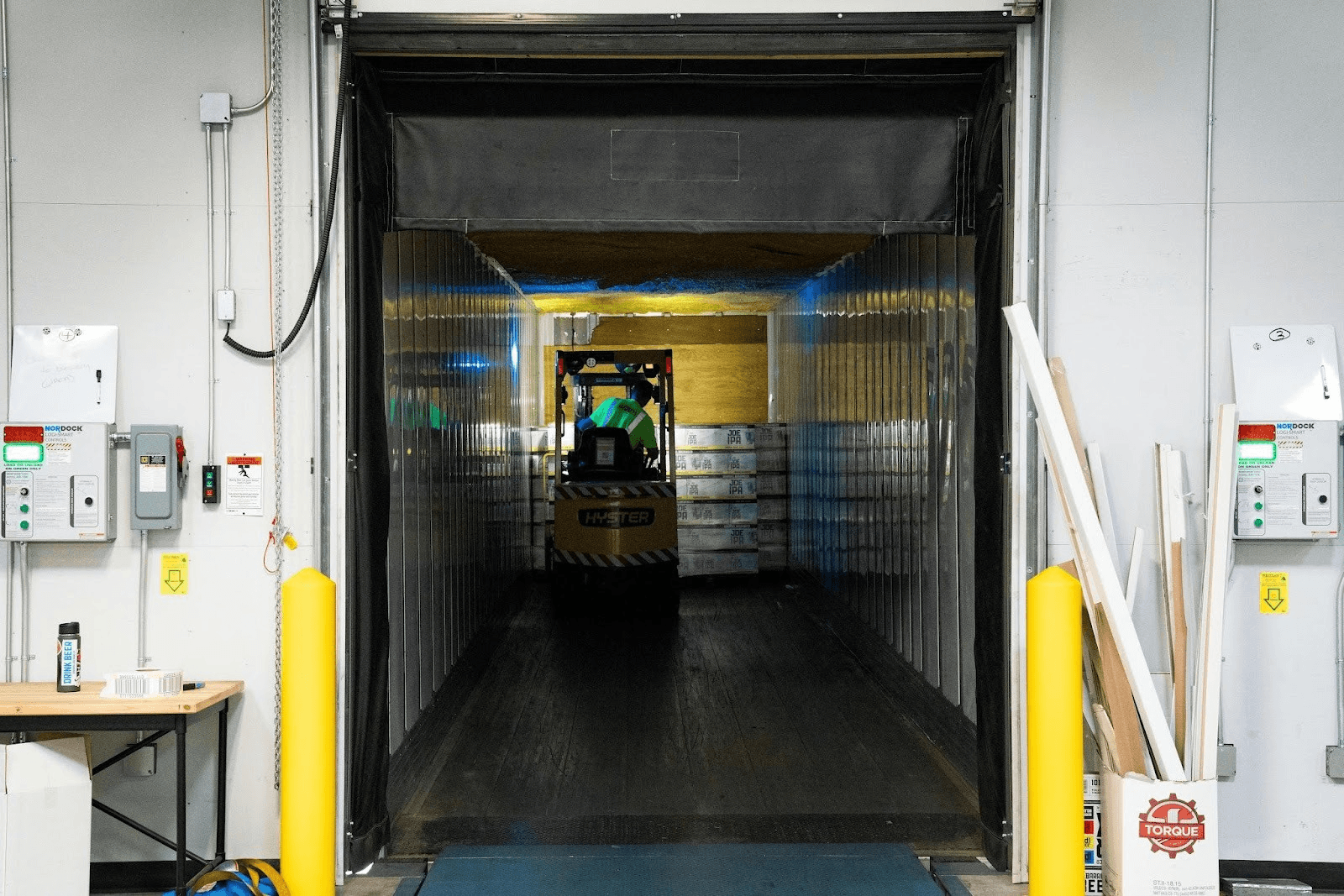
A quality distribution system is easy to respect because it behaves predictably. Pressure holds steady, storage stays dependable, and small issues do not snowball into constant repairs.
When you judge a system by layout, components, storage, control, maintainability, and real-world performance, quality becomes easier to spot. The goal is not perfection; it is a setup that keeps delivering without drama.


