
resources
Affordable Office Updates That Improve Appearance
28 Dec 2025

A good office refresh does not need a big budget. Focus on high-visibility changes that people notice as soon as they walk in. Small moves that brighten, clean up lines, and reduce noise can shift how the whole place feels.
Quick Wins With Paint And Patch
Start with paint to erase scuffs and make trim look new. Pick one calm base and one accent so the palette feels simple and clean. Patch nail holes, caulk gaps, and touch up door frames so the finish reads as intentional.
Use light neutrals to reflect light and make ceilings feel taller. A single feature wall behind reception adds interest without repainting the whole floor. If rules limit wall work, paint table bases or storage cubbies to tie the room together.
Check doors and baseboards for chips and dents. Swap old switch plates and door stops so the new paint job is not dragged down by worn hardware. Label leftover paint for quick future touchups.
Light The Space Right
Poor lighting makes even new furniture look tired. Replace mismatched bulbs, add task lamps, and move step by step toward LED panels. Clear, even light can make colors and finishes feel more expensive.
- Use 4000K bulbs in open areas and 3000K lamps in lounges.
- Record a short phone video to check for flicker bands.
- Replace yellowed diffusers to boost perceived brightness.
A 2024 peer-reviewed study reported that the right mix of illuminance, color temperature, and glare control can lift mood and sharpen focus. That means small lighting tweaks can boost how the office looks and how people feel at work. Place desk lamps opposite the dominant hand to cut shadows on the page.
Bring The Outdoors Inside
Plants soften hard edges and signal care. Choose hardy options like snake plant, pothos, or ZZ so upkeep stays easy. Cluster greenery near entries, break areas, and meeting rooms for maximum impact.
An industry report on biophilic design found links between natural elements and better well-being, lower stress, and higher job satisfaction. This is one of the cheapest ways to change how a space feels. Even a few larger planters can anchor a lobby or team area.
Use self-watering pots to keep maintenance simple. Rotate watering duties on a small team calendar so plants do not get missed. If light is low, add a full-spectrum bulb to help them thrive.
Elevate Floors On A Budget
Floors carry a huge share of what people notice. When full replacement is not in the cards, runners and modular tiles help refresh circulation paths and hide wear. Choose tones that echo wall paint so the space feels tied together.
For fast impact in corridors and entries, compare textures and patterns in a range of runner carpets and pick one that frames the path without shouting. A darker border with a lighter center quietly guides foot traffic. In open areas, a low-pile area rug under a collaboration table can define a zone without building walls.
Place runners where dirt and snow collect first, like vestibules and printer corridors. Use quality carpet tape at ends and transitions for safety. Vacuum daily near entries to keep fibers crisp and colors true.
Declutter And Zone With Furniture
Visual clutter shrinks a room. Remove extra chairs, stacks of files, and old signs so sightlines open up. Keep surfaces mostly clear and add one or two containers to catch daily mess.
Group what remains into purpose zones. Create spots for heads-down work, quick huddles, and social breaks. A slim credenza by the door can hold mail and supplies so the front desk stays clean.
Tame cables before they multiply. Use clips, sleeves, and a shared charging tray to reduce tangles. Label the few chargers you keep in view so they return to the same spot.
Create Wayfinding That Works
People relax when they know where to go. Add simple directional decals, consistent door labels, and a small floor plan at reception. Keep one typeface and two sizes so the system reads as a whole.
- Place arrows a few steps before each turn at eye level.
- Match room color accents to the calendar names.
- Mark destinations on the wall and on the door for clarity.
Start with the paths guests use most, like the reception to the meeting rooms. Then connect the rest of the floor as time allows. Wayfinding also reduces interruptions, since fewer people need to stop and ask for help.
Reduce Noise Without Major Construction
Noise can undercut all your other upgrades. Soften it with fabric, felt, bookshelves, and plants spread at different heights. Stick-on acoustic tiles behind reception and pinboard walls in project areas punch above their cost.
Treat small meeting rooms first so calls sound clean. Mount felt or cork on the back wall to cut the echo that microphones pick up. If privacy is critical, add a small sound machine near the boundary line to mask voices.
Seal the easy leaks. Weatherstrip doors, add door sweeps, and patch gaps around conduits. Rugs and curtains help too, especially on hard floors and glass-heavy walls.
Refresh The First Impression
Reception sets the tone in seconds. Keep the desk surface almost empty and hide cables with clips and sleeves. Add one statement element so the eye lands on something intentional.
Swap a worn mat for a durable entrance runner and add a boot tray for wet days. Clean glass and polish hardware so light bounces, not dulls. Replace any burnt bulbs right away to avoid a tired look.
Scent matters in a subtle way. Pick a quiet diffuser profile and keep it consistent. Rotate a fresh plant or a simple framed mission line to keep the area feeling alive.
Maintain The Momentum
Small habits protect the upgrade. Build a 10-minute weekly walk-through to catch scuffs, dead bulbs, and loose labels. Keep a touch-up kit with paint, caulk, felt pads, and extra bulbs.
Update a simple style guide as you go. Note paint names, bulb types, and sign sizes so replacements match. Share it with vendors so every new item fits the look.
Make changes visible to the team. Post before-and-after snapshots on a wall or chat channel. When people see progress, they tend to keep the space tidy and on theme.
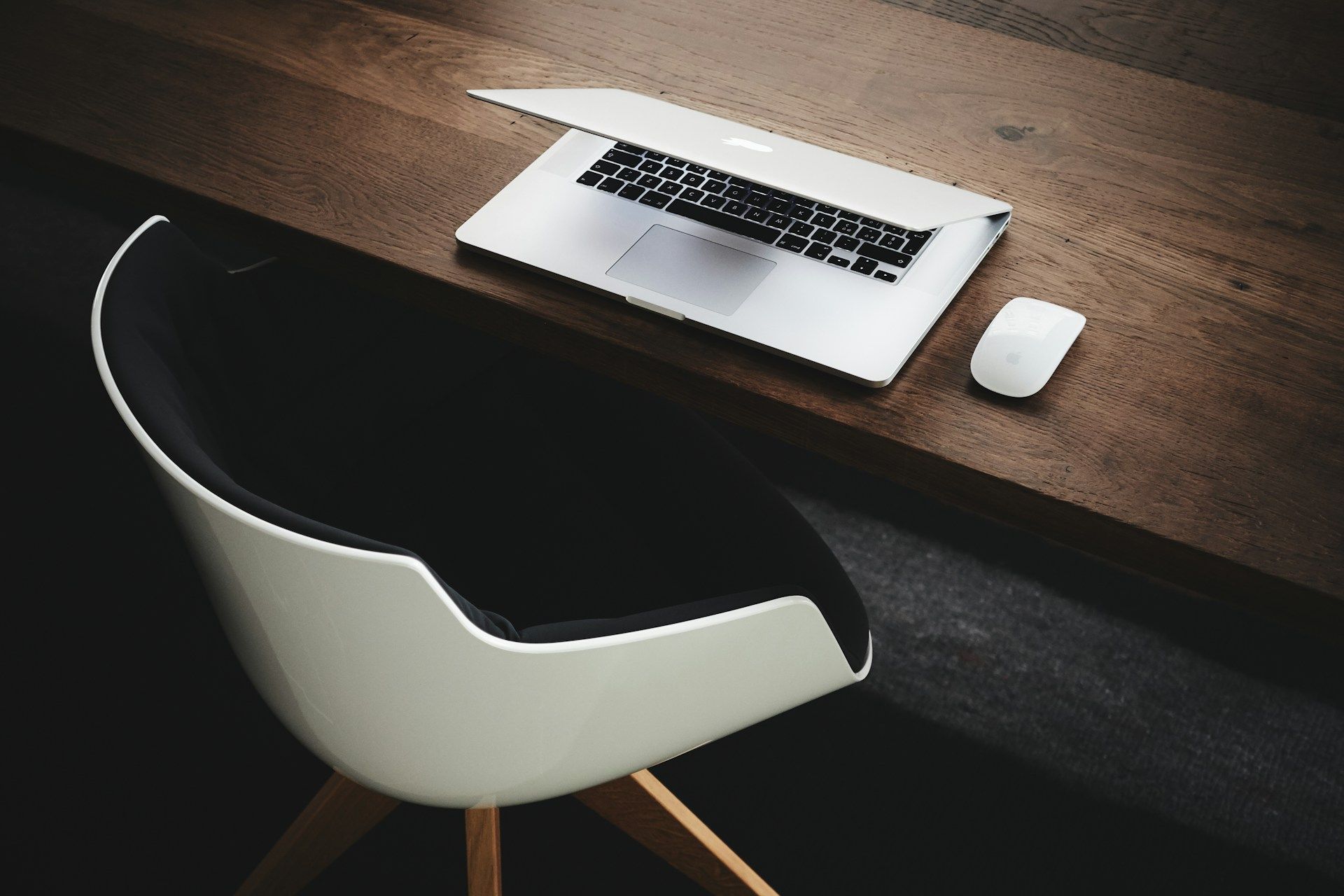
A few focused moves across paint, lighting, greenery, floors, and signage can make your office feel brighter and more organized. Keep the first impression crisp and the pathways clear. Then extend the same rules across the floor so the whole space reads as one calm, welcoming environment.


