
resources
Amsterdam Smart City: Pioneering Urban Innovation for a Sustainable Future
16 Nov 2025

Amsterdam is truly at the forefront of the "smart city" movement, leveraging technology to enhance urban functionality for its residents and workforce alike. This endeavor transcends mere technological gadgetry; it’s fundamentally about fostering a more sustainable and ultimately more pleasant urban environment. The city has been dedicated to this pursuit for over a decade, and witnessing their innovative approach to tackling complex urban challenges is indeed quite compelling.
Key Takeaways
- Amsterdam's smart city initiative commenced in 2009, established as a collaborative platform for the city, businesses, and its citizens to jointly develop projects for a more sustainable future.
- The municipal government strategically utilizes data—including insights from private entities such as navigation applications—to significantly optimize traffic flow and various other urban management aspects.
- Flagship projects, notably "Climate Streets" and "City-Zen," exemplify Amsterdam's commitment to reducing energy consumption and carbon emissions through the implementation of smart grids and enhanced building efficiencies.
- Amsterdam proactively champions emerging businesses and innovators, while simultaneously prioritizing the responsible and ethical application of smart city technologies.
- By steadfastly focusing on enhancing quality of life and fostering innovation, Amsterdam is emerging as a global paradigm for other cities striving to improve urban living conditions.
Amsterdam Smart City: A Vision for Urban Innovation
Amsterdam isn't just celebrated for its picturesque canals and ubiquitous cycling paths anymore. The city is also distinguishing itself as a global leader in urban innovation, steadfastly working to forge a more sustainable and livable future for its inhabitants. This profound shift towards becoming a "smart city" inherently involves the strategic application of technology and data to refine how the city operates and how its people experience urban life. It's certainly a significant undertaking, particularly when considering the city's cherished historic infrastructure and the relentless global trend of urbanization, with an unprecedented number of individuals now calling cities home.
Foundations of the Amsterdam Smart City Initiative
The Amsterdam Smart City (ASC) initiative was formally launched in 2009 with a clear, overarching objective: to meticulously guide the city's sustainable growth. It's fundamentally built upon the premise that robust collaboration among diverse stakeholders—citizens, businesses, and local government—is absolutely crucial. Rather than operating in isolated silos, the ASC platform actively champions public-private partnerships. This dynamic approach facilitates the development and rigorous testing of novel ideas, all aimed at more effectively resolving pressing urban challenges. At its core, this initiative emphasizes data sharing, making information readily accessible for partners across various sectors to conceive projects and contribute their own valuable insights. It’s truly a testament to moving beyond conventional governmental processes and embracing more agile, responsive operational methodologies.
Related Content: bill gates arizona smart city
The Role of Public-Private Partnerships
Public-private partnerships truly serve as the driving force behind Amsterdam's extensive smart city endeavors. The ASC platform functions as a pivotal central hub where companies can not only propose innovative projects but also seek expert advice and readily find collaborators. This impressively open approach has facilitated the management of over 150 projects and successfully brought together more than 2,300 members from over 200 organizations. These collaborations are undeniably vital for actualizing groundbreaking solutions that might otherwise be unattainable through governmental efforts alone. Consider, for example, how the strategic use of GPS data from a local navigation company has empowered the city to manage traffic flow in real-time—a significant leap forward from older, less dynamic models. It's precisely this kind of cooperation that enables the city to adeptly adapt to evolving needs, such as the notable increase in scooter usage alongside a reduction in cars.
Amsterdam's Commitment to Sustainable Growth
Amsterdam's unwavering dedication to sustainable growth is clearly demonstrated through its numerous smart city projects. The city has established ambitious targets for reducing CO2 emissions and actively promoting green technologies. This comprehensive strategy encompasses integrating renewable energy sources, expanding vital green spaces, and encouraging eco-friendly practices among both its residents and businesses. The ASC initiative, in particular, stands as a testament to this commitment, consistently aiming to enhance urban living conditions through intelligent, sustainable solutions. Ultimately, it’s about making the city more efficient, environmentally responsible, and a genuinely better place for everyone to live.
The city's comprehensive strategy entails the integration of renewable energy, the expansion of green public spaces, and the active encouragement of sustainable practices among its citizens and businesses. This steadfast focus on sustainability isn't merely about environmental concerns; it's profoundly about cultivating a more resilient and economically viable city for the future.
Leveraging Data for Smarter Urban Management
Making a city truly function better for all its inhabitants ultimately hinges on a deep understanding of what's actually happening within its confines. In Amsterdam, this translates into meticulously grasping all sorts of information—from intricate traffic patterns to precise energy consumption metrics. It's not simply about collecting raw numbers; it's about meticulously interpreting them so that city leaders can make more informed, intelligent decisions.
The Importance of Data Integration
Imagine a city as an immense, intricate puzzle. Each piece represents a distinct type of data – consider traffic sensors, energy meters, comprehensive public transport schedules, and even emergent social media trends. To truly perceive the complete picture, all these disparate pieces must seamlessly interconnect. Amsterdam has been diligently working to weave together these varied data sources. This is hardly a simple undertaking, as different municipal departments and private companies frequently employ their own proprietary methods for recording information. Persuading everyone to concur on common terminologies—what, for instance, precisely constitutes a 'bridge' or how best to share sensitive information—is a considerable facet of this ongoing endeavor. In many ways, it's akin to orchestrating household agreement on the precise placement of recycling bins; it demands extensive dialogue and the establishment of clear, mutually agreed-upon guidelines.
Utilizing Private Sector Data for Policy Change
One of Amsterdam's most astute strategic decisions was the realization that the municipal government doesn't possess all the answers—or indeed, all the relevant data. Private companies, such as those developing sophisticated navigation applications or managing complex delivery services, amass a vast quantity of real-time information regarding urban movement. By collaborating effectively with these companies, Amsterdam has gained a far clearer, more dynamic perspective on issues like traffic congestion. For example, they've successfully leveraged GPS data from navigation apps to dynamically adjust traffic light timings during peak periods, thereby facilitating smoother commutes. This caliber of cooperation ensures that policy decisions are grounded in actual, on-the-ground occurrences, rather than relying solely on outdated assumptions. It’s quite a significant evolution—moving beyond mere data collection to actively deploying that data to genuinely improve urban life.
Challenges in Building a Robust Data Infrastructure
Establishing a comprehensive system capable of handling such a massive influx of data is far from straightforward. It demands considerable time, unwavering patience, and a genuine willingness to adapt. Early in its smart city journey, Amsterdam encountered the formidable challenge of organizing thousands of distinct data sets, each possessing its own unique format and intrinsic meaning. This "boring, boring job," as one city official candidly described it, forms the indispensable bedrock for all subsequent initiatives. It critically involves:
- Defining clear terms and comprehensive categories for all types of data.
- Establishing precise rules governing who can access specific information and how it can be responsibly shared.
- Creating sophisticated systems that empower the city and its partners to rigorously analyze data and unearth valuable patterns.
Moreover, it's also essential to temper expectations. Smart city improvements frequently require years to demonstrate their full, transformative impact, and the underlying technology itself is in a perpetual state of flux. Building a resilient data infrastructure is undeniably a long-term undertaking, not merely a quick fix. It necessitates inherent flexibility and a constant, concerted effort to remain abreast of new developments and evolving urban needs.
Pioneering Smart City Projects and Initiatives
Amsterdam isn't just articulating a vision for a smarter future; it's proactively building it through a diverse array of innovative projects. These initiatives directly confront real-world urban challenges, strategically deploying technology to enhance residents' quality of life and bolster the city's overall efficiency.
Smart Mobility and Traffic Flow Optimization
Navigating Amsterdam is steadily becoming more streamlined, thanks to forward-thinking smart mobility solutions. The city proficiently uses data, such as real-time GPS information gleaned from navigation applications, to gain a precise understanding of traffic patterns. This vital insight allows for dynamic adjustments to traffic signals, effectively helping to alleviate congestion, particularly during peak hours. It's a tangible, practical application of data that truly makes a discernible difference for daily commuters and crucial delivery services alike.
- Real-time traffic signal adjustments based on current flow.
- Integration of data from private navigation services.
- Focus on reducing travel times and emissions.
Enhancing Energy Efficiency with Smart Grids
Amsterdam is diligently working to make its energy consumption both smarter and considerably greener. The "Amsterdam Smart Grid" project stands as a prime example of this commitment. It incorporates the strategic deployment of smart meters and advanced systems to meticulously manage how energy is distributed. The overarching goal, of course, is to achieve a net reduction in overall energy use and to more effectively leverage renewable sources when they become available. What does this mean for residents? A notably more stable and efficient energy supply for everyone.
The strategic shift towards smart grids isn't merely a technological upgrade; it's fundamentally about cultivating a more resilient and sustainable energy system for the future, thereby reducing reliance on fossil fuels and deftly adapting to evolving energy demands.
Innovations in Water Management and Healthcare
Beyond the critical realms of traffic and energy, Amsterdam is judiciously applying smart solutions to other equally vital areas. For water management, commendable initiatives like "Waternet" skillfully employ technology to maintain the city's iconic canals in pristine, healthy condition. In the healthcare sector, the city is actively exploring various "Connected Healthcare" options. This progressive approach includes utilizing telehealth services and wearable devices to empower individuals to manage their health more effectively and access necessary care precisely when they need it, ultimately enhancing the overall well-being for all residents.
Driving Sustainability Through Technological Solutions
Amsterdam is truly embracing technology to make the city both greener and more livable. It's not just about deploying sophisticated gadgets; rather, it’s about practical applications that genuinely make a significant difference in daily life and, crucially, for our planet.
Climate Street Initiatives and Carbon Reduction
One of the most compelling ways Amsterdam is confronting climate change is through its innovative "Climate Street" projects. These aren't merely typical thoroughfares; they are dynamic living laboratories where cutting-edge technologies and novel approaches to reducing carbon emissions are rigorously tested and implemented. Can you imagine streets where buildings are meticulously retrofitted with superior insulation, where solar panels are seamlessly integrated into everyday structures, and where residents are actively encouraged to adopt more sustainable habits? The overarching objective here is to establish a replicable blueprint that can be scaled across the city and, indeed, far beyond its borders.
- Energy-efficient building retrofits: This involves upgrading insulation, windows, and heating systems in older buildings for significant gains.
- Renewable energy integration: Installing solar panels on rooftops and facades, alongside exploring geothermal energy options.
- Smart waste management: Utilizing sensors to optimize waste collection routes, which effectively reduces fuel consumption and emissions.
- Promoting sustainable transport: Actively encouraging cycling, walking, and the widespread use of electric vehicles through enhanced infrastructure and targeted incentives.
The central focus is unequivocally on making sustainability a tangible, integrated component of the urban environment, rather than an abstract concept. By meticulously demonstrating these solutions in real-world settings, the city aims to accelerate their broader adoption and generate a measurable, positive impact on its carbon footprint.
Future-Proofing Energy Grids and Buildings
Beyond optimizing individual buildings, Amsterdam is committed to making its entire energy system smarter and considerably more resilient. This ambitious endeavor involves developing sophisticated smart grids that can more effectively manage the intricate flow of electricity, especially with the increasing integration of renewable energy sources, which, by their nature, can be intermittent. These advanced smart grids enable a superior balancing of supply and demand, thereby reducing waste and significantly improving reliability.
- Smart meters: Providing invaluable real-time energy consumption data to both consumers and utility providers.
- Demand-response programs: Incentivizing consumers to strategically shift energy use away from peak hours.
- Integration of electric vehicles: Leveraging EVs as dynamic, mobile batteries to support the wider grid.
- Decentralized energy generation: Actively supporting local energy production from diverse sources like solar and wind.
The Impact of Smart City Strategies on Livability
Ultimately, every single one of these technological solutions is meticulously aimed at profoundly enhancing the quality of life for Amsterdam's residents. A city that is more energy-efficient, boasts cleaner air, and benefits from better-managed resources is, quite simply, a far more pleasant place to reside. Smart mobility solutions, for example, demonstrably reduce traffic jams and shorten commute times. Superior waste management translates directly into cleaner streets. And, crucially, the overarching push towards sustainability cultivates a healthier, more vibrant environment for everyone.
| Area of Improvement | Technological Solution | Impact on Livability |
|---|---|---|
| Traffic Congestion | Real-time traffic data, smart traffic lights | Reduced commute times, less stress |
| Air Quality | Promotion of EVs, optimized public transport | Healthier environment, reduced respiratory issues |
| Energy Consumption | Smart grids, energy-efficient buildings | Lower utility bills, more reliable power |
| Waste Management | Sensor-based collection, recycling programs | Cleaner streets, reduced environmental impact |
Fostering Innovation and Inclusivity
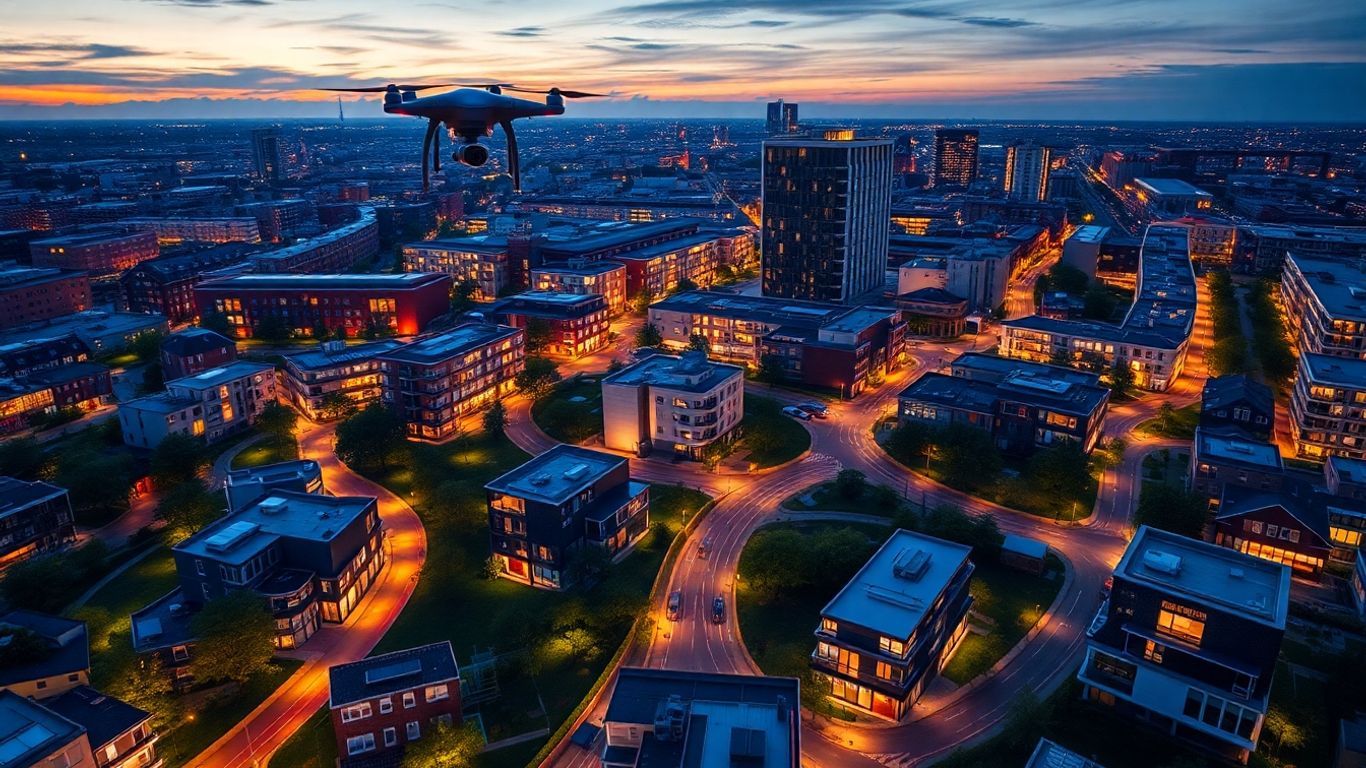
Amsterdam's smart city journey isn't solely about technological advancement; it's profoundly rooted in ensuring that everyone benefits and that novel ideas can truly flourish. The city genuinely understands that authentic progress stems from bringing people together and actively supporting those who offer fresh perspectives. This commitment translates into cultivating environments where startups can thrive, researchers can test their hypotheses, and diverse communities can connect—all vital ingredients for a dynamic urban future.
Supporting Startups and Young Innovators
The city actively endeavors to support nascent businesses and bright young individuals brimming with innovative ideas. Robust programs are strategically in place to help them successfully launch, offering essential resources and invaluable guidance. The AMS Startup Booster, for instance, is a dedicated program specifically designed to assist dynamic teams and individuals in tackling complex urban challenges. It’s an exceptional platform for students with brilliant concepts or researchers genuinely seeking to make a tangible impact.
- Application Deadline: October 1st for the AMS Startup Booster.
- Program Duration: Typically runs from mid-October to February.
- Focus: Encouraging solutions for urban challenges.
Addressing Ethical Challenges in Smart City Development
As Amsterdam progressively integrates more sophisticated digital tools into its city management—think advanced sensors and comprehensive data platforms—it becomes increasingly imperative to thoughtfully consider the profound impact on its citizens. The city is unequivocally committed to responsible practices, rigorously guided by core values such as transparency, understandability, human dignity, autonomy, and, crucially, privacy. This steadfast commitment is absolutely key to fostering trust and ensuring that technology consistently serves the broader public good. Indeed, there's a continuous, deliberate effort to identify practical methodologies for embedding these fundamental values directly into smart city systems.
The city is actively seeking practical examples of how ethical principles can be meticulously designed and integrated into smart city technologies, thereby moving beyond abstract concepts to genuine, real-world applications.
Cultural and Social Projects for Community Cohesion
Beyond the realm of technology, Amsterdam wisely invests in a myriad of cultural and social projects aimed at cultivating a stronger, more intrinsically connected community. These thoughtful initiatives seek to support diverse groups, celebrate distinct cultural differences, and ultimately bring people together. Projects such as the Refugee Talent Hub, for example, expertly connect newcomers with meaningful employment and training opportunities, while vibrant neighborhood festivals create invaluable occasions for communities to celebrate their rich diversity. Such efforts are absolutely vital for ensuring that the smart city is also a genuinely welcoming and inclusive place for everyone.
- Refugee Talent Hub: Connecting refugees with employment and training.
- Neighbourhood Festivals: Events that celebrate diversity and community.
- Inclusive Education Programs: Support for children from less advantaged backgrounds.
Amsterdam's comprehensive approach vividly demonstrates that building a truly smart city is as much about people and fostering community as it is about technology itself. By championing new ideas and ensuring that everyone is thoughtfully included, the city is meticulously paving the way for a more sustainable and livable future for all its residents. This unwavering focus on innovation and inclusivity is, without doubt, a cornerstone of Amsterdam's success in urban mobility and beyond.
Amsterdam's Global Leadership in Urban Development
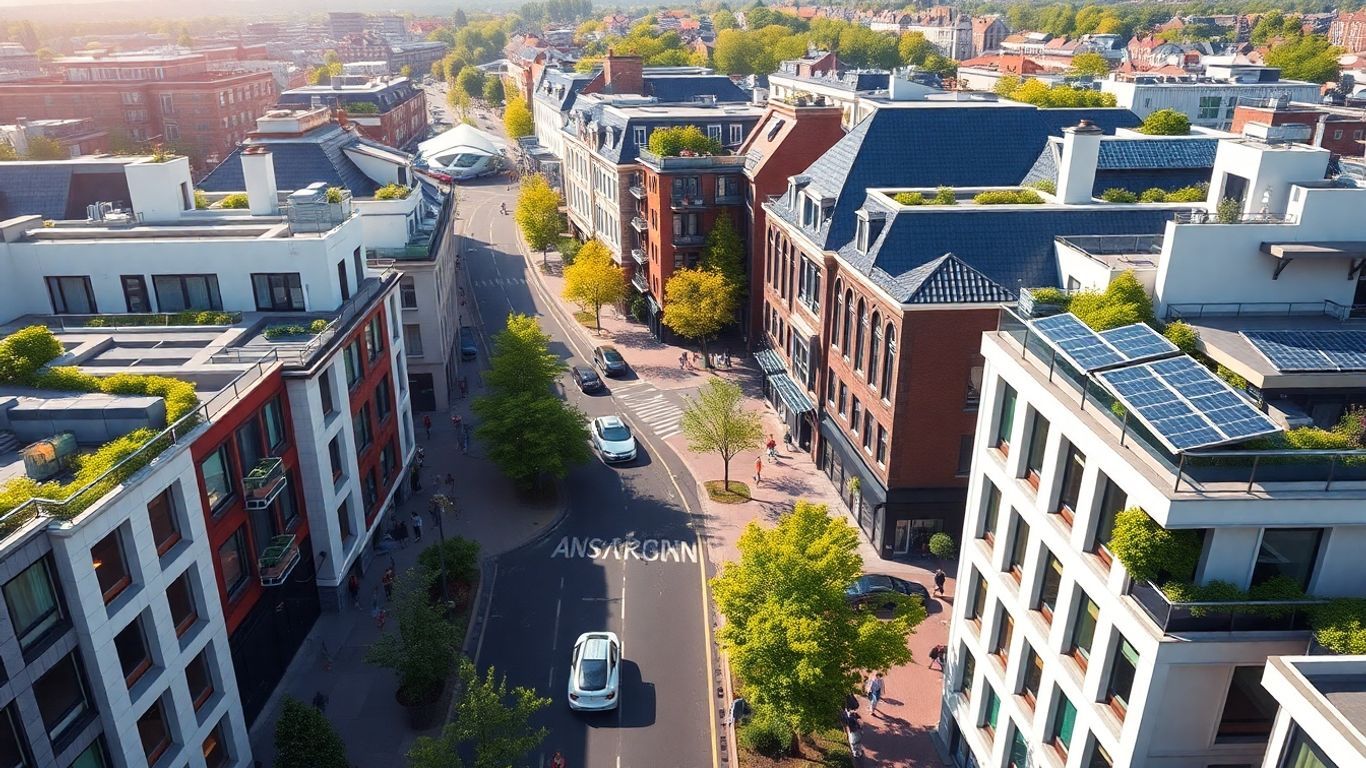
Attracting Talent and Business Through Quality
Amsterdam isn't merely constructing a smart city; it's meticulously cultivating an environment where innovation can truly flourish. This unwavering focus on quality of life and forward-thinking infrastructure naturally attracts talented individuals and dynamic businesses from across the globe. Just think about it: who wouldn't be drawn to work and live in a city that’s actively solving pressing problems and consistently improving life for its residents? The city's profound commitment to sustainability, abundant green spaces, and highly efficient public services collectively create an incredibly desirable place to be. It's not just about the technology itself; it's about how that technology profoundly enhances daily life—making Amsterdam an undeniable magnet for those eager to be part of shaping the future.
Learning from Amsterdam's Smart City Experience
Amsterdam's progressive journey as a smart city offers a veritable wealth of lessons for other urban centers worldwide. They've unequivocally learned that robust public-private partnerships are absolutely paramount, signaling a necessary evolution beyond traditional governmental approaches. The profound emphasis on open data, for instance, has enabled the development of a vast array of innovative projects, ranging from optimizing intricate traffic flow to significantly improving energy efficiency. It's truly a model that powerfully illustrates how genuine collaboration and a sincere willingness to experiment can pave the way for real, impactful progress.
Here are some crucial takeaways worth noting:
- Embrace Partnerships: Actively collaborating with businesses and leading research institutions unlocks new possibilities and vital resources.
- Prioritize Open Data: Sharing data responsibly fosters innovation and facilitates more informed decision-making.
- Focus on Livability: Smart solutions should always be designed with the ultimate goal of enhancing the quality of life for residents.
- Iterate and Adapt: Smart city development is an inherently ongoing process, demanding flexibility and a readiness to learn from both successes and challenges.
The city's comprehensive approach distinctively highlights that authentic urban innovation stems from a judicious blend of technological advancement and a profound understanding of community needs. It's about meticulously creating a city that is not only efficient but also inclusive and genuinely enjoyable for everyone.
Amsterdam as a Model for Urban Innovation
When one truly examines Amsterdam's achievements, it becomes abundantly clear that the city has established itself as a formidable benchmark for urban innovation. They've convincingly demonstrated that a city can indeed be both historic and high-tech, adeptly balancing its rich heritage with an urgent drive for future-proof solutions. Their groundbreaking work in critical areas such as smart mobility, energy grids, and water management provides practical, scalable examples that other cities can thoughtfully adapt. Amsterdam's success ultimately lies in its holistic vision, seamlessly integrating technology, sustainability, and profound community engagement to forge a superior urban future. This comprehensive approach undeniably makes it a compelling case study for cities globally aspiring to become smarter, greener, and ultimately more livable.
Looking Ahead: Amsterdam's Continued Smart City Journey
Amsterdam's trajectory as a smart city profoundly illustrates that enhancing urban life through technology isn't merely about deploying sophisticated gadgets. Rather, it’s about genuinely uniting people—citizens, businesses, and government—to collaboratively tackle pressing, real-world problems. They've demonstrably learned that sharing information and fostering cross-sector cooperation is absolutely key, even if it entails the painstaking initial task of organizing vast amounts of data. While numerous successes have been achieved, such as reducing energy consumption on bustling streets and significantly improving traffic flow, the work is, importantly, ongoing. The city continues to meticulously refine how best to leverage emerging technologies while simultaneously upholding principles of fairness and privacy for all. Amsterdam's enduring efforts serve as a potent reminder that building a smarter, more sustainable city is a continuous, evolving process—one that demands patience, a constant influx of novel ideas, and an unwavering willingness to adapt as both technology and our collective needs inevitably change.
Frequently Asked Questions
What is Amsterdam Smart City?
Amsterdam Smart City, commonly known as ASC, is a visionary program inaugurated in 2009. It functions as a dynamic collaborative platform where residents, businesses, and the municipal government can converge to conceive, develop, and rigorously test innovative ideas. The fundamental objective is to continuously enhance the city's quality of life and ensure its long-term sustainability for everyone.
How does Amsterdam use technology to improve the city?
Amsterdam harnesses technology in a multitude of sophisticated ways. For instance, the city strategically collects valuable information, such as real-time traffic data from navigation applications, to optimize traffic light synchronization and effectively alleviate congestion. Furthermore, they implement advanced smart grids to manage energy distribution more efficiently and are actively exploring technological solutions to enhance healthcare services. It's all meticulously designed to make urban life smoother and more productive.
What are some examples of smart city projects in Amsterdam?
Indeed, there are numerous impactful projects. One notable example is the 'Climate Street' initiative, which successfully employed energy-efficient lighting and improved waste management systems to achieve substantial reductions in energy consumption. Another is the Amsterdam Smart Grid, instrumental in enhancing overall energy efficiency. Beyond these, the city also champions projects focused on maintaining clean water resources and integrating technology to support residents' health and well-being.
Why is data important for Amsterdam's smart city efforts?
Data is undeniably crucial because it furnishes the city with an indispensable understanding of current urban dynamics. By meticulously analyzing information from diverse sources—such as traffic patterns or energy usage—city leaders are empowered to make more informed and strategic decisions. For example, deploying real-time traffic data enables a far more effective management of road networks than antiquated methodologies ever could.
Does Amsterdam work with private companies on smart city ideas?
Yes, absolutely; Amsterdam places significant value on collaboration with private enterprises. These companies frequently bring forth innovative ideas and possess invaluable data, such as GPS information derived from navigation applications. By fostering these partnerships, the city can collectively devise superior solutions than could be achieved through governmental efforts alone.
What makes Amsterdam a leader in smart city development?
Amsterdam distinguishes itself as a leader through its relentless pursuit of innovation and its steadfast commitment to sustainability. The city actively encourages novel ideas from startups and researchers alike, ensuring that its smart city initiatives are designed to benefit all residents, not just a select few. Furthermore, its demonstrable successes are attracting global attention, positioning Amsterdam as an exemplary model for urban development worldwide.


