


resources
Unveiling the Los Angeles Smart City Plan: Innovations for 2028 and Beyond
16 Nov 2025

Los Angeles is embarking on a significant transformation. With the 2028 Olympic Games on the horizon, the city is diligently implementing its Los Angeles Smart City Plan. This ambitious initiative is fundamentally about enhancing urban functionality—from optimizing our modes of transportation to enriching our daily lives. Imagine more expansive green spaces, significantly less traffic, and technology that seamlessly assists without being obtrusive. It's truly a monumental undertaking, designed to foster a more connected and effortlessly livable Los Angeles for everyone, not merely for the duration of the Games, but for many decades to come.
Key Takeaways
- The Los Angeles Smart City Plan primarily focuses on elevating public transit and integrating innovative travel solutions, such as autonomous vehicles, to ensure more convenient and efficient movement across the city.
- Sustainability stands as a cornerstone of this plan, encompassing initiatives to cultivate additional green areas, promote eco-friendly building practices, and forge community connections through accessible active transit routes.
- Advanced technology, including artificial intelligence (AI) and sophisticated smart sensors, will be deployed to optimize city management, heighten public safety, and streamline everyday conveniences for residents.
- A crucial objective is to guarantee universal benefit from these impending changes, with a strong emphasis on accessibility and ensuring smart city advancements are readily available to all Angelenos.
- The 2028 Olympics are viewed as an unparalleled opportunity to accelerate these vital infrastructure projects and proudly present Los Angeles as a forward-thinking global metropolis.
Transforming Urban Mobility for 2028 and Beyond
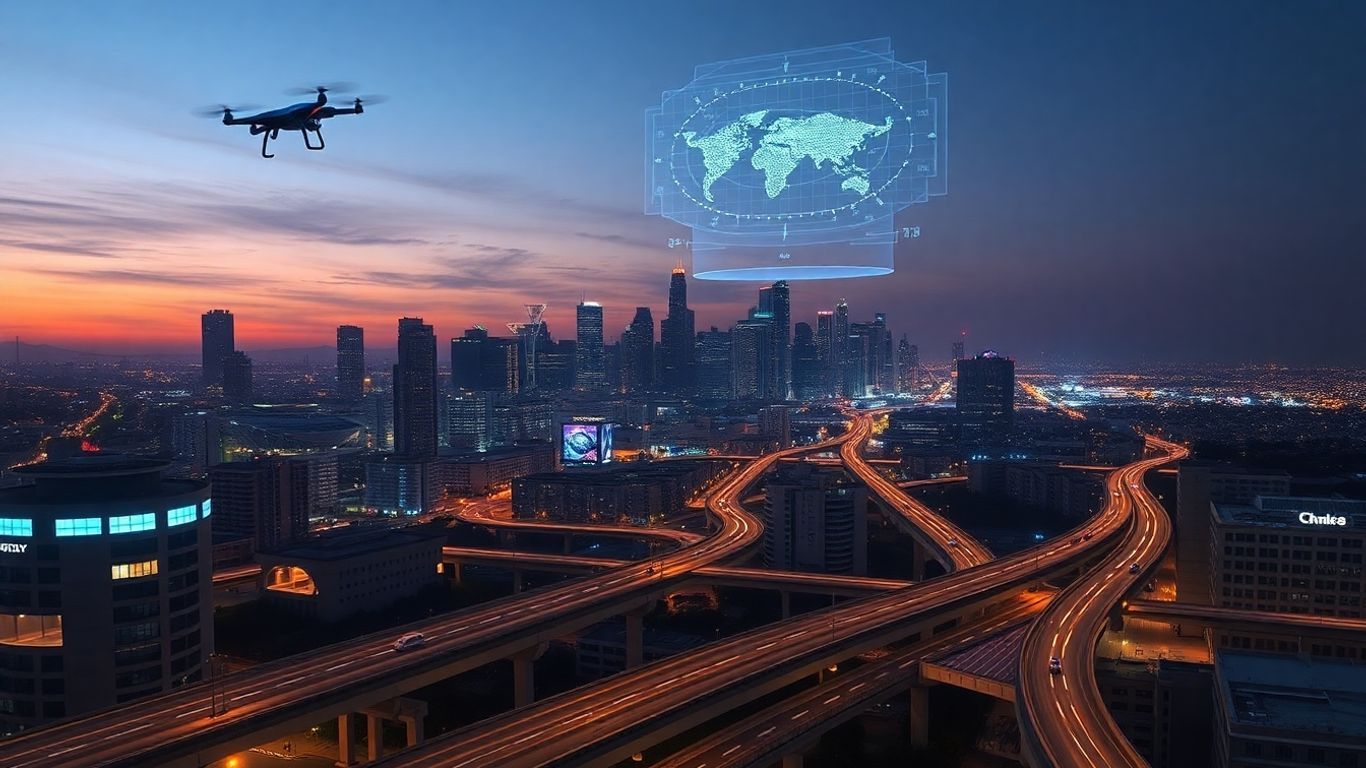
Los Angeles is actively preparing for a profound shift in urban mobility, especially as the 2028 Olympics draw nearer. The city is diligently exploring avenues to render transportation more accessible, environmentally friendly, and efficient for everyone. This endeavor isn't solely about accommodating visitors during the Games; it's about constructing a superior, enduring transportation infrastructure that will serve residents long after the closing ceremonies.
Upgrading Public Transit for Enhanced Accessibility
Public transit is slated for a significant overhaul. The overarching aim is to encourage broader utilization of buses and trains, thereby connecting a greater number of neighborhoods and ensuring smoother, less stressful commutes. This means not only expanding routes and increasing service frequency but also implementing enhanced accessibility features so that every individual, regardless of their mobility requirements, can reach their destination with ease.
- Expanding bus and rail networks to serve previously underserved communities.
- Augmenting the fleet of vehicles to comfortably accommodate a larger passenger volume.
- Integrating real-time tracking and comprehensive information systems to keep passengers informed.
Integrating Autonomous Vehicles into City Life
Autonomous vehicles (AVs) are poised to become an integral component of the city's diverse transportation ecosystem. The plan outlines a deliberate and measured introduction of AVs, commencing with carefully monitored pilot programs and progressively expanding thereafter. This could usher in innovative shuttle services, enhanced delivery options, and, eventually, a greater prevalence of personal AVs. Paramount to this integration are considerations of safety, efficiency, and how AVs can harmoniously operate alongside existing transit solutions.
The integration of autonomous vehicles is being approached with a strong focus on public safety and a phased rollout, initially aiming to complement rather than fully replace current transit options.
Leveraging Smart Technology to Reduce Traffic Congestion
Traffic congestion has historically presented a formidable challenge in LA, but smart technology now offers promising new strategies to tackle it head-on. The city is investigating AI-powered systems designed to optimize traffic light synchronization, accurately predict traffic flow patterns, and effectively reroute vehicles when necessary. Furthermore, there's a concerted effort to promote carpooling and explore mechanisms such as congestion pricing to encourage fewer single-occupancy vehicles on the roads. The ultimate objective is clear: to significantly shorten travel times and alleviate the stress associated with daily commutes.
| Technology | Application |
|---|---|
| AI Traffic Systems | Optimizing signal timing, predicting flow |
| Smart Sensors | Monitoring traffic density, detecting incidents |
| Data Analytics | Identifying congestion hotspots, planning routes |
The ultimate goal is to establish a transportation network that is not only highly efficient but also substantially cleaner, with a steadfast target of reducing emissions by 25% above existing commitments by 2028 through the comprehensive electrification of the transportation sector.
Pioneering Sustainable Urban Development
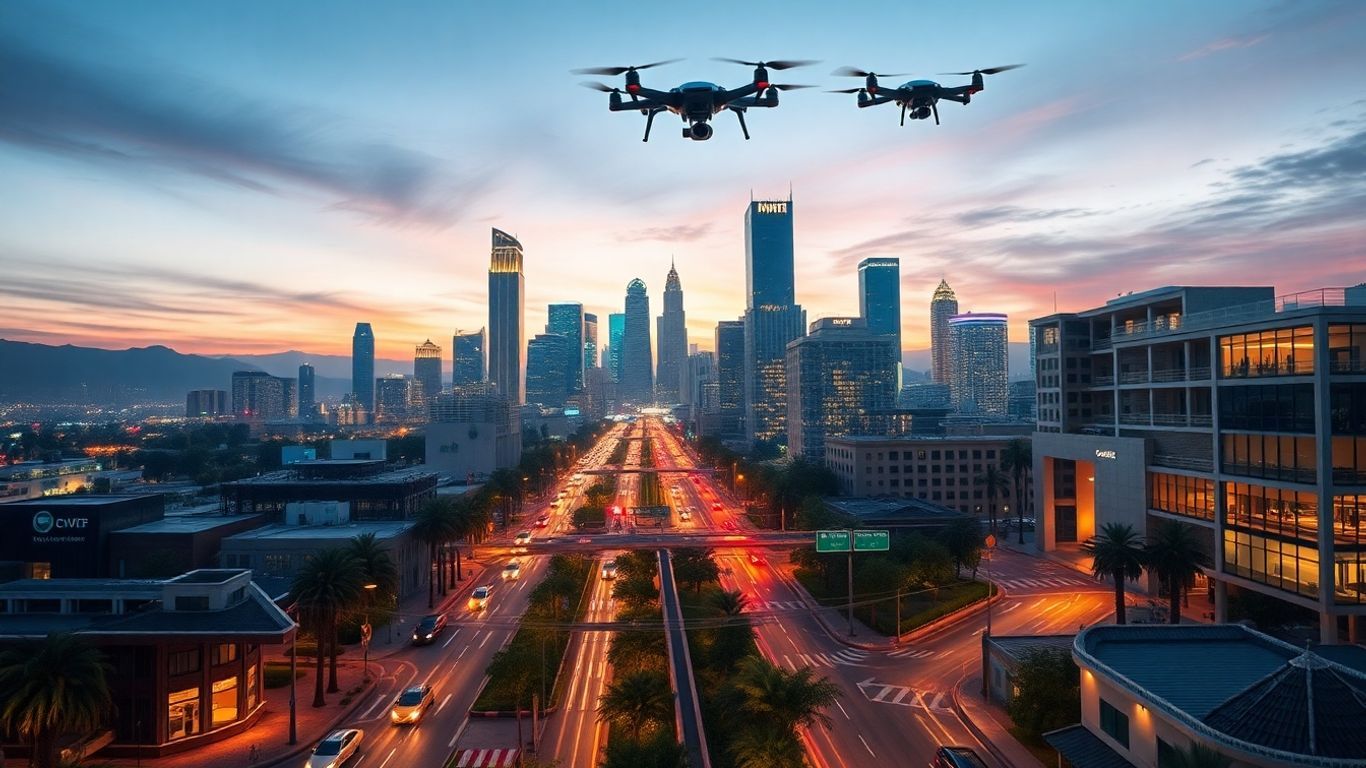
Los Angeles is deeply committed to cultivating a greener, more livable urban environment, especially with the strategic impetus of 2028. This commitment extends beyond mere architectural innovation; it encompasses a holistic approach to resource management and a deeper integration of nature within the city's confines.
Creating Green Spaces and Eco-Friendly Infrastructure
Picture parks, community gardens, and even verdant green roofs emerging throughout the urban landscape. These aren't just aesthetic enhancements; they play a crucial role in purifying the air, mitigating urban heat islands, and providing accessible havens for relaxation and recreation. Planners are meticulously identifying opportunities to infuse more green infrastructure, recognizing that an increase in natural elements directly correlates with an improved quality of life for all residents. The city is actively integrating natural elements into its urban fabric to improve environmental health and resident well-being. This expansive vision encompasses everything from intimate community gardens to larger-scale park projects meticulously designed for universal accessibility.
The Festival Trail: Connecting Communities Through Active Transit
One particularly innovative concept is the "Festival Trail"—a thoughtfully designed network of pathways intended to seamlessly link parks, cultural landmarks, and various neighborhoods. Its core purpose is to elevate walking and cycling from mere alternatives to preferred modes of transit. The Festival Trail endeavors to forge stronger connections between people and places, thereby reducing reliance on vehicular transport and fostering healthier, more active lifestyles. It truly offers a unique perspective on the city, encouraging active exploration and appreciation of the journey itself.
Implementing Energy-Efficient Solutions Across the City
Sustainability, however, extends far beyond the creation of green spaces; it also encompasses the fundamental methods by which we construct and power our city. Los Angeles is channeling considerable effort into ensuring that buildings—from residential homes to sprawling office complexes—operate with significantly reduced energy consumption. This involves employing advanced building materials, implementing smarter architectural designs, and increasingly adopting renewable energy sources, such as solar power. The objective is to enhance the city's operational efficiency without compromising the quality of life for its inhabitants. It's a critical balance for the future, and the city is addressing it with methodical, deliberate steps.
Making the city more sustainable is indeed a monumental task, but it is equally about enriching everyday life. It’s about forging an urban environment that optimally serves both its people and the planet, both today and for generations to come. This comprehensive approach is indispensable for building a truly resilient and flourishing metropolis.
Here’s a look at some of the initiatives:
- Building Upgrades: Undertaking extensive renovations of older structures to align with contemporary environmental standards.
- New Construction: Prioritizing the design of all new developments with embedded energy efficiency from their initial conception.
- Renewable Energy: Systematically increasing the deployment of solar panels and other clean energy technologies on municipal buildings and infrastructure.
- Smart Grids: Developing a more responsive and inherently efficient energy distribution system.
These concerted efforts are part of a broader commitment to position Los Angeles as a global exemplar in sustainable urban planning, illustrating how major urban centers can dynamically adapt and thrive.
The Role of Technology in a Connected City
Los Angeles is progressively integrating technology into the very fabric of daily life, with the clear intention of making the city operate more seamlessly and intelligently. This isn't just about incorporating sophisticated gadgets; it's about leveraging powerful tools like artificial intelligence and the Internet of Things to optimize management processes and bolster public safety.
AI-Driven Urban Management for Smarter Decisions
Artificial intelligence (AI) is rapidly emerging as a pivotal player in shaping decision-making processes across Los Angeles. Envision it as a hyper-intelligent assistant capable of sifting through vast quantities of information with remarkable speed. This capability empowers city managers to gain critical insights into phenomena such as traffic flow patterns or to anticipate potential urban issues before they escalate. For instance, AI can meticulously monitor public transit usage in real-time, subsequently aiding in the adjustment of schedules to match demand. What does this mean for you? Less time spent waiting and a more consistently reliable public transit system for everyone.
Smart Sensors Enhancing Public Safety and Environmental Monitoring
An array of unobtrusive sensors is being deployed across the city, each performing vital functions. These devices can detect nuances in air quality, pinpoint potential fire hazards, or even track pedestrian density in bustling areas to facilitate more adaptive traffic light management. Such capabilities significantly contribute to accident reduction and enhance the efficacy of emergency services by identifying and responding to issues with greater promptness.
Here's what these sensors can help with:
- Monitoring air and water quality in real-time for immediate insights.
- Detecting unusual activity or potential hazards within public spaces.
- Optimizing traffic flow dynamically based on current road conditions.
- Alerting authorities to critical infrastructure issues, such as water leaks.
These sensors act, in essence, as the city's vigilant eyes and ears, providing continuous updates that are instrumental in maintaining smooth and secure operations.
Internet of Things for a Responsive Urban Environment
The Internet of Things (IoT) seamlessly connects everyday objects, enabling them to communicate and collaborate. Imagine streetlights that intuitively dim when no one is present, conserving energy, or trash receptacles that signal when they require emptying, thereby ensuring cleaner neighborhoods. Even the perennial challenge of finding parking can be simplified with systems that guide you directly to available spaces. These seemingly minor, interconnected components collectively contribute to an urban environment that feels more aware and inherently responsive to its dynamic happenings.
Community-Centric Approaches to Urban Innovation
Prioritizing Accessibility for All Residents
A fundamental pillar of the LA smart city plan is ensuring that every individual can navigate and actively participate in urban life. This involves a meticulous examination of how people move and interact with public spaces. Consider, for example, the concerted effort to make bus stops and train stations effortlessly reachable—not just for those who can walk long distances, but for every member of the community. This commitment extends to installing necessary ramps and elevators, and ensuring that sidewalks are consistently smooth and unobstructed.
- Upgrading pedestrian crossings with audible signals and tactile paving. This crucial enhancement empowers individuals with vision impairments, providing them with clear cues for safe crossing.
- Expanding affordable housing options strategically located near major transit lines. This initiative aims to enable residents to live closer to employment centers and essential services, potentially reducing the need for personal vehicles.
- Installing accessible features in all public buildings and parks. This guarantees that these vital community spaces are enjoyable and usable for everyone.
The overarching goal is to construct an urban landscape where physical barriers do not impede individuals from fully experiencing and living their lives.
Ensuring Equitable Access to Smart City Benefits
As Los Angeles introduces an array of new technologies, it becomes paramount that these advancements uplift all residents, rather than benefiting only a select few. There's a genuine concern that emerging tech could inadvertently widen disparities, particularly for those with lower incomes or in underserved neighborhoods. The city is proactively devising strategies to circumvent this potential "digital divide."
Smart city initiatives must actively strive for inclusivity, meticulously ensuring that the advantages conferred by new technology are broadly distributed and do not inadvertently exacerbate existing inequalities.
This entails a comprehensive assessment of factors such as internet access, the provision of digital literacy programs, and guaranteeing the affordability of new services. In essence, it's about ensuring that as the city progresses in its "smart" evolution, it also becomes inherently fairer.
Fostering Community Engagement in Urban Planning
For any of these ambitious smart city concepts to genuinely flourish, the residents themselves must be integral to the dialogue. This is not merely about decisions being made exclusively at City Hall; it's fundamentally about actively listening to the needs and aspirations of the people. Los Angeles is making a concerted effort to involve a broader spectrum of its population in shaping the evolution of their neighborhoods.
- Hosting public meetings and workshops. These forums provide invaluable opportunities for residents to articulate their perspectives and directly pose questions.
- Partnering strategically with local community groups. These organizations often possess a deep, nuanced understanding of specific neighborhood-level challenges and priorities.
- Utilizing online platforms for feedback. This approach significantly streamlines the process for individuals to share their insights and remain apprised of ongoing projects.
By integrating more diverse voices into the urban planning process, the city aspires to craft solutions that are truly tailored to the communities they are designed to serve.
Leveraging Global Events for Lasting Urban Growth
The 2028 Olympic Games represent far more than just a major sporting spectacle for Los Angeles; they signify an extraordinary opportunity to accelerate substantial city-wide improvements that will continue to benefit residents long after the athletes have departed. Consider it a formidable, yet productive, deadline that helps fast-track projects that might otherwise languish for years.
The 2028 Olympics as a Catalyst for Infrastructure Projects
This imminent global spotlight invariably translates into significant investment in critical infrastructure. We are talking about enhanced public transportation networks, modernized roadways, and an increased array of options for people to traverse the city effectively without sole reliance on a personal vehicle. The overarching goal is to render Los Angeles more interconnected and intuitive to navigate, not just for the myriad athletes and international visitors during the Games, but for its residents on an everyday basis.
- Expanding public transit networks to extend reach into additional neighborhoods.
- Upgrading existing transportation hubs to boost overall efficiency and user experience.
- Developing new pedestrian and cycling paths to actively promote and encourage active modes of travel.
Showcasing Los Angeles as a Global Smart City Model
Crucially, the Olympics furnish an unparalleled platform to vividly demonstrate LA's innovative smart city initiatives. Envision real-time traffic management systems that dynamically adapt to fluctuating conditions, intelligent waste management solutions that optimize collection routes, and public safety frameworks that harness technology to keep communities secure. These are not merely futuristic pipe dreams; they represent tangible, practical applications currently being put to the test.
The city is aiming to leverage the Games as a live, large-scale demonstration of how technology can genuinely make urban living more efficient, sustainable, and enjoyable for everyone.
Creating Seamless Visitor Experiences Through Technology
For the millions of visitors anticipated, a smooth and effortless experience is paramount. This necessitates the strategic deployment of technology to assist individuals in wayfinding, effortlessly accessing information, and moving between venues without unnecessary friction. Think of intuitive apps providing real-time transit updates, dynamic digital signage offering clear guidance, and seamlessly integrated ticketing systems. Ultimately, it's all about rendering the city exceptionally accessible and warmly welcoming.
| Area of Improvement | Key Initiatives |
|---|---|
| Transportation | Real-time transit info, smart traffic signals |
| Information Access | City-wide Wi-Fi, multilingual digital guides |
| Public Safety | Integrated emergency response systems, smart lighting |
| Sustainability | Smart energy grids, waste reduction tech |
The Future of Urban Living in Los Angeles
A Vision for a Data-Driven and Connected Metropolis
Los Angeles is meticulously charting a course towards a future where technology and urban existence are profoundly interconnected. The overarching goal is to cultivate a city that is not merely "smart," but also inherently more livable and acutely responsive to the diverse needs of its residents. Imagine, if you will, a city that possesses the capacity to learn and adapt, continuously utilizing data to streamline daily life and enhance efficiency. This ambitious vision is centered on constructing a metropolis that genuinely functions better for everyone, propelled by intelligent systems and an unwavering commitment to community well-being.
Addressing Challenges in Smart City Implementation
Embarking on the journey to make a city smarter is, understandably, not without its inherent hurdles. One of the principal considerations revolves around ensuring that all these nascent systems can collaborate harmoniously without inadvertently creating new complexities. It's a bit like trying to get a multitude of distinct gadgets to communicate seamlessly—sometimes, they simply don't play nice together.
Here are some key areas actively being examined:
- Data Privacy and Security: With an increasing proliferation of sensors and connected devices, safeguarding personal information becomes a paramount concern. The city must implement robust safeguards to protect sensitive data.
- Digital Divide: Acknowledging that not everyone enjoys equal access to technology, plans must explicitly incorporate strategies to ensure universal participation, leaving no one marginalized.
- Infrastructure Upgrades: A significant portion of existing urban systems necessitates modernization to adequately support novel smart technologies. This is a process that demands both time and substantial financial investment.
- Interoperability: Facilitating seamless communication and collaborative functionality among disparate systems and technologies presents a complex technical challenge.
The city is firmly committed to a thoughtful and deliberate approach, recognizing that technology serves as a tool to empower people, rather than the inverse. This philosophy mandates meticulous planning and continuous adjustments.
Building a Livable and Equitable City for All
Ultimately, the comprehensive smart city plan for Los Angeles transcends the mere deployment of advanced technology. It is, at its core, about cultivating an urban environment where every individual can genuinely flourish. This entails a steadfast focus on implementing practical improvements that yield tangible, positive differences in people's daily lives.
Consider these pivotal points:
- Improved Public Services: From more dependable public transit to significantly faster emergency response times, technology's aim is to elevate the quality of essential services.
- Greener Living: Intelligent solutions possess the potential to substantially reduce pollution, manage energy consumption more efficiently, and cultivate additional green spaces, thereby fostering a healthier city.
- Economic Opportunity: By establishing itself as a nexus for innovation, Los Angeles endeavors to generate new employment opportunities and broader prospects within the burgeoning tech sector and beyond.
- Community Connection: Technology can serve as a powerful catalyst for connecting people, facilitating access to vital information, and simplifying the process for residents to actively participate in urban planning.
The aspiration is to construct a Los Angeles that is not only at the vanguard of technological advancement but also a welcoming, equitable, and enjoyable home for every single person who calls it theirs.
Looking Ahead: LA's Smart City Journey
So, what does this ambitious roadmap truly signify for Los Angeles as we cast our gaze towards 2028 and beyond? The city is unequivocally striving to stay ahead of the curve, strategically leveraging nascent technologies to foster smoother operations and enhance overall sustainability. It's not solely about the Olympics, although that global event certainly provides a significant impetus. Rather, it's fundamentally about constructing a city that functions more effectively for everyone—whether you're a long-term resident or merely passing through. From smarter traffic lights that genuinely contribute to easing congestion, to ensuring public spaces are more universally accessible, the goal is a more interconnected and eminently livable Los Angeles. It's undoubtedly a monumental undertaking, and transforming these ambitious blueprints into everyday reality will represent the ultimate litmus test. Nevertheless, the direction is crystal clear: LA is determined to emerge as a global paradigm for future urban living.
Frequently Asked Questions
What is the main idea behind the Los Angeles Smart City Plan for 2028?
The core concept of the Los Angeles Smart City Plan is to evolve the city into a more modern, interconnected, and user-friendly urban hub, particularly in anticipation of the 2028 Olympics. It focuses on employing cutting-edge technology to enhance areas like transportation, environmental sustainability, and ensuring equitable benefits for all residents.
How will the city help people get around better?
The plan incorporates initiatives to make public transportation, including buses and trains, more intuitive and accessible. Additionally, it explores the integration of autonomous vehicles and intelligent traffic light systems to significantly alleviate traffic congestion.
What does the plan do to help the environment?
Environmental stewardship is a key component, with a focus on creating more green spaces, such as parks and pedestrian/cycling trails, and implementing energy-saving technologies across buildings and urban infrastructure. The ultimate aim is to cultivate a cleaner and greener LA.
How will technology be used in daily life in LA?
Smart sensors will be deployed to bolster safety and conduct real-time environmental monitoring, such as air quality assessment. The 'Internet of Things' will connect everyday objects to streamline operations—picture smart streetlights that conserve energy or waste bins that automatically signal when full.
Is the plan fair for everyone in the city?
Indeed, a significant emphasis of the plan is ensuring that all residents, irrespective of age or ability, can readily access and benefit from the new technologies and urban improvements. There's a strong commitment to prevent anyone from being left behind.
How will the 2028 Olympics help with these changes?
The Olympics serve as a powerful catalyst to accelerate these transformative improvements, including the development of superior transportation networks. It also provides an unparalleled global platform to showcase LA as a forward-thinking city and create enduring advantages for its inhabitants.


