
resources
Barcelona Expo Smart City: Innovations Shaping Tomorrow's Urban Landscapes
13 Dec 2025

Barcelona is once again preparing to host a significant global event dedicated to advancing urban intelligence and improvement. This premier gathering, known as the Barcelona Expo Smart City, serves as a crucial forum for leaders, innovators, and thinkers to convene and explore groundbreaking concepts for optimizing our cities for everyone's benefit. Imagine innovative transportation methods, the adoption of cleaner energy solutions, and the strategic integration of technology to enhance daily life. Ultimately, it's about proactively strategizing to ensure our urban centers are well-equipped for future challenges and opportunities alike.
Key Takeaways
- The Barcelona Expo Smart City event convenes a diverse array of experts to deliberate on urban innovation and the construction of more efficient and equitable cities.
- Central themes encompass fostering greener urban environments through enhanced energy utilization and sustainable transport systems, alongside leveraging digital tools for more effective city services.
- A core objective is to cultivate cities where residents genuinely desire to live, emphasizing accessible housing, advanced health solutions, and seamless access to digital amenities.
- While artificial intelligence is recognized as integral to future urban functionalities, the discourse also critically stresses the imperative of its ethical application and the cultivation of public trust.
- A primary goal involves developing cities capable of enduring and recovering from significant challenges, such as climate change and natural disasters, by implementing novel architectural and infrastructural paradigms.
Barcelona Expo Smart City: A Global Hub for Urban Innovation
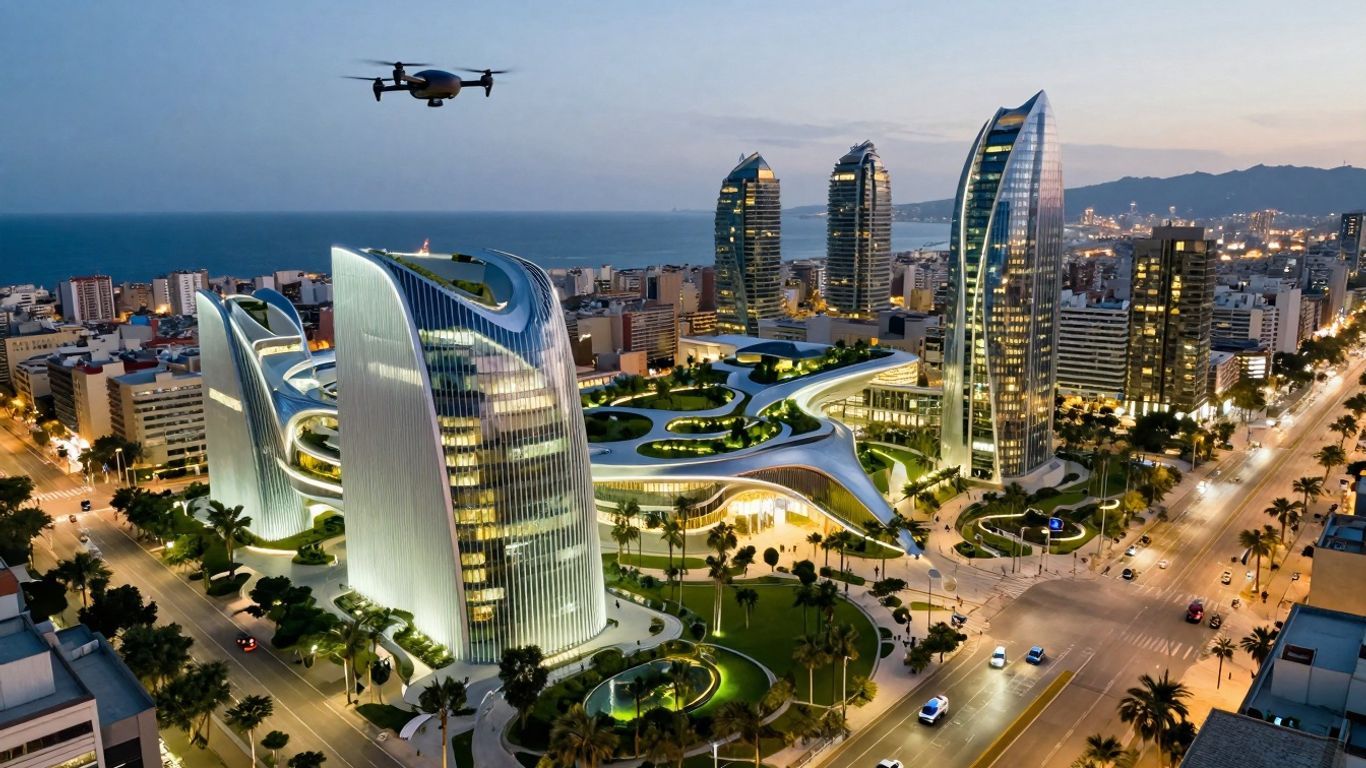
Barcelona has undeniably reinforced its standing as a preeminent global nexus for urban innovation, largely thanks to the recent Smart City Expo World Congress. This event transcends the typical conference format; it’s a vibrant confluence that unites thousands of city leaders, pioneering tech innovators, and seasoned urban planners from across the globe. Their collective mission? To exchange groundbreaking ideas and forge practical solutions for the multifaceted challenges cities confront both today and in the years to come. Truly, it's where the very blueprint of urban living is actively being crafted.
The Premier Event for Urban Transformation
The Smart City Expo World Congress holds a widely acknowledged reputation as the foremost and most impactful gathering dedicated to urban innovation. It functions as an indispensable platform for debating and exhibiting the advancements that are rendering our cities smarter, more environmentally conscious, and ultimately, more livable. From November 4-6, 2025, the Fira Barcelona Gran Via will be abuzz with activity, having previously hosted over 25,000 attendees and more than 1,100 exhibitors. This impressive turnout unmistakably highlights the profound global interest in revitalizing and enhancing our urban environments.
Key areas of focus at the expo typically encompass:
- Energy and Environment: Delving into smart grids and viable pathways toward decarbonization.
- Mobility: Showcasing breakthroughs in clean transport and intelligently connected infrastructure.
- Governance and Economy: Examining the digitalization of public services and strategies for refining city management.
- Living and Inclusion: Addressing pressing concerns such as affordable housing and universally accessible digital services.
- Infrastructure and Building: Championing sustainable design principles and construction methodologies aimed at achieving net-zero emissions.
The expo serves as a powerful catalyst, moving beyond mere theoretical discussions to spotlight tangible, proven implementations that are actively accelerating a more human-centric urban revolution.
Connecting Leaders for a Better Urban Future
This congress is far more than a simple showcase of cutting-edge technology; it represents a vital opportunity for strategic networking. It adeptly connects influential leaders from innovative companies, governmental bodies, and various organizations, fostering collaborations designed to propel cities toward a more sustainable and efficient future. Discussions frequently center on inaugurating a new urban era, one that places paramount emphasis on cooperation, ethical technological deployment, and prioritizing human needs in all aspects of urban planning. It's truly about transitioning from merely discussing smart cities to actively constructing them.
A New Era of Urban Planning
The dialogues and debates at the expo vividly reflect a significant evolution in our approach to urban planning. There's a burgeoning recognition that cities are akin to living entities, and their long-term viability hinges on a meticulously balanced methodology. This encompasses acute environmental consciousness, seamless digital integration, and a steadfast commitment to the holistic well-being of citizens. The event provides a dedicated space for these vital ideas to be shared, refined, and ultimately developed, aiding in the creation of urban landscapes that are not only technologically advanced but also genuinely inclusive and sustainable for everyone. For those keen to delve deeper, further details about the event's emphasis on digital transformation are readily available.
Key Themes Driving Smart City Development
Energy and Environment: Towards Decarbonization
The imperative to foster greener cities stands out as a paramount focus. We're observing substantial efforts dedicated to enabling urban centers to significantly diminish their carbon footprint. This endeavor isn't solely about grand, transformative initiatives; it also encompasses the myriad smaller, daily actions that collectively make a profound difference. Consider, for instance, how buildings consume energy or the intricacies of waste management—these are areas ripe for innovative solutions.
- Renewable Energy Integration: Cities are actively exploring sophisticated methods to incorporate a greater proportion of solar, wind, and other clean energy sources into their power grids. This frequently involves advanced smart grid technology capable of efficiently managing fluctuating energy supplies.
- Waste Management and Circular Economy: Progressing beyond conventional recycling, urban areas are investigating systems designed to comprehensively reuse materials and drastically minimize waste generation. This might entail smart bins that alert collection services when full or digital platforms connecting businesses with surplus waste streams.
- Green Building Standards: Both new construction projects and the retrofitting of existing structures are increasingly prioritizing energy efficiency, the utilization of sustainable materials, and a concerted effort to reduce environmental impact throughout their entire lifecycle.
The pressing reality of climate change mandates that cities not only adapt but truly transform. This involves not only aggressive emissions reductions but also proactive preparation for the impacts that are already manifesting, such as increasingly frequent extreme weather events.
Mobility: Innovations in Sustainable Transport
The landscape of urban transportation is undergoing rapid evolution. The overarching objective is to render transport systems cleaner, demonstrably more efficient, and universally accessible. This necessitates a comprehensive examination of everything from public transit networks to individual vehicles, and critically, how they seamlessly interact.
- Electrification of Fleets: Numerous cities are progressively transitioning their public transport systems, including buses, and even municipal service vehicles, to electric power. This strategic shift plays a significant role in mitigating both air and noise pollution within bustling urban centers.
- Shared Mobility Solutions: Services such as bike-sharing, scooter-sharing, and car-sharing are becoming increasingly prevalent, offering viable alternatives to private car ownership and contributing significantly to the alleviation of traffic congestion.
- Smart Traffic Management: Leveraging data and advanced technology to precisely optimize traffic flow, streamline parking management, and enhance the overall efficiency of public transportation routes. This can involve the deployment of sensors, real-time data analytics, and adaptive traffic signaling systems.
The trajectory of urban transport unmistakably points towards a sophisticated blend of shared, electric, and interconnected services.
Governance and Economy: Digital Public Services
Cities are astutely harnessing technology to refine their administrative operations and enhance their interactions with citizens. This translates into more accessible services and the strategic utilization of data to inform superior decision-making.
- Digital Citizen Services: Establishing intuitive online platforms for permits, payments, and information requests, thereby simplifying the process for residents to engage efficiently with municipal authorities.
- Open Data Initiatives: Making comprehensive city data publicly available can empower businesses, researchers, and citizens to cultivate novel solutions and foster greater governmental accountability.
- Data-Driven Decision Making: Employing sophisticated analytics to discern urban trends, allocate resources with greater precision, and plan future development initiatives based on empirical evidence.
This progressive shift toward digital governance is ultimately designed to cultivate more responsive and efficient cities, benefiting everyone.
Fostering Livable and Inclusive Urban Environments
Cities, at their core, are far more than mere aggregates of concrete and steel; they are vibrant, intricate ecosystems where individuals reside, work, and forge connections. The Barcelona Expo Smart City event places profound emphasis on ensuring urban areas are not only functionally proficient but also genuinely livable and welcoming for every inhabitant. This necessitates a perspective that extends beyond technology alone, deeply considering the human dimension within every facet of urban planning.
Living and Inclusion: Enhancing Citizen Well-being
Cultivating cities where individuals truly flourish demands a comprehensive, multi-faceted strategy. It fundamentally involves ensuring that the urban environment proactively supports the health, happiness, and overall welfare of its residents. This includes providing ample access to verdant green spaces, implementing robust community programs, and offering services that thoughtfully cater to a diverse spectrum of needs. The ultimate objective is to meticulously construct cities that truly resonate as home for all who dwell within them.
Affordable Housing and Health Technology
Two undeniably critical domains for urban well-being are housing and public health. The expo delves into how smart city initiatives can effectively tackle the persistent challenge of affordable housing, ensuring that cities remain accessible and equitable for individuals from all socio-economic strata. Concurrently, groundbreaking advancements in health technology are prominently showcased, illustrating how digital tools can significantly enhance healthcare access and improve outcomes for urban populations. Consider, for example, the impact of remote patient monitoring or intelligent public health campaigns—these are precisely the kinds of innovations making a tangible difference today.
Accessible Digital Services for All
While digital transformation is a pivotal engine driving smart cities, it is absolutely essential that these advancements do not inadvertently marginalize any segment of the population. A substantial emphasis is placed on rendering digital services universally accessible, irrespective of an individual's age, ability, or digital literacy level. This critical objective entails:
- Meticulously designing user-friendly interfaces for all public portals.
- Providing comprehensive digital literacy training programs.
- Ensuring that public Wi-Fi and digital access points are widespread and readily available.
- Developing services that are thoughtfully tailored to accommodate individuals with disabilities.
The concerted push for smarter cities must invariably be balanced with an unwavering commitment to equity. Should digital tools and services not be conceived and developed with inclusivity as a fundamental principle, they risk exacerbating existing social divides rather than effectively bridging them. True urban innovation, therefore, means meticulously crafting opportunities for everyone to actively participate in and genuinely benefit from city life.
By diligently focusing on these crucial aspects, the Barcelona Expo Smart City illuminates a future where urban development is fundamentally people-centered, giving rise to cities that are not only efficient and sustainable but also authentically exceptional places to reside.
Technological Advigoration in Urban Landscapes
AI-Powered Cities: Revolutionizing Urban Living
Artificial intelligence is no longer merely a futuristic concept; it is now actively—and profoundly—reshaping the very fabric of how our cities operate. From intelligently managing traffic signals to precisely predicting energy demands, AI is increasingly becoming the subtle, invisible hand guiding core urban operations. Consider, for instance, how AI can meticulously analyze complex traffic patterns in real-time, subsequently adjusting signals to not only alleviate congestion but also to significantly reduce urban pollution. Moreover, it's being deployed to bolster public safety by expertly analyzing data from diverse sources, thereby helping to anticipate and respond to incidents with greater efficacy.
The Role of Artificial Intelligence in City Functions
AI’s pervasive impact extends across a wide spectrum of city services. It is instrumental in optimizing resource management, such as water distribution and waste collection, rendering these processes markedly more efficient and less wasteful. Within public services, AI has the capacity to personalize citizen interactions, making it considerably simpler for individuals to access the information and services they require. For example, AI-powered chatbots can adeptly handle common inquiries around the clock, thereby freeing up human staff to address more intricate issues. This technology is also pivotal in engineering more sustainable infrastructure, ranging from smart grids that intelligently manage energy distribution to predictive maintenance systems that ensure city infrastructure operates without interruption.
Here’s a closer look at some key areas where AI is making a tangible difference:
- Transportation: Optimizing traffic flow, streamlining public transit operations, and facilitating the seamless integration of autonomous vehicles.
- Public Safety: Enhancing predictive policing capabilities, coordinating emergency response efforts, and improving crowd management strategies.
- Resource Management: Implementing smart grids for energy, ensuring efficient water distribution networks, and optimizing waste collection routes.
- Citizen Services: Delivering personalized information, providing automated support, and improving overall accessibility for all residents.
The strategic integration of AI into urban environments presents a truly significant opportunity to cultivate cities that are demonstrably more efficient, profoundly responsive, and ultimately more livable. However, this transformative potential invariably introduces a set of challenges that demand meticulous consideration.
Ethical AI and Public Trust in Urban Development
As artificial intelligence becomes increasingly embedded in the daily rhythms of city life, critical questions concerning ethics and public trust naturally come to the forefront. How can we unequivocally ensure that AI systems are deployed fairly and operate without inherent bias? What becomes of the vast amounts of data collected, and crucially, how is it rigorously protected? Cultivating and maintaining public trust necessitates unwavering transparency in how AI is utilized, along with clearly articulated guidelines for its governance. Cities are actively exploring sophisticated approaches to develop responsible AI frameworks that steadfastly prioritize citizen privacy and security, all while judiciously harnessing the profound benefits of these advanced technologies. It is indeed a delicate balancing act—yet one that is absolutely essential for AI to genuinely serve the public good in our evolving urban futures.
Building Sustainable and Resilient Cities
Infrastructure and Building: Net-Zero Construction
Cities find themselves on the front lines of climate change, and consequently, how we construct and maintain them is of paramount importance. We are currently witnessing a substantial drive towards net-zero construction—a paradigm where buildings are designed to produce as much energy as, or even more than, they consume. This isn't merely about new builds; it also crucially involves retrofitting existing structures to dramatically enhance their energy efficiency. Picture superior insulation, intelligent heating and cooling systems, and the strategic integration of renewable energy sources like solar panels. It’s a complex puzzle, to be sure, but the overarching objective is crystal clear: to fashion urban environments that are significantly kinder to our planet.
Resilient Design for Urban Environments
Beyond simply being green, cities must also possess an inherent robustness. Resilience, in this context, means the intrinsic capacity to effectively rebound from various shocks, be they extreme weather phenomena, economic downturns, or even public health crises. This necessitates astute urban planning that thoughtfully considers elements such as robust flood defenses, expansive green spaces designed to aid in water runoff management, and diversified local economies that avoid over-reliance on any single sector. Building cities that can adeptly adapt and swiftly recover is fundamentally crucial for long-term livability. It's about meticulously crafting systems capable of withstanding significant challenges and continuing to function optimally for the benefit of their residents. We also need to meticulously consider how green infrastructure can forge urban ecosystem balance, markedly improve physical health, and cultivate stronger community ties [ebdb].
Climate Adaptation and Disaster Preparedness
Adapting to our changing climate is no longer a distant concern; it is a present reality. Cities are actively developing comprehensive strategies to effectively cope with rising sea levels, increasingly intense heatwaves, and unpredictable weather patterns. This encompasses a broad spectrum of initiatives, from sophisticated early warning systems for natural disasters to establishing designated cooling centers during periods of extreme heat and enhancing drainage infrastructure to prevent widespread flooding. It’s a decidedly proactive methodology aimed at managing inherent risks and safeguarding citizens. The prevailing focus is unequivocally shifting from merely reacting to disasters to actively preparing for them and constructing resilient systems capable of absorbing their impacts.
The formidable challenge of creating truly sustainable and resilient cities demands a meticulously multi-faceted approach. It extends far beyond mere technological solutions; it fundamentally involves a comprehensive rethinking of how we design, construct, and inhabit our urban spaces to both minimize environmental impact and maximize our collective ability to withstand future challenges. This imperative necessitates robust collaboration across diverse sectors and an unwavering commitment to diligent, long-term planning.
Here are some key areas cities are particularly focusing on:
- Energy Efficiency: Implementing crucial upgrades to building insulation, installing advanced smart thermostats, and utilizing highly energy-efficient lighting solutions.
- Water Management: Introducing permeable pavements, constructing green roofs, and enhancing existing stormwater management systems.
- Green Spaces: Significantly increasing the number of parks and urban forests to mitigate urban heat island effects and improve water regulation.
- Early Warning Systems: Deploying sophisticated technology for timely alerts regarding extreme weather events and other potential hazards.
Showcasing Real-World Smart City Solutions
It's one thing to philosophize about smart cities in theory, but witnessing them in tangible action is where the genuine marvel truly unfolds. The Barcelona Expo Smart City effectively brings together those cities and innovative companies that are actively doing the groundwork, offering us a vivid glimpse into what is presently achievable. Here, we get to observe firsthand how places like Porto and Cascais are astutely tackling complex urban challenges with ingenious, smart solutions.
Porto's Journey to a Smart Sustainable City
Porto has, without a doubt, been making significant ripples in the global smart city arena. They aren't just engaging in discourse about sustainability; they are actively embodying it. Impressively, in 2023, the Financial Times even bestowed upon them the prestigious title of top "European City of the Future." That's quite an accolade, wouldn't you say? They are also an integral part of the European Commission's ambitious mission to have 100 cities achieve climate-neutral and smart status by 2030. This particular session delves deeply into how Porto, with invaluable assistance from the Porto Energy Agency and Deloitte, is strategically leveraging technology and astute planning to attain these formidable goals. Ultimately, it’s about their masterful fusion of collaboration, data-driven insights, and expert guidance to construct a city that is both intelligently advanced and profoundly beneficial for the planet.
Cascais: Pioneering a Connected and Transparent Future
Cascais represents yet another city that is truly pushing the boundaries of urban innovation. Their strategic focus is on cultivating an urban environment that is not merely smart but profoundly human-centered, with a significant emphasis on transparency. They meticulously collaborate with various public groups and esteemed universities, effectively transforming the entire city into a dynamic testing ground for novel ideas. The underlying objective is elegantly simple: to genuinely enhance the quality of life for every resident. They are keenly investigating methods to ensure that everyone can effectively utilize digital tools, even those who might not consider themselves tech-savvy, and how to maintain complete openness regarding the city's utilization of data. Cascais compellingly demonstrates that innovation can indeed culminate in tangible, meaningful improvements for its inhabitants.
Deloitte's Innovations in Urban Technology
Deloitte also stands as a significant contributor in this space, proudly showcasing their own impressive suite of smart city solutions. They maintain a dedicated booth where attendees can explore their pioneering work in critical areas like AI and sustainability. One particularly captivating exhibit they feature is dubbed "HarmoniCity." It's an interactive display that allows users to place various pieces representing different urban components—such as housing districts, transportation networks, or energy systems—and then visually observe how these elements interconnect and operate in concert. It’s an exceptionally clever method to visualize the inherent complexity of city systems and demonstrate how they can be managed more effectively through technology. Their overarching aim is to illustrate how technology can actively facilitate the creation of cities that are more interconnected and fundamentally more functional for everyone.
The ultimate litmus test of a truly smart city isn't solely defined by the sophistication of the technology it deploys, but rather by how that technology tangibly elevates the daily lives of its citizens and contributes significantly to a healthier planet.
The Digital Social Contract in Smart Cities
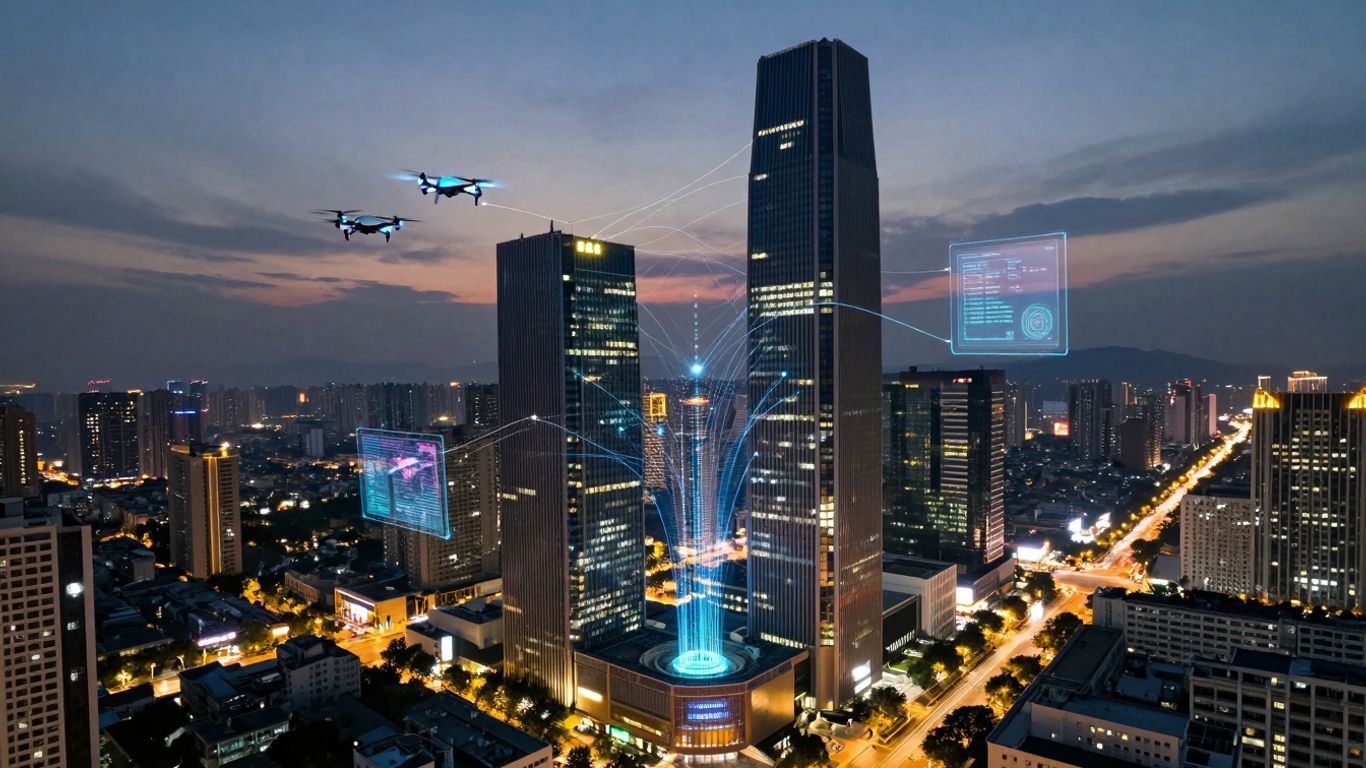
Enhancing Citizen Participation Through Digital Transformation
As our cities become increasingly interconnected, the very nature of our interaction with local governments is undergoing a profound transformation. Digital tools now offer novel, robust avenues for citizens to actively engage, freely share their ideas, and remain comprehensively informed. Consider, for instance, online forums dedicated to discussing local projects, intuitive apps that allow you to report issues like potholes or malfunctioning streetlights, or digital platforms where you can cast your vote on critical community initiatives. These advancements aren't merely about convenience; they are fundamentally about fostering a more responsive and deeply engaged urban environment. The overarching goal is to significantly simplify the process for everyone to have a meaningful voice in the administration of their city.
Ensuring Data Transparency and Security
With this burgeoning digital interaction inevitably comes a considerable volume of data. Cities meticulously collect information to refine services, manage invaluable resources, and genuinely comprehend citizen needs. However, this practice invariably raises crucial questions: Who precisely owns this data? How is it being utilized? And most importantly, is it truly secure? Cultivating unwavering trust necessitates complete openness regarding data collection and usage policies. It also demands the implementation of stringent security measures to rigorously protect personal information from potential breaches or misuse. Citizens absolutely need to be assured that their data is handled with the utmost responsibility.
Protecting Digital Rights and Fostering Trust
In the context of a smart city, digital rights are every bit as significant as any other fundamental rights. This encompasses the undeniable right to privacy, the right to access pertinent information, and the right to be free from unfair digital surveillance. When cities exhibit transparency in their technological deployments and actively commit to safeguarding citizens' digital well-being, it unequivocally establishes a robust foundation of trust. This foundational trust is precisely what enables smart city initiatives to genuinely flourish, ensuring that technology serves the populace, rather than the other way around.
Here are some pivotal aspects of the digital social contract:
- Openness: Clearly and consistently communicating how data is meticulously collected, securely stored, and strategically utilized.
- Security: Implementing robust and advanced measures to thoroughly protect citizen data from unauthorized access or compromise.
- Inclusion: Ensuring that all digital services are universally accessible to everyone, irrespective of their technical proficiency or socio-economic background.
- Accountability: Establishing unambiguous lines of responsibility for technology deployment and comprehensive data management practices.
- Participation: Actively creating accessible channels for citizens to provide invaluable feedback and genuinely influence the ongoing development of the digital city.
Looking Ahead: Barcelona's Role in the Smart City Movement
The Barcelona Expo Smart City event truly offered a compelling glimpse into the immense possibilities that emerge when diverse individuals converge to conceptualize how our urban environments can function with greater efficiency and harmony. It wasn't solely about sophisticated technology; rather, it emphasized leveraging that technology to cultivate a more accessible and sustainable quality of life for all. We witnessed a plethora of remarkable ideas, ranging from innovative, cleaner transportation methods to smarter energy utilization, and ensuring equitable access to essential services. It’s undeniably clear that cities worldwide are grappling with significant challenges, yet events like this provide an invaluable window into the solutions already being implemented. The insightful conversations and crucial connections forged here represent a substantial stride towards constructing cities that are not just intelligent, but also enduringly wonderful places to live for generations to come.
Frequently Asked Questions
What is the Barcelona Expo Smart City event all about?
It's a major international gathering where experts and innovators from across the globe convene to discuss and showcase groundbreaking ideas for urban enhancement. Essentially, it's a forum dedicated to exploring how technology and forward-thinking planning can help our cities evolve into greener, more efficient, and ultimately, more pleasant places to reside.
When and where does this event usually happen?
The event typically takes place in Barcelona, Spain, generally in November. For example, the upcoming 2025 event is slated for November 4th to 6th at the expansive Fira Barcelona Gran Via exhibition center.
Who goes to the Smart City Expo?
A wide array of professionals and enthusiasts attend! You'll find distinguished city leaders, representatives from leading companies, various organizational delegates, and even students. It serves as an ideal venue for anyone keenly interested in improving urban living to connect, collaborate, and exchange innovative concepts.
What kind of topics are discussed at the event?
They cover a broad spectrum of critical areas. For instance, discussions often revolve around strategies for reducing energy consumption and protecting the environment, exploring new sustainable transportation methods like electric vehicles and improved public transit, and leveraging technology to optimize city services for the benefit of all citizens.
Are there examples of real smart cities shown at the expo?
Yes, absolutely! The event frequently highlights practical case studies from cities like Porto and Cascais, which are already implementing impressive initiatives to become smarter and more sustainable. They share their valuable experiences and key learnings, which proves incredibly beneficial for other municipalities.
How does this event help make cities better for people?
The primary objective is to foster cities that are more livable and equitable for everyone. This encompasses ensuring residents have access to quality housing and healthcare, and that digital services are user-friendly and readily available to all citizens, regardless of their background or individual abilities.


