


resources
California's 2028 Smart City Vision: Beyond Los Angeles
02 Dec 2025

California's 2028 smart city vision is truly beginning to materialize, extending its reach well beyond just Los Angeles. Ambitious plans are underway to fundamentally transform how cities operate, with a sharp focus on enhancing efficiency, bolstering safety, and promoting environmental sustainability. It’s akin to constructing an entirely new urban paradigm—one that leverages cutting-edge technology to elevate the quality of life for all residents. Indeed, this comprehensive 2028 smart city California plan aims to serve as a global benchmark, offering a replicable model for urban development worldwide.
Key Takeaways
- Urban mobility is set for a substantial overhaul, with AI poised to manage traffic and public transportation, ensuring smoother, more integrated journeys through diverse transit options.
- City safety and essential services will be significantly enhanced through intelligent technology, featuring interconnected systems and advanced emergency response mechanisms.
- Urban living is poised to become greener, driven by smart energy grids and AI-powered resource management, leading to a more sustainable future.
- The city's digital infrastructure will form its essential core, characterized by high-speed connections and pervasive sensors that collect invaluable data to inform and refine urban planning.
- Innovative economic strategies and highly efficient systems are actively being developed, with the ultimate goal of sharing these transformative smart city solutions with global counterparts.
Transforming Urban Mobility
California's 2028 vision for urban mobility transcends the simple act of getting from point A to point B. Rather, it centers on cultivating a connected, highly efficient, and environmentally cleaner ecosystem for people and goods to navigate the state's principal cities.
AI-Managed Traffic and Public Transport
Can you imagine a city where traffic lights intuitively communicate with one another—and even with your vehicle—dynamically adjusting timings in real-time to maintain an optimal flow? That’s precisely the aspiration behind AI-managed traffic systems. These intelligent networks will meticulously monitor traffic patterns, anticipate potential congestion, and proactively reroute vehicles to circumvent bottlenecks. Public transportation, too, is slated for a significant enhancement. AI will play a pivotal role in optimizing bus and train schedules based on live demand, consequently diminishing wait times and making public transit a far more appealing choice. Ultimately, this promises fewer cars on our roads and a significantly smoother commute for everyone involved.
Seamless Multi-Modal Transit Systems
Navigating urban environments frequently involves transitioning between various modes of transport—perhaps a bus, followed by a train, and then a scooter for the final leg. The 2028 vision is designed to make these transitions truly effortless. Picture a single, intuitive app or integrated payment system capable of managing your entire journey, from booking a ride-share to purchasing your train ticket and unlocking an electric bike. This holistic approach, often referred to as multi-modal transit, will simplify travel logistics immensely and actively encourage residents to utilize a diverse mix of transportation options, thereby reducing dependence on single-occupancy vehicles.
The Rise of Autonomous Vehicles
Autonomous vehicles (AVs) are poised to assume a substantial role in the evolving landscape of urban mobility. While fully driverless cars may still be some years away from widespread personal adoption, AVs are expected to be seamlessly integrated into public transport fleets and various delivery services. Envision self-driving shuttles providing vital connections between transit hubs or autonomous delivery bots bringing goods directly to your doorstep. This fundamental shift not only promises heightened safety, given AVs' superior reaction times compared to human drivers, but also offers greater efficiency in the movement of both goods and people across the urban sprawl.
Enhancing City Safety and Services
California's 2028 vision for its cities extends well beyond mere operational speed; it’s fundamentally about making urban environments safer and more responsive for all inhabitants. Consider, for a moment, how city services function today. You might find yourself contacting multiple departments for different issues, often feeling as though your concerns are merely echoing into a void. The smart city approach seeks to transform this experience by intricately connecting every facet of urban management.
Proactive Technology for Public Safety
Imagine a city where potential hazards are identified and addressed long before they escalate into major problems. This isn't just the stuff of science fiction anymore. Innovative technologies are continually being developed to significantly enhance community safety. Sensors strategically placed throughout the city can diligently monitor various conditions, such as air quality, traffic flow, and even detect unusual patterns of activity. AI systems, in turn, are capable of analyzing this torrent of sensor data in real-time. This capability facilitates remarkably swifter responses to potential emergencies—be it a fire, a traffic incident, or any other unforeseen event. For instance, integrated systems could instantly detect a sudden increase in smoke and alert fire services with immediate effect, potentially even before a human observer is aware. This proactive stance is crucial for preventing incidents from spiraling into significant crises.
Unified Digital Platforms for Urban Services
One of the most common frustrations in urban living can be navigating the labyrinth of disparate city services. Need to report a pesky pothole? Wish to schedule a bulky item pickup? Or perhaps you're simply seeking information on local parks? Presently, this often necessitates sifting through multiple websites or enduring lengthy phone calls. The smart city blueprint aims to rectify this by establishing unified digital platforms, akin to an advanced iteration of the existing MyLA311 system, which will serve as a singular, accessible point of contact for residents. These sophisticated platforms are designed to streamline access to information and simplify service requests. They will be crafted to be remarkably user-friendly and offered in multiple languages, thoughtfully reflecting the rich diversity of the communities they serve. This integrated approach is intended to simplify interactions with city hall and ensure that everyone can readily access the assistance they require.
Intelligent Infrastructure for Emergency Response
When emergencies inevitably occur, the speed and efficacy of a city's response can make an extraordinary difference. The 2028 vision notably incorporates the development of intelligent infrastructure specifically designed to bolster emergency services. This entails leveraging data to anticipate precisely where resources might be most urgently needed. For example, AI could analyze event schedules and traffic patterns to predict areas where ambulances or police presence might be required. Furthermore, smart traffic signals could be dynamically adjusted to clear an unimpeded path for emergency vehicles. Even the city's physical infrastructure, including buildings and roadways, can be outfitted with sensors that deliver real-time status updates, empowering emergency crews to rapidly assess the ground situation. This profound interconnectedness is undoubtedly paramount to cultivating a more resilient and thoroughly prepared urban environment.
The overarching objective is to transition from a reactive model, where services merely respond to problems post-occurrence, to a truly proactive one—a system where technology actively aids in preventing issues and dramatically accelerates responses when emergencies are, regrettably, unavoidable. This will undeniably lead to superior resource allocation and, ultimately, a safer environment for all residents.
Pioneering Sustainable Urban Living
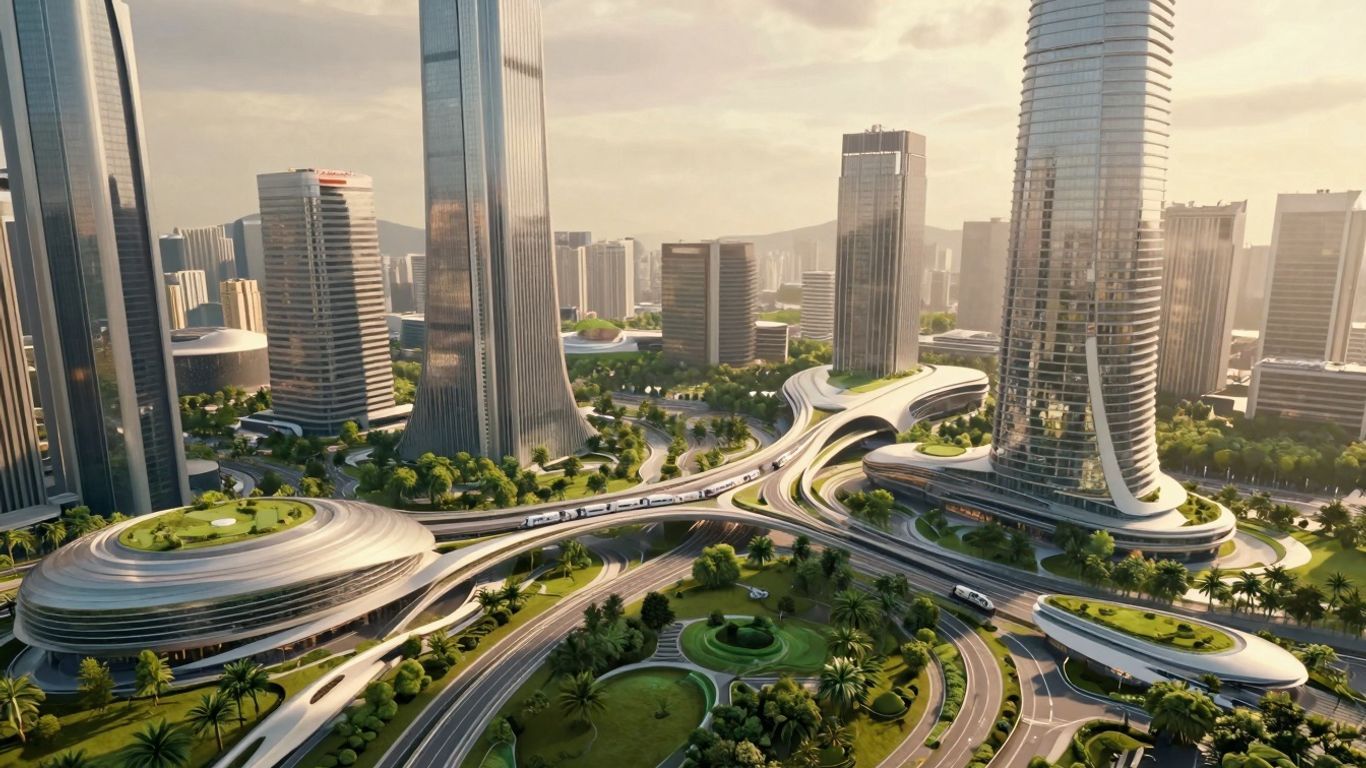
California's 2028 vision isn't solely about deploying gleaming new technology; it's profoundly centered on enhancing cities as superior places to live, particularly with an eye toward environmental stewardship. Consider how we currently consume energy, manage our verdant spaces, and distribute vital resources—every one of these aspects is slated for an intelligent, sustainable upgrade.
Renewable Energy Grids and Smart Management
Cities, by their very nature, are significant consumers of energy, and the 2028 plan aims to fundamentally alter that dynamic. The core idea involves constructing smarter energy systems that increasingly rely on clean, renewable sources such as solar and wind power. These won't merely be passive systems; they will be actively managed and optimized through sophisticated data analytics. Can you envision a power grid capable of predicting peak demand and automatically making adjustments—perhaps by storing surplus solar power generated during the day for critical use in the evening? This sophisticated brand of smart management is instrumental in reducing waste and significantly enhancing the overall reliability of the entire system.
- Predictive energy load balancing: Utilizing AI to accurately forecast energy needs and dynamically adjust supply accordingly.
- Integration of distributed energy resources: Seamlessly connecting rooftop solar installations and local battery storage units into the broader main grid.
- Demand-response programs: Offering incentives to residents and businesses to judiciously reduce their energy consumption during periods of peak demand.
Green Infrastructure Integration
This initiative is all about thoughtfully weaving nature back into the very fabric of our urban landscapes, but with a distinct technological advantage. It signifies much more than simply planting additional trees. We're talking about intelligent irrigation systems that meticulously water parks and verdant green roofs only precisely when necessary, informed by real-time soil moisture sensors and accurate weather forecasts. It also encompasses the implementation of permeable pavements—an ingenious solution that helps manage rainwater runoff, thereby alleviating strain on conventional drainage systems and proactively mitigating flooding risks. These integrated green elements aren't merely aesthetically pleasing; they actively contribute to cooling the city, significantly improving air quality, and supporting invaluable local wildlife—a true synergy of nature and innovation.
The aspiration here is to cultivate urban environments that harmoniously coexist with nature, rather than contending against it, by strategically employing technology to render natural systems more effective and inherently resilient.
Optimizing Resource Distribution with AI
Consider essential resources like water, waste collection, and even food. Artificial intelligence can play a transformative role in ensuring these resources reach their intended destinations both efficiently and with minimal waste. For instance, smart waste bins can autonomously signal when they are full, allowing collection trucks to service them only when genuinely required, which conserves fuel and reduces unnecessary traffic. Water systems can deploy sensors to detect leaks early, preventing substantial water loss—a truly precious resource. Furthermore, AI can refine delivery routes for everything from daily groceries to recycling services, effectively reducing emissions and making these services far more responsive to community needs.
Here’s a closer look at how resource distribution stands to be significantly improved:
- Smart Waste Management: Sensors embedded in bins autonomously trigger collection, leading to fewer unnecessary trips and reduced fuel consumption.
- Intelligent Water Networks: Real-time monitoring actively detects leaks and precisely manages water pressure, thereby conserving this invaluable resource.
- Optimized Logistics: AI-powered route planning for delivery and service vehicles effectively cuts down on travel time and environmental pollution.
The vision for sustainable urban living within California's 2028 plan is intrinsically about crafting cities that are not only technologically advanced but also profoundly environmentally responsible and inherently healthier for everyone.
The Digital Backbone of a Connected City
Imagine a city where vital information flows as seamlessly and freely as traffic, and where technology functions as an invisible, omnipresent nervous system. That, in essence, is the ambitious vision for California's 2028 smart city, meticulously built upon a robust and resilient digital foundation. This isn't simply about faster internet; it's about forging an intricately interconnected web that enhances every aspect of urban life—from your routine morning commute to the city's precise response to unfolding emergencies.
High-Speed Transit and Connectivity
At the very heart of this intricately connected city lies an unwavering commitment to unparalleled high-speed connectivity. Think of it as the city's primary superhighway for data. This commitment translates into widespread access to reliable, lightning-fast internet—not just within private homes and thriving businesses, but crucially, along bustling transit routes and in every public space. This foundational infrastructure is absolutely essential for supporting all other smart city initiatives, enabling real-time, instantaneous communication between diverse devices, complex systems, and, of course, people.
Sensor-Laden Environments for Data Collection
To genuinely comprehend and effectively manage a truly complex urban environment, we require pervasive "eyes and ears" throughout the landscape. This is precisely where sensors enter the picture. Thousands upon thousands of them, discreetly embedded in everything from traffic lights and lampposts to waste bins and public transport vehicles, will continuously gather a wealth of data. This invaluable data encompasses an extensive spectrum of information—a continuous stream that paints a vivid, detailed picture of the city's pulse:
- Environmental conditions: Monitoring air quality, ambient noise levels, and temperature fluctuations.
- Traffic flow: Tracking vehicle counts, average speeds, and pedestrian movement patterns.
- Infrastructure status: Gauging energy usage, water pressure, and the structural integrity of various elements.
- Public safety indicators: Utilizing motion detection and identifying unusual activity patterns.
This relentless flow of real-time information provides an incredibly detailed snapshot of the city's operational rhythm.
Leveraging Big Data for Urban Planning
All the vast amounts of data diligently collected by sensors and interconnected systems would be utterly meaningless without the capability to intelligently analyze it. This is precisely where big data analytics and artificial intelligence (AI) assume a starring, indispensable role. Highly sophisticated analytics platforms will process this immense volume of information to discern critical patterns, accurately predict future needs, and precisely optimize city operations—a truly data-driven approach.
The ultimate goal is to transition from a reactive problem-solving paradigm to one of proactive management. By deeply understanding emerging trends in traffic, energy consumption, or the demand for public services, astute city planners can make profoundly informed decisions that significantly improve efficiency, drastically reduce waste, and tangibly enhance the overall quality of life for residents.
This data-driven methodology permits more responsive city services, smarter resource allocation, and ultimately, a far more sustainable urban future. It is fundamentally about building a city that learns and adapts, consistently employing technology to serve its people with greater effectiveness.
Economic Innovation and Global Reach
Evolving Wealth Creation Models
California's 2028 vision isn't solely focused on making cities function more seamlessly; it's also about fundamentally re-evaluating how urban centers generate wealth and establish connections with the wider world. Consider Los Angeles, for instance, as a colossal test kitchen for groundbreaking economic ideas. The overarching objective is to develop pioneering methods of wealth creation and sustainable development that are so effective, other global cities will aspire to emulate them. This involves exploring burgeoning sectors such as new tech industries—perhaps even venturing into space commerce or advanced biotechnology—all aimed at attracting top talent and significant investment from across the globe.
- Cultivating entirely new industries that are currently nascent or nonexistent.
- Actively attracting elite talent and substantial investment capital from around the world.
- Developing robust economic models that can be readily shared and adopted by other urban centers globally.
The core idea is to transform cities not merely into places where people reside, but into dynamic engines of innovation capable of driving widespread prosperity for many.
Technology-Driven Infrastructure Efficiency
When a city operates with optimal fluidity, it inherently conserves both time and financial resources. California’s strategic plan incorporates the judicious use of smart technology to enhance the efficiency of every facet, from transportation networks to energy consumption. This isn't merely about deploying sophisticated gadgets; it’s about meticulously ensuring that vital resources are utilized with the utmost prudence. For example, smart grids can manage energy distribution more intelligently, while AI can significantly optimize complex delivery routes. This resolute focus on efficiency can lead to considerable cost savings and contribute to a more sustainable urban environment—a win-win scenario, wouldn't you agree?
| Area of Improvement | Technology Used | Expected Outcome |
|---|---|---|
| Energy Management | Smart Grids, AI | Reduced waste, lower costs |
| Transportation | AI Traffic Control, IoT | Smoother flow, less congestion |
| Resource Distribution | Predictive Analytics | Optimized delivery, less spoilage |
Exportable Solutions for Allied Cities
What is ingeniously developed within California's pioneering smart cities should certainly not remain exclusive to California. The underlying vision is to craft truly exportable solutions—whether these manifest as an innovative approach to traffic management, an advanced smart energy system, or a streamlined digital platform for essential city services—that can be readily packaged and either commercialized or shared with partner cities across the globe. This ambitious endeavor not only generates novel economic opportunities but also actively fosters a global network of interconnected, intelligent urban centers. It's truly about disseminating the blueprint for a smarter future, thereby positioning California as a preeminent leader not solely in innovation, but critically, in global urban development.
Equity and Inclusivity in the Smart City
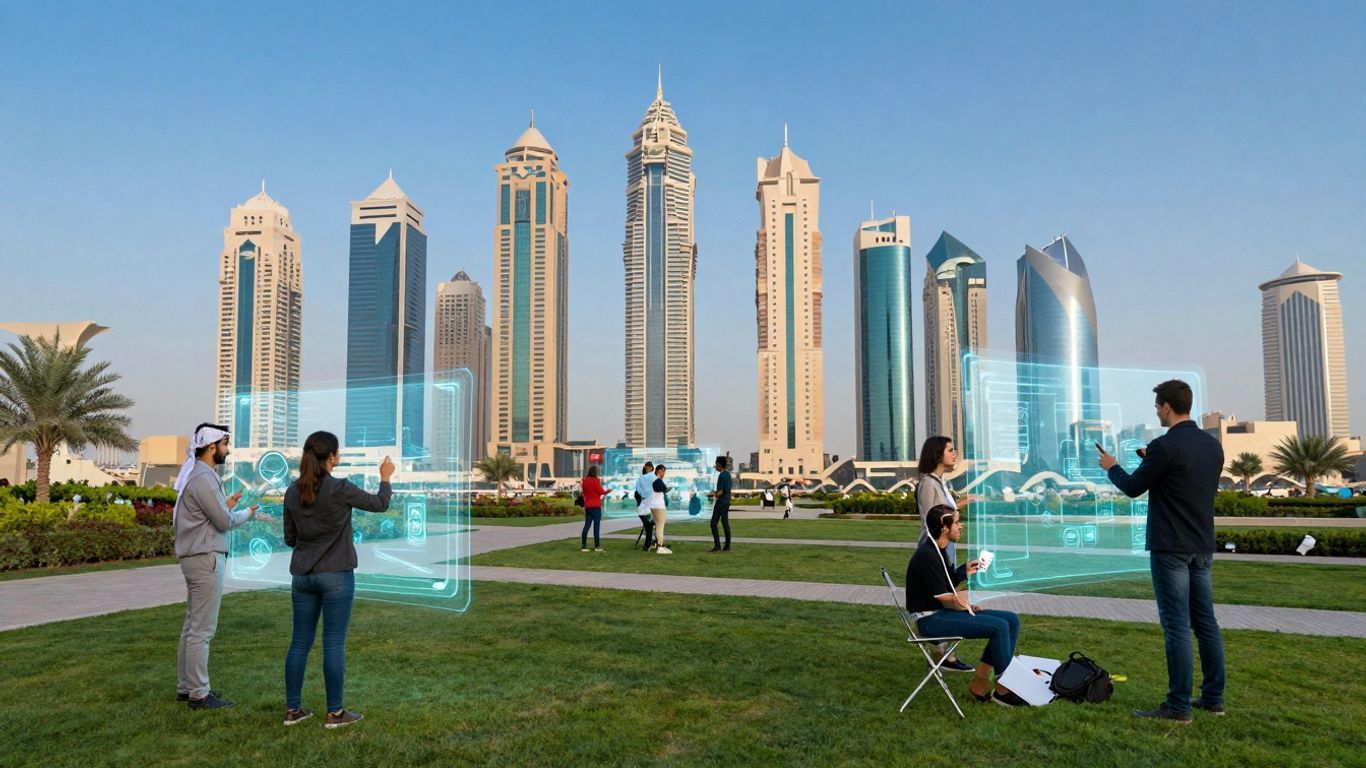
California's 2028 vision for its smart cities isn't merely focused on shiny new technological marvels; it's also deeply committed to ensuring that every single resident benefits. The ambitious goal is to construct a future where technology empowers all members of the community, not just a privileged few. This necessitates actively working to bridge existing disparities and guaranteeing that new systems are designed with every individual in mind right from their inception.
Addressing the Digital Divide
The digital divide is a stark reality, signifying that while some individuals enjoy robust access to the internet and cutting-edge technology, others remain unfortunately excluded. In a burgeoning smart city, this can translate into missing out on crucial services, valuable job opportunities, or even simply maintaining vital connections with loved ones. California intends to confront this challenge head-on by expanding high-speed internet access to underserved areas and establishing comprehensive digital literacy programs. Think of it as ensuring everyone is handed a key to the city's digital doors—an essential step, wouldn't you agree?
- Expanding Broadband Access: Investing substantial resources into infrastructure to deliver reliable internet connectivity to rural and low-income neighborhoods.
- Digital Literacy Training: Offering accessible classes and valuable resources to assist individuals of all ages in mastering the use of computers, smartphones, and online services.
- Affordable Device Programs: Collaborating with manufacturers and non-profit organizations to provide low-cost or free technological devices to those who simply cannot afford them.
Needs-Based Cohesive Approach to Innovation
Smart city solutions should unequivocally not be a one-size-fits-all proposition. Instead, they must be meticulously tailored to address the distinct needs of diverse communities across California. This fundamentally entails actively listening to residents, truly understanding their daily challenges, and subsequently developing technology that genuinely resolves those specific problems. For instance, a public transit application might need to be available in multiple languages or incorporate features that specifically assist seniors in navigating the system with greater ease.
The unwavering focus here is on crafting technology that profoundly serves people, rather than expecting people to arduously adapt to technology. This imperative demands deep, meaningful engagement with communities to truly grasp their unique requirements and core priorities.
Reflecting Diversity in Technological Advancement
California, renowned for its incredible diversity, must ensure its smart city initiatives authentically mirror this rich cultural tapestry. This principle applies equally to the innovators who develop the technology, the enterprises that construct it, and the very design of the technology itself. Significant initiatives are currently underway to actively support founders from underrepresented groups within the tech sector, striving for a startup ecosystem that truly reflects the state’s vibrant cultural mix. Ultimately, the aim is for technology to be built both by and for everyone—a truly inclusive vision.
| Initiative Type | Description | Target Demographic | Example Metric |
|---|---|---|---|
| Startup Support | Funding and mentorship for diverse founders | Women, People of Color, Immigrants | % of investment capital raised by underrepresented founders |
| Public Service Design | User-friendly interfaces for city services | All residents, including non-English speakers, seniors, and those with disabilities | Availability in multiple languages, accessibility features |
| Workforce Development | Training programs for tech jobs | Displaced workers, youth from low-income areas | Number of individuals placed in tech-related jobs |
Looking Ahead: LA's Smart City Blueprint
So, what does this grand vision truly signify for Los Angeles and, indeed, for cities far beyond its borders? California's 2028 Smart City initiative is clearly far more than just an array of gleaming new technological innovations; it represents a meticulously crafted blueprint designed to enhance the urban experience for all. From intelligently managed traffic flows and cleaner, more sustainable energy systems to universally accessible city services, the overarching goal is to foster a more interconnected, efficient, and ultimately, a more livable urban environment. While LA is undeniably the immediate focal point, the deeper ambition is to forge a replicable model that other cities can thoughtfully learn from and adeptly adapt. It is, without question, a monumental undertaking, and the path ahead will inevitably present its share of challenges. However, the foundational groundwork being laid today could very well reshape our fundamental understanding of city living for generations to come.
Frequently Asked Questions
What is the main idea behind California's 2028 Smart City plan?
Essentially, California's 2028 Smart City plan is all about transforming cities—particularly Los Angeles—into highly intelligent and deeply connected urban centers. Think of it as a comprehensive technological upgrade designed to make everything run more smoothly, enhance safety, and be far more environmentally friendly. The ultimate goal is to create a model city that others globally can draw inspiration from and, indeed, replicate.
How will the plan change how people get around?
It’s poised to make getting around town considerably easier! Imagine traffic lights that intelligently adjust themselves using smart technology to keep vehicles flowing optimally, buses and trains that consistently adhere to their schedules, and perhaps even self-driving cars becoming a common sight. The core idea is to seamlessly integrate various modes of travel, allowing you to effortlessly switch from a bus to a train or even a scooter, all managed through one convenient, unified payment system.
Will this make cities safer?
Absolutely, yes. The plan strategically employs technology to significantly enhance public safety for everyone. This includes advanced features like sensors and smart cameras that can detect potential problems, such as fires or unusual activities, often before anyone even needs to call for assistance. It also encompasses establishing more effective systems for managing emergencies and ensuring that all city services are readily accessible to every resident.
How does the plan help the environment?
The plan places a strong emphasis on leveraging clean energy sources, such as solar power, and on managing vital resources with far greater efficiency. Smart technology will play a crucial role in regulating energy consumption, thereby minimizing waste. Furthermore, it involves developing more green spaces and implementing intelligent systems to ensure that critical resources like water and waste are handled in the most environmentally sound and efficient manner possible.
What does 'digital backbone' mean for a smart city?
The 'digital backbone' essentially refers to the city's super-fast internet and data infrastructure. It signifies pervasive, high-quality Wi-Fi accessibility across the urban landscape, coupled with an extensive network of sensors constantly gathering invaluable information about the city's operations. This continuous stream of data is then processed to inform intelligent decisions regarding urban planning and management, ultimately making the city function more effectively for everyone.
How does the plan make sure everyone benefits, not just a few?
This aspect is indeed a critically important component of the plan. The overarching aim is to ensure that all residents, irrespective of their background or where they reside, can fully utilize and reap the benefits of these new technologies. This entails actively working to ensure universal access to the internet and essential digital tools, and crucially, designing the technology itself to genuinely support all communities, not merely the more affluent ones.


