
resources
Exploring the Largest Cities of the UK by Population in 2025
11 Jul 2025

Ever wonder how big UK cities really are? And how they’re changing? We’re going to check out the biggest cities of the UK by population as we head into 2025. It’s not just about numbers; it’s about seeing how these places grow, what makes them tick, and what challenges they might face. We’ll look at the big players, like London, and see what’s happening in other important urban spots. Let’s get into it.
Key Takeaways
- London stays the biggest city in the UK, with its population over 9 million.
- Birmingham and Glasgow come next, as the second and third biggest cities.
- Every city has its own special places and helps the economy in its own way.
- City populations are going up a lot, because people are moving there for jobs and other chances.
- Cities need to deal with things like housing and roads as they keep getting bigger.
Understanding UK Cities Population Trends in 2025
Understanding Population Dynamics
Okay, so what’s the deal with how UK city populations are changing? It’s not just about more people showing up. It’s about who is moving, where they’re going, and why. Birth rates, death rates, and migration all play a role. These things combine to create a complex demographic landscape. Understanding these dynamics is key to figuring out what our cities will look like in the next few years.
Key Takeaways
If you just want the main points, here they are:
- Cities are still growing, but the rate might be slowing down in some areas.
- London remains the biggest, but other cities are catching up.
- Job opportunities are a huge factor in where people choose to live.
- Housing costs are a major concern, especially for young people.
Anticipated Population Changes by 2025
Predicting the future is tough, but we can make some educated guesses. Let’s look at some hypothetical data:
| City | Population (2025 Projection) |
|---|---|
| London | TBD |
| Birmingham | TBD |
| Manchester | TBD |
These numbers are just examples, of course. The real figures will depend on a bunch of things, like the economy, government policies, and even global events. But one thing is pretty clear: cities are where the action is. The UK’s growth potential is centered in its cities, and city leaders face the challenge of fostering an environment that enables this growth to thrive.
Overview of Major Cities in the UK
London’s Enduring Dominance
London continues to stand out as the UK’s largest city. Its population is significantly larger than any other city in the country. It’s not just the sheer number of people, but also London’s role as a global hub for finance, culture, and innovation that makes it so important. The city’s growth is fueled by international migration and a constant influx of people seeking job opportunities. You can see the impact of London’s growth in its ever-expanding infrastructure and diverse communities.
Birmingham and Glasgow’s Significant Stature
Birmingham and Glasgow hold the positions of the second and third largest cities in the UK, respectively. Birmingham, with its industrial heritage, has transformed into a major center for business and commerce. Glasgow, Scotland’s largest city, is known for its rich cultural scene and contributions to industries like shipbuilding and engineering. These cities play a vital role in the UK’s economy and offer unique cultural experiences. Here’s a quick comparison:
- Birmingham: Strong in manufacturing and business services.
- Glasgow: Known for culture and industry.
- Both cities: Significant regional economic drivers.
Related Content: is london in europe
Other Significant UK Urban Centers
Beyond the giants, several other UK cities are experiencing notable population trends. These cities contribute significantly to the UK’s overall population distribution and economic activity. Here’s a quick look at some population stats:
| City | Population (2025 est.) |
|---|---|
| London | 9,000,000+ |
| Birmingham | 1,150,000+ |
| Glasgow | 650,000+ |
| Manchester | 550,000+ |
| Leeds | 500,000+ |
| Liverpool | 580,000+ |
The economic vitality of these cities is crucial for the UK’s overall prosperity. They serve as centers for job creation, innovation, and investment, contributing significantly to the national GDP.
Population Trends and Projections
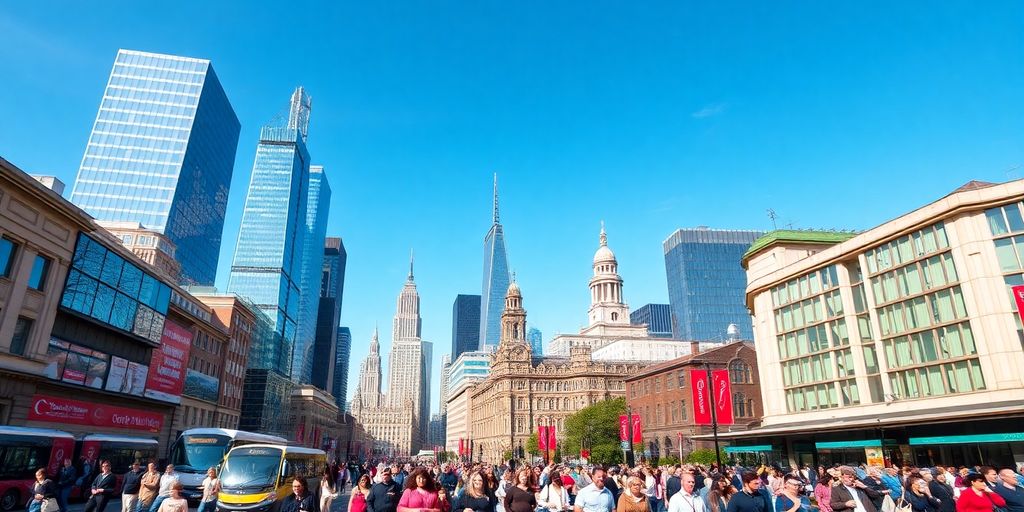
Future Growth Predictions
Okay, so what’s coming up for UK cities? It’s a big question, and nobody can say for sure. But we can look at what’s happening now and make some educated guesses to get a decent idea. The UK’s growth is really focused in its cities.
Here’s a quick look at some possible population numbers:
| City | Population |
|---|---|
| London | (Hypothetical Data) |
| Birmingham | (Hypothetical Data) |
| Manchester | (Hypothetical Data) |
Factors Influencing Urban Growth
So, what makes cities get bigger? It’s a mix of things. Jobs are a big draw; cities usually have more kinds of jobs and better pay than smaller towns. Also, things like good schools, hospitals, and fun stuff to do matter. And don’t forget about people moving from other countries or smaller towns to find better lives. Understanding city populations is key to grasping these dynamics.
Here are some things that affect how many people live in a place:
- How many babies are born and how many people die.
- How people move around inside the country.
- How many people come from other countries.
The way people are changing and moving into UK cities shows that we need to come up with new ways to plan our cities. Cities need to find a balance between growing and staying sustainable so that everyone can have a good life.
Challenges of Urban Expansion
When cities grow, it’s good for the economy and culture, but it also makes some problems worse that we need to think about and fix. More people in a city means more problems, right? It’s not always easy. Finding a place to live and getting around can be hard. One of the biggest problems is that there’s not enough housing, which makes property prices go way up. It’s getting harder for people to find places they can afford.
Regional Population Insights
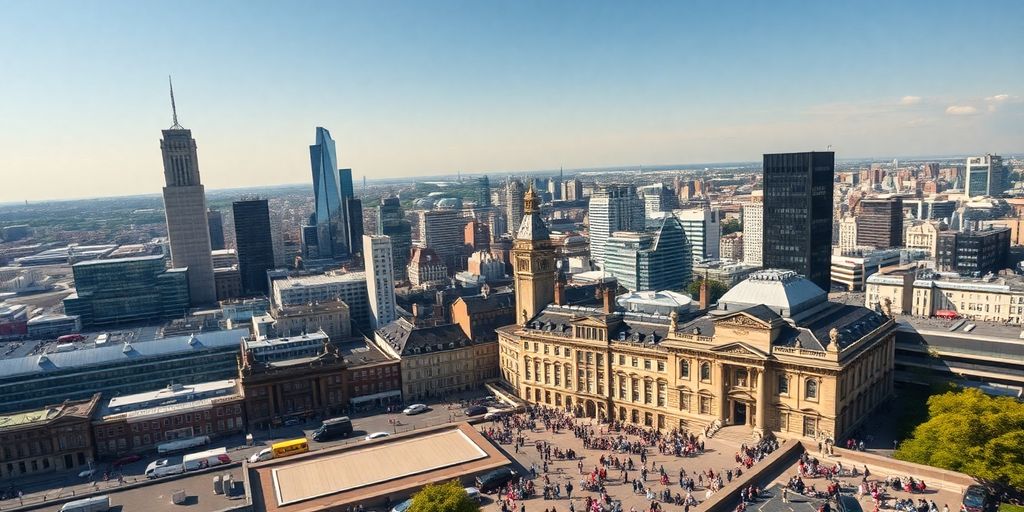
Northern Ireland’s Urban Development
Northern Ireland presents a unique case within the UK. Belfast is the primary urban center, and its growth patterns differ significantly from those observed in major English cities. Understanding the specific challenges and opportunities in Belfast is crucial for regional planning.
- Economic revitalization efforts are underway to attract investment and create jobs.
- Infrastructure improvements are essential to support population growth.
- Community development initiatives aim to foster social cohesion.
Scotland’s Urban Landscape
Scotland’s urban landscape is diverse, with Edinburgh and Glasgow serving as the main hubs. However, other cities like Aberdeen and Dundee also play important roles. Glasgow’s population statistics are particularly interesting, showing a different trend compared to Edinburgh.
- Edinburgh attracts many young professionals and those in the financial sector.
- Glasgow has a strong industrial heritage and is working to revitalize its economy.
- Aberdeen is heavily influenced by the oil and gas industry.
Scotland faces the challenge of balancing urban growth with the preservation of its natural environment. Sustainable development practices are essential to ensure a high quality of life for all residents.
Wales’ Population Centers
Wales presents a unique picture. Cardiff is experiencing significant growth, but other areas face different challenges. Migration patterns and economic opportunities play a big role in shaping these trends. The Welsh government’s policies also influence urban development. Understanding the nuances of urban populations is key to grasping these dynamics.
- Cardiff is becoming a hub for media and technology companies.
- Swansea is focusing on renewable energy and tourism.
- Rural areas are facing population decline and economic hardship.
Economic Impact of Urban Populations
Job Opportunities and Economic Growth
Urban areas are economic powerhouses. They concentrate industries, innovation, and a skilled workforce, leading to higher productivity and economic output. Cities attract businesses and entrepreneurs, creating a cycle of growth. The concentration of people in cities fuels demand for goods and services, further stimulating economic activity. It’s not just about the number of jobs, but also the diversity of opportunities available, from tech startups to established corporations. Urban economic opportunities are a major draw for diverse populations.
Infrastructure Development and Investment
More people living in cities means more need for infrastructure. This includes:
- Transportation networks (roads, public transit)
- Utilities (water, electricity, waste management)
- Communication systems (internet, mobile networks)
These investments create jobs and improve the quality of life for residents. However, it also presents challenges in terms of funding, planning, and execution. Getting infrastructure right is key to sustainable city development.
Contribution to National GDP
Cities are major contributors to a nation’s GDP. They generate a significant portion of the country’s wealth through various economic activities. The concentration of businesses, industries, and skilled workers in urban areas leads to higher productivity and economic output. This economic activity supports public services, infrastructure development, and social programs, benefiting the entire nation. Cities are the engines that drive the UK largest cities and the national economy.
Urban populations are not just consumers; they are producers, innovators, and drivers of economic growth. Their collective efforts shape the economic landscape of the nation, making cities vital to national prosperity.
Social and Cultural Aspects of UK Cities
Diversity and Cultural Richness
UK cities are known for their diverse populations, which brings a unique cultural richness. This mix of cultures influences everything from food and music to art and traditions. You can find communities from all over the world, each adding its own flavor to the urban landscape. This diversity isn’t just about different ethnicities; it also includes a wide range of social backgrounds, beliefs, and lifestyles. It’s what makes UK cities so vibrant and interesting.
Community Development and Integration
With such diverse populations, community development and integration are key. Cities work to create spaces and programs that bring people together, helping them to connect and understand each other. This can include community centers, cultural festivals, and language classes. The goal is to build strong, inclusive communities where everyone feels welcome and has the opportunity to participate. Migration plays a big role in this, bringing new skills and ideas, but also requiring cities to adapt. Increased demand for housing and changes in the cultural makeup are common results.
Quality of Life Considerations
Quality of life in UK cities is a complex issue. While cities boast a rich and varied musical heritage and offer many opportunities, they also face challenges like high housing costs, pollution, and traffic congestion. Access to green spaces, good schools, and healthcare are all important factors that contribute to a good quality of life. Cities are constantly working to improve these aspects, but it’s an ongoing process. Finding a balance between economic growth and the well-being of residents is a key challenge.
Cities are more than just places to live; they’re centers of innovation, culture, and economic activity. They shape our national identity and drive progress.
Challenges and Opportunities for Urban Planning
Addressing Housing Demands
Finding enough places for people to live is a huge headache for cities. The demand for housing keeps going up, but building new homes can be slow and expensive. This leads to higher prices and rents, making it tough for people to find affordable places to live. Cities need to get creative with housing solutions, like building more apartments, converting old buildings, and finding ways to make housing more affordable for everyone.
Sustainable Urban Development
Cities need to grow in a way that doesn’t wreck the planet. This means thinking about things like energy use, pollution, and waste. Household projections are important, but so is making cities greener and more sustainable. Here are some ways cities can do this:
- Investing in renewable energy sources, like solar and wind.
- Creating more green spaces, like parks and gardens.
- Improving public transportation to reduce traffic congestion.
It’s about finding a balance between growing and protecting the environment. Cities need to find ways to reduce their carbon footprint and create a more sustainable future for everyone.
Future-Proofing City Infrastructure
Cities need to make sure their infrastructure can handle future growth. This means investing in things like roads, bridges, water systems, and power grids. It also means thinking about new technologies and how they can help cities become more efficient and resilient. For example, smart grids can help manage energy use, and improved public transit can reduce traffic congestion. Here’s a quick look at how infrastructure investments can benefit cities:
| Infrastructure | Investment | Benefit |
|---|---|---|
| Energy | Smart grids, renewable energy sources | Reduced emissions, reliable power |
| Water | Upgraded water pipes, water treatment plants | Clean water, reduced water waste |
| Transportation | Public transit, bike lanes | Reduced congestion, improved air quality |
Wrapping Things Up: What 2025 Means for UK Cities
So, as we finish up our look at UK city populations, it’s pretty clear these places are always changing. From the busy streets of London to the unique feel of Edinburgh, every city has its own story. The shifts we’re seeing in these cities show bigger trends in how people live and work. Looking ahead to 2025, it’s good to get a handle on these changes, because they bring both tough spots and chances for growth. Whether you’re thinking about visiting, moving, or just curious, UK cities have a lot going on. They mix old history with new life, and there’s always something new to find.
Frequently Asked Questions
Why is London the largest city in the UK?
London is the UK’s biggest city because it offers tons of jobs, great schools, and exciting things to do. Its long history and vibrant culture also attract people from all over.
What are the largest cities in the UK by population?
The biggest cities in the UK by population are London, Birmingham, Glasgow, Liverpool, and Manchester.
What makes cities grow?
Cities grow for many reasons, like more job openings, good schools, and fun cultural spots. Also, people moving in from other places or smaller towns helps them get bigger.
What are the pros and cons of living in a large UK city?
Living in a big city can be exciting with lots of chances for jobs and fun. But it can also mean higher costs for living and more traffic. It’s a mix of good and bad.
How are UK cities handling their growth?
The government and city planners are working on making sure there are enough homes, improving transportation, and making cities greener. They want cities to be good places to live for everyone.
What’s expected for UK city populations in 2025?
Looking ahead to 2025, experts believe UK cities will keep growing, especially in areas with strong job markets. This growth will bring both new chances and some challenges.


