


resources
Exploring Scotland's Biggest Cities: A Comprehensive Guide
13 Jun 2025

Scotland, a country of stunning landscapes and rich history, is also home to some truly amazing cities. From bustling urban centers to charming smaller towns, each one has its own special vibe. If you’re thinking about visiting or just curious, getting to know these places, especially the scotland biggest cities, can give you a real feel for the country.
Key Takeaways
- Scotland’s cities are super appealing, mixing old history with modern life, and they’re always growing.
- Edinburgh is the historic capital, a mix of culture and business, and it keeps getting bigger.
- Glasgow is Scotland’s biggest city by people count, and it’s always changing, from its industrial past to a creative present.
- Beyond the big two, places like Aberdeen and Dundee are important too, each with its own unique thing going on.
- Getting around Scottish cities is easy, with good public transport, making it simple to check out all the cool spots.
Understanding Scotland’s Urban Landscape
The Appeal of Scotland’s Cities
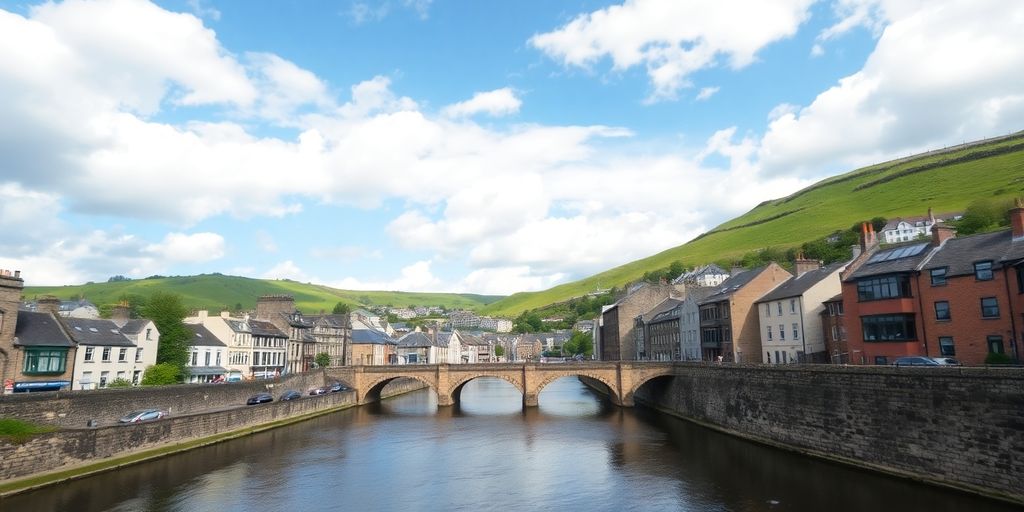
Scotland’s cities are pretty special. They mix old-time history with new-age living, and that’s a big draw for lots of folks. You’ve got everything from job opportunities to a vibrant culture scene, making these cities attractive places to be. Each city has its own vibe, whether it’s the bustling streets of Glasgow or the historic charm of Edinburgh. People come for all sorts of reasons – studying, working, or just soaking up the unique atmosphere. The blend of tradition and modern life creates a dynamic environment that keeps things interesting. It’s not just about the sights; it’s about the feel of the place. The blend of tradition and modern living creates a dynamic environment that keeps people interested.
Key Factors Shaping Urban Growth
Lots of things help Scotland’s cities grow and change. Jobs are a big one; cities with more work opportunities tend to attract more people. How easy it is to get around, like with public transport, also matters a lot. Good schools and hospitals make a city more appealing to families. Plus, things like culture and entertainment play a role in drawing people in. It’s a mix of practical stuff and lifestyle perks that shape how these cities develop. The urban growth is influenced by a variety of factors.
Here’s a quick rundown:
- Job opportunities
- Public transport
- Quality of schools and hospitals
- Cultural and entertainment options
Scotland’s cities are always changing, adapting to new challenges and opportunities. This constant evolution is what keeps them vibrant and relevant, making them great places to live, work, and visit.
Exploring Scotland’s Diverse Cities
The Unique Character of Each City
Scotland’s cities? They’ve all got their own vibe. It’s not just about how big they are, but also about what happened there in the past, what kind of work people do, and, well, the people themselves. Each city tells its own story, shaped by time and culture. You can really feel the difference between Edinburgh and Glasgow, and then Aberdeen and Dundee are totally different again. Because of this, seeing Scotland’s cities is never boring. One minute you’re looking at old buildings, the next you’re checking out cool street art – and it’s all pretty close together.
Connecting History with Modern Life
Scottish cities are really good at mixing old and new. You might see old castles next to new college buildings, or old markets next to trendy coffee shops. It makes for a cool atmosphere where you can see centuries of history all in one afternoon. For example:
- Old alleyways that lead to busy shopping areas.
- Old factories turned into art places or apartments.
- Old city walls as a backdrop for modern events.
This mix of old and new is what makes Scotland’s cities special. They’ve changed over time but still remember where they came from, which is cool for both people who live there and people visiting.
Discovering Hidden Gems in Smaller Cities
Sure, Edinburgh and Glasgow get a lot of attention, but Scotland’s smaller cities have their own charm and offer a more personal experience. They might not be as famous, but they’re often important historically or for certain industries. Take Dunfermline, for example. It used to be the capital of Scotland and has a lot of royal history and cool abbey ruins. Or Stirling, another old capital, known for its castle and the Bannockburn battlefield. These smaller cities let you see a different side of Scotland, away from the usual tourist spots. Things are usually slower there, so you can really connect with the local culture.
Travel and Accessibility in Scottish Cities
Navigating Scotland’s Urban Centers
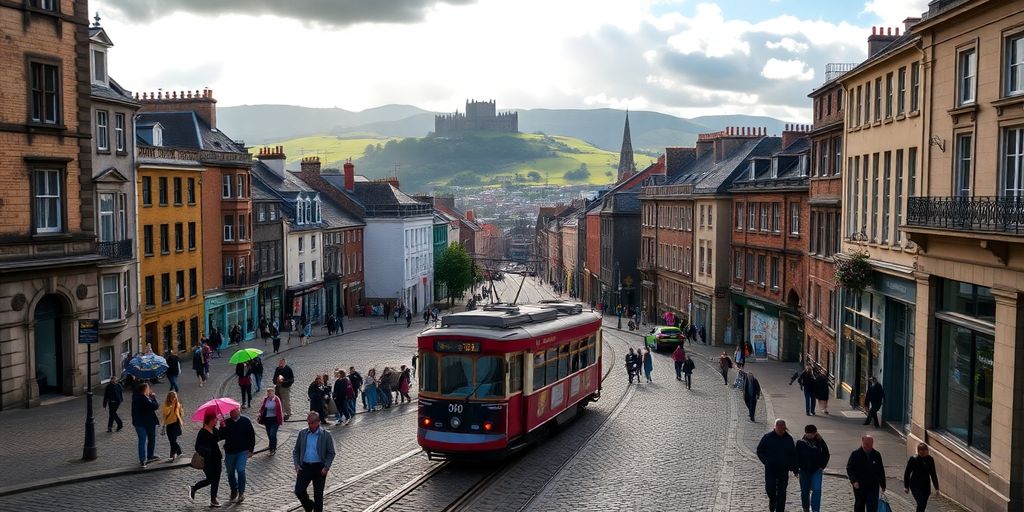
Getting around Scotland’s cities doesn’t have to be a headache. Whether you’re all about public transportation or thinking of other ways to get around, it’s usually pretty easy. Each city has its own vibe, but walking is often the best way to see stuff, especially in the city centers. For longer trips, or when the weather is not cooperating, public transport is your friend. Knowing how the local transport works can really make your city trips way smoother.
It’s always a good idea to plan your routes, especially if you have specific places you want to see or are traveling when everyone else is. This can save you time and make things more fun.
Efficient Public Transportation Options
Scotland’s cities have a bunch of public transport options. Buses are everywhere, connecting pretty much every part of the city and beyond. Glasgow also has a subway, which is a fast way to get around. Here’s a quick look at some typical costs:
- Single bus or tram ride: around £1.50-£2
- Day pass for public transport: starting at £4
- Weekly pass in Glasgow: £17
There are also programs for free bus travel throughout Scotland for those who are eligible. This can really help some people out.
Planning Your City Exploration
When you’re planning to see Scotland’s cities, thinking about how you’ll get around is important. Here are some tips:
- Think about a travel pass: If you’re going to use public transport a lot, a day or week pass can save you money compared to buying single tickets.
- Walk when you can: A lot of city centers are easy to walk around, letting you find cool hidden spots and really take in the atmosphere.
- Check when things are open: Public transport times can change, especially on weekends or holidays, so it’s good to check ahead.
- Think about busy times: Buses and trains can get packed during rush hour, so if you want a quieter trip, try to travel at other times.
Conclusion
So, we’ve taken a good look at Scotland’s biggest cities, right? From Edinburgh’s old-world charm mixed with new ideas to Glasgow’s lively, ever-changing vibe, each place has its own feel. Then you’ve got other spots like Aberdeen and Dundee, adding their own special touches to the country’s story. It’s pretty clear that these cities are more than just dots on a map; they’re busy places where lots of people live and work, and they really show what Scotland is all about. They’re always growing and changing, and that’s what makes them so interesting to explore.
Frequently Asked Questions
Which city in Scotland has the most people?
Glasgow is the biggest city in Scotland when you look at how many people live there. It’s a busy place with a lot going on.
What is Scotland’s capital city?
Edinburgh is the capital city of Scotland. It’s famous for its old castle and beautiful buildings.
Are there other important cities in Scotland besides Edinburgh and Glasgow?
Yes, besides Edinburgh and Glasgow, other important cities are Aberdeen, known for its strong granite buildings, and Dundee, which is becoming a big center for digital design and art.
How easy is it to travel around Scottish cities?
It’s pretty easy to get around Scottish cities. They have good public transportation like buses and sometimes trains or subways. Walking is also a great way to see the main parts of the cities.
When is the best time to visit Scotland’s cities?
The best time to visit Scotland’s cities is usually during the spring (April to May) or fall (September to October). The weather is often nice, and there aren’t as many tourists as in the summer.
What free activities can I do in Scottish cities?
Many Scottish cities have free museums and art galleries. You can also enjoy walking tours, exploring parks, and visiting historic sites from the outside without spending money.


