
resources
Cities Skylines 2 Mobile: Your Ultimate City-Building Experience on the Go
11 Nov 2025

Prepare to embark on an unparalleled urban planning journey, regardless of your location. Cities: Skylines II Mobile delivers the quintessential city-building experience directly to your device. Envision constructing a vibrant metropolis, meticulously overseeing its economy, and observing your citizens' daily lives unfold—all conveniently from your phone or tablet. What was once a sprawling PC title now enjoys unprecedented accessibility.
Key Takeaways
- Build and manage your dream city on the go with Cities Skylines 2 Mobile.
- Experience deep simulation where your choices impact the city and its citizens.
- Enjoy unprecedented scale and possibilities for urban design and expansion.
- Deal with dynamic world elements like weather and seasons affecting your city.
- Utilize next-generation tools for realistic graphics and sophisticated traffic management.
Building Your Dream Metropolis
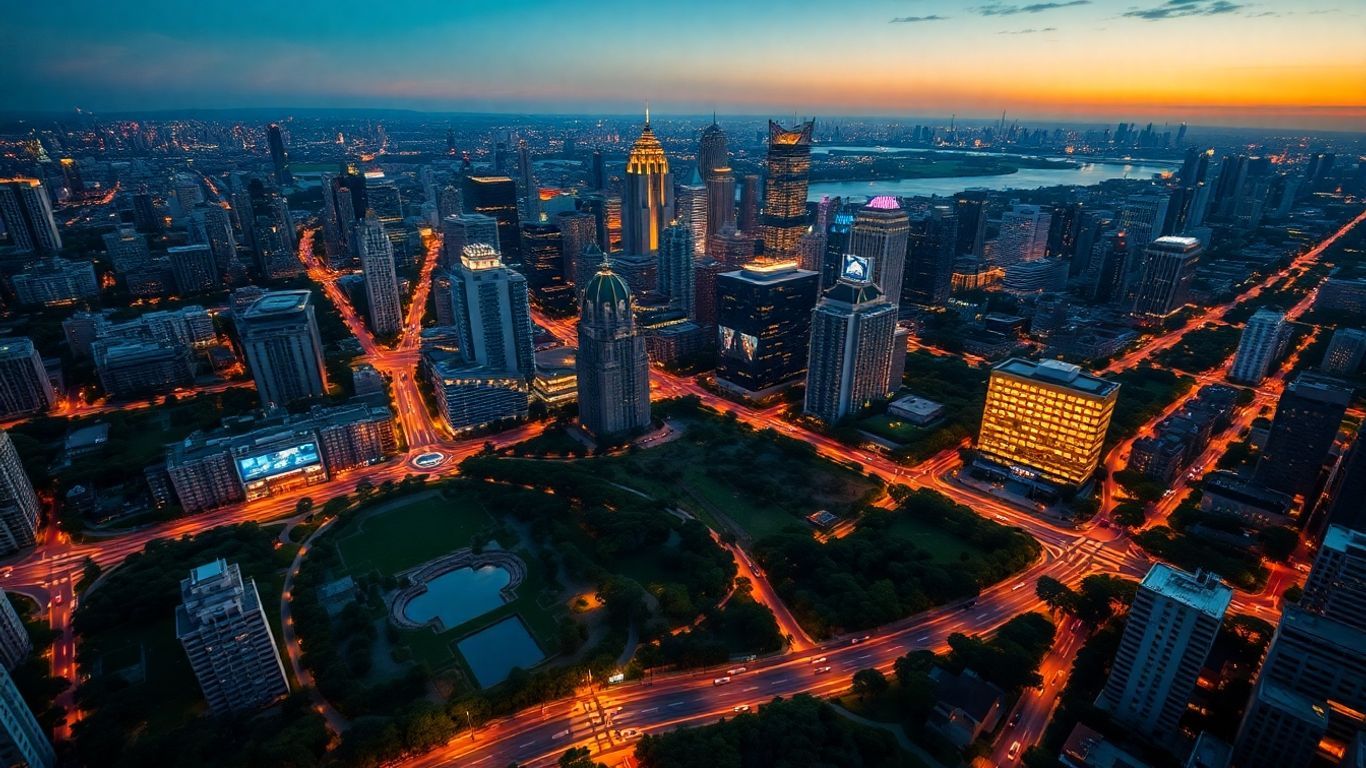
Embarking on your journey in Cities: Skylines II Mobile truly centers on establishing the foundational elements for the urban landscape you've long envisioned. This isn't merely about haphazardly placing structures; rather, it demands meticulous planning and the skillful creation of both functional and aesthetically pleasing environments. Indeed, you'll find yourself embodying the roles of architect, engineer, and civic leader, all seamlessly integrated. The game equips you with comprehensive tools to commence from an entirely blank canvas, transforming an undeveloped expanse into a thriving, bustling urban core.
Foundations Of A Thriving City
Indeed, the genesis of every truly remarkable city lies in a meticulously crafted plan. As the planner, you'll instinctively consider the fundamental movements of your citizens: how they commute, where they reside, and their workplaces. This critical foresight translates into the deliberate construction of your road networks—the very arteries of your burgeoning city. Resist the urge to simply draw straight lines; instead, ponder the intricate flow of traffic and the seamless connectivity between diverse districts. Furthermore, judicious zoning proves paramount. You'll carefully delineate regions for residential, commercial, and industrial purposes, ensuring they harmoniously coexist rather than conflict. Addressing these elements correctly from the outset, you'll find, truly circumvents a host of future complications.
- Road Placement: Give thought to primary thoroughfares, secondary streets, and their pivotal connections to your designated zones.
- Zoning Strategy: Strike a vital balance between living spaces and areas providing employment and retail opportunities.
- Service Access: Guarantee that crucial utilities, such as power and water, extend effectively to all your initial developments.
The foundational phases of urban development are, without question, critical. A thoughtfully conceived groundwork will not only sustain prospective growth but also proactively avert significant challenges further into your city's lifespan.
Designing Infrastructure And Systems
With the fundamental urban layout now established, our focus shifts to the intricate systems that underpin your city's daily operations. This encompasses essential utilities like power, water, sanitation, and waste management. While perhaps not the most glamorous facets of urban planning, their reliability is absolutely indispensable. Indeed, without dependable services, your populace will experience dissatisfaction, inevitably hindering your city's growth. You'll be tasked with constructing power plants, water towers, and treatment facilities, subsequently connecting these crucial nodes to your residential and commercial districts. Efficiently managing these vital resources forms a cornerstone of the gameplay experience, marking the point where your city truly begins to pulsate with life. For a deeper dive into the mechanics of these systems, consider consulting the comprehensive city building overview.
Shaping Neighborhoods And Districts
Once the foundational infrastructure is firmly established, you gain the opportunity to truly define your city's unique character. This is precisely where you'll sculpt distinct neighborhoods and districts. Will your vision include a dense downtown core punctuated by towering skyscrapers, or perhaps expansive suburbs featuring single-family residences? Or, might a dynamic blend of both prove ideal? You possess the flexibility to establish specialized districts—perhaps a bustling commercial epicenter or a serene residential enclave. The deliberate design of these areas will profoundly influence the daily lives of your citizens and the overarching ambiance of your metropolis. Ultimately, it’s about fostering an environment that feels authentic and singular, a true reflection of your individual approach to urban development.
Deep Simulation And Living Economy
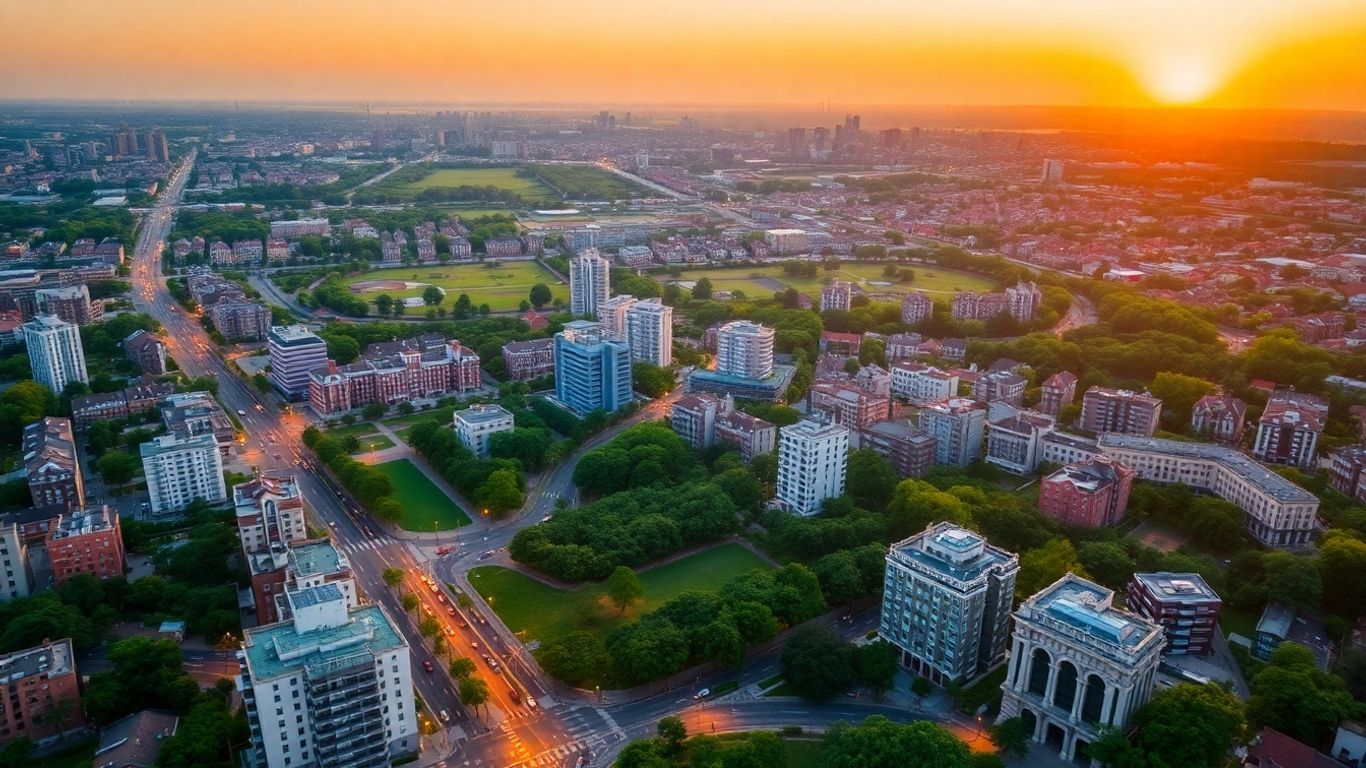
Cities: Skylines II transcends the mere act of erecting structures; it's about curating a truly living, breathing urban ecosystem. The game meticulously simulates an intricate network of economic and social dynamics, meaning each decision you render sends ripples of consequences throughout your burgeoning city. The sophisticated AI and robust economic frameworks are specifically engineered to ensure that your strategic choices hold profound significance.
Strategic Decision-Making
Crafting a truly thriving city inherently demands a strategic and thoughtful approach to planning. You'll be continuously prompted to consider the intricate interdependencies between various urban components. For instance, should your focus primarily be on bolstering local industries, or would a reliance on external trade prove more beneficial? And how, precisely, do you ensure your residential areas remain desirable living spaces without inadvertently rendering your downtown district overly subdued?
- Balancing Industry and Commerce: Make crucial determinations on whether to prioritize robust manufacturing hubs or vibrant commercial districts, always considering their direct impact on employment rates and citizen contentment.
- Resource Management: Vigilantly monitor your city's vital resources, encompassing everything from essential power and water supplies to the raw materials indispensable for industrial operations.
- Service Placement: Exercise strategic foresight when positioning critical services—such as police, fire departments, and healthcare facilities—to ensure comprehensive coverage for your entire population.
The simulation meticulously models the full spectrum of citizen life—from their routine daily commutes to their professional satisfaction and recreational pursuits. Grasping these individual 'citizen paths' is fundamentally key to constructing an urban environment that genuinely caters to the needs of all.
Economic Interdependencies
Indeed, your city's economy operates as a remarkably intricate mechanism. Industries, for instance, are contingent upon a skilled workforce; in turn, these workers require suitable housing and access to consumer goods, while businesses depend entirely on a steady stream of customers. Furthermore, trade assumes a pivotal role, serving as the connective tissue that links your city to the broader global economic landscape.
- Supply Chains: Observe as raw materials are meticulously transformed into finished goods, subsequently offered for sale to citizens or designated for export.
- Import/Export: Thoughtfully determine which commodities to import and which to sell internationally, thereby balancing your municipal budget and fostering economic expansion.
- Land Value: Recognize that elements such as public services, environmental pollution, and overall accessibility all significantly influence property values, directly impacting tax revenues and future development.
Citizen Life Paths And Well-being
Remarkably, every single resident within your city possesses a unique narrative. Their collective well-being is inextricably linked to the quality of life you, as the city planner, are able to furnish. Conversely, substandard services, pervasive unemployment, or elevated crime rates can profoundly diminish their happiness and, in extreme instances, even steer individuals towards illicit activities.
- Education Levels: Understand that robust educational attainment can unlock superior career prospects and, consequently, higher earnings for your citizens.
- Health and Happiness: Recognize that comprehensive access to healthcare, ample green spaces, and a low incidence of crime are fundamental contributors to the holistic well-being of the populace.
- Commute Times: Be aware that protracted daily commutes can significantly erode both citizen happiness and productivity, underscoring the vital importance of an efficient transportation infrastructure.
Unprecedented Scale And Possibilities
Cities: Skylines II Mobile has been meticulously engineered to empower you to construct urban environments on a scale previously unimaginable. Indeed, put aside the constraints often encountered in lesser simulations; within this realm, your own ambition remains the sole genuine frontier. You are free to erect magnificent skyscrapers that literally pierce the clouds and to seamlessly extend your city across expansive, diverse landscapes, thereby manifesting a world that truly mirrors your grandest visions.
Building Sky-High Structures
Indeed, aspiring to verticality stands as a fundamental pillar of the Cities: Skylines II experience. The game facilitates an extraordinary degree of vertical development, enabling you to conceptualize and position structures that soar skyward, culminating in truly breathtaking skylines. This capability, however, extends far beyond mere aesthetic appeal; taller edifices can accommodate a greater number of residents or businesses, thereby directly influencing your city's density and economic vitality. Strategic planning for such monumental structures necessitates careful consideration of their foundational requirements, ensuring robust access to essential services like power and water, and, critically, their harmonious integration into the broader urban fabric.
Expanding Across The Map
The urban canvases provided within Cities: Skylines II are remarkably expansive, offering you abundant space for unbridled growth. You are certainly not tethered to a diminutive parcel of land; instead, you possess the liberty to spread outward, meticulously linking nascent areas and cultivating a rich tapestry of diverse districts. This inherent freedom to expand means you can strategically plan for a multitude of development types—from verdant, sprawling suburbs to robust industrial zones—all while expertly navigating the complex logistics required to seamlessly connect them.
World-Building Without Limits
What genuinely distinguishes Cities: Skylines II is the pervasive sensation of unconstrained creativity. The potent synergy of expansive maps and the capacity for vertical construction empowers you to sculpt truly distinctive and monumental metropolises. Crucially, the underlying game mechanics are designed to robustly support this grand scale, facilitating both intricate planning and flawless execution. You are free to experiment with a myriad of city layouts, ranging from intensely dense urban cores to sprawling, interconnected townships, all existing harmoniously within a singular, massive simulation.
The sheer magnitude of the playable area and the vertical building options mean that your city can grow organically and dramatically, offering a sense of accomplishment as you watch your creation take shape on a grand scale.
Dynamic World And Environmental Factors
Navigating Changing Weather
Cities: Skylines II, you'll discover, transcends the mere assembly of concrete and steel; it involves constructing an urban entity that lives and breathes in concert with its planetary environment. To that end, the dynamic weather system assumes a profoundly significant role. You'll observe the passage of seasons, ushering in everything from idyllic, sunny days perfect for outdoor festivities to severe winters that can, quite literally, put your city's infrastructure to the ultimate test. Consider, for instance, how a heavy snowfall might impede traffic flow or how torrential rains could compromise your power grid. Proactive planning for these atmospheric shifts is absolutely paramount to ensuring both the contentment of your citizens and the seamless operation of your city.
Managing Pollution And Seasons
As your urban sprawl expands, so too does its environmental footprint. Pollution stemming from industrial activities and vehicular traffic can significantly compromise both air and water quality, which, in turn, directly impacts citizen health and overall happiness. To mitigate this, you'll need to judiciously zone industrial areas, invest wisely in cleaner technological solutions, and cultivate an efficient public transportation network. Moreover, the cyclical shift of seasons introduces its own distinct set of challenges. Winter, for instance, might necessitate grappling with escalating heating costs and increased road maintenance, whereas summer could present concerns regarding water conservation and the threat of heatwaves. Clearly, maintaining a healthy city and a contented populace is an ongoing, delicate balancing act.
Map Selection And Climate Influence
Every city, without exception, has its genesis, and within Cities: Skylines II, your initial map selection effectively establishes the entire foundation for all subsequent development. Each map boasts a distinctive climate, which profoundly influences everything from the native flora—the types of trees that flourish—to the frequency of specific weather phenomena. Consequently, an urban environment situated in a colder region will inherently present a different set of challenges compared to one in a warmer climate. You'll need to meticulously weigh these environmental factors when devising your city's layout, estimating its energy requirements, and even determining the viability of various crops within your agricultural zones. Ultimately, selecting the appropriate map constitutes the crucial inaugural step in crafting a city that is truly harmonious with its chosen environment.
Next-Generation City Building Experience
Cities: Skylines II undeniably elevates the urban planning experience, particularly concerning the sophisticated toolkit at your disposal. It has moved beyond the rudimentary placement of structures; the focus now lies on meticulously crafting a city that both feels alive and operates with compelling realism. The game introduces notably advanced road construction tools, affording you significantly enhanced control when designing intricate intersections and expansive highway networks. You can, for example, implement multi-lane thoroughfares, integrate dedicated bike lanes, and even meticulously manage pedestrian pathways—features that collectively make a profound difference in the overall fluidity and efficiency of your city's circulation.
Advanced Road Tools
Indeed, the era of simply drawing rudimentary lines is decidedly over. Now, you can truly delve into the intricate nuances of road design. Consider, for a moment:
- Creating bespoke highway interchanges that are both logical and highly functional.
- Incorporating dedicated bus lanes to significantly accelerate the efficiency of public transport.
- Designing comprehensive pedestrian walkways and bike paths, thereby actively promoting diverse modes of urban mobility.
- Utilizing a wide array of road classifications, from quaint residential lanes to expansive, multi-lane avenues.
Sophisticated Traffic Mechanics
Here, the simulation truly enters an intriguing dimension. The traffic AI has undergone substantial enhancements; vehicles, both passenger cars and commercial trucks, now exhibit behavior far more akin to real-world dynamics. They will intelligently select lanes based on their destinations, react dynamically to congestion, and even endeavor to discover alternative routes. This sophisticated modeling implies you'll dedicate less effort to combating perpetual gridlock and more to appreciating your city's fluid, efficient operation. Undoubtedly, mastering effective traffic management is fundamental to fostering both a contented populace and a thriving urban economy.
The precise manner in which traffic flows—or, indeed, fails to flow—exerts a profound influence on every aspect of your city, from the morale of its citizens to its overall economic health. Consequently, meticulous observation of road usage patterns and making timely adjustments constitute a significant portion of both the inherent challenge and ultimate gratification.
Realistic Graphics and Textures
From a visual standpoint, Cities: Skylines II truly stands as a remarkable achievement. The sheer granularity of detail evident in the architecture, vehicles, and even the natural environment is, frankly, astonishing. You possess the ability to zoom in intimately, observing individual automobiles, pedestrians traversing thoroughfares, and the intricate textures adorning each structure. Furthermore, the dynamic lighting and atmospheric effects introduce yet another dimension of realism, imbuing your city with an authentic, tangible quality. Whether you're surveying a bustling downtown core or a serene suburban neighborhood, these cutting-edge graphics undeniably breathe vibrant life into your meticulously crafted creation. For those keen to explore further, new maritime features, including impressive waterfront details, are available with the Bridges & Ports DLC.
Bringing Your City To Life
So, you've meticulously laid the groundwork, artfully designed the road networks, and perhaps even witnessed a few of your magnificent skyscrapers brush against the clouds. Yet, a city, fundamentally, isn't solely composed of concrete and traffic lights, is it? No, it's undeniably about its populace. Within Cities: Skylines II, ensuring the happiness and well-being of your citizens stands as equally paramount as diligently balancing your municipal budget. This, indeed, is precisely where the simulation truly distinguishes itself, transforming your meticulously planned urban expanse into a living, breathing, and undeniably dynamic entity.
Citizen Needs and Desires
Each individual within your thriving city possesses their own distinct life journey. Naturally, they require suitable residences, meaningful employment opportunities, and engaging recreational pursuits. It becomes incumbent upon you, therefore, to deeply consider their fundamental desires:
- Housing: From compact apartments to expansive family dwellings, every citizen inherently seeks a place to truly call their own.
- Jobs: Acknowledge that diverse industries demand a varied workforce; thus, ensuring equitable opportunities for all is crucial.
- Services: Recognize that ready access to quality healthcare, robust educational institutions, and effective public safety measures fundamentally underpins citizen contentment.
- Leisure: Provide ample green spaces, vibrant entertainment venues, and accessible shopping districts, offering residents vital avenues for relaxation and economic engagement.
Neglecting these critical needs, it must be stated, inevitably culminates in a discontented populace, potentially manifesting a myriad of challenges—from escalating crime rates to outward migration. Truly, this aspect of city management proves to be a perpetual, delicate balancing act.
Balancing Budgets and Services
Managing an urban center inherently involves significant financial considerations, and as the city's leader, you hold the proverbial purse strings. Your responsibilities include vigilant oversight of municipal income, derived from taxes and commercial enterprises, followed by strategic allocation of these funds. For instance, would a greater investment in public transportation more effectively alleviate traffic congestion, or would an upgrade to your power grid yield more substantial benefits?
To offer some perspective, here's a brief overview of typical expenditures:
| Service Category | Example Costs | Notes |
|---|---|---|
| Utilities | Electricity, Water, Sewage | Absolutely essential for daily life |
| Public Services | Police, Fire, Healthcare, Education | Crucial for citizen safety and intellectual development |
| Infrastructure | Road Maintenance, Public Transport | Keeps the city's logistical networks functioning |
| City Services | Garbage, Parks, Administration | Directly contributes to maintaining quality of life |
Every single dollar you allocate carries a tangible impact. There will be occasions when securing a loan becomes necessary to finance a major undertaking; however, it's crucial to remember that such borrowing invariably incurs interest. Ultimately, astute financial planning stands as the cornerstone of any truly prosperous city.
Reacting to Challenges and Opportunities
Realistically, no city ever achieves absolute perfection, and yours will undoubtedly encounter its fair share of unforeseen issues. Perhaps a sudden heatwave stresses your municipal power supply, or an unexpected new industry emerges. Crucially, these shouldn't be viewed merely as problems; rather, they present invaluable opportunities to truly demonstrate your adept city-planning prowess.
You will, without question, be perpetually engaged in making decisions—both monumental and minor—that profoundly shape the daily lives of your citizens and dictate the future trajectory of your metropolis. While it's certainly not always straightforward, witnessing your city flourish directly as a result of your judicious choices proves an extraordinarily gratifying experience.
Therefore, cultivate a mindset of adaptability. A rapid surge in population, for instance, might necessitate swift provision of new housing and essential services, whereas a downturn in a particular industry could compel a complete re-evaluation of your economic strategy. Ultimately, the greater your capacity for responsiveness, the more inherently resilient your city is poised to become.
Your City Awaits, Anywhere You Go
And so, there you have it—the comprehensive vision for your future urban development. Cities: Skylines II on mobile truly delivers that expansive city-building experience directly to your command. Whether you find yourself meticulously charting intricate road networks during a morning commute or observing your burgeoning metropolis thrive from the comfort of your home, the comprehensive tools are readily available to construct the city you've consistently envisioned. It is, assuredly, a profoundly deep simulation, yet it remains, at its core, simply exhilarating to witness your creative concepts materialize on such an impressive scale. We highly encourage you to explore it and commence building your dream city today.
Frequently Asked Questions
What is Cities: Skylines II?
Cities: Skylines II is an engaging simulation game that empowers you to construct your very own city from its foundational elements. Imagine it as an advanced digital canvas for urban design, allowing for intricate detailing and realistic functionality. You possess the agency to meticulously design every aspect—from the road infrastructure and various buildings to the intricate ways citizens live and work within its bounds. The essence lies in giving free rein to your imagination and manifesting the city of your dreams.
Can I build really tall buildings in this game?
Absolutely, vertical expansion is a key feature! You are entirely free to develop your city with impressive verticality, reaching skyward with magnificent skyscrapers. Concurrently, you can extend your urban footprint across expansive territories. There are virtually no limitations on the scale or height you can achieve, providing ample scope to fully realize your architectural visions.
Does the game have seasons and weather like in real life?
Indeed, it does! The game world is dynamically rendered and evolves over time. You'll observe the transition of seasons—from sun-drenched summers to picturesque, yet challenging, snowy winters. Furthermore, the weather patterns are variable, requiring you to navigate conditions such as rain, sunshine, and even meteorological events like storms. This dynamic environmental layer adds compelling depth and strategic challenges to your city management.
How realistic is the traffic in Cities: Skylines II?
Cities: Skylines II incorporates remarkably intelligent traffic systems. It endeavors to replicate real-world traffic flow as accurately as possible. You'll find it necessary to carefully plan your road networks to mitigate congestion and ensure that all residents can navigate the city efficiently. Observing the intricate movement of vehicles throughout your metropolis is, in itself, quite a fascinating spectacle.
What makes the people in the city feel real?
The residents of your city, known as citizens, are imbued with their own individual lives and aspirations. Your administrative decisions directly influence their experiences. You can indeed track their narratives—witnessing them secure employment, establish families, and engage in their daily routines. Their contentment and overall welfare are profoundly important for cultivating a truly thriving and successful urban environment.
Is it hard to learn how to play Cities: Skylines II?
Given the extensive range of possibilities, it can certainly take a measure of time to acclimate to all the game's intricacies. However, there's no need for apprehension! The game is thoughtfully designed to present an engaging, yet conquerable, challenge. As you dedicate more time to play, you will progressively hone your ability to make sagacious decisions and, ultimately, construct an extraordinary city. Moreover, numerous resources are available to support your learning and improvement.


