
resources
Innovations in Smart Tech USA: The Future of Home and Business Automation
11 Nov 2025

The realm of smart technology within the USA is profoundly reshaping how we live and work. Far from being merely a collection of fancy gadgets, it's truly about optimizing our homes and businesses to function more effectively for us. Whether it's enhancing energy efficiency or bolstering security, smart tech in the USA is introducing a wealth of innovative concepts. Let's delve into the current landscape and explore what exciting developments lie on the horizon.
Key Takeaways
- Smart homes leverage interconnected devices to streamline daily routines and enhance overall efficiency.
- Artificial intelligence, ever-advancing, is empowering smart devices to learn our habits and proactively anticipate our needs.
- Energy-saving functionalities within smart homes, such as intelligent thermostats, significantly contribute to waste reduction and lower utility expenses.
- Home security is experiencing a significant upgrade through AI-powered cameras and smart locks, offering enhanced protection.
- Looking ahead, smart homes are poised for even greater connectivity, evolving into truly cohesive, integrated systems.
The Evolving Smart Tech USA Landscape
The landscape of smart technology across the USA is undergoing rapid transformation. What began as a collection of isolated connected gadgets is swiftly evolving into comprehensive systems for both our homes and businesses. Fundamentally, this shift aims to make life easier, significantly more efficient, and undeniably safer. We're witnessing a profound transition from simply possessing smart devices to cultivating truly integrated, responsive environments.
Defining Smart Homes and Home Automation
At its core, a smart home can be defined as a residence outfitted with lighting, heating, and various electronic devices that are controllable remotely—typically via a smartphone or computer. Home automation, in essence, is the underlying technology that brings this capability to life. Consider it the operational 'brain' of the entire setup, enabling disparate systems to communicate seamlessly and respond to your directives, or even proactively anticipate your requirements. This isn't merely about convenience; rather, it's about crafting living spaces that are inherently more responsive and precisely tailored to our individual lifestyles. The overarching objective is to streamline daily tasks and afford us greater mastery over our immediate environments. Ultimately, it represents a significant progression towards homes that genuinely work for us.
The Internet of Things Revolution in Homes
The Internet of Things, or IoT, constitutes a pivotal element in this ongoing evolution. Essentially, it's an expansive network comprising physical devices, vehicles, home appliances, and countless other items—all embedded with electronics, software, sensors, and connectivity—which empowers these objects to connect and exchange vital data. Within residential settings, this translates into practical scenarios: your smart thermostat could communicate with your lighting system, your security setup might seamlessly interact with your doors, and your refrigerator could even proactively notify you when supplies like milk are running low. Such intricate interconnectedness is precisely what underpins the advanced automation we witness today. Furthermore, emerging standards like Matter are instrumental in ensuring that devices from various manufacturers can operate in concert, fostering a more cohesive and unified experience for homeowners. Indeed, this level of interoperability is absolutely critical for constructing truly intelligent ecosystems.
Advancements in Artificial Intelligence for Homes
Artificial intelligence (AI) stands as yet another significant catalyst driving this transformation. Fundamentally, AI empowers smart home devices to learn proactively from our individual habits and preferences. Consequently, rather than merely executing predefined commands, AI-powered systems are increasingly capable of anticipating our needs. For instance, a smart thermostat, learning your typical schedule, might autonomously adjust the temperature to conserve energy during your absence. Similarly, security cameras equipped with AI can differentiate between, say, a family pet and a potential intruder, thereby significantly reducing bothersome false alarms. This remarkable learning capability renders our homes feeling considerably more intuitive and personalized. In essence, AI is actively elevating simple automation into genuinely intelligent assistance, making our living spaces both more adaptive and profoundly helpful.
Innovations Enhancing Smart Home Living
Smart homes are unequivocally progressing beyond mere convenience; they are evolving into remarkably intuitive and genuinely helpful environments. Perhaps consider your home not just as a static dwelling, but as an active partner—one that learns and dynamically adapts to your presence and preferences. This significant shift is propelled by some truly impressive technological advancements, meticulously crafting our living spaces to be both smarter and far more responsive.
AI-Powered Personalization and Predictive Capabilities
Artificial intelligence is truly revolutionizing the paradigm for smart homes. Rather than simply executing direct commands, these sophisticated systems are increasingly capable of anticipating your specific needs. Picture this: your smart thermostat might proactively learn your daily schedule, adjusting the temperature to optimal levels even before your arrival, or your lighting could subtly shift its intensity and hue to align with the time of day and your customary activities. This remarkable predictive power means your home environment can feel inherently more comfortable and efficient without requiring your constant, active management. It's akin to having a dedicated home assistant—one that genuinely understands you.
Service Robots: The Future of Home Assistance
Do you recall those often-clunky robots frequently depicted in science fiction films? Well, they are steadily transitioning from fantasy to a tangible reality, albeit perhaps less dramatically. While we haven't yet reached the era of ubiquitous robot butlers, highly specialized robots are indeed emerging. Beyond the familiar robot vacuums, one might envision future robots capable of assisting with basic household chores, monitoring your residence during your absence, or even offering companionship. As AI continues to refine its ability to comprehend complex domestic environments, these robots are poised to become increasingly adept at navigating our homes and supporting a broader spectrum of tasks. This represents a substantial stride towards fostering more supportive home environments, particularly for individuals who may benefit from additional assistance around the house. Ultimately, the objective is to develop robots that can competently handle routine daily tasks, thereby simplifying life for all.
Smart Mirrors: Interactive Home Interfaces
Smart mirrors represent yet another captivating advancement within the connected home. These are no longer solely for mere reflection. Can you imagine a mirror that seamlessly displays the weather forecast, your upcoming calendar appointments, or even breaking news headlines as you prepare for your day? Some sophisticated models can even deliver personalized fitness routines or guided makeup tutorials. They ingeniously integrate advanced display technology into an everyday household item, providing information and entertainment without necessitating a dedicated separate screen. This level of integration ensures that accessing information feels considerably more natural and significantly less intrusive. It's an elegantly subtle approach to weaving technology into the fabric of your daily routine, offering pertinent information quite literally at a glance. For further exploration, you can discover some truly innovative home automation concepts for 2025—many of which incorporate these interactive features—here.
The predominant focus is distinctly shifting from merely connecting disparate devices to cultivating a home environment that actively and intuitively supports its occupants. This implies the deployment of technology that learns, adapts, and assists in manners that are both natural and unobtrusive, thereby significantly enhancing both comfort and the ease of daily living.
Sustainability and Energy Efficiency in Smart Homes
As collective awareness regarding our planet's finite resources continues to grow, rendering our homes more eco-friendly is no longer merely an admirable aspiration; it is rapidly becoming an imperative. Smart home technology is responding robustly to this challenge, presenting practical tools designed to significantly curtail energy consumption and minimize waste. Fundamentally, it centers on making more judicious choices concerning our power and water usage—a strategy that not only benefits the environment but also translates into tangible financial savings. Indeed, these innovations are actively transforming conventional houses into demonstrably more responsible living spaces.
Smart Thermostats and Optimized Energy Use
Consider, for a moment, your home's heating and cooling systems. They typically represent the largest portion of your energy expenditure, don't they? Smart thermostats are fundamentally altering this dynamic. These are decidedly not the rudimentary programmable thermostats of yesteryear. Instead, they intelligently learn your daily patterns—your occupancy, your absences, your sleep cycles—and automatically adjust temperatures accordingly. Some advanced models can even detect when you've departed the residence, subsequently lowering the heat or air conditioning. Moreover, many offer the convenience of adjusting settings remotely via your smartphone, allowing you to pre-warm your home on your commute back from work or ensure it's comfortably cool before you wake. Such intelligent, adaptive adjustments can yield substantial savings on your energy bills, potentially reducing heating and cooling costs by up to 15%.
Renewable Energy Integration and Management
Beyond the immediate benefits of energy conservation, smart homes are also demonstrating increasing prowess in leveraging renewable sources. A growing number of systems can now seamlessly integrate with solar panels and battery storage solutions. This capability effectively means your residence can generate its own power and store it for subsequent use, thereby significantly reducing dependence on the traditional utility grid. Furthermore, intelligent energy management systems are capable of autonomously determining the optimal moment to utilize stored solar power versus drawing electricity from the grid—a decision often predicated on fluctuating energy prices. This holistic approach not only diminishes your carbon footprint but also propels you towards enhanced energy independence. It truly represents a substantial advancement in making homes more self-sufficient and environmentally conscious.
Water Conservation Technologies
Water conservation holds an equivalent significance to energy conservation. To that end, smart homes are actively integrating technologies designed to assist in this crucial area. One can now readily discover intelligent irrigation systems that dynamically adjust watering schedules based on real-time weather forecasts, thus preventing unnecessary lawn watering prior to rainfall. Moreover, smart water leak detectors are available to immediately alert you should a pipe burst or a faucet be inadvertently left open, effectively precluding substantial water waste and potential structural damage. These ingenious systems aid in preserving a precious resource without requiring your constant personal oversight. Ultimately, it's about ensuring every drop is utilized judiciously, thereby contributing to a more sustainable lifestyle and simultaneously lowering utility expenditures. The considerable surge in the popularity of water-saving fixtures clearly underscores a burgeoning public emphasis on both sustainability and performance.
Smart home technology is undeniably simplifying the process for homeowners to become more conscientiously aware of their resource consumption. Through the automation and optimization of both energy and water usage, these sophisticated systems offer not only unparalleled convenience but also present a clear, actionable pathway toward a greener lifestyle. Furthermore, the inherent capability to remotely monitor and control these vital aspects introduces an additional layer of command and efficiency, ultimately rendering sustainable living far more attainable for a broader audience.
Security and Connectivity in Smart Tech USA
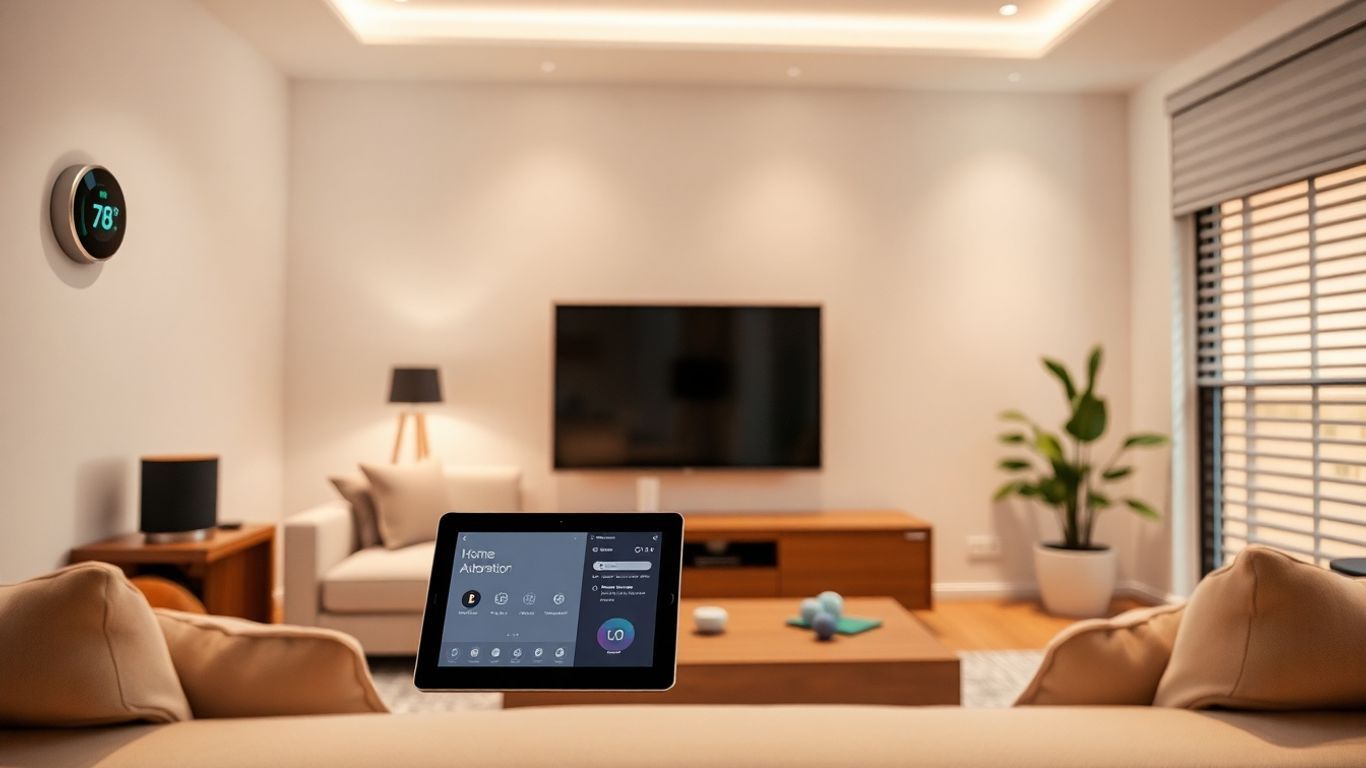
In discussions pertaining to smart homes, the twin pillars of security and seamless connectivity invariably emerge as paramount. It extends far beyond the mere acquisition of impressive gadgets; rather, it encompasses ensuring your home's inviolability and guaranteeing that all your integrated devices operate in perfect concert. One might conceptualize this endeavor as constructing a formidable digital fortress—one that, crucially, remains remarkably straightforward to manage.
AI-Driven Surveillance and Remote Monitoring
Security camera technology has advanced considerably. Today's sophisticated smart cameras harness artificial intelligence to perform functions well beyond simple video recording; they are capable of actively analyzing their visual input. This translates to an ability to discern, for instance, between a pet traversing the lawn and an unauthorized presence. Moreover, these intelligent systems can learn established patterns, such as your typical departure times for work or the usual schedule for deliveries. Such intelligent analysis significantly mitigates false alarms and ensures you are alerted to genuinely suspicious activity. The convenience factor is substantial: you can remotely monitor your home from virtually anywhere using your smartphone, receiving real-time video feeds and immediate notifications should anything unusual be detected. In essence, it offers the vigilance of a dedicated security guard, yet without the physical presence.
Smart Locks and Access Control
Gone are the days of fumbling for physical keys. Smart locks now empower you to secure your home via keypads, advanced fingerprint scanners, or even directly from your smartphone. A significant advantage is the ability to grant temporary access to guests, pet caregivers, or maintenance personnel remotely, with the equally simple option to revoke it thereafter. This functionality proves immensely practical for meticulously managing entry and exit. Furthermore, certain systems maintain a precise log of who unlocked the door and precisely when, furnishing an invaluable additional layer of accountability.
Interoperability Standards for Seamless Integration
Historically, a paramount challenge within smart home environments has been orchestrating communication among devices from disparate brands. This is precisely where interoperability standards become indispensable. Envision them as universal translators for your diverse suite of smart devices. Standards such as Matter, for instance, are meticulously engineered to ensure that a smart bulb from one manufacturer can function flawlessly with a smart speaker from an entirely different one. This transformative capability means you can construct a comprehensive smart home system that genuinely operates as a singular, cohesive unit—controllable from a unified application or via straightforward voice commands—without the persistent concern of compatibility pitfalls. Ultimately, it renders the setup and ongoing management of your smart home considerably more streamlined and adaptable.
Health, Wellness, and Accessibility in Smart Homes
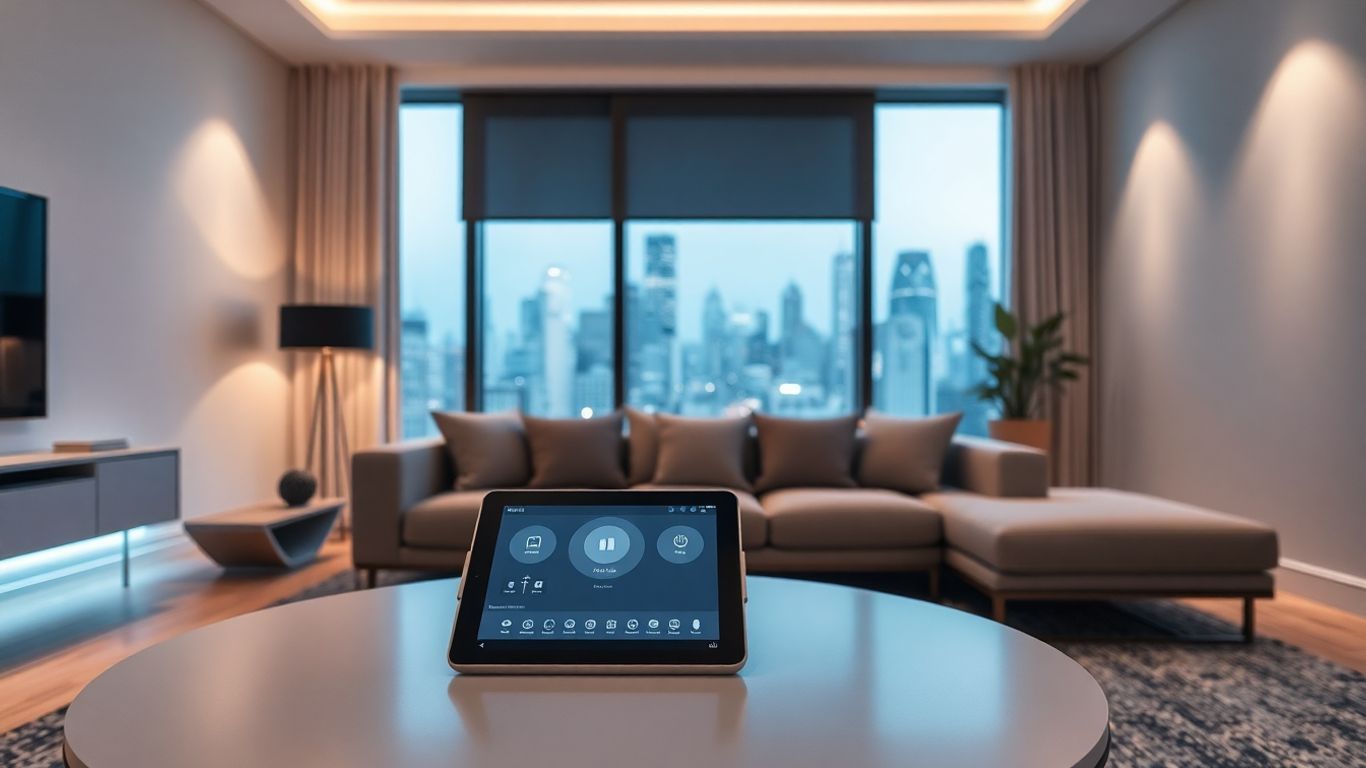
Smart homes are progressively transcending their traditional roles of mere convenience and entertainment. Increasingly, their design paradigm focuses on actively supporting our holistic health, enhancing overall well-being, and critically, ensuring technological accessibility for everyone, irrespective of physical capabilities.
Air Quality Monitoring and Improvement
The quality of indoor air undeniably holds significant implications for our health, and smart homes are decisively rising to meet this challenge. Advanced integrated systems are now equipped with multiple sophisticated sensors that maintain a continuous vigilance over crucial metrics—such as carbon dioxide levels, ambient temperature, humidity, and even microscopic particulate matter (PM2.5, PM10) and volatile organic compounds (VOCs). Should the air quality decline, these systems can autonomously instruct your smart air purifiers to activate and rectify the situation. This proactive approach invariably results in a notable reduction of allergens and pollutants circulating within your living environment.
Smart Sleep Systems and Wellness Tracking
Attaining restorative sleep is of paramount importance for overall health, and smart technology is actively striving to facilitate this. Envision smart beds and lighting systems that autonomously adjust to cultivate the optimal environment for rest. Certain sophisticated systems possess the capability to meticulously track your sleep patterns, subsequently providing valuable insights into the quality and duration of your slumber. Furthermore, wearable devices and other personal health monitors can seamlessly integrate with your home system, thereby offering a more comprehensive portrait of your holistic well-being and assisting you in adhering to healthy regimens.
User-Centric Design for Inclusive Technology
Ensuring smart homes are universally functional is a central tenet of current development. This necessitates the meticulous design of technology that is inherently user-friendly, even for individuals facing physical challenges or those who may not possess extensive technological proficiency. Voice control, for instance, constitutes a significant component of this approach, enabling users to manage devices without requiring direct physical interaction. This capability offers profound assistance, particularly for individuals with mobility limitations or visual impairments.
The overarching objective is to craft interfaces that are both simple and unequivocally clear, consciously eschewing confusing technical jargon. When technology is conceived and designed with the end-user firmly in mind from its inception, it invariably transforms into a genuine enabler—a helpful tool—rather than an unnecessary barrier.
Smart lighting offers another compelling illustration. These intelligent systems can dynamically adjust brightness and color temperature—whether based on the time of day or your unique personal preferences—thereby significantly enhancing your home's comfort levels. Frequently, the accompanying applications and control interfaces for these systems employ large, intuitive icons and straightforward navigation, rendering them accessible to a broader demographic of users, encompassing older adults and those with visual impairments. Indeed, this unwavering commitment to designing technology that is both readily understandable and effortlessly operable is precisely what positions smart homes to be genuinely advantageous for everyone.
The Future of Smart Homes and Businesses
As we cast our gaze towards the horizon, the modalities through which we engage with our residential and professional environments are poised for considerable transformation. This evolution extends well beyond merely possessing a handful of gadgets that respond to voice commands. We are actively progressing towards homes and businesses that exhibit a heightened sense of autonomy, proactively anticipating our requirements and collaborating in ways that render life both simpler and notably more efficient.
Hyper-Connected Ecosystems and Centralized Control
The concept of disconnected smart devices is rapidly diminishing. The future, unequivocally, lies in fully integrated ecosystems where every component communicates seamlessly with one another. Picture your home or office as a singular, intelligent organism. This paradigm shift implies that devices from diverse manufacturers will collaborate with far greater ease, largely attributable to emerging universal standards. Consequently, you will likely manage your entire environment from a unified application or via intuitive voice commands, thereby significantly alleviating the complexities of control.
- Interoperability Standards: These function as universal translators for smart devices, facilitating communication irrespective of brand.
- Centralized Control: Envision a single application or voice assistant orchestrating your lighting, heating, security, and entertainment systems.
- Smart Neighborhoods: This concept expands the integrated approach to encompass entire communities, enabling shared resource management for aspects such as energy and security.
The profound shift towards fully integrated smart environments signifies that our living and working spaces will become inherently more intuitive and remarkably responsive, adapting dynamically to our routines and preferences without demanding constant user input.
Cybersecurity and Data Privacy in Smart Homes
As the proliferation of connected devices continues, safeguarding them and ensuring the privacy of our personal information becomes paramount. Indeed, as smart homes grow more sophisticated, they concurrently present more attractive targets for cyber threats. Consequently, companies are diligently developing enhanced protective measures for these systems, employing strategies such as robust encryption and consistent software updates. However, a crucial onus also rests upon us, the users, to remain vigilant regarding our usage of these devices and the extent of the information we choose to share.
- Robust Security Mechanisms: Anticipate the inclusion of stronger, built-in protections on newly developed devices.
- Regular Software Updates: These remain crucial for promptly addressing security vulnerabilities as they are identified.
- User Education: Cultivating safe digital practices will prove vital for every user.
Voice Control and Hands-Free Interaction
While voice control is already a prominent feature in contemporary smart homes, its capabilities are poised for significant enhancement. We anticipate the advent of more natural, nuanced conversations with our devices, enabling the management of complex tasks without the need for physical interaction. This hands-free paradigm renders smart technology both accessible and remarkably convenient for all, whether one is engaged in culinary pursuits, professional work, or simply unwinding.
The Road Ahead for Smart Tech
Considering all these advancements, what precisely does the future hold? It is unequivocally evident that smart technology, both within our residences and commercial enterprises, is destined to become increasingly pervasive. We are observing a continuous evolution: devices becoming intrinsically smarter, interacting with one another more fluidly, and learning our individual preferences with greater sophistication. Imagine, for instance, your lighting system autonomously adjusting, or your security apparatus recognizing an approaching visitor. The benefits now extend far beyond mere convenience—they critically encompass rendering our spaces more energy-efficient and inherently safer. As these transformative technologies persist in their development, they are poised to integrate even more profoundly into our daily routines, thereby simplifying and enhancing connectivity in unprecedented ways. The journey toward smarter living and working environments is undeniably well underway, and it promises to be exceptionally engaging.
Frequently Asked Questions
What precisely defines a smart home?
A smart home, in essence, is a residence where various devices and systems are interconnected, enabling centralized control over elements such as lighting, heating, and security—typically via a smartphone or voice commands. Its fundamental purpose is to enhance home comfort, convenience, and energy efficiency.
How does the Internet of Things (IoT) facilitate smart home functionality?
The IoT functions as an extensive network that enables all your smart devices to communicate seamlessly. This interconnectedness allows for scenarios where, for example, your smart refrigerator might transmit instructions to your smart oven, or your lighting could activate automatically upon unlocking your smart door. Ultimately, it ensures that all components operate in harmonious concert.
Are smart homes conducive to energy conservation?
Yes, unequivocally! Smart thermostats are designed to learn your occupancy patterns and adjust temperatures accordingly to conserve energy. Similarly, smart lighting systems can autonomously deactivate when a room is unoccupied. Furthermore, numerous smart appliances are engineered for reduced power consumption or can be programmed to operate during off-peak hours when electricity rates are lower.
Do smart homes offer robust security?
Smart homes incorporate advanced security features, including intelligent locks that are controllable remotely, and surveillance cameras capable of issuing alerts upon detecting unusual activity. While maintaining updated systems is crucial, these technologies collectively contribute significantly to enhanced peace of mind.
What is the pivotal role of AI in smart home technology?
Artificial Intelligence (AI) is instrumental in enabling smart devices to learn and adapt to your individual habits and preferences. For instance, AI can enhance the comprehension capabilities of your smart speaker, assist your thermostat in predicting optimal temperature adjustments, or facilitate facial recognition by security cameras.
What novel smart home innovations are emerging?
Beyond established smart speakers and thermostats, one should anticipate developments such as service robots capable of assisting with household tasks, smart mirrors that display pertinent information during your routine, and intelligent furniture designed for interactive engagement. These advancements are collectively propelling homes towards unprecedented levels of sophistication.


