
citiesabc
COP30: Empowering Cities to Lead Global Climate Action and Combat Disinformation

COP30, held in Belém, Brazil, marks a pivotal moment in the fight against climate change, focusing on the role of cities in delivering actionable climate solutions. With key local leaders and mayors at the forefront, the conference sets the stage for a shift from negotiation to practical implementation, aligning national climate goals with local action.
COP30, the historic climate conference in Belém, Brazil, opens a new chapter in addressing climate change, with a dedicated focus on cities. Cities, towns, and regions are increasingly recognised as essential partners in driving the implementation of climate solutions, with leaders from local governments taking bold steps to bridge the gap between global climate goals and on-the-ground action.
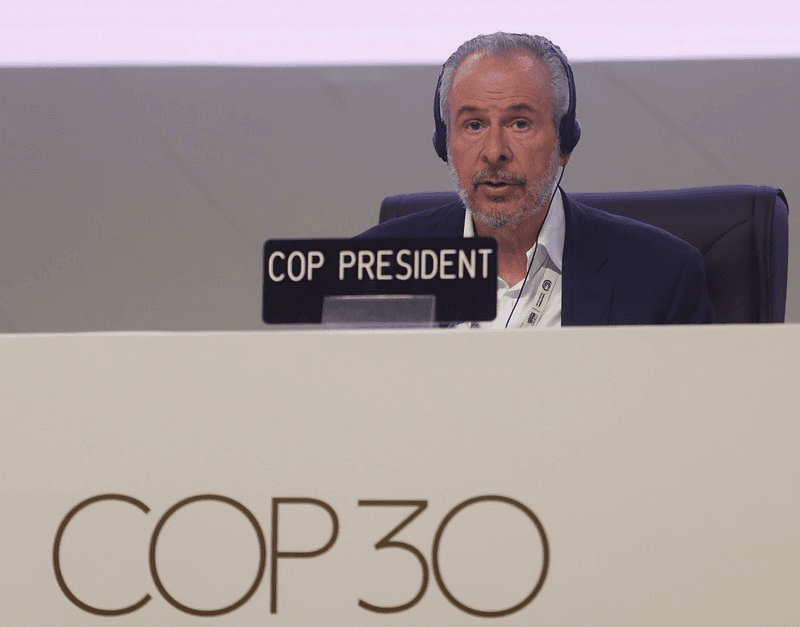
COP30 President André Corrêa do Lago has highlighted the crucial role mayors and local leaders play, stating, "The presence of governors and mayors is extremely important, because [they] have an absolutely essential role in implementing the decisions of the COPs."
This shift from negotiation to implementation is central to COP30's agenda, with local leaders uniting to demand more resources, collaboration, and accountability in achieving climate goals. The outcome statement from the COP30 Local Leaders Forum calls on national governments to strengthen partnerships with cities to ensure a just and inclusive transition, particularly in the Global South, where solutions are ready to scale.
Mark Watts, Executive Director of C40 Cities, emphasised, "If we truly want to meet the goals of the Paris Agreement, global leaders must now match local ambition with global investment."
Cities leading the way: From declaration to action
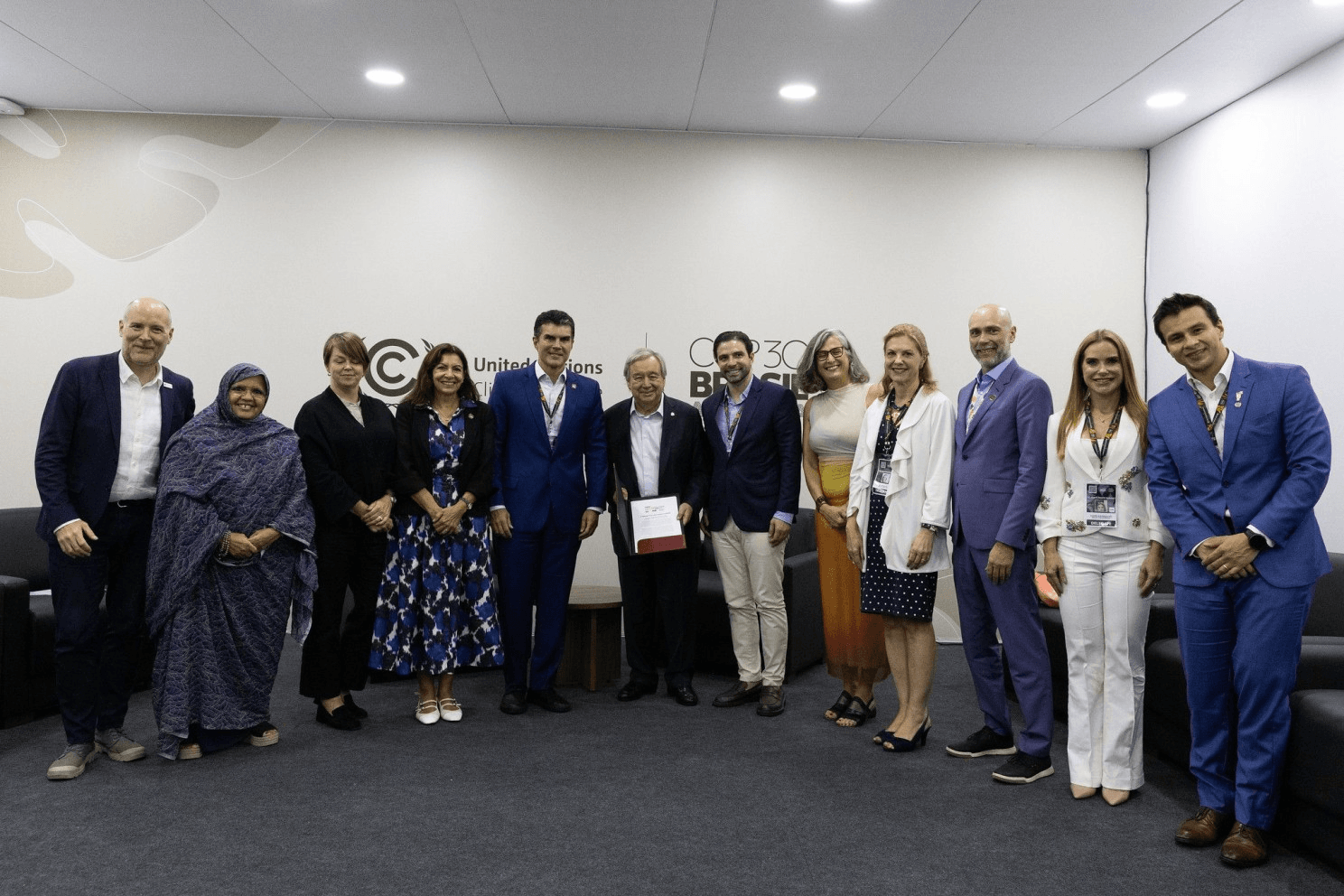
At COP30, mayors and governors are not just talking about climate action; they are already delivering it. A key moment of the conference was the handover of the COP30 Local Leaders Forum outcome statement to UN Secretary-General António Guterres.
This statement, signed by thousands of local leaders, outlines strategic commitments to accelerate progress during the "decisive decade" for climate action. The statement calls for vital steps such as partnering to deliver national climate goals, mobilising climate finance for local projects, and making COP a place of real implementation and accountability.
Mark Watts further emphasises the need for local and global alignment, saying, "Mayors and governors are already delivering the just, inclusive transition the world needs and are committing to taking action every year. But they cannot do it alone."
Cities, particularly those in the Global South, are at the heart of this movement. By aligning national climate goals with local action, cities are poised to drive the world towards achieving the ambitious targets set in the Paris Agreement.
Disarming disinformation: The COP30 'COP of Truth'
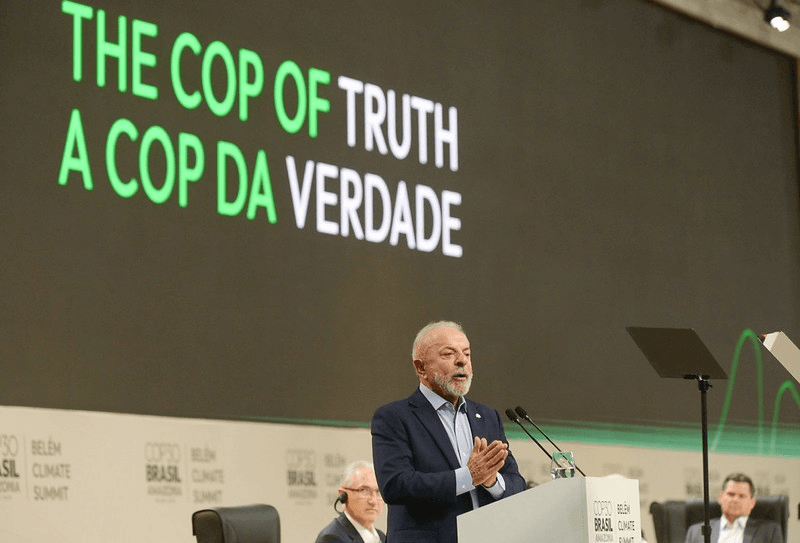
A key challenge for cities in their climate action efforts is combating disinformation. Brazil’s President Luiz Inácio Lula da Silva declared COP30 as the "COP of truth," underscoring the importance of information integrity in the fight against climate change.
Local leaders are already taking action to tackle disinformation at the grassroots level, but broader collaboration is needed across governments, civil society, and the private sector to combat the denialist narratives that obstruct progress.
As President Lula stated, "In the age of disinformation, obscurantists reject not only scientific evidence but also the progress of multilateralism. They control algorithms, spread hatred, and sow fear. This is the time to impose a new defeat on the denialists."
Cities are taking a leading role in addressing this issue, and the conference itself serves as a platform for global efforts to counter misinformation and protect the integrity of climate science.
A new era for multilevel climate governance
COP30 also saw the launch of significant initiatives to strengthen multilevel governance in climate action. The Coalition for High Ambition Multilevel Partnerships (CHAMP) was co-chaired by Brazil and Germany, marking a new phase in the collaboration between local and national governments.
The launch of the "Plan to Accelerate Solutions" (PAS) for multilevel governance is a vital step towards integrating local priorities into national climate plans (NDCs) and ensuring that cities play an active role in the implementation of global climate strategies. This plan aims to bridge the gap between national ambition and local implementation, aligning climate policies with on-the-ground realities.
As Simon Stiell, Executive Secretary of the UNFCCC, remarked, "CHAMP must now become part of how every country prepares and implements its climate plan – aligning national vision with local execution."
Yearly offer of action: A bold commitment for 2026 and beyond
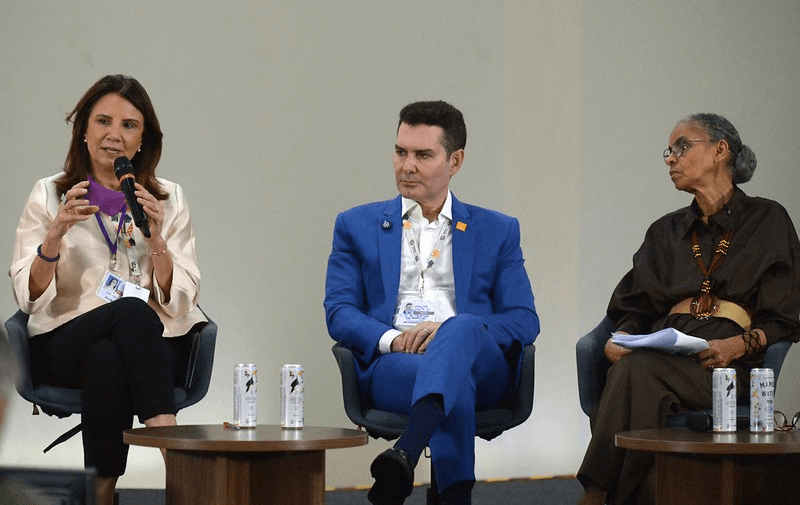
A notable outcome of COP30 is the "Yearly Offer of Action," a commitment from mayors to take bold climate actions every year, beginning in 2026. This initiative is designed to bridge the gap between national climate plans and local actions, with a focus on tackling the finance gap and driving progress on both mitigation and adaptation. Ana Toni, COP30 CEO, praised city leadership for launching this yearly commitment, saying, "It’s not a pledge for ten years from now, but for the next one!"
The Yearly Offer of Action represents a concrete response to the NDCs and the finance gap, ensuring that cities remain at the forefront of global climate action.
Financing the future: Addressing the urban climate finance gap
One of the core challenges addressed at COP30 is the need for increased financing for urban climate projects. With billions of people living in cities, ensuring that these areas are resilient to climate change is a top priority. COP30’s Baku to Belém Roadmap has highlighted the need to mobilise $1.3 trillion annually for climate action by 2035, with a significant portion dedicated to urban climate finance.
However, local governments need more support to access climate finance directly and implement the solutions necessary for urban adaptation and energy transitions.
As Ana Toni noted, "What kinds of global mechanisms can fund local urgencies? This is the core challenge of multilevel governance."
COP30 has proven to be a turning point in the global climate movement, emphasising the pivotal role of cities in translating ambitious climate goals into tangible actions. From the commitment of local leaders to take bold, yearly actions to the crucial conversations around disinformation and finance, the conference has set the stage for a future where cities are empowered to lead the way in combating climate change. As the world enters the decisive decade for climate action, the urgency for stronger partnerships between local and national governments has never been more apparent.


