


resources, healthcare sustainability
Digital Advancements Transforming Modern Dentistry
14 Nov 2025

Dentistry has undergone significant changes in recent years due to rapid technological advancements.
Innovations in digital tools and methods are transforming how dental procedures are performed, improving patient care, and enhancing the experience for both dentists and patients.
From the conceptualization and design of dental restorations to patient record management, these advancements play a role in shaping the future of dental practice.
Revolutionizing Diagnosis with Digital Imaging
Digital imaging technology has significantly advanced the way dentists diagnose conditions. Traditional X-rays have given way to digital radiography, which provides instant images that can be viewed on a computer screen.
This technology improves diagnostic accuracy and reduces patients’ exposure to radiation. Advanced imaging techniques, such as cone beam computed tomography (CBCT), allow dentists to visualize a three-dimensional image of the patient’s anatomy.
This detailed view aids in precise treatment planning for dental implants and orthodontic procedures. Dentists can spot potential issues like hidden cavities and root canal problems more effectively, leading to timely intervention and better patient outcomes.
The convenience of digital imaging extends beyond diagnostics; dentists can share images with patients in real time, developing better communication and understanding.
By illustrating treatment plans visually, patients can grasp the necessity and benefits of recommended procedures.
This transparency boosts patient confidence and promotes a collaborative approach to care. As dental technology continues to evolve, we can anticipate even more innovative imaging solutions that improve diagnosis accuracy and treatment efficacy.
Advancements in Orthodontics, The Role of 3D Printing
3D printing has emerged as a game-changer in orthodontics, allowing for the production of customized treatment devices that improve patient experience. From retainers to aligners, 3D printing creates tailored solutions that fit each patient’s dental structure perfectly.
This technology reduces both production time and costs, making advanced orthodontic treatments accessible to a broader audience. In particular, innovative aligner systems like Invisalign teeth straightening have surged in popularity, demonstrating the effectiveness of combining 3D printing and digital technology. These aligners are computer-generated based on specific patient data, offering a discreet alternative to traditional metal braces.
Patients enjoy the advantage of achieving straight teeth without drawing attention to their orthodontic appliances.
The precision provided through 3D printing guarantees smoother movement of teeth and more predictable outcomes for patients undergoing orthodontic treatment.
3D printing promotes patient involvement in their treatment journey. Visual aids depicting the expected trajectory of tooth movement help patients visualize their journey toward a straighter smile, positively impacting their commitment to the process.
As innovation continues, we can envision more applications of 3D printing in orthodontics, enhancing clarity, comfort, and efficiency in treatment methods.
Incorporating CAD/CAM Technology for Effective Treatments
Computer-aided design and computer-aided manufacturing, widely known as CAD/CAM, have significantly transformed the field of restorative dentistry.
This innovative technology allows dentists to create precise dental restorations, such as crowns, bridges, and veneers, with minimal manual intervention.
With CAD/CAM systems, dentists can design restorations directly in their practice using digital scans of the patient’s teeth. This process streamlines workflows, reduces the need for temporary crowns, and often shortens the time from diagnosis to treatment.
A patient requiring a crown can have the entire procedure completed in a single visit, thanks to the efficiency of CAD/CAM. CAD/CAM technology improves the accuracy and fit of restorations.
Customized restorations are designed using computer algorithms that factor in the patient’s unique dental anatomy, ensuring results that feel natural and function effectively.
This level of precision leads to higher patient satisfaction and fewer follow-up appointments due to adjustments. As technology progresses, we can expect further improvements in CAD/CAM systems, making restorative procedures even more efficient and patient-friendly.
Real-Time Electronic Health Records and Patient Management
The integration of electronic health records (EHR) has transformed patient management within dental practices. Digital record-keeping systems simplify patient tracking, allowing for easy access to medical histories, treatment notes, and appointment schedules.
This accessibility minimizes paperwork and improves the accuracy of patient information, facilitating better decision-making during appointments. EHR systems significantly improve communication among dental teams.
Multiple staff members can access and update patient records simultaneously, improving efficiency and reducing the risk of errors. This level of connectivity guarantees that dental professionals are on the same page regardless of their roles in the practice.
With real-time data accessible, dentists can analyze patient trends, monitor outcomes, and identify areas for improvement.
Predictive analytics derived from health information can inform treatment plans, allowing for personalized care tailored to each patient’s needs. In addition, secure patient portals allow patients to access their records and communicate with their dental team conveniently.
This engagement grows a stronger patient-provider relationship, contributing to improved patient satisfaction and loyalty. The seamless flow of information means that practices can handle larger patient volumes effectively, benefiting the entire organization.
Enhancing Patient Experience with Virtual Consultations
Telehealth has transformed how dental patients receive care, particularly through virtual consultations. Patients can connect with their dental providers without needing to visit the office physically.
This convenient approach allows for quick evaluations of dental issues, consultations on treatment options, and follow-up appointments, all from the comfort of home. Virtual consultations reduce barriers for individuals with mobility issues or those living in remote areas.
The technology makes it easier for dentists to maintain ongoing communications with patients, offering advice and managing oral health remotely. For simple queries or routine follow-ups, patients appreciate the flexibility and convenience that telehealth provides.
These video consultations leverage digital platforms, enabling dentists to capture images and share records during discussions. Patients can show symptoms visually and receive immediate feedback from their providers.
This promotes an interactive dialogue that improves patient engagement in their dental care. As telehealth continues to grow, dental practices may find new ways to integrate technology, ensuring high-quality care and streamlining operations, and improving the patient journey.
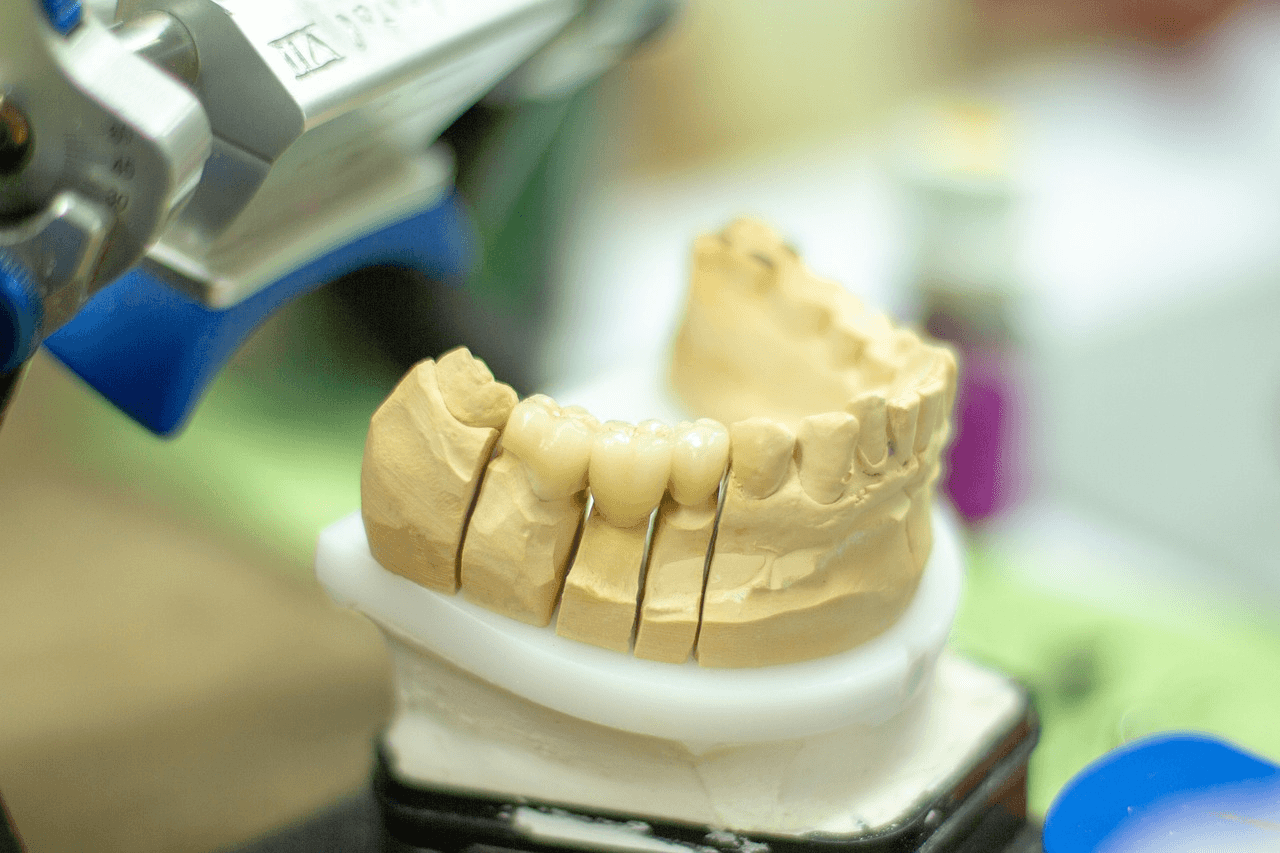
Image source:https://pixabay.com/photos/dentures-dentist-healthcare-3532981/
Smart Technology in Dental Tools and Instruments
The development of smart technology has introduced a new era in dental instrumentation, making tools more efficient and user-friendly.
Modern dental units and instruments utilize smart sensors and digital interfaces that provide comprehensive information about their functionality and performance.
Some smart dental handpieces are equipped with sensors that monitor pressure and speed, optimizing procedures and enhancing patient comfort. This technology allows dentists to achieve consistent results without compromising patient safety.
Integration with mobile applications allows real-time data monitoring and analysis, promoting proactive maintenance and reducing equipment failure risks. Smart sterilization equipment has improved infection control protocols.
These devices offer automated monitoring that adheres to strict safety standards, ensuring that tools are adequately sterilized before use. Both patients and practitioners feel more secure in their clinical environments.
As the demand for efficient and safe dental procedures grows, the adoption of smart technology will likely expand, creating a more sophisticated dental market that prioritizes patient care and operational excellence.
With the rapid evolution of technology, modern dentistry is on the brink of exciting changes that promise better outcomes for patients and practitioners alike.
By embracing these advancements, dental professionals can improve the quality of care delivered and adapt to the shifting market of patient needs.


