
resources
Discover the Most Popular Cities in England: Your Ultimate Travel Guide for 2026
14 Mar 2026

Planning an unforgettable journey to England in 2026? It can certainly feel a touch overwhelming, can't it, trying to pinpoint the perfect destinations? This remarkable country boasts an incredible array of places, ranging from vibrant cities pulsating with contemporary energy to tranquil towns steeped in centuries of history. To assist you in navigating this delightful dilemma, we've thoughtfully compiled a guide to some of the finest spots the nation has to offer. Prepare to explore our meticulously curated selections for cities and towns you simply won't want to overlook, encompassing rich culture, exciting entertainment, and genuinely cool experiences. We're talking about both England's most celebrated urban centers and a few delightful hidden gems, too.
Key Takeaways
- London stands as a globally renowned metropolis, brimming with countless iconic sights and activities.
- Manchester and Liverpool, two northern powerhouses, present a compelling fusion of music, sports, and cultural richness.
- Bath and York offer a uniquely charming window into England's profound historical legacy.
- Stirling is poised to emerge as a significant destination in 2026, thanks to its new attractions and deep historical roots.
- Beyond the bustling cities, enchanting locations like Thornbury Castle provide truly distinctive historical accommodation experiences.
London: A Timeless Metropolis
Iconic Culture and 2026 Events
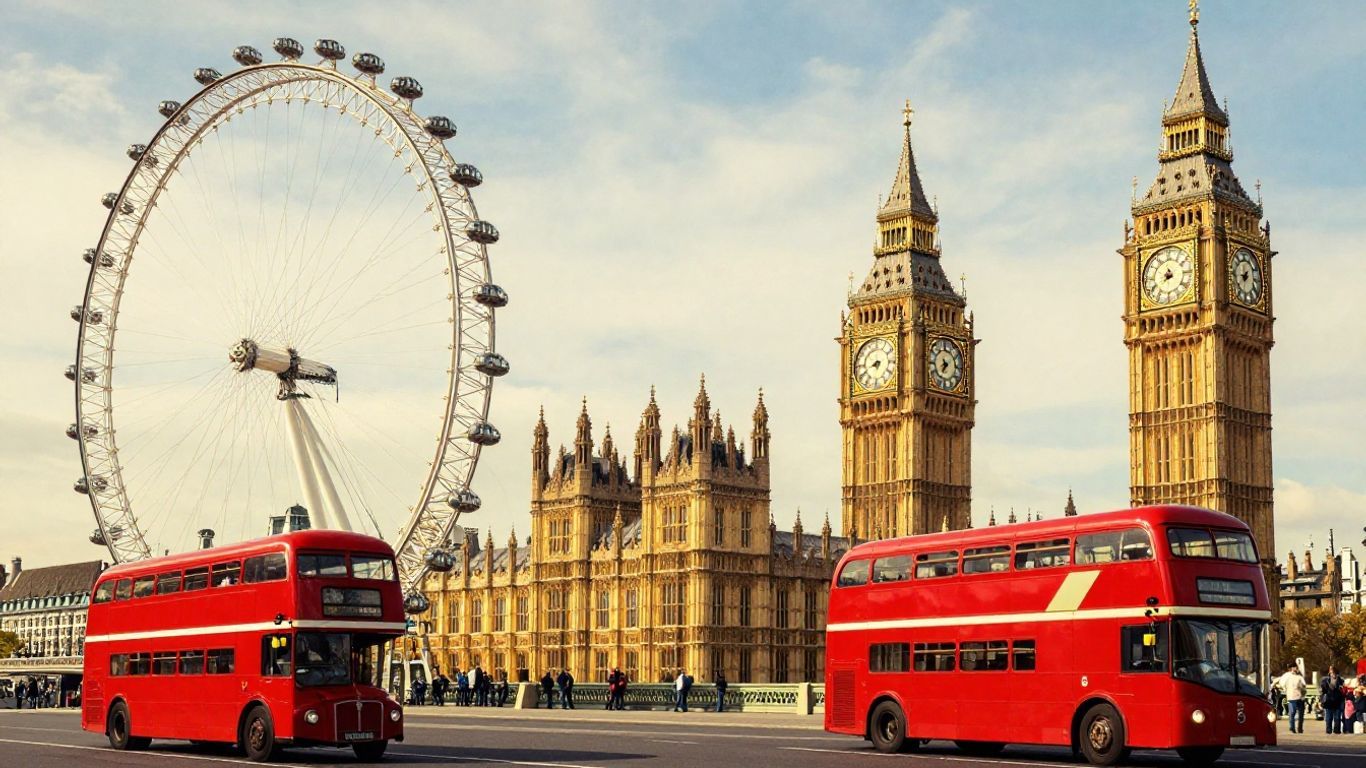
London. Ah, London! This is a city that scarcely needs an introduction—a colossal metropolis, pulsating with history, culture, and an inimitable energy. One could easily spend years here and still unearth new wonders, new experiences. From its world-class museums—many offering complimentary admission—to majestic palaces and bustling markets, London presents an unparalleled wealth of attractions. The sheer scale of London means a well-planned itinerary is wise, but don't be afraid to just wander and let serendipity guide you. Each of its distinct boroughs truly possesses its own unique character. Imagine exploring the trendy boutiques and vibrant street art of Shoreditch one day, perhaps, and then immersing yourself in the regal grandeur of Westminster the next. It is, unequivocally, a city where ancient history gracefully converges with contemporary innovation—a dynamic interplay evident in both its architectural landscape and its diverse populace. For 2026, expect a continued influx of major events, from established festivals to new cultural happenings. Keep a keen eye on official tourism sites for the latest announcements; you wouldn't want to miss a thing!
- Famous Buildings: Consider the iconic Houses of Parliament with its trusty Big Ben, the stately Buckingham Palace, and the ancient Tower of London. If you intend to visit popular attractions like the London Eye or Buckingham Palace, it’s certainly prudent to secure your tickets well in advance, particularly during peak seasons.
- Great Museums: Many of London’s premier museums, such as the British Museum, the Natural History Museum, and the Tate Modern, generously offer complimentary admission. This presents an excellent opportunity to explore art and history without significant expense—a real budget-saver!
- Interesting Areas: Beyond the main tourist thoroughfares, delve into locales like Covent Garden for its vibrant market and engaging street performers, Camden Town for its distinctive bohemian style, or Greenwich for its rich maritime history and picturesque views.
London's culinary landscape, much like its populace, is incredibly diverse, boasting everything from Michelin-starred establishments to vibrant street food markets—truly a melting pot of tastes. You can embark on a truly global gastronomic journey here, often finding a delicious array of international flavors at iconic spots like Borough Market.
Major Exhibitions and Artistic Highlights
London's art scene is always buzzing with activity, and 2026 promises to be no different. The city is home to some of the world's most prestigious galleries and museums, many of which, delightfully, offer free entry. The Tate Modern, for instance, is a must-visit for contemporary art lovers, dramatically housed in a former power station on the South Bank. Meanwhile, the National Gallery in Trafalgar Square boasts an incredible collection of Western European paintings spanning from the 13th to the 19th centuries. For those particularly interested in history and culture, the British Museum houses a truly vast collection of world art and artifacts, including the enigmatic Rosetta Stone and ancient Egyptian mummies. Beyond these major institutions, countless smaller galleries and pop-up exhibitions continuously showcase emerging talent. Do keep an eye on listings for special exhibitions at places like the Victoria and Albert Museum (V&A) or the Saatchi Gallery, which often feature groundbreaking shows. And, of course, the West End theatre district continues to be a major draw, with a constant rotation of world-class plays and musicals—something for every taste.
Smart Budgeting in the Capital
Visiting London doesn't have to break the bank, you know. While it's widely known as an expensive city, smart planning can actually make it surprisingly affordable. One of the biggest money-savers is taking full advantage of the many free museums and galleries. As previously mentioned, the British Museum, National Gallery, Tate Modern, Natural History Museum, and Science Museum all generously offer free general admission. Walking and making savvy use of public transport are also key. The London Underground, affectionately known as 'the Tube', is extensive, but consider an Oyster card or simply using contactless payment for the best fares. For shorter distances, buses are a fantastic way to see the city and are often cheaper. Eating out can be costly, but exploring street food markets like Borough Market or Camden Market offers delicious and much more budget-friendly options. Look for lunch deals or 'pre-theatre' menus if you plan to dine out in the evenings—they often provide excellent value. Consider visiting during the shoulder seasons (spring or autumn) for potentially lower accommodation prices and fewer crowds. Planning your travel to London in advance can also help secure better deals on flights and accommodation; a little foresight goes a long way!
Manchester and Liverpool: Northern Powerhouses
These two dynamic cities in the North West of England are absolutely buzzing with energy, offering a fantastic confluence of culture, history, and modern attractions. They’ve truly elevated their game, particularly with significant developments earmarked for 2026, establishing them as indispensable destinations on any English itinerary.
The Etihad Expansion and Football Fever
For ardent sports fans, Manchester is practically a pilgrimage site. The city is famously home to two of the world's most illustrious football clubs. By late 2026, Manchester City's Etihad Stadium is set to complete a massive £300 million redevelopment. This ambitious expansion includes a new museum, an expansive fan zone, and even a hotel right on the grounds—talk about convenience for match-day visitors! It’s a truly significant undertaking, especially with the burgeoning global interest in football. You can effortlessly combine a captivating stadium tour with a visit to the National Football Museum in the city center for a comprehensive sports experience.
Manchester is a city that truly lives and breathes football.
Liverpool's Music Scene and Cultural Value
Liverpool continues to impress visitors with its incredibly vibrant music scene and excellent value. Many of its premier attractions, such as the World Museum and the Walker Art Gallery, offer free entry—a real bonus for travelers! The city's magnificent waterfront, recognized as a UNESCO World Heritage site, is a beautiful place to explore. It's also where you'll discover the British Music Experience and the bustling Albert Dock, which is positively packed with independent places to eat and drink. And for music lovers, the Liverpool Sound City festival is making its return in May 2026, bringing together both big names and exciting new artists in the trendy Baltic Triangle area. What a lineup!
Here's a quick look at what makes Liverpool so special:
- Albert Dock: A beautifully restored area brimming with museums, galleries, and fantastic restaurants.
- The Beatles Story: An in-depth, immersive look at the history of the legendary band that put Liverpool on the global map.
- Mersey Ferry: Offers truly splendid views of the city skyline, especially at sunset.
- Liverpool Cathedral: One of the largest cathedrals globally, an awe-inspiring architectural marvel.
Liverpool has a unique way of making everyone feel welcome. It's a city that's proudly rooted in its past but also looks firmly to the future, with a creative spirit that's genuinely hard to ignore.
Exploring the Northern Renaissance
Beyond the major draws, both Manchester and Liverpool offer unique neighborhoods and experiences that are ripe for exploration. Manchester's Northern Quarter is an absolute must-see, with its bohemian vibe, captivating street art, eclectic vintage shops, and inviting independent coffee spots. It’s precisely the kind of place where just wandering around can lead to some wonderful, unexpected discoveries. In Liverpool, the historic Albert Dock area now serves as a dynamic hub for culture and dining. Both cities are in a constant state of evolution, gracefully blending their rich industrial and musical histories with exciting new ideas in art and innovation, collectively offering a truly compelling glimpse into modern Britain.
Bath and York: Historical Gems
For those who dream of stepping back in time while still thoroughly enjoying modern comforts, Bath and York are absolute must-visits. These two cities offer a concentrated dose of England's rich past, all within easy-to-explore, wonderfully walkable centers. They truly embody that 'postcard-perfect' image many travelers harbor of the country—what’s not to love?
Roman Baths and Georgian Elegance in Bath
Bath is a city that feels as though it was meticulously crafted for a gentler era, yet it's fully equipped for today's discerning traveler. As a UNESCO World Heritage site, its beauty is simply undeniable. The buildings, meticulously constructed from a warm, honey-colored limestone, impart a special glow to the city, especially when bathed in sunlight. It's a place where you can easily spend your days wandering, discovering quaint little nooks and crannies around every corner.
The main attraction, of course, is the Roman Baths. These ancient thermal baths are incredibly well-preserved and provide a visceral sense of what life was like in Roman Britain. It’s certainly a good idea to book your tickets ahead of time, particularly if you’re visiting during busier periods, to avoid any unnecessary waiting in line. After exploring the baths, you absolutely must try a Sally Lunn bun from the historic bakery of the same name. These legendary buns have been a local treat since the 17th century and offer a truly delicious taste of history.
Beyond the baths, Bath Abbey stands as a stunning example of Gothic architecture—a truly magnificent sight. A leisurely walk around The Circus and the famous Royal Crescent really shows off the city's elegant Georgian style, a testament to its refined past. If you're looking to relax and rejuvenate, the Thermae Bath Spa is the place to go. It's the only natural thermal spa in the UK and offers a wonderfully soothing experience. Pure bliss!
Here’s a quick rundown of what to see in Bath:
- Roman Baths: Explore this ancient and remarkably preserved bathing complex—a true marvel of engineering.
- Bath Abbey: Admire the impressive Gothic architecture of this landmark, soaring towards the heavens.
- The Circus & Royal Crescent: Marvel at these iconic Georgian structures, which stand as enduring symbols of Bath’s sophisticated design.
- Thermae Bath Spa: Unwind and indulge in Britain's only natural thermal waters, a truly unique experience.
- Sally Lunn’s Historic Eating House: Taste history itself with their famous, delectable buns.
Bath also has a special connection to the beloved author Jane Austen. The city often holds delightful events for her fans, and its very streets and buildings provide a perfect, evocative setting to imagine scenes from her timeless novels. It’s easy to get to Bath, making it ideal for either day trips or more extended stays. It's also an excellent starting point for exploring the nearby Cotswolds. For truly fantastic panoramic views of the city and the surrounding countryside, a walk up to Alexandra Park is highly recommended—the vistas are breathtaking.
A typical mid-range budget for a couple spending 48 hours in Bath, not including fancy accommodation, is around £350. Quite reasonable for such an exquisite experience!
York's Medieval Charm and Walkable Streets
York, on the other hand, feels like a journey straight into the heart of the Middle Ages. The city is famous for its incredibly well-preserved medieval streets, most notably The Shambles. This narrow, winding street, with its distinctive overhanging timber-framed buildings, looks like it's been plucked directly from a storybook. It’s a fantastic place for a leisurely stroll and to simply soak in the incredibly rich atmosphere. Truly, a step back in time.
One of the biggest draws is York Minster, one of the largest cathedrals in Northern Europe. Its sheer size and intricate stonework are absolutely breathtaking—you could spend hours exploring its profound history and admiring the glorious stained glass. Walking the medieval city walls is another highlight not to be missed. These walls, which encircle the city center, offer superb views and a unique perspective on York's layout and history. It’s a surprisingly long walk, so do wear comfortable shoes!
York is also a city that, quite famously, loves its chocolate! You can visit York's Chocolate Story to learn about the city's sweet history and even try some delectable treats. For a genuine taste of local life, head to the Shambles Market for unique crafts and delicious food.
Key attractions in York include:
- York Minster: A magnificent Gothic cathedral boasting stunning architecture and exquisite stained glass.
- The Shambles: A picturesque medieval street, instantly recognizable with its charming overhanging buildings.
- City Walls: Walk along the ancient walls for panoramic views that truly capture the essence of the city.
- National Railway Museum: Discover the fascinating history of rail travel in Britain, a true journey through time.
- York's Chocolate Story: Learn about and taste the city's famous chocolate heritage—a sweet treat for all ages.
Experiencing Postcard-Perfect England
Both Bath and York offer a unique and compelling window into England's storied past. Bath charms visitors with its profound Roman history and Georgian elegance, while York captivates with its remarkably preserved medieval streets and grand cathedral. These are cities that genuinely invite you to slow down, wander, and truly appreciate the history etched into their very stones. Whether you're drawn to the thermal waters and grand architecture of Bath or the ancient walls and winding lanes of York, you'll undoubtedly find yourself enchanted by these historical gems. They are, quite simply, perfect for anyone looking to experience the quintessential charm of England—a truly unforgettable experience awaits.
Stirling: The 2026 Breakout Destination
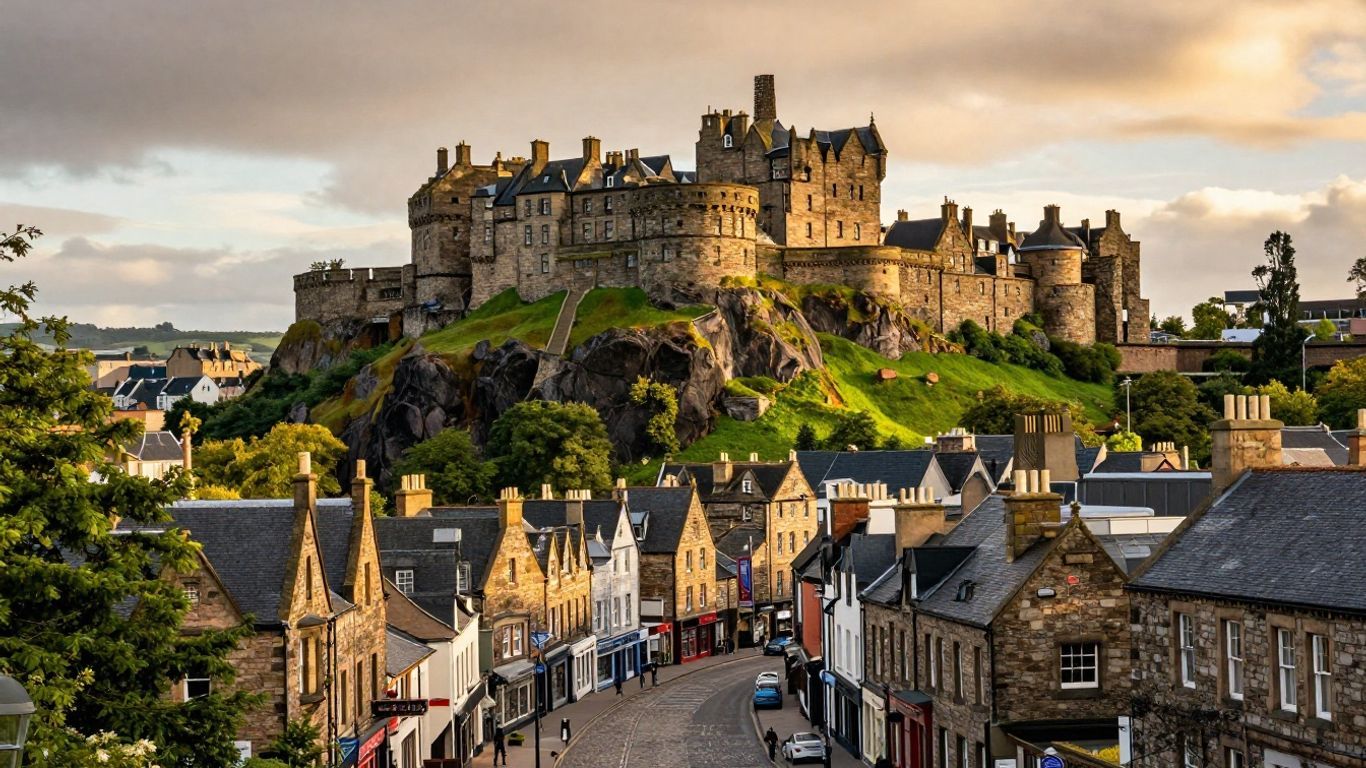
Stirling is truly making a name for itself in 2026, and honestly, it's about time this historic Scottish city received its due. It's suddenly much easier to access, and there’s a whole lot going on. It feels like the kind of place that's been hiding its considerable charms in plain sight, and now—it's absolutely ready for its close-up, isn't it?
Affordable Rail and 900 Years of History
One of the biggest draws for Stirling in 2026 is undoubtedly the brand-new direct train service from London. We're talking affordable tickets, often under £30 if you book ahead, which makes a colossal difference for anyone journeying from the south. This improved access is, quite frankly, a game-changer. Plus, the city is concluding its massive 900th-anniversary celebrations this year. Imagine visiting a place that has been around for nearly a millennium and is still buzzing with new energy! The year's events are culminating in a special "Culture Night" at Stirling Castle, promising an exciting blend of music and comedy. It’s a fantastic way to experience history that feels vibrantly alive, not just something relegated to a textbook.
Local Flavors and Distillery Experiences
Stirling isn't solely about ancient stones and historic battlefields; it boasts a burgeoning food and drink scene that’s truly worth exploring. For whisky enthusiasts, 2026 marks a momentous year because the Stirling Distillery is releasing its very first batch of its own whisky. How incredibly cool is that? If you're visiting in the autumn, you might just catch Stirling Cocktail Week, where local bars generously offer special deals and intriguing tours. It’s a superb chance to taste what the city has to offer, moving beyond the usual tourist traps. Think local ingredients and brilliantly creative drinks—a real treat for anyone who appreciates good food and fine beverages.
Gateway to Scottish Adventures
Beyond the city itself, Stirling is perfectly positioned for exploring even more of Scotland’s breathtaking landscapes. It's frequently dubbed the "Gateway to the Highlands," and for very good reason. You're never far from stunning natural beauty, like the serene Loch Lomond and The Trossachs National Park. This means you can effortlessly combine a captivating city break with some serious outdoor time. Whether you're keen on hiking, simply enjoying the majestic scenery, or just seeking a refreshing breath of fresh air, Stirling offers a truly excellent starting point. It’s precisely that blend of history, culture, and nature that makes it such an appealing destination for 2026.
Beyond the Major Cities: Unique English Destinations
While London, Manchester, and Liverpool certainly draw substantial crowds, England's inherent charm extends far beyond its bustling metropolises. For travelers seeking a more intimate and perhaps unexpected experience, a wealth of smaller towns and historic sites offer a different, yet equally rewarding, perspective on English culture and history. These destinations often provide a slower pace, a deeper connection to the past, and a truly wonderful chance to discover those often-overlooked hidden gems. Isn't that what genuine exploration is all about?
Fairytale Stays at Thornbury Castle
Imagine the sheer delight of waking up within the venerable walls of a genuine Tudor castle. Thornbury Castle, splendidly located near Bristol, offers precisely that enchanting experience. This magnificent building once hosted King Henry VIII and Anne Boleyn, and incredibly, you can actually stay in the very suites they might have occupied. It's a rare chance to step back in time and experience a tangible slice of royal history firsthand. The castle grounds are simply beautiful, and the entire experience of staying there is truly memorable, offering a unique blend of historical immersion and surprisingly comfortable lodging.
The Picturesque Charm of Castle Combe
Nestled gracefully in the heart of the Cotswolds, Castle Combe is frequently cited as one of England's most undeniably beautiful villages. Its charming streets are lined with honey-colored stone cottages, many exquisitely adorned with blooming gardens, collectively creating a scene straight out of a postcard. It's precisely the kind of place where you can wander for hours, soaking in the peaceful atmosphere and admiring the traditional architecture—a balm for the soul. The nearby Manor House Hotel also adds significantly to the village's allure, providing a sophisticated touch of elegance and luxury.
Exploring Corfe Castle's Historic Ruins
In the picturesque county of Dorset, the evocative ruins of Corfe Castle stand proudly atop a verdant hill, a silent testament to centuries of dramatic history. This ancient fortress has witnessed countless sieges and royal intrigue, and its weathered stones seem to whisper tales of the past—if you listen closely enough. Exploring the castle offers a fascinating glimpse into medieval life and military strategy. Below the castle, the charming village of Corfe Castle itself is well worth a visit, retaining a quaint, storybook feel that perfectly complements the dramatic ruins above.
These unique destinations genuinely offer a more personal encounter with England's rich heritage.
Here's a quick look at what makes them so special:
- Thornbury Castle: A deep dive into Tudor history, replete with royal connections, and truly unique accommodation.
- Castle Combe: The quintessential Cotswolds village, boasting picturesque cottages and a tranquil, timeless ambiance.
- Corfe Castle: Dramatic castle ruins, profound historical significance, set against a charming village backdrop.
Venturing off the beaten path truly allows for a more authentic connection with the places you visit. These smaller destinations often reveal the very heart of a country in ways that larger cities sometimes, quite surprisingly, cannot.
Planning Your 2026 English City Break
Navigating Transport and Costs
Getting around England and thoughtfully managing your spending in 2026 is undoubtedly more straightforward with a little planning. Booking train tickets well in advance is, without question, your best bet for saving money. For longer journeys, aim to book your tickets roughly 12 weeks before you travel to snag the cheapest "Advance Single" fares. For instance, a trip from London to Edinburgh could cost as little as £25 if booked early, a stark contrast to a much higher walk-up price. Quite a difference, wouldn't you agree?
Consider getting a Railcard if you plan on taking multiple train journeys. For a small annual fee (around £30), a Railcard can genuinely cut a third off most national rail fares, making it a very smart investment for frequent travelers. If budget is a top concern, coach services like National Express and Megabus offer incredibly affordable cross-country options, often with tickets available for a mere £10-£15 when booked ahead.
Here’s a general idea of daily budgets, just to give you a rough guide:
| Budget Level | Estimated Daily Cost (per person) |
|---|---|
| Budget | £65 – £95 |
| Mid-Range | £150 – £220 |
| Luxury | £400+ |
These figures typically cover accommodation, food, and some activities, but can, of course, vary greatly depending on the city and your personal choices.
Tips for a Seamless Travel Experience
Many places across the UK are now operating largely cashless, so do ensure you have a contactless payment card or a mobile payment option like Apple Pay or Google Pay ready. Even for attractions that are free to enter, such as many major museums in London or Liverpool, you might still need to book a free timed entry slot online beforehand to help manage visitor numbers effectively. This is especially true for particularly popular spots, so check ahead! When dining out, proactively look for "Pre-Theatre" or "Set Lunch" menus. These often provide a similar dining experience to the regular menu but at a significantly lower price, sometimes 25-40% less. It’s a brilliant way to enjoy good food without entirely breaking the bank.
Remember that "set-jetting"—visiting places seen in popular films or TV shows—is a growing trend. Cities like Bath, famously featured in "Bridgerton," are capitalizing on this, offering specialized tours. Plan your itinerary around these unique opportunities if they genuinely appeal to you.
Seasonal Guide to City Breaks
Choosing the right time to visit can truly shape your experience. Each season, after all, offers something distinctly different across England's diverse cities:
- Spring (March–May): This is a delightfully pleasant time with milder weather and noticeably fewer crowds than the bustling summer months. Cities like Bath, with its blooming gardens, or Stirling, perhaps celebrating its 900th anniversary, are particularly charming during this period.
- Summer (June–August): Expect the warmest weather, but also the peak tourist season. This, naturally, means higher prices and more people, especially in popular spots like Brighton or during major events such as the Edinburgh Fringe.
- Autumn (September–November): The crowds begin to thin out, and hotel rates often drop, presenting a good value. This season is perfect for enjoying the vibrant autumn colors in cities like York or catching the thrilling start of the football season in Manchester.
- Winter (December–February): Cities like London truly come alive with dazzling festive lights and enchanting Christmas markets. January and February are typically the cheapest months for accommodation, making them ideal for budget travelers eager to explore without the hefty price tag—what a fantastic opportunity!
Your English Adventure Awaits
So, there you have it—a comprehensive look at some of the most exciting places to visit in England for 2026. From the vibrant buzz of London to the historic charm of York, and the lively energy of Manchester, this country genuinely has something for everyone. Whether you're planning a quick weekend trip or a longer, more immersive exploration, remember that booking ahead, especially for travel and popular attractions, can truly help make your journey smoother and more affordable. England is brimming with amazing sights and unforgettable experiences, and this guide is merely the beginning. We sincerely hope it inspires you to pack your bags and discover the incredible diversity and rich history that awaits you in 2026. Happy travels, indeed!
Frequently Asked Questions
What are the top cities to visit in England in 2026?
London is always a superb choice, with endless sights and activities. For history enthusiasts, Bath and York are absolutely captivating. If you're keen to experience the lively North, Manchester and Liverpool offer fantastic experiences. And do keep an eye on Stirling—it's quickly becoming a really popular spot for 2026!
How can I save money when visiting English cities?
Booking train tickets significantly in advance can save you a considerable amount of money. Consider investing in a Railcard if you anticipate taking multiple train journeys. Additionally, many major museums offer free entry, and seeking out lunch or early dinner deals at restaurants can effectively cut down on food costs.
Is it easy to get around England without a car?
Yes, absolutely! England boasts an excellent train system connecting most major cities. Within cities, many areas are pedestrian-friendly, and local buses or trams are typically readily available. For longer distances, coaches present a very budget-friendly option.
What's new and exciting happening in London in 2026?
London will feature some amazing art exhibitions, such as a significant display for artist Tracey Emin and an exhibition focusing on Queen Elizabeth II's distinctive style. Furthermore, remember that contactless payments may have daily limits, and staying slightly outside the very city center can often help you save money on hotels.
Why is Stirling being called a 'breakout' destination?
Stirling is garnering increased attention primarily because it's becoming much more accessible, thanks to new, more affordable train routes from London. They're also commemorating their 900th anniversary with special events, and visitors can explore iconic historic sites like Stirling Castle. It's a compelling blend of history and vibrant culture.
Are there cool places to visit that aren't big cities?
Definitely! England is home to incredibly charming villages like Castle Combe, which truly resembles a fairytale setting. You can also explore historic castles such as Thornbury Castle, where you can even experience an overnight stay, or the dramatic ruins of Corfe Castle. These destinations offer a different, more relaxed kind of trip.


