
resources
Discover the Top 10 Smart Cities in the World: Innovation and Urban Futures
26 Sept 2025

Contemplating the trajectory of urban centers? It often boils down to the concept of a 'smart city,' doesn't it? We're referring to municipalities that strategically leverage technology to enhance the quality of life for their inhabitants. From streamlining commutes to fostering cleaner air, these pioneering cities are truly mastering the art of modern urban living. This article delves into the top 10 smart cities globally, illuminating how innovation is profoundly shaping urban existence and what exciting developments lie on the horizon.
Key Takeaways
- Cities are increasingly employing technologies such as AI and IoT to manage critical urban functions—like traffic, energy, and safety—with greater efficacy.
- Sustainability remains a paramount objective, with numerous cities striving for greener transportation networks and more efficient energy consumption.
- Ultimately, the core aim is to elevate residents' lives through superior services and robust infrastructure.
- While technological integration is undeniably crucial, factors such as sound governance and overall livability prove equally vital.
- The overarching trend points towards urban environments becoming more interconnected, efficient, and, fundamentally, better places to reside.
1. Zurich
Zurich consistently secures a leading position in smart city evaluations, and this distinction isn't merely about deploying the newest technological marvels. This esteemed Swiss city has forged its reputation by concentrating on tangible enhancements that genuinely elevate the daily lives of its inhabitants. One might consider it astute urban planning—a strategy that genuinely benefits both its citizens and the broader environment.
But what precisely distinguishes Zurich from the rest?
- Eco-friendly transport: They've invested substantial effort in rendering public transit and cycling both effortlessly convenient and widely accessible. This strategic focus translates into fewer vehicles on the roads and, consequently, purer air.
- Digital access for all: High-speed internet and comprehensive digital services are not merely amenities here, but rather a fundamental expectation, ensuring seamless connectivity and information access for everyone.
- Community focus: The city diligently strives for inclusivity, meticulously addressing the diverse needs of all its residents, irrespective of their backgrounds.
Zurich’s discerning strategy unequivocally demonstrates that true ‘smartness’ in a city is less about the sheer volume of technology deployed and far more about how that technology is thoughtfully applied to resolve pressing daily challenges and cultivate a genuinely more livable environment. Indeed, it represents a balanced, pragmatic approach that numerous other cities are keen to emulate.
The city’s unwavering commitment to sustainability and an exceptional quality of life stands as a principal driver for its consistently high ranking. They aren’t simply pursuing fleeting trends; rather, they are meticulously constructing an urban center that promises an excellent living experience, both today and for generations to come.
2. Singapore
Singapore, a forward-thinking city-state, truly excels at harnessing technology to benefit its populace. It’s not simply about possessing the newest devices; it’s fundamentally about deploying them to streamline daily life and enhance urban efficiency. This commitment to its "Smart Nation" vision has been ongoing for some time, and the results are impressively evident.
A significant cornerstone of their strategy has been to render government services remarkably accessible. Consider tasks such as settling bills or submitting permit applications—much of this administrative load has transitioned online, allowing residents to manage these processes effortlessly from their smartphone or computer. Ultimately, this initiative prioritizes convenience and invaluable time-savings for citizens.
Transportation, too, is an area where Singapore demonstrably excels. Leveraging extensive data, they meticulously identify optimal strategies for traffic management and for enhancing the efficacy of public transport. The tangible outcomes? Fewer individuals ensnared in gridlock and more dependable bus and train timetables—making urban navigation considerably less stressful.
Singapore’s pragmatic approach serves as a compelling illustration of how an urban center can strategically deploy technology to address genuine, real-world challenges—ranging from simplifying daily commutes to elevating the standard of service delivery. It’s a truly practical blueprint for constructing a superior urban environment.
Furthermore, the city-state is deeply dedicated to its vision of becoming a truly green urban hub. Smart technology actively assists in optimizing energy consumption, significantly reducing waste, and generally fostering a more sustainable living environment. This represents a long-term strategic commitment, and they are undoubtedly putting in the necessary effort.
So, what are some of the key domains receiving their focused attention?
- Digital Government Services: Streamlining online interactions between citizens and government agencies.
- Smart Transportation: Employing data-driven insights to enhance traffic flow and public transit efficiency.
- Sustainability Initiatives: Utilizing technology to optimize energy management, minimize waste, and champion a greener urban landscape.
- Smart Housing: Piloting innovative technologies for residential properties, including advanced energy management and monitoring systems for elderly care.
3. Oslo
Oslo, the capital of Norway, is undeniably making significant strides within the smart city landscape, particularly distinguished by its unwavering commitment to sustainability. This isn't merely about incorporating technology for its own sake; rather, the city is resolutely pursuing its ambitious goal of becoming a zero-emission zone—a truly monumental undertaking. They are systematically achieving this by seamlessly integrating intelligent solutions across various sectors, encompassing everything from urban mobility to sophisticated energy management.
Among its most visible endeavors, transportation stands out. Oslo is making substantial investments in electric public transport, evidenced by a growing fleet of electric buses and ferries navigating its streets and waterways. This commitment demonstrably curtails pollution and contributes to purer air for all. Moreover, the city employs advanced data analytics to optimize traffic flow; by meticulously observing patterns and dynamically adjusting elements like traffic lights, they aim to mitigate congestion and alleviate the burden of daily commutes. What's more, they are actively fostering civic engagement, providing digital platforms where residents can readily report issues or contribute their perspectives on urban affairs.
Oslo's commitment to a greener future is evident in its ambitious emission reduction targets.
Let’s take a closer look at some of their pioneering smart initiatives:
- Electric Mobility: A burgeoning network of charging stations supports a substantial fleet of electric vehicles, frequently complemented by incentives like tax exemptions and complimentary parking.
- Smart Grid Development: The city is actively researching and deploying smart grid technologies to manage energy resources with enhanced efficiency.
- Citizen Engagement Platforms: Sophisticated digital tools are utilized to connect residents with vital city services and integral decision-making processes.
The city is also pioneering cleaner construction methodologies, vividly illustrating how an urban center can significantly influence—and transform—an entire industry to become more environmentally responsible. This, undeniably, represents a pragmatic strategy for cultivating a superior urban future.
Oslo’s comprehensive approach underscores that becoming a smart city transcends merely adopting the latest gadgets; it fundamentally involves thoughtfully leveraging technology to forge a more livable and sustainable environment for its citizens. They exhibit a commendable willingness to experiment and iterate, which—let’s be honest—is an intelligent strategy for navigating the complexities of modern urban existence. For those keen to delve deeper, extensive information is available regarding their innovative climate-neutral urban areas and the experimental methodologies they employ to achieve their ambitious objectives.
4. Copenhagen
Copenhagen is undeniably making significant advances in harmonizing sophisticated technology with an earnest dedication to environmental sustainability. This isn't simply about superficial technological additions; rather, the city is meticulously focused on intelligent energy utilization, ensuring its transportation networks are eco-friendly, and thoughtfully planning for its long-term future. The overarching objective here is abundantly clear: to cultivate an enhanced urban environment for all its inhabitants.
The city is actively pursuing carbon-neutrality, seamlessly integrating smart technology into its energy management and urban mobility strategies. This, one must admit, is a monumental undertaking, and witnessing its implementation firsthand is truly impressive. They are deploying advanced smart grids to enhance energy efficiency and significantly reduce waste. Public transportation is also undergoing a substantial upgrade, with electric buses and intelligent traffic systems contributing to smoother, cleaner transit. Furthermore, new constructions are designed with paramount energy efficiency in mind, while existing structures are receiving comprehensive green renovations.
Let’s explore some of the key areas where Copenhagen is concentrating its efforts:
- Smart Energy Grids: These advanced systems optimize energy distribution, aiming to minimize waste and ensure more effective power utilization.
- Sustainable Transportation: This encompasses initiatives like electric buses and intelligent traffic management, designed to render urban mobility more eco-friendly and efficient.
- Green Building: The city actively champions energy-efficient construction and renovation projects to lessen the environmental footprint of its urban infrastructure.
Copenhagen has ingeniously developed a sophisticated system that meticulously monitors and analyzes critical urban parameters, such as traffic congestion and air quality, in real-time. This interconnected network integrates diverse city services—from parking meters to traffic signals and energy meters—all aimed at fostering smoother urban management. The system dynamically responds to prevailing conditions, including traffic flow, weather patterns, and even fluctuating fuel prices. This continuous oversight and analytical capability is, quite simply, dedicated to optimizing the performance of city services.
Remarkably, for the city's extensive cycling community, there’s even a dedicated application that leverages this wealth of data. It can assist them in pinpointing the most efficient routes and even advise on optimal pedaling speeds to synchronize with a series of green traffic lights. It truly is a clever illustration of how comprehensive smart city data can directly enhance—and simplify—everyday urban experiences.
5. London
London, an iconic metropolis gracefully blending historical grandeur with contemporary innovation, is diligently striving to ascend to the pinnacle of smart city recognition. For such a vast urban expanse, harnessing technology to optimize its functioning is, quite naturally, a monumental endeavor. Their strategy isn't myopic—focused on a single aspect—but rather a comprehensive, integrated package of initiatives.
A primary focus revolves around ensuring universal digital connectivity. The city is actively championing enhanced internet access across its expanse, mandating fiber optics in all new developments—effectively upgrading the city's digital nervous system, if you will. Furthermore, they are exploring the strategic deployment of 5G cells, which, being smaller and requiring closer proximity, necessitate ingenious placement solutions; they’re even considering the use of drones to identify optimal locations.
Here’s an overview of some key areas where London is concentrating its efforts:
- Improving public transportation: Enhancing the ease and efficiency of urban mobility for residents and visitors alike.
- Investing in renewable energy: Pivoting towards cleaner and more sustainable power sources for the city.
- Expanding access to broadband internet: Broadening digital inclusion by connecting more of its populace.
London is unequivocally committed to establishing itself as a preeminent smart city. Beyond core infrastructure, they are also examining innovative solutions such as smart streetlights, which transcend mere illumination to incorporate integrated sensors and charging points for electric vehicles. Ultimately, these initiatives aim to subtly streamline daily urban life and foster a measurably greener metropolitan environment.
The city is also keenly exploring how nascent technologies, including artificial intelligence and life sciences, can catalyze economic growth. It’s a delicate balancing act, isn’t it—endeavoring to keep pace with the future while meticulously managing a city steeped in such profound history.
6. New York City
New York City, the quintessential sleepless metropolis, is simultaneously an urban center tirelessly striving for greater intelligence. This is, by any measure, a monumental undertaking, especially considering the city’s sheer scale and its aging infrastructure; yet, commendable progress is certainly being made. The central thrust is to optimize the city's operational systems, enhance sustainability, and provide superior digital services for every resident.
The city is demonstrably advancing its ambitious PlaNYC initiative, squarely focused on achieving its sustainability objectives. This comprehensive plan encompasses a multitude of diverse projects, and reassuringly, the majority are proceeding precisely as scheduled. It truly is all about realizing those formidable goals for a greener, more resilient future.
Let's examine some of the pivotal areas where New York is concentrating its smart city endeavors:
- Smarter Infrastructure: This entails modernizing critical components like transportation networks and utility systems to ensure smoother operation and enhanced resilience against disruptions.
- Using Data to Govern: The city is meticulously analyzing data to identify avenues for improving public services and to inform more strategic decision-making processes.
- Sustainability Projects: Various programs are in effect to curb pollution and actively promote the adoption of clean energy sources.
New York, without question, navigates its own unique array of challenges, particularly given its dense population and a legacy of older buildings and roadways. Nevertheless, the city’s persistent drive for innovation and technological advancement positions it favorably in the global pursuit of smart city leadership. In a notable first for the U.S., the current administration has even unveiled a comprehensive plan specifically addressing the responsible deployment of artificial intelligence within municipal government.
The city is proactively deploying new online kiosks. These modern installations are systematically replacing antiquated payphone booths, and their design explicitly aims to facilitate internet connectivity—thereby enhancing digital access for both residents and visitors.
New York’s transformative journey towards becoming a truly intelligent city is, of course, an evolving narrative. However, its profound commitment to pioneering ideas and enhanced sustainability unequivocally heralds a promising future. This is, after all, a city in perpetual flux, diligently striving to meet the complex needs of those who proudly call it home.
7. Tokyo
Tokyo, a vibrant metropolis famously dubbed 'the city that never sleeps,' is concurrently a formidable hub of intelligent urban innovation. It stands as a place where avant-garde technology seamlessly integrates with the daily rhythms of millions, all with the overarching aim of rendering this colossal urban expanse more efficient and ultimately, more livable.
Among the most significant challenges Tokyo deftly addresses is the management of its immense population and intricate traffic flows. They have successfully implemented advanced, AI-driven traffic systems that crucially help maintain vehicle movement, even during notoriously congested peak hours. One might also note their ongoing work with autonomous vehicles, which are steadily—if cautiously—transitioning from concept to reality on select urban thoroughfares.
Beyond merely optimizing mobility, Tokyo is profoundly earnest about its environmental future. They are diligently engaged in constructing buildings that harness solar energy, striving to become a global exemplar in sustainability—a truly formidable ambition for a city of its sheer magnitude.
Tokyo’s approach to smart city development presents a truly fascinating synthesis: it combines high-tech solutions for immediate urban challenges with a resolute, long-term vision for environmental stewardship. It vividly illustrates how a city can not only expand and innovate but also endeavor to be more harmonious with the planet.
Here are some pivotal domains where Tokyo is demonstrating remarkable progress:
- Transportation Efficiency: Leveraging AI and data analytics to optimize traffic flow and advance autonomous driving initiatives.
- Public Safety: Integrating cutting-edge technology to bolster security measures and enhance emergency response capabilities.
- Sustainable Infrastructure: Developing solar-powered buildings and pursuing greener energy solutions with vigor.
- Citizen Engagement: Actively exploring technological avenues to improve public services and broaden information access for its residents.
8. Dubai
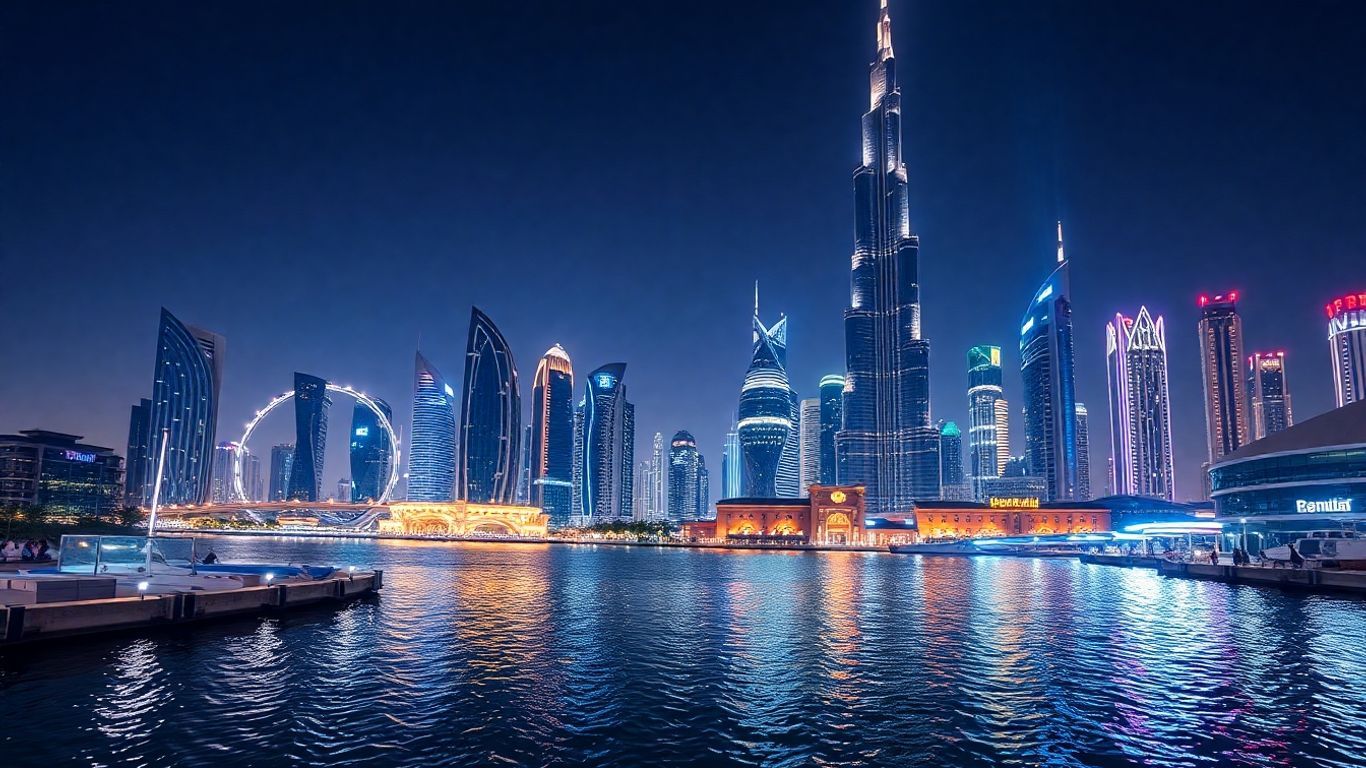
Dubai is demonstrably making a full-throttle commitment to transforming into a hyper-smart city, an ambition evident throughout its urban landscape. Central to this vision is their comprehensive 'Dubai 2021' plan, which prioritizes the digitalization of government services. Just consider this: nearly all public services are now accessible online, and managing tasks like residency permits is achievable via the convenient DubaiNow app. They even project significant cost savings by migrating to a paperless operational model.
Yet, this commitment extends far beyond mere convenience. Dubai is strategically deploying technology to address tangible, real-world issues. For example, AI-powered systems are actively monitoring bus drivers to mitigate accidents attributable to fatigue. They are also pioneering concepts such as autonomous police stations—facilities where citizens can manage fines or lodge reports without direct human interaction. Intriguingly, plans are even afoot for a floating version slated for a man-made island.
Dubai is actively investing in truly pioneering high-tech projects, encompassing everything from leveraging 3D printers for innovative construction techniques to the ambitious development of a hyperloop system—all of which vividly underscore a clear and futuristic vision for urban development and transportation.
Moreover, they are looking considerably into the future with groundbreaking projects such as employing 3D printers for building construction. Can you imagine entire structures materializing through printing? Then, of course, there’s the visionary hyperloop—a super-fast transit system poised to connect Dubai and Abu Dhabi. It’s an undertaking of immense scale, certainly, but it unequivocally demonstrates their profound commitment to pushing the very boundaries of urban possibility.
Here are some of the principal areas where Dubai is concentrating its strategic initiatives:
- Smart Governance: Digitalizing government services to ensure effortless access and greater efficiency.
- Sustainable Development: Employing green technologies to significantly reduce the city’s environmental footprint.
- Innovation and Technology: Fostering new concepts and pioneering research to drive continuous advancements.
- Future Infrastructure: Actively exploring novel construction methodologies and high-speed transportation solutions.
9. Helsinki
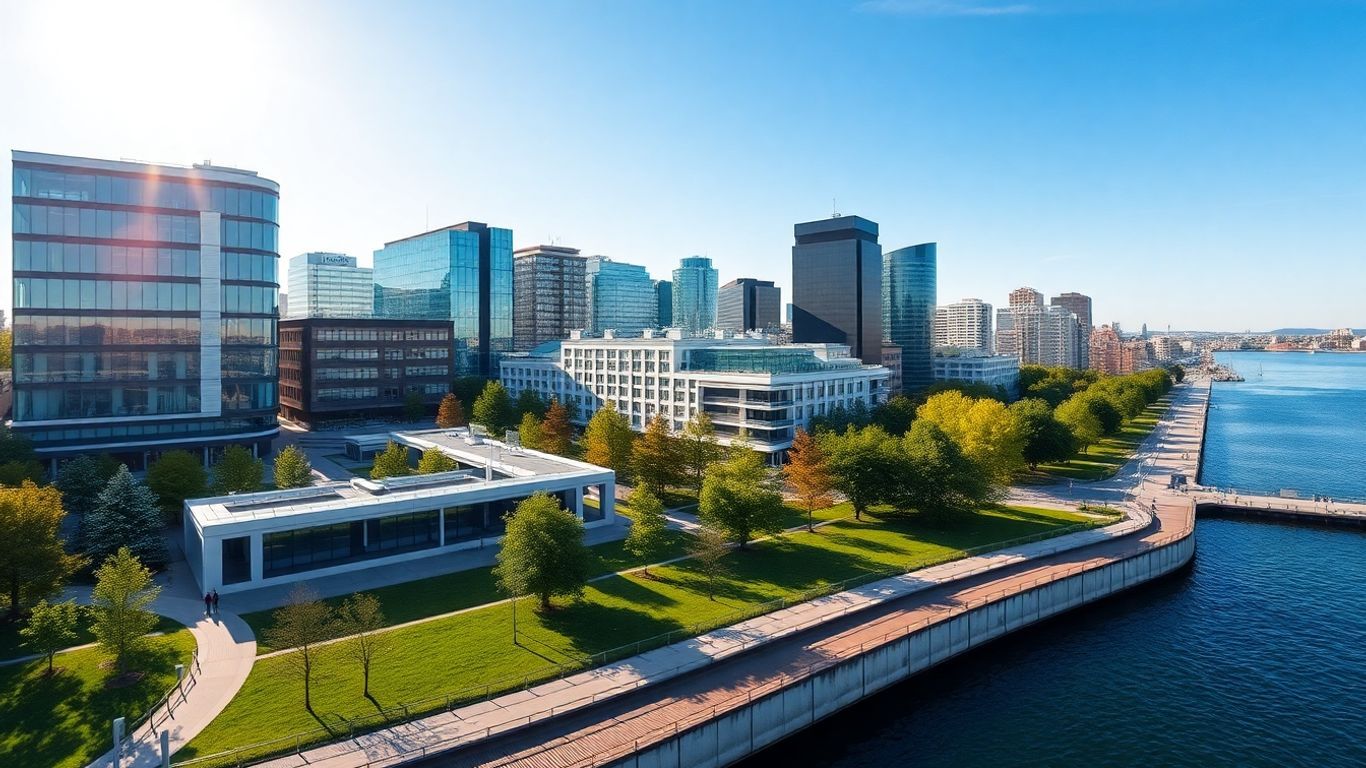
Helsinki steadfastly maintains its position as a preeminent smart city, an urban environment where technology and natural beauty appear to harmoniously intertwine. It’s a city that deeply committed to enhancing the quality of life for its residents through thoughtfully designed smart solutions. While its position might have shifted slightly in some recent rankings, Helsinki’s unwavering dedication to environmental sustainability—and ensuring universal digital access and service utilization—remains a profoundly significant endeavor.
What truly captivates about Helsinki is its ingenious application of technology to optimize urban functionality and cultivate a more desirable living environment. Their scrutiny is comprehensive, encompassing everything from efficient urban mobility to the seamless accessibility of online city services. One might even feel a sense of witnessing the urban future unfold in real-time within its borders.
Helsinki’s pioneering approach to open data and fostering robust citizen engagement is a pivotal factor in its sustained success. By transparently sharing critical data and actively involving residents in developmental processes, the city meticulously ensures that its smart city initiatives genuinely address the practical needs of its populace.
Here are some key domains where Helsinki truly distinguishes itself:
- Smart Mobility: They boast an impressive array of innovative transportation solutions, including electric buses, widespread bike-sharing programs, and real-time traffic management systems. These collectively contribute to notably smoother urban navigation.
- Digital Services: From convenient online doctor’s appointments to streamlined digital interactions with municipal government, Helsinki offers a comprehensive suite of online services. This significantly enhances convenience for residents seeking essential information and assistance.
- Sustainability: This city is profoundly earnest about reducing pollution and championing eco-friendly practices. Consider its advanced district heating systems and pioneering waste-to-energy initiatives—they are genuinely committed to becoming a verdant urban leader.
Helsinki’s overarching smart city strategy is fundamentally predicated on the principle of open information sharing. This transparency empowers both citizens and businesses to make more informed decisions. Its transportation network is, quite frankly, rather impressive, seamlessly integrating public transport, bicycle rentals, and electric vehicle options—all accessible via intuitive mobile applications. Crucially, the entire system is powered by renewable energy sources, which, surely, is a significant advantage.
10. Barcelona
Barcelona has long distinguished itself as a frontrunner in embracing smart city technologies, gaining a considerable advantage in seamlessly integrating them into its urban fabric. This strategic approach has proven instrumental in revitalizing its economy, particularly following the challenges encountered in the late 20th century. Notably, the city had the honor of hosting the inaugural Smart City Expo and World Congress in 2011, thereby articulating a clear and compelling vision for a sustainable, interconnected, and human-centric urban future.
What truly sets Barcelona apart is its pragmatic deployment of intelligent systems to address routine urban challenges. They have established comprehensive networks throughout the city to tackle critical issues such as air pollution, to manage waste with enhanced efficacy, and to optimize water resource utilization. Furthermore, their sophisticated smart parking and traffic management systems are specifically engineered to alleviate congestion and improve air quality—a palpable benefit for both residents and visitors.
Here are some of the key domains where Barcelona is making impressive smart strides:
- Environmental Monitoring: Utilizing a network of sensors to meticulously track air quality and noise levels in real-time.
- Efficient Resource Management: Implementing smart grids for energy and intelligent systems for optimized water distribution.
- Urban Mobility: Deploying intelligent traffic lights and innovative parking solutions to alleviate urban congestion.
- Citizen Engagement: Providing digital platforms for residents to report urban issues and conveniently access municipal services.
The city’s unwavering commitment to innovation is strikingly evident in its continuous endeavors to integrate technology that directly—and tangibly—benefits both its citizens and the environment. It is, indeed, an urban center where intelligent solutions are not merely about technology for technology’s sake, but rather about meticulously forging a more livable and sustainable future for all.
Barcelona steadfastly remains a significant and influential participant in the global smart city discourse, frequently serving as an exemplary model for other municipalities keen to implement similar progressive initiatives. It is, unequivocally, a city that wholeheartedly embraces the future of urban living, a commitment vividly reflected in its ongoing projects and its prominent role in international forums, such as its continued hosting of the Smart City Expo World Congress.
The Road Ahead for Urban Living
As we’ve explored, urban centers across the globe are proactively rising to the occasion, deploying technology and ingenious strategies to demonstrably enhance the quality of life for all their inhabitants. From streamlining daily commutes with optimized traffic systems to ensuring cleaner air and fostering safer neighborhoods, these pioneering cities are vividly illustrating the vast realm of what’s genuinely possible. It’s crucial to understand that this isn’t merely about deploying sophisticated gadgets; rather, it’s about thoughtfully utilizing powerful tools like data and Artificial Intelligence to resolve tangible, real-world problems and to cultivate vibrant communities where people genuinely aspire to reside. The journey towards ever-smarter cities is, without doubt, an ongoing and dynamic process, and it’s truly exciting to observe how continuous innovation will persist in shaping our urban futures—rendering them more connected, inherently sustainable, and ultimately, more livable for everyone.
Frequently Asked Questions
What exactly is a smart city?
A smart city, in essence, strategically employs technology and thoughtful urban planning to significantly improve the daily experience for its residents. Envision enhanced mobility options, purer air quality, and municipal services that operate with remarkable efficiency.
Why are smart cities so important today?
Smart cities play a crucial role in confronting pressing urban challenges, such as chronic traffic congestion, environmental pollution, and escalating waste management issues. Their fundamental objective is to render urban living more convenient, sustainable, and altogether more enjoyable for everyone.
Which city is known as the smartest in the world?
Zurich has consistently earned recognition as a leading smart city for several years running. This distinction largely stems from its profound emphasis on technological integration and its steadfast commitment to eco-friendly practices.
How do smart cities use technology in their daily operations?
They intelligently deploy an array of tools—including sensor networks, specialized applications, and advanced data analytics—to more effectively manage vital resources like energy and water, bolster public safety, and deliver invaluable services to their citizens.
Can you give some examples of smart city projects?
Certainly! Illustrative examples include dynamic traffic lights that adapt to reduce congestion, intuitive mobile applications that simplify public transport navigation, and advanced systems that continuously monitor air quality to safeguard public health.
What's the main goal for cities trying to become 'smarter'?
The paramount objective for cities aspiring to become 'smarter' is to elevate the quality of life for their residents. This translates into fostering urban environments that are more sustainable, better connected, and fundamentally superior places to inhabit, work, and recreate—with technology serving as a powerful enabler to achieve these aspirations.


