
resources
Exploring Amsterdam Smart City: Innovations and Future Prospects
26 Sept 2025

Amsterdam is steadily establishing itself as a leading smart city—a place that purposefully harnesses technology to enrich the lives of its inhabitants. Beyond merely deploying cutting-edge gadgets, this initiative focuses on enhancing operational fluidity, championing environmental sustainability, and fostering active citizen engagement. This commitment has spanned a considerable period, garnering recognition and awards while cultivating collaborations with a diverse array of stakeholders to discern optimal solutions. Indeed, it's fascinating to witness how the city is adeptly tackling complex urban challenges with ingenious, forward-thinking ideas.
Key Takeaways
- Amsterdam's smart city endeavors commenced around 2009, primarily focused on leveraging technology to elevate urban life and promote sustainability.
- The city has earned prestigious accolades, such as the European Capital of Innovation, for its progressive methodology.
- Collaboration stands as a cornerstone of its strategy, with the municipality working closely alongside private enterprises, academic institutions, and its residents.
- Projects encompass a broad spectrum, including optimizing traffic management, advancing cleaner energy solutions, and employing data for more effective urban governance.
- Amsterdam aims to scale up its successful initiatives to achieve more extensive objectives, such as significantly reducing carbon emissions and enhancing public services.
Amsterdam's Pioneering Smart City Journey
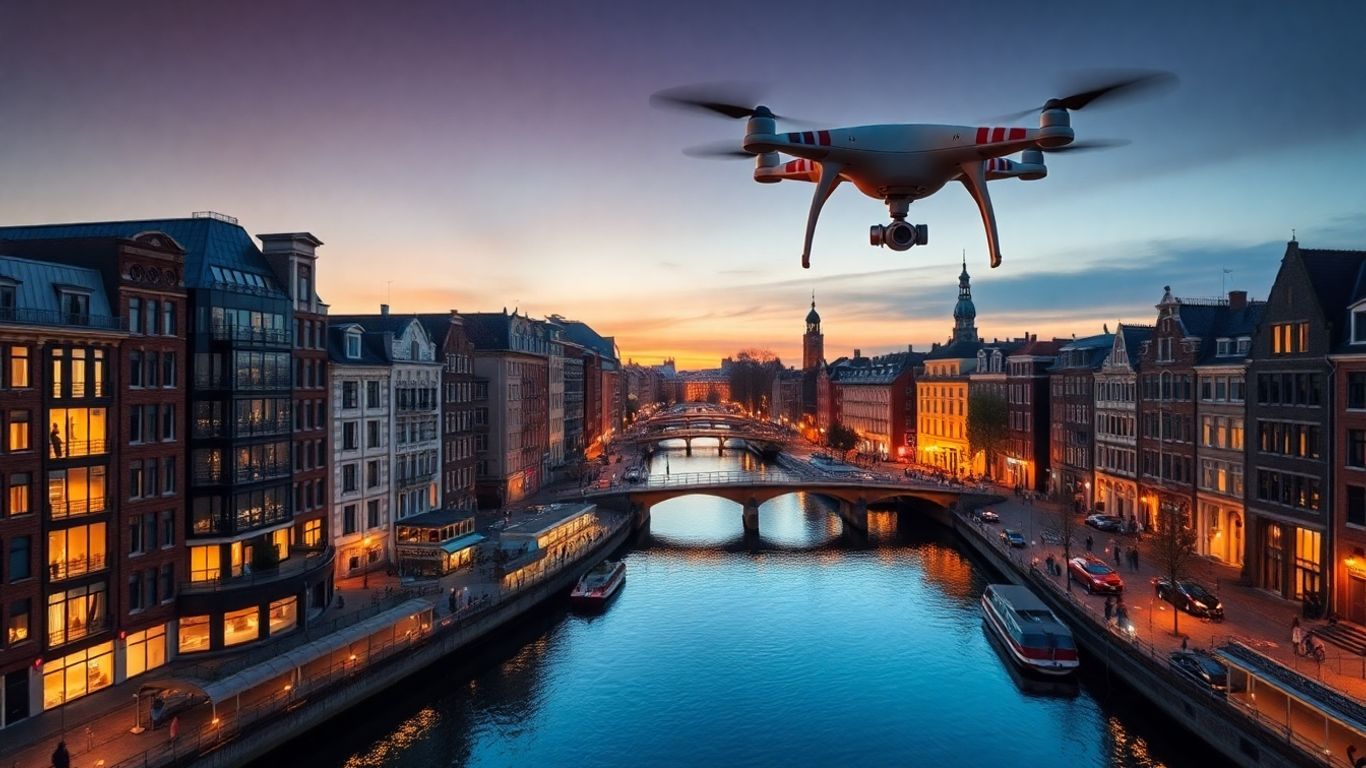
Amsterdam, a city globally cherished for its picturesque canals and vibrant cycling culture, has also remarkably emerged as a frontrunner in the worldwide smart city movement. This endeavor, it must be emphasized, transcends the mere incorporation of a handful of technological devices; rather, it represents a deliberate, long-term strategy to deploy information and communication technology to markedly enhance urban life for everyone. The city's journey into becoming a smart city commenced in earnest around 2009, underpinned by a distinct vision to innovate and improve both how people live and how businesses operate within its historic yet inherently forward-thinking boundaries.
Foundation and Early Initiatives
The groundwork for Amsterdam's smart city ambitions was meticulously prepared with the formal establishment of the Amsterdam Smart City (ASC) initiative in 2009. This collaborative effort constituted a synergistic partnership between the Amsterdam Innovation Motor (AIM), a pivotal network organization, and Liander, the local electricity grid operator, all with substantial endorsement from municipal authorities. At its heart, the initiative sought to cultivate a 'living laboratory' environment—an authentic urban setting where innovative concepts for sustainable urban development could be rigorously explored and tested. Early projects, often categorized under overarching themes like Working, Living, Mobility, and Public Space, primarily focused on making infrastructure greener and identifying practical methodologies to substantially curtail carbon emissions. Indeed, the ambition was considerable: to effect a substantial reduction in the city's overall carbon footprint and, perhaps even more notably, to render its own municipal operations entirely carbon neutral.
Recognition and European Innovation Award
Amsterdam's dedication to smart city innovation certainly did not escape recognition. In April 2016, the city was bestowed with the prestigious European Capital of Innovation prize by the European Commission. Far from being a mere commendation, it was accompanied by a substantial €950,000 grant, specifically earmarked to facilitate the scaling of the innovative projects already underway and to further cement Amsterdam's standing as a distinguished leader in urban technology. This esteemed award underscored the city's notable success in seamlessly integrating technology to address pressing urban challenges and, consequently, to elevate the quality of life for its cherished residents.
Collaborative Framework: Public and Private Sector
Central to Amsterdam's sustained success is its robust collaborative framework, which skillfully unites a diverse array of stakeholders. The ASC initiative, in particular, flourishes through partnerships encompassing government bodies, private companies, academic institutions, and the city's residents. Indeed, this public-private synergy proves absolutely vital. For instance, the city has collaborated with private navigation software providers, leveraging real-time GPS data to meticulously refine its traffic management systems. This kind of dynamic collaboration allows Amsterdam to transcend conventional, often outdated, models and adeptly adapt to the evolving realities of urban mobility—such as the significant increase in scooters compared to cars in recent years. What does this mean for the daily commuter? Smoother journeys, even amidst changing traffic patterns.
The city's comprehensive approach is built on the fundamental understanding that no single entity possesses all the answers. By actively involving various sectors, Amsterdam can tap into a wider pool of collective knowledge, diverse resources, and genuinely innovative ideas, thereby making its smart city initiatives far more robust and ultimately, more effective.
Here's a look at the impressive growth of the ASC network:
- 2009: Foundation of Amsterdam Smart City (ASC) is laid.
- 2011: The network expanded significantly, coming to include 70 companies, among them major players like IBM, Accenture, and Cisco.
- Ongoing: Continuous addition of new partners, such as KPN, to scale up successful projects and explore novel avenues for innovation.
Key Innovation Categories in Amsterdam
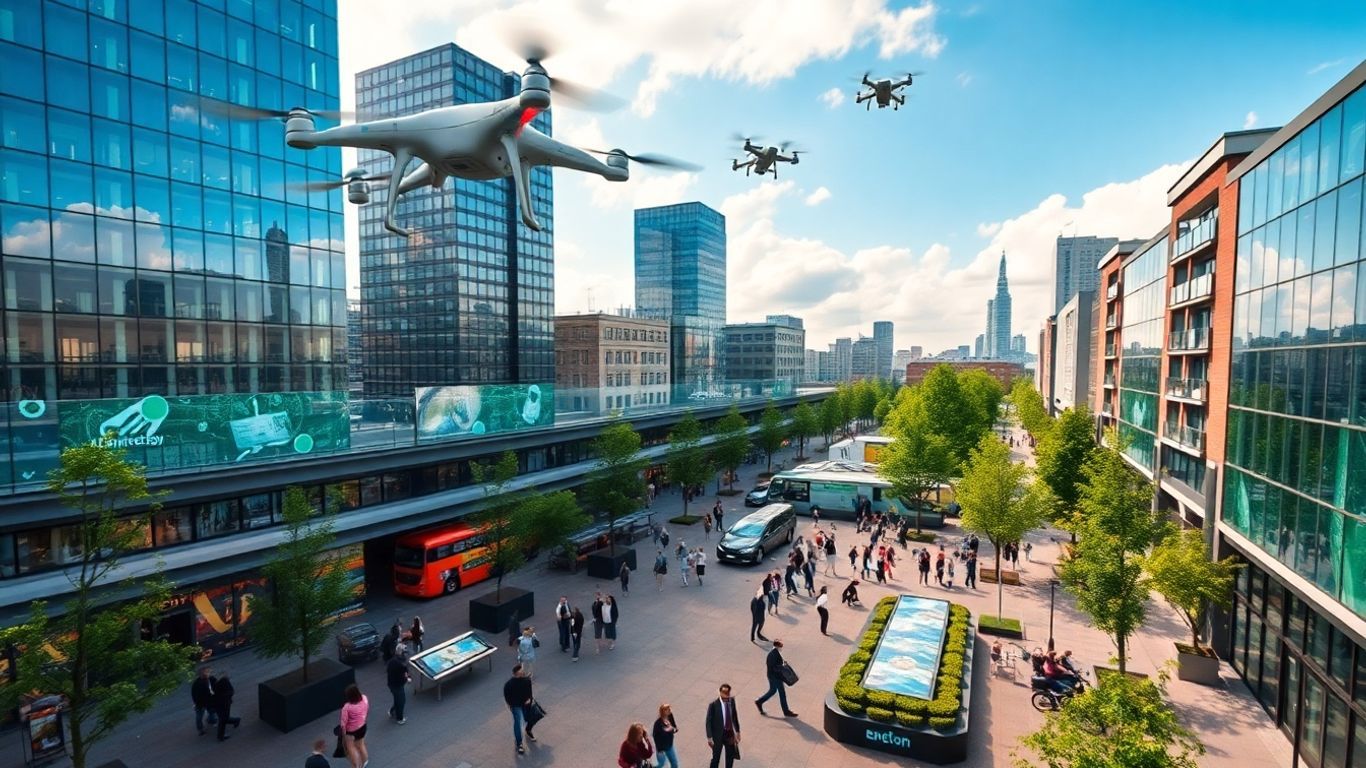
While Amsterdam is, of course, globally cherished for its picturesque canals and vibrant cycling culture, it is simultaneously a city resolutely shaping its future through pioneering smart innovation. The city has structured its smart city endeavors into several pivotal categories, each focused on rendering urban life more efficient, sustainable, and seamlessly connected. These categories are by no means isolated silos; rather, they frequently intersect and reinforce one another, fostering a dynamic, synergistic ecosystem of progress.
Smart Mobility and Traffic Management
Getting around Amsterdam is already quite efficient for many, largely owing to its celebrated bike-friendly infrastructure. Yet the city is proactively advancing this ease of movement by integrating sophisticated technology to optimize traffic flow and, crucially, mitigate congestion. This sophisticated approach involves leveraging real-time data—such as GPS information from popular navigation applications—to intelligently manage traffic signals and reroute vehicles when necessary. Ultimately, the objective is to ensure smoother commutes for all, whether they're traversing the city in a car, on a bike, or utilizing public transport. Indeed, urban planners have observed significant shifts in vehicle types, noting fewer cars and a greater prevalence of scooters on the roads compared to a decade ago; wisely, smart systems are continually adapting to this evolving reality.
Sustainable Living and Energy Solutions
Perhaps one of the most prominent focuses for Amsterdam is sustainable living. The city is deeply committed to substantially reducing its carbon footprint and cementing its role as a vanguard in green energy initiatives. Projects within this domain concentrate on enhancing buildings' energy efficiency, vigorously promoting renewable energy sources, and even exploring strategies to render the city's municipal operations entirely carbon neutral. Consider, for instance, the implementation of smart grids designed to manage energy distribution with heightened efficacy, alongside compelling initiatives to electrify various modes of transportation—even extending to its iconic canal boats. Truly, it's a holistic approach.
Smart Economy and Urban Development
Moving beyond purely environmental sustainability, Amsterdam is also keenly exploring how technology can effectively stimulate economic growth and enhance urban planning paradigms. This includes leveraging data to discern intricate economic trends, bolster local enterprises, and guide the intelligent development of burgeoning urban areas. Ultimately, the ambition centers on cultivating a city that is not only highly livable but also economically robust, vibrantly dynamic, and inherently adaptable to unforeseen future transformations. It’s about building resilience for tomorrow, today.
Big Data and Open Data Integration
Fundamentally, at the core of a significant number of smart city initiatives lies the judicious, intelligent application of data. Amsterdam is a steadfast proponent of both advanced big data analytics and the principles of open data. This commitment translates into the methodical collection of extensive information from diverse origins—sensors, public service interactions, and even private companies—subsequently making this wealth of data readily accessible to researchers, developers, and, indeed, its citizens. This open approach allows for the creation of new applications and services that can address urban challenges in innovative ways. Through such comprehensive data sharing, the city actively fosters collaboration and champions transparency, culminating in more informed decision-making processes and significantly enhanced citizen engagement.
Technological Advancements and Infrastructure
Amsterdam's smart city efforts are underpinned by a robust foundation of continuous technological upgrades and strategic infrastructure development. This commitment, one might observe, transcends the mere deployment of novel applications; rather, it entails a fundamental transformation of the very systems that govern urban operations. One could, perhaps, envision this as an extensive upgrade to the city's intricate nervous system, enabling it to process and act upon information with considerably greater speed and efficiency.
Smart Grids and Energy Efficiency
A paramount area of concentration revolves around the sophisticated management and distribution of energy. To that end, Amsterdam is making substantial investments in the development of smart grids. These are far from conventional power lines; instead, they represent advanced digital networks capable of managing electricity flow with significantly enhanced efficacy. What does this mean for residents? It translates directly to reduced energy waste and a more stable, reliable supply, particularly crucial as an increasing number of renewable energy sources are integrated into the network. Ultimately, the ambition is to render energy consumption more intelligent and proactive, thereby substantially diminishing our collective environmental footprint.
- These grids facilitate better management of electricity derived from renewable sources like solar and wind power.
- They enable real-time monitoring of energy consumption, which is critical for identifying and mitigating waste.
- The result is improved reliability and significantly reduced downtime for power supply across the city.
The city is actively working to integrate new energy sources and manage demand more intelligently, aiming for significant energy savings and a more sustainable future for all its inhabitants.
Electrification of Transportation
Urban mobility, too, is undergoing a significant technological transformation. Amsterdam is actively championing the comprehensive electrification of its myriad transport systems. This ambitious endeavor encompasses not only the proliferation of electric vehicles but also the diligent exploration of electric alternatives for public transport and, notably, for its iconic canal boats. The fundamental premise here is to drastically reduce vehicular emissions, consequently contributing to cleaner air and a noticeably quieter urban soundscape. Undeniably, this represents a substantial paradigm shift, one that the city is resolutely supporting through the strategic deployment of charging infrastructure and compelling incentives.
Digital Transformation of Urban Services
Extending beyond energy and transportation, a multitude of urban services are currently undergoing significant digitalization. This transformation translates into rendering processes such as permit applications, public information dissemination, and even waste management considerably more efficient through the strategic application of technology. The municipality is keenly investigating how data analytics can facilitate the streamlining of operational workflows and markedly enhance the overall experience for its residents. This digital transformation is key to making city services more responsive and accessible. Ultimately, it's about harnessing technology to subtly, yet profoundly, improve the fabric of everyday life in Amsterdam for all its stakeholders. Indeed, the city has long been a trailblazer in this domain, notably receiving the prestigious Europe's Capital of Innovation award in 2016, a testament to its forward-thinking methodology.
Community Engagement and Living Labs
Amsterdam's smart city initiatives transcend mere technological implementation; rather, they are profoundly rooted in the active involvement of the people who live and work in the city. This participatory methodology ensures that the innovations developed genuinely address residents' needs and prove eminently practical within the context of daily urban life. In essence, it represents a strategic pathway to construct a city that functions more effectively, and equitably, for all.
Citizen Participation in Innovation
From the outset, fostering citizen involvement constitutes a foundational element of Amsterdam's approach to its smart city projects. Rather than simply deploying novel technologies, the municipality proactively solicits input and encourages direct participation from its citizenry. This can manifest in several key ways:
- Idea Generation: Dedicated platforms are established where individuals can put forth innovative ideas for making the city smarter and more sustainable.
- Feedback Loops: When new technologies or services undergo testing, residents are frequently invited to pilot them and provide invaluable feedback.
- Co-Creation Workshops: Collaborative events are regularly convened, bringing together citizens, city officials, and technology companies to brainstorm and jointly develop robust solutions.
This collaborative spirit is key to ensuring that smart city solutions are not only innovative but also truly beneficial and well-integrated into the community.
Testing Ground for Sustainable Solutions
Amsterdam strategically leverages various urban districts as 'living labs'—dynamic, real-world environments where nascent ideas can be rigorously tested and meticulously refined. Such labs afford the opportunity for extensive experimentation without necessitating widespread disruption across the entire urban landscape. For example, specific neighborhoods might be thoughtfully chosen to pilot new energy-saving technologies or advanced smart traffic management systems. This pragmatic, hands-on methodology proves invaluable in discerning which solutions demonstrate optimal efficacy in practical application.
A particularly notable dimension of this experimentation is the pronounced focus on energy. Projects have thoroughly investigated, for instance:
- Smart Grids and Meters: Testing how these technologies can make electricity use more efficient and allow for better monitoring of consumption.
- Building Energy Efficiency: Implementing sophisticated systems to control and reduce energy use in public buildings, offices, and even municipal swimming pools.
- Renewable Energy: Piloting initiatives like collective solar panel installations and exploring new, innovative ways to integrate renewable energy sources into historic urban buildings.
Open Dialogue and Suggestion Platforms
To maintain transparent and consistently open lines of communication, Amsterdam has meticulously established a diverse array of platforms dedicated to fostering ongoing dialogue. These interactive platforms actively encourage residents to articulate their perspectives, voice concerns, and offer constructive suggestions pertaining to the city's burgeoning smart initiatives. Indeed, the underlying philosophy is to cultivate a continuous, evolving conversation, moving beyond the limitations of singular, isolated consultations. Such an inclusive, open approach significantly empowers the city to adeptly adapt and perpetually refine its smart city strategy, informed by tangible real-world experiences and invaluable community feedback. For example, initiatives such as Amsterdam InChange function as crucial connectors, adeptly uniting disparate stakeholders to collectively address urban challenges through collaborative projects and an ethos of 'learning by doing.' This commitment to listening is what truly sets it apart.
The city views its residents not just as passive users of technology, but as active, indispensable partners in shaping a smarter, more sustainable urban future. This profound partnership is what truly drives the innovation forward.
Impact and Scalability of Smart City Projects
Amsterdam's deliberate progression toward becoming a smart city has demonstrably yielded tangible, measurable results, unequivocally proving that innovative concepts can indeed translate into significant, real-world urban enhancements. The municipality has, moreover, proactively striven to meticulously measure the efficacy of its initiatives, placing a particular emphasis on discerning how successful pilot projects can be expanded to benefit a greater number of citizens and contribute meaningfully to broader urban objectives. This resolute emphasis on both discernible impact and robust scalability is, without question, paramount to ensuring the enduring success and sustainable evolution of the smart city concept.
Achieving Energy Savings and Climate Goals
The inaugural phase of Amsterdam's smart city projects established rather ambitious targets for reducing carbon emissions and substantially improving energy efficiency. Subsequent early evaluations consistently revealed promising outcomes, with numerous projects demonstrating noteworthy contributions to substantial energy savings. For instance, a review conducted in 2011 indicated that the implemented projects collectively achieved an average of about 13% in energy savings. This achievement, it's worth noting, extended beyond mere statistical figures; it signified a tangible, concrete stride toward Amsterdam's overarching climate objectives, including the ambitious goal of reducing carbon emissions by a formidable 40% by 2025. Critically, the city recognized that these individual successes necessitated a well-defined pathway for wider adoption if they were truly to effect a transformative difference.
Scaling Successful Pilot Projects
Among the pivotal lessons gleaned from Amsterdam's extensive smart city endeavors is the undeniable importance of judiciously identifying and strategically scaling up successful methodologies. While it's acknowledged that not every pilot project is suitable, or indeed feasible, for city-wide deployment, those initiatives that unequivocally demonstrate effectiveness and efficiency are meticulously provided with a clear pathway to broader implementation. This process necessitates a careful, multi-faceted analysis of the pilot's performance, its inherent cost-effectiveness, and its demonstrable potential for seamless integration into existing urban systems. The municipality, in effect, endeavors to function as an 'accelerator' for its climate and energy programs, facilitating the widespread availability of proven smart solutions for large-scale application. Such a strategic approach serves to significantly maximize the return on investment for innovative ventures and, concurrently, to expedite the city's transition toward a more sustainable urban environment. Moreover, Amsterdam has consistently built upon this foundation by actively seeking out new partners and projects, all with the explicit aim of scaling up its most promising initiatives.
Data-Driven City Management Insights
Beyond tangible project outcomes, Amsterdam's smart city endeavors have additionally furnished invaluable insights into the profound ways data can both inform and significantly enhance urban management. By seamlessly integrating data from a diverse array of sources—including, notably, inputs from private sector partners such as navigation software providers—the city is empowered to cultivate a far more accurate, real-time comprehension of its intricate urban dynamics. Consider, for instance, how the intelligent utilization of GPS data has facilitated more effective traffic flow management, a particularly crucial advancement as the city's transportation landscape has demonstrably shifted, observing fewer cars and a notable increase in scooters. This data-centric methodology directly assists city managers in making more rigorously informed decisions, adapting policies with greater agility, and developing more comprehensively integrated services. Indeed, it underscores the pivotal role that both collaborative partnerships and the judicious application of information play in contemporary urban governance—a fundamental aspect, in fact, of the strategic development processes for numerous large European cities.
The true measure of a smart city's success lies not just in the technology it adopts, but in its profound ability to translate those technological advancements into measurable improvements for its residents and its environment. This vital process requires a continuous cycle of rigorous testing, thorough evaluation, and strategic, thoughtful scaling.
Here's a look at some of the key areas where impact and scalability are being assessed:
- Energy Efficiency: Quantifying the energy saved in municipal buildings and public services.
- Mobility Improvements: Measuring tangible reductions in traffic congestion and vehicular emissions.
- Citizen Engagement: Tracking participation rates in newly introduced smart initiatives.
- Economic Impact: Assessing the creation of new jobs and business opportunities linked to smart city projects.
- Environmental Footprint: Monitoring overall reductions in the city's collective impact on the climate.
Future Prospects and Ongoing Development
Resting on its laurels is simply not Amsterdam's style, especially when it comes to its distinguished role as a pioneering smart city. The intensive work, therefore, persists unabated, propelled by a distinct focus on future developments and a commitment to ensuring the city's continuous advancement. The overarching goal is to meticulously build on past successes and proactively tackle emerging challenges with sophisticated smart solutions.
Expanding Smart City Initiatives
The municipality is perpetually seeking avenues to expand and enrich its smart city programs. This entails not merely sustaining successful existing initiatives, but also diligently exploring novel domains where technological intervention can yield significant impact. Consider, for example, the burgeoning potential of artificial intelligence (AI) and machine learning to optimize urban service management, or how innovative digital tools could further refine sophisticated urban planning methodologies. The possibilities, one might say, are continually expanding.
Addressing Urban Challenges with Technology
Like many major global metropolises, Amsterdam confronts its share of urban challenges: managing traffic congestion, addressing housing demands, and ensuring equitable access to clean energy, to name a few. In this context, the smart city approach emerges as a crucial paradigm for devising effective solutions. For instance, numerous projects are actively underway to render transportation systems both more efficient and environmentally sustainable, notably through the electrification of additional vehicles, extending even to the iconic canal boats. Concurrently, there's a significant impetus behind the integration of renewable energy sources to power the urban landscape, moving toward a greener future.
International Collaboration and Best Practices
Amsterdam, for its part, fully recognizes that it is not embarking on this transformative journey in isolation. Indeed, the municipality actively engages with peer cities across the globe, fostering robust collaborations to facilitate mutual idea exchange and shared learning experiences. Such synergistic collaboration proves instrumental in introducing fresh perspectives and, crucially, in ensuring that Amsterdam consistently employs the most efficacious methodologies available. Ultimately, it centers on discerning successful strategies implemented elsewhere and adeptly adapting them to align with Amsterdam's distinct requirements and specific urban fabric—a true testament to global citizenship.
Here's a look at some key areas of ongoing focus:
- Energy Transition: Continued investment in smart grids and localized renewable energy sources. The ambitious aim is to have a significant portion of the city's energy supply originate from local, green options.
- Sustainable Transport: Driving the adoption of more electric vehicles and exploring novel approaches to manage traffic flow, thereby reducing both congestion and atmospheric pollution.
- Open Data and Citizen Input: Persistent efforts to make city data more readily available and to continually encourage residents to share their invaluable ideas for urban improvement through accessible digital platforms.
The city's comprehensive approach involves not just the implementation of new technologies but also the cultivation of a pervasive culture where innovation is actively encouraged and, vitally, where citizens are integral partners in the entire process. This fundamentally makes the smart city concept more about empowering people and less about simply deploying isolated gadgets.
Looking Ahead: Amsterdam's Smart City Journey Continues
Amsterdam's diligent work as a smart city powerfully illustrates that enhancing urban life through technology is far from a mere futuristic concept; rather, it is a tangible reality unfolding in the present. Through the strategic convergence of diverse stakeholders—including municipal authorities, private enterprises, and, crucially, its residents—Amsterdam is consistently identifying practical, actionable solutions to significant urban challenges. From deftly managing traffic flow with real-time data to pioneering innovative methods for powering homes and urban transport, the city operates in a perpetual cycle of experimentation, evaluation, and learning. While the endeavor of pioneering new approaches inevitably presents its challenges, Amsterdam's steadfast commitment to innovation and its ingrained culture of collaboration strongly indicate a highly promising trajectory for cultivating more livable, and indeed more sustainable, urban environments for all. This is, unquestionably, a journey that is far from concluded, with ample opportunities yet to be explored and built upon.
Frequently Asked Questions
What exactly is a 'smart city' like Amsterdam?
Essentially, a 'smart city' envisions an urban environment that strategically employs technology—from advanced computing to ubiquitous internet connectivity—to demonstrably enhance the quality of life for all its inhabitants. Amsterdam, in its pursuit, leverages intelligent concepts to refine urban mobility, optimize energy consumption, and foster a cleaner, more accessible living environment. One might liken it to providing the entire urban infrastructure with a sophisticated technological upgrade, specifically aimed at resolving pressing everyday challenges.
Why is Amsterdam considered a 'smart city' leader?
Amsterdam has demonstrated remarkable prowess in pioneering and testing innovative ideas to advance its urban intelligence, even earning prestigious awards for its efforts. The city's focus extends to optimizing traffic flow, embracing cleaner energy solutions, and, crucially, engaging its citizens in the co-creation of novel solutions. Furthermore, its proactive collaborations with private companies and academic researchers are pivotal to its success in generating these groundbreaking ideas.
How does Amsterdam use technology to help the environment?
Amsterdam is keenly focused on curbing pollution and enhancing energy conservation. The city is actively working to make its buildings more energy-efficient, increase its reliance on renewable energy sources such as solar and wind power, and vigorously promote the adoption of electric vehicles. Moreover, it is implementing projects to evolve its electricity grid into a 'smart' network, ensuring energy is utilized with greater prudence and efficiency.
What are 'living labs' in Amsterdam?
'Living labs' in Amsterdam function as dynamic, real-world testing grounds. The city ingeniously utilizes specific urban spaces to pilot new smart city concepts with actual residents and within authentic neighborhoods. This practical approach enables a thorough assessment of whether new ideas perform effectively before they are scaled for wider implementation across the city.
How do regular people help make Amsterdam a smart city?
Amsterdam profoundly believes that its citizens are integral to its smart city evolution. The municipality has established various channels that empower residents to share their insights, ideas, and suggestions. Occasionally, citizens are even invited to actively participate in testing new technologies and services within their own communities. This collaborative spirit ensures a participatory approach to building a better city.
What are the future plans for Amsterdam's smart city efforts?
Amsterdam intends to continually build upon its smart city achievements, rather than resting on its laurels. The city aims to explore even more sophisticated applications of technology to address major urban challenges, such as managing sustainable growth and maintaining its environmental stewardship. Additionally, a key component of its future strategy involves sharing its learnings and best practices with other global cities, fostering a collective advancement in urban intelligence.


