
resources
Discovering Ohio Cities: A Comprehensive Guide for 2026
10 Jan 2026

Ohio, a state renowned for its varied landscapes, also boasts a rich tapestry of towns and cities. Each possesses a distinct character and demographic profile. From formidable metropolises like Columbus and Cleveland to smaller, quieter locales, there's an abundance to explore. This comprehensive guide delves into Ohio's cities—their unique characteristics, population dynamics, and integral roles within the state's fabric. Curious about what makes an Ohio city special? We'll explore the definition of municipalities, highlight the primary urban centers, and examine their populations alongside their governmental structures.
Key Takeaways
- Ohio truly boasts a diverse mix of locales, ranging from expansive urban centers to charming small towns, each contributing uniquely to the state's overall identity.
- Major metropolises such as Columbus, Cleveland, and Cincinnati stand as pivotal hubs for commerce, culture, and employment opportunities.
- For statistical purposes, the state is thoughtfully segmented into various regions, encompassing prominent urban areas and their smaller, surrounding counterparts.
- Population figures and demographic shifts exhibit considerable variation across Ohio's cities; while some are experiencing steady growth, others maintain stable populations.
- Grasping the intricacies of local governance — distinguishing between cities and villages, for instance — is crucial for comprehending how these diverse communities function.
Understanding Ohio Cities: An Overview
Ohio is a dynamic state, encompassing everything from its bustling metropolises to its quaint, smaller towns. Indeed, it's far from monolithic; rather, it presents a vibrant tapestry of communities. This guide is here to help you comprehend the unique mechanisms that drive Ohio's cities, their distinctive characteristics, and their interwoven roles within the state. Our journey begins by examining the fundamental definition of a city within Ohio and exploring the general attributes that set them apart.
Defining Municipalities in Ohio
In Ohio, the term 'municipality' encompasses distinct categories of local government. Notably, we distinguish between cities—typically larger entities offering a broader array of services—and villages, which are generally smaller in scale. Each operates under specific, state-mandated regulations. Grasping this fundamental distinction is paramount, as it directly influences their governance, the scope of services provided, and their developmental trajectories. Crucially, the differentiation extends beyond mere population size to the very core of their legal framework.
Key Characteristics of Ohio Municipalities
What makes an Ohio city, well, an Ohio city? Indeed, a confluence of factors contributes to their unique identity. Many are historically rooted, frequently boasting downtown districts that retain considerable charm and heritage. While their industrial composition varies—some heavily reliant on manufacturing, others on services, and an increasing number embracing technology—a diverse economic base is often prevalent. Furthermore, you'll consistently observe a local governmental structure typically comprising a mayor and a city council. Ultimately, the distinct neighborhoods and thoughtful layouts within these cities fundamentally shape their individual character.
Here are a few common traits:
- Established Infrastructure: Having often developed over considerable time, these municipalities typically feature mature road systems, reliable utilities, and comprehensive public services.
- Local Governance: Each possesses its own cohort of elected officials, entrusted with the prudent management of municipal affairs.
- Community Identity: A palpable sense of local pride and identity frequently blossoms, intricately linked to their rich history, community events, or distinctive attributes.
Ohio's municipalities are more than mere aggregates of structures and inhabitants; they are dynamic entities, imbued with rich histories, vibrant economies, and distinctive social fabrics, all of which profoundly contribute to the state's overarching character.
Population Trends Across Ohio Cities
When you look at population numbers, Ohio cities reveal a remarkable diversity. While prominent centers such as Columbus have experienced consistent growth, drawing in new residents year after year, others—especially those in historical industrial zones—may contend with more modest growth or even population decreases. However, this demographic narrative is rarely straightforward. Indeed, it's not uncommon for a smaller city, perhaps nestled near a major metropolis, to flourish as individuals seek out more attainable housing or a varied lifestyle, all while maintaining proximity to employment opportunities. Ultimately, it's a dynamic tableau, continually reshaped by economic transformations and the evolving preferences of where people choose to establish roots.
Major Metropolitan Hubs of Ohio
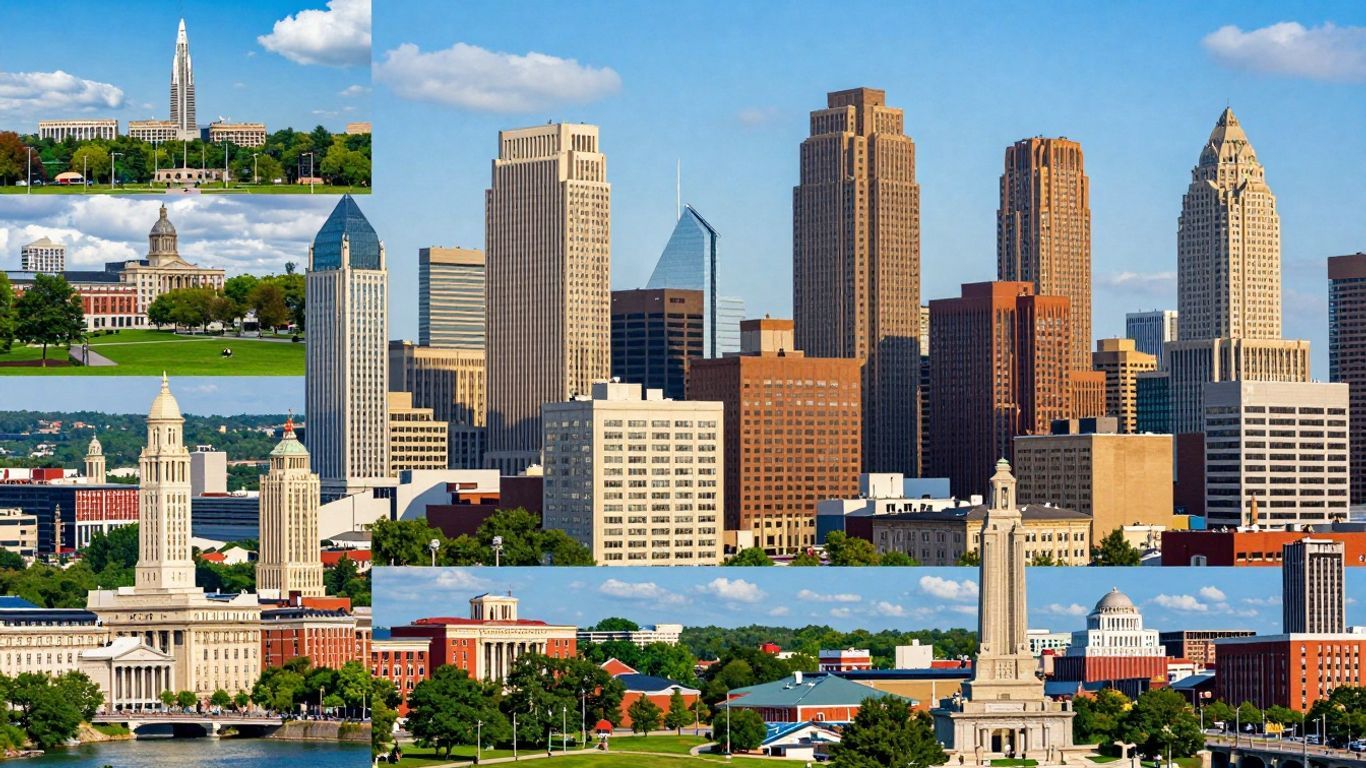
Ohio proudly hosts several expansive urban centers that serve as pivotal catalysts for business, culture, and population density. These major metropolitan areas are, in essence, the veritable engines propelling much of the state's economy and fundamentally shaping its unique identity. To truly appreciate their impact, let's delve deeper into three of the most significant.
Cities Anchoring Metropolitan Areas
These three cities together constitute Ohio's preeminent urban centers, each endowed with a distinct character and unique economic strengths that collectively—and profoundly—enrich the state's overarching landscape. Indeed, they are often the very first places that spring to mind when one visualizes Ohio's urban fabric.
- Key Industries: Finance, Insurance, Technology, Healthcare, Education, Retail
Major Employers: Nationwide Insurance, L Brands, Cardinal Health, Ohio State University, JPMorgan Chase, Wendy's
Cultural Highlights: COSI (Center of Science and Industry), Columbus Museum of Art, Franklin Park Conservatory - Key Industries: Healthcare, Finance, Manufacturing, Arts & Culture, Education
Major Employers: Cleveland Clinic, University Hospitals, Progressive Insurance, Sherwin-Williams, Case Western Reserve University
Cultural Highlights: Rock & Roll Hall of Fame, Cleveland Museum of Art, Playhouse Square - Key Industries: Finance, Consumer Goods, Technology, Healthcare, Arts & Culture
Major Employers: Procter & Gamble, Kroger, Fifth Third Bank, GE Aviation, University of Cincinnati
Cultural Highlights: Cincinnati Museum Center, National Underground Railroad Freedom Center, Cincinnati Zoo & Botanical Garden
Metropolitan and Micropolitan Statistical Areas
Ohio is meticulously delineated into several distinct metropolitan and micropolitan statistical areas. These are distinct geographic regions, formally designated by the U.S. Office of Management and Budget, whose boundaries are primarily predicated on population density and well-established economic interconnections. Their utility is immense, offering invaluable insights into how diverse urban centers and their adjacent counties operate cohesively as singular, interconnected economic units. Think of them, perhaps, as dynamic clusters of activity.
Here's a look at some of the major ones:
- Cleveland-Elyria-Mentor MSA: With Cleveland at its core, this metropolitan area is recognized as a principal economic and cultural nucleus for Northeast Ohio.
- Cincinnati-Middletown-Wilmington MSA: Encompassing parts of Ohio, Kentucky, and Indiana, this expansive region forms a crucial economic zone strategically positioned along the historic Ohio River.
- Columbus-Marion-Chillicothe Combined Statistical Area: This vast area not only incorporates the capital city but also stretches into neighboring regions, vividly demonstrating Columbus's far-reaching influence as Ohio's capital.
- Toledo-Findlay MSA: Positioned in Northwest Ohio, this area reaps substantial benefits from its advantageous proximity to Lake Erie and the Michigan border.
These meticulously defined classifications afford us a clearer perspective on how both economic activity and daily life frequently transcend traditional city limits, fostering crucial connections between smaller towns, suburbs, and the broader urban core.
Economic Significance of Urban Centers
These metropolitan areas undoubtedly serve as the primary engines fueling a substantial portion of Ohio's economic output. They consistently draw substantial investment, generate numerous employment opportunities across diverse sectors, and function as vital hubs for innovation and commerce. The sheer concentration of businesses, esteemed educational institutions, and a highly skilled workforce within these centers fosters a dynamic exchange of both ideas and essential resources. Their economic influence extends far beyond their immediate borders, impacting regional and even national economies. Moreover, the presence of robust transportation networks significantly amplifies their importance, seamlessly facilitating the movement of goods and people—thereby solidifying Ohio's standing as a strategically crucial location for industry and trade.
The Role of Smaller Cities in Ohio's Fabric
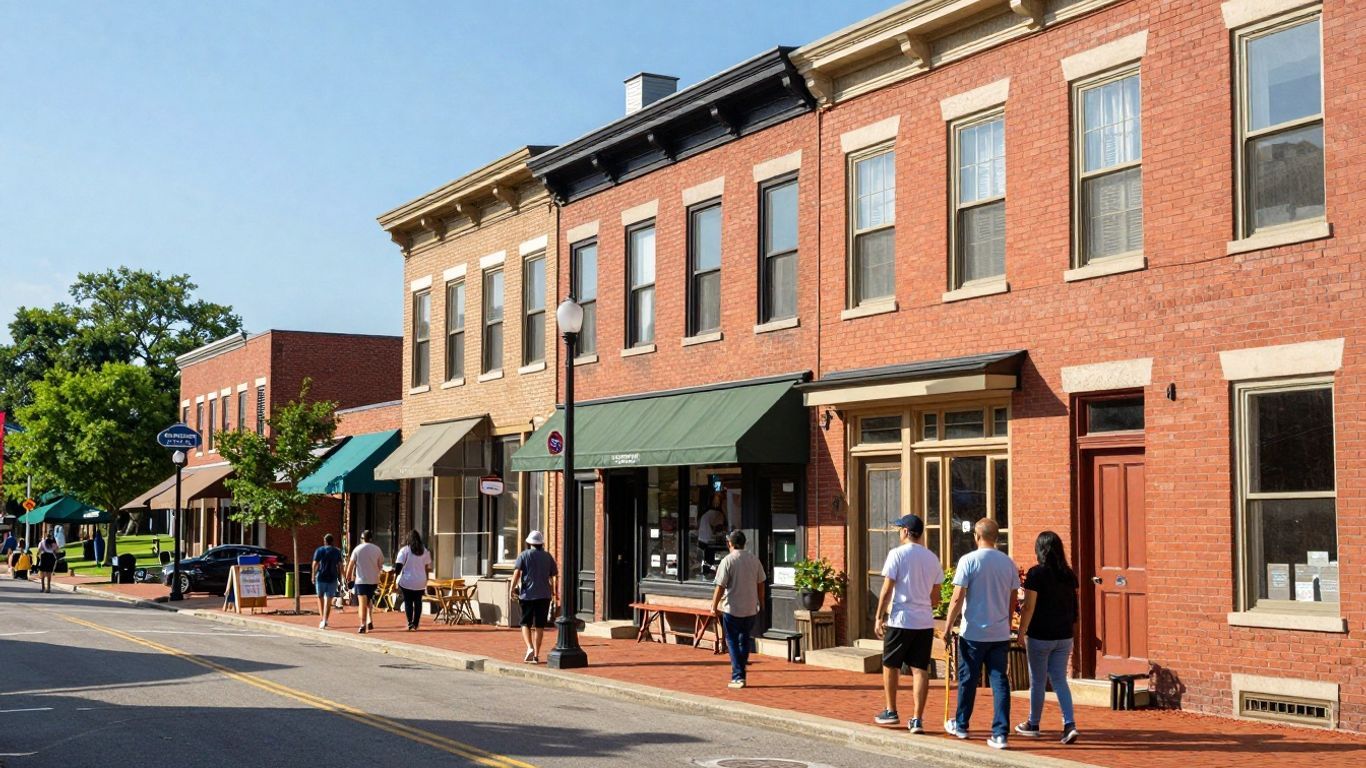
One might easily become engrossed in discussions about Ohio's major cities—those boasting impressive skylines and bustling downtown districts. Yet, it's truly the smaller cities and towns that imbue Ohio with its distinctive character. Indeed, they function much like the intricate threads holding a diverse quilt together, each contributing its unique hue and texture.
Community Atmosphere in Smaller Locales
In these more intimate communities, life unfolds at a notably different cadence. A profound sense of connection often permeates these locales. Residents frequently share a familiarity with their neighbors, fostering a collective pride in cherished local traditions and spirited community events. Consider, for instance, the annual town festival, the vibrant energy of a high school football game on a crisp Friday night, or the welcoming local diner where conversations flow freely over coffee. These are not merely residential areas; rather, they are places where individuals establish deep roots and cultivate lives together. It's an intrinsic sense of belonging that larger metropolises don't always offer.
Economic Contributions of Towns
It would be an oversight to underestimate the significant contributions these smaller locales make to the state's economy. While they may not house sprawling corporate headquarters, these communities frequently foster specialized industries or assume pivotal roles in agricultural production. Indeed, certain towns may be renowned for a specific type of manufacturing, while others thrive as tourism hubs, benefiting from a nearby natural wonder or a historically significant site. Ultimately, they generate employment, sustain local enterprises, and bolster the comprehensive economic vitality of their respective regions.
Here's a look at how some smaller cities contribute:
- Agricultural Centers: Numerous towns across western and southern Ohio are enveloped by fertile farmlands, positioning them as crucial points for the processing and distribution of agricultural goods.
- Manufacturing Pockets: Specific smaller cities have meticulously carved out unique niches within the manufacturing sector, often specializing in areas like precision machinery, custom furniture, or even artisanal products.
- Tourism Destinations: Communities situated in proximity to state parks, significant historical landmarks, or distinctive natural features frequently flourish due to tourism, generating revenue and bolstering local service industries.
Preserving Local Character and History
Among the most compelling aspects of Ohio's smaller cities is their unwavering dedication to safeguarding their distinctive history and character. Visitors will discover impeccably preserved historic downtowns, engaging local museums, and proactive community groups tirelessly striving to perpetuate the narratives of their towns. This profound commitment to heritage is precisely what renders each locale so distinct and inherently special.
These communities frequently serve as living museums, beautifully showcasing the architectural styles and compelling historical narratives that have profoundly shaped Ohio. Their sustained existence and remarkable vitality stand as a powerful testament to the enduring allure of close-knit community life and a cherished connection to the past.
Navigating Ohio's Urban Landscape
Transportation Networks Connecting Ohio Cities
Navigating Ohio and exploring its diverse urban centers is, by and large, a remarkably straightforward endeavor. The state boasts an exceptionally robust road infrastructure, featuring major interstates such as I-70, I-71, and I-75 that efficiently traverse its expanse. These vital highways function as the principal arteries, seamlessly connecting all major population centers. However, transportation isn't solely confined to vehicular travel. Indeed, a burgeoning network of recreational trails—such as the Ohio to Erie Trail—provides excellent opportunities for cycling and walking, linking significant cities like Cincinnati, Columbus, and Cleveland. For those seeking longer-distance travel, Amtrak conveniently provides passenger train services connecting key cities including Cleveland, Toledo, and Cincinnati.
Ohio's distinctive geography, characterized by Lake Erie to the north and the Ohio River to the south, has profoundly influenced both the developmental trajectories of its cities and the patterns of inter-city travel. Historically, these natural endowments have consistently facilitated trade and mobility, unequivocally contributing to the growth and prosperity of its urban centers.
Geographic Distribution of Population Centers
Upon reviewing a demographic map of Ohio, one immediately discerns that its population is far from uniformly distributed. Instead, the densest concentrations of residents reside within the major metropolitan areas, particularly those encompassing Cleveland, Columbus, and Cincinnati. These urban centers unequivocally act as the principal magnets for their surrounding regions. Throughout the state, smaller cities and towns are interspersed, frequently serving specialized local economies or preserving significant historical legacies. This distribution clearly illustrates the profound interplay of factors such as industrial heritage, agricultural traditions, and the emergence of contemporary urban employment opportunities. You can easily see this pattern by looking at a map showing population by county.
Here's a general idea of where most people live:
- Major Metropolitan Areas: These represent the preeminent urban hubs, characterized by the highest population densities, exemplified by cities such as Cleveland, Columbus, and Cincinnati.
- Mid-Sized Cities: Possessing substantial populations, these cities nonetheless remain smaller than the principal metropolises, frequently functioning as vital regional centers.
- Smaller Cities and Towns: Distributed across the state, these communities typically maintain populations under 50,000, yet they play indispensable roles in their local economies and community life.
Interstate Connectivity and Accessibility
Ohio's strategic location within the Midwest confers a significant advantage. Its remarkably central position means that approximately half of North America's populace, along with a substantial portion of its manufacturing capacity, lies within a single day's drive. Such accessibility represents an enormous boon for businesses and for the efficient transit of goods. Indeed, the state consistently ranks highly nationwide for its comprehensive highway system, thereby facilitating seamless travel from one point to another, be it for professional engagements or leisurely pursuits. This inherent accessibility not only strengthens connections among its diverse urban centers but also firmly establishes Ohio as a pivotal player in the broader realms of logistics and transportation.
Ohio's robust transportation infrastructure, encompassing its expansive highway network and burgeoning trail systems, positions it as an exceptionally accessible and thoroughly interconnected state. Such profound connectivity proves indispensable for both vigorous economic activity and the seamless daily lives of its residents.
Demographic Insights into Ohio Cities
Age Distribution and Future Composition
Upon examining the age composition of Ohio's cities, several notable patterns emerge. Approximately 23.7% of residents within these urban locales are under the age of 18—a considerably significant proportion that indicates a youthful demographic in numerous communities. Conversely, roughly 14.1% are aged 65 or older. This data suggests that while a substantial youth segment exists, a robust senior population also forms an integral part of these communities.
An analysis of birth data, particularly concerning the race and ethnicity of new mothers, provides invaluable clues regarding the potential future shifts in population composition. Indeed, it offers a fascinating glimpse into the evolving demographic tapestry of Ohio's communities. These trends are important for planning services and understanding community needs.
Gender Proportions in Ohio Populations
A common demographic pattern observed globally, and one that Ohio mirrors, is the tendency for women to constitute a marginally larger proportion of the overall population. Specifically, on average, approximately 51.2% of residents identify as female. While not a substantial disparity, this represents a consistent trend discernible across the demographic profiles of most Ohio cities.
Understanding Minority Group Representation
Diversity stands as a cornerstone of Ohio's urban centers, a fact vividly mirrored in its growing minority populations. Recent estimations indicate that roughly 27.6% of infants under the age of one are members of various minority groups. This particular statistic is quite revealing, as it clearly signals the evolving ethnic and racial composition of the state's burgeoning younger generation.
The demographic shifts unfolding across Ohio's cities transcend mere statistical figures; rather, they embody the evolving faces and diverse experiences that intrinsically shape community life. A nuanced understanding of these patterns, therefore, enhances our appreciation for the rich and intricate tapestry of individuals who proudly call Ohio home.
Here's a quick look at some general demographic points:
- Age Groups: A substantial proportion of the populace falls under the age of 18, complemented by a notable segment within the 65+ age bracket.
- Gender Balance: Women generally comprise a marginally larger percentage of the overall population.
- Youth Diversity: A significant percentage of infants and toddlers are identified as belonging to minority groups, thereby foreshadowing future demographic trajectories.
Exploring Ohio's Diverse Cities
The Unique Story of Each Ohio City
Ohio's cities form a truly captivating mosaic, each contributing its own compelling narrative and playing a distinct, integral role in the state's overarching identity. The true essence isn't merely found in population figures; rather, it lies in the unique contributions each city brings to the fore. Indeed, from the prominent hubs that command national attention to the smaller towns steadfastly preserving local traditions, there's an expansive, rich tapestry awaiting discovery. Consider, for a moment, that Columbus, Cleveland, and Cincinnati stand as the undisputed major players—the urban centers that invariably spring to mind first. They function as economic powerhouses, vibrant cultural centers, and powerful magnets for both employment and educational pursuits. Yet, alongside them are cities such as Toledo, Dayton, or Akron, each significant in its own unique right, frequently boasting deep industrial heritage and distinctive cultural landscapes. And, of course, one must never overlook the multitude of smaller communities, each possessed of its own singular charm and authentic local flavor.
Mid-Sized Centers and Their Influence
Beyond Ohio's sprawling metropolitan behemoths, the landscape is punctuated by numerous mid-sized cities, each fulfilling a genuinely vital role. These urban centers, frequently housing populations ranging from 50,000 to several hundred thousand, function as crucial regional anchors. They may be renowned for specialized industries—perhaps manufacturing in certain locales, or education in others—contributing uniquely to the state's economic mosaic. Crucially, these cities often strike an appealing balance, providing a wealth of amenities and robust job prospects without the sheer, sometimes overwhelming, scale of the largest metropolises. They are locales where community bonds can be exceptionally strong, and where an authentic local character frequently radiates with palpable clarity.
- Regional Economic Hubs: A multitude of mid-sized cities operate as pivotal economic catalysts for their adjacent counties.
- Educational Institutions: They often host colleges and universities, acting as magnets for both students and faculty.
- Cultural Attractions: Frequently, they proudly showcase unique museums, esteemed theaters, and lively local festivals.
- Quality of Life: They commonly afford a more relaxed and accommodating pace of life when contrasted with their larger urban counterparts.
The Collective Character of Ohio Communities
Viewing Ohio's cities collectively reveals a state that is a rich amalgamation of industrial heritage, deep agricultural roots, and dynamic modern growth. The geographic distribution of these communities, often interconnected by extensive highway networks and occasionally by rail, eloquently narrates a compelling story of incremental development over the centuries. Notably, northern cities frequently exhibit strong ties to Lake Erie and manufacturing, whereas southern cities often reflect the profound influence of the Ohio River and diverse economic foundations. Remarkably, even within the confines of a single city, individual neighborhoods can exude the palpable atmosphere of distinct, self-contained communities. This variety is what makes Ohio so interesting to explore.
A comprehensive understanding of Ohio's cities—ranging from its bustling metropolises to its quaint, smaller towns—is instrumental in forging a clearer, more nuanced portrait of the state in its entirety. Indeed, it is precisely this vibrant confluence of urban dynamism and inherent local charm that unequivocally defines the Buckeye State.
Your Ohio Adventure Awaits
Well, we've certainly embarked on an illuminating journey across Ohio, exploring a range of locales from its formidable metropolises like Columbus and Cleveland to the more intimate towns that impart the state its singular character. It's quite compelling, isn't it, to observe the distinctiveness of each—each with its own demographic profile and unfolding narrative? We've gained insight into the evolutionary shifts over time and the intricate assembly of these diverse communities. Whether your interests lie in relocation, travel planning, or simply a deeper curiosity about Ohio's residential patterns, we sincerely hope this guide has provided a comprehensive and engaging foundation. Of course, an abundance more awaits discovery and exploration within Ohio, and these cities, in particular, represent merely the fascinating genesis of that broader journey.
Frequently Asked Questions
What officially makes a place a city in Ohio?
In Ohio, a locality officially attains city status upon reaching a population of 5,000 residents or more. Conversely, if its population remains below this threshold, it is typically designated as a village. These classifications are meticulously determined by official U.S. Census figures.
How many cities and villages are there in Ohio?
Ohio truly boasts an extensive network of municipalities! Presently, the state officially recognizes over 900 governmental entities. Of these, approximately 250 are formally classified as cities, with the remainder designated as villages.
Which are the three largest cities in Ohio?
The three largest cities in Ohio are Columbus—also serving as the state's capital—followed by Cleveland and Cincinnati. These urban giants stand as principal centers for commerce, culture, and dense population concentrations.
What's the main difference between a city and a village government?
Both cities and villages represent forms of local governance within Ohio. Given their larger scale, cities typically offer a broader spectrum of services, often including their own dedicated police and fire departments. Furthermore, cities generally exercise greater autonomy in establishing their own regulations, a principle known as 'home rule'.
How does Ohio's population growth compare to the rest of the country?
While Ohio's population has indeed expanded over time, its growth rate in recent years has generally lagged behind the national average. It certainly remains a highly populated state, though it isn't among the nation's most rapidly expanding.
What are 'Metropolitan Statistical Areas' in Ohio?
'Metropolitan Statistical Areas' (MSAs) in Ohio delineate extensive regions centered around major cities. They encompass the principal city itself, along with adjacent towns and counties where residents primarily reside and work. Ohio currently features 13 such areas, with Columbus, Cleveland, and Cincinnati anchoring the largest and most influential among them.


