
resources
Discovering the Unique Charm of Suburban Areas in England: A Comprehensive Guide
26 Jan 2026

Fancy a change from the unrelenting city bustle? England's suburban areas truly offer a distinct pace of life, often blessed with more expansive green spaces and a palpable sense of community. It's certainly not all about the big cities; sometimes, the most idyllic places to live are merely a pleasant train ride away. This comprehensive guide will explore what makes these locales so appealing—from charming local shops to effortless commutes—and highlight some exceptional examples.
Key Takeaways
- Suburban areas in England offer a mix of peaceful living and good connections to city centers.
- Many suburbs boast ample green spaces, parks, and recreational activities.
- Shopping, dining, and local markets are central to the suburban lifestyle.
- Public transport and road networks are generally well-developed, making commuting feasible.
- Specific suburban districts like Redbridge, Richmond, Sutton, Hammersmith, Barnet, Bexley, and Bromley provide unique characteristics and amenities.
Understanding Suburban Life in England
Defining Suburban Areas in England
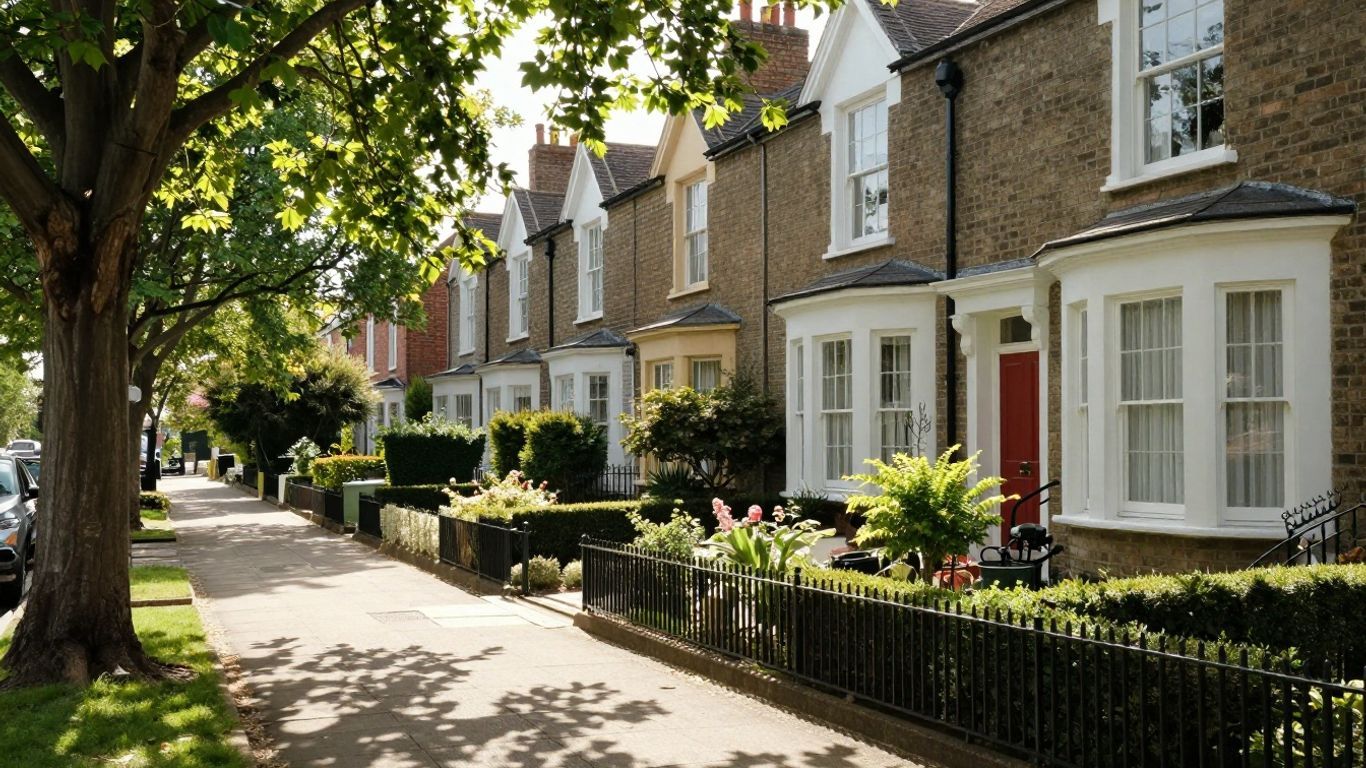
English suburbs, broadly speaking, are the areas found on the fringes of larger urban centres. They occupy that fascinating middle ground—neither the ceaseless activity of the city heart nor the tranquil isolation of the deep countryside. These places often feature a varied housing stock, ranging from smaller dwellings to larger family residences, and tend to be notably quieter than the city core. Their development has been organic over time, frequently spurred by individuals and families moving out of congested cities in pursuit of more space and a different rhythm of life. It’s a bit of a spectrum, wouldn’t you agree? Some suburbs feel remarkably connected to the city, while others cultivate a more distinct, almost village-like identity.
The Appeal of Suburban Living
So, why exactly do so many people opt for life in the suburbs? Firstly, the promise of more space is a significant motivator. You might gain a larger garden, a dedicated driveway, or simply a bit more room to breathe compared to the confined nature of city living. This factor proves to be a substantial draw for families, yet it also appeals greatly to anyone who values a measure of peace and quiet after a demanding day. Furthermore, suburbs frequently foster a strong sense of community. Here, you’ll likely get to know your neighbours and local shopkeepers, and there are typically numerous local events and activities to enjoy. It’s that invaluable feeling of belonging that many individuals earnestly seek.
Many suburbs offer a blend of accessibility and tranquility, providing a lifestyle that balances the convenience of city proximity with the benefits of a more relaxed environment.
Key Characteristics of English Suburbs
While each suburb possesses its own distinct personality, several core characteristics are broadly shared across English suburban landscapes. You'll often discover a generous number of green spaces—think verdant parks and playing fields—which are ideal for both recreation and simply appreciating nature. Schools are usually a primary focus, with many suburbs proudly boasting well-regarded educational institutions. Transport links, too, hold significant importance; though these areas may not be *in* the city itself, they are generally well-connected by train or bus, rendering commutes remarkably manageable. Beyond that, you'll encounter a diverse array of shops, from familiar high street chains to charming independent stores, alongside a decent selection of eateries and watering holes.
Here's a quick look at what you might find:
- Housing: A mix of semi-detached, detached, and terraced houses, often with gardens.
- Greenery: Numerous parks, gardens, and sometimes nature reserves.
- Amenities: Local shops, supermarkets, pubs, restaurants, and community centres.
- Transport: Good train and bus services connecting to nearby cities.
- Schools: A range of primary and secondary schools, often a key factor for families.
Exploring London's Diverse Suburban Offerings
Green Spaces and Parks Within Reach
London's suburbs are often a breath of fresh air, quite literally. Many boast expansive green spaces that offer a welcome escape from the unrelenting urban hustle. Consider Richmond Upon Thames, for instance, home to the magnificent Richmond Park—the largest of London's Royal Parks. It's an extraordinary place where deer roam freely, and you could easily spend an entire day exploring its vastness. Similarly, Redbridge is renowned for its dedication to green areas, with over 40% of its residents enjoying access to award-winning parks. These aren't merely patches of grass; they frequently serve as vibrant community hubs, perfect for tranquil weekend strolls, lively family picnics, or simply a quiet moment spent with nature.
- Richmond Park: A vast expanse with diverse wildlife.
- Kew Gardens: A UNESCO World Heritage Site, famous for its botanical collections.
- Danson Park (Bexley): Offers beautiful landscapes and recreational activities.
- Nonsuch Park (Sutton): Ideal for walks and family gatherings.
These green lungs are a defining feature, providing residents with a connection to nature that's often hard to find in more central city locations. They contribute significantly to the quality of life, making these areas attractive for those seeking a healthier, more relaxed lifestyle.
Cultural Diversity in Suburban Neighbourhoods
Far from being homogenous, London's suburbs have evolved into vibrant cultural melting pots, beautifully reflecting the city's globally diverse population. Redbridge, for example, stands as one of the most ethnically diverse boroughs, with substantial populations from India, Pakistan, and Sri Lanka. This rich diversity is wonderfully expressed in the local shops, restaurants, and community events, collectively weaving a rich cultural tapestry. Residents and visitors can discover authentic cuisine from across the globe, attend unique festivals, and experience a harmonious blend of traditions that render these areas so dynamic. It’s this very mix that truly imbues London’s suburbs with their unique character.
Family-Friendly Suburban Havens
For families considering where to settle, numerous London suburbs emerge as truly exceptional choices. They consistently provide a safer, quieter environment alongside a strong sense of community. Sutton is very frequently cited as a prime example, offering not only excellent schools but also an abundance of parks for children to enjoy. The pace of life here tends to be notably slower, which often makes it easier to strike that crucial balance between work and family commitments. Many of these areas also feature a good selection of family-oriented activities, from local sports clubs to engaging museums and libraries. The compelling combination of good schools, readily accessible amenities, and a more relaxed atmosphere makes them incredibly appealing for parents.
Commuter-Friendly Suburban Locations
Perhaps one of the most significant advantages of London's suburban areas is their outstanding connectivity. Despite being situated beyond the immediate city centre, many offer surprisingly quick commutes into the capital. Redbridge, for instance, benefits immensely from the Central Line, whisking residents into the city in approximately 20 minutes. Barnet, meanwhile, is conveniently located on the Northern Line, ensuring swift access to central London. This balance is absolutely key: you get to enjoy the peace and spaciousness of suburban living without sacrificing easy access to the capital's myriad job opportunities and cultural attractions. It's truly about finding that sweet spot between a tranquil home life and the exhilarating buzz of the city.
Amenities and Lifestyle in Suburban Areas
Shopping and Local Markets
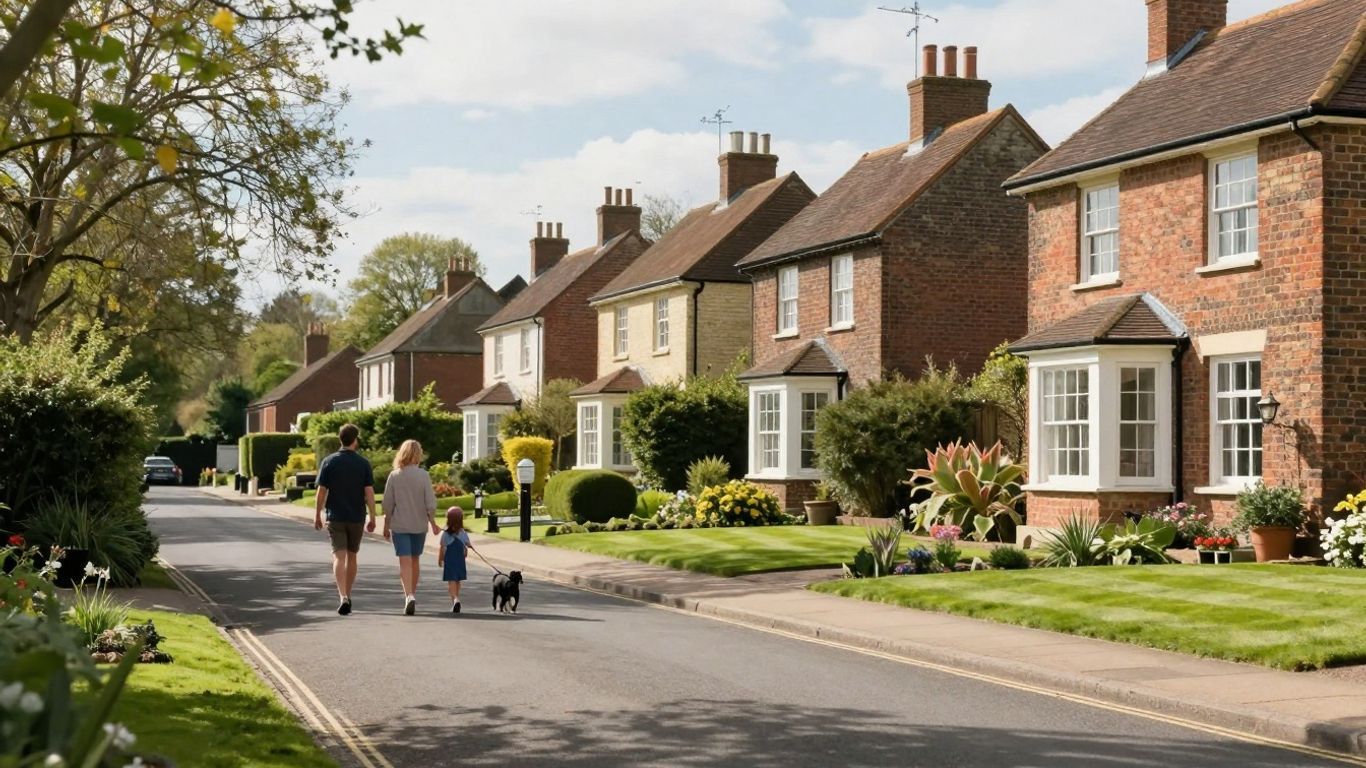
English suburban areas present a delightful blend of shopping opportunities, a refreshing departure from the intense retail environment of central city zones. You'll certainly encounter familiar high street brands, but also an increasing number of independent shops and vibrant local markets that infuse each area with its own unique character. Consider places like Bexleyheath Shopping Centre for your everyday essentials, contrasted with charming streets in areas like Richmond where boutique shops and artisan stalls frequently appear. Many suburbs host weekly or monthly markets, selling everything from farm-fresh produce to beautifully handmade crafts. These local markets are often the very heart of the community, serving as wonderful places to connect with neighbours and discover truly unique items.
Dining and Culinary Delights
For those who appreciate good food, English suburbs, perhaps surprisingly, offer an impressively diverse culinary landscape. While you'll undoubtedly find traditional pubs serving classic British fare—and a hearty pint—there's also a wide array of international cuisines to explore. From authentic Italian trattorias and aromatic Indian restaurants to charming cafes providing delicious brunch and freshly baked goods, there's truly something to satisfy every taste and budget. Some areas, like the aforementioned Richmond, even boast Michelin-starred restaurants for those truly special occasions. It’s not solely about the food, though; it’s just as much about the atmosphere—cozy pubs, bustling bistros, and quiet cafes, all perfect for a relaxed meal or a pleasant catch-up with friends.
Educational Institutions and Healthcare
A primary motivation for families embracing suburban life often revolves around the quality of local amenities, especially—and perhaps most critically—schools and healthcare facilities. Many suburban districts are rightly celebrated for their highly-rated primary and secondary schools, frequently possessing strong reputations that attract families from considerably further afield. You'll typically find a good range of options, from state schools to well-regarded independent institutions. Similarly, access to healthcare is generally robust, with local GP practices and dental clinics readily available. Larger hospitals are usually situated within a reasonable distance, often conveniently accessible via public transport or a short drive, providing significant peace of mind for all residents.
The availability of good schools and accessible healthcare facilities significantly influences the desirability of a suburban area, making it a key consideration for long-term family planning and overall well-being.
Navigating Transportation and Connectivity
Navigating England's suburbs, particularly those nestled close to major urban centres like London, is, thankfully, remarkably straightforward. You'll find a well-integrated mix of public transport options and road networks, all designed to keep you seamlessly connected.
Public Transport Links to Central London
Indeed, a great number of suburban areas proudly feature excellent rail connections, transporting residents directly into the very heart of the capital. The London Underground, or 'the Tube' as it's universally known, is an absolute lifesaver for countless commuters. Different lines serve various suburban districts, making it entirely feasible to reach central hubs like the vibrant West End or the historic City of London in under an hour. For instance, areas such as Barnet are conveniently located on the Northern Line, while others might be served by the Piccadilly or District lines. Beyond the Tube, National Rail services are also impressively extensive, offering faster journeys from further-out suburbs to major London terminals like Waterloo, Victoria, or Liverpool Street.
- Northern Line: Serves areas like High Barnet, offering direct access to central London.
- Piccadilly Line: Connects areas like Hounslow directly to Heathrow Airport and central London.
- National Rail: Provides express services from many outer boroughs to key London stations.
- London Overground: Offers orbital and radial routes, often linking suburban hubs to each other and to the Underground network.
The efficiency of these public transport systems is a major draw for suburban living, allowing residents to enjoy a quieter lifestyle without sacrificing access to urban opportunities.
Road Networks and Commuting Options
While public transport frequently stands as the preferred—and often most efficient—method for city commutes, rest assured that road networks, too, are commendably well-developed. Major arterial roads and motorways intelligently connect suburban areas to each other and to the wider country. For those who do prefer driving, a solid understanding of typical rush hour patterns is, of course, absolutely key. Many suburbs cleverly offer park-and-ride facilities near train stations, providing a convenient way to combine driving with public transport for a smoother journey.
Driving into central London during peak hours can be quite challenging due to heavy traffic and congestion charges, which often makes public transport a more practical and indeed popular choice for daily commutes.
Exploring Local Transport
When it comes to getting around *within* the suburbs themselves, local bus services are typically abundant, seamlessly linking neighbourhoods, local shops, and essential amenities. Cycling is also experiencing a surge in popularity, with many areas actively investing in dedicated cycle lanes. For shorter trips, walking often presents a wonderfully pleasant option, especially in the more village-like suburban centres.
- Local Buses: Frequent services connect residential areas with local high streets and transport hubs.
- Cycling: Growing infrastructure in many suburbs makes cycling a viable option for shorter journeys.
- Walking: Many suburban centers are compact and pedestrian-friendly, ideal for local errands.
The Unique Charm of Specific Suburban Districts
Redbridge: Green Spaces and Diversity
Nestled in northeast London, Redbridge presents an enticing blend of expansive green areas and a truly vibrant, multicultural community. It's a place where one can effortlessly escape the city's frantic pace without actually having to leave the urban sprawl. The borough proudly boasts over 200 parks and green spaces, including the magnificent Epping Forest—a vast natural expanse that provides endless opportunities for walking, cycling, and simply immersing oneself in nature. This sheer abundance of natural beauty is a significant draw for families and anyone yearning for a more relaxed pace of life.
Beyond its natural allure, Redbridge is rightfully celebrated for its rich diversity. This is beautifully reflected in its local businesses, diverse restaurants, and bustling community events, collectively fostering a dynamic and remarkably welcoming atmosphere. You'll discover a wide array of international cuisines here, from authentic South Asian dishes to delectable European delights, all mirroring the varied backgrounds of its residents. This intricate cultural tapestry undeniably makes Redbridge a fascinating place to explore and, indeed, to call home.
- Key Attractions:
- Epping Forest: Miles of ancient woodland for outdoor activities.
- Redbridge Museum: Showcasing local history and the borough's diverse heritage.
- Valentines Park: A large, beautiful park with a boating lake and sports facilities.
Richmond Upon Thames: Elegance and History
Journeying southwest from central London, one discovers Richmond upon Thames—an area undeniably synonymous with elegance, rich history, and exquisite riverside living. It’s a district that genuinely feels a world away from the urban sprawl, yet it remains remarkably well-connected to the capital. The iconic Richmond Park, London's largest Royal Park, is a true gem, home to herds of majestic deer and offering breathtaking, sweeping landscapes.
The town centre itself is a charming amalgamation of boutique shops, time-honoured traditional pubs, and sophisticated fine dining establishments, all set against a backdrop of grand Georgian architecture. The meandering River Thames further enhances the area's allure, with its picturesque towpaths perfect for leisurely strolls or relaxing boat trips. Richmond's profound historical significance is clearly evident in its many listed buildings and its close proximity to the magnificent Hampton Court Palace.
Richmond upon Thames strikes a delicate balance between a tranquil, almost village-like atmosphere and the conveniences expected of a London borough. Its leafy streets and historic charm are undeniable.
Sutton: Tranquility and Accessibility
Located in South London, Sutton is frequently lauded for its serene environment and exceptional transport links, positioning it as a highly popular choice for both commuters and families. It offers a distinctly more laid-back suburban experience, characterised by impeccably maintained residential streets, excellent local schools, and a diverse range of community amenities. Wondering about outdoor options? Nearby parks like Nonsuch Park offer ample green space for recreation.
The town centre itself provides a robust selection of shopping and dining options, catering to most needs. However, Sutton's true strength lies in its accessibility; frequent train services connect residents directly to central London in under 30 minutes, effectively providing the best of both worlds—a quiet, pleasant place to live with effortless access to the capital's myriad opportunities.
- Commuting Times to Central London (approximate):
- London Victoria: 25-30 minutes
- London Waterloo: 30-35 minutes
- London Bridge: 40-45 minutes
Hammersmith: A Blend of Convenience and Charm
In West London, gracefully positioned along the River Thames, Hammersmith offers a truly dynamic urban village ambience. It's a district that brilliantly combines a lively commercial centre with appealing residential areas and truly beautiful riverside walks. The area is particularly known for its outstanding transport hub, making it an incredibly convenient base for exploring the entirety of the city.
Hammersmith's riverside stretch is particularly appealing, presenting scenic views and a delightful array of waterside pubs and restaurants. The presence of major theatres, such as the iconic Apollo and the Eventim Apollo, injects a palpable cultural vibrancy into the area. Despite its undeniable urban energy, Hammersmith also features quieter, more tranquil residential pockets with attractive Victorian and Edwardian housing, appealing to a diverse range of residents seeking both robust convenience and a genuinely pleasant living environment.
Beyond London: Discovering Other Suburban Gems
Barnet: Suburban Charm and Regeneration
Barnet, found in North London, provides a delightful suburban atmosphere, further enhanced by the considerable ongoing regeneration efforts taking place. This area boasts excellent connectivity, with the Northern Line offering a straightforward commute into central London directly from High Barnet station. The Brent Cross Cricklewood regeneration project, in particular, represents a significant development, poised to introduce new opportunities and amenities to the area, making it a fascinating place to keep an eye on.
Bexley: Balance of Peace and City Access
For individuals and families desiring a harmonious blend of peaceful living and convenient city access, Bexley truly stands out as a strong contender. This borough proudly boasts lovely green spaces, like the expansive Danson Park, which is absolutely perfect for outdoor activities. Shopping, too, is a significant draw, with the Bexleyheath Shopping Centre offering popular brands, while smaller streets provide unique, independent finds. Reaching central London is surprisingly simple, thanks to well-placed train stations in Bexleyheath and Bexley, complemented by robust bus routes and efficient road links.
Bromley: A Vibrant Suburban Hub
Positioned in South London, Bromley emerges as a bustling suburban hub, brimming with a wealth of offerings for its residents. It provides an excellent balance for those who live there, seamlessly combining local amenities with highly convenient transport links. The area features a lively town centre complete with a diverse array of shops and eateries, and it's particularly known for its welcoming, family-friendly atmosphere. Parks and recreational spaces are plentiful, making it a genuinely pleasant place to live—especially for those who relish outdoor activities close to home.
Wrapping Up Your Suburban Exploration
So, as we bring our exploration to a close, it's clear we've delved deep into what truly makes England's suburban areas so special. It's much more than just houses on the edge of a city; it's about finding that sweet spot—that perfect equilibrium—between having access to everything a major city offers and relishing a bit more peace and quiet. From their verdant green spaces and inviting family-friendly vibes to their unique local shops and effortless commutes, these areas collectively offer a distinctly different rhythm of life. Whether you're actively contemplating a move or simply planning a visit, do remember that each suburb possesses its own unique character just waiting to be discovered. It’s absolutely worth exploring what’s right around the corner—you might just be pleasantly surprised by the charm you uncover.
Frequently Asked Questions
What makes English suburbs special compared to the city center?
Generally speaking, English suburbs tend to offer a noticeably calmer pace of life, often featuring abundant green spaces such as parks and delightful gardens. They typically foster a strong sense of community, making them particularly appealing for families. While undeniably quieter, they still provide excellent access to city amenities through efficient public transport—a win-win, wouldn't you say?
Are there good places for families to live in London's suburbs?
Absolutely, without a doubt! A great many London suburbs are indeed highly regarded for their distinctly family-friendly environments. They frequently boast excellent schools, notably safe neighbourhoods, and plenty of parks and playgrounds for children. Areas like Redbridge and Sutton are consistently highlighted for their strong family appeal.
How easy is it to get around London from the suburbs?
Generally, traversing between London's suburbs and the city centre proves remarkably convenient. Most suburbs benefit from robust train and bus links, with many areas having direct connections to the Underground (the Tube) lines. This means you can often reach central London for work, leisure, or cultural pursuits within a comfortable 30-40 minutes—quite efficient!
What kind of shopping and food can I find in the suburbs?
In suburban areas, you'll encounter a pleasant amalgamation of shopping choices; expect to find familiar high street shops, alongside vibrant local markets selling fresh produce and unique artisanal items, and sometimes even charming boutique stores. The food scene is equally diverse, featuring everything from traditional, welcoming pubs to a wide array of international restaurants catering to various tastes.
Are London's suburbs diverse?
Indeed, many of London's suburbs boast a wonderfully rich tapestry of diversity. Areas like Redbridge, for instance, are home to people from a multitude of different cultural backgrounds. This not only enriches the community but also contributes significantly to the variety of delightful food and cultural experiences readily available.
What are some popular suburbs known for specific features?
Well, that truly depends on what specific attributes you prioritise! Richmond upon Thames, for example, is renowned for its elegance and rich history, complemented by stunning parks. Redbridge is frequently praised for its abundant green spaces and cultural diversity. Sutton offers a compelling combination of tranquility and excellent accessibility, while places like Barnet and Bexley provide a superb balance between peaceful living and convenient city access.


