
resources
Unveiling the 10 Biggest States in USA by Land Area
26 Jan 2026

Have you ever paused to consider which states occupy the most expansive territories within the USA? It's quite an intriguing question to ponder, particularly when one reflects on the sheer scale some regions present. Here, our focus is explicitly on land area, not population density. So, let's delve into the details and explore the top 10 largest states in the U.S. by their physical dimensions. The findings, it must be said, might just surprise you!
Key Takeaways
- Alaska stands as the undisputed largest state in the U.S. by land area.
- Texas secures the second position, remarkably larger than most other states.
- California, despite its immense population, comes in third in terms of land size.
- Montana and New Mexico complete the top five, vividly illustrating the vastness characteristic of the Western states.
- The comprehensive list of the 10 biggest states in USA predominantly features states situated in the western part of the country.
1. Alaska
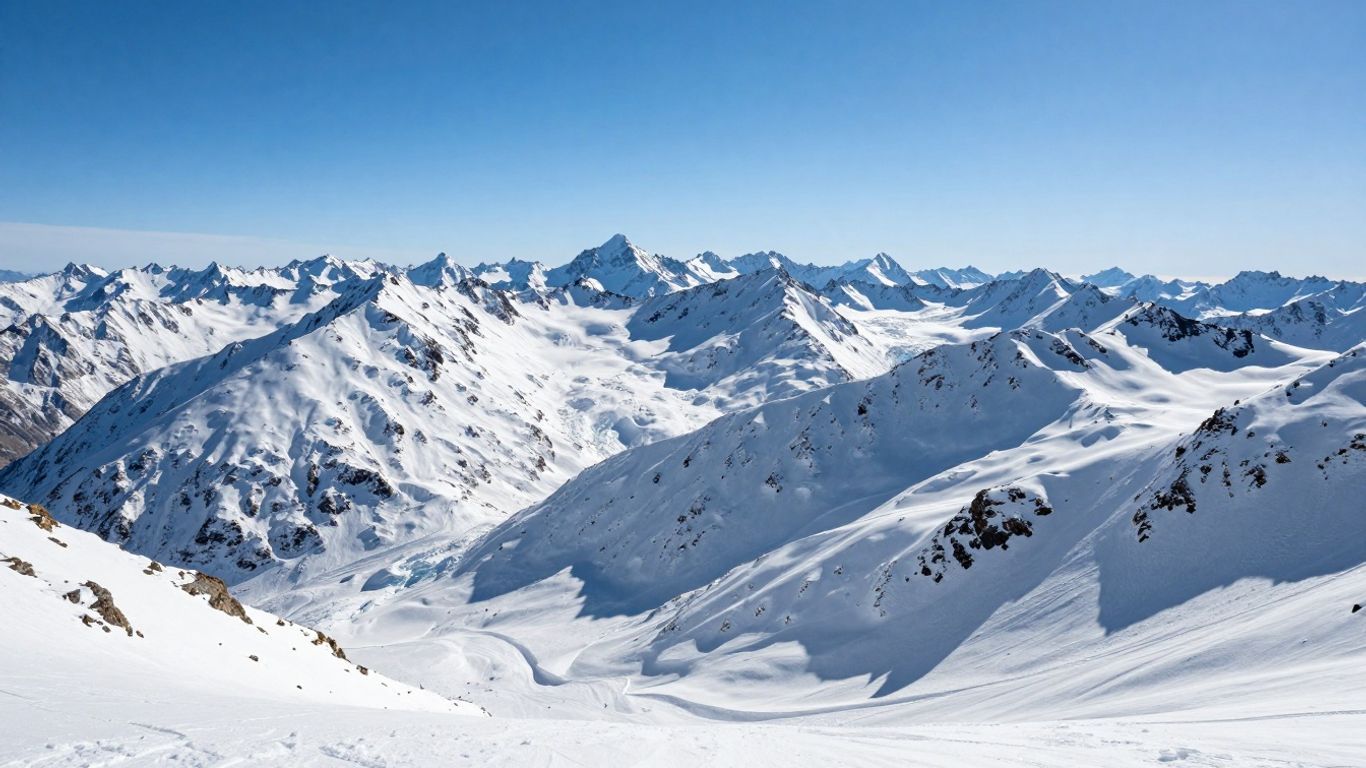
When discussing the largest states in the U.S. by land area, Alaska truly occupies a category of its own. It isn't merely large; it is truly colossal. Indeed, were one to superimpose Alaska upon the contiguous United States, it would quite literally encompass a significant portion of the country. Imagine this: it's larger than Texas, California, and Montana combined—a fact that's quite astonishing to contemplate.
This immense state is strategically positioned in the northwesternmost reaches of North America. Its separation from the remainder of the United States by Canada lends it a truly distinct character, almost an island unto itself in terms of continental geography. Much of Alaska's terrain remains predominantly untamed and pristine, characterized by vast forests, towering mountain ranges, and a coastline that stretches for thousands upon thousands of miles.
Here's a quick glimpse at its sheer magnitude:
- Total Area: Approximately 665,384 square miles.
- Land Area: Around 570,641 square miles.
- Water Area: Roughly 94,743 square miles.
Alaska's immense size naturally leads to a very low population density.
The sheer scale of Alaska dictates that much of its territory remains as untouched wilderness. This expansive quality contributes significantly to its unique environment and abundant wildlife, firmly establishing it as a place of profound natural wonder.
Ultimately, it is a place where nature unquestionably reigns supreme. One encounters a remarkable spectrum of environments, from ancient glaciers and sprawling tundra to actively fuming volcanoes. The wildlife is equally awe-inspiring, with bears, moose, caribou, and whales all calling this vast expanse home. It is, without a doubt, a state that truly embodies the spirit of the wild, offering a stark and compelling contrast to the more densely populated areas of the lower 48.
Related Content: biggest state in usa
2. Texas
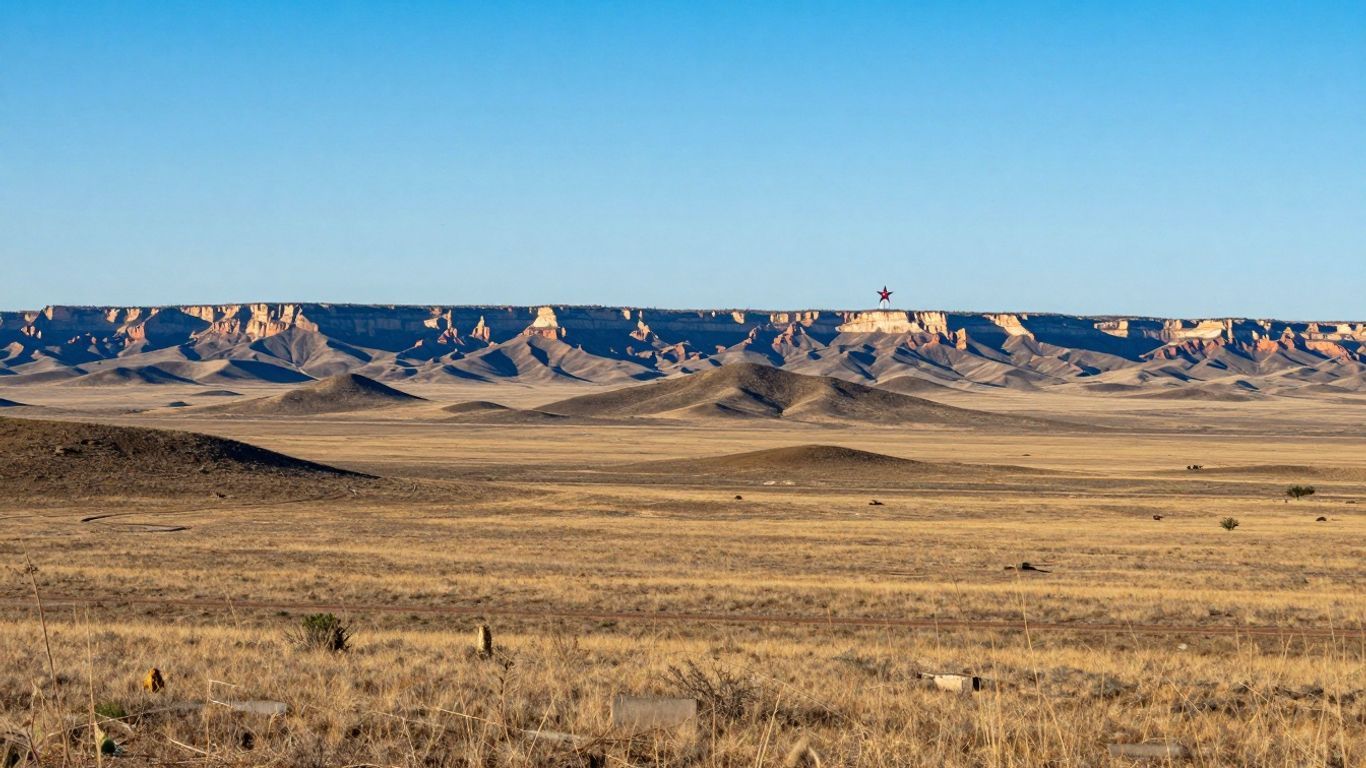
Securing a commanding second position for its sheer size is Texas. This formidable state is truly massive, covering a land area so vast it lends it an almost sovereign feel. It's a place rich in history and imbued with a distinct identity, universally recognized as the "Lone Star State."
Texas is celebrated for its remarkably diverse landscapes, which span from the verdant piney woods in the east to the stark deserts in the west, all complemented by an extensive coastline along the Gulf of Mexico. Historically, it has played a pivotal role in American development, particularly in sectors such as cattle ranching, oil production, and, of course, its own storied period as an independent republic. What kind of terrain will you discover?
Here's a quick overview of its dimensions:
- Total Area: Approximately 268,596 square miles.
- Land Area: Around 261,232 square miles.
- Water Area: Roughly 7,364 square miles.
Texas's immense scale significantly contributes to its varied economy and vibrant culture. It is a state that truly embodies a spirit of independence and exerts a substantial influence on the national stage, both economically and culturally. Its sheer size alone makes it an undeniable major player in the United States.
When you envision Texas, perhaps sprawling ranches come to mind, or the bustling metropolises of Houston and Dallas, or even the hallowed grounds of the historic Alamo. It is a state that continues to grow and evolve dynamically, all while steadfastly preserving its unique Texan character. Its sheer expanse ensures there's always something new to explore—from its vibrant urban centers to its wide-open, rural spaces—a testament to its enduring allure.
3. California
Coming in at number three on our detailed survey of the biggest states by land area is California. It's a state that frequently garners significant attention for its colossal population and sprawling urban centers, but it also proudly boasts an impressive and considerable amount of land.
California's sheer geographical scale is undeniably impressive, encompassing a vast territory that elegantly stretches along the Pacific coast. This remarkably diverse landscape features everything from the arid deserts of the south to fertile agricultural valleys and rugged, majestic mountains in the north. It's a place where one can discover major global hubs for technology and entertainment, such as Silicon Valley and Hollywood, yet also encounter immense agricultural regions that effectively feed a substantial portion of the nation.
Here's a quick comparative look at its land area against some other large states:
| State | Land Area (sq mi) | Rank by Area |
|---|---|---|
| Alaska | 570,641 | 1 |
| Texas | 261,232 | 2 |
| California | 155,779 | 3 |
| Montana | 145,546 | 4 |
California's considerable size has profoundly influenced its development, fostering the growth of distinct regions—from the bustling Southern California megalopolis to the tech-focused Bay Area. This extensive geographical diversity has, in turn, uniquely shaped both its economy and its vibrant culture.
Beyond its impressive physical dimensions, California is a state imbued with a rich history of groundbreaking innovation and pervasive cultural influence. It has, for generations, served as a powerful magnet for individuals from across the globe, thereby contributing to its dynamic and wonderfully varied population. The state's steadfast commitment to progress is evident in myriad areas, ranging from its pioneering adoption of environmental policies to its leading role in technological advancements. It's a place that consistently continues to shape trends and ideas across the nation and far beyond—making it, without question, a truly remarkable part of the United States. You can explore more about its unique characteristics and contributions to the American landscape.
4. Montana
Montana, affectionately known as "Big Sky Country," holds the distinction of being the fourth-largest state in the U.S. by land area. It is a place where expansive, wide-open spaces are not merely the norm, but rather the defining characteristic, and the sheer scale of the landscape is truly something magnificent to behold. This particular state forms a significant component of the Mountain States region, celebrated for its rugged, untouched beauty and notably low population density.
Montana's vastness is, indeed, a defining characteristic, offering an unparalleled sense of solitude and a profound connection with nature. It stands as a state that perpetually invites deep exploration, from its gently rolling plains to its dramatic, soaring mountain ranges.
Here's a detailed look at Montana's land area when compared to some other prominent large states:
| Rank | State | Land Area (sq mi) |
|---|---|---|
| 1 | Alaska | 570,641 |
| 2 | Texas | 261,232 |
| 3 | California | 155,779 |
| 4 | Montana | 145,546 |
| 5 | New Mexico | 121,298 |
Beyond its impressive geographical size, Montana is recognized for several pivotal features:
- The Rocky Mountains: A substantial portion of the state is magnificently covered by the majestic Rocky Mountains, which offer breathtaking scenery and abundant opportunities for outdoor recreation.
- Vast Prairies: To the east of the Rockies, one discovers expansive prairies that stretch seemingly towards infinity, strikingly reminiscent of the Great Plains.
- Abundant Wildlife: Montana serves as a sanctuary for a rich diversity of wildlife, including iconic species like bison, elk, bears, and wolves, frequently sighted within its numerous national parks and designated wilderness areas.
- Rich History: The state possesses a profound history inextricably linked to Native American tribes, the epic Lewis and Clark Expedition, and the transformative era of westward expansion.
The landscape here is so immense, so boundless, that it can genuinely feel as though you're standing at the very edge of the world. It’s a place where the sky appears to stretch on forever, and the prevailing quiet is utterly profound—a true balm for the soul. This pervasive sense of scale deeply shapes the character of the state and its resilient people.
Montana's notably low population density implies that one can often journey for miles without encountering another soul, rendering it an ideal destination for those actively seeking peace and quiet amidst breathtaking natural beauty. It is, unequivocally, a state that truly embodies the enduring spirit of the American West.
5. New Mexico
New Mexico, affectionately referred to as the "Land of Enchantment," holds the distinction of being the fifth-largest state in the U.S. by land area. It is a place where profound history and stunning natural beauty harmoniously converge. Picture vast, arid deserts, towering mountain ranges, and a rich cultural heritage that stretches back not just centuries, but millennia.
This state covers a massive 121,298 square miles, making it a significant and impactful chunk of the American landscape. While undeniably vast, it is, notably, less densely populated than some of the other large states featured on this list. Consequently, one will discover an abundance of wide-open spaces here—perfect for quiet contemplation or grand adventures.
Here's a concise comparison of its size against some other Mountain West states:
| State | Land Area (sq mi) | Rank by Area |
|---|---|---|
| New Mexico | 121,298 | 5 |
| Arizona | 113,594 | 6 |
| Colorado | 103,642 | 8 |
| Nevada | 109,781 | 7 |
New Mexico's landscape is exceptionally diverse. One finds the expansive Chihuahuan Desert dominating the south, while the majestic Rocky Mountains extend gracefully into the north, and unique geological formations are scattered throughout. It is a place that has, for thousands of years, captivated and drawn people—from ancient Native American tribes to Spanish explorers and, later, intrepid pioneers.
The state's rich history is deeply, inextricably tied to its geography. These wide-open spaces and rugged terrains have profoundly shaped its culture, its economy, and the unique way of life its inhabitants embrace. It's a land that truly feels both ancient and wild, offering an authentic glimpse into America's storied past.
From the ancient petroglyphs discovered at sites like Newspaper Rock to the timeless adobe architecture found in Santa Fe and Taos, New Mexico presents a rich tapestry of human history. Its strategic position as a border state also signifies a strong Hispanic influence, vividly evident in its place names, culinary traditions, and vibrant celebrations. It is a state that truly embodies the spirit of the American West, imbued with a distinctive cultural flavor all its own.
6. Arizona
Following New Mexico on our list of the biggest states by land area is Arizona. This southwestern gem encompasses a substantial landmass, officially clocking in at over 113,000 square miles. It is a region renowned for its dramatic desert landscapes, perhaps best exemplified by the Grand Canyon—an undeniable spectacle that is, quite simply, a must-see if you ever get the opportunity.
Arizona's compelling history is intrinsically linked to its distinctive geography. One finds Native American heritage stretching back thousands of years, vividly evident in places like Newspaper Rock State Historic Monument. Subsequently arrived the profound Spanish and Mexican influences, which are still perceptible in many of the region's place names and cultural nuances. Indeed, it's a state that truly functions as a vibrant crossroads of diverse cultures.
Politically, Arizona has been particularly fascinating to observe. For an extended period, it leaned predominantly Republican; however, a political evolution has been underway. In recent years, it has begun to demonstrate a tilt towards the Democratic Party, with several key elections clearly illustrating this shift. It certainly warrants close observation as its political landscape continues to dynamically evolve—a captivating regional narrative.
Here's a concise overview of its size compared to some other significant players:
| State | Land Area (sq mi) |
|---|---|
| Montana | 145,545 |
| New Mexico | 121,298 |
| Arizona | 113,594 |
| Nevada | 109,781 |
| Colorado | 103,641 |
Arizona's vastness isn't merely about empty space; rather, it is replete with diverse ecosystems—from the iconic saguaro cactus forests of the Sonoran Desert to the towering ponderosa pines found in the northern mountains. This extensive variety supports a wide range of wildlife and undeniably contributes to some truly stunning scenery.
7. Nevada
Nevada, often affectionately known as the Silver State, proudly holds the distinction of being the seventh-largest state in the U.S. by land area. It is a captivating place renowned for its expansive, wide-open spaces and a distinctive juxtaposition of stark natural beauty and vibrant, bustling city life. While Las Vegas and Reno are perhaps the most immediate associations that come to mind, the state, in truth, offers so much more than these famed urban centers.
The sheer size of Nevada means one can discover an incredible diversity of landscapes, from the stark, almost ethereal beauty of the Mojave Desert to the towering, rugged peaks of the Ruby Mountains. It is, without a doubt, a state that truly embodies the quintessential spirit of the American West.
Here's a concise overview of its dimensions compared to some other prominent large states:
| State | Land Area (sq mi) | Rank by Area |
|---|---|---|
| Montana | 145,545 | 4 |
| California | 155,779 | 3 |
| Nevada | 109,781 | 7 |
| Colorado | 103,641 | 8 |
| Arizona | 113,594 | 6 |
Nevada's unique landscape is a fundamental part of its identity. One finds:
- Vast desert basins and intricate ranges, particularly prevalent in the southern and western regions.
- Significant mountain formations, such as the majestic Sierra Nevada along the California border and the impressive Ruby Mountains in the east.
- Unique geological formations and meticulously protected wilderness areas that consistently evoke a profound sense of solitude and natural grandeur.
Much of Nevada's foundational history is intrinsically tied to its rich mining legacy and the enduring frontier spirit. This storied past has profoundly shaped a culture that frequently values independence and self-reliance—a sentiment that remains palpable today, particularly beyond the bright lights of its major urban centers.
8. Colorado
Our exploration continues with Colorado, the next entry on our comprehensive list of the biggest states by land area. This iconic Mountain West state is justly celebrated for its stunning natural beauty, with a substantial segment of its land magnificently covered by the Rocky Mountains. Indeed, it's a place where one encounters some of the highest and most formidable peaks in the entire nation.
Colorado's landscape is quite striking, to say the least. Its topography encompasses everything from the arid, expansive plains in the east to towering, perpetually snow-capped mountains in the west. It is a sizable state, covering over 100,000 square miles, which firmly establishes it as a notable entity when we consider sheer geographical scale.
Here's a brief look at its dimensions compared to some of its neighboring states:
| State | Land Area (sq mi) | Land Area (sq km) |
|---|---|---|
| Colorado | 103,641.89 | 268,431.3 |
| New Mexico | 121,298.15 | 314,160.8 |
| Arizona | 113,594.08 | 294,207.3 |
| Wyoming | 97,093.14 | 251,470.1 |
Beyond its impressive size, Colorado is also a region experiencing considerable population growth, home to dynamic urban centers like Denver and Colorado Springs. Yet, despite this expansion, large parts of the state remain wild and relatively undeveloped, offering ample opportunities for outdoor activities and a genuine connection with nature.
The state's unique geography truly shapes its identity. It’s a place that masterfully balances rugged wilderness with flourishing, developing cities—and that, precisely, is part of what makes it so inherently interesting.
9. Oregon
Oregon is a state that frequently garners attention for its stunning natural beauty, a spectrum that ranges from its rugged coastline to its lush, verdant forests and the intriguing high desert. It is also, quite expansively, a rather large place, securing its position as number nine on our list of the largest states by land area.
Upon reviewing Oregon on a map, its considerable size becomes readily apparent. Its geography is remarkably diverse, possessing a bit of everything for the discerning explorer. The state encompasses a total area of approximately 98,000 square miles, which constitutes a substantial portion of land. While most of this is terrestrial, a notable quantity of inland waters is also included within that impressive figure.
Here's a concise overview of its size compared to some other prominent western states:
| State | Land Area (sq mi) | Rank by Area |
|---|---|---|
| California | 155,779 | 3 |
| Montana | 145,546 | 4 |
| New Mexico | 121,298 | 5 |
| Arizona | 113,594 | 6 |
| Nevada | 109,781 | 7 |
| Colorado | 103,642 | 8 |
| Oregon | 95,988 | 9 |
| Wyoming | 97,093 | 10 |
One might ponder how this vastness influences life in Oregon. On one hand, there are major cities like Portland, which serves as a vibrant hub for culture and business; conversely, expansive territories remain quite sparsely populated. This unique blend allows for the experience of both dynamic urban life and true, untamed wilderness without venturing too far. What an extraordinary balance, wouldn't you agree?
The state's diverse landscapes—ranging from the dramatic Pacific coast to the majestic Cascade Mountains and the expansive high desert east of the mountains—collectively contribute to its significant land area and varied ecosystems. This geographical diversity also profoundly influences its economy and the distinct lifestyles of its residents.
So, while it might not be quite as massive as Alaska or Texas, Oregon undeniably asserts its presence as one of the biggest states in the USA. It is, ultimately, a place where considerable size meets a plethora of natural wonders.
10. Wyoming
Concluding our top ten list of the biggest states by land area is Wyoming. It's a state that sometimes remains underestimated, but its sheer geographical size is unmistakable. Wyoming covers a massive 97,093 square miles, rendering it larger than numerous sovereign nations one might typically consider.
When you envision Wyoming, you would be quite accurate in imagining wide-open spaces. It forms an integral part of the Mountain States region, renowned for its relatively low population density. This translates into an abundance of land coupled with a sparse population, a factor that significantly contributes to its ranking in terms of sheer area.
Here's a concise overview of its dimensions compared to some other large states:
| Rank | State | Area (sq mi) |
|---|---|---|
| 1 | Alaska | 665,384 |
| 2 | Texas | 268,596 |
| 3 | California | 163,695 |
| 4 | Montana | 145,546 |
| 5 | New Mexico | 121,298 |
| 6 | Arizona | 113,594 |
| 7 | Nevada | 109,781 |
| 8 | Colorado | 103,642 |
| 9 | Oregon | 95,988 |
| 10 | Wyoming | 97,093 |
Wyoming's landscape is an amalgamation of high plains and rugged mountains. It is a place where one can discover vast ranches, stunning national parks like Yellowstone and Grand Teton, and a profound relationship with the outdoors. Furthermore, the state was a pioneer in advocating for women's suffrage, granting women the right to vote as early as 1870—long before it became a national entitlement.
The vastness of Wyoming ensures that while it is a significant player in terms of land area, its population remains quite small. This creates a unique environment where nature often takes center stage, and human settlements are sparsely spread across the expansive terrain—a state that truly embodies the enduring spirit of the American West.
So, while it might not feature the dense population centers of some other states on this list, Wyoming's considerable landmass unquestionably secures its place among the biggest in the USA.
Wrapping Up Our Look at the Biggest States
So, there you have it—a comprehensive overview of the states that truly distinguish themselves when one considers sheer land size in the U.S. It’s quite remarkable to contemplate the immense vastness of regions like Alaska and Texas, and the incredible diversity of geography they encompass. From towering mountains to sprawling plains, these expansive states collectively offer a vast array of landscapes and experiences. Understanding these significant geographical differences serves to illuminate the broader tapestry of the American map and the sheer scale of the nation we inhabit. It's a poignant reminder that the U.S. is a place of incredible size and diversity, with each state—be it grand or modest—contributing its own unique and essential character.
Frequently Asked Questions
What is the largest state in the USA by land area?
Alaska is the biggest state in the USA by land area. Its land area is immense, surpassing all other states by a significant margin!
Which states are known for having a lot of land?
Beyond Alaska, the top 10 largest states include Texas, California, Montana, New Mexico, Arizona, Nevada, Colorado, Oregon, and Wyoming. Each possesses substantial expanses of territory.
Are the biggest states mostly in one part of the country?
Yes, many of the largest states are predominantly found in the western part of the United States. This region encompasses states like Montana, Colorado, Arizona, Nevada, and Wyoming, which are integral to the Mountain States, alongside Pacific states such as California, Oregon, and Alaska.
Why are some western states so large?
Indeed, many of these expansive western states are characterized by vast stretches of undeveloped land, formidable mountain ranges, and arid desert regions. This contributes to a lower population density, meaning fewer people are distributed over a much larger area compared to states in the East.
Does a state's land area affect its population?
Not necessarily in a direct correlation. For instance, Alaska is the largest state yet maintains a very sparse population. Conversely, California, also among the largest, is the most populous state in the country. Land area and population density are distinct metrics.
What does 'land area' include?
Typically, land area refers to the total surface extent of a state, encompassing both terrestrial regions and inland waters such as lakes and rivers. It expressly excludes offshore ocean waters.


