


Fashion Trends & Future, resources
Divine Drapery – Egyptian Elegance (3100-30 BCE)

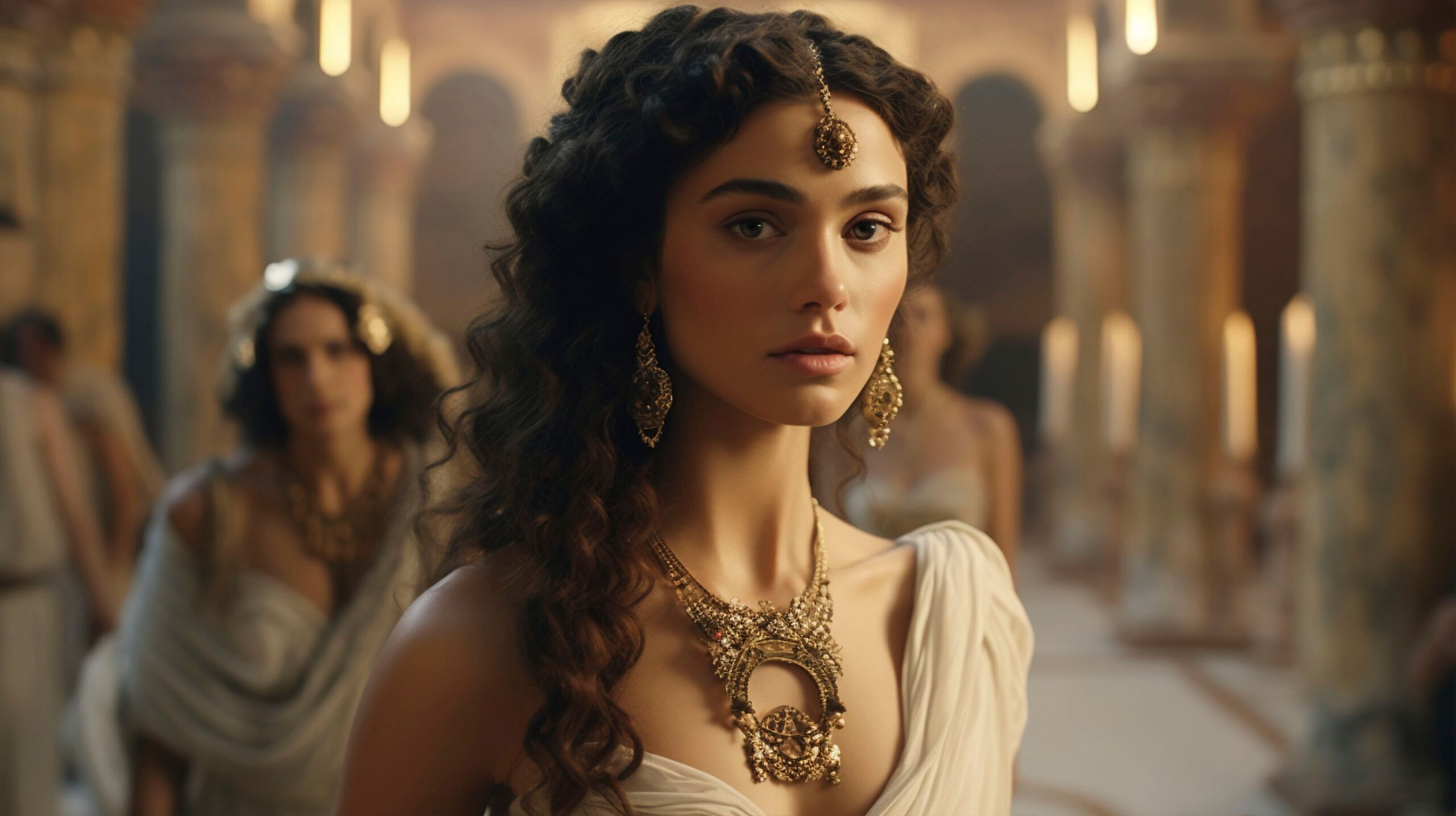
“Along the Nile, fashion flowed like the sacred river itself—eternal, life-giving, and divinely inspired.”
-Dinis Guarda
Egyptian fashion represented humanity’s first sartorial philosophy, where clothing served simultaneously as protection, status symbol, and spiritual expression. Although aware of other materials, the ancient Egyptians mostly used linen, a product made from the abundant flax plant. Due to a belief that animal-based fabrics were impure, wool was rarely used and was forbidden in places like temples and sanctuaries.
Along the Nile, fashion achieved a perfection that has rarely been equalled in human history. Egyptian dress represented the synthesis of practical necessity, aesthetic refinement, and spiritual significance that transformed clothing into a form of material prayer. The Egyptians developed the first comprehensive fashion philosophy, understanding that clothing could serve simultaneously as protection from the elements, marker of social status, and expression of divine connection.
Linen became the cornerstone of Egyptian fashion, chosen for its practical properties and for its symbolic significance. The plant’s transformation from humble flax to luminous white fabric paralleled the human soul’s journey from earthly existence to divine transcendence. The finest Egyptian linen, woven so delicately it was nearly transparent, represented the ultimate achievement in textile production—fabric that seemed to be made of solidified light itself.
Egyptian garment construction celebrated geometric precision whilst accommodating the human form’s natural curves. The basic Egyptian garments—the schenti loincloth, the kalasiris tunic, and the ceremonial mantles—were created from rectangular pieces of fabric, demonstrating sophisticated understanding of how simple geometric forms could be draped to create complex three-dimensional effects. This mathematical approach to fashion established principles of proportion and balance that continue to influence contemporary design.
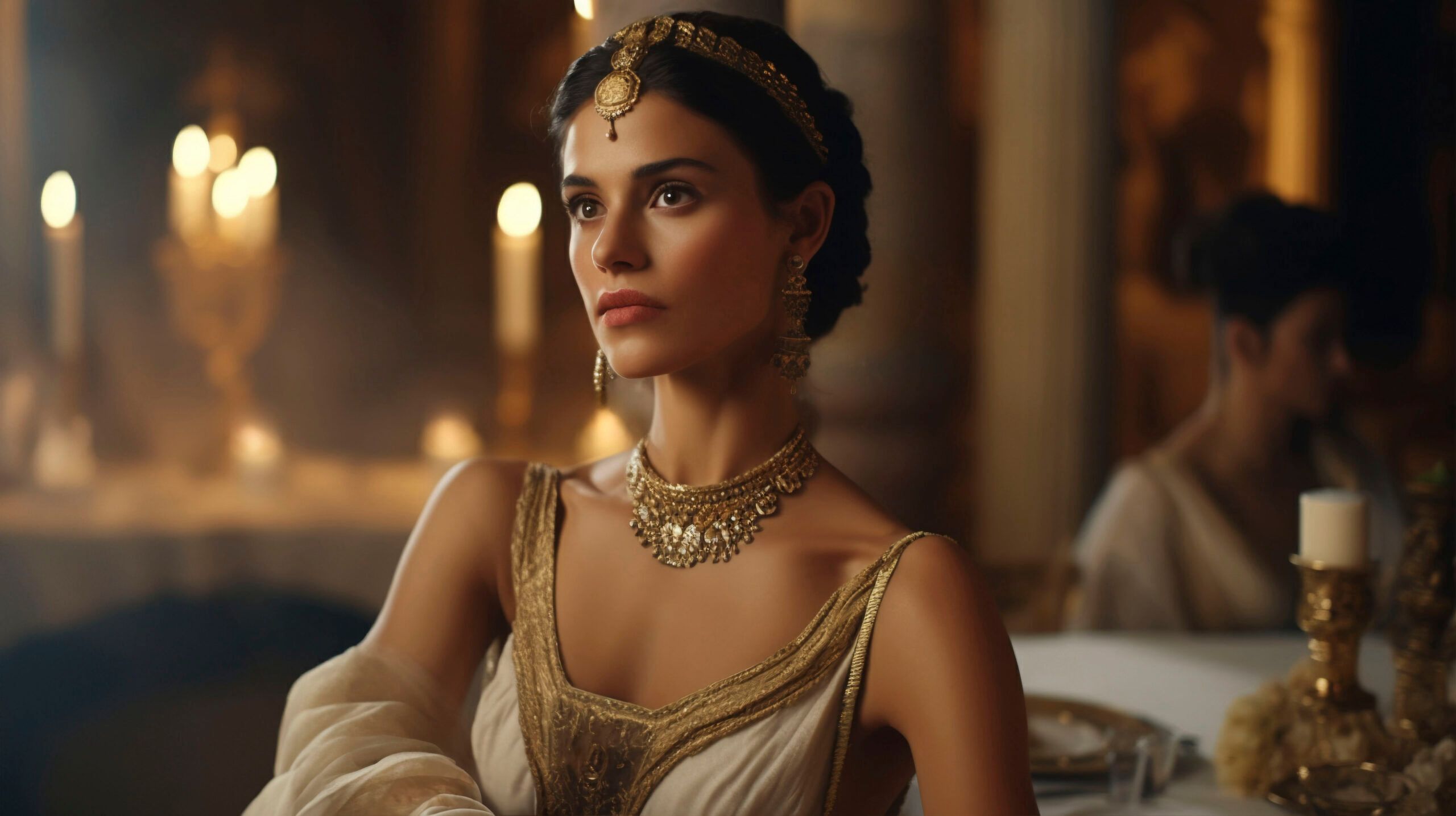
The Egyptians pioneered the concept of fashion accessories as artistic statements. Their elaborate headdresses, from the simple linen headband to the pharaoh’s complex nemes, transformed the human head into a canvas for artistic expression. Jewellery served as decorative purposes and as protective and symbolic functions, with specific amulets ensuring safe passage through both earthly dangers and the perils of the afterlife. Here, fashion transcended the aesthetic to become metaphysical.
Read More: edith head net worth
Linen as Luxury
The supremacy of linen in Egyptian fashion stemmed from both practical and spiritual considerations. Linen’s breathability suited the desert climate whilst its white purity aligned with religious beliefs. The finest linen, so delicate it was nearly transparent, became a marker of the ultimate sophistication.
Garment Geometry
Egyptian clothing celebrated the human form through geometric precision. The fundamental garments—the schenti (loincloth), kalasiris (tunic), and the mantles—were constructed from rectangular pieces of fabric, creating clean lines that complemented Egyptian art’s linear aesthetics.
Accessories as Art
Egyptian fashion pioneered the concept of accessories as artistic statements. Elaborate headdresses, including the iconic nemes (striped head-cloth of pharaohs), transformed the wearer into living sculpture. Jewellery wasn’t mere adornment but served protective and symbolic functions, with amulets ensuring safe passage to the afterlife.
Key Benchmarks
| Period | Innovation | Significance |
| 3100 BCE | Linen cultivation | Established Egyptian textile foundation |
| 2686 BCE | Royal regalia | Pharaonic fashion standards |
| 2000 BCE | Pleated garments | Advanced textile manipulation |
| 1550 BCE | Imported luxuries | International fashion influence |
| 332 BCE | Hellenistic fusion | Greek-Egyptian style synthesis |
Dinis Guarda – with Jasmeen Dugal


