


business resources
Do New Build Homes Offer Essential Long-Term Advantages?
01 Jan 2026

Deciding between a brand-new build and an older, established house can be a real head-scratcher. New construction homes offer some long-term advantages that might not be obvious at first glance. They come with modern features and, of course, that "new home smell"—a clean slate that can make life considerably easier. Let's explore why a new home might just be the perfect move for you, focusing on the benefits that truly matter down the road.
Key Takeaways
- New builds are constructed to meet today's rigorous energy standards, which translates to lower utility bills and a smaller environmental footprint. Think superior insulation and high-efficiency heating systems from day one.
- One of the biggest draws is customization. You get to select many of the details, from paint colors to floor plans, allowing you to shape the home to your lifestyle rather than adapting to someone else's past choices.
- Since everything is brand new, you're far less likely to be hit with unexpected repair bills right after moving in. Plus, most new homes are backed by warranties, offering valuable peace of mind.
- Builders frequently offer attractive incentives, such as contributing to closing costs or securing lower interest rates. These financial perks can make a new home more attainable from the outset.
- Newer developments often come with built-in community amenities like parks or fitness centers. On top of that, the homes themselves are designed for modern life, featuring open spaces and intelligent layouts.
Enhanced Energy Efficiency And Lower Running Costs
Modern Building Standards For Optimal Performance
Today's new homes aren't just built—they're engineered to meet incredibly strict energy performance standards. This means they incorporate superior insulation in walls, roofs, and floors, along with high-performance windows that are often double or even triple-glazed. These elements work in concert to keep your home warmer in the winter and cooler in the summer, all while putting less strain on your heating and cooling systems. It's a bit like wearing a high-quality coat on a cold day; it simply keeps the heat where it belongs. Builders are also leveraging advanced construction techniques to seal up air leaks, a notorious source of energy waste in older properties. This meticulous attention to the building envelope makes a significant difference.
Reduced Utility Bills And Environmental Impact
What does that mean for your wallet? Since new builds are designed with energy efficiency at their core, you'll almost certainly notice a drop in your monthly utility bills. Less energy is needed to maintain a comfortable temperature, and many new homes come with energy-efficient appliances and lighting pre-installed. This doesn't just save you money—it also means your home has a smaller carbon footprint. It’s a genuine win-win for your finances and the planet. Many new developments are even integrating features like solar panels or electric vehicle charging points as standard, further reducing our reliance on fossil fuels.
Integration Of Smart Technology For Energy Management
It's increasingly common for new homes to come equipped with smart technology right out of the box, designed specifically to help you manage energy use more effectively. This could include smart thermostats that learn your daily routines and adjust the temperature accordingly, or smart lighting systems you can control from your phone. Some homes even feature advanced systems that monitor your energy consumption in real-time, giving you valuable insights into where your power is going. This technology puts you firmly in the driver's seat, making it easier than ever to save energy and money without giving up an ounce of comfort. It's like having a personal energy consultant built right into the walls of your home.
Personalized Living Spaces Through Customization
Tailoring Finishes To Individual Preferences
Perhaps one of the most exciting parts of buying a new build is the opportunity to make it yours from the very beginning. Instead of living with someone else's design choices, you get to hand-pick the details that truly reflect your personal taste. This usually begins with the finishes. Consider the flooring—do you lean toward the timeless warmth of hardwood, the sleek practicality of tile, or the cozy comfort of carpet? You can select the precise material, color, and style. The same freedom applies to kitchen and bathroom cabinetry, countertops, paint palettes, and even the little things like faucets and light fixtures. This level of control means you move into a home that already feels like you, rather than one you'll need to update later. It’s a huge saving in time, stress, and future renovation costs.
Designing Floor Plans For Modern Lifestyles
But it's not just about the cosmetic touches. Many new home builders offer a surprising amount of flexibility with the home's actual layout. This is a massive advantage for buyers who want to create a living space that works for how they *really* live. For example, you might have the option to adjust room dimensions, remove a wall to foster a more open-plan feel, or even reposition windows and doors to enhance natural light and airflow. Some builders even allow for deep customization of specific rooms, like designing an expanded master suite with a walk-in closet or carving out a dedicated home office. This ability to tailor the floor plan to your unique needs can fundamentally improve the function and feel of your home.
Creating A Unique Home Reflecting Personal Style
At the end of the day, all these customization options empower you to craft a living environment that's a true reflection of your personality and aspirations. It's about so much more than just picking out colors; it's about constructing a space that supports your lifestyle and genuinely brings you joy. Whether you dream of a minimalist modern aesthetic, a cozy traditional haven, or something entirely different, having these choices during the construction phase ensures the finished home aligns perfectly with your vision. The process itself can be incredibly rewarding, instilling a sense of ownership and pride that goes far beyond a simple property transaction. It’s about creating your personal sanctuary.
- Flooring materials: Hardwood, tile, laminate, or carpet.
- Cabinet styles and colors: From classic shaker to modern flat-panel designs.
- Countertop surfaces: Granite, quartz, butcher block, or solid surface.
- Paint colors and finishes: For all your walls, trim, and ceilings.
- Hardware and fixture styles: For kitchens, bathrooms, and lighting throughout.
Reduced Maintenance And Peace Of Mind
When you invest in a new build home, you’re essentially stepping into a property where everything—from the foundation to the roof—is brand new. This translates directly into far fewer immediate maintenance headaches and provides a welcome sense of security for any homeowner. Unlike older properties that might harbor a list of hidden issues, a new construction home gives you a completely fresh start.
New Systems And Appliances With Warranties
One of the most tangible benefits is that every major system and appliance is fresh from the factory. This means you’re highly unlikely to face the sudden, costly replacement of an old water heater, a failing HVAC unit, or a leaky roof in your first few years of ownership. Most new homes come with manufacturer warranties on all appliances, plus a builder's warranty that typically covers structural components and major systems for a specified time. For instance, a 10-year structural warranty is quite common, offering protection against major defects. This safety net means fewer surprise repair bills and more predictable monthly expenses, allowing you to settle in and enjoy your new space instead of worrying about what might break next.
Minimizing Unexpected Repair Expenses
Since everything is new and constructed according to current codes, the chances of facing a costly, out-of-the-blue repair are dramatically reduced. You won't be wrestling with corroded pipes, outdated wiring, or worn-out windows that let in drafts and drive up energy bills. This absence of immediate repair needs can save you thousands of dollars in the early years of owning your home. While all homes require regular upkeep, the major, budget-breaking repairs are typically a concern for much later down the road in a new build. This predictability is a huge advantage, especially for first-time buyers or anyone looking to avoid the financial strain that can come with an older home. A clear understanding of your potential expenses is crucial for long-term financial health, and new builds offer a much clearer picture from day one, which is invaluable when planning your various financial accounts.
Focusing On Enjoyment Rather Than Repairs
The bottom line? The combination of reduced maintenance and robust warranty coverage lets you focus your time and money on what really matters: enjoying your new home and your life. Instead of spending your weekends troubleshooting problems or building an emergency repair fund, you can focus on personalizing your decor, getting to know your new neighborhood, or simply relaxing with family. This shift from problem-solver to homeowner is a major reason for the peace of mind that new buyers so often describe. It's about moving into a home that's truly ready for you, not one that demands your immediate attention and investment just to be functional.
Builder Incentives And Financial Advantages
When you're exploring new construction, you'll find that builders often sweeten the deal with incentives that can provide a real financial boost. It's not just about the quality of the house itself; it's also about how they can make the entire purchase process smoother and more affordable. Think of these as valuable bonuses that can make a surprisingly big difference to your bottom line.
Assistance With Closing Costs And Financing
Many builders are well aware that closing costs can be a significant hurdle for buyers. To help ease this financial burden, they might offer to cover a portion or even all of these expenses. This could mean they pay for your title insurance, appraisal fees, or other lender fees. Furthermore, they often have established relationships with preferred lenders. Using one of their partners can sometimes unlock additional savings or credits toward your closing costs—it's always worth asking what kind of financial assistance they have on the table.
Opportunities For Rate Buydowns
Mortgage rates are always a hot topic, and even a tiny change can affect your monthly payment for decades to come. To counter this, some builders offer a "rate buydown." Here's how it works: the builder pays a lump sum to your lender at closing, which temporarily lowers your interest rate for the first one to three years of your mortgage. While this reduction isn't permanent, it can lead to substantial savings right when you need them most, giving you more financial breathing room as you settle into your new life.
Upgraded Features And Added Value
Beyond direct financial aid, builders frequently use upgraded features as a powerful incentive. This could mean they include higher-end countertops, a premium appliance package, or luxury flooring at no additional charge. These aren't just cosmetic perks; they add tangible, lasting value to your home. It's like receiving a complimentary upgrade package, which means you can enjoy these premium features without dipping into your own savings. For the builder, it’s a great way to make their homes stand out and offer you more for your money.
It's always a good idea to get all these incentive details in writing. What a builder offers can change, and having it clearly stated in your purchase agreement protects you and makes sure you get everything you were promised. Don't be shy about asking questions; understanding these financial aspects upfront is key to a good homebuying experience.
Modern Design And Community Amenities
Open Floor Plans And Flexible Living Areas
New homes are typically designed with the rhythm of modern life in mind. You'll almost always find open-concept layouts that create a seamless flow between the kitchen, dining, and living areas. This not only makes the space feel larger and more inviting but is also perfect for entertaining guests or simply keeping an eye on the family. Many new designs also incorporate "flex rooms"—versatile spaces that can serve as a home office, a playroom, or a guest room, adapting as your family's needs evolve.
Thoughtful Layouts For Contemporary Needs
Builders today are paying close attention to how people actually live in their homes. What does this look like in practice? You'll see practical features like larger closets for better storage, dedicated laundry rooms (often conveniently located upstairs), and layouts designed to accommodate remote work or even multigenerational living. The ultimate goal is to create a home that functions effortlessly for a modern household, helping to reduce clutter and streamline daily routines.
Access To Shared Community Facilities
Many new developments are more than just a collection of houses; they're planned communities with built-in perks. These shared amenities can range from parks and playgrounds for the kids to state-of-the-art fitness centers and swimming pools for everyone to enjoy. Living in a neighborhood with these kinds of facilities can add a wonderful dimension to your lifestyle, offering convenient ways to relax, stay active, and connect with your neighbors without ever having to get in the car.
Building a new home often means becoming part of a planned community. These neighborhoods are frequently designed with shared spaces and facilities that can significantly improve the quality of life for residents, providing convenient access to recreation and social opportunities right outside your door.
Safety And Quality Built Into New Homes
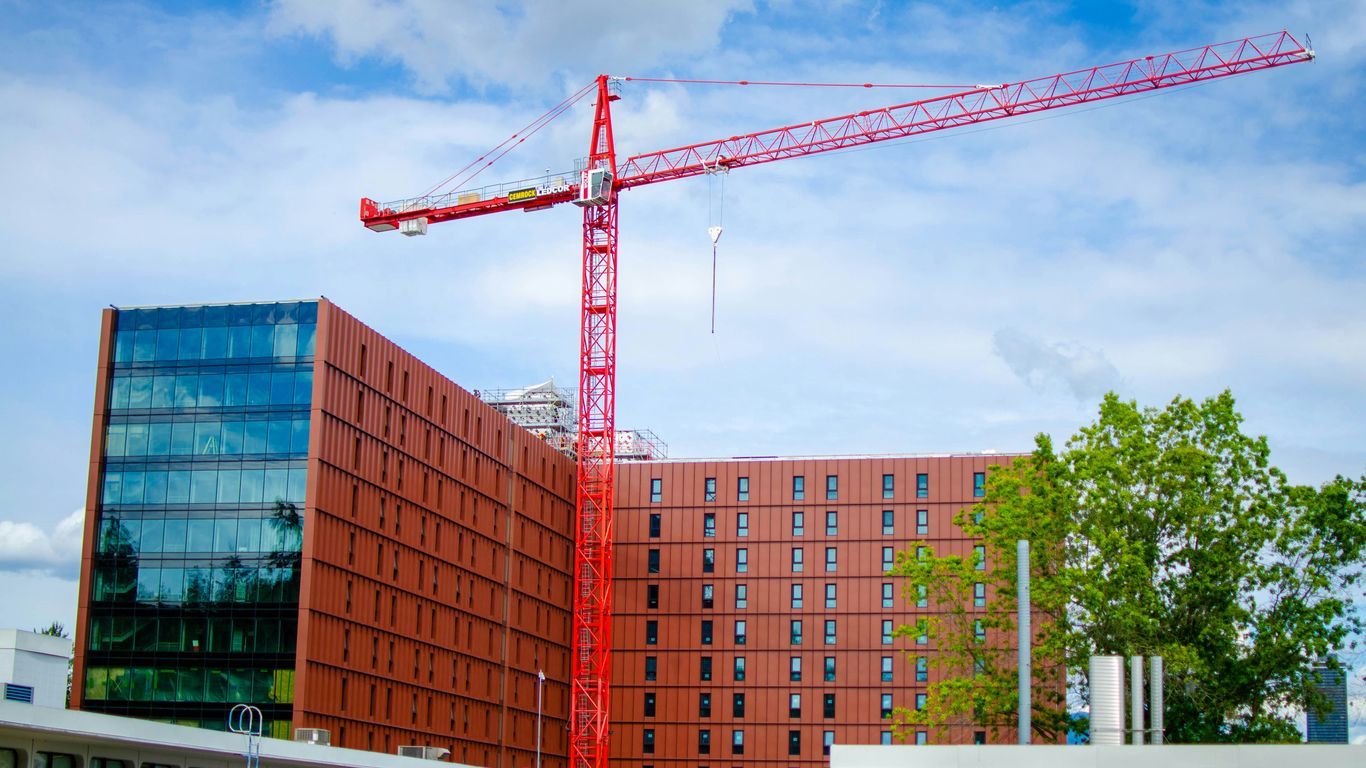
When you're considering a new build, one of the most significant—though less glamorous—benefits is the assurance that it's constructed to meet today's rigorous standards. This has a profound impact on how safe and well-built your home is right from the very start.
Adherence to Current Safety Regulations
New homes are required to follow the latest building codes and safety regulations, which are updated periodically to incorporate new technologies and best practices. This means things like enhanced fire resistance in building materials, stronger structural integrity to withstand environmental stresses, and safer electrical systems are all built-in. It provides a baseline of security that many older homes simply can't match without extensive and costly upgrades.
Advanced Wiring, Plumbing, and Ventilation
Let's talk about the home's essential systems: the electrical wiring, plumbing, and ventilation. In a new build, these are all installed using modern materials and techniques. This translates to more reliable plumbing that's far less prone to leaks, electrical systems designed to handle today's heavy demand (meaning more outlets and better circuit protection), and ventilation systems that promote healthier indoor air quality. Proper ventilation, in particular, is crucial for preventing moisture problems and keeping the air you breathe fresh.
Improved Insulation for Comfort and Health
Insulation plays a massive role in both your comfort and your home's health. New homes almost universally feature far superior insulation compared to their older counterparts. This isn't just about keeping the house warm in the winter and cool in the summer, which certainly saves a bundle on energy bills. It also helps eliminate drafts, dampens outside noise, and contributes to a healthier living environment by minimizing the risk of mold growth from condensation. The materials themselves are also often more effective and environmentally sound.
Building to current standards means that many potential issues that plague older homes are addressed proactively. This includes everything from the foundation to the roof, with a focus on durability and safety that gives homeowners a solid starting point.
Making the Right Choice for Your Future Home
So, what's the verdict? When all is said and done, new build homes clearly bring a compelling set of advantages to the table. You get a fresh start in a home with better energy efficiency—which can lead to real savings over time—and the wonderful opportunity to choose finishes that reflect your own style from day one. Plus, those builder warranties can be an absolute godsend in the early years, warding off the stress of surprise repair bills. While it may not always be the cheapest path initially, and patience is sometimes required during construction, for many people, the peace of mind and the power to customize a space to their exact liking make it a truly worthwhile investment. Ultimately, whether a new build is the right call for you boils down to your personal priorities and what you value most in a home.
Frequently Asked Questions
What are the main benefits of buying a new construction home?
The key advantages really boil down to a few things: enhanced energy efficiency that can lower your utility bills, modern construction that means fewer initial repairs, and comprehensive warranties for peace of mind. On top of that, you get the incredible opportunity to customize finishes and features to create a home that is uniquely yours.
How do new build homes save money on energy costs?
New builds save on energy costs because they are constructed with modern, efficient materials and techniques. This includes better insulation, high-performance windows, and more efficient heating and cooling systems that prevent energy waste. Consequently, your monthly bills for utilities like electricity and gas are typically much lower than in an older home.
Can I customize a new construction home?
Yes, absolutely! Customization is one of the most exciting aspects of buying a new home. Builders often allow you to select everything from flooring and paint colors to kitchen cabinets and countertop materials. Some may even offer options to modify the floor plan, helping you design a home that perfectly fits your lifestyle.
What kind of warranties come with new homes?
Typically, new homes come with a builder's warranty that covers various components for different lengths of time. You might find a one- or two-year warranty for major systems like plumbing and electrical, along with a longer structural warranty—often up to 10 years—that covers the foundation and frame. This provides a crucial safety net against major, unexpected expenses.
Are new homes more expensive than older homes?
While new construction homes can sometimes have a higher upfront price compared to existing homes of a similar size, it's a nuanced question. The higher initial cost reflects new materials and modern building standards. However, when you factor in the lower maintenance costs, energy savings, and lack of immediate renovation needs, many find them to be a smart long-term investment.
What are some common incentives builders offer?
To make their homes more appealing, builders often provide incentives. These can range from paying a portion of your closing costs to offering special financing deals through their preferred lenders. They might also include free upgrades on features like appliances or flooring, or even offer a mortgage rate 'buydown' to lower your monthly payments for the first few years.


