


resources
Experience the Future of Travel with Smart Tour By...
22 Nov 2025

So, you've probably heard quite a bit about 'smart' innovations in various sectors lately, haven't you? Well, the realm of travel is certainly no exception. The overarching goal is to cultivate journeys that are not only smoother and more respectful of local environments, but also inherently more accessible for everyone. Consider it a significant European undertaking—dubbed Smart Tour—that endeavors to enhance the experience of visiting new destinations for both travelers and the communities they explore. This isn't solely about cutting-edge technology, though that does play a substantial role; it's also deeply rooted in ensuring places are genuinely welcoming to all, and that we preserve them thoughtfully for future generations.
Key Takeaways
- Smart Tour is a European initiative designed to make travel more accessible, sustainable, and digitally integrated for both visitors and host communities.
- It leverages technologies such as augmented reality and AI-driven chatbots to craft superior visitor experiences and manage crowd dynamics efficiently.
- A primary objective involves striking a delicate balance between fulfilling visitor needs and safeguarding the well-being of local populations, alongside protecting invaluable natural and cultural sites.
- The project yields numerous benefits, including enriched information access for travelers, improved management of popular sites, and vital support for local businesses.
- Emerging trends indicate a future characterized by increased virtual travel, greater flexibility in booking options, and highly personalized travel itineraries.
Understanding Smart Tour
A Collaborative European Initiative
Smart Tour represents a collaborative project, uniting diverse regions and cities across Europe in a common endeavor. The fundamental premise is to empower these destinations to offer travel experiences that are more straightforward for visitors, more environmentally conscious, and genuinely inclusive for all. Ultimately, it’s about ensuring that visitors have an enriching time, and crucially, that the local community reaps tangible benefits as well. This initiative zeroes in on practical methodologies to harmoniously align visitor expectations with the genuine needs and aspirations of the local populace. Participants actively share insights and collaboratively devise solutions that truly make a discernible difference.
Core Pillars of Smart Tourism
Smart tourism, it turns out, extends far beyond mere technological novelty; rather, it’s founded upon several interconnected principles that synergistically shape how destinations approach the tourism landscape. These essential pillars guide the strategic development of tourism:
- Digital Tools: This involves simplifying access for visitors to obtain information, purchase tickets, and meticulously plan their trips through intuitive, user-friendly digital services. Moreover, it includes providing destination managers with straightforward methods for data analysis.
- Accessibility for All: A cornerstone of this approach is the systematic removal of barriers, guaranteeing that everyone—including individuals with disabilities, families traveling with young children, and older adults—can fully enjoy and engage with the destination.
- Sustainability: Actively promoting travel modalities that minimize environmental impact—think public transport usage or walking—and meticulously managing visitor volumes to preserve delicate natural and cultural landmarks.
- Culture and Creativity: Championing local artists and time-honored traditions, thereby ensuring that the unique narratives and cultural richness of a place remain an intrinsic and central component of the visitor experience.
- Overall Planning: Formulating comprehensive strategies that seamlessly integrate technology, innovative concepts, and inclusivity across the entire travel continuum, from the initial planning stages at home to the return journey.
Smart tourism, at its heart, strives to forge a critical balance: ensuring visitors enjoy a superb experience while the cherished places they explore remain vibrant and impeccably preserved for posterity. It’s about insightful planning that thoughtfully considers both the traveler's journey and the enduring well-being of the local environment and community.
Aligning Visitor Needs with Community Goals
One of Smart Tour's most pivotal aspects involves meticulously ensuring that visitor desires and requirements align seamlessly with the aspirations of the local community. This necessitates a close examination of crucial elements such as:
- Visitor Information: Delivering lucid, precise, and easily discoverable information—often in multiple languages—pertaining to attractions, transportation, and local customs.
- Ticketing: Streamlining the process of acquiring tickets for both attractions and transport, potentially through highly integrated, user-friendly systems.
- Managing Sensitive Sites: Employing data-driven insights and intelligent planning to safeguard popular or delicate historical and natural areas from the detrimental effects of excessive visitor numbers.
- Supporting Local Businesses: Actively assisting small and medium-sized enterprises (SMEs) within the tourism sector in adopting new technologies and best practices, which can significantly enhance their service offerings and expand their customer reach.
By concentrating on these strategic areas, Smart Tour effectively helps destinations become more appealing to a broader range of visitors, while simultaneously ensuring that tourism genuinely benefits local residents and actively contributes to the protection of indigenous culture and environment.
Transforming Destinations with Smart Tourism
Smart tourism, far from being just about sophisticated gadgets, is fundamentally about elevating places for everyone—both visitors and residents alike. It represents a paradigm shift in how destinations operate, with a sharp focus on making travel smoother, more inclusive, and decidedly kinder to our environment. This comprehensive approach endeavors to craft experiences that provide substantial benefits to the local community, just as much as they do to the discerning traveler.
Enhancing Accessibility for All Travelers
A core tenet of smart tourism is ensuring that every individual can truly enjoy a destination. This mandates a thorough examination of travel from myriad perspectives, systematically dismantling barriers that might impede full participation. It’s ultimately about thoughtful, anticipatory planning that accommodates diverse needs—and that’s a significant challenge, but one worth tackling.
- Inclusive Design: This means thoughtfully constructing attractions, transport networks, and accommodations with features specifically designed to assist those with mobility challenges, families with young children, or older adults. Picture, for example, easily navigable ramps, crystal-clear signage, and universally accessible restrooms.
- Information Access: Providing vital travel information in a variety of formats and languages is key, including simplified, easy-to-read options or audio descriptions tailored for visually impaired visitors.
- Staff Training: Adequately equipping tourism personnel with the requisite knowledge and empathy to assist a broader spectrum of visitors, fostering a deep understanding of differing needs and how to respond most helpfully.
The ultimate objective here is to transcend mere basic compliance, moving towards the creation of genuinely welcoming environments where every visitor feels comfortable, confident, and entirely capable of exploring without hindrance.
Promoting Sustainable Tourism Practices
Beyond accessibility, smart tourism places an undeniable emphasis on safeguarding the cherished places we visit. It’s about ingeniously discovering ways to welcome tourists without unduly taxing local resources or causing irreversible damage to invaluable natural and cultural heritage. This critical balance necessitates astute management and the active encouragement of responsible visitor behavior.
- Resource Management: Leveraging technology to meticulously monitor and significantly reduce energy and water consumption within hotels and key attractions.
- Waste Reduction: Implementing robust recycling programs and actively encouraging businesses to minimize their reliance on single-use plastics.
- Low-Impact Transport: Vigorously promoting the adoption of public transport, cycling, and walking through cohesive, integrated ticketing and intuitive route planning systems.
Leveraging Digitalization for Seamless Experiences
In our increasingly connected world, digital tools play an indispensable role in rendering travel more effortless and markedly more efficient. From the initial stages of trip planning to the immersive experience on the ground, technology has the power to simplify numerous facets of the journey—and that's truly invaluable. This necessitates the intelligent connection of disparate services and the timely provision of accurate information.
- Integrated Ticketing: Allowing visitors the convenience of purchasing tickets for transport, attractions, and various events all from a single, unified platform, often accessible via a mobile application.
- Real-Time Information: Delivering immediate updates on transport schedules, current attraction wait times, or burgeoning local events directly to visitors' personal devices.
- Digital Wayfinding: Utilizing sophisticated apps and interactive maps to guide visitors effortlessly through destinations, thereby significantly reducing potential confusion and unwarranted stress.
The Role of Technology in Smart Tourism
Technology, it’s fair to say, really serves as the driving engine behind smart tourism, consistently making travel both smoother and considerably more engaging. It isn't merely about incorporating flashy gadgets; rather, it’s about strategically deploying tools to forge novel connections between visitors and the places they explore.
Augmented Reality for Immersive Exploration
Can you imagine strolling through an ancient city and, simply by glancing at your phone, witnessing precisely what it looked like centuries ago? That, in essence, is the captivating magic of augmented reality (AR). AR applications possess the remarkable ability to overlay historical images or contextual information onto your current view, effectively bringing the past to vivid life right before your very eyes. It's almost like carrying a personal time machine in your pocket, wouldn't you agree? For example, in the historic city of Weimar, Germany, visitors can point their smartphone at architectural landmarks and observe archival photographs materializing on screen, thereby fostering a deeper, more intimate connection with the stories embedded in the place. This innovative technology also proves instrumental in translating antiquated inscriptions, rendering historical sites far more comprehensible and accessible for everyone.
Internet of Things for Crowd Management
Effectively managing substantial crowds at popular attractions or major events can often be quite a complex undertaking. Fortunately, the Internet of Things (IoT) offers particularly intelligent solutions. By deploying an array of sensors and leveraging data from commonplace devices like smartphones (all collected anonymously, of course), cities can gain a real-time, granular understanding of where people are congregating and how they’re moving through space. This invaluable information then facilitates the efficient management of visitor flow, proactively preventing bottlenecks and ultimately ensuring that everyone enjoys a safe and pleasant experience. Just think of major festivals or significant sporting events; IoT empowers organizers to accurately gauge crowd density and direct attendees with remarkable efficiency. Orange, a prominent telecom company in Belgium, notably utilizes data gleaned from connected smartphones to generate a live dashboard, illustrating crowd movements during large-scale events such as the Tour de France, thereby significantly aiding authorities in effective situation management.
Virtual Assistants and Chatbots for Service
Obtaining swift answers to your travel-related questions once frequently entailed waiting in lengthy queues or engaging in time-consuming phone calls. Today, however, virtual assistants and sophisticated chatbots are fundamentally transforming that experience. These AI-powered tools are capable of furnishing instantaneous information pertaining to attractions, operating hours, transportation options, and much more, all on a 24/7 basis. They adeptly handle routine inquiries, consequently freeing up human staff to address more intricate or nuanced issues. Indeed, many museums and attractions are progressively integrating these tools to deliver interactive experiences. Consider, for instance, a museum app in Florence, Italy, which allows visitors to virtually explore exhibits on their phones, presenting highly detailed views of artworks that might otherwise be challenging to fully appreciate up close. Ultimately, this approach is all about rendering information readily accessible and ensuring that services are responsively tailored to traveler needs.
Technology within smart tourism isn't merely about appending novel features; fundamentally, it’s about reimagining how visitors engage with a destination. Its core objective is to make travel easier, more informative, and considerably more engaging, all while simultaneously aiding in resource management and the diligent protection of invaluable cultural sites.
Here’s a concise overview of how technology is strategically applied:
- Information Access: Provides real-time updates concerning transport, attractions, and local happenings.
- Navigation: Offers digital maps and AR guides to facilitate effortless wayfinding.
- Interaction: Utilizes chatbots for immediate customer service and virtual tours for deeper exploration.
- Management: Employs IoT sensors for effective crowd control and rigorous resource monitoring.
Benefits of Smart Tour Destinations
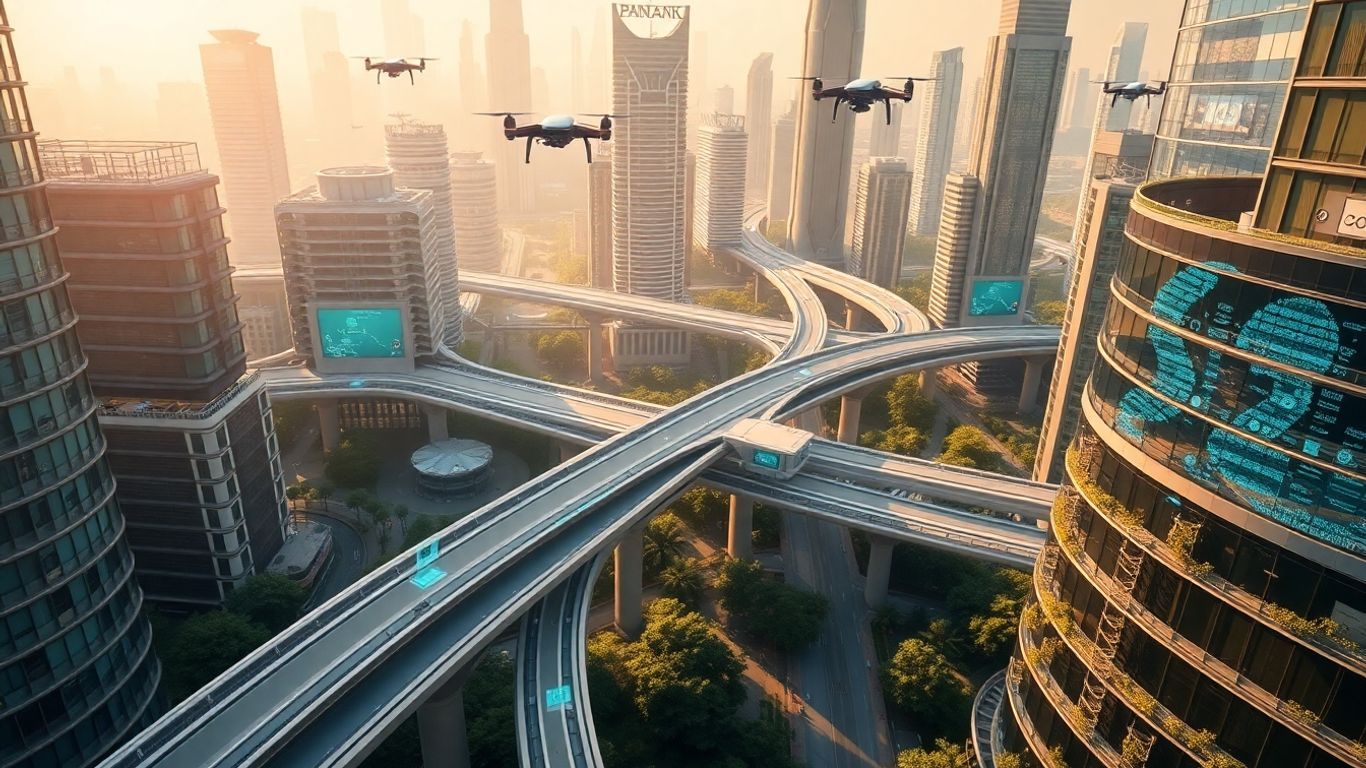
Smart tourism, it turns out, is much more than just incorporating advanced technology; fundamentally, it’s about making travel a superior experience for absolutely everyone involved. For visitors, this translates to effortlessly obtaining information and planning trips without any undue stress or hassle. Just imagine integrated ticketing systems that allow you to purchase access for multiple attractions or modes of transport in a single, seamless transaction—no more juggling disparate websites or enduring frustrating queues!
Improved Visitor Information and Ticketing
One of the most significant triumphs for smart destinations lies in their refined approach to information dissemination and ticketing. Gone are the days of getting thoroughly lost or missing out on key experiences simply because you didn't possess the correct ticket. Smart systems provide real-time updates on crucial aspects such as opening hours, precise transport schedules, and even anticipated crowd levels. This unprecedented level of clarity truly empowers travelers to make well-informed decisions spontaneously, enhancing their journey considerably.
- Unified Ticketing Platforms: Offers access to numerous attractions and transport options through a single, convenient purchase.
- Real-Time Information: Delivers instantaneous updates on schedules, local events, and current conditions.
- Multilingual Support: Ensures information is readily available in various languages, effectively dismantling communication barriers.
- Digital Itinerary Planning: Provides tools designed to help you construct and manage your trip meticulously from its inception to conclusion.
Data-Driven Management for Sensitive Sites
Many widely recognized destinations grapple with the pervasive challenge of over-tourism, an issue that can unfortunately degrade natural beauty and compromise cultural heritage. Smart tourism effectively leverages data to manage visitor flow with heightened precision. By keenly understanding visitor movement patterns—where people go and precisely when—destinations can strategically implement measures to disperse crowds, meticulously protect fragile ecosystems, and ensure places remain thoroughly enjoyable for both tourists and local inhabitants. This sophisticated approach is instrumental in preserving these invaluable special places for generations yet to come.
Managing visitor numbers isn't about imposing undue restrictions on access, but rather about ensuring that popular locales aren't overwhelmed to the point of degradation. It's about finding that crucial equilibrium so that everyone can enjoy these unique locations without inadvertently causing harm.
Support for Small and Medium-Sized Enterprises
Smart tourism initiatives frequently encompass comprehensive programs aimed at assisting local businesses—particularly small and medium-sized enterprises (SMEs)—in adapting to and excelling with digital tools. This support can manifest in various forms, from helping a charming local café establish an online ordering system to aiding a boutique tour operator with sophisticated digital marketing strategies. By enthusiastically embracing technology, these businesses can significantly expand their customer reach and operate with greater efficiency, thereby contributing substantially to a more robust and dynamic local economy. This digital transformation, incidentally, is a pivotal factor for many European destinations striving to maintain their competitive edge.
- Digital Skills Training: Offers targeted workshops and valuable resources to assist business owners in adopting new technologies effectively.
- Online Presence Development: Provides expert assistance in establishing compelling websites, engaging social media profiles, and efficient online booking systems.
- Access to Analytics: Furnishes powerful tools that offer invaluable insights into customer behavior and prevailing market trends.
- Collaboration Platforms: Creates opportunities for businesses to connect meaningfully with other enterprises and key destination management organizations.
Future Trends in Smart Travel
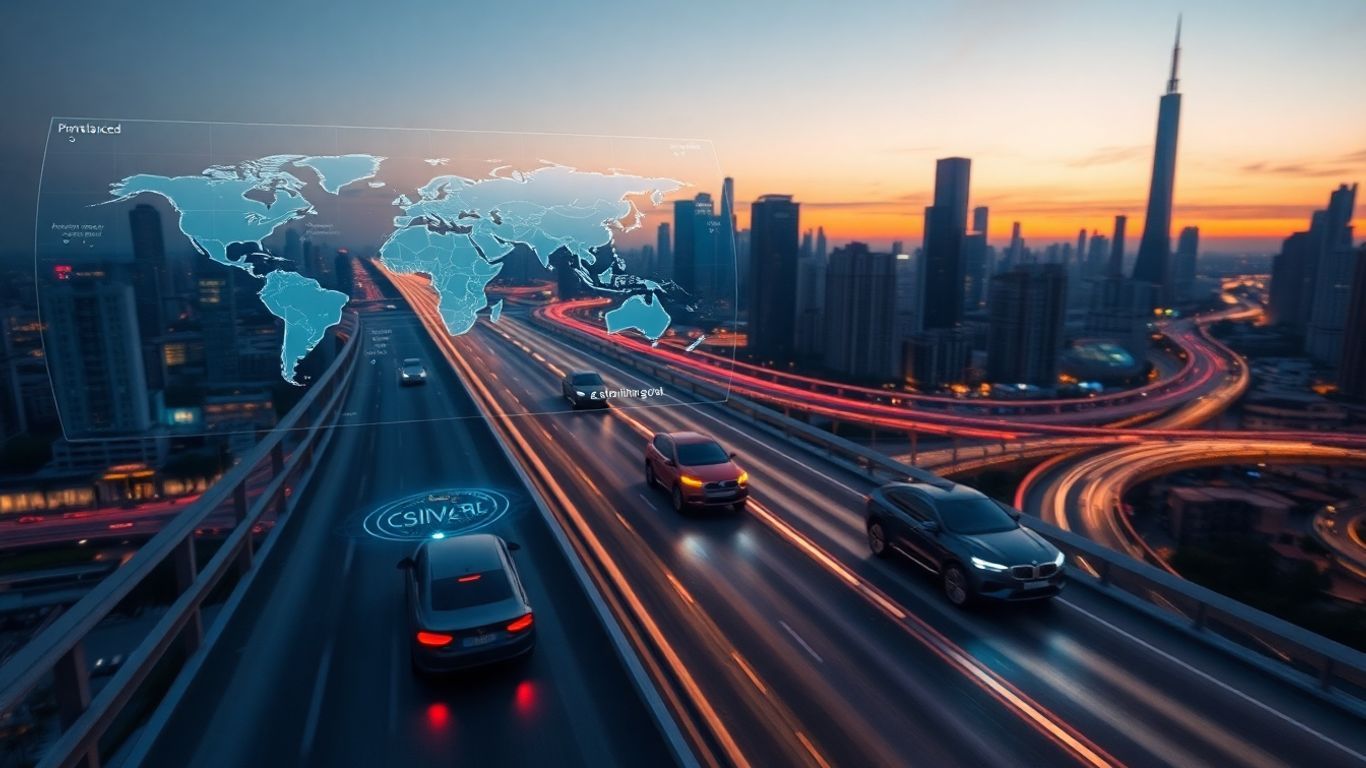
As we cast our gaze forward, the travel landscape is unmistakably poised for some truly fascinating transformations. It's becoming increasingly clear that the future isn't merely about where we go, but profoundly about how we arrive, what unique experiences we gather, and the ever-evolving role technology plays in shaping it all. The industry, it seems, is truly beginning to adapt to contemporary desires—which, notably, differ considerably from just a few short years ago.
The Rise of Virtual and Metaverse Travel
Here’s a trend that’s particularly intriguing, wouldn't you agree? Imagine, if you will, the prospect of exploring ancient ruins or navigating a bustling metropolitan hub—all from the comfort of your living room. The burgeoning metaverse and virtual reality technologies are actively unlocking entirely new avenues for 'travel'. While these innovations are unlikely to ever fully replicate the tactile authenticity of a physical journey, they offer a remarkable means to preview a destination, or perhaps more significantly, enable individuals who face physical travel limitations to still experience the wider world. It’s akin to possessing a digital passport to virtually anywhere. We are witnessing this domain evolve at an astonishing pace, and it genuinely has the potential to reshape how we even approach planning our actual, physical trips.
Increased Demand for Flexible Travel Options
Life, as we all know, frequently throws unexpected curveballs. Consequently, today’s travelers are increasingly prioritizing—indeed, demanding—flexibility. Consider the appeal of booking a trip where you can effortlessly adjust dates or secure a full refund should unforeseen circumstances arise. This isn’t simply a pleasant 'nice-to-have' feature anymore; it’s rapidly solidifying into a standard expectation. Companies adept at offering these adaptable terms are unequivocally poised to distinguish themselves in the marketplace. Such flexibility, without doubt, renders the entire planning process significantly less stressful.
Personalized and Dynamic Travel Offers
Let's face it: no one particularly enjoys being presented with generic, one-size-fits-all travel deals. The future of travel is intrinsically about meticulously tailoring experiences to *you*. This involves leveraging data to comprehend your specific predilections—be they culinary adventures, historical explorations, or adrenaline-fueled escapades—and subsequently showcasing offers that genuinely resonate with those interests. It's about ensuring every facet of your journey feels relevant and uniquely special, from the initial moments of planning right through to your actual presence at the destination. This level of personalization, in fact, can truly elevate a trip from merely good to unforgettable.
The travel industry stands on the cusp of a significant transformation. Adapting marketing strategies to meet these evolving guest expectations is not just beneficial, but absolutely key for future success.
Here’s a quick overview of the key drivers behind these shifts:
- Digitalization: AI, VR, and the metaverse are increasingly becoming mainstream tools.
- Sustainability: Travelers are exhibiting heightened awareness of their environmental footprint and actively seeking greener alternatives.
- Flexibility: Adaptable booking policies represent a major draw for consumers.
- Personalization: Tailored experiences, meticulously crafted based on individual preferences, are experiencing considerable growth.
These prevailing trends unequivocally point towards a future of travel that is more interconnected, remarkably adaptable, and profoundly mindful of both the discerning traveler and our precious planet. It’s an exhilarating period to observe how these progressive ideas materialize in actual travel destinations.
Smart Tourism in Action
Witnessing smart tourism concepts translate into tangible applications truly brings the future of travel vividly to life. It’s not simply about sophisticated apps; rather, it’s about diligently transforming places to be more accessible, sustainable, and ultimately, more enjoyable for every individual. Let's delve into a few illustrative examples that powerfully demonstrate how this evolution is actively taking shape.
Weimar's Augmented Reality Historical Tours
Imagine, if you will, traversing Weimar, Germany, and observing history literally unfold right before your very eyes. That’s precisely the immersive experience visitors can indulge in with the city’s pioneering augmented reality (AR) tours. Utilizing a dedicated map application on their smartphone, tourists can readily locate historical points of interest. As they direct their phone's camera towards a landmark, the screen dynamically superimposes archival photographs or historical scenes over their live view. It’s a rather ingenious—and indeed, quite neat—way to forge a deeper connection with iconic locations such as Goethe and Schiller's former residences or the venerable environs of the German National Theatre. The underlying technology can even facilitate the translation of antique inscriptions on monuments, thereby offering a more lucid comprehension of their historical significance.
Florence's Interactive Museum Experiences
Museums, too, are progressively undergoing a 'smart' transformation. In Florence, Italy, for example, interactive experiences are fundamentally reshaping how visitors engage with priceless art and profound history. Envision leveraging your smartphone to access enriched details about a particular painting, view a meticulous 3D model of an ancient artifact, or even embark on a virtual walk-through of a meticulously reconstructed historical setting. These sophisticated digital tools undeniably render learning more engaging, proving particularly beneficial for younger visitors or those who prefer to explore at their own unhurried pace. It effectively converts what might typically be a quiet, contemplative visit into a dynamic, interactive discovery.
Crowd Management in European Cities
Managing substantial volumes of visitors—especially during major events or within highly frequented locales—poses a considerable and recurring challenge. Smart tourism strategically employs technology, such as the Internet of Things (IoT), to mitigate this. Sensors and sophisticated data analysis can precisely track pedestrian movement patterns, enabling city officials to guide crowds with enhanced efficacy. This, in turn, translates to reduced congestion, diminished wait times, and ultimately, a safer, more pleasant experience for everyone. It also actively contributes to dispersing visitors, alleviating pressure on sensitive sites and ensuring that popular destinations don’t become unduly overwhelmed. Indeed, this data-driven approach is paramount in helping destinations thoughtfully balance the needs of tourists with the enduring well-being of local residents and the meticulous preservation of cultural heritage.
These real-world applications unequivocally demonstrate that smart tourism is far from merely a theoretical concept; it represents a highly practical methodology for significantly enhancing travel experiences and managing destinations with greater efficiency and foresight. By judiciously applying technology, cities can become demonstrably more welcoming, sustainable, and engaging for both visitors and their residents alike.
Looking Ahead
As we conclude our exploration of Smart Tour, it becomes abundantly clear that the future trajectory of travel is resolutely focused on crafting journeys that are easier, more accessible, and profoundly kinder to our planet. By meticulously integrating advanced technology, thoughtful strategic planning, and an unwavering commitment to meeting the needs of both discerning visitors and local communities, visionary projects like Smart Tour are actively paving the way forward. They are demonstrating how we can explore new locales in genuinely gratifying ways—leaving a positive, lasting imprint and ensuring that the places we cherish remain vibrant and flourishing for countless years to come. It’s undeniably an exciting period to be a traveler, with more opportunities than ever before to experience the world in a smarter, more connected, and truly responsible manner.
Frequently Asked Questions
What exactly is Smart Tour?
Smart Tour is essentially a collaborative undertaking involving various regions across Europe. Its core mission is to elevate the overall travel experience for everyone involved. The aim is to make trips effortless to plan, environmentally beneficial, and ensure visitors feel genuinely welcomed. Ultimately, it’s about employing intelligent concepts and cutting-edge technology to assist cities and regions in refining their tourism management, ensuring mutual benefits for both travelers and local residents.
What are the main goals of Smart Tour?
Smart Tour concentrates on several pivotal objectives. Firstly, it seeks to enhance travel accessibility for all demographics, including individuals with disabilities and families with young children. Secondly, it emphasizes protecting natural environments and indigenous cultures, ensuring these cherished aspects remain beautiful and engaging for the long term. Furthermore, the initiative harnesses technology to simplify processes like ticket booking and information retrieval, making them remarkably straightforward and swift for travelers.
How does technology help make travel 'smart'?
Technology plays a foundational role in Smart Tour. Consider applications that display historical images directly on your phone when viewing an old building, or sensors utilized for managing crowds at large-scale events to prevent overcrowding. Additionally, AI-driven chatbots are available around the clock to address your travel queries instantly, streamlining every facet of your journey.
What are the benefits for travelers and destinations?
For travelers, the benefits include effortless access to information, hassle-free bookings, and an ultimately more enjoyable trip. For destinations, it facilitates superior management of visitor flows, particularly at popular attractions, and provides crucial support to local businesses. Moreover, it empowers destinations to make more informed, data-driven decisions about their tourism operations.
Are there examples of Smart Tour in action?
Absolutely! Cities like Weimar in Germany are actively deploying innovative augmented reality tours to vividly bring history to life. Florence, Italy, offers interactive museum experiences that allow for detailed exploration of art. Many European cities are also leveraging technology to manage large gatherings during events, thereby ensuring a safe and pleasant experience for all attendees.
What's next for smart travel?
The future of smart travel appears quite promising! We anticipate a surge in virtual travel experiences, such as exploring destinations within the metaverse. Travelers are also increasingly seeking greater flexibility in their plans, including straightforward changes or cancellations. Furthermore, destinations are becoming more adept at curating personalized trips that precisely align with individual preferences, making each journey truly exceptional.


