
resources
The Top 20 Smart Cities in the World: A Comprehensive Ranking for 2025
22 Nov 2025

As we delve into 2025, our focus turns to the cities truly distinguishing themselves through technological innovation and forward-thinking strategies. It isn't merely about gleaming new gadgets, however; it's fundamentally about how these urban centers are actively enhancing the quality of life for their residents. We've compiled a comprehensive list of the top 20 smart cities worldwide, assessing them based on crucial criteria such as digital connectivity, environmental stewardship, and the vitality of their tech job markets. It's certainly insightful to observe which cities are leading the pack and, crucially, what strategies they are implementing so effectively.
Key Takeaways
- This year's ranking meticulously evaluates technological infrastructure, sustainability initiatives, and the availability of tech-focused employment opportunities to identify the smartest urban centers.
- Leading cities are leveraging technology to significantly improve public services, optimize transportation networks, and elevate the overall quality of life for their inhabitants.
- Despite numerous smart advancements, affordable housing remains a pressing concern for residents in many of these top-tier cities.
- Pervasive global challenges, such as climate change, are prompting cities to fundamentally re-evaluate their development models and resource management strategies.
- The list showcases a diverse array of cities from across the globe, illustrating the varied approaches being adopted in the pursuit of 'smart' urban status.
Related Contents:
smart city project 2030 agenda
1. London
London has, once again, secured its position as the world's smartest city—a remarkable achievement, marking its eleventh consecutive year at the top. This sustained success is far from coincidental; it's meticulously built upon a robust foundation spanning multiple pivotal areas. The city consistently earns high marks for its livability, desirability, and economic prosperity, rendering it a powerful magnet for global talent, significant investment, and an influx of visitors.
London's preeminence is particularly evident within its dynamic technological landscape. It leads Europe in the sheer number of companies dedicated to Artificial Intelligence (AI) and the Internet of Things (IoT), firmly cementing its role as a global innovation hub. While some reports suggest its 5G speeds might modestly trail a few other European capitals, the sheer volume of its tech-focused enterprises and its comprehensive infrastructure collectively ensure its continued leadership.
Here's an overview of some key factors contributing to London's impressive smart city status:
- Economic Powerhouse: London consistently ranks as the number one city for prosperity, drawing in global businesses and cultivating a vibrant job market, especially within the burgeoning tech sector.
- Cultural Magnet: The city's profound history, diverse population, and effervescent cultural scene make it exceptionally desirable, attracting individuals from every corner of the world.
- Connectivity Hub: Notwithstanding some variations in speed, London boasts substantial investment in digital infrastructure and serves as a critical international travel gateway—a true nexus of global connection.
- Innovation Ecosystem: With a high concentration of both AI and IoT companies, London stands at the forefront of developing and actively implementing new technologies.
London's unique ability to skillfully balance its historical significance with forward-thinking technological adoption and a formidable economic base is absolutely crucial to its sustained success. It truly serves as an exemplary model for how established global cities can adeptly adapt and flourish in our increasingly digital world.
The city's approach to urban development centers on seamlessly integrating smart solutions into its existing fabric, from enhancing public transport to optimizing public services, all with the overarching aim of improving residents' quality of life while meticulously preserving its global appeal.
2. New York
New York City firmly holds its strong second position in the global smart city rankings for 2025, a clear testament to its unwavering commitment to innovation and progressive urban development. The city consistently impresses with its monumental investments in cultural economies and significant large-scale urban infrastructure projects. Despite various global shifts, New York effortlessly maintains its universal appeal, continuously drawing attention for its exceptionally dynamic environment.
This commendable ranking reflects a city that is not only robust but also actively shaping its future, demonstrating remarkable foresight. Here's a look at some key areas that significantly contribute to its enviable smart city status:
- Technological Integration: New York is actively advancing with cutting-edge smart infrastructure, aiming to substantially improve essential services and connectivity for all its residents. This encompasses significant advancements in its public transit systems and the digital transformation of public services.
- Economic Dynamism: The city's incredibly robust economy, particularly its thriving cultural and tech sectors, plays an absolutely pivotal role. It consistently attracts top talent and significant investment, thereby driving innovation across a multitude of diverse fields.
- Resilience and Sustainability: Concerted efforts are currently underway to enhance the city's resilience against climate impacts and to meticulously integrate sustainable practices into its urban planning—an increasingly critical concern for major metropolises worldwide.
New York's remarkable ability to flawlessly blend its iconic status with forward-thinking initiatives keeps it squarely at the forefront of urban innovation. The city serves as a prime example of how well-established global centers can adeptly adapt and truly thrive in a rapidly evolving world. Moreover, the state is actively pursuing strategies to bolster downtown areas, with substantial funding now available for critical downtown revitalization initiatives.
The city's approach to smart development is multifaceted, focusing not just on technology but equally on the quality of life for its inhabitants and its inherent capacity to adapt to future challenges. This truly holistic view is what genuinely defines its smart city credentials.
3. Paris
Paris has, once again, demonstrably earned its place as a top-tier smart city, impressively securing the third global position and leading the charge in Europe for the second consecutive year. This iconic French capital truly shines when it comes to its technological infrastructure and connectivity, achieving a robust score of 79 out of 100. It isn't solely about the numbers, however; Paris functions as a vibrant hub for innovation, particularly excelling in the fields of artificial intelligence and the Internet of Things.
When we examine the quantitative data, Paris's performance is quite strong:
- AI Companies: Paris proudly hosts the second-highest number of AI companies in Europe, with an impressive count of 666. This clearly indicates a profound focus on both developing and implementing AI technologies within the city.
- IoT Companies: It also ranks second across Europe for the sheer volume of Internet of Things (IoT) companies, boasting 148 such enterprises. This signifies a substantial and growing presence within the connected devices sector.
- Green Credentials: Paris is also making commendable strides in sustainability. It has managed to lose very little tree coverage over the years—a mere 9 hectares since 2001—while simultaneously adding over 220 hectares of brand-new green spaces. This resolute commitment to green infrastructure constitutes a vital component of its comprehensive smart city strategy.
Paris is unequivocally proving that the harmonious blending of historical charm with forward-thinking technology creates an urban environment that is truly dynamic. The city's sophisticated approach to smart development extends beyond high-tech gadgets; it is fundamentally about cultivating a livable, sustainable, and prosperous future for all its residents. It stands as a place where innovation seamlessly meets tradition, making it an undeniable standout on the global stage.
4. Tokyo
Tokyo, a metropolis that consistently appears to be a step ahead, secures the number four position on our 2025 list. It's a truly remarkable place where ancient traditions gracefully converge with cutting-edge technology in a manner that is utterly unique and captivating.
Tokyo's inherent strength lies in its extraordinary blend of unparalleled efficiency and relentless innovation. The city consistently achieves high rankings in critical areas such as public transportation, pervasive safety, and the seamless integration of technology into daily life. Consider the Shinkansen (bullet train), for instance—it's not merely fast; it stands as an enduring symbol of Japanese precision and reliability, a benchmark that countless other cities frequently aspire to emulate.
Here’s a concise overview of what distinguishes Tokyo:
- Advanced Infrastructure: From its hyper-efficient public transit system—a genuine marvel of punctuality and interconnectedness—to its sophisticated smart traffic management, Tokyo meticulously ensures its millions of residents move smoothly through the urban landscape.
- Technological Integration: Smart technology is ubiquitous here, evident everywhere from automated convenience stores to advanced robotics deployed across various industries. Indeed, the city itself functions as a living laboratory for groundbreaking new technologies.
- Resilience and Preparedness: Tokyo is renowned for its extraordinarily robust disaster preparedness protocols, an absolutely critical factor in a region inherently prone to natural events. This unwavering focus on safety and resilience is a quintessential smart city characteristic.
- Economic Powerhouse: As an undisputed global financial center, Tokyo continuously attracts premier talent and significant investment, thereby driving innovation across pivotal sectors like AI and digital services.
Tokyo's approach to smart city development isn't simply about deploying flashy gadgets; it is deeply rooted in substantively improving the quality of life for its citizens through practical, meticulously engineered solutions. This unwavering focus on tangible benefits renders its smart initiatives particularly impactful.
While specific metrics may naturally fluctuate from year to year, Tokyo's consistent, strong performance across various indicators of urban intelligence—ranging from advanced connectivity to proactive sustainability efforts—solidifies its position as a truly global leader.
5. Singapore
Singapore consistently ranks high on global smart city lists, and for excellent reason. This vibrant island nation has made an unequivocal commitment to seamlessly integrating technology into its urban fabric, all with the express aim of improving the lives of its residents. It isn't simply about flashy gadgets here; it's about practical, impactful applications that make daily life smoother and, crucially, more sustainable.
Singapore's approach is distinctly characterized by a strong emphasis on data-driven decision-making and a profoundly citizen-centric innovation ethos. They have truly pioneered in areas such as smart mobility, efficient digital governance, and promoting sustainable urban living—a holistic strategy that has yielded impressive results.
Here are some key areas where Singapore truly excels:
- Smart Mobility: Consider their integrated public transport systems that ingeniously utilize real-time data to meticulously manage traffic flow and provide exceptionally accurate travel information. They have also actively explored autonomous vehicle trials and sophisticated smart parking solutions.
- Digital Governance: Singapore has vigorously championed e-government services, making it significantly easier for citizens to access public services and information online. This includes robust digital identity systems and intuitive platforms designed for citizen feedback.
- Sustainable Urban Living: From innovative smart energy grids that optimize power consumption to advanced waste management systems employing technology to enhance efficiency, Singapore is tirelessly working to establish itself as an environmentally conscious city.
- Public Safety and Security: Cutting-edge surveillance systems and sophisticated data analytics are strategically deployed to significantly enhance public safety and ensure rapid emergency response capabilities.
Singapore's remarkable success isn't accidental—far from it. It is the direct result of astute long-term planning, substantial investment in critical infrastructure, and a government that actively fosters technological adoption and continuous innovation. They profoundly understand that a truly smart city is one that adeptly adapts and continuously evolves to meet the ever-changing needs of its people.
While many cities are still grappling with the foundational basics, Singapore has already progressed to addressing more complex challenges, such as leveraging AI to intricately manage urban resources and cultivate a more interconnected and responsive environment for everyone.
6. Dubai
Dubai has demonstrated a truly significant leap in the smart city rankings for 2025, impressively climbing from 12th to 4th place. This substantial ascent represents the most considerable jump among all cities, clearly indicating a robust push towards establishing itself as a global leader in smart urban development. It's not merely about deploying flashy technology here; Dubai is intently focused on practical improvements that tangibly impact daily life for its residents.
One of the primary areas where Dubai unequivocally shines is its infrastructure. Imagine advanced transportation networks, highly efficient energy systems, and widespread, seamless digital connectivity. These aren't just buzzwords, mind you; they directly translate into smoother commutes, more reliable essential services, and remarkably easier access to vital information for both residents and visitors. The city is actively investing in groundbreaking projects designed to make urban living inherently more convenient and undeniably sustainable.
Here are some of the key initiatives actively contributing to Dubai's burgeoning smart city status:
- Digital Government Services: A significant number of government services are now readily accessible online or through intuitive mobile applications, thereby substantially reducing paperwork and cumbersome wait times.
- Smart Mobility Solutions: This encompasses integrated public transport systems, sophisticated smart parking solutions, and strategic initiatives specifically designed to alleviate traffic congestion.
- Sustainable Energy Projects: Dubai is diligently working to amplify its utilization of renewable energy sources and is actively implementing smart grids to manage energy consumption with greater efficacy.
- Data-Driven Urban Planning: The city employs advanced data analytics to gain a profound understanding of citizen needs and to continuously refine urban planning, from the design of public spaces to the provision of housing.
Dubai's resolute commitment to innovation is strikingly evident in its rapid adoption of new technologies and its unwavering focus on citizen well-being. The city consistently seeks novel ways to integrate technology into its urban fabric, always striving to improve the quality of life for everyone. It’s a place where the future of urban living is being actively shaped, making it a compelling example in the global smart city conversation. For a deeper dive, you can explore more about how cities are measured in the Smart City Index.
While numerous cities grapple with the pervasive challenge of affordable housing, Dubai's comprehensive approach to smart city development is geared towards cultivating a more efficient and livable environment for its rapidly growing population. The overriding focus is on creating a city that functions demonstrably better for its people through intelligently applied smart solutions.
7. Berlin
Berlin is truly carving out a formidable reputation for itself in the dynamic smart city landscape, impressively securing the number 9 spot overall in the latest global rankings. It's a fascinating metropolis that seems to effortlessly balance its rich, profound history with an undeniably forward-thinking approach, particularly when it comes to technology and innovative solutions.
The city stands as a significant hub for tech jobs across Europe, demonstrating robust growth within its vibrant startup ecosystem. While it might not boast the absolute highest number of tech job openings compared to some global giants, its density of emerging startups and the rapid expansion of its tech sector are genuinely impressive. This palpable buzz actively attracts both talent and crucial investment, propelling Berlin further into the smart city conversation.
Here’s a concise overview of some key areas where Berlin unequivocally shines:
- Tech Infrastructure: While not always topping the charts for raw internet speeds, Berlin possesses a solid, reliable foundation. It is home to a notable number of both AI and IoT companies, collectively contributing to an exceptionally dynamic technological environment.
- Innovation & Startups: The city fosters an incredibly vibrant startup culture, characterized by a continuous emergence and growth of new companies, particularly within tech-related fields. This entrepreneurial spirit serves as a pivotal driver of its smart city development.
- Sustainability Efforts: Berlin is also actively prioritizing green initiatives, which are becoming increasingly indispensable for truly smart cities. This includes concerted efforts in managing air quality and strategically expanding green spaces, though—like many large urban areas—it certainly faces its share of environmental challenges.
Berlin's strategic approach appears to center on cultivating a strong, intricately interconnected tech community that possesses the inherent adaptability to confront future challenges. It isn't merely about possessing the latest gadgets; it is fundamentally about creating an environment where innovation can truly flourish and unequivocally benefit the city's residents.
8. Barcelona
Barcelona consistently impresses as a leading smart city, gracefully blending its rich historical tapestry with a forward-thinking approach to urban development. This vibrant Catalan capital stands out significantly in Europe for its profound commitment to seamlessly integrating technology into daily life, all while meticulously preserving its unique and cherished cultural identity.
Barcelona's intelligent smart city initiatives are strategically focused on several crucial areas:
- Sustainable Mobility: The city has invested substantially in its public transport network, cycling infrastructure, and sophisticated smart traffic management systems—all designed to effectively reduce congestion and mitigate pollution. Innovative initiatives like the 'Superblocks' (superilles) are specifically aimed at reclaiming valuable street space for pedestrians and expanding green areas.
- Digital Connectivity: Barcelona proudly boasts a robust network of public Wi-Fi and is actively deploying 5G technology to support a broad spectrum of smart services, ranging from enhancing public safety to fostering greater citizen engagement.
- Energy Efficiency: The city is diligently implementing smart grids and vigorously promoting the utilization of renewable energy sources in both public buildings and residential areas, thereby significantly lowering its overall carbon footprint.
- Citizen Engagement: Through various digital platforms and inclusive participatory budgeting processes, Barcelona actively encourages its residents to become deeply involved in shaping the future trajectory of their city.
While specific quantitative data for Barcelona's smart city metrics isn't always readily available in public reports, its consistent presence in global rankings unequivocally underscores its impressive success. The city's comprehensive approach is frequently cited as an exemplary model for how tradition and innovation can harmoniously coexist and even thrive.
Barcelona's overarching smart city strategy isn't solely about technology; it's profoundly rooted in enhancing the quality of life for its residents. The central focus is on meticulously creating a more livable, sustainable, and genuinely inclusive urban environment for everyone.
The city's unwavering dedication to smart solutions is strikingly evident in its ongoing projects and its commendable ability to adapt to the evolving needs of its citizens, making it a truly dynamic and intelligently evolving urban center.
9. Rome
Rome, the revered Eternal City, steadfastly holds its ground as a significant player in the global smart city landscape for 2025. While it might not always capture headlines for pioneering, cutting-edge tech adoption in the same vein as some of its counterparts, Rome offers a truly unique blend of profound historical depth and astute forward-thinking urban development. Its inherent strength lies in its ability to seamlessly integrate modern smart city solutions within its rich cultural heritage, thereby creating a living, breathing testament to how the past and future can harmoniously coexist.
The city is making commendable strides in enhancing its infrastructure and services through judicious use of technology, specifically focusing on areas that directly impact residents' daily lives. This encompasses concerted efforts in smart mobility, aiming to alleviate congestion within its historic core, and strategic initiatives designed to elevate public services through sophisticated digital platforms. Rome's distinctive approach is less about deploying flashy new tech and more about practical, impactful application that profoundly respects its unparalleled urban fabric.
Here are some key areas where Rome is demonstrably showcasing its smart city capabilities:
- Smart Mobility: Implementing intelligent traffic management systems and vigorously promoting sustainable transport options—all crucial for navigating its famously complex streets.
- Digital Public Services: Expanding online access to essential government services and vital information, thereby making interactions inherently more efficient for its citizens.
- Cultural Heritage Integration: Skillfully utilizing technology to meticulously preserve, vigilantly protect, and widely share its vast historical sites, making them more accessible and profoundly engaging for both visitors and local inhabitants alike.
- Environmental Monitoring: Strategically deploying sensors and sophisticated data analytics to gain a clearer understanding of, and better manage, crucial environmental factors such as air quality within the city's bounds.
Rome's smart city journey is a thoughtful, deliberate process, carefully balancing innovation with the non-negotiable preservation of its unparalleled historical and cultural identity. It's a city that deeply understands the paramount importance of smart solutions, not merely for efficiency, but fundamentally for maintaining its very soul.
While specific quantitative data on Rome's smart city metrics can be complex to isolate from broader urban development reports, its consistent presence in global rankings points to a solid foundational commitment and ongoing dedication to smart urban living. The city's impressive ability to adapt and integrate new technologies while profoundly honoring its past serves as an admirable model for countless other historic urban centers worldwide.
10. Atlanta
Atlanta is truly making some serious waves in the smart city scene, especially within the U.S. In fact, it's been named America’s smartest city for 2025, which is quite an impressive achievement, wouldn't you agree?
What's genuinely propelling Atlanta forward is its robust tech infrastructure. Think incredibly fast internet speeds—they're right up there with the best in the country for both download and upload capabilities. Moreover, the city boasts a strong presence of companies actively working with the Internet of Things (IoT) and artificial intelligence (AI). It's rapidly transforming into a significant hub for that kind of pioneering innovation.
Here’s a concise overview of how Atlanta measures up in a few crucial areas:
- Tech Infrastructure & Connectivity: Scores an impressive 88 out of 100.
- Tech Job Market: Maintains a solid 82 out of 100.
- IoT Companies: Ranks third highest relative to its population.
- AI Companies: Comes in fifth for the overall number of AI companies.
If you happen to be in the tech field, Atlanta genuinely presents itself as a fantastic place to seek employment. There's a high volume of tech jobs advertised there, with approximately 643 positions per 10,000 people. That's a pretty strong indicator, certainly, of a thriving tech economy.
The city's unwavering focus on digital advancements and a rapidly expanding tech sector are key reasons for its elevated ranking. It undeniably demonstrates a commitment to embracing new technologies and meticulously cultivating an environment where innovation can truly flourish.
It’s genuinely interesting to observe how Atlanta is leading the charge, even ahead of established tech hubs like Boston and San Francisco in some of these critical smart city metrics. This merely goes to show that innovation can indeed emerge in unexpected places. The city is also actively working on its green initiatives—a vital undertaking for any city looking towards a sustainable future. You can witness some of these efforts firsthand in locations like the Curiosity Lab in Peachtree Corners, which is actively showcasing advanced smart city technology.
11. Boston
Boston is truly establishing itself as a significant player in the smart city discourse, particularly when it comes to technology and innovation. It's not merely about having a plethora of tech companies—though Boston certainly boasts an impressive number—but also about how the city's very structure supports new ideas and digital progress.
The city is exceptionally strong in the realm of artificial intelligence, proudly claiming a high rate of AI companies per capita. This concentrated focus on AI is receiving active support from state initiatives, such as the Massachusetts AI Hub, which aims to firmly position the region as a leader in this burgeoning field. This kind of astute, forward-thinking approach is precisely what helps Boston distinguish itself.
Here's a concise overview of some of Boston's core smart city strengths:
- AI Innovation: A high concentration of AI companies, complemented by robust state-backed initiatives.
- Tech Infrastructure: Demonstrates solid performance in critical areas like connectivity and digital frameworks.
- Interdepartmental Collaboration: Possesses formalized structures that enable city agencies to effectively collaborate on tech projects—a significant advantage for ensuring efficient execution. You can delve deeper into how the Department of Innovation and Technology operates across various city agencies.
Boston's unwavering commitment to seamlessly integrating technology into its urban fabric is strikingly evident in its strategic planning and substantial investment in key tech sectors. This deliberate focus not only attracts top talent and thriving businesses but also aims to profoundly improve the daily lives of its residents through smarter services and enhanced infrastructure.
While other cities might excel in certain niche areas, Boston's balanced approach to technological advancement, proactive sustainability efforts, and collaborative governance undeniably makes it a significant and influential player in the smart city landscape for 2025.
12. San Francisco
San Francisco steadfastly remains a major player in the smart city landscape, particularly excelling in green initiatives and advanced technological infrastructure. The city consistently achieves high rankings in the U.S. for its profound commitment to sustainability and its forward-thinking approach to urban development.
When we examine environmental metrics, San Francisco truly stands out. It boasts a significant number of electric vehicle (EV) charging stations—both in total count and density—positioning it among the top U.S. cities in this crucial area. This dedicated focus on EV infrastructure is a clear indicator of its resolve to reduce carbon emissions and actively promote cleaner transportation options.
Beyond transportation, San Francisco also performs commendably in green building certifications. It features a notable number of LEED-certified buildings, reflecting an unwavering commitment to energy-efficient and environmentally responsible construction practices. This dedication to sustainable building is a key component of its comprehensive smart city strategy, ultimately aiming to foster a healthier urban environment for all.
Here's a concise snapshot of its core strengths:
- Electric Vehicle Infrastructure: Demonstrates a high density and impressive total number of EV charging stations.
- Green Buildings: Showcases a strong presence of LEED-certified structures throughout the city.
- Tech Innovation: Serves as home to a significant number of companies primarily focused on the Internet of Things (IoT).
While the city is navigating various economic shifts, its ongoing investment in sustainable technologies and resilient infrastructure solidifies its position as a truly forward-looking smart city. Its remarkable ability to adapt and seamlessly integrate new technologies, all while prioritizing environmental health, is precisely what keeps it prominently featured on this prestigious list.
San Francisco's approach to smart city development is distinctively characterized by a dual focus on both technological advancement and diligent environmental stewardship. This crucial balance is vital for creating urban spaces that are not only highly efficient but also genuinely sustainable for the long term.
13. Seattle
Seattle is truly carving out a formidable reputation for itself in the tech world. It's no longer just about Amazon and Microsoft, although those industry giants certainly helped put it on the map. The city has genuinely transformed into a serious hub for innovation, particularly excelling in cutting-edge areas like the Internet of Things (IoT) and artificial intelligence (AI).
When you consider the criteria that define a city as 'smart' for the future, Seattle performs quite admirably. It has comfortably landed in the top tier of U.S. cities for its robust tech infrastructure and superior connectivity. This implies that residents and businesses benefit from reliable internet and a healthy concentration of tech companies establishing their presence here.
Here's a concise overview of how Seattle stacks up in some pivotal areas:
- IoT Companies: Seattle is among the leading U.S. cities for possessing a high concentration of companies specifically focused on the Internet of Things.
- AI Presence: The city also ranks well for the number of AI companies per resident, clearly indicating robust growth within this cutting-edge field.
- Connectivity: Overall, Seattle's infrastructure is meticulously geared towards supporting advanced technology and sophisticated digital services.
While many cities are still grappling with how to effectively balance rapid growth with crucial sustainability, Seattle is proactively building out the essential digital backbone required for future technologies. It's truly a place where new ideas in tech seem to consistently find fertile ground to flourish.
It's genuinely fascinating to observe how Seattle has successfully transitioned from its industrial roots into this vibrant, modern tech center. The city's unwavering focus on diligently developing its technological capabilities is a significant reason why it's considered a prime smart city for 2025.
14. San Jose
San Jose, often affectionately dubbed the "Capital of Silicon Valley," is a city that genuinely lives and breathes innovation. While it might not always capture the same headlines as some of its more prominent coastal neighbors, its smart city initiatives are profoundly embedded within its technological DNA. The city is actively exploring how to leverage artificial intelligence to significantly improve public services—a forward-thinking move that could establish a new benchmark for urban governance. This strategic vision involves not only adopting new technology but also meticulously focusing on training its workforce to adeptly handle these advancements and actively encouraging robust collaboration between various city departments and local AI startups.
San Jose is also making commendable strides in sustainability, though these efforts aren't always broadly highlighted in general rankings. It's an integral part of a region that boasts a significant number of electric vehicle charging stations, which is undoubtedly a positive indicator for future mobility solutions.
Here are some key areas where San Jose is actively pushing forward:
- AI Integration: Exploring the use of AI for enhanced city management and more responsive services.
- Workforce Development: Concentrating on upskilling residents to prepare them for a tech-driven future.
- Startup Ecosystem: Actively supporting and collaborating with emerging technology companies to foster innovation.
- Sustainable Infrastructure: Making a notable contribution to the region's expanding EV charging network.
The city's discerning approach is less about flashy, large-scale projects and more about practical, tech-driven solutions that aim to make daily life smoother and more efficient for its residents. It's truly a place where the future of urban living is being quietly, yet robustly, built—one smart initiative at a time.
Despite some economic fluctuations reported in the broader Bay Area, San Jose's unwavering commitment to technological advancement and its pivotal role as a hub for innovation remain exceptionally strong. It's a city that deeply understands the paramount importance of adapting to new technologies to maintain competitiveness and, crucially, to enhance the quality of life for its citizens. This deliberate focus on AI stands as a prime example of its astute, forward-thinking strategy.
15. Wroclaw
Wroclaw, a vibrant city in Poland, is truly making some serious waves in the smart city scene, particularly when it comes to tech jobs. It isn't just about having a large volume of positions, but rather the quality and discernible concentration of these roles that genuinely stand out.
Wroclaw ranks among the top European cities for its burgeoning tech job market. This achievement is far from accidental; the city has diligently cultivated a strong academic foundation and successfully attracted a significant number of research and development centers from both local and international companies. This strategic approach creates incredibly fertile ground for innovation and fosters substantial career growth within the technology sector.
Here's a concise overview of what establishes Wroclaw as a prominent tech hub:
- Academic Prowess: Home to several distinguished universities, Wroclaw consistently produces a steady stream of highly skilled graduates, ready to seamlessly integrate into the tech workforce.
- R&D Investment: The notable presence of numerous domestic and global companies investing heavily in research and development vigorously fuels job creation and propels technological advancement.
- Startup Ecosystem: An increasing number of innovative startups are strategically choosing Wroclaw, thereby adding significant dynamism and fresh opportunities to the city's tech landscape.
This dedicated focus on technology and innovation constitutes a pivotal component of Wroclaw's comprehensive strategy to become a leading smart city. The city is actively working on continuously improving its infrastructure and essential services, aiming to cultivate a more connected and exceptionally efficient urban environment for its residents. Events like Made in Wrocław 2025 distinctly highlight the city's unwavering commitment to showcasing its smart city progress and actively fostering collaborative partnerships.
Wroclaw's astute approach to smart city development is notably characterized by a strong emphasis on leveraging its existing strengths, particularly within the tech and R&D sectors. This strategic focus empowers the city to build upon an already solid foundation, thereby forging a more robust and truly sustainable future.
16. AlUla
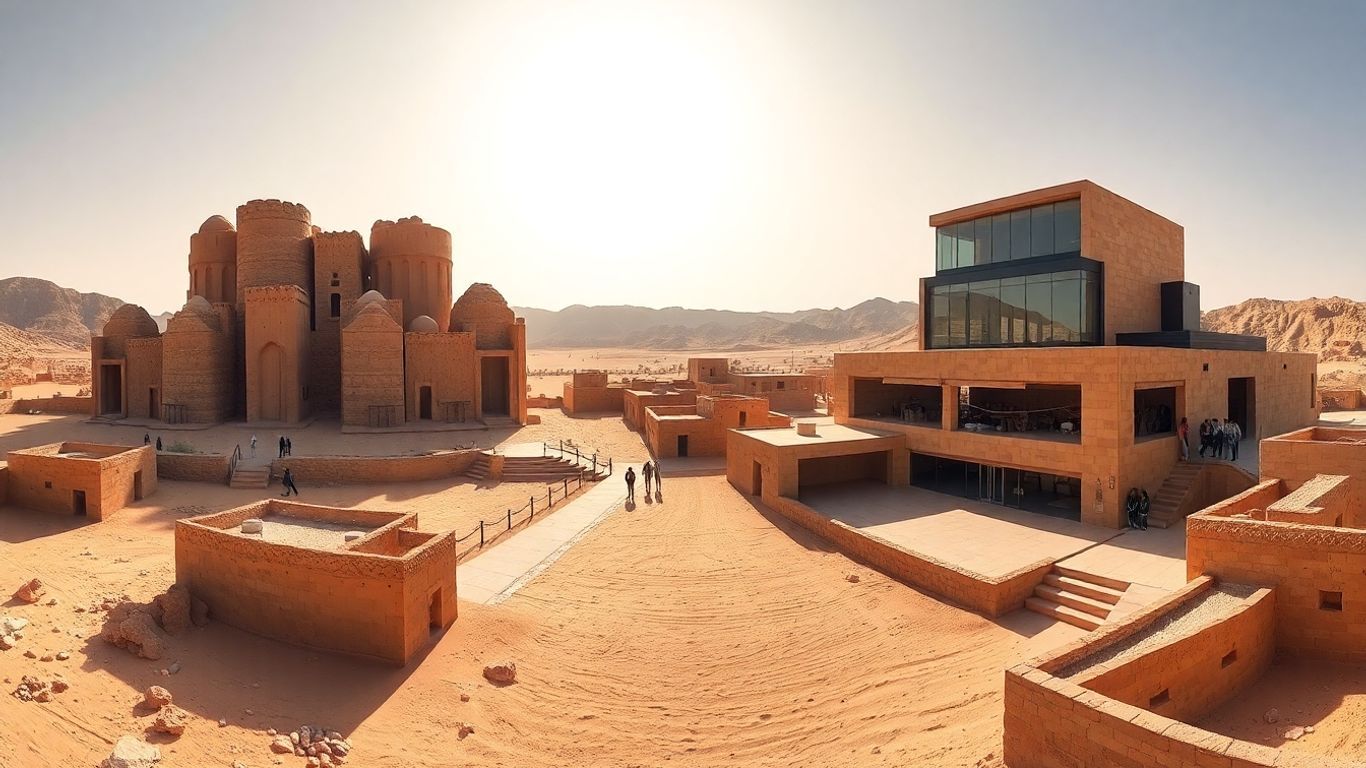
AlUla, a city nestled in Saudi Arabia, is genuinely making waves in the smart city conversation for 2025. While it might not be as globally recognized for its technological prowess as some of the top contenders, its inclusion highlights a compelling and growing trend: the thoughtful development of smart urban environments within historically significant locations. AlUla is intently focused on seamlessly integrating modern technology with its rich cultural heritage, all with the aim of creating a truly unique and enriching living experience.
The city's discerning approach actively prioritizes sustainable development and the meticulous preservation of its ancient landscapes, while simultaneously introducing intelligent smart solutions. This involves careful and strategic planning to ensure that technological advancements genuinely support, rather than detract from, the breathtaking natural beauty and profound historical importance of the region.
Key areas of focus for AlUla's innovative smart city initiatives include:
- Sustainable Tourism: Implementing technology to judiciously manage visitor flow, minimize environmental impact, and provide an enriched, immersive experience for tourists exploring the awe-inspiring archaeological sites.
- Infrastructure Development: Constructing smart grids, highly efficient water management systems, and advanced waste disposal solutions—all meticulously tailored to the unique desert environment.
- Digital Connectivity: Substantially enhancing internet access and digital services for both residents and visitors, thereby effectively bridging any potential digital divide.
- Cultural Preservation: Skillfully utilizing digital tools for comprehensive archiving, in-depth research, and engaging interactive displays that vibrantly bring AlUla's rich history to life.
AlUla's strategy presents a fascinating case study in how deeply rooted heritage sites can thoughtfully embrace smart city concepts without, critically, losing their inherent identity. It's fundamentally about discovering a harmonious balance between the ancient and the novel, utilizing technology as a powerful tool to protect and, importantly, share its truly unique story with the world.
While specific metrics for AlUla's smart city performance are still in their nascent stages, its inclusion in global rankings unequivocally signifies its strong commitment to forward-thinking urban development. The city is diligently working to become an exemplary model for how historical destinations can gracefully adapt and robustly thrive in our increasingly digital age.
17. Astana
Astana, the modern capital of Kazakhstan, is undeniably making significant strides in its journey to become a smarter, more integrated urban center. While perhaps not as globally recognized as some of the top-tier cities mentioned, Astana is actively working on seamlessly integrating technology and sustainable practices into its ongoing development. The city is strategically focusing on substantially improving its digital infrastructure and public services, all with the express aim of enhancing the quality of life for its residents.
Key areas of focus for Astana's burgeoning smart city initiatives include:
- Digital Governance: Implementing sophisticated e-government services designed to streamline administrative processes and significantly improve citizen access to vital information and essential services.
- Smart Transportation: Actively exploring innovative solutions for traffic management and public transit optimization, with the clear objective of reducing congestion and enhancing overall urban mobility.
- Sustainable Development: Investing judiciously in green technologies and pioneering urban planning that unequivocally prioritizes environmental protection and resource efficiency.
The city's unwavering commitment to modernization is strikingly evident in its concerted efforts to build a more connected and exceptionally efficient urban environment. While specific data on its performance across all smart city metrics might be less prominent globally, Astana's inclusion in broader smart city discussions highlights its growing ambition and astute strategic planning for the future. It's certainly a city to watch closely as it continues to evolve and thoughtfully adopt innovative solutions.
Astana's comprehensive development strategy often emphasizes creating a modern, technologically advanced capital that simultaneously respects its rich cultural heritage and crucial environmental considerations. This vital dual focus is absolutely key to its long-term vision and sustained success.
18. Caracas
Caracas, Venezuela's bustling capital, is notably making its debut on the global smart city stage in 2025. While it might not boast the extensive, cutting-edge tech infrastructure of some of the top-ranked cities, its inclusion highlights a compelling and growing focus on core citizen needs and the fundamental quality of life.
The city's inclusion in this year's ranking is particularly noteworthy, given the significant economic challenges it has faced. This strongly suggests that the criteria for what constitutes a smart city are evolving and broadening, now looking beyond merely technological advancement to actively consider how cities are striving to tangibly improve daily life for their residents.
Here’s a look at some key areas where Caracas is concentrating its efforts:
- Improving Public Services: Concerted efforts are underway to modernize and enhance the efficiency of essential services such as transportation, waste management, and utilities. This includes strategic initiatives aimed at achieving better public transit accessibility and reliability.
- Digital Inclusion: Caracas is actively working to bridge the digital divide by expanding internet access and launching digital literacy programs. This aims to ensure a greater number of citizens can benefit from crucial online resources and opportunities.
- Urban Development and Green Spaces: There's a discernible push to revitalize urban areas, leading to the creation of more public spaces and the improvement of existing ones. This focus on green initiatives directly contributes to fostering a better living environment.
While Caracas undoubtedly faces unique hurdles, its active participation in global smart city discussions unequivocally signals a profound commitment to progress and a genuine desire to enhance the urban experience for its inhabitants. The city's journey is certainly one to watch as it adeptly navigates development within a complex environment.
19. Kuwait City
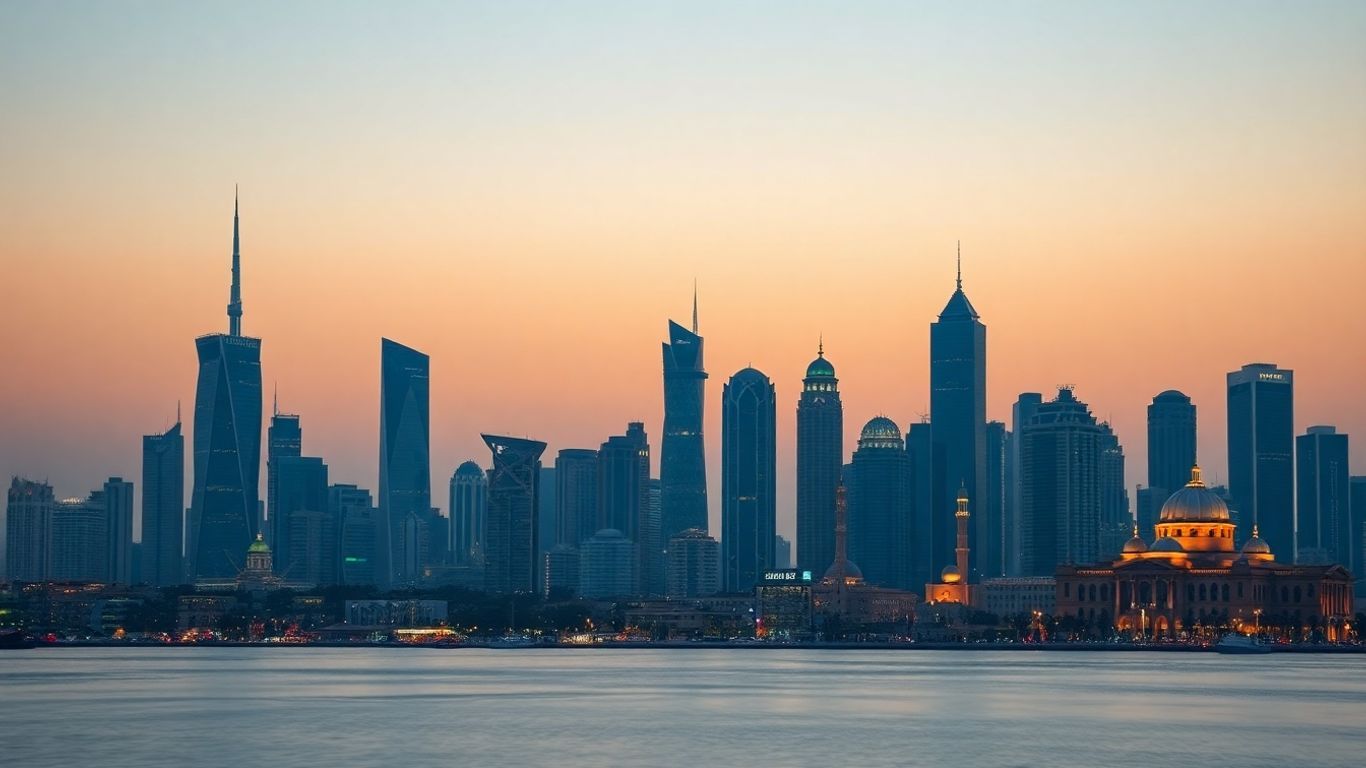
Kuwait City is making commendable strides in its smart city journey, strategically focusing on integrating technology to significantly improve urban living and services for its residents. While it might not be at the forefront of global smart city rankings, the city is actively working on diligently developing its infrastructure and enhancing its digital capabilities.
The city's discerning approach to smart development often centers on enhancing both efficiency and sustainability. This encompasses various initiatives aimed at improving traffic management, optimizing energy consumption, and providing more robust digital access to essential public services. The overarching goal, ultimately, is to cultivate a more connected and responsive urban environment for everyone.
Key areas of focus for Kuwait City's smart initiatives include:
- Digital Transformation of Government Services: Making it considerably easier for citizens to access vital information and complete necessary transactions online.
- Smart Infrastructure Development: Investing judiciously in modern utilities and advanced transportation networks that are capable of supporting future technological advancements.
- Environmental Sustainability Projects: Implementing innovative solutions to effectively reduce pollution and manage resources more efficiently, thereby contributing to the broader objectives of eco-friendly smart cities.
Kuwait City's smart city efforts are an integral part of a larger regional trend towards comprehensive modernization and widespread technological adoption. The focus here is firmly on practical applications that directly benefit citizens and elevate the overall quality of urban life.
While specific metrics for Kuwait City's smart city performance are still emerging, its inclusion in global indices highlights its growing recognition and unwavering commitment to urban innovation. The city is clearly looking to build a more efficient, sustainable, and fundamentally citizen-centric future.
20. Manama
Manama, the capital of Bahrain, is demonstrably making significant strides in its urban development, intently focusing on integrating technology to enhance the lives of its residents. While not always in the global spotlight for such initiatives, the city is actively working on smart projects that aim to cultivate a more efficient and livable environment for its populace.
One of the primary areas of focus for Manama has been the continuous improvement of its infrastructure and public services through sophisticated digital solutions. This encompasses dedicated efforts in smart transportation, with the goal of reducing congestion and making commuting considerably smoother for its expanding population. Furthermore, they are actively exploring smart energy solutions to vigorously promote sustainability and effectively reduce the city's environmental footprint.
The city's profound commitment to becoming smarter is strikingly evident in its strategic planning for future growth and adaptation.
Here are some of the key areas Manama is specifically concentrating on:
- Digital Governance: Implementing advanced e-government services to make interactions with city administration more accessible and efficient for its citizens.
- Smart Infrastructure: Systematically upgrading public utilities and essential services with cutting-edge IoT technology for enhanced management and responsiveness.
- Sustainable Development: Actively exploring green technologies and adopting urban planning principles that unequivocally prioritize environmental well-being.
- Citizen Engagement: Skillfully utilizing digital platforms to gather valuable feedback and actively involve residents in the city's ongoing development process.
Manama's strategic approach to smart city development is distinctly characterized by a practical focus on tangible improvements that directly impact daily life. The ultimate goal is to build a city that is not only technologically advanced but also an inherently comfortable and sustainable place for its residents to live and work.
Looking Ahead: The Evolving Smart City Landscape
So, what precisely does all of this imply for the future of urban centers? This year's comprehensive rankings reveal that cities are diligently striving to strike a delicate balance between technological advancement and the realities of everyday life. It isn't merely about possessing the latest gadgets; it's profoundly about how these tools genuinely contribute to a better quality of life for people. We're witnessing a significant emphasis on critical issues such as affordable housing and the imperative to ensure that everyone benefits from new technologies. As cities continue to evolve—especially in the face of emergent global challenges—those that genuinely thrive will undoubtedly be the ones that attentively listen to their residents and ingeniously devise smart, practical solutions to address real-world problems. It's an ongoing, dynamic process, and it's certainly exciting to observe how these urban centers will continue to adapt and grow in the coming years.
Frequently Asked Questions
What makes a city "smart" in this ranking?
A city earns the designation of "smart" based on its proficiency in leveraging technology to enhance the lives of its inhabitants. This encompasses crucial factors such as robust internet and mobile service, the utilization of green energy solutions, a thriving tech job market, and the seamless operation of public services. Our assessment specifically weighed technology, environmental consciousness, and employment opportunities.
How was this list of smart cities created for 2025?
This comprehensive list was meticulously compiled by evaluating a diverse array of indicators. We scrutinized the quality of a city's technological infrastructure, including internet speeds and the concentration of tech companies. Furthermore, we assessed its environmental performance, considering aspects like air quality and the availability of electric vehicle charging stations. Finally, the number of available tech jobs was a key consideration. All these factors were synthesized to generate the final city rankings.
What are the main benefits for people living in a smart city?
Residing in a smart city can translate into more efficient and accessible public services—think faster public transportation or more streamlined waste collection. It often also leads to improved air quality, enhanced public safety, and a greater abundance of employment opportunities, particularly within the technology sector. Essentially, smart cities strive to make daily life demonstrably more convenient and enjoyable for their residents.
Why is affordable housing mentioned as a problem in smart cities?
Despite cities becoming increasingly sophisticated with technological advancements, many residents continue to face significant challenges in securing affordable accommodation. The escalating cost of housing represents a substantial concern for individuals living in many of these top-ranked cities. This highlights that, while technology is progressing, fundamental necessities like housing remain a pressing societal issue.
Are there specific technologies that make a city smart?
Indeed, several key technologies play a pivotal role. These include high-speed mobile internet, such as 5G, the application of artificial intelligence (AI) to optimize city services, and the Internet of Things (IoT), which facilitates the connection of devices for data sharing. The strategic implementation of robust digital tools is instrumental in enabling cities to operate with greater efficiency.
Does being a "smart city" mean it's good for the environment?
Becoming a smart city frequently involves a concerted emphasis on environmental responsibility. This can manifest through increased reliance on renewable energy sources, a greater number of electric vehicle charging stations, efforts to improve air quality, and the protection of vital green spaces like urban forests. Technology serves as a crucial enabler for cities striving to enhance their sustainability and mitigate their ecological footprint.


