
resources
Explore All Capital Cities in the United States: A Comprehensive Guide
06 Jan 2026

Considering the sheer number of capital cities in the United States can indeed feel like a monumental task. After all, with 50 distinct states, each proudly boasts its own capital. These aren't merely arbitrary urban centers; rather, they are pivotal locations where state governments operate and where a significant amount of history has unfolded. This comprehensive guide aims to simplify the exploration of these fascinating cities, whether you're meticulously planning a future trip or simply intrigued by what makes each one unique. We'll delve into their profound significance and highlight the diverse experiences awaiting visitors.
Key Takeaways
- State capitals serve as the primary hubs for state government operations and crucial political decisions.
- Each capital city possesses its own distinctive culture, history, and aesthetic, truly embodying what makes its respective state unique.
- The geographical placement of a capital city can profoundly influence its climate and accessibility.
- Sampling the local cuisine in these cities offers a delightful journey through the varied flavors found across the United States.
- Visiting these capital cities provides invaluable insights into American history and the nation's diverse geography.
Understanding The Role Of Capital Cities
When we discuss the United States, it's often easy to gravitate towards the prominent, well-known cities that tend to capture most of the attention. However, there's an equally significant layer of crucial locales: our state capitals. These cities are far more than just points on a map where governmental affairs unfold. In fact, they represent the very heart of their states, pulsating with political vitality, cultural identity, and economic dynamism. A deeper understanding of these centers helps us truly grasp how each state functions and what contributes to its distinct character.
Political Significance Of State Capitals
State capitals are precisely where the essential political action takes place. It's within these cities that you'll discover the governor's office, the state legislature, and the myriad agencies responsible for the smooth operation of the state. Laws are rigorously debated, carefully passed, and ultimately implemented right here. The decisions formulated in these urban centers directly impact every resident, ranging from major policy shifts to the provision of everyday services. It's quite common to witness political events, rallies, and spirited discussions unfolding in these centers, all shaping the future trajectory of the state.
- Seat of State Government: Home to the governor, legislature, and state agencies.
- Lawmaking Hub: Where bills are introduced, debated, and enacted.
- Policy Influence: Decisions made here impact all residents of the state.
Cultural Importance Of State Capitals
Beyond their political functions, state capitals frequently serve as the cultural nucleus of their respective states. They often house a wealth of museums, theaters, art galleries, and historical sites that proudly exhibit the state's unique heritage and long-standing traditions. Just consider the iconic architecture, the lively local festivals, and the captivating public art that collectively tell a profound story. These cities are where a state's identity is frequently celebrated and carefully preserved, attracting visitors and cultivating a profound sense of community pride among residents. They are, in essence, living museums, reflecting the enduring history and spirit of its people. For instance, one can immerse themselves in the rich history found in places like New York City.
Economic Hubs Of Governance
Furthermore, state capitals also function as significant economic engines. They draw in a wide array of businesses and create numerous job opportunities, often closely tied to government services, law, and advocacy. The very presence of state government establishes a stable employment foundation, prompting many private companies to strategically locate near the capital to be in proximity to key decision-makers and emerging opportunities. This concentration of activity frequently fosters a vibrant local economy, supporting various industries and services. It's a truly dynamic environment where public service and private enterprise often converge, creating a distinctive economic ecosystem.
The economic activity prevalent in state capitals is frequently a direct consequence of the government's presence, fostering a self-sustaining environment for related industries and services.
Distinguishing Federal And State Capitals
When we discuss the capital cities of the United States, it's crucial to recognize a significant distinction between the nation's primary capital and the capitals of each individual state. It isn't simply a matter of size; their respective roles and responsibilities are quite profoundly different.
The Federal Capital: Washington, D.C.
At the pinnacle of this hierarchy stands Washington, D.C., the District of Columbia. This city is truly unique, as it does not belong to any particular state. It was deliberately established to serve as the exclusive seat of the U.S. federal government. One might think of it as the central command center for the entire country. Here, you'll discover the White House, where the President resides and conducts official duties; the Capitol Building, where Congress meticulously crafts laws; and the Supreme Court, tasked with interpreting those very laws. It is, without a doubt, the political heart of the nation—a place where decisions impacting all Americans are made. Moreover, it's home to numerous national monuments and museums, drawing visitors from across the globe.
The 50 State Capitals Explained
Beyond Washington, D.C., each of the 50 states maintains its own distinct capital city. These cities function as the chief administrative and political centers for their respective states. They are where the state's governor operates, where the state legislature convenes to enact state-specific laws, and where many state government agencies are situated. These capitals were often selected for various reasons, including geographical advantage, historical significance, or to ensure a balance of political power within the state. For example, some capitals were chosen for their central location, making them more accessible to a greater number of residents during the early days of statehood. Others have since evolved into significant economic and cultural hubs, much like Columbus, Ohio, which has blossomed into a vital center for finance and technology.
Here's a concise overview of what makes state capitals so essential:
- Political Hubs: They serve as the nerve centers for all state government operations.
- Economic Drivers: Many state capitals are also substantial economic centers, attracting a diverse range of businesses and employment opportunities.
- Cultural Centers: They frequently house museums, historical sites, and host events that proudly display the state's unique identity.
It's truly fascinating how each state capital possesses its own narrative and distinct character, beautifully reflecting the broader history and progressive development of its state. Grasping this crucial distinction between the federal capital and the individual state capitals is fundamental to comprehending the intricate structure of American governance.
Exploring The Diversity Of United States Capitals
Geographical Spread And Regional Lifestyles
The United States is an incredibly vast nation, and its capital cities are a vivid testament to this immense diversity. From the sun-drenched deserts of the Southwest to the luxuriant forests of the Pacific Northwest, and from the bustling metropolises of the East Coast to the expansive landscapes of the Great Plains, each capital is nestled within a truly unique geographical setting. This precise location not only dictates the climate and natural surroundings but also profoundly shapes the very lifestyle of its inhabitants. Just consider the stark contrast between a capital like Juneau, Alaska—accessible primarily by air or sea and enveloped by dramatic fjords—and a vibrant capital such as Austin, Texas, renowned for its thriving live music scene and warm, humid climate. These differences aren't merely superficial; they exert influence over everything from local industries and transportation networks to the daily pace of life and the recreational activities people choose to enjoy.
Here's a closer look at how geography plays a pivotal role:
- Coastal Capitals: Cities like Boston, Massachusetts, or Olympia, Washington, often feature economies intrinsically linked to maritime activities and experience distinct weather patterns influenced by the ocean.
- Inland Capitals: Capitals situated within the heartland, such as Des Moines, Iowa, or Topeka, Kansas, frequently serve as centers for agriculture and typically encounter more extreme temperature fluctuations throughout the year.
- Mountain Capitals: Cities like Denver, Colorado, or Santa Fe, New Mexico, are primarily defined by their high altitudes and surrounding mountainous terrain, impacting everything from air quality to available recreational opportunities.
The physical environment in which a capital city is situated is an incredibly powerful force, meticulously shaping its character, its economic landscape, and the daily lives of the people who call it home. It truly represents a constant interplay between human settlement and the natural world.
Unique Characteristics Of Each Capital City
Beyond their geographical locations, every U.S. capital city possesses its own distinct personality, a rich history, and a unique array of attractions. Some are celebrated for their profound historical significance, effectively serving as living museums that chronicle the nation's past, while others are recognized for their cutting-edge innovation and vibrant cultural scenes. You'll encounter capitals that are sprawling urban centers and others that exude the charm of smaller towns. Washington, D.C., for instance, stands apart as the federal capital—a city meticulously designed for governance, boasting iconic monuments and a dense concentration of world-class museums. In stark contrast, Montpelier, Vermont, holds the distinction of being the smallest state capital by population, offering a more intimate and, arguably, quieter experience. Don't you find that fascinating?
Let's consider these unique aspects:
- Historical Roots: Cities like Santa Fe, New Mexico (established in 1610), proudly showcase centuries of history, vividly reflected in their architecture and cultural traditions. Other cities, such as Brasília, Brazil (though not a US capital, it perfectly illustrates the point), were deliberately constructed in the modern era with distinct architectural visions.
- Economic Drivers: While many capitals primarily function as administrative hubs, their economies can vary dramatically. Phoenix, Arizona, for example, is a major economic powerhouse and the largest state capital by population, propelled by advancements in technology and a rapidly expanding service sector. Others might be more focused on tourism, education, or specific state-level industries.
- Cultural Identity: Each capital often acts as a focal point for its state's unique culture. This can manifest in distinctive culinary scenes, flourishing arts communities, or specific annual festivals that celebrate local heritage. Nashville, Tennessee, for instance, is virtually synonymous with country music, while Madison, Wisconsin, is renowned for its bustling farmers' markets and progressive atmosphere.
Appreciating these diverse characteristics helps paint a much richer picture of the United States, unveiling a vibrant tapestry woven from fifty unique threads, each brilliantly represented by its capital city.
Key Capitals And Their Significance
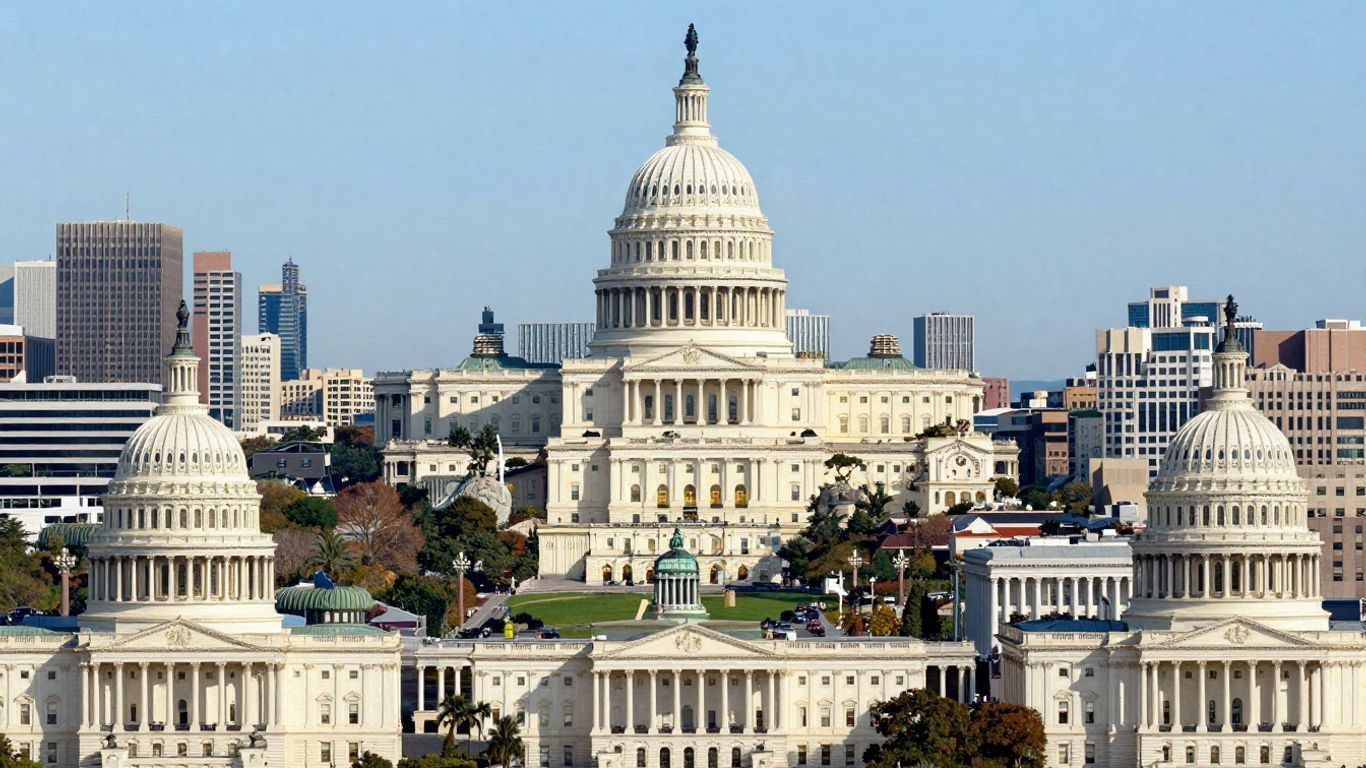
Washington, D.C.: The Nation's Political Heart
Washington, D.C. truly stands alone as the singular federal capital of the United States. It isn't merely a part of any state; rather, it's a dedicated district specifically established to house the U.S. government. This is precisely where you'll find the iconic White House, the magnificent Capitol Building, and the esteemed Supreme Court. It serves as the central hub for all national decision-making—a vital place where laws are rigorously debated and enacted, ultimately affecting every single American. Beyond its critical political role, D.C. is incredibly rich with history and vibrant culture, boasting world-class museums and poignant memorials that beautifully narrate the story of the nation.
Historic Capitals And Their Founding
Many state capitals possess compelling stories deeply rooted in American history. Their locations weren't always chosen arbitrarily; quite often, they were selected for pragmatic reasons during the nascent days of the nation. Sometimes, a capital city was relocated to better serve a growing populace or to skillfully balance political power among different regions within a state. For example, Albany, New York, ascended to its status as capital partly due to its historical importance as a bustling trading post. It's an interesting bit of trivia, isn't it?
- Accessibility: Early settlers prioritized capitals that were relatively easy to reach.
- Balance: Spreading governmental influence across diverse areas was frequently a core objective.
- Economic Ties: Rivers and established trade routes often played a significant role in influencing where a capital was ultimately established.
The remarkable evolution of state capitals truly mirrors the dynamic growth and shifting priorities of the United States itself. What proved practical in the 18th century might not have been the optimal fit a century later, thereby leading to pivotal shifts in governmental centers.
Largest And Smallest Capitals By Population
When we examine the 50 state capitals, we discover a remarkably wide spectrum in terms of size. Some are expansive metropolises, while others remain quite modest. This variation often reflects the state's overall population distribution and its primary economic focus.
| Rank | Capital City | State | Approximate Population |
|---|---|---|---|
| 1 | Phoenix | Arizona | 1.6 million |
| 2 | Austin | Texas | 1 million |
| ... | ... | ... | ... |
| 49 | Montpelier | Vermont | 8,000 |
| 50 | Pierre | South Dakota | 14,000 |
It's a common misconception to conflate the largest city in a state with its capital. For instance, many people might instinctively believe Chicago is the capital of Illinois, but it's actually Springfield. This crucial distinction is vital for understanding both the nation's geography and its system of governance.
Planning Your Visit To Capital Cities
So, you're contemplating an adventure to explore the capitals of the United States? That's a truly brilliant idea! These cities are brimming with history, vibrant culture, and distinct local character. However, before you even consider packing your luggage, a bit of foresight and planning can make all the difference.
Best Times to Visit For Optimal Experience
The timing of your visit to a capital city can significantly influence your overall experience. Generally speaking, spring and fall are often ideal windows. The weather tends to be pleasant—neither oppressively hot nor bitterly cold—and you'll frequently encounter fewer crowds compared to the bustling peak summer months. Summer, of course, can get quite warm in many capitals, while winter can be downright frigid in the northern regions. Always make sure to check the specific climate for your chosen destination. Additionally, keep an eye on local event calendars. Sometimes a festival can elevate your trip to something truly special, but it might also mean more visitors and potentially higher prices. For example, visiting Washington D.C. during the iconic cherry blossom season is breathtaking, but you'll definitely want to book accommodations and attractions well in advance.
Navigating Within Capital Cities
Efficiently getting around once you've arrived is absolutely key. Most capitals offer some form of public transportation, though its quality and extent can vary considerably. Some boast commendable bus systems, others might feature light rail, and a few could leave you wishing you'd brought your own vehicle. Ride-sharing services like Uber and Lyft are typically available, although prices can certainly surge during peak demand. And don't forget the simple pleasure of walking! Many capital cities, particularly their historic districts, are quite pedestrian-friendly. You'll often see more, get some beneficial exercise, and save money on transport. Plus, you might just stumble upon a charming little shop or a delightful cafe you wouldn't have otherwise discovered—it's an excellent way to truly absorb the city's unique ambiance.
Leveraging Local Events For Travel
Capital cities are frequently vibrant hubs of activity. Exploring local events can profoundly enhance your trip. Most cities maintain comprehensive websites listing current happenings, from bustling farmers' markets and live concerts to fascinating historical reenactments or mouth-watering food festivals. It's a wise strategy to consult these resources before you depart. While some of the best experiences are often serendipitous, remain open to recommendations from locals or simply allowing yourself to wander and explore. You might just uncover a fantastic band performing in a park or a superb little restaurant that hasn't made it into the guidebooks. It's all an integral part of the adventure of discovering these unique places. If you're considering real estate investments in these areas, understanding local market conditions is as vital as knowing which local events can enhance your travel strategy.
Careful planning for the optimal time to visit and how you'll navigate the city can significantly streamline your trip. Delving into local events can add a truly special dimension to your visit, offering a chance to experience the city much like a local would.
Experiencing Local Culture Through Capital Cities
State capitals are decidedly more than just government buildings and political discourse; they are dynamic centers where you can truly immerse yourself in a state's distinctive identity. Cuisine, festivals, and deeply rooted local traditions all contribute substantially to what makes each capital city so special. It's a place where you can quite literally taste the history, hear the authentic local music, and observe what truly motivates the people of that particular state.
Exploring Signature Dishes and Local Flavors
Every capital city proudly showcases its own culinary masterpieces—dishes that eloquently narrate a story about its past and its people. Just consider the unmistakably distinct Southwestern spices you'll encounter in Santa Fe, or the opulent Creole flavors characteristic of New Orleans. These aren't merely meals; they are a delightful taste of local heritage. You'll find these unique specialties everywhere, from elegant fine-dining establishments to charming, family-owned diners. It's truly a delicious and engaging way to forge a connection with the place you're exploring.
Diverse Dining Experiences in Capitals
Dining out in a capital city often becomes an experience in itself. You might find yourself enjoying a meal in a restaurant nestled within a historic building, or perhaps a modern eatery boasting breathtaking city views. Many capitals are proud to feature farm-to-table restaurants that meticulously highlight fresh, regionally sourced ingredients. Given that these cities are frequently vibrant melting pots of different cultures, you can also discover an impressive array of international cuisines. Food tours, incidentally, offer another fantastic way to sample various tastes and gain insights into the city's bustling food scene all at once.
Immersive Cultural Events and Festivals
To genuinely grasp a capital's spirit, be sure to explore its local events and festivals. These gatherings are precisely where communities come together to celebrate. You might discover anything from expansive state fairs showcasing local crafts and agriculture to lively music festivals featuring talented regional artists. Many capitals also host significant cultural heritage events, such as historical reenactments or vibrant ethnic celebrations, providing a deeper understanding of the traditions that shape the city. Attending these events is a wonderful opportunity to connect with locals and experience the authentic, pulsating vibe of the capital. Isn't that what travel is all about—connecting with the heart of a place?
Visiting a capital city provides a truly unparalleled opportunity to connect with the very heart of a state. It is through its culinary offerings, its vibrant celebrations, and its everyday rhythm that one can truly appreciate the profound local culture and rich history.
Wrapping Up Our Capital City Tour
So, we've collectively embarked on a fascinating journey through the many capital cities of the United States. It's quite remarkable how each one possesses its own distinct personality, isn't it? From the expansive, bustling metropolises to the more intimate, quieter locales, they all play an indispensable role in the functioning of their respective states and contribute to what makes each unique. Understanding these capitals isn't just about winning at trivia night; it genuinely helps us form a more complete picture of American geography and how the country's governance operates. Whether you're meticulously planning an epic road trip or simply indulging your curiosity, this guide offers an excellent starting point for delving deeper into these profoundly important cities and the diverse people who call them home. Keep exploring, and you'll undoubtedly discover there's always something new and intriguing to learn about the USA.
Frequently Asked Questions
What exactly is a capital city in the U.S.?
A capital city essentially functions as the principal administrative center for a state or the entire country. It's where key leaders work, formulate laws, and manage governmental affairs. For the United States as a whole, that central hub is Washington, D.C. Each of the 50 states, however, maintains its own distinct capital city—think Sacramento for California or Austin for Texas.
Why isn't a big city like New York or Los Angeles the capital?
It's interesting, but sometimes the largest city isn't actually the capital. Capitals are often strategically chosen because they offer a suitable location for government operations, or they hold significant historical importance. New York City, for instance, once served as the U.S. capital many years ago, but it was eventually relocated to Washington, D.C. to provide a more geographically central location for everyone.
Are all state capitals the same?
No, definitely not at all! Every single capital city is incredibly unique. Some are bustling, large urban centers with a wealth of attractions and activities, while others are smaller and much more tranquil. They all boast their own special history, distinctive architecture, regional cuisine, and vibrant culture that truly makes them stand out.
What's the difference between Washington, D.C. and a state capital?
Consider Washington, D.C. as the primary seat of government for the entire nation. It's where the President and Congress conduct their business. State capitals, conversely, serve as the main administrative centers for just one specific state. They manage state-level affairs, including the governor's office and state-specific legislation.
What's the best time to visit a capital city?
Many travelers find that spring and fall are the most opportune times to plan a visit. The weather tends to be quite agreeable, and you generally encounter fewer tourists compared to the peak summer months. However, it's always a sensible idea to check the weather forecast for the specific city you intend to visit and see if any exciting festivals or events are scheduled!
How can visiting a capital city teach me something new?
Exploring capital cities offers a firsthand look at how the U.S. functions and its rich historical tapestry. You can visit the very places where crucial decisions are made, delve into museums that narrate the state's story, savor local foods renowned in that particular region, and experience diverse cultures. It genuinely makes learning about geography and government a far more engaging and memorable endeavor!


