
resources
Exploring the Biggest Cities in the World: A 2026 Snapshot
06 Jan 2026

Curious about the trajectory of the world's largest cities by 2026? It's a rather compelling subject, wouldn't you agree? These aren't merely vast population centers; they're vibrant crucibles of innovation, bastions of liveability, and epicenters of cultural life. What's more, they're in a perpetual state of transformation. So, let's delve into what truly drives these global metropolises today.
Key Takeaways
- Historians note that the mantle of the world's most populous city has gracefully passed between many urban giants over the centuries—Baghdad, London, and New York once held this distinction before Tokyo emerged as the current leader. While pinpointing precise historical populations and city boundaries can be quite challenging, this evolution vividly illustrates the dynamic shifts in global centers of civilization.
- Increasingly, major cities are cementing their role as prime destinations for tech professionals, propelled by significant growth in burgeoning fields such as artificial intelligence and cybersecurity. The most successful urban centers adeptly draw talent by offering a wealth of job opportunities, competitive remuneration, and clear pathways for career progression—often featuring large corporations and abundant networking avenues.
- For those prioritizing liveability, cities across Europe, Australia, and Canada frequently top the charts. Critical considerations such as safety, efficient public transit, robust healthcare, and quality education are paramount, though it's worth noting that unforeseen global events occasionally introduce shifts in these established rankings.
- Enduring cultural centers consistently captivate visitors and residents alike with their rich tapestry of arts, diverse culinary scenes, and profound historical narratives. Cities that masterfully intertwine ancient traditions with contemporary innovation, boasting iconic landmarks, invariably remain highly sought-after destinations.
- Contemporary urban development increasingly emphasizes sustainability and the strategic integration of technology to enhance metropolitan living. The overarching aim is to forge environments that not only cater effectively to the needs of their inhabitants but also champion ecological responsibility.
Understanding the Scale of Big Cities in the World
Contemplating the sheer scale of the world's largest cities can indeed be rather daunting, couldn't it? It's not merely a question of their current population figures, but also of the methodologies we employ to ascertain these numbers—and, critically, how this has evolved across vast stretches of time. The remarkable concentration of humanity within urban areas stands as a defining hallmark of our contemporary global landscape. Yet, precisely defining what constitutes 'big' is, as we'll see, not always as straightforward as it might appear.
Historical Population Centers Through the Ages
Humanity, it seems, has always possessed a natural inclination towards communal living; consequently, over millennia, specific locales blossomed into pivotal hubs. Consider, for instance, ancient Jericho, or, in a later epoch, Baghdad. These cities once served as the veritable epicenters of their respective known worlds, drawing both populace and influence. It’s truly captivating to chart this historical progression, observing how the esteemed title of 'world’s largest city' gracefully transitioned from places like London centuries past, to New York, and most recently, to Tokyo.
- Ancient Roots: The earliest settlements, particularly within Mesopotamia and the Indus Valley, were pioneers in demonstrating significant population density.
- Shifting Centers: As eras unfolded, the focal points of power and population migrated, with urban centers in Europe, and subsequently North America, ascending to prominence.
- Modern Megacities: In our current age, the scale is truly unprecedented, with numerous cities now accommodating populations that utterly dwarf even the grandest historical capitals.
Defining City Borders and Measuring Populations
Ascertaining the precise population of any city, let alone an ancient one, presents a considerable challenge, wouldn't you agree? Indeed, pinpointing where a city genuinely concludes and its suburban sprawl commences remains a complex question. For historical urban centers, our understanding largely rests upon the astute estimations of archaeologists and historians, who meticulously piece together clues from ancient texts and discernible settlement patterns. Even in contemporary times, employing diverse enumeration methods—whether focusing on the city proper or the broader metropolitan area—can yield vastly disparate figures. Consequently, obtaining a truly definitive picture is an ongoing endeavor.
The methodologies by which we quantify urban populations have, in fact, undergone a remarkable evolution—transitioning from rudimentary historical estimates to sophisticated demographic studies. While this progression admittedly complicates direct comparisons across vastly different epochs, it compellingly underscores the ever-shifting character of human settlement patterns.
Geographic Diversity of Early Civilizations
Reflecting on the earliest significant population centers, it's quite intriguing to observe that they weren't exclusively concentrated within a single geographical region. While Mesopotamia frequently earns the moniker 'cradle of civilization,' substantial early settlements similarly emerged in locales such as Egypt, Turkey, and even portions of modern-day Ukraine. This dispersal powerfully demonstrates that the intrinsic human impulse to construct large, organized communities was a widespread phenomenon—manifesting in diverse environments across the entire globe.
- Mesopotamia: A widely recognized early crucible of civilization.
- Nile Valley: Home to Egypt's foundational urban development.
- Anatolia and the Levant: Regions encompassing modern Turkey and the West Bank also harbored notable early populations.
- Indus Valley: Indeed, some scholarly perspectives contend that this South Asian region fostered one of the earliest truly large urban centers.
Global Hubs of Innovation and Technology
In our rapidly accelerating world, a select number of cities have distinctly risen as veritable beacons of technological advancement and innovation. These urban centers are far more than mere residences or workplaces; they function as dynamic ecosystems where novel ideas are conceived, diligently nurtured, and ultimately brought to fruition. The powerful synergy created by a concentration of talent, strategic investment, and progressive policies in these locales renders them irresistible magnets for the most brilliant minds in technology.
Key Factors for Tech Job Growth
What, then, truly elevates a city to a premier hotspot for tech employment? It's invariably a nuanced blend of several critical elements. Primarily, there must be a robust supply of job openings spanning diverse technological domains—ranging from sophisticated software development to cutting-edge artificial intelligence and robust cybersecurity. Beyond that, the financial aspect is undeniably crucial: competitive remuneration and clearly defined trajectories for career progression serve as significant draws. After all, professionals understandably seek environments where they can both expand their expertise and achieve substantial financial growth.
- Abundant Job Opportunities: A broad spectrum of roles available in high-demand fields such as AI, data science, and cloud computing.
- Competitive Compensation: Remuneration packages that accurately mirror the intense demand for specialized tech skills.
- Career Development: Transparent avenues for both professional advancement and continuous learning.
- Strong Educational Institutions: Access to premier universities and colleges that consistently cultivate highly skilled graduates and spearhead groundbreaking research.
Prominent Companies Driving the Tech Scene
Indeed, no truly dynamic tech hub can be considered complete without its array of prominent players. These cities proudly host both well-established tech behemoths and an inspiring multitude of burgeoning startups, all relentlessly pushing the very boundaries of what's conceivable. Observing which companies are actively recruiting and, crucially, what innovative projects they're undertaking provides an excellent barometer of a city's technological vitality. Take San Francisco, for example: it has long been—and remains—synonymous with tech innovation, home to industry giants such as Google and Apple, alongside innumerable smaller firms dedicated to crafting novel applications and services.
The Importance of Networking and Community
Yet, beyond the allure of lucrative positions and formidable corporations, the human dimension remains profoundly significant. The most thriving tech cities intentionally cultivate an abundance of opportunities for professionals to forge connections—picture vibrant meetups, influential industry conferences, and spontaneous informal gatherings. These avenues for sharing insights, fostering collaboration, and nurturing relationships are, in essence, what truly empowers a tech community to flourish. It extends beyond simply having a job; it's about belonging to something larger and more impactful. Barcelona, for example, exemplifies this perfectly with its energetic tech landscape and its hosting of pivotal events like the Mobile World Congress, which convenes experts from across the globe.
It's undeniable: the panorama of tech employment is in a state of constant flux. As novel technologies surface and entire industries undergo profound transformations, a sustained demand for highly skilled workers arises, often in locales one might least anticipate. Remaining acutely aware of these ongoing shifts is absolutely paramount for anyone aspiring to cultivate a successful career within this dynamic sector.
Metropolitan Areas Leading in Quality of Life
When our discussions turn to the world's largest cities, it's all too easy to become engrossed in sheer population figures and raw economic power. But what of the tangible experience of living within these urban giants—how truly pleasant is it? A host of cities globally consistently earn high accolades for what experts term 'liveability.' This metric transcends mere employment opportunities; it encapsulates the entire urban experience: safety, robust healthcare, pristine environments, and seamless mobility.
Liveability Rankings and Their Significance
Annually, various reputable organizations endeavor to quantify the overall pleasantness of life within major cities. Their evaluations meticulously assess factors such as urban stability, the efficacy of the healthcare system, accessibility to quality education, and the general environmental health. Fundamentally, these rankings furnish us with a crucial snapshot, highlighting which cities are most effectively harmonizing their developmental ambitions with the holistic well-being of their inhabitants. Clearly, it's not simply about scale; it's profoundly about cultivating a truly desirable place to reside.
Here's a look at some common factors that contribute to a high quality of life:
- Stability: Characterized by low crime rates and a predictable political climate, fostering a profound sense of security among residents.
- Healthcare: Encompassing comprehensive access to quality medical services, from routine preventative care to critical emergency provision.
- Education: Providing ample opportunities for lifelong learning and personal development, accessible to all demographics.
- Infrastructure: Featuring dependable public transportation, well-maintained roadways, and consistent access to essential utilities.
- Environment: Prioritizing clean air and water, abundant green spaces, and meticulously maintained public areas.
The Impact of Stability and Infrastructure
Cities consistently ranking high in liveability invariably possess a robust foundational framework. Just consider: if one needn't fret about daily commutes due to impeccably efficient and clean public transport, or if a sense of personal security prevails even during nocturnal strolls, that constitutes an immense advantage. Urban centers such as Vienna, for example, frequently garner perfect scores for their exemplary stability and infrastructure. This essentially means that systems operate seamlessly: trains adhere punctually to schedules, essential services are consistently reliable, and an pervasive sense of order renders daily life remarkably smoother. Such an environment truly liberates residents to direct their attention toward other fulfilling aspects of their lives—be it family, personal interests, or career aspirations—unburdened by incessant urban stressors.
Fundamentally, a city that genuinely prioritizes the daily experience of its residents—achieved through impeccably maintained public services and a consistently secure atmosphere—cultivates an environment where individuals are empowered to truly thrive, rather than merely subsist.
Balancing Urban Living with Natural Beauty
Yet, residing within a sprawling metropolis absolutely needn't equate to an existence confined solely by concrete. Indeed, many of the world's most liveable cities thoughtfully integrate abundant access to nature. Whether manifested as an expansive park nestled within city limits, a serene nearby lake, or majestic mountains just a brief journey away, these green spaces are utterly vital. They graciously provide venues for recreation, tranquil relaxation, and a much-needed respite from the ceaseless urban hustle. Cities such as Geneva, renowned for its iconic lake and dramatic mountain vistas, vividly demonstrate that one can certainly enjoy the advantages of a global hub in tandem with breathtaking natural scenery. This harmonious blend, ultimately, renders city living far more appealing and demonstrably contributes to a healthier, happier populace.
Cultural Capitals and Their Enduring Appeal
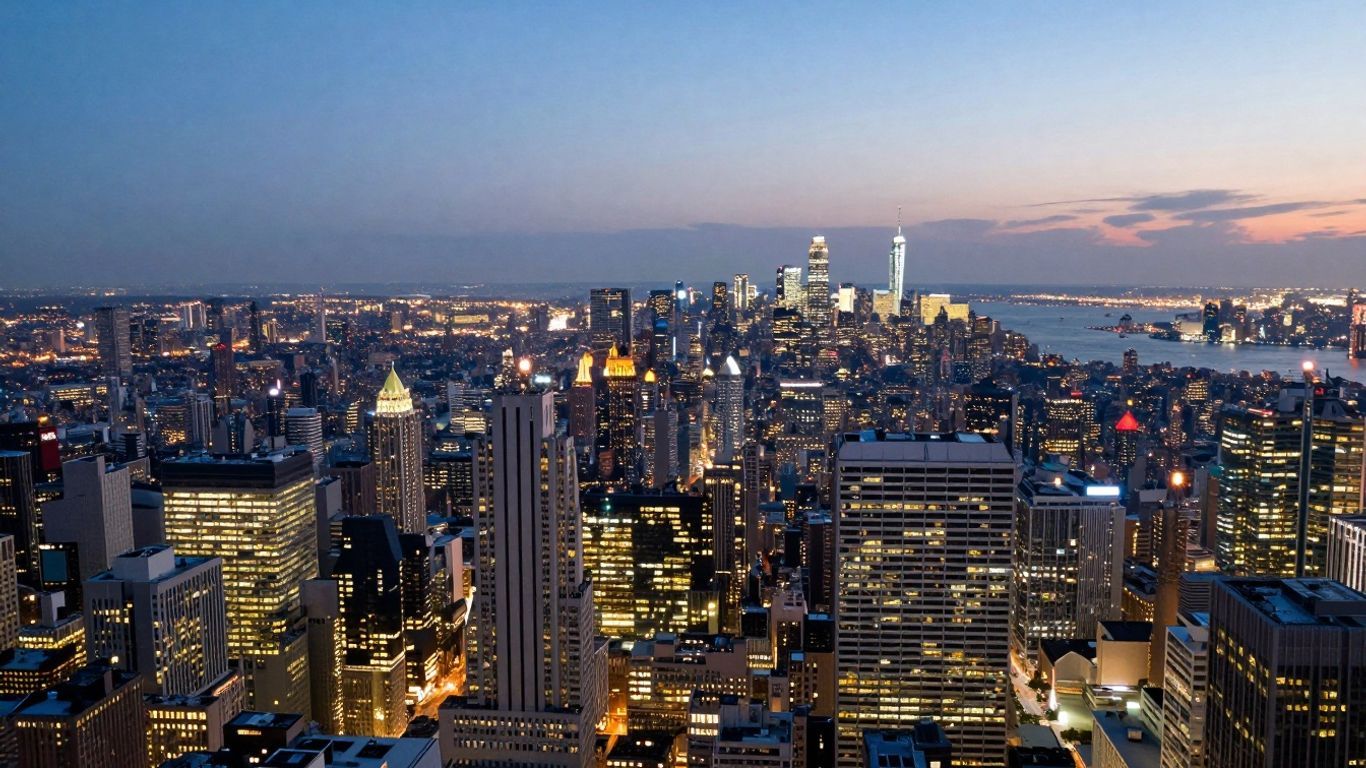
Some cities simply possess an ineffable je ne sais quoi, don't they? It extends far beyond the impressive skyscrapers or the bustling thoroughfares. It’s about the distinct ambiance one encounters, the palpable sense of history, and the culinary nuances that eloquently narrate a story. These are precisely the kinds of places that captivate us, not merely for a fleeting visit, but often for a profound, lasting connection.
Cities Renowned for Arts and Cuisine
When we discuss cultural capitals, the intertwined realms of cuisine and art almost invariably occupy center stage. Consider Paris, for instance—a city that arguably pioneered fine dining and has, for centuries, served as an unwavering muse for countless artists. Or perhaps turn your thoughts to Tokyo, a metropolis boasting more Michelin stars than one can easily count, situated amidst ancient temples and avant-garde galleries. It is precisely this exquisite synthesis that endows them with their unique allure.
- Paris, France: Universally celebrated for its haute cuisine, enchanting bistros, and globally acclaimed museums such as the Louvre. Truly, it feels like a city where every turning seems to reveal a masterpiece, be it on a canvas or artfully presented on a plate.
- Tokyo, Japan: A veritable powerhouse of culinary innovation, spanning everything from delectable street food to exquisite high-end sushi. Moreover, it proudly exhibits a dynamic contemporary art scene alongside traditional crafts meticulously preserved through generations.
- Kyoto, Japan: As Japan's former imperial capital, Kyoto functions as a living museum of classical arts, replete with innumerable temples, shrines, and meticulously curated gardens. It is here that revered traditions like tea ceremonies and ikebana (the art of flower arranging) continue to be practiced with profound reverence.
- San Sebastián, Spain: This remarkable Basque city truly is a paradise for gastronomes, particularly renowned for its vibrant pintxo bars. Here, culinary exploration isn't merely an activity—it’s an ingrained way of life.
The Blend of Tradition and Modernity
What proves endlessly fascinating about many of these cities is their remarkable ability to steadfastly preserve their heritage while simultaneously embracing the future. Imagine strolling down a thoroughfare flanked by centuries-old architectural marvels, only to turn a corner and encounter a sleek, ultra-modern art installation or a buzzing tech startup hub. It’s this dynamic interplay that sustains their captivating appeal.
The intrinsic capacity of a city to intricately weave its historical threads into the rich fabric of contemporary life is, ultimately, what bestows upon it a truly unique and enduring charm. This represents a delicate equilibrium, certainly, but when executed judiciously, it cultivates an urban environment that feels at once both timeless and inherently forward-looking.
Iconic Landmarks and Tourist Destinations
Naturally, no comprehensive discussion of cultural capitals would be entirely complete without acknowledging their world-renowned landmarks. These are the iconic sites that frequently spring to mind when one contemplates a particular city—the very images that adorn countless postcards and spark innumerable photographs.
- Eiffel Tower (Paris): An enduring, global symbol of romance and an undeniable marvel of engineering.
- Kinkaku-ji (Kyoto): The breathtaking Golden Pavilion, whose gilded facade mirrors exquisitely in its tranquil surrounding pond.
- Royal Palace (Phnom Penh): A resplendent testament to Cambodia's profound history and its rich architectural legacy.
- Table Mountain (Cape Town): A dramatic, iconic natural landmark that magnificently frames a city steeped in both history and vibrant culture.
These revered landmarks, of course, transcend their role as mere tourist attractions; they frequently serve as the foundational anchors of a city’s very identity, drawing individuals inward and offering a tangible, resonant connection to its enduring narrative.
Emerging Trends in Urban Development
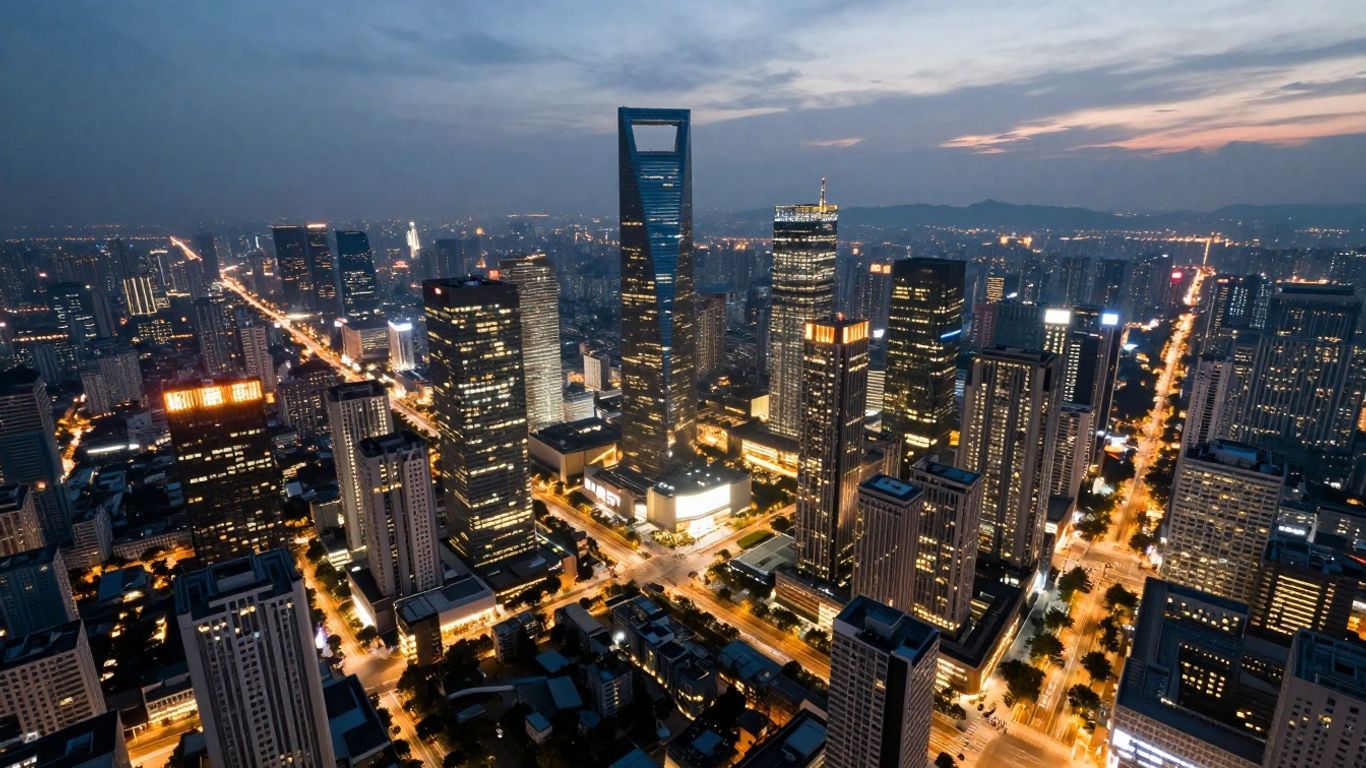
Cities, by their very nature, are in a perpetual state of flux, and currently, several transformative concepts are profoundly influencing their growth trajectories and future characteristics. The focus has decisively shifted beyond simply constructing taller buildings; it now squarely centers on cultivating urban environments that are smarter, more environmentally conscious, and ultimately, more liveable for all inhabitants.
The Rise of Sustainable City Initiatives
Increasingly, urban centers are demonstrating a heightened commitment to ecological stewardship. This involves a critical re-evaluation of energy consumption, waste management protocols, and urban mobility strategies. Envision more expansive green spaces, significantly improved public transportation networks, and architectural designs engineered for reduced energy consumption. It represents a fundamental paradigm shift—one aimed at harmonizing urban life with nature, rather than juxtaposing it.
- Renewable Energy Integration: Urban areas are proactively integrating solar, wind, and other clean energy sources into their electrical grids, thereby diminishing reliance on fossil fuels and substantially reducing carbon emissions.
- Waste Reduction and Circular Economy: Comprehensive programs are under development, designed to minimize landfill waste via advanced recycling techniques, widespread composting, and the active promotion of reuse—with the ultimate objective of extending material lifespans indefinitely.
- Green Building Standards: Both novel construction projects and renovations are progressively aligning with stringent environmental standards, with a keen emphasis on optimizing energy efficiency, promoting water conservation, and prioritizing the utilization of sustainable materials.
The impetus towards sustainability, it must be recognized, is no longer solely an environmental imperative; it is swiftly evolving into a profound economic one. Cities that proactively adopt green practices frequently find themselves magnets for innovative businesses and a highly skilled workforce, all seeking an enhanced quality of life.
Technological Integration in Urban Planning
Technology, undoubtedly, is exerting a monumental influence on both the planning and operational management of urban centers. We are witnessing the deployment of intelligent grids that optimize electricity consumption, sophisticated traffic systems designed to alleviate congestion, and user-friendly applications that seamlessly connect residents with essential city services. The overarching objective is to leverage robust data and cutting-edge technology to render urban living both smoother and considerably more responsive.
Adapting to Evolving Resident Needs
Cities are also undergoing significant transformation in response to the evolving expectations of their inhabitants. There's a discernible surge in demand for adaptable living and working environments, improved access to localized amenities, and a stronger, more cohesive sense of community. Consequently, urban planners are striving to accommodate these shifts by developing more integrated mixed-use projects and fostering public spaces that actively promote social interaction.
- Flexible Housing Options: Beyond conventional apartments and houses, cities are observing a proliferation of co-living spaces, micro-apartments, and highly adaptable housing solutions designed to evolve with residents' changing needs.
- Walkable and Bikeable Neighborhoods: A renewed emphasis is being placed on designing neighborhoods where residents can effortlessly walk or cycle to shops, workplaces, and recreational facilities, thereby significantly lessening dependence on private vehicles.
- Community Hubs and Public Spaces: Strategic investment in parks, community centers, and public squares—all serving as vital gathering points—is increasingly recognized as crucial for fostering social connection and enhancing overall well-being.
Navigating the Dynamics of Big Cities in the World
Large cities are, in essence, intricate ecosystems—ever-shifting and continuously evolving. A deep understanding of their multifaceted functioning, from the dynamic flow of their populations to the very pulse of their economies, is absolutely fundamental to appreciating their profound global significance. It transcends mere demographics; it encompasses the complex, interwoven tapestry of systems that tirelessly sustain these urban giants, keeping them vibrant and prosperous.
Transportation and Mobility in Major Urban Centers
Navigating a sprawling metropolis can, at times, feel remarkably like solving a complex puzzle. Public transit systems, such as subways and extensive bus networks, truly serve as the lifeblood of these cities, transporting millions of individuals each day. However, the advent of ride-sharing services has also fundamentally altered this landscape, occasionally generating novel traffic patterns or introducing entirely new mobility alternatives. Crucially, the inherent efficiency of a city's transportation network directly correlates with its economic productivity and, indeed, profoundly shapes the daily experiences of its inhabitants.
- Subway Systems: Frequently offering the swiftest means to traverse significant distances, particularly during peak commuting hours.
- Bus Networks: Furnishing broader geographical coverage, extending connectivity to areas not serviced by rail.
- Ride-Sharing Apps: Providing on-demand convenience, though admittedly, they can sometimes exacerbate urban congestion.
- Cycling Infrastructure: Gaining increasing prominence for shorter journeys and actively championing healthier, more sustainable lifestyles.
The Evolving Landscape of Urban Economies
Cities inherently function as powerful magnets for both commerce and innovation. While legacy industries undeniably retain their significance, a growing number of urban economies are increasingly propelled by dynamic sectors such as technology, finance, and the creative arts. This profound shift, naturally, means that job markets are undergoing considerable transformation, necessitating new skill sets and a heightened degree of adaptability. The sheer concentration of both talent and capital within these hubs frequently ignites rapid economic expansion, yet it concurrently introduces challenges concerning affordability and intense competition. The tech sector, for example, has experienced robust growth across numerous major cities, generating novel opportunities and fundamentally reshaping local employment markets. Remaining abreast of these continuous advancements is undeniably crucial as we approach the mid-2020s, especially given that the technological landscape itself is in a perpetual state of flux—so staying current with advancements is paramount.
Assessing the Overall Appeal of Global Cities
What, ultimately, enables a city to genuinely distinguish itself from the rest? It’s invariably a nuanced constellation of factors, ranging from robust job opportunities and cost of living metrics to compelling cultural attractions and an overarching quality of life. Liveability assessments, in particular, frequently weigh criteria such as safety, the efficacy of healthcare systems, and environmental quality. Cities that consistently perform admirably in these evaluations typically provide a well-rounded lifestyle, enabling residents to relish the vibrant energy of urban existence without compromising their overall well-being. For instance, those urban centers that routinely achieve high rankings often boast robust public services and strike an exemplary balance between thoughtful urban development and accessible green spaces.
The intrinsic appeal of any city is far from static; instead, it represents a dynamic, intricate interplay of economic prospect, cultural profundity, and the lived, everyday experience of its inhabitants. What serves to attract individuals today may very well diverge from the factors that captivated them a mere decade ago, eloquently reflecting broader societal and technological paradigm shifts.
Looking Ahead: Our Evolving Urban World
As we conclude our exploration of the world's largest cities in the context of 2026, it becomes abundantly clear that these urban centers are in a perpetual state of metamorphosis. From the grand historical shifts in population epicenters—such as the transitions from London to Tokyo—to the contemporary ascendancy of bustling tech hubs and the ceaseless re-evaluation of what constitutes a 'liveable' city, the narrative of urban life is one of continuous, compelling evolution. Whether spurred by economic promise, cultural magnetism, or technological breakthroughs, individuals consistently gravitate toward these dynamic locales. A thorough understanding of these overarching trends profoundly enhances our appreciation for the intricate tapestry of global cities and enables us to better anticipate the fascinating future that awaits urban living across the planet.
Frequently Asked Questions
What makes a city one of the biggest in the world?
The magnitude of an urban center can be quantified through several distinct metrics. Most commonly, we refer to its population—the sheer number of inhabitants. However, we sometimes also consider the geographical expanse the city encompasses. Generally speaking, the largest cities are characterized by a high density of people residing within their bounds.
How do we know which cities were the biggest in the past?
Indeed, ascertaining the precise population figures of ancient cities presents a considerable challenge! Historians and dedicated researchers meticulously examine old texts, archaeological ruins, and subsequently formulate informed estimations based on their discoveries. While these figures are rarely exact, they certainly offer invaluable insights into how urban populations have evolved across the centuries.
Are the biggest cities always the best places to live?
Not necessarily, no! While major cities frequently boast abundant employment opportunities and a plethora of exciting cultural activities, they can also be characterized by significant crowding and high living costs. Consequently, various liveability indices rank urban centers based on the ease and pleasantness of daily life, scrutinizing factors such as public safety, healthcare provisions, and the availability of green spaces.
What makes some cities great for technology jobs?
Cities that prove highly conducive to tech employment typically feature a substantial presence of technology companies, alongside universities renowned for cultivating tech-oriented skills. Equally important are venues where tech professionals can convene and exchange innovative ideas. Furthermore, these urban centers generally provide competitive remuneration and clear avenues for career advancement.
Why are cultural attractions important in big cities?
Major cities often serve as vibrant epicenters for art, music, diverse culinary experiences, and profound historical narratives. These rich cultural amenities render urban centers particularly engaging, both for their permanent residents and for visiting tourists. They masterfully intertwine ancient traditions with contemporary innovations, thereby forging truly unique and memorable experiences.
What are some new ideas for making cities better in the future?
Urban centers are actively pursuing initiatives to become more environmentally conscious—for instance, by optimizing energy consumption and expanding green spaces. Additionally, they are leveraging novel technologies to enhance the management of critical functions like traffic flow and public services. The overarching aspiration is to engineer cities that operate more effectively and responsively for their inhabitants.


