
resources
Explore the Sunshine State: A Detailed Map of Florida with Cities
07 Dec 2025

Contemplating a trip to Florida? It’s a vast and vibrant state, brimming with attractions, and frankly, navigating its myriad offerings can initially feel a bit overwhelming. This is precisely where an excellent map becomes indispensable. Beyond simply relying on your phone for turn-by-turn directions, a comprehensive map of Florida, meticulously detailing its cities, is your ultimate planning companion. It provides that essential holistic view, helps you unearth fascinating locales you might otherwise overlook, and ultimately streamlines your entire trip preparation. Let’s delve into how best to leverage such a tool to craft an unforgettable Florida adventure.
Key Takeaways
- A detailed map of Florida's cities transcends mere directional guidance; it stands as your primary resource for orchestrating a well-structured and memorable journey, offering both the broader perspective and the opportunity to discover hidden gems.
- Proficient map interpretation necessitates understanding the legend for various symbols and the scale for accurately gauging distances. Moreover, recognizing the distinctions among road classifications—Interstates, US Highways, and local roads—is crucial for shaping your travel experience.
- Beyond the state's prominent urban centers, a map can reveal charming small towns, picturesque scenic routes, and pristine natural areas that often encapsulate the authentic allure of Florida.
- Effective trip planning involves prioritizing your must-see destinations, strategically grouping activities to optimize time, and, importantly, allowing ample space for spontaneous detours—for often, the most cherished memories arise from the unexpected.
- Florida boasts 411 cities, ranging from expansive metropolises like Jacksonville and Miami to tranquil, secure communities such as Weston, ensuring there's an ideal setting for every visitor, whether they seek bustling city life or serene coastal retreats.
Navigating Your Florida Map
Understanding Map Legends and Scale
Imagine your Florida map as a personal concierge, ready to guide your explorations. Before you even begin to chart a course, take a moment to truly familiarize yourself with its layout. The legend, typically situated in a corner, functions as a vital key, decoding what each symbol and line signifies. It will illuminate what denotes a city, a major highway, a state park, or even a historical marker. Indeed, neglecting this step means missing a fundamental aspect of effective map usage. Furthermore, pay close attention to the map's scale. This crucial detail reveals the real-world distance represented by a given measurement on the map, proving invaluable for discerning whether a particular drive is a swift jaunt or a significant expedition.
Interpreting Road Classifications for Travel
It's important to remember that not all roads offer the same travel experience, a fact clearly illustrated on your map. You'll observe distinct types of roads, each carrying different implications for your itinerary:
- Interstates: These, such as I-95 or I-75, are your primary arteries. Designed for higher speeds and covering extensive distances, they efficiently connect major cities. They are ideal for expeditious travel between key destinations.
- US Highways and State Routes: Often traversing through towns and more scenic landscapes, these roads typically facilitate a somewhat slower pace. However, they provide a richer immersion into local culture and present more opportunities for unplanned stops and observations.
- Local Roads: These smaller byways lead you directly into specific neighborhoods or to attractions situated off the main thoroughfares, perfect for detailed exploration.
The judicious selection of road type can profoundly influence your overall travel experience. Sometimes, the less direct routes are precisely where Florida's most appealing, hidden gems await discovery.
Visualizing Connectivity and Travel Times
Consulting a map enables you to visualize the intricate network of Florida's geography, allowing you to comprehend how various elements interconnect. You can readily identify the linkages between cities and gain a general appreciation for the approximate travel times between locations. This strategic perspective empowers you to plan more intelligently, thereby circumventing routes that might necessitate backtracking or consume considerably more time than anticipated. Ultimately, this approach aims to render your journey both smoother and more gratifying.
Discovering Florida's Urban Centers
Florida is home to a compelling array of significant urban centers, each providing a unique perspective on the Sunshine State's wonderfully diverse character. These are not merely points on a map; rather, they serve as bustling hubs of culture, commerce, and entertainment, each with its own compelling narrative waiting to be uncovered.
Jacksonville: A Northeastern Hub
As Florida's most populous city, Jacksonville commands a prominent position in the state's northeastern corner. It is a sprawling metropolis defined by a strong, intrinsic connection to the majestic St. Johns River, which gracefully meanders through the urban landscape. Jacksonville adeptly blends metropolitan amenities with convenient access to a beautiful stretch of the Atlantic coastline. Visitors will encounter a burgeoning culinary scene, a revitalized downtown core, and an abundance of verdant green spaces, including the expansive Timucuan Ecological and Historic Preserve.
- Riverfront Activities: Explore the St. Johns River by embarking on a boat tour or simply relax in the picturesque parks along its banks.
- Beaches: Nearby Jacksonville Beach, Atlantic Beach, and Neptune Beach collectively offer the quintessential Florida experience of sun and surf.
- Cultural Attractions: Consider a visit to the esteemed Cummer Museum of Art & Gardens or attend a captivating performance at the historic Florida Theatre.
Miami: Vibrant Coastal Metropolis
Miami, situated on the southeastern tip of Florida, is a global city known for its stunning beaches, lively arts scene, and rich cultural tapestry. It's a place where international influences blend with a distinctively Floridian flair. The city pulses with energy, from the Art Deco architecture of South Beach to the vibrant Cuban culture of Little Havana. Miami offers a dynamic mix of cosmopolitan sophistication and laid-back beach life.
- South Beach: Experience the iconic Art Deco Historic District and enjoy the famous beaches.
- Little Havana: Immerse yourself in Cuban culture with authentic food, music, and domino games.
- Wynwood Walls: Explore a dynamic outdoor art museum featuring large-scale murals by artists from around the globe.
Tampa: The Bay Area's Cultural Heart
Located on the west coast of Florida, Tampa is a major city nestled around Tampa Bay. It's a hub for business, culture, and recreation, offering a diverse range of attractions. From its historic Ybor City district, known for its cigar factories and Cuban heritage, to its modern waterfront and thriving arts scene, Tampa provides a well-rounded urban experience. The city is also a gateway to beautiful Gulf Coast beaches.
- Ybor City: Discover the history of this National Historic Landmark District, famous for its Cuban roots and vibrant nightlife.
- The Tampa Riverwalk: Enjoy a scenic stroll or bike ride along the waterfront, connecting parks, museums, and restaurants.
- Museum of Art and Science: Explore diverse collections and engaging exhibits suitable for all ages.
While Florida's prominent cities undoubtedly hold significant appeal, much of the state's enduring charm frequently resides in the spaces between them. Consider exploring the roads that diverge from the main highways. These more modest routes can often lead you to an array of captivating destinations, including quaint towns, scenic byways, and state parks.
Exploring Beyond the Major Cities
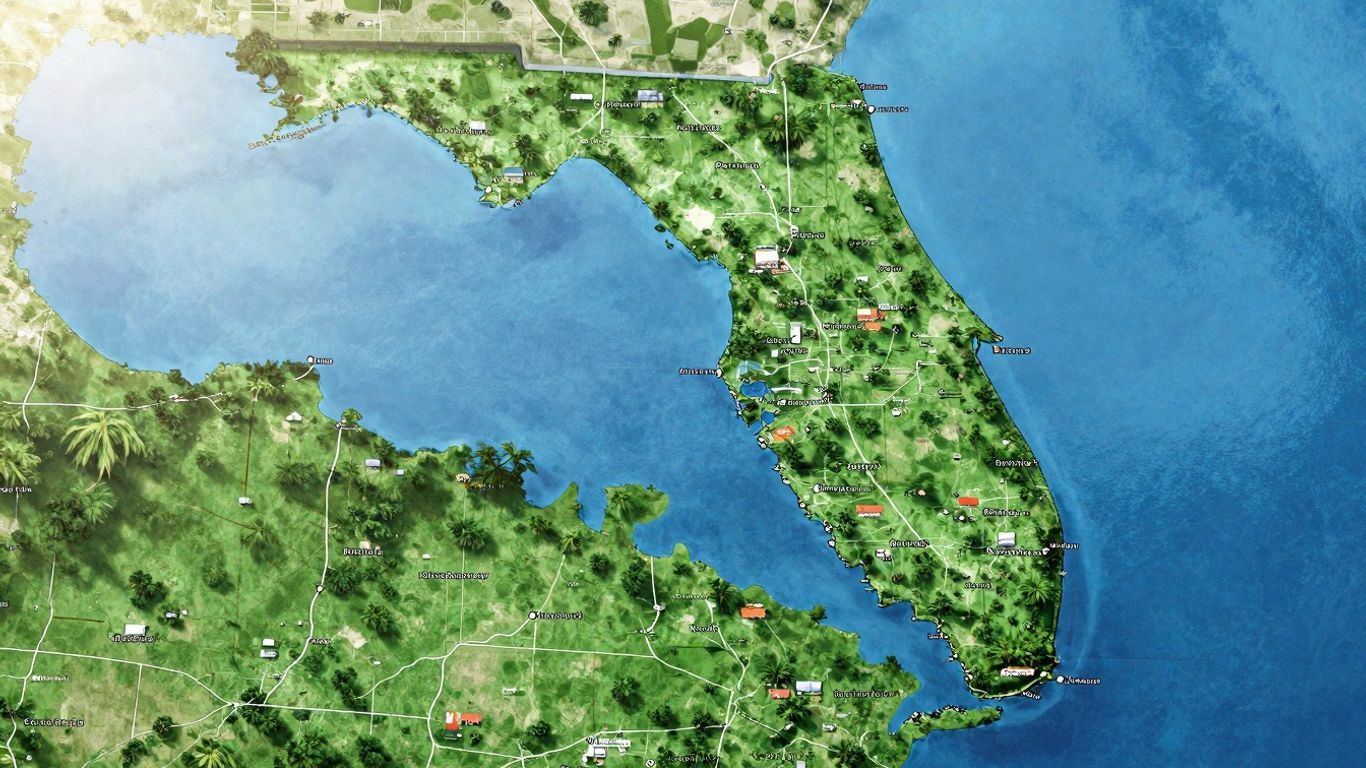
While Florida's major urban centers like Jacksonville and Miami certainly exert a strong pull, a significant portion of the state's authentic character is often discovered in the smaller locales you might otherwise merely traverse. Don't hesitate to venture beyond the primary highways on your map; these lesser-traveled roads frequently lead to truly captivating spots.
Identifying Quaint Towns and Local Eateries
Florida is home to numerous charming small towns that evoke a sense of stepping back in time. Here, you can uncover unique boutiques and authentic eateries cherished by locals, often providing a more genuine glimpse into the "real Florida" than the bustling tourist enclaves. It is well worth the effort to seek out these hidden gems, perhaps even exploring a few delightful communities that remain off the radar of most visitors.
Uncovering Scenic Byways and Natural Areas
Moreover, maps can highlight routes renowned for their inherent beauty. These scenic byways are perfect for a leisurely journey where the path itself becomes an integral part of the destination. Frequently, state parks and pristine natural areas are nestled just off these routes. These locations offer superb opportunities to intimately experience Florida's unparalleled natural splendor, whether it's a secluded beach or a verdant, sprawling forest.
Spotting Landmarks and Points of Interest
Always keep a keen eye out for symbols on your map that extend beyond mere city markers. These can indicate historical sites, distinctive roadside attractions, or significant natural landmarks. Sometimes, the most rewarding discoveries are those entirely unplanned. You might serendipitously happen upon a charmingly quirky museum or a local diner famed for its incredible pies, simply because you chose a different turn.
Planning a trip doesn't necessitate adhering to a rigid schedule. Indeed, some of the most memorable facets of a vacation are often the spontaneous detours you undertake when something intriguing catches your eye. Building in a degree of flexibility allows for these unplanned explorations—and you might just unearth your new favorite spot.
Strategic Itinerary Planning with a Map
Prioritizing Destinations for Daily Exploration
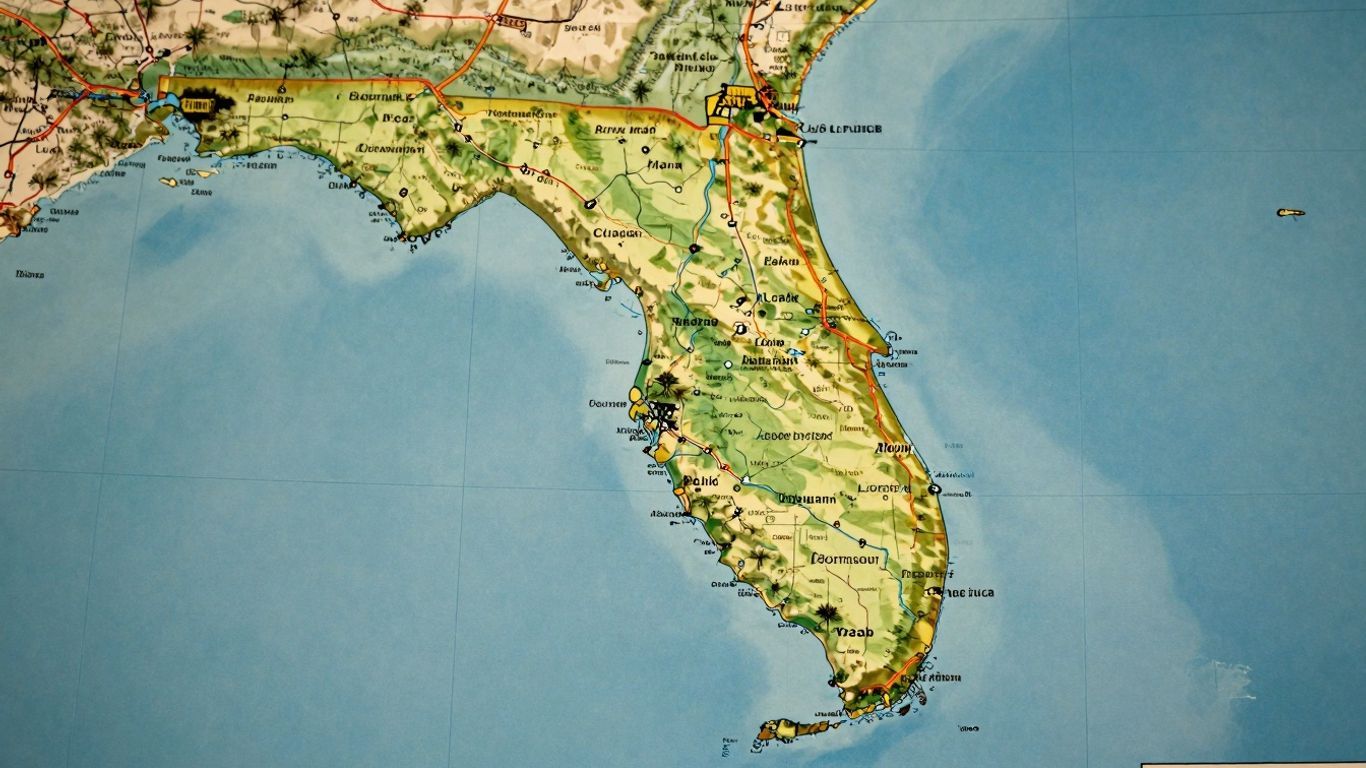
When surveying a map of Florida, it's quite understandable to feel a little overwhelmed by the sheer breadth of possibilities. The cornerstone of a successful trip, however, lies in discerning what you absolutely must experience each day. Consider your primary interests—are you drawn to sun-drenched beaches, exhilarating theme parks, rich historical sites, or perhaps serene natural springs? We recommend noting down your top one or two priorities for each day. This approach helps to focus your planning efforts and prevents the common pitfall of attempting to cram too much into a single day. For instance, if your journey commences near Orlando, perhaps Day 1 could be dedicated to a specific theme park, while Day 2 focuses on exploring historic St. Augustine. It's fundamentally about making intentional choices based on what truly excites you.
Grouping Activities to Minimize Travel
Once you've identified your essential destinations, consult your map to observe how they are geographically clustered. Florida, as we've noted, is an expansive state, and driving from one coast to the other can easily consume a significant portion of your day. Therefore, endeavor to group activities that are in close proximity. If you're visiting Tampa, for example, you might explore the aquarium in the morning and then head to Ybor City in the afternoon, rather than repeatedly traversing the city. This intelligent strategy ensures you spend less time commuting and more time actively enjoying your chosen destinations. It invariably leads to a smoother, less hurried travel experience.
Incorporating Flexibility for Spontaneous Discoveries
Even the most meticulously crafted plans can significantly benefit from a touch of adaptability. While a structured itinerary is certainly prudent, resist the urge to fill every single minute. Intentionally leave some open periods in your schedule. You might be driving between cities and unexpectedly spot a sign for a whimsical roadside attraction or a captivating small town that wasn't on your original list. These unplanned detours frequently evolve into the most cherished and memorable moments of a trip. A map aids in identifying these potential side routes, and having some unscheduled time means you can actually embrace them without disrupting your entire day. It's about gracefully balancing structure with the sheer joy of the unexpected.
An effective map truly is your ultimate ally in trip planning. It not only reveals locations but also illustrates their interconnectedness. Use it to establish a logical flow for your days, strategically grouping nearby attractions to conserve precious travel time. But always remember, some of the finest travel memories materialize when you deviate from the script. Incorporate some free time, and you might just find yourself chasing those delightful spontaneous adventures.
Here’s a straightforward framework for conceptualizing your daily plan:
- Morning: Concentrate on your primary priority destination.
- Afternoon: Explore a secondary attraction or activity situated close to your morning stop.
- Evening: Enjoy dinner and relaxation, perhaps in a town you previously passed through.
- Buffer Time: Intentionally keep a few hours open each day for unplanned stops or for lingering longer at a particularly appealing location.
Florida's Diverse City Landscape
Florida is far more than just pristine beaches and exhilarating theme parks; it’s a state densely populated with cities, each possessing its own distinct ethos and character. To truly appreciate Florida's urban tapestry is to consider a broad spectrum, ranging from sprawling metropolises to quaint, charming towns. Understanding the sheer scope and variety of these urban centers is instrumental in tailoring your travel plans to precisely what you wish to explore and experience. One might compare it to a grand, vibrant mosaic—each individual tile is unique, yet together they compose the magnificent complete picture.
Understanding the Scope of Florida's Cities
Indeed, Florida's cities span the entire gamut of urban experiences. On one end, you have the veritable giants, such as Jacksonville, which commands a vast land area and population in the state's northeast. Then there's Miami, a global nexus in the south, celebrated for its dynamic energy and rich cultural fusion. On the west coast, Tampa anchors an entire bay area, contributing its own distinct flavor. However, the narrative doesn't conclude with these well-known names. Scattered across the state are countless smaller cities and towns, each making a unique contribution to Florida's singular identity. Some are revered for their profound history, others for their breathtaking natural beauty, and many for a specialized industry or lifestyle they embody.
Highlighting Largest Cities and Their Appeal
When discussing Florida's largest cities, certain names immediately spring to mind, and each draws visitors for a unique set of compelling reasons.
- Jacksonville: As Florida's most populous city, Jacksonville seamlessly blends urban sophistication with convenient coastal access. Its unique character is intrinsically tied to the majestic St. Johns River, which flows through its heart. Here, you can explore its revitalized downtown, bask on nearby beaches, or venture into expansive natural preserves.
- Miami: This city is unequivocally an international star. Miami is globally renowned for its vibrant culture, profoundly influenced by Latin America and the Caribbean. Imagine exquisite cuisine, lively music, and iconic architecture. It is a destination where tropical allure gracefully meets a sophisticated, fast-paced metropolitan lifestyle.
- Tampa: As part of the bustling Tampa Bay area, Tampa itself offers a wealth of attractions. It boasts the historic Ybor City district, rich in Cuban heritage, an impressive aquarium, and convenient proximity to numerous theme parks. The broader bay area, encompassing St. Petersburg and Clearwater, is celebrated for its stunning coastline and thriving arts scene.
Recognizing Safest Cities and Community Well-being
Beyond considerations of size and popular attractions, many individuals prioritize safety and a high quality of life when evaluating cities. While crime statistics are subject to change, certain communities consistently feature on lists recognized for their lower crime rates and strong communal focus. These locations may not always be the largest or most famous, but they provide residents and visitors alike with a palpable sense of peace and well-being. Diligently researching specific neighborhoods within larger cities or investigating smaller, well-established communities can unveil areas that actively prioritize safety and a comfortable living environment. Ultimately, it’s about discovering a place that feels genuinely welcoming and secure, enabling you to truly unwind and savor your surroundings.
Florida's urban landscape is truly a mosaic. From the expansive energy of its major metropolises to the serene charm of its smaller communities, each city presents a distinct facet of the Sunshine State's multifaceted identity. Crafting your trip itinerary necessitates understanding these inherent differences and selecting the experiences that most resonate with your interests.
Unlocking Florida's Charm Through Mapping
A comprehensive map of Florida's cities is far more than a mere navigational tool for reaching point A from point B; it serves as your essential instrument for curating a journey that feels truly personalized and enriching. It provides an overarching perspective of the state, enabling you to unearth those unique locales you might otherwise inadvertently bypass. Indeed, skillfully utilizing a detailed map can significantly elevate your entire travel experience.
Utilizing Maps for Route Planning and Stopovers
Familiarizing yourself with your map is, unequivocally, the first critical step. Rather than a cursory glance, immerse yourself in what it truly conveys. The map's legend, for instance, is an invaluable resource; it elucidates all the symbols and lines, indicating everything from major cities and principal thoroughfares to nearby parks. Moreover, pay close attention to the map's scale. This vital detail reveals the actual distances involved, preventing you from inadvertently planning drives that prove to be far too extensive. Different road classifications, as depicted on your map, inherently offer varied travel experiences:
- Interstates: These are the major highways, designed for efficient, swift travel between key population centers, such as I-95 along the east coast or I-75 on the west.
- US Highways and State Routes: These routes often meander through smaller towns and scenic regions. They are ideal for a more relaxed journey, offering greater opportunities to appreciate local life and make impromptu stops.
- Local Roads: These smaller arteries are best suited for exploring specific neighborhoods or accessing attractions situated off the main roads.
Detouring for Unique Museums and Natural Wonders
While Florida's major cities certainly exert their appeal, a substantial portion of the state's authentic charm resides in the spaces between them. Consider venturing onto roads that are not the primary highways. These smaller routes frequently lead to intriguing destinations, such as:
- Quaint Towns: Discover locales featuring distinctive shops and authentic local restaurants, often far removed from the typical tourist crowds.
- Scenic Byways: Explore routes renowned for their breathtaking vistas, perfect for a leisurely, thoroughly enjoyable drive.
- State Parks and Natural Areas: Often accessible via smaller roads, these pristine spots allow for a profound connection with Florida's remarkable natural beauty.
Do not hesitate to explore Florida's smaller towns; they frequently harbor the most delightful surprises. You might stumble upon a captivating antique shop in Mount Dora or a tranquil waterfront spot in Cedar Key that ultimately becomes a highlight of your trip. These less-traveled paths can guide you to historic sites, picturesque fishing villages, and places brimming with fascinating local stories—experiences you’d likely miss when adhering strictly to the interstate. For instance, why not plan a visit to Weeki Wachee for its iconic mermaid shows or Arcadia for its charming antique shops? Comprehensive regional maps can assist you in discovering these areas across the entirety of Florida.
Finding Local Flavors and Community Events
Sometimes, the most cherished travel moments are not meticulously pre-planned. They materialize when you take an unexpected turn and uncover a fantastic little cafe, or serendipitously happen upon a vibrant local festival. A map effectively highlights the possibilities, yet one should never shy away from embracing spontaneity. These impromptu discoveries often cultivate the most memorable experiences and offer an authentic sense of the local culture.
Your Florida Adventure Awaits
Having thoroughly reviewed a map of Florida's cities, we hope this exploration has sparked numerous ideas for your upcoming journey. Florida offers an astonishing breadth of experiences, from the expansive, dynamic energy of metropolises like Miami and Orlando to the quiet allure of smaller towns you might not yet have encountered. Remember, the objective isn't necessarily to see absolutely everything. Often, the most rewarding aspects of a trip are the unplanned stops—perhaps discovering a delightful local diner or a serene spot by the water. So, procure your map, pinpoint a few destinations that genuinely pique your interest, and allow your adventure to unfold organically. You might just unearth your new favorite Florida retreat when you least expect it.
Frequently Asked Questions
What are the biggest cities in Florida?
Florida is home to several major urban centers. Among its largest and most frequently visited cities are Miami, Orlando, Tampa, and Jacksonville. Each of these destinations boasts a unique character and a wealth of attractions and activities for visitors.
Are there any charming small towns worth visiting in Florida?
Absolutely! Florida is dotted with numerous delightful small towns that offer a wonderful escape. Consider exploring places like Mount Dora, Sebring, and Arcadia. These communities provide a more tranquil pace of life, friendly local charm, and distinctive events not typically found in larger cities.
How can I use a map to plan my trip to Florida?
An invaluable detailed map is incredibly useful for visualizing the locations of cities, towns, and attractions across the state. You can effectively utilize it to determine optimal routes, identify interesting points of interest for stopovers, and even uncover hidden locales you might otherwise miss.
What outdoor activities can I do in Florida's cities?
Florida's cities present a wealth of outdoor recreational opportunities! You can engage in walking or cycling along picturesque trails, partake in kayaking or paddleboarding, and even observe dolphins or various bird species within urban parks.
What are some important historical or cultural places in Florida?
To immerse yourself in Florida's rich history and vibrant culture, consider visiting St. Augustine, renowned for its ancient architecture; Miami Beach, celebrated for its iconic Art Deco district; or Tampa, which offers excellent museums. These locations provide significant insight into Florida's diverse heritage.
What's the best way to find local food and events in Florida?
To truly savor authentic Florida cuisine and experience the local ambiance, we recommend exploring farmers' markets, participating in dedicated food tours, or attending local festivals. These avenues offer superb opportunities to sample regional dishes and connect with the community.


