
resources
Exploring England's Cities: A Look at Current Population Trends
05 Mar 2026

If you've ever pondered England's urban landscape and its demographic shifts, you'll find it's a dynamic, ever-evolving picture—much like observing a long-form narrative unfold. We’re embarking on an exploration of England's city population trends, particularly as we cast our gaze toward 2025. This isn't merely about numerical counts; it delves into the crucial factors of employment, housing affordability, and what fundamentally elevates one city's appeal over another. Let's delve into the fascinating trends that are meticulously shaping our urban environments.
Key Takeaways
- London, predictably, retains its status as England's most populous city, though its rate of growth appears to be moderating.
- Urban centers such as Birmingham and Manchester are registering significant population increases, often propelled by robust job markets and an influx of younger demographics.
- Both international and domestic migration patterns wield substantial influence over the demographic profiles of England's principal urban hubs.
- The accessibility and economic viability of housing represent paramount considerations in whether a city attracts or, indeed, loses residents.
- A thorough grasp of population density is indispensable for urban planners aiming to effectively manage resources and municipal services.
Understanding England's City Population Dynamics
Historical Growth Patterns in Urban Centers
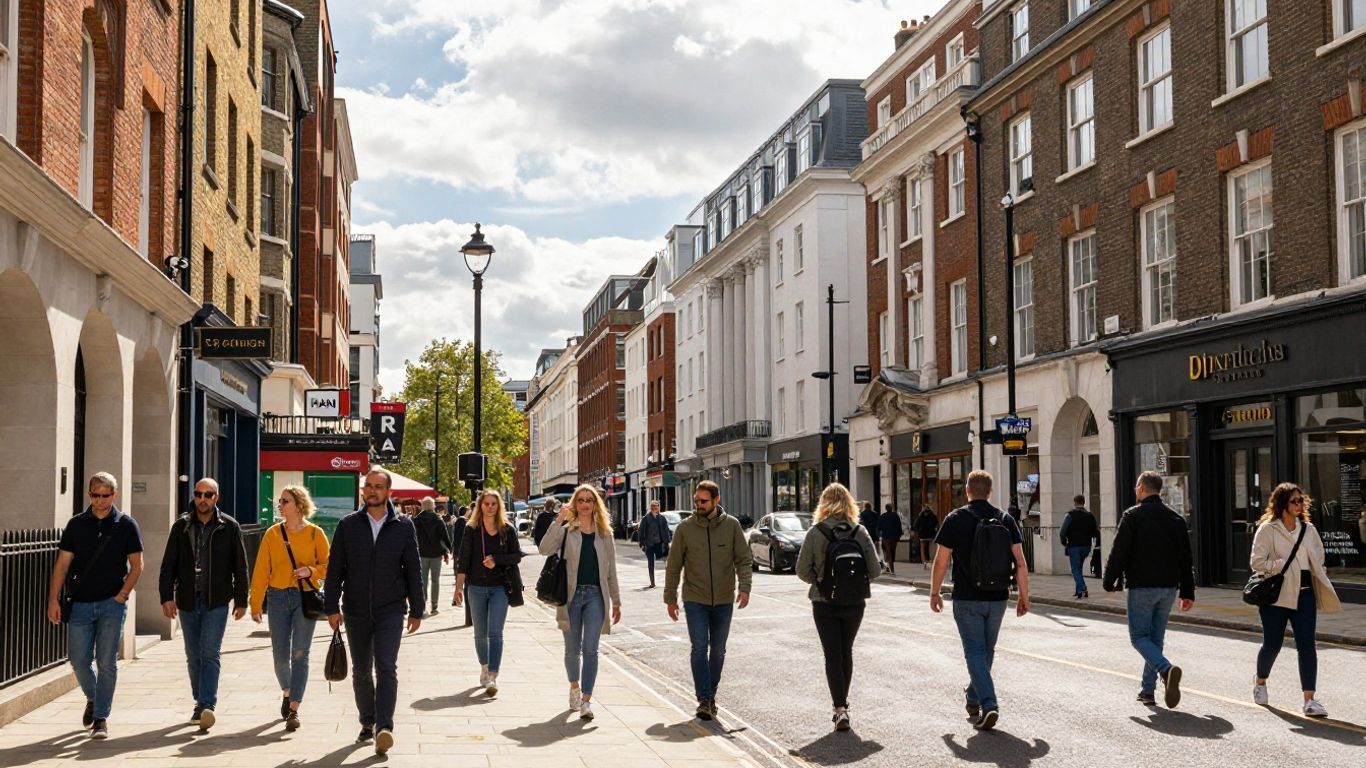
England's cities possess a venerable history of drawing people to their vibrant centers. Recalling the Industrial Revolution, for instance, reveals a monumental turning point; suddenly, the burgeoning factory towns became powerful magnets, triggering dramatic population explosions in locales like Manchester and Birmingham. This rapid expansion, it must be noted, wasn't always a smooth process; it frequently led to overcrowded living conditions and presented new, formidable challenges for urban planners. Over the centuries, these patterns have naturally shifted. While some cities continued their upward trajectory, others experienced more subdued growth—or even declines. Grasping this historical ebb and flow is genuinely crucial for comprehending the contemporary character of England's cities.
Key Factors Influencing City Population Growth
What, then, truly drives a city's population fluctuations? It's a confluence of several intertwined factors, really. Economic opportunity, particularly, stands out as a major impetus. Should a city boast a robust economy replete with ample job openings, especially within flourishing sectors, it invariably tends to attract newcomers. Housing, too, plays a pivotal role. An abundance of affordable housing makes it considerably easier for individuals to establish roots. Conversely, prohibitively high rents and property prices can deter prospective residents, even in the presence of promising employment prospects.
Allow us to outline some of the principal drivers:
- Economic Opportunities: This encompasses both the sheer availability and the specific nature of job roles.
- Housing Market: A critical balance between housing supply and affordability.
- Quality of Life: Elements such as educational institutions, healthcare provisions, and local amenities.
- Infrastructure: The efficacy of transport networks and public service delivery.
The interplay between these factors creates a complex and often nuanced picture, where a city might excel in job creation but concurrently grapple with housing costs, or vice versa. It’s a perpetual, delicate balancing act, wouldn't you agree?
Future Projections for Urban Population Trends
As we look towards the future, most experts anticipate continued growth within England's urban areas. London will, in all likelihood, maintain its position as the largest population center, yet numerous other cities are also poised for expansion. These aren't merely speculative guesses; rather, they are grounded in current trends observed in job creation, housing development, and prevailing migration patterns. While achieving absolute predictive accuracy remains an impossibility, these projections undeniably assist us in preparing for the demographic shifts on the horizon.
| City | Projected Growth (Next 5 Years) | Key Growth Driver |
|---|---|---|
| London | Moderate | Finance, Tech, Services |
| Manchester | High | Tech, Media, Creative |
| Birmingham | Moderate | Advanced Manufacturing, Logistics |
| Leeds | High | Finance, Digital Services |
| Bristol | Moderate | Aerospace, Tech, Education |
Major English Cities and Their Population Trends
London: A Continual Hub of Growth
London, the esteemed capital, unequivocally remains England's most populous city by a considerable margin. Its enduring status as a preeminent global center for finance, technology, and culture acts as a powerful magnet, drawing individuals from virtually every corner of the world, as well as from within the UK itself. This relentless influx consistently fuels its expansion, although it simultaneously introduces significant challenges pertaining to housing affordability and strains on existing infrastructure. The city's remarkably diverse economy presents a vast array of professional opportunities, solidifying its position as a prime destination for those pursuing career advancement.
Birmingham's Expanding Population
Birmingham, frequently recognized as England's second city, is currently experiencing its own notable demographic expansion. Historically a formidable industrial powerhouse, its economy has since diversified considerably, attracting new industries and, notably, a younger demographic. This growth is ably supported by ongoing regeneration initiatives and a housing market that, in comparison to London's, remains relatively more accessible. The city's rich cultural tapestry and its pivotal central location also significantly bolster its overall appeal.
Manchester's Demographic Shifts
The transformation of Manchester is indeed remarkable, with its residents witnessing their city's dynamic growth and evolution. It has successfully reinvented itself as a burgeoning hub for technology and media, thereby cultivating new job markets that consistently draw a steady stream of residents. Its vibrant music scene, deeply ingrained sporting culture, and a comparatively lower cost of living than the capital collectively render it an exceedingly attractive prospect for both young professionals and growing families alike. These shifts are, quite clearly, reshaping the city's social and economic landscape.
The Impact of Migration on City Populations
International Migration's Role in Urban Growth
The movement of people from other nations into England's cities constitutes a profoundly significant factor in overall population figures. This isn't merely about augmenting headcounts; it’s intrinsically linked to the infusion of new skills, innovative ideas, and diverse cultural perspectives. Consider London, for example—it has perennially been a global metropolis, attracting individuals from across the globe. This continuous flow ensures that cities remain vibrant and dynamic environments. However, it concurrently escalates demand for housing and public services, which can, of course, present its own set of challenges.
Domestic Migration and Its Effects
Beyond the international sphere, a considerable degree of internal, or domestic, migration also shapes the UK's urban centers. Frequently, individuals opt to relocate from larger metropolises like London in pursuit of a different pace of life or more affordable housing elsewhere. Conversely, smaller towns might observe a population surge as people move for specific job opportunities. This intricate back-and-forth movement profoundly influences the demographic composition of various regions. For instance, while London might experience a net outflow of UK residents, other cities could simultaneously register significant gains.
Societal and Economic Implications of Migration
Migration's ripple effect on society and the economy is undeniably extensive. On the positive side, it can effectively address labor shortages and introduce fresh perspectives, enriching urban diversity. This can make cities truly captivating places. Yet, there are also inherent pressures. Public services such as schools, healthcare, and housing can become stretched if growth occurs too rapidly. Cities, therefore, must engage in meticulous planning to ensure that the benefits of migration are equitably distributed among all residents.
Here are some crucial points worthy of consideration:
- Increased cultural diversity: Cities naturally evolve into melting pots of distinct traditions and languages.
- Economic contributions: Migrants frequently fill vital job roles, establish new businesses, and make substantial contributions to the tax base.
- Strain on infrastructure: Rapid population growth, particularly driven by migration, can exert considerable pressure on public services and housing provisions.
Effectively managing migration is paramount for cities aiming to achieve sustainable growth that genuinely benefits both new arrivals and long-standing residents. It's fundamentally about striking a judicious balance between extending a welcome and ensuring adequate resources are available for everyone.
| City | Net Domestic Migration (Approx. Annual Change) | Net International Migration (Approx. Annual Change) |
|---|---|---|
| London | -75,000 | +100,000 |
| Birmingham | +10,000 | +20,000 |
| Manchester | +15,000 | +25,000 |
Population Density and Urban Planning
When we discuss the extent to which England's cities are populated, it’s not solely about the aggregate number of residents. Crucially, it also encompasses how spread out or, conversely, how concentrated those individuals are. This metric, known as population density, holds considerable sway over a city's functionality and the quality of life experienced by its inhabitants.
Metrics for Measuring Population Density
At its core, population density is a straightforward concept: it quantifies the number of individuals residing within a specified land area. Typically, this is expressed as people per square kilometer or per square mile. This measure provides a tangible means to compare the relative crowding of different locations. For instance, one can calculate it by dividing a city's total population by its total land area. This resultant figure is invaluable for understanding the pressure exerted on local resources and existing infrastructure.
Here's a fundamental overview of its calculation:
- Population Density = Total Population / Land Area
While this calculation appears quite simple, the insights it yields can be remarkably complex. A high density suggests a significant number of people cohabiting in close proximity, which can present distinct challenges and opportunities when contrasted with areas characterized by lower density.
Challenges in High-Density Urban Areas
Cities characterized by a high concentration of people within a confined space, much like London, frequently encounter unique sets of issues. Consider the daily realities: navigating rush-hour commutes, securing affordable housing that doesn't demand an exorbitant sum, or even accessing sufficient green spaces for recreation and relaxation. Such areas often necessitate exceptionally efficient public transportation systems to facilitate the movement of large populations. They also require substantial housing provisions, which can prove difficult to develop without exacerbating existing overcrowding. Furthermore, waste management and utility services must operate at peak efficiency to meet the elevated demand.
High population density invariably means that essential services—public transport, housing, and utilities, for example—are under constant, intense demand. Urban planners must ingeniously devise strategies to manage this efficiently, thereby preserving a commendable quality of life for all residents.
Planning for Sustainable Growth
Proactive, forward-thinking approaches are, naturally, paramount for urban planning. Planners face the demanding task of ensuring that cities can expand without becoming unmanageable behemoths. This involves carefully assessing suitable locations for new residential developments, strategizing improvements to transport links, and vigilantly safeguarding the city's overall liveability. It necessitates a delicate balance between the imperative for more housing and employment opportunities and the critical need for parks, clean air, and a pervasive sense of community. For cities on a growth trajectory, this translates to making astute decisions now to preempt future problems. Ultimately, it’s all about meticulously crafting environments where people genuinely aspire to live, work, and flourish for generations to come.
Economic Drivers of City Population Change
Job Opportunities and Industry Influence
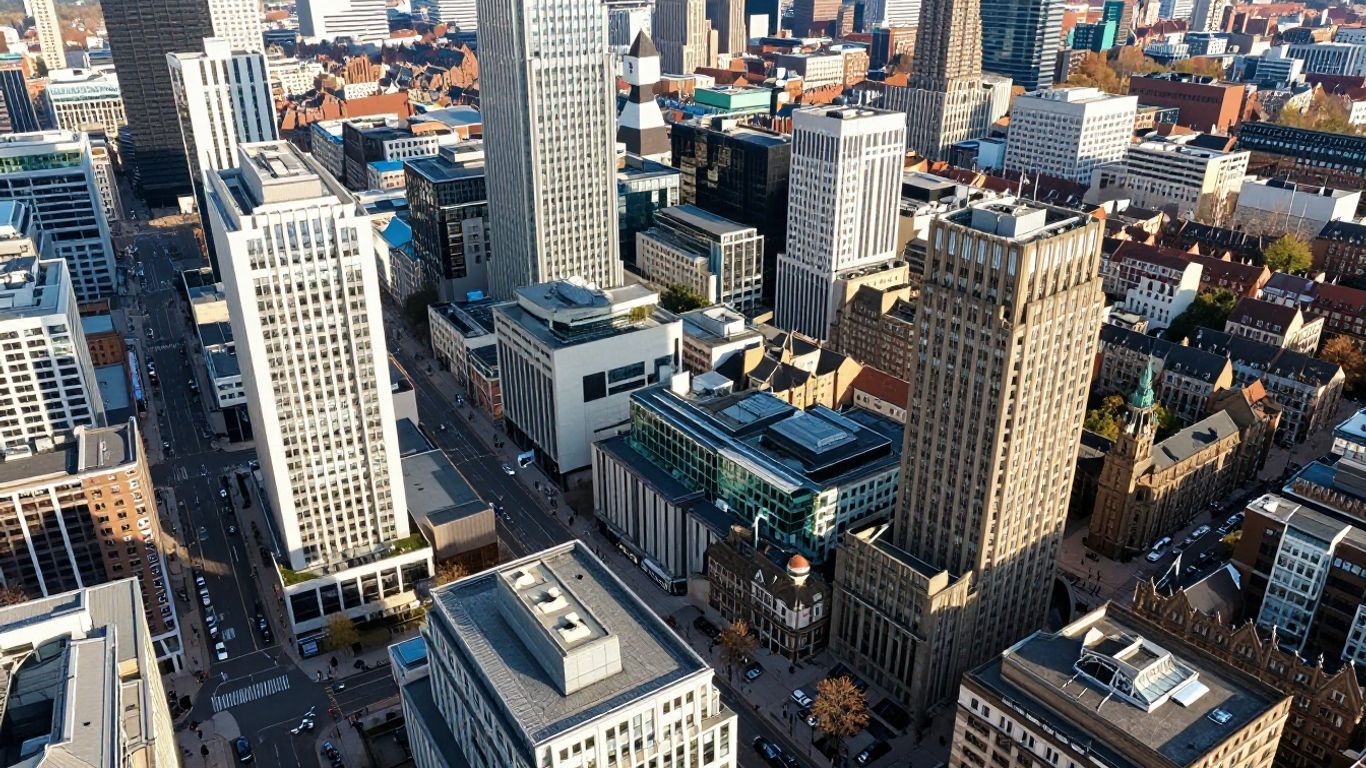
In discussions regarding urban migration, job opportunities consistently emerge as a primary, if not the foremost, motivator. It’s a fairly straightforward equation: should a city possess a robust economy brimming with employment vacancies, particularly in expanding sectors, it will naturally draw people. Think, for instance, of London, a perennial financial powerhouse, or Manchester, which has witnessed a significant boom in its technology and media sectors. These locales offer a rich tapestry of work, attracting individuals from across the UK and even further afield. Conversely, cities grappling with economic decline or diminishing industries may see their populations contract as residents seek more promising prospects elsewhere. It truly is a perpetual cycle of attraction and departure, fundamentally dictated by where the work is.
Housing Availability and Affordability
Despite promising job prospects, the critical factor of housing affordability wields immense influence over where individuals can actually establish residency. If a city provides a plentiful supply of housing options that don't command an exorbitant price, it stands a far greater chance of attracting and retaining residents. However, when housing prices soar to prohibitive levels, even those with secure, well-paying jobs might opt to seek more budget-friendly alternatives. This represents a considerable challenge in many of England's sought-after cities right now, where demand for homes continues its relentless upward trajectory. Striking that delicate balance between sufficient housing stock and ensuring its affordability is, admittedly, arduous—yet utterly crucial for cities aspiring to sustainable growth.
Here’s a brief overview illustrating how average house prices compare in a selection of major cities:
| City | Average House Price (£) |
|---|---|
| London | 515,000 |
| Manchester | 250,000 |
| Birmingham | 220,000 |
The Interplay of Economy and Residency
It's not merely a singular factor, is it? The economy and the residential landscape are intrinsically linked in a myriad of ways. A city's economic health influences everything from the nature of available employment to the quality of services it can offer, such as educational institutions and public transport. These elements, in turn, directly impact the overall quality of life. When a city thrives economically, it gains the capacity to invest more substantially in these vital areas, thereby enhancing its appeal as a place to establish roots. This creates a positive feedback loop: a robust economy attracts people, and a growing population can further invigorate the economy. It’s a complex, delicate dance between jobs, housing, services, and the overarching atmosphere of a locale.
Cities that successfully cultivate a favorable blend of job opportunities, accessible living spaces, and a commendable quality of life tend to be the ones that experience consistent population growth. It's about far more than just numerical increases; it's about fostering environments where people genuinely desire to remain and construct their lives.
Comparative Analysis of England's Urban Populations
Population Distribution Across Regions
England's urban centers are not merely dispersed haphazardly; rather, they exhibit distinct clustering patterns, thereby creating identifiable population hubs. There's, of course, the immense sprawl of London, which acts as a colossal magnet, drawing people from all corners of the UK and, indeed, the globe. Beyond this, other significant agglomerations include Birmingham and Manchester, each possessing its own gravitational pull, attracting residents for diverse reasons. The distribution is, however, far from uniform. A glance at a demographic map will reveal these dense urban areas encircled by less populated regions. This inherent unevenness profoundly shapes our considerations regarding infrastructure, essential services, and even the nuances of daily urban life.
Comparing Growth Trajectories of Major Cities
Examining the growth trajectories of England's principal cities reveals a varied and nuanced landscape. London consistently expands, though perhaps at a more measured cadence than in preceding decades, yet it undeniably continues to attract an immense number of individuals. Birmingham has registered steady growth, frequently associated with its industrial heritage and ongoing regeneration efforts. Manchester, conversely, has experienced a veritable surge, particularly in recent years—fueled by its burgeoning tech and media sectors, and a noticeable influx of younger demographics. It proves genuinely fascinating to observe how distinct cities navigate their own unique paths of development.
Here's a concise overview of some key urban centers:
- London: Continues to be the largest by population, with its growth sustained by its global prominence and diverse economic foundation.
- Birmingham: Demonstrates consistent expansion, benefiting from its strategic central location and robust manufacturing and service sectors.
- Manchester: Exhibits rapid demographic expansion, attracting young professionals and families alike with its dynamic job market and rich cultural scene.
- Leeds: Another city experiencing significant uplift, frequently cited for its financial services and expanding digital industries.
Factors Differentiating City Growth Rates
What, then, accounts for the disparities in urban growth rates? The answer, certainly, lies in a sophisticated interplay of factors. Job opportunities emerge as an enormous driver. Cities boasting strong, diversified economies, especially in flourishing sectors such as technology or finance, naturally tend to attract more residents. Housing, too, constitutes a substantial piece of this complex puzzle. A healthy supply of housing that is genuinely affordable makes a significant difference. Beyond these, elements such as the quality of educational institutions, the provision of healthcare facilities, and even the general 'vibe' or cultural richness of a city all play contributory roles. People are fundamentally seeking locations that offer not just employment, but a high quality of life.
The intricate interplay between economic prospects, housing affordability, and the overarching attractiveness of a city cultivates a unique growth dynamic for each urban center. Grasping these distinct differences is absolutely fundamental to comprehending the broader population shifts currently unfolding across England.
Ultimately, it’s not merely about the raw numbers; it’s about what intrinsically makes a place a desirable environment in which to live and build a life. Different cities are finding success through varied approaches, and that, arguably, is what renders England’s urban landscape so compelling to observe.
Wrapping Up Our Look at England's Cities
As we’ve explored, England's cities are in a perpetual state of flux. London, naturally, remains a demographic behemoth, yet places like Manchester and Birmingham are growing robustly, each with its compelling reasons for attracting residents. Migration, both international and domestic, plays a substantial role, introducing new faces and fresh perspectives, but also intensifying demand for housing and vital services. It’s an intricate tapestry, and a thorough understanding of these population shifts is indeed paramount for strategically planning the future functionality of our urban centers. Whether your interest stems from a potential relocation or simply a keen curiosity, these trends unmistakably highlight that England’s urban hubs are profoundly dynamic places, bustling with activity and change.
Frequently Asked Questions
Why are cities in England getting more people?
Cities are experiencing population growth primarily due to increased job opportunities, particularly in flourishing sectors like technology and finance. Furthermore, both international and domestic migration—individuals moving from other countries and regions within the UK—contributes significantly, as people seek better career prospects and an enhanced quality of life. Cities inherently offer a broader spectrum of opportunities and cultural attractions, making them highly appealing destinations.
Is London still the biggest city in England?
Yes, unequivocally, London steadfastly retains its position as the largest city in England by a considerable margin. Its enduring role as a preeminent global hub for commerce, finance, and culture consistently draws individuals from across the globe. While other cities are indeed expanding, London’s sheer scale and profound influence ensure its status as a top destination remains unchallenged.
What is population density and why does it matter?
Population density is a metric that quantifies the number of individuals residing within a specific unit of land area, such as a square mile. Its significance lies in its direct impact on urban planning and resource allocation. Densely populated cities, for instance, necessitate highly efficient public transportation systems and extensive housing provisions, whereas less crowded areas might prioritize road infrastructure. Understanding this metric enables urban planners to ensure that public services and amenities are adequately tailored to meet resident needs.
How does moving to a new city affect its population?
When individuals relocate to a city, a phenomenon known as migration, it profoundly influences its demographic structure. People moving from other countries or from different parts of England introduce new ideas, skills, and cultural diversity. This invigorates cities and enhances their vibrancy, but it concurrently generates increased demand for essential services and resources, such as housing and educational facilities.
Are all English cities growing at the same speed?
No, by no means are all English cities experiencing growth at a uniform pace. Certain urban centers, notably London and Manchester, are expanding quite rapidly, largely owing to their robust economies and abundant job markets. Conversely, other cities might be observing slower growth—or even contraction—if they present fewer employment opportunities or if housing costs prove prohibitively expensive.
What are the main reasons people move to cities?
The predominant reasons individuals choose to relocate to cities are primarily linked to employment opportunities and aspirations for career advancement. Additionally, the availability of affordable living spaces is an immensely critical factor. Beyond economic considerations, cities frequently offer superior educational institutions, a greater variety of recreational and cultural pursuits, and an overall more dynamic and stimulating atmosphere that many find highly appealing.


