


resources
Unveiling the Cities of New York by Population: A 2026 Ranking
05 Mar 2026

Delving into the intricate demographics of New York's urban landscape can be remarkably insightful, particularly when considering projections for 2026. This exploration will dissect population trends across New York's various cities, examining the driving forces behind their growth and the potential shifts on the horizon. Our focus extends beyond mere statistics; we aim to understand the underlying motivations that draw people to these locales and to anticipate the future trajectory of these vibrant communities. Let's embark on this detailed analysis.
Key Takeaways
- New York City, an undeniable global powerhouse, sees its vast metropolitan population primarily fueled by robust economic opportunities spanning finance, technology, and media sectors. Recent urban developments underscore a persistent focus on construction and expansion, with numerous new housing and infrastructure projects actively taking shape across the boroughs.
- The city's housing market, notably resilient, is characterized by escalating rents and a steady stream of new developments, unequivocally signaling strong demand. A noteworthy trend emerging is the conversion of commercial office buildings into residential units, an initiative geared towards fostering a more dynamic, round-the-clock urban environment.
- Tourism undeniably contributes significantly to New York's population dynamics; indeed, millions of visitors annually inject vitality into the economy and profoundly shape the city's celebrated cultural landscape—think world-class museums and an unparalleled array of dining options.
- Crucial infrastructure investments—such as the transformative upgrades at JFK Airport and the MTA's ambitious capital program—are meticulously designed to further solidify New York's standing as a paramount global gateway, concurrently enhancing the quality of urban life for its residents.
- Even as New York City steadfastly maintains its status as a leading global metropolis, its enduring cultural appeal, continuous technological advancements, and its pivotal role as a global connector consistently influence both its population trends and its economic standing when benchmarked against other significant world centers.
New York City's Population Dynamics
Metropolitan Area Population Overview
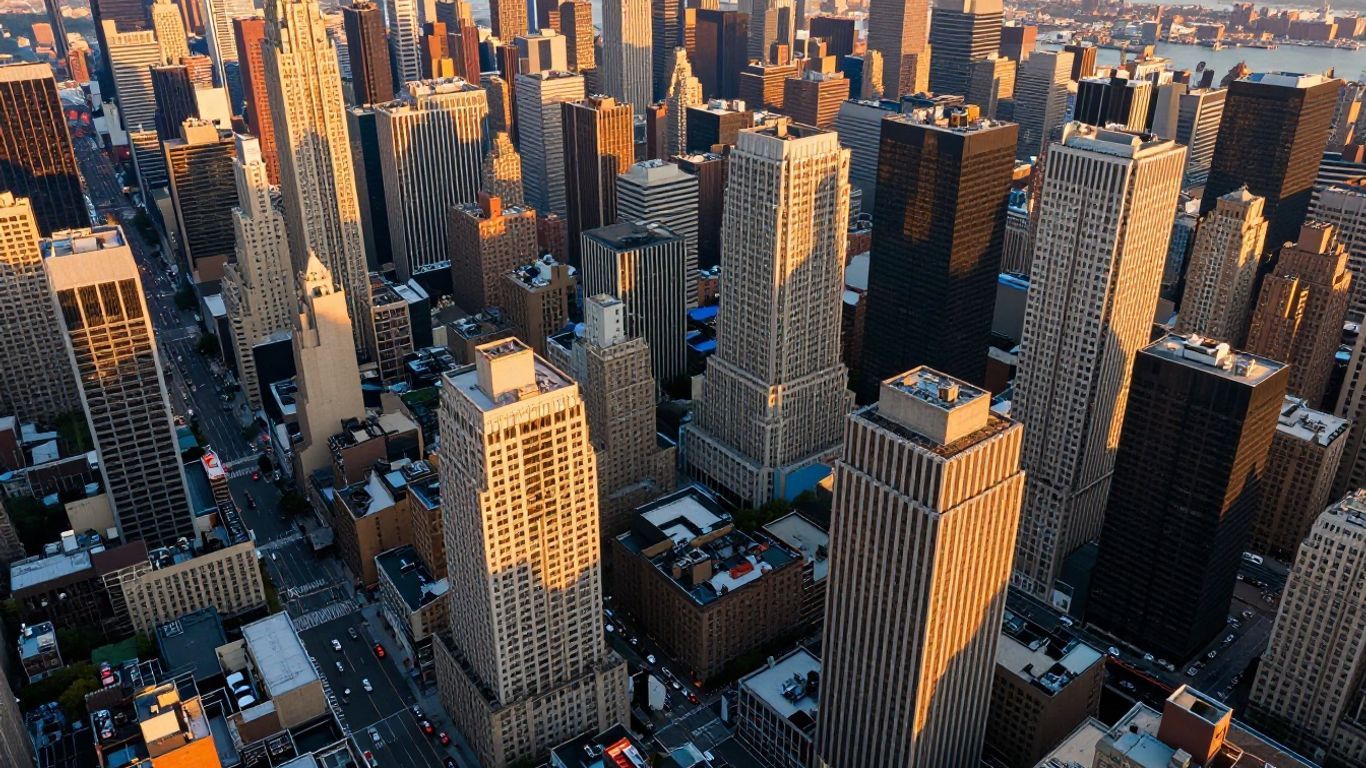
New York City, a place perpetually buzzing with an inimitable energy, stands as an indisputable global population epicenter. Looking ahead to 2026, its sprawling metropolitan area is projected to house approximately 19.9 million individuals. This figure, far from being a mere statistic, encapsulates a vast, interconnected network of diverse communities, dynamic economies, and rich cultures, all interacting vibrantly within one of the planet's most iconic urban landscapes. Indeed, the city's sheer scale necessitates constant adaptation to the evolving needs and intricate movements of its populace.
Urban Development and Growth Indicators
So, what's truly driving this urban expansion? Examining the city's trajectory of growth reveals a remarkable flurry of activity. A pronounced emphasis is clearly placed on developing new housing stock, particularly evident in areas such as Hudson Yards, where its second phase is strategically pivoting towards embracing more residential spaces and expansive parks. Furthermore, innovative waterfront projects—like River Ring and Domino Park—are meticulously designed with environmental sustainability at their core, specifically focusing on creating resilient shorelines capable of adapting to capricious weather patterns. Even long-standing proposals—like the ambitious vision for Sunnyside Yard in Queens—are now garnering renewed attention. It's imperative to understand that these initiatives are far from superficial quick fixes; rather, they represent profound, long-term strategic plans that are fundamentally shaping the metropolis's future contours.
The city's comprehensive approach to urban development truly underscores a profound commitment—not merely to increasing building density, but crucially, to elevating the living conditions and bolstering the sustainability of its diverse neighborhoods. This forward-thinking strategy thoughtfully encompasses vital efforts like adapting to the challenges of climate change and assiduously creating more accessible, vibrant public spaces for all.
Economic Drivers and Future Outlook
Indeed, a confluence of factors sustains New York's dynamic population. The housing market, for example, is demonstrably exhibiting robust signs of strength. Rents across Manhattan, for instance, remain elevated, while a high occupancy rate in residential buildings strongly suggests a consistent influx of new residents establishing households. This vigorous demand, coupled with ongoing new construction, distinctly points towards a stable and promising future for the housing sector. Moreover, tourism invariably plays a pivotal role. With landmark events such as the FIFA World Cup on the horizon in 2026, a substantial surge in visitor numbers is anticipated to further invigorate the city. This continuous influx of individuals—both permanent residents and transient visitors alike—not only keeps the city's economy vibrantly active but also profoundly influences its overarching growth patterns. Furthermore, the extensive, ongoing upgrades to critical transport hubs like JFK airport unequivocally signal enduring confidence in New York's preeminent role as a quintessential global destination.
Understanding Population Trends in New York
Metropolitan Area Population Overview
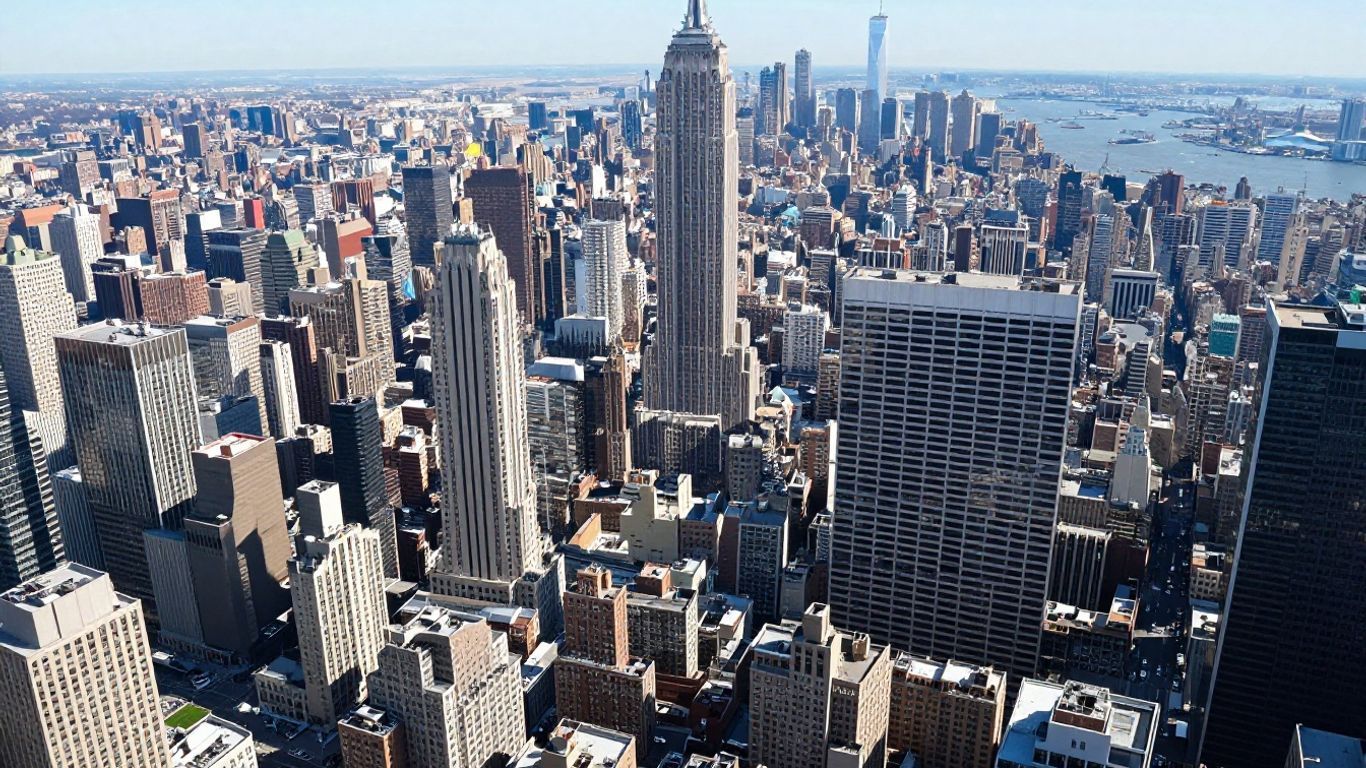
New York City's population truly represents a complex tapestry, intricately woven from the diverse threads of domestic migration, international arrivals, and organic natural growth. By early 2026, the metropolitan area is poised to remain a primary magnet, its sheer scale and myriad economic opportunities acting as an unwavering draw. And while precise figures invariably fluctuate, the metro area consistently secures its position among the world's most populous regions—a clear testament, certainly, to its enduring, multifaceted appeal.
Urban Development and Growth Indicators
The city is, without a doubt, actively sculpting its future through a portfolio of significant urban development projects. Consider the ambitious blueprints for Hudson Yards' second phase, which now pointedly prioritizes housing and expansive green spaces, or the innovative climate-resilient shoreline designs emerging along the Williamsburg waterfront—New York is clearly making substantial, long-term investments in its sustained growth. These aren't merely initiatives focused on erecting new structures; rather, they are fundamentally aimed at fostering more livable, truly sustainable communities for generations to come.
Economic Drivers and Future Outlook
Economic activity unequivocally serves as a primary, persistent driver of population dynamics here. The city's esteemed status as a global epicenter for finance, technology, and media continues, predictably, to attract top-tier talent from around the globe. Furthermore, recent strategic investments—such as those specifically targeting low-carbon infrastructure—powerfully signal a steadfast commitment to future-proofing the economy. This intentional focus on innovation and sustainable growth is widely anticipated to bolster a stable, and quite possibly expanding, population throughout the years ahead.
Indeed, the city's remarkable capacity to adapt and continually reinvent itself stands as a pivotal factor in its sustained appeal to residents. This ceaseless evolution—ranging from colossal infrastructure projects to vibrant cultural revivals—ensures New York remains an extraordinarily dynamic and inherently attractive place to both live and pursue one's career.
Housing Market Resilience and New Developments
New York's housing market, it must be said, is exhibiting truly remarkable resilience. But why such fortitude? Despite the steady pace of ongoing development, demand remains robust, with rental markets across Manhattan and Brooklyn particularly demonstrating palpable tightness. A particularly noteworthy trend involves the significant increase in office-to-residential conversions, which adeptly transforms older commercial spaces into genuinely much-needed housing units. This adaptive reuse strategy, without question, is proving crucial for effectively accommodating population growth and thoughtfully revitalizing key urban areas.
Tourism Impact on Population Density
Tourism, it’s worth noting, profoundly influences the city's inherent vibrancy and, consequently, its localized population density—particularly in iconic, high-traffic areas. With grand-scale events, such as the eagerly anticipated FIFA World Cup matches, slated for 2026, a perceptible surge in visitor numbers is widely expected. This considerable influx, though inherently temporary, undeniably contributes to New York's dynamic atmosphere and fuels significant economic activity, ultimately shaping both the perception and the lived experience of urban density.
Infrastructure Investments and Their Role
Currently, substantial—indeed, critical—investments in infrastructure are actively underway, specifically designed to underpin the growing population and significantly enhance the city's overall functionality. The continuous modernization of the transit system, encompassing essential signal upgrades and vital accessibility improvements, is undeniably paramount. Moreover, the ambitious expansion of airport capacity, highlighted by the striking new terminal at JFK, forcefully underscores New York's enduring role as a preeminent global gateway and its unequivocal commitment to gracefully accommodating future travel and population flows.
| Project Area | Investment Focus |
|---|---|
| Transportation | Signal modernization, accessibility, new routes |
| Housing | Office conversions, new developments, rezoning |
| Infrastructure | Airport expansion, climate-resilient design |
| Economic Development | Low-carbon projects, tech and media sector support |
Key Factors Influencing New York's Population
New York City's population, far from being a mere statistical aggregate, serves as a dynamic and telling reflection of the myriad forces that animate this metropolis. Indeed, several powerful factors are continuously at play, fundamentally shaping not only who chooses to reside here but, more importantly, why.
Cultural Vibrancy and Attraction
New York has, quite famously, consistently served as an irresistible magnet for individuals captivated by its unparalleled cultural scene. Just consider the array: world-class museums, iconic Broadway shows, and an arts and music landscape that's perpetually buzzing with innovation. The recent, much-anticipated reopening of the Studio Museum in Harlem, alongside significant expansions at revered institutions like the New Museum and The Met, unequivocally demonstrates that this cultural dynamism shows no signs of abating. This truly rich cultural tapestry, then, establishes the city as an exceptionally desirable place to both live and visit, drawing in creative individuals and, indeed, anyone who profoundly appreciates diverse artistic expressions.
Technological Advancements and Employment
The city's preeminent role as a dynamic hub for technology and innovation, without question, plays a deeply significant part in its demographic appeal. Boasting formidable sectors such as finance, cutting-edge tech, advertising, and media, New York proffers an extraordinarily wide spectrum of coveted job opportunities. Further evidence lies in the ongoing development of areas like Hudson Yards—with its pronounced emphasis on state-of-the-art office spaces and pioneering new projects—which forcefully signals a persistent, forward-looking investment in the city's economic future. This vibrant ecosystem, in turn, generates a compelling pull for highly skilled workers from virtually every corner of the globe.
Global Gateway Status and Connectivity
New York's revered position as a truly global gateway is, quite frankly, undeniable—particularly given its array of world-class airports. The extensive, ongoing upgrades at JFK, exemplified by the impressive new Terminal One, serve as an unequivocal signal of the city's profound commitment to remaining a primary, sophisticated entry point for both international travelers and global commerce. This unparalleled connectivity, it stands to reason, is absolutely vital for drawing in both robust tourism and invaluable talent, thereby powerfully reinforcing its esteemed status on the world stage.
The city's inherent capacity to adapt and perpetually reinvent itself—manifesting in everything from colossal infrastructure projects to vibrant cultural revivals—remains, without question, a powerful, constant draw. Indeed, this ceaseless, dynamic evolution is a fundamental reason why individuals consistently find themselves drawn to the unparalleled allure of New York.
Let's consider, then, some of the key elements that powerfully contribute to New York's enduring population appeal:
- Arts and Entertainment: An unceasing torrent of groundbreaking new exhibits, captivating performances, and diverse cultural events.
- Job Market: A formidable presence across finance, cutting-edge technology, media, and the dynamic creative industries.
- Global Access: Seamless connectivity facilitated by major international airports and extensive transportation networks.
- Educational Institutions: A constellation of world-renowned universities, consistently attracting top-tier students and esteemed academics alike.
Comparative Population Analysis
When embarking on an analysis of New York's population, it proves immensely valuable to benchmark its figures against those of other prominent urban centers globally. This isn't simply an exercise in comparing raw numerical data; rather, it's a deeper inquiry into the profound implications these figures hold for the city's economic standing and its prospective future growth.
New York vs. Global Metropolitan Hubs
New York City, it is well established, consistently secures its place among the world's most expansive metropolitan areas. Nevertheless, the very definition of 'largest' is, in fact, subject to considerable variation. Certain global rankings, for instance, exclusively consider populations within the city proper, while others adopt a more encompassing view, factoring in the broader metropolitan statistical area—which, crucially, incorporates surrounding suburbs and numerous commuter towns. This nuanced distinction, then, holds significant weight, as it can profoundly alter a city's perceived scale and, consequently, its global influence.
Consider, for example: while Tokyo frequently leads global lists due to the sheer volume of residents within its extensive metropolitan boundaries, New York steadfastly retains its status as an economic powerhouse, particularly in terms of its impressive economic output and unparalleled global connectivity. Other formidable urban centers, such as London, Paris, and Shanghai, are likewise frequent contenders in these international comparisons, each presenting distinct demographic profiles and showcasing their own specific economic strengths.
Population Metrics and Economic Standing
Indeed, a suite of key metrics stands ready to illuminate the intricate relationship between a city's population and its economic vitality. While a city's sheer population size frequently serves as a useful proxy for its underlying economic potential, it is unequivocally the quality of that populace—defined by its collective skills, educational attainment, and overall productivity—that genuinely propels long-term prosperity.
To gain further insight, let's examine some commonly utilized metrics:
- GDP per Capita: This crucial metric quantifies the average economic output attributable to each individual. Generally speaking, a higher GDP per capita signals a more productive and, indeed, more affluent population.
- Employment Growth: A consistent and robust rate of job creation invariably indicates a healthy, dynamic economy capable of both sustaining its current residents and attracting new ones.
- Economic Diversity: Urban centers heavily reliant upon a singular industry often find themselves disproportionately vulnerable to economic downturns. Conversely, an economy boasting diverse strengths across multiple sectors is, without question, significantly more resilient.
| City | Estimated Metro Population (2026) | GDP per Capita (USD) | Economic Diversity Score (Hypothetical) | Employment Growth (Annual %) |
|---|---|---|---|---|
| New York | 21,500,000 | 75,000 | 0.85 | 1.2% |
| London | 14,800,000 | 70,000 | 0.88 | 1.0% |
| Tokyo | 37,300,000 | 65,000 | 0.79 | 0.8% |
| Shanghai | 27,000,000 | 55,000 | 0.75 | 2.5% |
The intricate interplay among population size, vibrant economic activity, and the overall quality of life for urban residents is, without doubt, a profoundly complex equation. While a substantial population can indeed prove a significant asset—offering a vast labor pool and a dynamic consumer market—it is equally true that, absent adequate infrastructure, ample job opportunities, and comprehensive social services, rapid population growth risks severely straining resources and, ultimately, diminishing the overall living experience for everyone.
Future Projections for Urban Centers
As we cast our gaze forward, it is widely anticipated that urban centers across the globe will continue their expansion, albeit at differing paces. Key factors such as evolving urbanization trends, intricate migration patterns, and prevailing birth rates will, undoubtedly, profoundly shape these future projections. Ultimately, those cities demonstrating a remarkable capacity to adapt to shifting economic landscapes, making judicious investments in sustainable infrastructure, and diligently upholding a high quality of life are poised to experience sustained population growth and robust economic success.
New York, by virtue of its firmly established global role and continuous, proactive development initiatives, is unquestionably positioned to retain its stature as a highly significant player on the world stage. Nevertheless, much like all major metropolises, it will invariably encounter formidable challenges pertaining to housing affordability, escalating infrastructure demands, and the imperative of environmental sustainability. Its sustained capacity to judiciously address these multifaceted issues will be absolutely paramount to its long-term population dynamics and its enduring standing among leading global urban centers.
New York's Position in Global Rankings
When we meticulously analyze how major cities array themselves on a global scale, New York, time and again, consistently emerges near the apex. This prominence isn't solely attributable to its impressive population figures; rather, it encompasses its far-reaching influence, formidable economic power, and undeniable cultural magnetism. While various reports and indexes employ diverse methodologies to gauge these attributes, New York's name invariably surfaces at the forefront of such esteemed lists.
Economic Capital and Financial Sector Strength
New York City is, without exaggeration, universally acknowledged as the undisputed economic engine of the United States—and, for many, indeed, the entire world. Its financial sector is nothing short of colossal, effectively dwarfing those of numerous other significant urban centers. This formidable dominance in finance represents a primary driver behind its consistently elevated ranking across virtually all economic categories. While such a concentration might arguably imply a lesser degree of economic diversity when juxtaposed with certain other major global cities, New York's historical economic growth has remained remarkably steady, and its future prospects appear, quite robustly, strong.
- Holds the distinction of possessing the largest metropolitan economy worldwide.
- Functions as the preeminent, dominant financial hub.
- Exhibits consistently stable GDP growth coupled with an optimistic future outlook.
The sheer economic might of the city—its profound fiscal prowess—serves as an undeniably significant factor in its distinguished global standing, perpetually drawing in top-tier talent and substantial investment from virtually every corner of the globe.
Innovation and Business Ecosystems
Beyond its undeniable financial prowess, New York undeniably stands as a veritable powerhouse for innovation and diverse business ventures. It functions as a preeminent global center for technology, advertising, and media. Presently, the city is experiencing a surge of new developments—such as those transforming Hudson Yards and Williamsburg—which thoughtfully prioritize new housing, verdant green spaces, and modern office facilities. This continuous reinvention and strategic investment in pioneering projects eloquently demonstrates a steadfast commitment to sustained future growth. Indeed, the city's business ecosystem is remarkably robust, adeptly supporting both burgeoning startups and venerable established companies alike. One can't help but find it utterly fascinating to observe how these intricate developments are meticulously shaping the urban landscape and, in turn, magnetically attracting a new wave of enterprises.
Quality of Life and Urban Livability
New York's profound appeal isn't exclusively economic; its extraordinary cultural vibrancy—quite truly—plays an immense role. The city proudly boasts an impressive array of world-class museums, iconic theaters, and a perpetually dynamic arts scene. Grand-scale events, such as the eagerly anticipated FIFA World Cup matches on the horizon, draw countless visitors from across the globe, thereby powerfully reinforcing its esteemed status as a premier global destination. Furthermore, the city is diligently undertaking significant initiatives to upgrade its infrastructure and enhance its public spaces, all meticulously aimed at elevating the living experience for its permanent residents. These concerted efforts undeniably contribute to its overall livability and, naturally, its enduring attractiveness as an ideal place to both reside and pursue one's professional aspirations. What's more, the city's rich cultural offerings serve as a monumental draw, evidenced by the continuous unveiling of new museum wings and facility expansions—all signifying a persistent, robust investment in its thriving arts and culture landscape. This continuous evolution, then, ensures it remains a locale that consistently keeps its populace deeply engaged and intellectually stimulated. Finally, the city's formidable global standing is considerably bolstered by its pivotal role as a global gateway, seamlessly connecting individuals and innovative ideas across the planet—a concept becoming ever more critical in our increasingly interconnected world, particularly as transformative technologies, like blockchain, begin to experience broader adoption [f564].
| Category | New York Ranking (Example) |
|---|---|
| Economic Output | #1 |
| Business Ecosystem | #6 |
| Culture & Entertainment | #2 |
Looking Ahead: The Ever-Evolving Urban Landscape
As we conclude our detailed examination of New York's urban centers through the lens of population dynamics for 2026, it becomes undeniably clear that these vibrant metropolises are perpetually in motion. From transformative major infrastructure projects meticulously designed to enhance daily life, to the exciting unveiling of innovative cultural institutions, a ceaseless hum of activity resonates throughout. The comprehensive data we've explored vividly illustrates precisely how intricate population shifts and strategic development plans profoundly shape the distinct character and evolving opportunities within these remarkable cities. It is, undeniably, a dynamic and multifaceted picture—one that will, without a shadow of a doubt, continue to evolve as we cast our gaze towards the future. Diligently monitoring these ongoing trends, we believe, offers invaluable insights into the powerful forces that coalesce to define our cities today and, crucially, what they are poised to become tomorrow.
Frequently Asked Questions
What is the estimated population of the New York City metropolitan area in 2026?
While precise figures for 2026 naturally remain projections, the New York City metropolitan area undeniably stands as a truly massive urban hub, anticipated to house nearly 20 million residents. This substantial figure vividly reflects a dynamic and continuously expanding region.
How does New York City compare to other major global cities in terms of population?
New York City is, without question, consistently ranked among the world's preeminent global cities. It functions as a truly major international player, frequently positioned near the absolute apex, often benchmarked against metropolises such as London and Paris. Its formidable sheer size and profound global influence ensure it remains a perennial contender in these esteemed rankings.
What factors contribute to New York City's population growth and appeal?
Indeed, a multitude of factors contribute to New York's magnetic appeal! Its extraordinarily lively culture, unparalleled culinary scene, and seemingly endless entertainment options stand as significant draws. Furthermore, its status as a pivotal center for career opportunities across technology, finance, and the arts consistently attracts talent from virtually every corner of the globe.
Are there new housing developments happening in New York City?
Yes, absolutely! New York City is perpetually in a state of construction and renewal. Major projects, notably those in Hudson Yards and along the revitalized waterfronts, are actively expanding the supply of new homes and vital urban spaces. The city is, therefore, steadfastly committed to augmenting housing availability.
How does tourism affect the population and feel of New York City?
Tourism, indeed, profoundly impacts New York City's energy and ambiance. Millions of visitors annually converge here, undoubtedly intensifying the city's vibrant, often bustling, atmosphere—particularly within its highly popular destinations. This considerable influx is, in essence, a fundamental component of what solidifies New York's identity as a quintessential global destination.
What are some major infrastructure projects happening in New York?
New York is actively making substantial investments in its future infrastructure. Prominent projects encompass the extensive upgrading of major airports, such as JFK, with impressive new terminals, alongside critical enhancements to the subway system through advanced signal modernizations and vital accessibility improvements. These concerted upgrades are meticulously designed to render the city both more navigable and significantly better connected.


