
resources
Exploring Ohio Cities: A Comprehensive Guide to Municipalities and Populations
03 Jan 2026

Ohio, a state renowned for its diverse landscapes, also boasts an equally varied collection of towns and cities, each possessing its own distinct character and demographic profile. From bustling metropolitan centers such as Columbus and Cleveland to charming smaller localities, the opportunities for discovery are truly abundant. This comprehensive guide aims to delve into these ohio cities, examining their unique dynamics, population intricacies, and their overarching significance within the state's broader framework. Are you curious about what truly makes a city in Ohio unique? We'll meticulously cover the fundamental definitions of municipalities in Ohio, highlight the major urban players, and then explore the nuances of their populations and administrative structures.
Key Takeaways
- Ohio encompasses a diverse array of locales, ranging from sprawling urban centers to quaint villages, each contributing significantly to the state's overall composition.
- Major cities like Columbus, Cleveland, and Cincinnati serve as pivotal hubs for commerce, cultural enrichment, and industrial activity.
- For statistical purposes, the state is categorized into numerous defined areas, including prominent metropolitan and smaller micropolitan regions.
- Population figures and trends exhibit considerable variation across ohio cities; some are experiencing sustained growth, while others maintain a steady populace.
- A clear understanding of various local government structures—such as cities, villages, and townships—is essential for grasping how these distinct communities operate.
Understanding Ohio Cities: An Overview
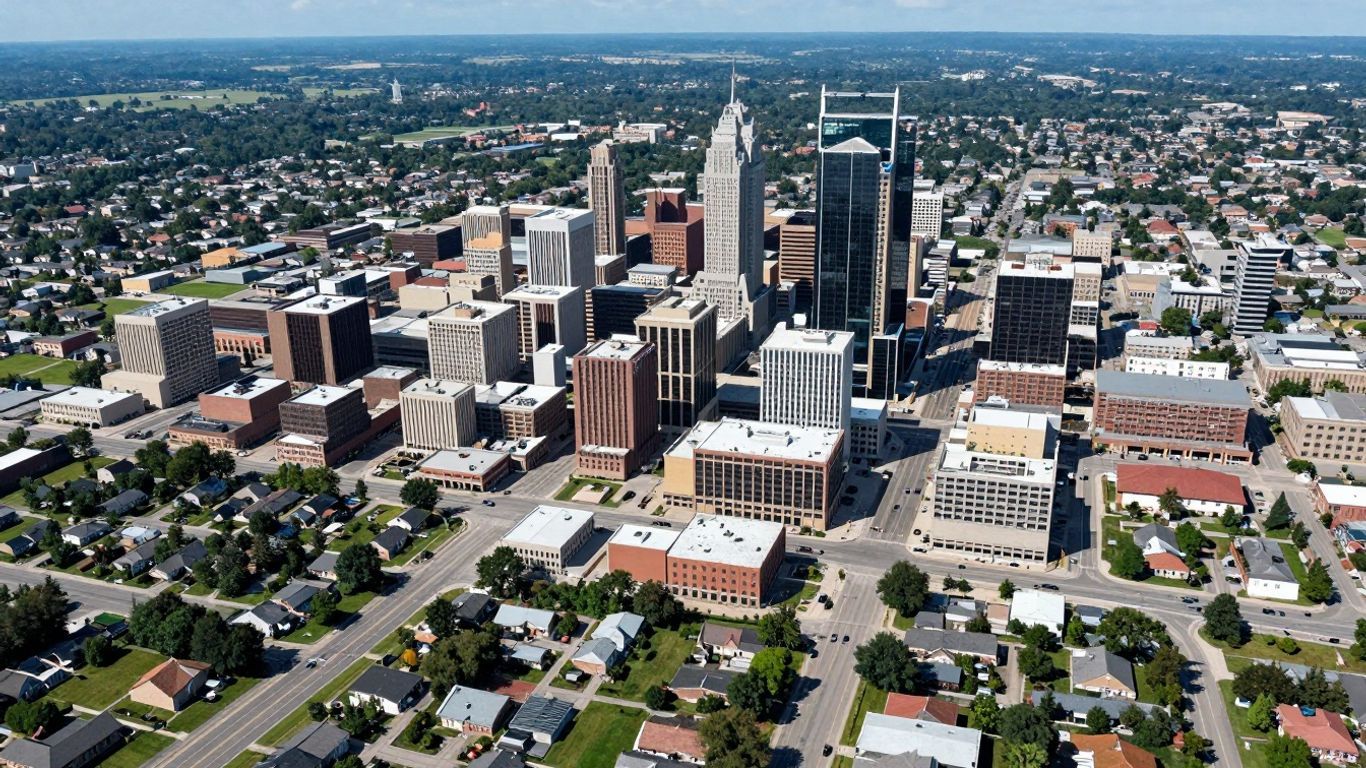
Ohio's urban fabric is, quite frankly, a captivating tapestry woven with threads of history, robust industry, and vibrant community spirit. But what precisely constitutes a "city" in Ohio? Understanding their official definitions and the specific roles they fulfill within the state's intricate structure is incredibly insightful. It's truly more than just a matter of population figures—it's profoundly about their organizational frameworks and operational dynamics.
Defining Municipalities in Ohio
Within Ohio's governmental lexicon, "municipality" serves as a broad umbrella term, encompassing both cities and villages. These are designated as incorporated areas, meaning they possess a formal legal status bestowed by the state, empowering them to deliver essential local services and exercise self-governance. The fundamental differentiator between a city and a village in Ohio primarily hinges on population figures. Typically, a locality must achieve a population of at least 5,000 residents to be classified as a city, whereas a village generally requires a minimum of 500 inhabitants. Yet, it's worth noting that certain historical classifications and unique circumstances can occasionally alter these guidelines. These incorporated entities, one might say, are the very cornerstones of Ohio's urban centers.
The Role of Cities and Villages
Both cities and villages in Ohio are endowed with distinct governmental structures and a clear set of responsibilities. They are tasked with providing crucial local services, including—but certainly not limited to—police and fire protection, maintaining roads, managing zoning, and overseeing public utilities. The core distinction between them lies in the complexity of their governmental apparatus and the scope of their inherent powers. Cities, naturally, due to their larger populations, typically feature more intricate administrative structures and enjoy broader jurisdictional authority. Villages, while smaller in scale, nonetheless furnish indispensable services to their residents. Appreciating these nuances helps us better comprehend the diverse organizational methods adopted by communities throughout the state.
Population Trends Across Ohio Cities
Ohio's cities and villages have experienced varied population shifts over time. While some have witnessed consistent growth, evolving into significant economic powerhouses, others have grappled with decline or stagnation. These intricate trends are influenced by a myriad of factors, including macroeconomic shifts, evolving migration patterns, and the ongoing development of surrounding regions. For instance, the state's largest metropolitan areas, such as Columbus, Cleveland, and Cincinnati, persistently draw new residents, even if the pace of growth might differ among them.
Here's a closer look at how Ohio's population is geographically distributed:
- Metropolitan Areas: These expansive regions are typically centered around major cities and extend to include their surrounding suburban and exurban communities. They frequently act as the state's economic engines, driving innovation and commerce.
- Micropolitan Areas: Representing smaller urban clusters, these are generally anchored by a city boasting a population between 10,000 and 50,000, along with their adjacent communities.
- Rural Areas: Encompassing the remainder of the state, these areas are characterized by lower population densities and landscapes predominantly dedicated to agriculture or natural environments.
The classification and growth trajectories of Ohio's municipalities are inherently dynamic, serving as a direct reflection of broader economic and social transformations occurring within both the state and the nation. Truly, each type of community contributes a unique thread to the rich, overarching fabric of Ohio.
Examining these detailed population trends offers a much clearer picture of where people reside and how Ohio's diverse communities are continually evolving.
Major Metropolitan Hubs of Ohio
Ohio proudly hosts several sprawling urban centers that function as primary catalysts for business, culture, and population density. These major metropolitan areas are, in essence, the engines driving much of the state's economy and defining its unique identity. Let's take a more in-depth look at three of the most significant among them.
Columbus: The State Capital and Economic Center
Columbus, strategically situated near Ohio's geographic center, proudly holds the distinction of being the state capital. It's also an undeniable powerhouse when it comes to business and education, largely propelled by the formidable presence of Ohio State University. The city serves as a crucial hub for a diverse array of industries, including finance, insurance, and cutting-edge technology. Notably, several Fortune 500 companies have chosen to base their headquarters here or in the surrounding suburbs, fostering a consistently robust job market and significant economic activity.
- Key Industries: Finance, Insurance, Technology, Healthcare, Education, Retail
- Major Employers: Nationwide Insurance, L Brands, Cardinal Health, Ohio State University, JPMorgan Chase, Wendy's
- Cultural Highlights: COSI (Center of Science and Industry), Columbus Museum of Art, Franklin Park Conservatory
While Columbus is an undeniable major player in Ohio's economy, it's quite interesting to note that it holds the unique distinction of being the largest city in the U.S. that no longer has passenger rail service—its iconic Union Station saw its last Amtrak train depart back in 1979.
Cleveland: A Hub of Industry and Culture
Nestled on the southern shore of Lake Erie, Cleveland possesses a rich and storied history deeply intertwined with manufacturing and heavy industry. It forms a crucial part of a larger combined statistical area that also encompasses Akron and Canton, collectively forging a significant industrial heartland in Northeast Ohio. Beyond its foundational industrial roots, Cleveland boasts a vibrant and sophisticated cultural scene, featuring world-class museums, a globally renowned orchestra, and a robust healthcare sector anchored by the prestigious Cleveland Clinic.
- Notable Institutions: Cleveland Clinic, Case Western Reserve University, Cleveland Museum of Art, Cleveland Orchestra
- Attractions: Rock & Roll Hall of Fame, Cuyahoga Valley National Park, Playhouse Square
- Economic Strengths: Healthcare, Manufacturing, Finance, Technology
Cincinnati: Gateway to the Ohio River Valley
Cincinnati is gracefully positioned in Southwest Ohio, serving as a vital gateway to the broader Ohio River Valley and extending its significant influence into neighboring Kentucky and Indiana. This dynamic city is a primary center for consumer goods, retail, and finance, with several prominent corporations proudly calling it home. Its strategic location directly on the Ohio River has historically been—and continues to be—critically important for trade and transportation, solidifying its status as a key economic hub today.
- Major Corporations: Procter & Gamble, Kroger, Macy's, Inc., Fifth Third Bank
- Educational Institutions: University of Cincinnati, Xavier University
- Cultural Landmarks: Cincinnati Union Terminal, National Underground Railroad Freedom Center, Cincinnati Zoo & Botanical Garden
These three cities collectively represent the largest urban centers in Ohio, each endowed with its own distinct character and unique economic strengths that collectively enrich the state's overall landscape.
Key Characteristics of Ohio Municipalities
When we delve into the topic of cities and villages in Ohio, there are some rather clear-cut ways they are structured and what truly makes them function. It's not solely about how many people reside there, although that certainly plays a significant role. The state has, in fact, established a comprehensive system dictating how these places are organized and what specific powers they are granted.
Population Size and Classification
Fundamentally, Ohio recognizes two primary categories of incorporated places: cities and villages. The essential distinction, as previously noted, boils down to population. If a locality boasts 5,000 or more residents, based on the latest census figures, it is officially designated as a city. Conversely, any incorporated area with fewer than 5,000 inhabitants is categorized as a village. This isn't merely a label; it profoundly impacts the operational framework of the local government. These official counts are rigorously certified by the Ohio Secretary of State, ensuring a high degree of administrative formality.
Indeed, there are quite a number of these distinct locales scattered across the state. As per recent counts, Ohio is home to approximately 250 cities and more than 680 villages. Some of these incorporated places exhibit a unique status, being partially or entirely independent of the surrounding county government structures. This autonomy grants them greater control over their internal affairs. Consider Columbus, the state capital, for instance; it exemplifies one such city that enjoys this particular level of independence.
Governmental Structures in Ohio Cities
While each city in Ohio retains the prerogative to choose its own administrative model, most tend to adhere to a common pattern. You'll typically find an elected mayor presiding alongside a city council or a commission—the body responsible for enacting local laws and making crucial decisions. These city governments generally offer a broader spectrum of services compared to county governments. Picture dedicated, professional police and fire departments, rather than relying solely on volunteers. It's all strategically geared towards efficiently providing for the welfare of the resident population.
Beyond cities and villages, Ohio also includes townships, which comprehensively cover the entire state. If a township's geographical boundaries happen to perfectly align with those of a city or village, the township government effectively recedes, becoming what is colloquially known as a 'paper township.' Townships themselves are usually overseen by a board of three trustees. While they possess certain powers, cities and villages generally exercise more extensive authority when it comes to self-governance and local control.
Economic Drivers in Ohio Urban Areas
What fuels the prosperity of Ohio's cities? It's genuinely a multifaceted combination of elements. Many urban centers serve as vital hubs for major industries, building upon the state's rich manufacturing heritage. However, the economic landscape isn't solely defined by factories anymore. We're observing a growing presence of companies in sectors such as healthcare, technology, and finance establishing a foothold. Columbus, for instance, hosts several Fortune 500 companies, and its economy receives a substantial boost from major hospitals and prominent research institutions. Cleveland, in contrast, boasts a robust presence in both manufacturing and healthcare, with institutions like the Cleveland Clinic serving as massive employers. These urban areas are also increasingly becoming focal points for education, with well-known universities attracting students and researchers, which, in turn, sparks innovation and vigorous economic activity. The very presence of these institutions frequently leads to the emergence of related businesses, creating a dynamic ripple effect throughout the local economy. It's truly a vibrant picture, with different cities showcasing their own unique strengths and economic priorities, all contributing to the overall economic health of Ohio. Moreover, the state's extensive transportation networks play a pivotal role, facilitating the efficient movement of goods and people, which significantly aids businesses in connecting with broader markets.
Navigating Ohio's Urban Landscape
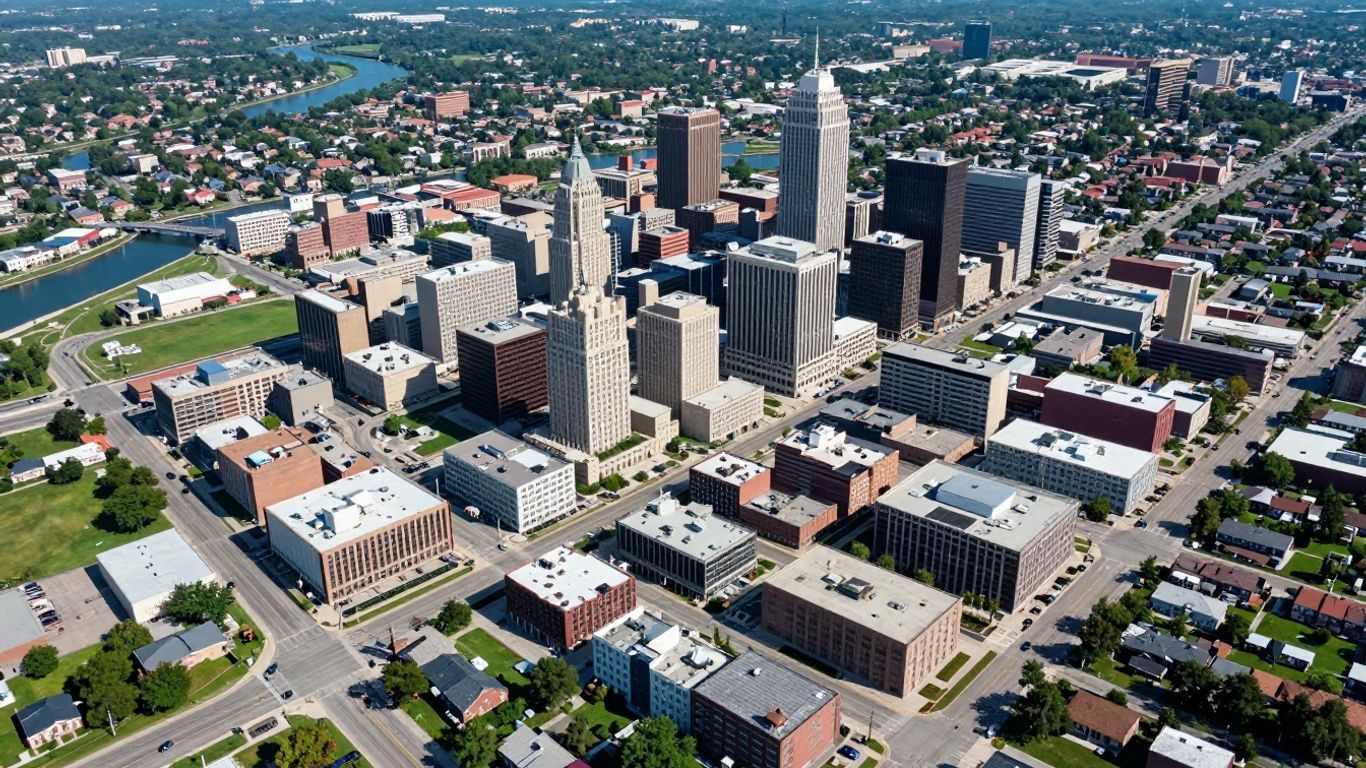
Ohio's cities are seamlessly connected by a robust network of roads and trails, making travel throughout the state remarkably convenient. The state, quite impressively, boasts the nation's 10th-largest highway system—a significant advantage, as it means roughly half of North America's population and 70% of its manufacturing capacity are accessible within a single day's drive. This strategically central location proves to be a real asset for both commerce and the logistical movement of goods.
Metropolitan and Micropolitan Statistical Areas
Ohio is thoughtfully organized into several distinct metropolitan and micropolitan statistical areas. These are specific geographic regions officially defined by the U.S. Office of Management and Budget, primarily based on population density and established economic linkages. They are incredibly useful for understanding how various urban centers and their surrounding counties function cohesively as singular economic units. Think of them, perhaps, as dynamic clusters of activity. For example, the Cleveland-Elyria Metropolitan Statistical Area encompasses Cuyahoga County and several adjacent counties, clearly reflecting the expansive influence of the city itself.
Here's a look at some of the major ones:
- Cleveland-Elyria-Mentor MSA: Centered around Cleveland, this area stands as a primary economic and cultural hub in Northeast Ohio.
- Cincinnati-Middletown-Wilmington MSA: Spanning portions of Ohio, Kentucky, and Indiana, this extensive region constitutes a vital economic zone situated along the historic Ohio River.
- Columbus-Marion-Chillicothe Combined Statistical Area: This expansive area not only includes the capital city but also extends to surrounding regions, illustrating the far-reaching influence of Columbus, Ohio's capital.
- Toledo-Findlay MSA: Located in Northwest Ohio, this area benefits significantly from its close proximity to Lake Erie and the Michigan border.
Transportation Networks Connecting Ohio Cities
Traveling from one Ohio city to another is remarkably straightforward, thanks to the state's comprehensive transportation infrastructure. Major interstate highways like I-70, I-71, and I-75 efficiently crisscross the state, creating vital links between its primary population centers. Beyond the extensive highway system, Ohio also features a growing network of scenic trails. The Ohio to Erie Trail serves as a fantastic example, connecting major cities like Cincinnati, Columbus, and Cleveland, catering perfectly to cyclists and walkers alike. For those undertaking longer journeys, Amtrak provides passenger rail service, with key routes connecting cities such as Cleveland, Toledo, and Cincinnati.
Ohio's unique geography—with the expansive Lake Erie to its north and the historic Ohio River to its south—has profoundly shaped its development and dictated its transportation routes throughout history. These prominent natural features have consistently facilitated trade and movement, significantly contributing to the sustained growth of its vibrant urban centers.
Geographic Distribution of Ohio's Population Centers
Ohio's population is certainly not uniformly dispersed. You'll observe the highest concentrations of residents in the major metropolitan areas, particularly around Cleveland, Columbus, and Cincinnati. These cities act as essential anchors for their respective surrounding regions. Smaller cities and towns are, of course, scattered throughout the state, often fulfilling specific local economic roles or preserving historical significance. This distribution pattern reflects a complex interplay of industrial history, agricultural importance, and the contemporary growth of service and technology sectors within the larger urban cores. One can readily discern this pattern by examining a map detailing the state's counties and their respective populations.
Demographic Insights into Ohio Cities
Historical Population Growth of Ohio
Ohio's population narrative is fundamentally one of consistent expansion, although the pace of this growth has indeed varied significantly across the centuries. Beginning with a modest just over 45,000 residents in 1800, the state experienced incredibly rapid growth, frequently surpassing a 10% increase per decade, a trend that largely continued right up until the 1970 census. Following that point, the rate of growth began to decelerate considerably. The most recent census conducted in 2020 recorded over 11.7 million residents, representing a rather modest increase from the previous decade. This growth rate has generally remained lower than the national average for the United States.
Here's a look at how Ohio's population has evolved over time:
| Year | Population | Change |
|---|---|---|
| 1800 | 45,365 | - |
| 1900 | 4,157,545 | 13.2% |
| 2000 | 11,353,140 | 4.7% |
| 2020 | 11,799,448 | 2.3% |
The very center of Ohio's population has been gradually shifting westward and southward over the years, and it is currently situated in Morrow County. This ongoing movement truly reflects broader demographic trends and shifts in population distribution within the state itself.
Population Density and Distribution
Ohio is home to a robust 13 major metropolitan areas, each strategically centered around one or more key cities. Beyond these, there are an additional 30 smaller micropolitan areas. The state's population, however, is not evenly distributed; you'll find substantially higher concentrations of people in the major urban centers like Columbus, Cleveland, and Cincinnati. The population density varies quite significantly, with urban cores being far more densely packed than the more expansive rural or suburban areas. Grasping this distribution is absolutely crucial for comprehending the state's overall demographic tapestry. For instance, the Cleveland–Akron–Canton Combined Statistical Area represents a particularly significant population hub in the northeastern part of the state.
Key Demographics of Ohio's Largest Cities
When we examine Ohio's largest cities, their demographic makeup often reveals considerable diversity. For example, Columbus, as the state capital, functions as a vibrant hub for various industries, including finance and healthcare, and proudly hosts the expansive Ohio State University. Cleveland, on the other hand, boasts a rich history deeply connected to manufacturing and a dynamic cultural scene, with many residents tracing their heritage to diverse immigrant communities. Cincinnati, gracefully situated along the Ohio River, also possesses its own distinct cultural identity and a robust economic foundation.
Some general demographic points worth considering include:
- As of recent estimates, approximately 27.6% of children under the age of one belonged to various minority groups.
- Females generally constitute a slightly larger proportion of the overall population, typically around 51.2%.
- The age distribution indicates that about 23.7% of residents are under 18 years old, while roughly 14.1% are aged 65 or older.
Furthermore, birth data offers valuable insight into the state's evolving demographics, with trends concerning the race and ethnicity of mothers providing a glimpse into the future composition of the population.
Exploring Ohio's Diverse Cities
Ohio's cities are truly a varied collection, each possessing its own unique story and contributing a specific role to the state's overarching character. We've got the prominent players, the influential mid-sized centers, and the charming smaller towns that collectively form the very backbone of Ohio's communities. It's truly not just about raw population numbers; it's profoundly about what each city brings to the table.
Cities Anchoring Metropolitan Areas
These are the big names you consistently hear about—Columbus, Cleveland, and Cincinnati. They function as the primary hubs that consistently draw people in search of employment opportunities, educational pursuits, and rich cultural experiences. Think of them, perhaps, as the main engines driving the state's economy and social fabric. They often host multiple Fortune 500 companies, prominent universities, and renowned hospitals. Furthermore, these cities tend to be the central points for major transportation networks, including airports and train lines, seamlessly connecting Ohio to the broader nation and the global stage.
- Columbus: As the state capital, it's a rapidly growing center for technology, insurance, and education, largely propelled by the significant influence of Ohio State University.
- Cleveland: Gracefully situated on Lake Erie, it's a city with a rich manufacturing and healthcare history, also celebrated for its exceptional arts and cultural institutions.
- Cincinnati: Located in the southwest, it stands as a pivotal city for retail, finance, and boasts a strong presence within the food industry.
Mid-Sized Cities and Their Contributions
Beyond the bustling major metros, Ohio is home to a substantial number of vital mid-sized cities. These communities often serve as crucial regional centers. While they might not capture the same national spotlight, they are absolutely essential for their local economies, providing both employment and services to the surrounding areas. Many of these cities carry a strong industrial legacy and are actively working to diversify their economic foundations. Frequently, they host excellent universities and colleges that contribute significantly to the local talent pool and foster cutting-edge research.
Here's a closer look at some of these important mid-sized cities:
| City | Region | Key Industries/Features |
|---|---|---|
| Toledo | Northwest Ohio | Glass manufacturing, automotive, healthcare |
| Akron | Northeast Ohio | Rubber and polymer science, healthcare, education |
| Dayton | Southwest Ohio | Aerospace, defense, research and development, education |
| Youngstown | Northeast Ohio | Manufacturing, healthcare, education |
The Role of Smaller Cities in Ohio's Fabric
It's crucial not to overlook the smaller cities and towns; they truly are the backbone of many Ohio counties, offering distinct community atmospheres and often playing specific roles in the state's economy—perhaps agriculture or specialized manufacturing. These communities are precisely where many individuals choose to establish roots, raise families, and contribute to the unique local character. They might serve as centers for tourism, possess a profound sense of local history, or be home to particular natural resources that drive their local economy. Indeed, their importance is frequently measured not just by population, but by their invaluable contribution to the state's overall quality of life and enduring community spirit.
Ohio's smaller cities and villages are often the very places that imbue the state with its distinct character. They might be celebrated for a particular festival, a historical landmark, or a unique local business that draws visitors and residents alike. These communities are truly where you often discover a powerful sense of local pride and a close-knit community feel that can be quite challenging to find in more expansive urban areas.
Wrapping Up Our Ohio Journey
So, we've embarked on a comprehensive exploration of many of Ohio's cities and towns, ranging from the major metropolises like Columbus and Cleveland down to the charming smaller villages. It's quite fascinating, isn't it, to see the sheer diversity of places, each possessing its own unique story and a distinct population. We've examined how demographics have evolved over time and how these communities are intricately organized. Whether your interest lies in relocation, planning a visit, or simply understanding where people reside in the Buckeye State, we sincerely hope this guide has provided you with a valuable starting point. There's truly so much more to uncover in Ohio, and these cities are merely the beginning of that adventure.
Frequently Asked Questions
What makes a place a city in Ohio?
In Ohio, a locality attains city status if it boasts a population of 5,000 residents or more. Conversely, if it has fewer than 5,000 inhabitants, it's typically designated as a village. These classifications are strictly based on the official counts provided by the U.S. Census.
How many cities are there in Ohio?
Ohio is certainly rich in municipalities! There are over 900 incorporated places throughout the state, and among those, approximately 250 are formally recognized as cities. The remainder are classified as villages.
What are the biggest cities in Ohio?
The three most populous cities in Ohio are Columbus, which also serves as the state capital; Cleveland; and Cincinnati. These urban centers stand as major hubs for commerce, culture, and population.
What's the difference between a city and a village government?
Both cities and villages represent forms of local government in Ohio. However, cities, by virtue of their larger size, frequently offer a broader array of services, such as dedicated police and fire departments. They also often possess greater autonomy in establishing their own regulations, a concept known as 'home rule'.
How does Ohio's population compare to other states?
Ohio's population has indeed experienced steady growth over time; however, its growth rate has been comparatively slower than the overall national average for the United States in recent years. While it remains a significantly populated state, it is not among those experiencing the most rapid demographic expansion.
What are 'Metropolitan Statistical Areas' in Ohio?
These are extensive geographical regions centered around major cities, encompassing the city itself along with its surrounding towns and counties where people reside and work. Ohio comprises 13 such areas, with Columbus, Cleveland, and Cincinnati anchoring the largest and most influential ones.


