
resources
Ranking the Largest US Cities by Population: A Comprehensive Guide
03 Jan 2026

Ever pondered where the vast majority of people reside in the U.S.? It’s an excellent question, and frankly, the answer isn’t always what one might intuitively expect. While we certainly boast some colossal cities—places renowned worldwide—population figures are dynamic; they consistently shift. This comprehensive guide delves into the largest U.S. cities by their resident count, utilizing the most current available data. We'll explore the leading urban centers, identify areas experiencing notable growth, and uncover the compelling factors influencing individuals' choices of where to call home.
Key Takeaways
- New York City remains the largest city in the U.S. by population, a consistent leader for years.
- Cities in the Sun Belt and Mountain West are seeing significant growth, often due to affordability and climate.
- The way we work has changed, with remote and hybrid models influencing where people choose to live.
- Economic opportunities and the cost of living are major factors driving population changes in cities.
- Understanding population size is important, but it's just one piece of the puzzle when looking at a city's overall character and influence.
Understanding The Largest US Cities By Population
Defining A Populous City
When we discuss the biggest cities in the United States, what exactly are we measuring? It’s not always as straightforward as it might seem. Primarily, we’re examining population figures, but there's a crucial distinction to bear in mind: the difference between a city’s official administrative boundaries and its much broader metropolitan area. The U.S. Census Bureau serves as our authoritative source for this data, furnishing official counts and estimates that are indispensable for ranking these major urban centers.
The Role Of The Census Bureau
The United States Census Bureau, as you might imagine, plays an absolutely vital role in helping us comprehend our nation's demographics. They undertake a comprehensive census every ten years, which involves a meticulously detailed count of every individual residing in the country. In the intervals between these decennial counts, they also issue annual population estimates. These estimates are truly crucial for tracking ongoing changes and discerning population shifts in something approaching real-time. Without the invaluable work of the Census Bureau, we simply wouldn't have a reliable method to compare cities or monitor growth trends effectively.
City Proper Versus Metropolitan Area
Here’s where things can get a bit nuanced. When we refer to a city's population, we typically mean the "city proper"—that is, the population residing strictly within the legally defined limits of the municipality. However, many people also consider the "metropolitan area," which encompasses the central city along with its surrounding suburbs and exurbs that are, importantly, economically and socially interwoven. For instance, the New York City metropolitan area extends far beyond just its five boroughs. Grasping this distinction is absolutely key to understanding the true scale and reach of these urban giants.
Here's a quick breakdown:
- City Proper: Population within official municipal boundaries.
- Metropolitan Statistical Area (MSA): Includes the central city and surrounding communities that are integrated economically and socially.
The distinction between city proper and metropolitan area can significantly alter how we perceive a city's size and influence. While city proper gives us a precise count within administrative lines, the metropolitan area often reflects the broader economic and cultural footprint of an urban center.
America's Most Populated Urban Centers
When we talk about the biggest cities in the U.S., a few prominent names invariably spring to mind. These aren't just places teeming with people; they're vibrant epicenters of culture, commerce, and indeed, a tremendous amount of activity. Let’s now explore the top contenders.
New York City: The Unrivaled Leader
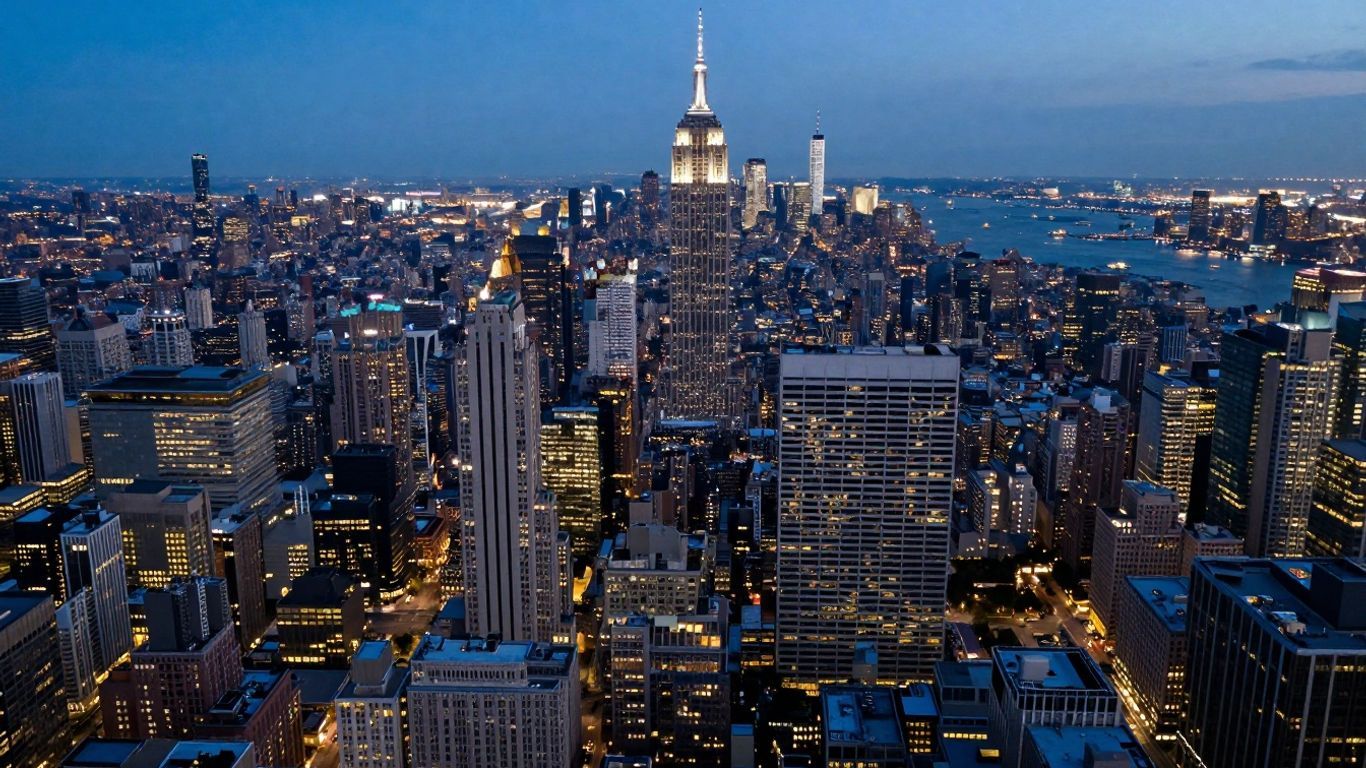
It’s hardly surprising that New York City consistently claims the top spot. With a population that reliably stands at around 8.5 million people, it serves as a quintessential global hub for finance, fashion, and the arts. The city acts as an undeniable magnet for individuals from every corner of the globe, and its palpable energy is something one feels the instant they arrive. From celebrated landmarks like the Statue of Liberty to the perpetually bustling streets of Times Square, NYC offers a seemingly endless array of experiences. It's a place where millions live, work, and, perhaps most importantly, dream.
Los Angeles: A Sprawling Southern California Hub
Following closely is Los Angeles, California. This iconic city is, of course, synonymous with the entertainment industry and is renowned for its expansive, spread-out nature. While its population is somewhat smaller than New York's, it remains a truly massive urban center, home to nearly 4 million residents. LA is celebrated for Hollywood, its stunning beaches, and an incredibly diverse cultural landscape. For many, it's a city that profoundly embodies the California dream.
Chicago: The Midwest's Population Powerhouse
Rounding out our top three is Chicago, Illinois—a truly vibrant city situated gracefully on the shores of Lake Michigan. It proudly holds the title of the largest in the Midwest, boasting a population exceeding 2.7 million. Chicago stands as a major center for business, culture, and particularly, breathtaking architecture. It’s a city steeped in rich history and characterized by a profound sense of community, offering a distinct—yet equally captivating—urban experience compared to its East and West Coast counterparts. You can easily spend days exploring its numerous neighborhoods, each possessing its own unique character, or simply visit famous attractions like Navy Pier. Chicago unquestionably continues to be a significant player in the American urban landscape.
These top cities are more than just population centers; they are engines of economic activity and cultural exchange, drawing people in with opportunities and unique lifestyles.
Emerging Growth And Shifting Demographics
The demographic map of the United States is far from static. We are currently witnessing some quite substantial shifts, particularly when considering which cities are experiencing growth versus those that are remaining somewhat stagnant, or even seeing slight declines. It’s not merely about the raw numbers, you see; it’s intrinsically linked to where people desire to live and, more importantly, why.
Sun Belt Cities Leading The Charge
One of the most salient trends we've observed is the persistent ascent of cities located within the "Sun Belt"—a region that broadly encompasses the southern and western parts of the U.S. Picture states such as Texas, Florida, and Arizona. These areas have been remarkably successful in attracting a steady influx of new residents. Why, you might ask? Well, several compelling factors contribute:
- Lower Costs: Housing and general living expenses are often more affordable compared to older, established cities in the Northeast or on the coasts.
- Warmer Weather: Let's be honest, many individuals are drawn to ample sunshine and milder winters.
- Job Opportunities: Robust job markets, particularly within technology and other burgeoning industries, represent a significant draw.
Cities like Fort Worth, Texas, and Charlotte, North Carolina, for example, have experienced truly remarkable growth. This represents a considerable departure from the historical period when the industrial centers of the Northeast and Midwest were the primary magnets for those seeking employment.
Impact Of Remote Work On Migration
Then there’s the profound shift towards remote work. The recent pandemic, in particular, fundamentally altered how and where people could perform their jobs. Suddenly, the imperative to reside in an exorbitantly priced urban center to maintain one's employment began to recede. This newfound flexibility has empowered many individuals to relocate to places offering an improved quality of life for their money—or perhaps simply a welcome change of scenery. This dynamic has unequivocally played a pivotal role in the population shifts we're currently observing, with some individuals opting to leave denser, pricier urban cores for more spatially diffuse or less costly locales.
The ability to work from anywhere has reshaped traditional migration patterns, giving individuals more freedom to choose their living environment based on lifestyle and cost rather than solely on job proximity.
Population Trends In The Mountain West
Another region exhibiting significant growth is the Mountain West. States such as Idaho, Utah, and Colorado are seeing their cities expand notably. These areas frequently offer a compelling blend of natural beauty and burgeoning economies, thereby attracting a diverse mix of people seeking both outdoor recreation and promising career prospects. It’s a distinct kind of growth when compared to the bustling metropolises of yesteryear—often characterized by a more dispersed population and a pronounced emphasis on quality of life alongside robust economic development.
Here's a look at how some regions are faring:
| Region | General Trend |
|---|---|
| Sun Belt | Strong Growth |
| Mountain West | Significant Growth |
| Northeast | Stagnant/Slight Decline |
| Midwest | Mixed, some decline |
Factors Influencing Urban Growth
So, what exactly compels individuals to uproot their lives and relocate to a specific city? It’s rarely a singular driving force, but rather a complex interplay of factors that profoundly shape where populations expand or contract. Consider it this way: a city must inherently offer something compelling to both attract and retain its residents.
Economic Opportunities and Job Markets
This factor is undeniably a major one—no doubt about it. People, quite simply, migrate to where the jobs are. Cities characterized by strong, diverse economies tend to draw in a greater number of people. We’re talking about places boasting a healthy ecosystem of companies, particularly those operating in rapidly expanding sectors like technology or healthcare. A robust job market translates directly into more employment opportunities, potentially better remuneration, and a clearer path for individuals to build meaningful careers. It's not just about the sheer availability of jobs, however; it's crucially about the caliber of those jobs and the potential for professional advancement. Cities that serve as hubs for innovation often experience a steady influx of new residents eager to immerse themselves in that dynamic energy. For instance, locales like Denver have seen substantial growth, partly attributable to their burgeoning tech sector, which offers an appealing blend of employment and a vibrant urban lifestyle. access to Denver
Affordability and Cost of Living
Even with an abundance of excellent job prospects, if a city becomes prohibitively expensive, it can ultimately deter potential residents. The cost of living, with housing being a particularly dominant component, plays an enormous role. When rental rates or home prices skyrocket, it becomes incredibly challenging for many individuals—even those with well-paying jobs—to live there comfortably. This phenomenon often prompts people to seek out more affordable alternatives elsewhere. Cities that successfully manage to maintain a reasonable cost of living while still providing ample opportunities frequently experience more stable population growth. It’s a delicate balancing act, to be sure.
Climate and Quality of Life
Beyond the fundamental considerations of employment and finances, people also carefully weigh the day-to-day experience of urban living. What's the prevailing weather like? Does the city offer ample parks, engaging cultural attractions, and a secure environment? These nuanced aspects of quality of life truly matter a great deal. Some individuals, for example, might gravitate towards warmer climates, while others might find distinct seasonal changes more appealing. Furthermore, access to quality educational institutions, comprehensive healthcare facilities, and diverse recreational activities all contribute significantly to making a city an attractive place to call home.
The potent combination of promising economic prospects, manageable living expenses, and an agreeable environment creates an undeniable draw for prospective residents. Cities that truly excel in these interconnected areas frequently find themselves highlighted on lists of the fastest-growing urban centers.
Here's a quick look at some common factors:
- Job Availability: Are there plenty of jobs, and are they in fields that are growing?
- Housing Costs: Can people afford to buy or rent a place to live?
- Commute Times: How long does it take to get to work or run errands?
- Amenities: What kind of entertainment, culture, and recreation is available?
- Environment: What's the air quality like, and are there green spaces?
Beyond Population: Other Measures Of City Size
When we discuss the "biggest" cities, population is invariably the first metric that comes to mind. But what if we approached the concept of size from an alternative perspective? Sometimes, a city's sheer physical footprint—its land area—can reveal a different story entirely, and it’s genuinely fascinating to observe how that plays out.
Largest US Cities By Land Area
As it turns out, the cities boasting the highest populations aren't necessarily the ones that encompass the most extensive geographical areas. Some places have undergone considerable sprawl, incorporating vast tracts of land that might include significant undeveloped spaces or even smaller, disparate communities. This phenomenon frequently occurs when cities undergo consolidations, merging with their surrounding counties to create truly massive administrative territories. For instance, cities in Alaska like Sitka and Juneau, or even Jacksonville, Florida, and Nashville, Tennessee, are considerably larger in terms of land area than one might initially surmise, largely owing to these administrative mergers. This disparity powerfully underscores how administrative boundaries can dramatically alter a city's perceived magnitude.
Here's a look at how some cities stack up by land area:
| Rank | City | State | Land Area (sq mi) |
|---|---|---|---|
| 1 | Sitka | AK | 2,870.2 |
| 2 | Juneau | AK | 2,702.9 |
| 3 | Wrangell | AK | 2,556.1 |
| 4 | Anchorage | AK | 1,706.8 |
| 5 | Tribune | KS | 778.2 |
Comparing US Cities To Global Metropolises
Considering U.S. cities within a global context also proves to be quite insightful. While New York City is unquestionably the population leader within the United States, its numbers, frankly, pale in comparison to some of the world's truly gargantuan urban centers. Tokyo, for example, boasts a population that absolutely dwarfs New York's. This kind of comparison helps us to grasp the immense scale of global urbanization and precisely where American cities fit into that broader, dynamic picture.
When we look at cities worldwide, the definition of "metropolitan area" becomes even more important. These vast regions, encompassing a central city and its surrounding, interconnected communities, are what truly reflect a city's economic and cultural reach on a global scale. It's not just about the people living within official city limits anymore.
It's certainly easy to get engrossed in the raw numbers, but remembering these diverse ways of quantifying city size ultimately provides us with a more complete and nuanced picture. Whether it's measured by population density, physical expanse, or even economic influence, each metric offers a unique perspective on what truly makes a city "big."
Navigating The Landscape Of US Cities
Regional Characteristics Of US Cities
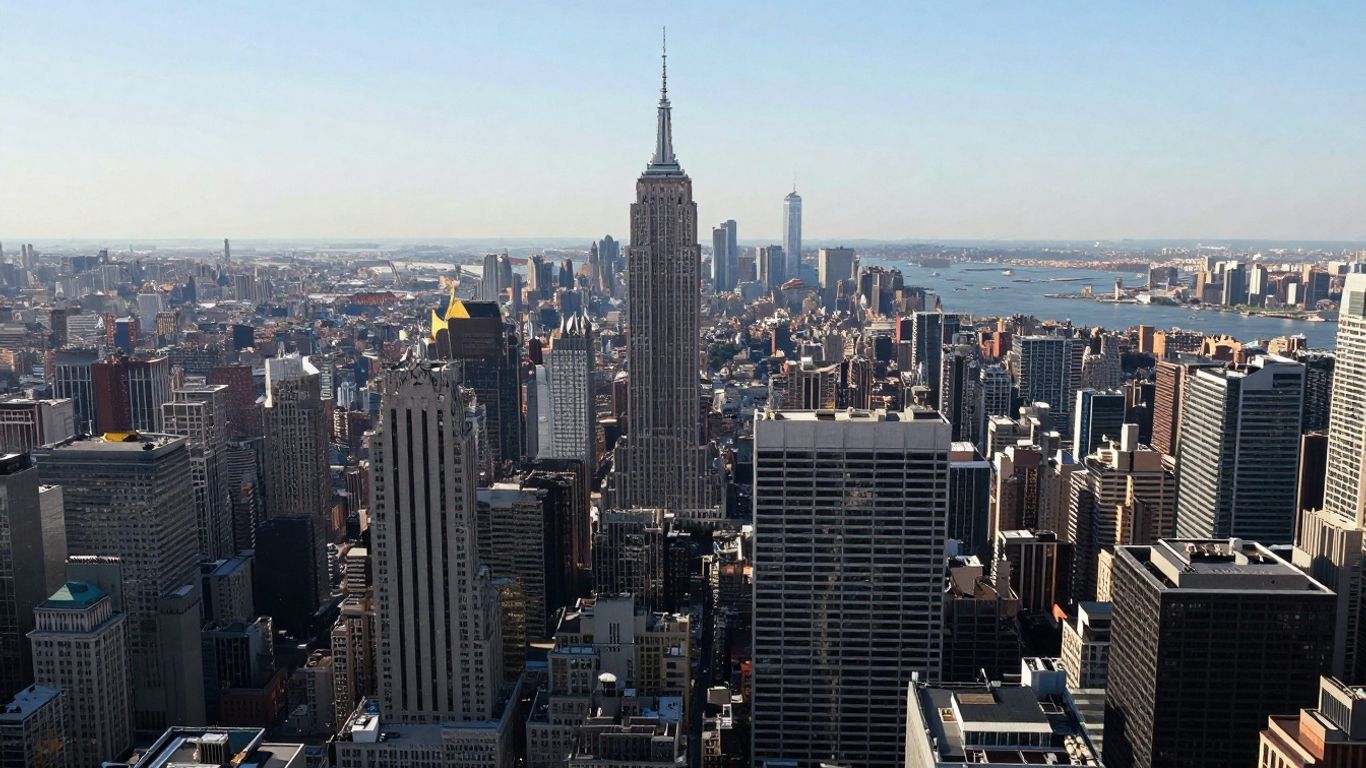
The United States is, without question, an immense country, and its cities wonderfully reflect this inherent diversity. You’ll find the classic East Coast metropolises, like New York and Philadelphia, frequently distinguished by their older infrastructure, a dense urban core, and a deep, rich history. Then there’s the Midwest, featuring cities such as Chicago, renowned for its logical grid-like street plans and a formidable industrial past that's skillfully evolving into new economic drivers.
Moving westward, one encounters the sprawling urban areas of California, exemplified by Los Angeles, where car culture and a more dispersed development pattern are commonplace. Further inland, cities within the Mountain West are often newer, undergoing rapid expansion, and sometimes proudly showcase unique natural surroundings. The Sun Belt states, stretching from Florida to Arizona, are experiencing a veritable surge in population, drawing residents with their warmer climates and frequently—a lower cost of living compared to their coastal counterparts. Each region possesses its own distinctive ambiance, its own particular set of challenges, and its own unique opportunities.
Population Dynamics Over Time
City populations are far from static; they're in a perpetual state of flux. For many decades, the prevailing narrative centered on people migrating from rural areas to urban centers, and subsequently, from older, established cities to newer, more affordable ones. More recently, however, we've observed a significant shift. The proliferation of remote work has afforded individuals greater autonomy in choosing their residential location, contributing to growth in smaller cities and towns, and fostering a noticeable migration toward the Sun Belt and Mountain West regions.
But why, you might ask, is all this demographic data so crucial? Well, it's not merely about the numbers; it’s profoundly about how cities adapt and evolve. When a city experiences rapid growth, it necessitates additional housing, improved transportation networks, and expanded public services. Conversely, if a city's population dwindles, it confronts a different array of challenges, such as maintaining existing infrastructure and cultivating new economic foundations. Understanding these intricate shifts helps us to discern the broader trajectory of the country. It's truly fascinating to observe how these demographic changes manifest, influencing everything from local politics to the specific types of businesses that thrive. The U.S. Census Bureau provides the foundational data for meticulously tracking these changes, offering yearly estimates to keep us reliably updated on the latest trends.
Significance Of Understanding Urban Populations
So, why bother with all these population figures and trends? Well, it's certainly more than mere trivia. Knowing which cities are growing—and, critically, why—tells us an immense amount about the nation's economic vitality and where opportunities are most likely to emerge. For businesses, this translates into understanding where their customer base and workforce might be situated. For policymakers, it's about intelligent planning for infrastructure needs, housing, and essential public services. And for individuals, it can significantly influence decisions about where to live, pursue a career, or even simply visit.
The story of a city's population is intertwined with its economy, culture, and future prospects. It's a dynamic picture that constantly redraws the map of American life.
Grasping these patterns enables us to make sense of the broader American experience. It illuminates the constant evolution of our communities and the fundamental factors that draw people together. As technology continues its relentless advance, impacting both how and where we live, these population shifts will only become more pronounced—thereby shaping the very future of urban living across the nation. Staying well-informed about these changes is absolutely key to understanding the evolving nature of American cities.
Looking Ahead: The Ever-Changing Face of America's Cities
So, we've thoroughly examined the largest cities in the U.S. by population, and it’s abundantly clear that these places are far more than just abstract dots on a map. Each one—from the iconic, bustling thoroughfares of New York to the sun-drenched expanses of Los Angeles—possesses its own unique vibe, its own particular set of opportunities, and, of course, its own specific challenges. Understanding precisely who lives where, and how these populations are continuously shifting, provides us with a far clearer picture of what America truly embodies. Whether you're contemplating a relocation, meticulously planning a journey, or simply curious about how things are evolving, these major cities offer profound insights into what urban life might entail as we move forward. As time progresses, these significant urban centers will undoubtedly continue to transform, mirroring the dynamic spirit of the country itself.
Frequently Asked Questions
What's the biggest city in the U.S. based on how many people live there?
New York City holds the title for the largest city in the U.S. by population. It's home to over 8 million people and is a major center for business and culture.
How do they decide which U.S. cities are the largest?
Cities are ranked by population using information from the U.S. Census Bureau. They do a big count every 10 years and also provide yearly updates on population numbers.
Which cities in the U.S. are growing the most right now?
Cities like Austin in Texas, Phoenix in Arizona, and Charlotte in North Carolina are growing really fast. This is often because of job opportunities, nice weather, and a good quality of life.
Are the most populated cities also the most crowded?
Not always. Some big cities, like New York, are very crowded with lots of people in a small space. But other large cities, like Houston, have more room and fewer people per square mile.
How has the number of people living in big U.S. cities changed over time?
Many large cities have gotten bigger because of job growth and people moving there. However, some cities have seen their populations shrink due to changes in jobs and where people prefer to live.
Why is it useful to know about the biggest cities in the U.S.?
Understanding the largest cities helps us learn about the culture, economy, and daily life across the U.S. This knowledge is helpful for people who travel, run businesses, or make important decisions for the country.


