
resources
Exploring Suburban Areas in England: Beyond the City Limits
20 Jan 2026

Ever ponder life beyond the bustling confines of a major city? England’s suburbs, with their rich and often intricate history, have evolved considerably—from the hopeful visions of the post-war era to the multifaceted realities of today. Indeed, these are no longer merely sleepy towns; they are dynamic places, grappling with new challenges and, importantly, revealing fresh opportunities. Join us as we delve into what truly makes England's suburban areas thrive, explore their enduring presence in our culture, and consider what the future might hold for them. We’ll even highlight some exceptional locales that are truly setting a benchmark.
Key Takeaways
- The perception of suburban living in England has transformed from a post-war ideal into a more intricate modern reality, effectively challenging long-held stereotypes.
- Suburban life has consistently served as a powerful theme in English literature and television, frequently reflecting astute social commentary and influencing public perception.
- Contemporary suburban areas across England confront significant challenges, including economic shifts and the crucial need to balance increasing density with the preservation of a tranquil environment.
- The future trajectory of England's suburban areas will involve pivotal policy changes, proactive encouragement of local economies, and a potential embrace of technology hubs.
- Increasingly, factors such as ample outdoor space, robust connectivity, the prevalence of hybrid working models, and strong local communities are driving the renewed appeal of England's suburban regions.
The Evolving Ideal of Suburban Living
From Post-War Dream to Modern Reality
The notion of suburban living in England has, without doubt, undergone a significant transformation over the decades. Not so long ago, particularly in the aftermath of World War II, it was widely regarded as the ultimate aspiration. Picture those evocative advertisements promising fresh air, pristine green lawns, and a decidedly better life for the family. It was all about seeking refuge from the crowded, often gritty, cities in favour of peace, quiet, spacious homes, and a palpable sense of community. This compelling vision truly captivated the national imagination and, for an extended period, profoundly shaped the desires of countless individuals.
However, this idyllic portrayal wasn't always quite so rosy. A number of discerning writers and thinkers, it must be said, weren't entirely enamoured. They often perceived suburbs as somewhat bland, perhaps even a little stifling. George Orwell famously—and rather pointedly—referred to them as "a prison with the cells all in a row," while others characterized them as places of "apathy" or "futility." It seems the reality, as often happens, proved to be considerably more nuanced than the glossy marketing suggested.
Challenging Stereotypes of Suburban Life
For a substantial duration, suburbs, regrettably, garnered something of a poor reputation. They were frequently depicted as monotonous, homogenous locales where very little of note ever transpired. The prevailing image was often one of endless rows of identical houses, a perceived dearth of cultural vibrancy, and an overarching sense of sameness. This particular stereotype firmly positioned suburbs as the antithesis of dynamic city life—a place, it was assumed, for those who neither sought excitement nor embraced diversity.
But is that really the complete picture? Many suburbs, in truth, have always possessed their own distinct character, boasting charming local shops, inviting parks, and a profound sense of neighbourhood belonging. As society evolves, so too do these communities. We're now witnessing a greater embrace of diversity, a proliferation of independent businesses taking root, and a burgeoning appreciation for the generous space and genuine community spirit that suburbs can readily offer. It's becoming increasingly evident that those outdated stereotypes simply no longer hold true.
The Shifting Perceptions of Suburban Areas in England
Of late, our collective perspective on suburbs has truly begun to shift. For a considerable period, the primary focus was firmly on the 'renaissance' of city centres, which, perhaps inevitably, left suburbs feeling somewhat overlooked. Various reports have highlighted that some suburban areas are indeed contending with significant challenges, such as sluggish job growth or noticeable shifts in poverty demographics. This situation has necessitated a fundamental reconsideration of what suburbs truly are and, critically, what they genuinely require.
Yet, simultaneously, there's a burgeoning recognition of the inherent advantages suburbs offer. With an increasing number of individuals now working from home, the allure of having more personal space, ready access to green environments, and a robust local community is experiencing a powerful resurgence. Suburbs are unequivocally no longer perceived merely as places from which to commute; they are steadily evolving into desirable destinations in their own right. This significant paradigm shift means we are now evaluating suburbs with fresh eyes, appreciating their profound potential for growth and renewal, and understanding that they fulfil an absolutely vital role within the broader tapestry of English living.
The ideal of suburban living has always been something of a moving target, hasn't it? What began as a post-war aspiration for ample space and peaceful tranquility has weathered its share of criticism and adapted to evolving societal needs. Today, suburbs are undergoing a crucial re-evaluation, with renewed emphasis on their unique strengths and considerable future potential.
Cultural Reflections of Suburban Areas
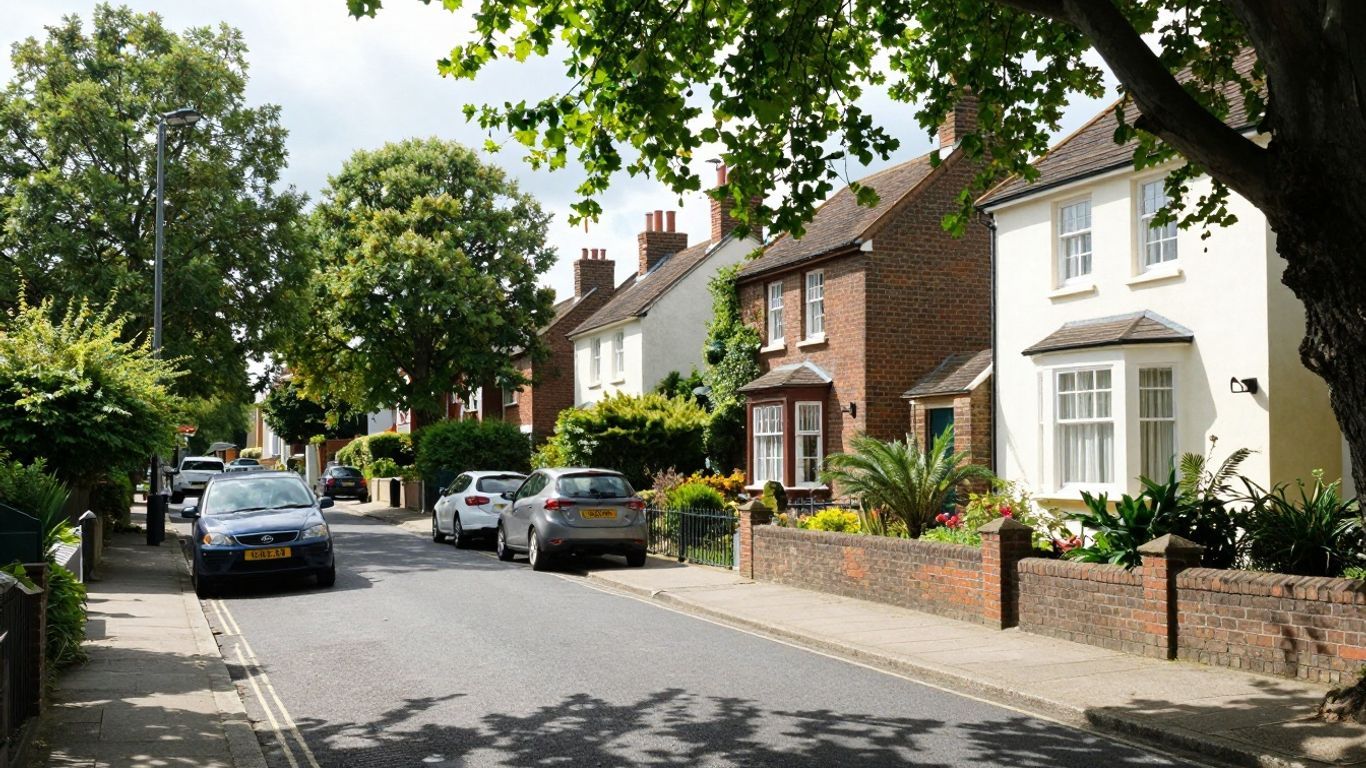
Suburbia, often too readily dismissed as simply endless rows of houses and meticulously manicured lawns, has, in fact, proven to be an exceptionally rich wellspring of inspiration and commentary within English culture. It's a distinctive landscape that has ignited both profound affection and incisive critique, seamlessly weaving its way into the fabric of literature, television, and even poetry.
Suburbia in Literature and Television
From the wonderfully aspirational, yet frequently comically flawed, characters in "The Good Life" to the brilliantly snobbish pretensions of Hyacinth Bouquet in "Keeping Up Appearances," television has consistently utilised suburban settings to expertly explore intricate social dynamics and the nuances of everyday existence. These popular shows, while certainly satirical at times, often resonated deeply by tapping into a widely shared understanding of typical suburban routines and aspirations. Similarly, literature has long grappled with the complex suburban experience. One need only recall the "incubators of apathy" described by certain critics, or that memorable "prison with the cells all in a row" so famously depicted by George Orwell. Yet, crucially, there also exists a compelling counter-narrative, one that celebrates the "vigour and unexpectedness" frequently discovered within these very communities.
Social Commentary on Suburban Existence
Writers and astute thinkers have long employed the suburbs as an insightful lens through which to scrutinize broader societal trends. The intentional separation of work and home life—a defining characteristic of suburban development—has often been interpreted as a direct response to the mounting pressures of industrialization. This spatial division, while offering a perceived sanctuary from urban grittiness, has also invariably sparked discussions about potential social isolation and the risk of a diluted community identity. The very essence of the "suburban dream"—promising fresh air, verdant green spaces, and a cherished family home—has been both enthusiastically promoted and critically re-evaluated over successive decades.
The initial promise of suburbia was frequently intertwined with lofty notions of good citizenship and familial betterment, extending what appeared to be an idyllic escape from the perceived chaos of the city. This particular ideal, however, has encountered persistent challenges, with critics often highlighting a potential for conformity and a discernible disconnect from more expansive social issues.
Poetic Visions of the English Suburb
Poets, too, have discovered abundant material within the English suburbs. John Betjeman, for instance, masterfully captured a profound sense of nostalgia for a disappearing rural past embedded within suburban landscapes, poignantly lamenting the erosion of "surviving hedges" that once signified a more pastoral England. T.S. Eliot, conversely, conveyed a distinct weariness with the relentless urban sprawl, finding even conventionally charming suburban areas like Richmond and Kew to be utterly overwhelming. These diverse poetic interpretations powerfully underscore the complex emotional responses that suburbs can genuinely evoke—ranging from wistful remembrance to a profound sense of being utterly undone by the very places intended to offer solace.
- Nostalgia: A heartfelt yearning for a perceived simpler, greener past.
- Critique: A perspective that views suburbia as monotonous or inherently isolating.
- Ambivalence: A nuanced emotional state, acknowledging both the undeniable appeal and the potential drawbacks.
Contemporary Challenges and Opportunities
Addressing Stagnating Growth and Poverty Shifts
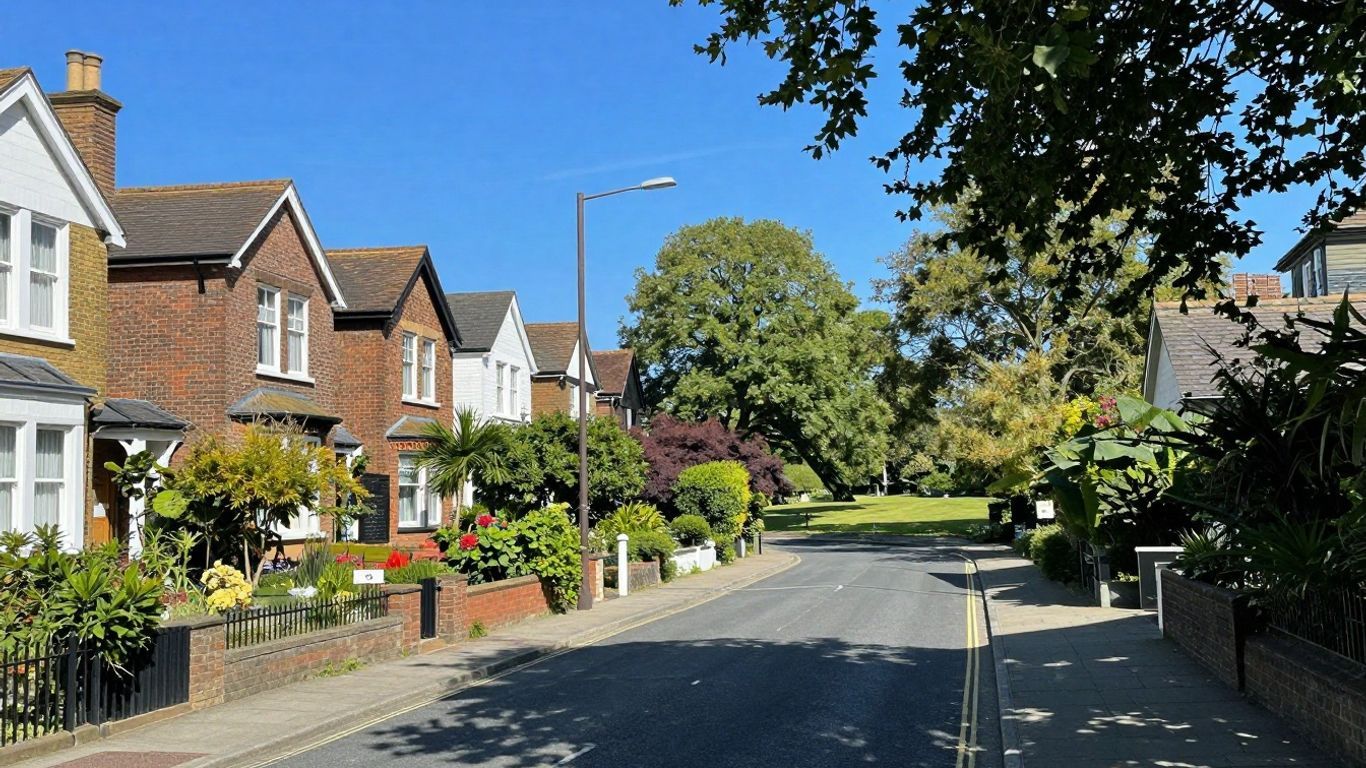
Suburban areas across England are, in many respects, standing at a significant crossroads. For quite some time now, numerous regions have experienced a slowdown in job growth, and, somewhat counterintuitively, poverty has begun to manifest more prominently outwards from traditional city centres. This represents a distinct departure from the historical concern over 'doughnut cities,' where the affluent relocated, leaving inner urban areas to decline. Now, it appears some suburbs themselves are struggling to maintain economic parity.
This evolving situation isn't solely about a perceived scarcity of new businesses. It's also intrinsically linked to how national policies sometimes concentrate investment predominantly on already thriving city centres, inadvertently leaving suburban areas at a disadvantage. Consequently, this can impede the ability of local economies to genuinely flourish and make it more challenging for residents to secure meaningful opportunities close to home.
The 'Supurbia' Concept: Intensifying Existing Suburbs
An intriguing concept that's steadily gaining traction is 'Supurbia.' Imagine it as a strategic approach to enhancing the density of existing suburban areas, particularly those clustered around vital transport hubs like train stations. The underlying idea proposes an increase in building heights—perhaps from two storeys to four—aiming to utilise land far more efficiently and significantly lessen the widespread reliance on private cars, which, let's face it, many suburbs were originally designed to accommodate.
Naturally, this approach isn't without its detractors. Some express valid concerns that introducing greater density could potentially erode the cherished open feel that so many residents adore about suburban living. It truly is a delicate balancing act, isn't it? How does one effectively make places more efficient without inadvertently sacrificing their distinctive charm?
Balancing Density with Tranquility
Striking that optimal balance between providing adequate housing and preserving a peaceful, serene environment presents a considerable challenge. Suburbs typically attract individuals actively seeking a quieter lifestyle and more expansive living spaces than central city locations can usually offer. However, as populations continue to swell and housing demand escalates, the pressure to construct more dwellings becomes increasingly pronounced.
This necessitates that planners and residents alike meticulously consider how best to accommodate an increased number of people and a greater volume of activity without transforming tranquil neighbourhoods into bustling, noisy thoroughfares. It demands intelligent urban design, thoughtful integration of green spaces, and a steadfast commitment to ensuring that new developments harmonise seamlessly with the existing character of the area. Ultimately, it’s about meticulously crafting places that feel vibrant yet still offer a genuine retreat from the everyday hustle and bustle.
The quintessential ideal of the suburb, with its inherent promise of fresh air, verdant green spaces, and cherished family homes, is currently being rigorously tested. As cities become increasingly vibrant, suburbs risk becoming mere dormitories if they fail to adapt proactively. The fundamental challenge lies in revitalising them both economically and socially without compromising those very qualities that render them so desirable in the first place.
The Future of Suburban Areas in England
Policy and Investment for Suburban Renewal
It's abundantly clear, isn't it, that suburbs across England are navigating some truly significant shifts? For a considerable period, the primary focus was squarely on reinvigorating city centres, an effort that has, by and large, yielded impressive results for those urban areas. Yet, it does seem as though the suburbs have been somewhat overlooked during that comprehensive process. Now, however, there's a burgeoning consensus and an increasing call for specific policies and targeted investment aimed directly at these vital suburban areas. Think of it as providing the suburbs with their own dedicated support system—not just as an afterthought to broader city planning.
One of the more prominent ideas currently circulating is the establishment of something akin to a "Suburban Task Force." This would comprise a dedicated group, much like the successful initiatives that aided the revival of inner cities some time ago, but with an exclusive mandate to focus on the unique needs and considerable potential of suburban communities. The overarching goal isn't simply to apply quick fixes, but to fundamentally rethink how suburbs can genuinely thrive in our contemporary world. This entails a holistic examination of everything from fostering local job creation to enhancing public spaces and ensuring these communities are no longer bypassed in national development strategies.
The crucial challenge, therefore, is to ensure that any renewal efforts extend beyond simply displacing existing problems elsewhere; they must genuinely improve the quality of life for the people who reside there. It’s fundamentally about building up, rather than merely shuffling things around.
Fostering Economic Activity in Suburban Hubs
Suburbs, in truth, possess a wealth of untapped potential when it comes to economic dynamism. We're discussing strategic efforts to encourage small businesses to establish themselves, to robustly support the growing cohort of individuals working from home, and to ensure that local high streets don't slowly dwindle into rows of desolate storefronts. The overarching vision is to cultivate vibrant local hubs where residents can effortlessly work, shop, and socialise without the perennial necessity of commuting into the city. This could realistically involve measures such as streamlining the process for business startups, offering compelling incentives for local shops, and generally enhancing the overall appeal of these pivotal commercial areas.
- Support for local entrepreneurs: This might translate into more accessible small business loans or targeted grants.
- Revitalizing high streets: Initiatives designed to attract novel types of shops, inviting cafes, and essential services.
- Creating flexible workspaces: Developing shared office facilities or co-working hubs specifically tailored to the increasing number of remote professionals.
The Role of Technology Clusters in Suburban Growth
There's a particularly compelling idea that suburbs, especially those strategically positioned on the peripheries of major cities, could evolve into powerful magnets for technology businesses. Instead of all tech companies congregating in a handful of well-established urban hotspots, why shouldn't we consider dispersing them more widely? This approach holds the promise of injecting high-skilled jobs and significant investment directly into suburban communities. It's about acknowledging that innovation isn't exclusively confined to city centres. Imagine, if you will, a suburb bustling with its own thriving tech scene, actively creating valuable opportunities right on residents' doorsteps. This, of course, would necessitate excellent transport links and perhaps some specific incentives to attract such businesses, but the potential benefits for local economies are, without question, immense.
Case Studies: Vibrant Suburban Pockets
Norwich's 'Silver Triangle': A Creative Hub
Norwich's 'Silver Triangle,' a rather loosely defined geographical area that encompasses suburbs like Earlham and Bowthorpe, has, rather serendipitously, quietly transformed into a thriving hub for creative industries and genuinely innovative businesses. What was once predominantly perceived as merely a residential district is now pulsating with activity. Here, you won't necessarily find gleaming, modern office blocks; instead, you'll discover charmingly converted warehouses and smaller, remarkably adaptable spaces housing everything from graphic designers and burgeoning tech startups to artisan producers. The comparative affordability of commercial space in this area, especially when contrasted with the city centre, has undoubtedly been a significant draw.
- Key Industries: Digital media, sophisticated software development, craft brewing, independent publishing.
- Community Initiatives: Regularly scheduled networking events, collaborative maker spaces, and a comprehensive local business directory.
- Growth Factors: Strategic proximity to Norwich city centre, excellent transport links, and a proactively supportive local council.
This exemplary area vividly demonstrates how suburbs possess an impressive capacity to reinvent themselves by attracting niche businesses that truly value a slightly different, often more relaxed, pace of life.
The Shelfords: Quintessential Village Life Near Cambridge
Nestled just south of Cambridge, the charming Shelfords (comprising Great Shelford and Little Shelford) present an idyllic tableau of traditional English village life, albeit infused with a decidedly modern sensibility. These villages diligently preserve a robust sense of community, boasting quaint local shops, welcoming pubs, and a verdant village green that remain central to daily existence. However, their enviable proximity to Cambridge means they also attract a diverse demographic of professionals and academics who profoundly appreciate the unique blend of rural tranquility and convenient access to a major university city's amenities and vibrant job market.
The enduring appeal here lies in successfully maintaining a distinct local identity while simultaneously enjoying robust connectivity to a larger economic and cultural epicentre. It’s truly about experiencing the best of both worlds: serene streets and engaging village events, alongside effortless access to metropolitan opportunities.
Summertown: Bridging Cosmopolitan and Suburban Charm
Summertown, an undeniably affluent suburb of Oxford, masterfully melds a sophisticated, cosmopolitan atmosphere with the quintessential comforts of suburban living. Its bustling high street features an eclectic mix of independent boutiques, inviting cafes, and well-established retailers, collectively lending it a vibrant, almost urban, edge. Yet, it gracefully retains the leafy streets and family-friendly ambiance so characteristic of highly desirable suburbs. The area significantly benefits from outstanding schools and a strong, palpable sense of local pride, rendering it an exceptionally sought-after location for both families and professionals alike.
- Amenities: An extensive array of shops, diverse restaurants, and essential services.
- Education: Consistently highly-rated primary and secondary educational institutions.
- Transport: Excellent bus connections to Oxford city centre and surrounding regions.
Hove: An Independent Seaside Identity
Hove, often regarded as Brighton's somewhat quieter, more elegant sibling, has definitively forged its own distinct identity. While undoubtedly sharing some of Brighton's vibrant energy, Hove cultivates a noticeably more relaxed, community-focused atmosphere. Its wide, graceful streets, the array of independent shops lining Church Road, and the picturesque seafront all contribute to its unique charm. It consistently attracts residents who appreciate a refined seaside lifestyle without the relentless bustle of a major tourist destination, thereby fostering a strong local culture and a profound sense of belonging.
| Feature | Description |
|---|---|
| Atmosphere | Relaxed, community-oriented, elegantly seaside |
| Key Areas | Church Road (shopping), Hove Seafront |
| Resident Profile | Families, professionals, those seeking a calm seaside life |
These compelling examples vividly demonstrate that suburbs are anything but uniform or static; on the contrary, they are dynamic, evolving places, each boasting unique characteristics and continually shifting appeals.
Redefining Suburban Appeal
Outdoor Space and Connectivity as Key Drivers
It certainly appears that the traditional image of the suburb—a place primarily for commuting and raising a family—is genuinely beginning to transform. People are no longer simply seeking a house; they are actively seeking a lifestyle. A significant component of this shift is the profound desire for more green space. Just consider it: after spending a workweek indoors, having a garden or readily accessible parks becomes an undeniable, major draw. This isn't merely about aesthetics, you see; it’s fundamentally about well-being and having the vital room to breathe.
Beyond the allure of greenery, another factor has emerged as surprisingly crucial: robust mobile phone and internet connectivity. This might sound utterly basic, but with an increasing number of individuals working from home, a reliable connection isn't a mere luxury—it's an absolute necessity. It ensures you can actually accomplish tasks efficiently, without the frustration of perpetually dropped calls or sluggish internet speeds. This development has profoundly reshaped what people now prioritise when searching for a suburban home.
The Rise of Hybrid Working and Suburban Relocation
The very nature of how we work has demonstrably changed, and consequently, so has our choice of where to live. The widespread adoption of hybrid working models—where individuals divide their time between the office and home—has unlocked a wealth of new possibilities. Suddenly, residing a little further afield from the city centre no longer equates to a gruelling daily commute. This newfound flexibility empowers people to select suburbs that offer a superior quality of life, perhaps with more expansive space or a more profound sense of community, all without having to compromise on their professional aspirations.
This evolving shift is clearly catalysing a noticeable relocation trend. People are thoughtfully reassessing their priorities, and for many, the inherent appeal of a quieter, greener environment, synergised with the ability to work remotely, is becoming utterly irresistible. It's less about being in immediate proximity to the office and far more about being close to what truly enriches life.
Community Spirit and Local Amenities
While access to outdoor space and robust connectivity are undeniably significant factors, the beating heart of any suburban area truly resides in its community. Individuals are increasingly seeking locales imbued with a strong sense of local spirit, where neighbours genuinely know one another and there's an authentic feeling of belonging. This often goes hand-in-hand with the ready availability of excellent local amenities.
Just consider vibrant high streets adorned with independent shops, inviting cozy cafes, reputable schools, and readily accessible public services. These are not merely conveniences; they are, in fact, the fundamental building blocks of a truly thriving community. When these essential elements are firmly in place, suburbs transcend being just places to sleep; they transform into places where people can genuinely live, connect, and truly flourish.
Here's a look at what's becoming more important:
- Outdoor Access: Expansive gardens, verdant parks, and appealing walking trails.
- Connectivity: Reliable internet and consistent mobile service.
- Local Hubs: Thriving high streets bustling with diverse shops and essential services.
- Community Feel: Abundant opportunities for meaningful social interaction and a strong sense of belonging.
The ideal suburban home, it's clear, is no longer solely defined by its proximity to work. It’s about cultivating a balanced lifestyle that encompasses personal space, dependable technology, and a profound connection to both the local community and the surrounding environment. This compelling redefinition is making suburban living exceptionally attractive to a whole new generation.
Looking Ahead: The Evolving Suburban Landscape
So, as our exploration has revealed, the very idea of the English suburb is certainly far from static. It's a place that has long held a particular dream for many, offering a cherished blend of space and community, though, it must be said, not without its share of critics and challenges over the years. From the post-war boom to today's crucial discussions about regeneration and sustainability, suburbs are continually adapting. With evolving work patterns and a renewed appreciation for local living, these areas are discovering innovative ways to offer a high quality of life. The future will likely necessitate a thoughtful mix of preserving those inherent qualities that make suburbs so special, while simultaneously embracing essential changes to keep them vibrant, relevant, and genuinely accessible for everyone. It’s fundamentally about striking that delicate balance, ensuring these communities continue to be places people truly desire to call home, for all the very best reasons.
Frequently Asked Questions
What's the main idea behind suburban living in England?
Historically, the core idea behind suburban living in England centred on the aspiration for a better quality of life—one offering fresh air, more expansive spaces, and more pleasant homes than the often-cramped city environments. It was believed to foster better citizenship and significantly benefit families, providing a peaceful abode with gardens and a strong sense of community, distinct from the urban hustle.
Have people always liked living in the suburbs?
Not uniformly, no. While many undeniably dreamt of suburban life, some prominent writers and thinkers voiced considerable criticism. They occasionally characterised suburbs as dull or likened them to 'prisons with cells in a row,' expressing concern that they might lead to social disconnection or a sense of ennui. However, it's also true that others appreciated the suburbs' positive aspects, such as the prospect of a fresh start and a genuinely pleasant place to reside.
Are suburbs changing these days?
Absolutely, suburbs are undergoing significant transformation. For a period, there was a perception that inner cities were experiencing a renaissance while suburbs were falling behind. Some suburban areas are indeed facing contemporary challenges, such as sluggish job growth or an increase in poverty. Nevertheless, there's now a renewed focus on enhancing suburbs, with innovative ideas being explored to improve transport and housing provisions.
What are some new ideas for improving suburbs?
One compelling concept is 'Supurbia,' which advocates for judiciously increasing the density of existing suburbs, particularly around crucial transport hubs like train stations, by introducing taller buildings. This strategy aims to optimise land use and reduce car dependency. Another key focus involves stimulating greater business activity and job creation within suburban areas, thereby transforming them into more than just residential dormitories.
What makes a suburban area appealing to people now?
Today, people seek much more than just a place to live; they desire a complete lifestyle. Key drivers of appeal now include ready access to outdoor spaces like parks and natural trails. Given the rise of remote work, excellent internet connectivity and the opportunity for a quieter lifestyle are paramount. Furthermore, a strong sense of community and the availability of vibrant local shops and services are considerable attractions.
Can you give examples of good suburban areas in England?
Certainly, several areas exemplify what makes suburbs highly desirable. Norwich's 'Silver Triangle' is renowned for its array of trendy cafes and inviting pubs. The Shelfords, situated near Cambridge, offer a charming village ambiance coupled with beautiful homes. Summertown in Oxford skillfully blends urban conveniences with a tranquil atmosphere. And Hove, close to Brighton, boasts its own distinct seaside identity, complemented by abundant green spaces.


