


resources
Unveiling the Most Populated Cities in the US: A 2026 Snapshot
20 Jan 2026

Considering the evolving landscape of U.S. population shifts? It’s a dynamic picture, isn’t it? Our focus here is on a forward-looking snapshot, examining 2026 trends to discern which cities are experiencing growth and, crucially, why. It’s no longer solely about the colossal metropolises; even smaller locales are witnessing significant transformations. Let’s delve into these national demographic shifts and explore their implications for the future.
Key Takeaways
- International migration profoundly influences U.S. cities, contributing millions to metropolitan populations between 2023 and 2024, a vital trend bolstering many urban centers.
- Two notable cities, Jacksonville, Florida, and Fort Worth, Texas, recently surpassed the one million resident mark, while several other smaller cities also celebrated significant population milestones.
- Intriguingly, some cities previously experiencing population declines, such as New York and Washington D.C., are now seeing a resurgence in growth. Meanwhile, the Sun Belt states of Texas and Florida continue to be major epicenters for population gains.
- Despite the focus on urban expansion, the majority of places across the U.S. remain relatively small. In fact, roughly three-quarters of incorporated places in 2024 hosted fewer than 5,000 residents, with only a small fraction exceeding 50,000.
- Housing construction is experiencing a notable upswing, particularly in states like Idaho, Utah, and North Carolina. This development often closely aligns with areas experiencing population influxes and robust job markets.
Understanding Population Dynamics in U.S. Metropolitan Areas
Metro Area Population Growth Trends
The population landscape within U.S. metropolitan areas is in constant flux, and the most recent data from 2023 to 2024 reveals some particularly compelling patterns. Overall, these metro regions experienced a substantial surge, collectively welcoming nearly 3.2 million new residents. This expansion signifies that a significant majority—approximately 86.4%—of the entire U.S. population now calls these vibrant hubs home, clearly underscoring cities' enduring allure for people nationwide.
Yet, this growth isn't uniformly distributed; some areas are undoubtedly expanding at a much faster clip than others. The South, for instance, remains a powerful engine for growth, with many of the nation's fastest-growing metro areas concentrated there, especially within Florida. Interestingly, we're also observing a comeback in several places that had previously faced population declines. Cities like New York, Washington D.C., and even San Francisco are exhibiting renewed population gains—a notable departure from earlier trends, wouldn't you agree?
Here's a closer examination of some of the top performers:
| Metro Area | Population (July 1, 2024) | Percent Growth (2023-2024) |
|---|---|---|
| Ocala, FL | 428,905 | 4.0% |
| Panama City-Panama City Beach, FL | 226,221 | 3.8% |
| Myrtle Beach-Conway-North Myrtle Beach, SC | 413,391 | 3.8% |
| Lakeland-Winter Haven, FL | 852,878 | 3.5% |
| Provo-Orem-Lehi, UT | 760,531 | 3.0% |
International Migration's Impact on Urban Centers
International migration is increasingly becoming a pivotal factor in shaping the growth trajectories of our cities. Between 2023 and 2024, net international migration accounted for a substantial portion of the population increase in U.S. metro areas, ushering in close to 2.7 million new residents. This significant influx stands as a key driver behind the expansion of numerous urban centers, contributing not only to their demographic diversity but also their economic dynamism. It's more than just a matter of statistics; it's about the individuals who choose to make these cities their new home, enriching them with fresh perspectives and vibrant energy.
The flow of people from other countries into U.S. cities is a consistent force shaping urban demographics and economies. This movement is a significant component of overall population change, influencing everything from local job markets to cultural landscapes.
This ongoing trend powerfully underscores the United States' sustained role as a preferred destination for people from across the globe. The data confirms that every single one of the nation's 387 metro areas experienced positive net international migration during this period, highlighting the widespread impact of global movements on local community development. Understanding these digital footprints can indeed offer valuable insights into these complex migration patterns.
Key Indicators of Metropolitan Expansion
When we examine the catalysts for metropolitan expansion, several critical factors emerge. Housing unit growth, for instance, serves as a primary indicator—areas witnessing an increase in new home construction frequently experience corresponding population surges. Consider Idaho, which led the nation in housing unit growth between 2023 and 2024 with an impressive 2.2% increase. This kind of vigorous development is a strong harbinger that an area is either preparing for or actively undergoing significant population growth.
Beyond the sheer volume of new dwellings, the type and timing of development also play crucial roles. What constitutes a reliable indicator? These can signal growth that has already materialized, such as recent construction, or growth that is anticipated, like changes in land use planning or property acquisitions by developers. There’s an undeniable correlation between these growth indicators and actual population changes—the more robust the signals of development, the more probable a subsequent population increase becomes.
Here are some key indicators worth monitoring:
- Housing Unit Growth: A clear increase in the number of available residential properties.
- New Construction & Recent Builds: Tangible evidence of active building endeavors.
- Land Use Changes: Adjustments in zoning regulations or new permits allowing for greater development.
- Developer Activity: Acquisitions of property by builders and development firms.
- Job Opportunity Growth: A rise in available employment, which often acts as a magnet for new residents.
Cities Reaching New Population Milestones
It's always intriguing to observe which cities are experiencing robust growth and achieving new population benchmarks. In the U.S., metropolitan areas continue to be the primary domiciles for most citizens, a trend that remains steadfast. As of 2026, a substantial majority of Americans will call these expansive areas home.
New Cities Surpassing One Million Residents
This past year marked a significant demographic shift as a couple of cities officially crossed the impressive one million resident threshold. Reaching such a population milestone is, without doubt, a momentous occasion for any urban center. These aren't merely abstract figures; rather, they represent flourishing communities, heightened economic activity, and evolving infrastructure demands. The cities that have recently joined this exclusive club are:
- Jacksonville, Florida
- Fort Worth, Texas
These notable additions underscore the ongoing population shifts and continuous growth, particularly within the dynamic Sun Belt regions.
Emerging Cities Crossing the Hundred Thousand Mark
Beyond the million-person benchmark, numerous other cities are also experiencing considerable expansion, now surpassing the 100,000 resident mark. This level of growth frequently signals a city's burgeoning importance as a significant regional center. Among the locales that have recently achieved this status, we find:
- Deltona, Florida
- Plantation, Florida
- Sunrise, Florida
- Georgetown, Texas
- San Angelo, Texas
- Tracy, California
- Federal Way, Washington
It’s particularly noteworthy just how many of these emerging cities are situated in the Southern U.S., reflecting a broader, sustained pattern of growth in that expansive region.
Regional Distribution of Population Growth
When we analyze where this population growth is most concentrated across the country, certain regions distinctly stand out. The South, for one, consistently remains a prime destination for new residents, drawing in both individuals and families. The West, too, exhibits steady growth, with states like California and Washington seeing their populations steadily increase.
The concentration of growth in specific regions isn't accidental. It's often tied to factors like job availability, housing costs, climate, and overall quality of life, drawing people to areas that offer perceived advantages.
This discernible pattern of regional growth is fundamentally important for comprehending the future development and strategic resource allocation across the diverse geographical expanse of the United States.
Shifting Population Centers and Growth Hotspots
It’s truly fascinating to observe how the demographic map of the U.S. is in a constant state of flux. Some areas that were once experiencing decline are, surprisingly, beginning to rebound and grow again, while other regions are becoming primary magnets for new residents. This phenomenon isn't confined solely to major metropolises; smaller towns and mid-sized communities are also seeing their own distinct shifts.
Resurgence in Previously Declining Metro Areas
We’re currently noting a discernible trend where certain metropolitan areas that previously endured population contractions are now successfully attracting new residents. This notable comeback is frequently attributed to a confluence of factors, including more accessible living costs compared to rapidly booming regions, and—at times—a renewed emphasis on bolstering local industries or enhancing the overall quality of life.
Leading Metro Areas by Numeric Population Gain
While growth is widespread, a select few areas are truly exceptional in the sheer volume of residents they're adding. These are the places that are particularly effective at drawing people in, often propelled by robust job markets and expanding economic opportunities. For instance, between July 2023 and July 2024, areas such as Ocala, Florida, and Panama City, Florida, registered significant percentage increases in their populations—a clear indicator of their magnetic appeal.
Here's a glimpse at some of the top metro areas by percentage growth during that period:
- Ocala, FL: 4.0%
- Panama City-Panama City Beach, FL: 3.8%
- Myrtle Beach-Conway-North Myrtle Beach, SC: 3.8%
- Lakeland-Winter Haven, FL: 852,878
- Provo-Orem-Lehi, UT: 3.0%
Fastest-Growing Regions and Their Characteristics
Beyond individual cities, entire regions are experiencing rapid population expansion. This broad growth is frequently underpinned by a surge in new housing construction. Idaho, for example, took the national lead in housing unit growth between 2023 and 2024, with Utah and North Carolina also demonstrating strong increases. At the county level, locales such as Jasper County, South Carolina, and Brunswick County, North Carolina, saw substantial growth in their housing stock, indicating areas ripe for new residents—a clear signal of rising demand.
The growth in housing units is a strong signal of where people are moving. When more homes are being built, it usually means there's demand from new residents looking to settle in the area, often driven by job opportunities or a desirable lifestyle.
These dynamic shifts illuminate a U.S. landscape where established centers continue to evolve, and entirely new growth areas are emerging, collectively reshaping the nation's demographic tapestry.
The Landscape of Smaller Communities
Prevalence of Small Incorporated Places
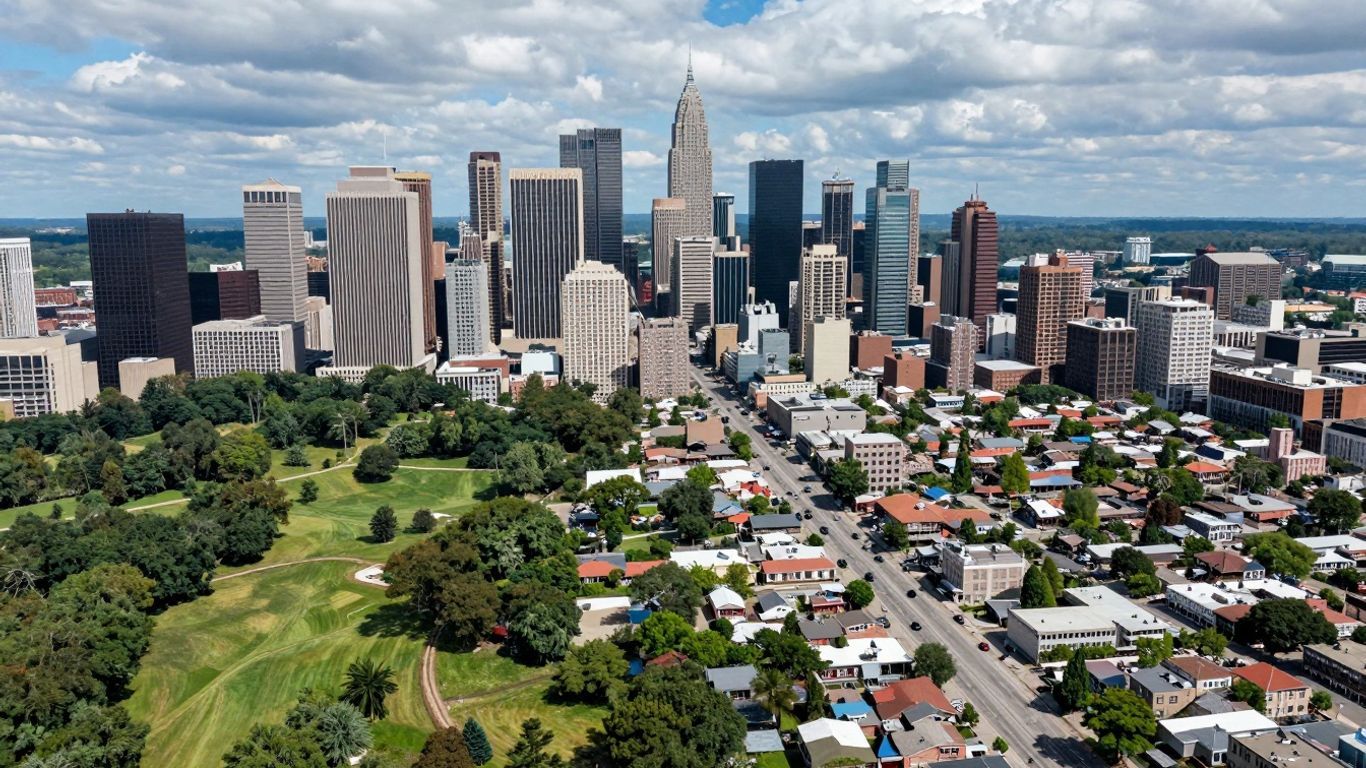
When we discuss "cities," our minds often instinctively gravitate toward massive metropolises teeming with millions. However, the reality of the U.S. demographic landscape is that a vast number of its communities are considerably smaller. These aren't merely tiny hamlets; many are officially incorporated towns and cities, complete with their own governance and essential services. They frequently serve as the veritable backbone of numerous regions, offering a distinct rhythm of life compared to their larger urban counterparts. Think about it: these places often foster a profound sense of local identity and cohesive community, don't they?
The Significance of Mid-Sized Cities
Mid-sized cities, typically those housing populations between 100,000 and 500,000 residents, are particularly compelling. They often seem to strike a perfect balance—a 'sweet spot,' if you will. These communities usually possess enough economic vibrancy to provide ample job opportunities and amenities, such as quality restaurants and cultural venues, without typically succumbing to the extreme congestion or exorbitant living costs found in the largest urban centers. Many individuals are discovering that these locales offer an ideal equilibrium; they’re expansive enough to feel stimulating, yet sufficiently compact to remain manageable and foster a strong sense of connection.
Proportion of Large Cities in the U.S. Population
It's easy to develop a somewhat skewed perspective from media coverage, which tends to concentrate heavily on the nation’s largest cities. Yet, when one examines the raw data, the majority of Americans do not, in fact, reside in the absolute largest metropolitan areas. While the top 10 or 20 cities certainly capture considerable attention and a significant portion of the population, the sheer volume of smaller cities and towns ensures that a substantial segment of the populace is dispersed more broadly. This distribution is absolutely crucial for truly grasping the comprehensive demographic profile of the country.
Here's an illustrative breakdown of how population might be distributed:
| City Size Category | Approximate Population Range | Percentage of U.S. Population (Estimated 2026) |
|---|---|---|
| Mega Cities | 5 Million+ | 15% |
| Large Cities | 1 Million - 5 Million | 25% |
| Mid-Sized Cities | 100,000 - 1 Million | 35% |
| Small Cities/Towns | Under 100,000 | 25% |
The distribution of people across different types of communities shapes everything from local economies to infrastructure needs. It's not just about the biggest hubs; the smaller and mid-sized places are where a lot of daily life happens for a vast number of Americans.
These smaller and mid-sized communities are frequently characterized by a number of distinct advantages:
- Stronger local economies: While not always as diverse as major metropolitan centers, they often boast stable industries and a lower cost of doing business, making them attractive to entrepreneurs.
- Community focus: There's frequently a more pronounced emphasis on local events, schools, and genuine neighborly connections, fostering a close-knit atmosphere.
- Accessibility: Commutes are generally shorter, and access to green spaces and recreational areas is often significantly easier, contributing to a higher quality of life.
- Housing affordability: Compared to the nation's largest cities, housing costs tend to be more reasonable, rendering them particularly appealing for families and individuals aiming to optimize their budgets.
Factors Influencing Urban Development and Growth
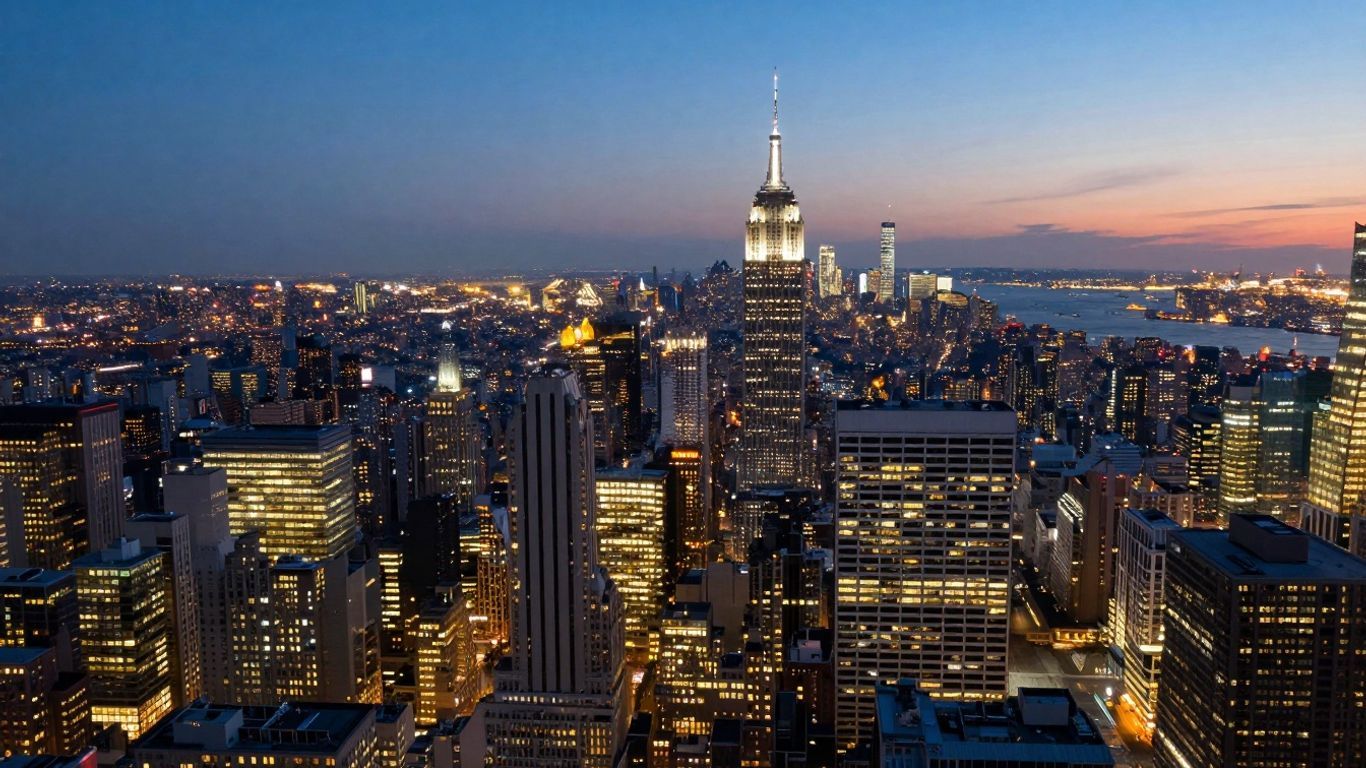
Cities, quite simply, don't just expand by sheer happenstance; a multitude of intricate elements contribute to whether a locale grows or maintains its current state. One might liken it to a carefully crafted recipe—requiring the precise ingredients in the right proportions. Today, we're observing several overarching trends that are profoundly shaping the developmental trajectory of our urban centers.
Housing Unit Growth as a Development Indicator
One of the most straightforward and reliable metrics for assessing urban expansion is by scrutinizing the volume of new homes being constructed. A rise in housing units generally signifies a corresponding increase in population, either through new residents moving in or existing residents requiring more living space. It's a rather direct correlation, wouldn't you agree? When developers identify demand, they build, and that construction activity itself can stimulate further economic growth within the area.
County-Level Housing Expansion Trends
Moving beyond the immediate city limits, we can also gain valuable insights by examining developments at the county level. It’s common for urban growth to extend beyond the core city, spilling into surrounding areas. This often manifests as new housing developments emerging in suburban zones or even further afield. Tracking these broader patterns helps us construct a more comprehensive picture of where people are choosing to establish roots and how metropolitan areas are gradually expanding their footprint.
Alignment of Population and Job Opportunity Growth
Ultimately, individuals relocate to places where they can secure employment and build a fulfilling life. Thus, it stands to reason that cities boasting thriving job markets frequently experience concurrent population increases. When job opportunities expand, it quite naturally draws more people to an area, which in turn can lead to increased housing demand and further development—it's a virtuous cycle. Urban centers perceived as holding strong economic promise, whether in burgeoning sectors like technology and healthcare or other expanding fields, tend to attract considerable attention and a steady influx of new residents.
The push for greener living isn't just about the environment anymore; it's becoming a smart economic move. Cities that embrace sustainable practices often attract innovative companies and talented workers looking for a better quality of life. This focus on sustainability, combined with smart technology integration, is really changing the game for urban development.
Here are some key factors that frequently accompany this kind of growth:
- Sustainability Initiatives: Cities are increasingly prioritizing eco-friendly practices, including integrating more renewable energy sources like solar and wind, enhancing public transportation to reduce car dependency, and designing structures with optimized energy and water efficiency.
- Technological Integration: Smart city technology is becoming ever more commonplace. Consider intelligent traffic management systems designed to alleviate congestion, advanced energy grids, and intuitive mobile applications that streamline resident access to city services. The overarching objective is to render urban living smoother and more responsive.
- Adaptability to Resident Needs: Urban environments are also evolving to better cater to the preferences of their inhabitants. There's a growing demand for versatile living and working spaces, convenient access to local shops and services, and a stronger sense of community. This trend is fostering the development of more mixed-use projects and public spaces explicitly designed for social gathering.
The Evolving Nature of U.S. Urban Centers
Cities as Hubs for Innovation and Liveability
American cities are undergoing a remarkable transformation, wouldn't you agree? It's no longer solely about sheer population figures. We're observing a substantial drive toward cultivating urban environments where people not only desire to reside but can genuinely flourish. This entails focusing on aspects such as ease of transportation, air quality, and the availability of appealing outdoor recreational spaces. Cities that successfully navigate these challenges are becoming powerful magnets for individuals seeking an enhanced quality of life, not merely a job. Consider locales boasting exceptional parks, secure streets, and top-tier educational institutions—these are the places everyone is talking about.
The Role of Economic Promise and Cultural Magnetism
Let's be candid: employment opportunities constitute a monumental reason why people relocate to urban centers. Yet, it extends beyond just the quantity of available positions. The nature of the jobs is equally critical, particularly with the ascent of technology and creative industries. Cities that offer dynamic career trajectories in these expanding fields tend to attract a wealth of talent. Beyond professional prospects, culture exerts an immense influence. Envision museums, vibrant live music venues, and diverse culinary landscapes—these elements imbue a city with vitality and intrigue. It is precisely this synergy of economic potential and rich cultural offerings that truly draws people in and encourages them to stay.
Anticipating Future Urban Living Trends
So, what lies ahead for our cities? We can anticipate an intensified focus on sustainability, with green building practices and enhanced public transportation systems becoming standard. Expect to see an increase in mixed-use developments, allowing residents to live, work, and engage in leisure activities all within the same neighborhood. Technology will continue to play an increasingly significant role, rendering city services more efficient and readily accessible. Ultimately, the cities that adapt most effectively will be those that skillfully balance continuous growth with a commitment to liveability and community well-being.
Here are some key trends actively shaping urban living:
- Smarter Transportation: A progressive shift away from reliance on personal automobiles toward efficient public transit, dedicated bike lanes, and more walkable districts.
- Community Focus: The intentional development of public spaces, such as parks and community centers, designed to foster interaction and bring people together.
- Flexible Living: An expansion of diverse housing options, ranging from micro-apartments to co-living arrangements, capable of adapting to varied needs and lifestyles.
- Green Initiatives: A heightened adoption of sustainable practices aimed at improving environmental quality and attracting both eco-conscious residents and businesses.
The way we live in cities is constantly being redefined. It's a dynamic process driven by economic shifts, cultural appeal, and a growing desire for a high quality of life. Cities that can successfully blend these elements are poised for continued growth and appeal.
Looking Ahead: Our Evolving Urban Landscape
As we conclude this comprehensive exploration of the most populated cities in the U.S. for 2026, it's abundantly clear that urban centers are in a perpetual state of transformation. We’ve observed how established metropolises like New York and Los Angeles maintain their growth trajectories, while others, such as Jacksonville and Fort Worth, have recently celebrated significant population milestones. It’s also quite interesting to note that many smaller towns and cities continue to form the very backbone of the country, with the vast majority of incorporated places still hosting fewer than 5,000 residents. International migration, moreover, stands as a major contributor to population gains across metro areas, a testament to the enduring appeal of the opportunities and lifestyles these places offer. The prevailing trends suggest a sustained movement towards urban centers, yet they also powerfully underscore the enduring presence and importance of smaller communities. Keeping a close eye on these intricate shifts will be absolutely crucial as we witness how America's cities and towns continue to develop in the years to come.
Frequently Asked Questions
What does it mean for a city to reach a new population milestone?
When a city achieves a new population milestone, it signifies that it has surpassed a particularly significant numerical threshold, such as one million or one hundred thousand residents. For instance, both Jacksonville, Florida, and Fort Worth, Texas, recently crossed the one million mark. This notable achievement clearly indicates that these cities are growing robustly and successfully attracting more people to reside within their limits.
Are most people in the U.S. living in big cities?
While it might seem that way, most people in the U.S. actually reside within what are termed "metro areas"—which encompass not only the main city but also its surrounding towns and suburbs. In 2024, approximately 86% of Americans lived in these expansive areas. However, it's important to remember that many of these metro areas are themselves comprised of numerous smaller towns and cities, not just massive urban centers.
Are people moving away from big, older cities?
Interestingly, some larger cities that had previously experienced population declines are now beginning to see a resurgence in growth. Locations such as New York and Washington, D.C., for example, have recently reported increases in their populations. This suggests a compelling shift, indicating that individuals are either returning to or choosing to remain in some of these prominent urban areas.
Where is the population growing the fastest in the U.S.?
The Southern region of the U.S. is currently experiencing considerable population growth, particularly within states like Florida and Texas. Many of the fastest-growing cities and counties are concentrated in this area. This robust expansion is also mirrored by a significant increase in new home construction throughout the region.
What role does international migration play in U.S. city growth?
International migration—the movement of people from other countries into the U.S.—is a substantial factor driving the growth of many American cities. Between 2023 and 2024, millions of individuals who immigrated to the U.S. significantly boosted the populations in metropolitan areas across the nation, highlighting its pivotal influence.
What makes a city a good place to live and grow?
Cities that are experiencing growth often possess a beneficial blend of attributes. They typically offer robust job opportunities, particularly in emerging sectors like technology. Moreover, they are frequently perceived as desirable places to live due to factors such as safety, quality educational institutions, and engaging cultural attractions. People are naturally drawn to locales that promise both economic advancement and an excellent quality of life—a winning combination, wouldn't you say?


