
resources
Exploring the Biggest Cities in America: A 2026 Snapshot
20 Jan 2026

Considering the landscape of America’s most prominent cities in 2026 presents a compelling study, doesn't it? These aren't merely vast aggregations of residents; rather, they serve as dynamic incubators where groundbreaking ideas germinate, aspirations take flight, and culture undergoes constant redefinition. They are, without question, perpetually evolving. Let's delve into what currently sets these major urban centers apart.
Key Takeaways
- New York City remains a top global contender, recognized for its business and cultural influence, even with ongoing infrastructure challenges.
- Los Angeles stands out as a major creative hub, while Chicago continues to impress with its dining and overall appeal.
- Cities like Miami, Boston, Atlanta, and Dallas showcase strong economic growth and cultural significance, representing regional strengths.
- Lifestyle and opportunity are key drivers, with cities like Austin attracting tech talent, San Diego leveraging its climate, and Denver and Seattle appealing to outdoor enthusiasts.
- Factors beyond just population size, such as livability, economic strength, cultural vibrancy, and technological advancement, are shaping the rankings of big cities in America.
America's Leading Urban Centers
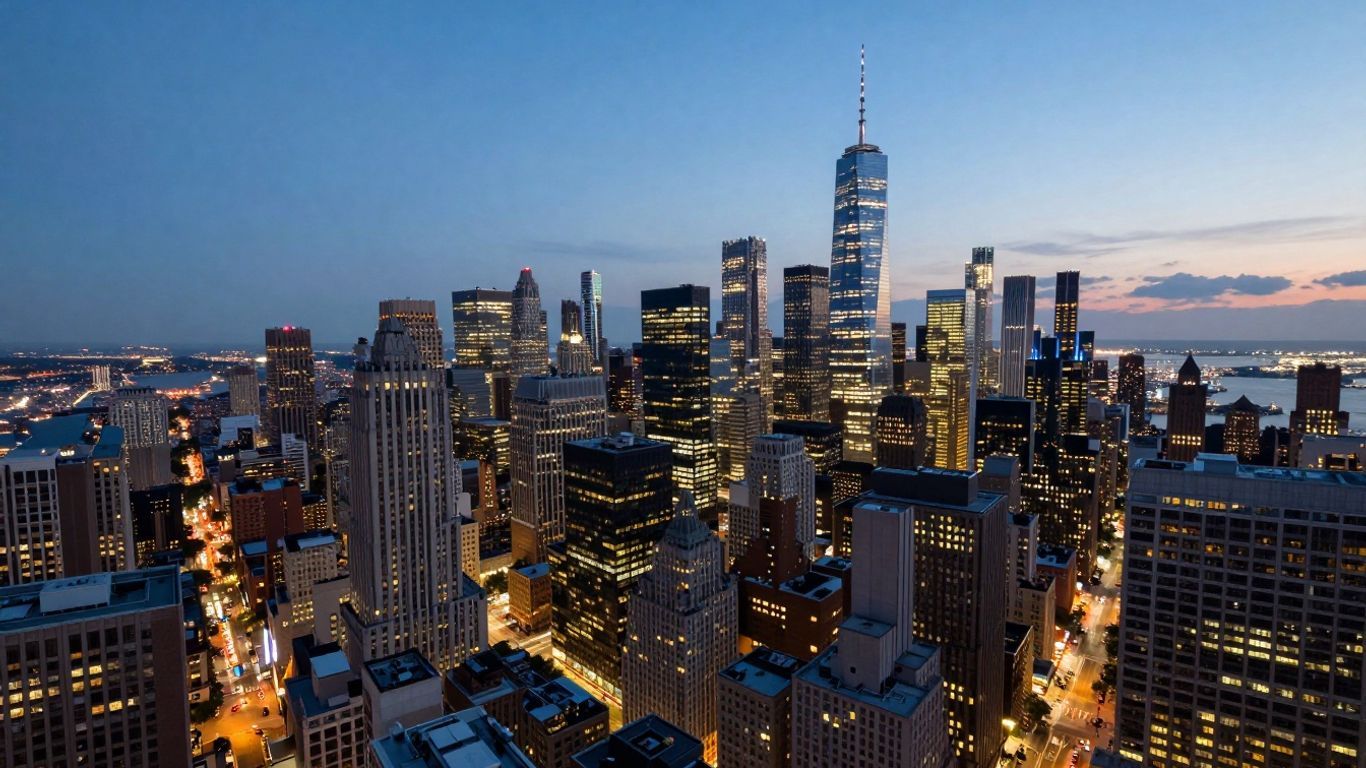
When we discuss America's most significant urban centers, our focus extends well beyond mere population figures. These metropolitan areas function as the veritable engines of our economy, the vibrant hubs of culture, and the vital locales where millions forge their lives. As of 2026, a select group of cities consistently distinguishes itself, captivating individuals with its unique confluence of opportunity and distinct character.
New York: A Global Powerhouse
New York City unequivocally maintains its status as a titan on the global stage. It’s a compelling nexus where finance, fashion, art, and media seamlessly converge, generating an electrifying energy that is genuinely unparalleled. Despite its acknowledged infrastructure challenges—particularly concerning public transit—the city’s sheer dynamism and its ceaseless absorption of fresh ideas ensure its enduring position at the apex. Indeed, it’s far more than just a city; it represents a global emblem of ambition and perpetual motion.
- Economic Engine: Wall Street and its surrounding financial districts continue to serve as a pivotal global center for capital markets.
- Cultural Epicenter: Broadway productions, world-renowned museums like the Met and MoMA, and innumerable galleries define its rich artistic landscape.
- Global Connectivity: Its major international airports and status as a hub for multinational corporations firmly establish its worldwide importance.
New York City's influence transcends its five boroughs, actively shaping global trends across business, culture, and even lifestyle. Its dense urban environment and relentless activity make it a unique and endlessly fascinating case study in metropolitan living.
Los Angeles: The Creative Capital
Los Angeles is, without a doubt, synonymous with both creativity and the entertainment industry. Yet, beyond the glittering facade of Hollywood, it stands as a sprawling metropolis boasting diverse industries, ranging from cutting-edge tech to aerospace innovation. The city's famed sunny climate and its generally relaxed disposition draw people from all walks of life—a fact that undeniably enriches its already vast cultural tapestry.
- Entertainment Industry: The heart of film, television, and music production continues to beat with unwavering strength.
- Diverse Economy: Expanding tech sectors and well-established industries, including manufacturing and tourism, add significant economic depth.
- Cultural Melting Pot: A vast array of ethnic communities contributes profoundly to its distinctive culinary and cultural scene.
Chicago: A City of Enduring Appeal
Chicago consistently asserts itself as a premier American city, justly celebrated for its breathtaking architecture, iconic deep-dish pizza, and vibrant arts community. Perched gracefully on the shores of Lake Michigan, it masterfully offers a sophisticated blend of big-city amenities, yet with an often more approachable feel compared to its East Coast counterparts. Its sterling reputation for world-class dining and its genuinely friendly Midwestern spirit continue to attract both long-term residents and curious visitors alike—a testament to its lasting charm.
- Architectural Marvel: Home to a host of iconic skyscrapers and a profoundly rich architectural history.
- Culinary Destination: Widely renowned for its diverse food scene, encompassing everything from Michelin-starred dining to classic Chicago-style hot dogs.
- Cultural Institutions: Numerous museums, theaters, and music venues collectively contribute to its lively cultural landscape.
Emerging Hubs and Regional Strengths
Miami: Finance and Culture Collide
Miami is truly distinguishing itself, evolving beyond its reputation as merely a vacation destination to become a formidable player in the global financial arena. It’s actively attracting a significant influx of international business and investment, which is, in turn, profoundly reshaping the city's overall character. Moreover, Miami’s cultural scene is experiencing a remarkable boom; one can discern influences from across Latin America and the Caribbean, culminating in a truly unique and vibrant atmosphere. This dynamic synergy between finance and culture is, in many respects, quite extraordinary.
Boston: Innovation and Academia
Boston has long been revered for its rich history and prestigious universities, but it has also emerged as a pivotal hub for innovation, particularly within the biotech and technology sectors. The sheer concentration of brilliant minds graduating from institutions like Harvard and MIT fosters an incredible ecosystem ripe for new ideas and burgeoning startups. Indeed, it often feels as though something groundbreaking is perpetually on the horizon there. The city, it seems, adeptly preserves its historic charm while simultaneously embracing a remarkably forward-thinking ethos.
Atlanta and Dallas: Southern Ascendancy
These two Southern powerhouses are experiencing truly impressive growth, and for very compelling reasons. Atlanta stands as a major center for media, logistics, and, increasingly, technology. It boasts a diverse economic base and a younger demographic drawn to its abundant opportunities. Dallas, conversely, is an economic engine in finance, energy, and transportation. Both cities notably offer a comparatively lower cost of living than some of the established coastal hubs, which presents a significant draw for businesses and individuals seeking new prospects. Their rise signifies a notable shift in economic power towards the South.
Here's a quick look at some key growth indicators:
| City | Projected Population Growth (2020-2026) | Key Industries |
|---|---|---|
| Miami | 8.5% | Finance, Tourism, International Trade, Tech |
| Boston | 5.2% | Biotech, Higher Education, Tech, Finance |
| Atlanta | 10.1% | Logistics, Media, Tech, Business Services |
| Dallas | 9.8% | Finance, Energy, Transportation, Tech |
These cities are no longer confined to being mere regional centers; they are increasingly competing on both a national and even a global stage, successfully attracting talent and investment that was once predominantly concentrated elsewhere.
Cities Defined by Lifestyle and Opportunity
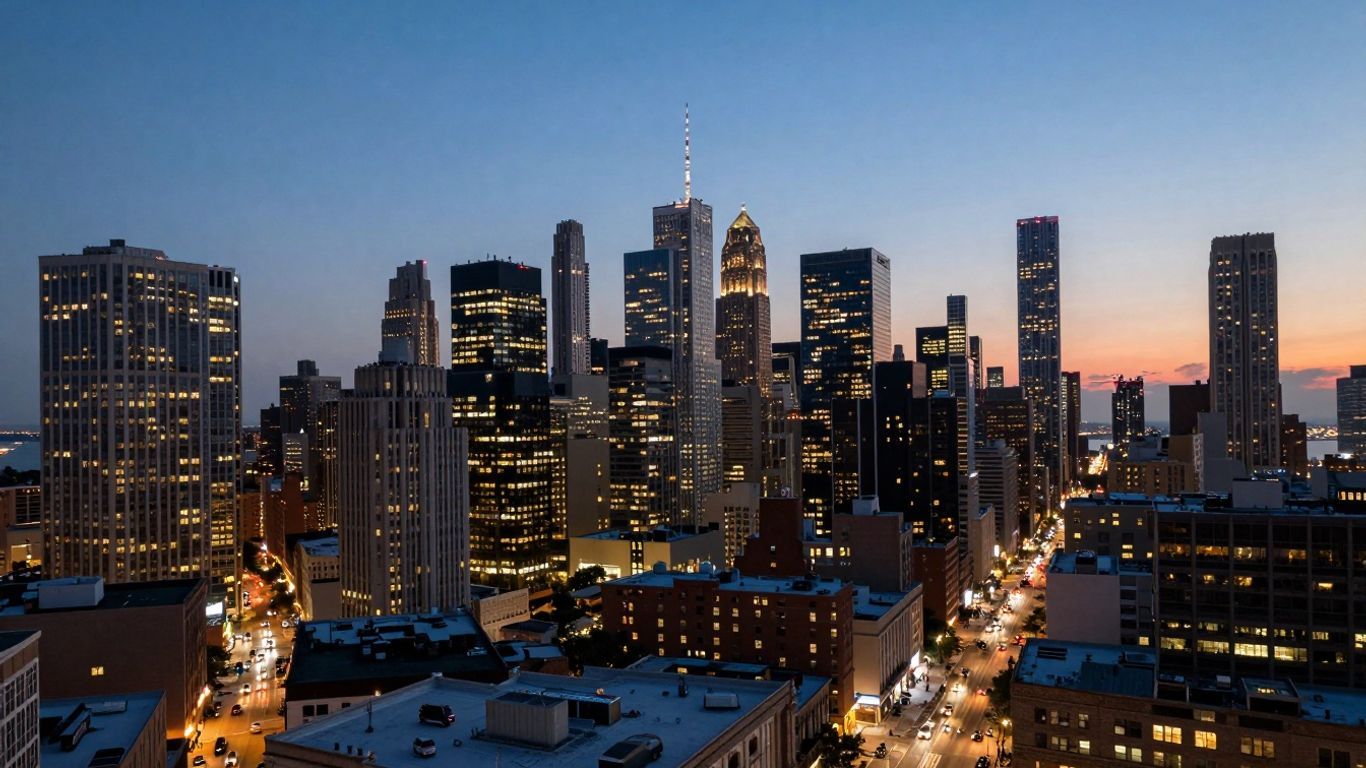
Beyond simply evaluating population figures, what truly renders a city a desirable place to live and work in 2026? It's undeniably a multifaceted equation. We're referring to the spectrum of opportunities available, the actual ease of daily living, and the city's overarching atmosphere. Cities that adeptly strike a harmonious balance between robust career growth and an elevated quality of life are the ones that consistently distinguish themselves.
Austin: Tech and Culture Fusion
Austin has, quite effectively, carved out a distinct niche for itself. It has rapidly evolved into a significant hub for technology, drawing in considerable intellectual capital and a host of innovative companies. Yet, its appeal isn't solely rooted in job prospects; Austin also boasts a truly distinctive cultural landscape, renowned for its dynamic live music scene and vibrant artistic community. This compelling fusion means residents benefit from a thriving job market alongside a spirited social life—it's truly a place where one can pursue professional ambitions with vigor and equally embrace leisure.
San Diego: Sunshine and Economic Engines
When San Diego comes to mind, one instinctively envisions its pristine beaches and idyllic weather, and that perception certainly isn't misplaced. However, it's also a city underpinned by a robust economy, particularly flourishing in sectors such as biotech, defense, and tourism. The lifestyle here is undeniably a significant attraction, characterized by abundant outdoor activities and a wonderfully relaxed ambiance. It truly is a city that appears to have mastered the art of harmonizing an exceptional living environment with solid economic prospects.
Denver and Seattle: Outdoor Appeal
Denver and Seattle exemplify cities where the natural environment plays a pivotal role in their overarching appeal. Both serve as gateways to truly incredible outdoor adventures—from the myriad hiking and skiing opportunities near Denver to the majestic mountains and Puget Sound encircling Seattle. This profound emphasis on the outdoors naturally draws individuals who prioritize an active lifestyle. Beyond the breathtaking scenery, these cities have also cultivated strong economies, with Seattle standing as a major tech center and Denver experiencing notable growth across various industries. They offer the compelling opportunity to reside amidst nature without compromising valuable career prospects.
The modern urban dweller is increasingly seeking more than just a place to reside. They desire a city that actively supports their well-being, provides diverse avenues for both personal and professional development, and genuinely connects them with a vibrant community. This imperative means cities must adopt intelligent strategies in how they grow and what they offer their residents.
Key Factors Shaping Urban Rankings
When we examine what truly differentiates one city from another, it becomes clear that it's not simply a matter of population size. A confluence of factors comes into play, each contributing to a comprehensive portrait of a city's overall attractiveness and strategic importance. Think of it, if you will, like a finely tuned recipe; the optimal blend of ingredients is essential for a truly exceptional outcome.
Beyond Population: Livability and Economic Heft
Certainly, a substantial population can signify a city's status as a major player, but what ultimately matters most is the quality of life afforded to its residents and the underlying strength of its economy. A metropolis might house millions, yet if housing is prohibitively expensive or employment opportunities are scarce, its ranking will inevitably suffer. We're compelled to consider elements such as:
- Safety: How secure do residents feel in their daily lives?
- Healthcare: Is access to high-quality medical care both readily available and affordable?
- Environment: What is the air quality like, and are there sufficient green spaces for public enjoyment?
- Job Market: Are there diverse employment opportunities spanning various sectors, fostering economic resilience?
- Cost of Living: Can individuals afford to live comfortably within the city without facing undue financial strain?
A city's economic engine is, without doubt, an integral component of its narrative, fundamentally driving growth and creating abundant opportunity. This encompasses not only established industries but also burgeoning sectors that usher in new jobs and innovation.
Cities that consistently score highly in livability often achieve a delicate balance between new development and the thoughtful integration of accessible parks and natural areas. This discerning approach makes them genuinely appealing places to call home.
Cultural Magnetism and Vibrancy
Beyond the purely practical considerations, a city's culture plays a truly pivotal role. What caliber of arts scene does it boast? Are there unique culinary establishments and a diverse food landscape that tantalizes the palate? Does it possess a rich history that intrinsically draws people in? Cities that skillfully offer a vibrant synthesis of established traditions and novel ideas, alongside recognizable landmarks, tend to be exceptionally appealing. It is precisely this blend of the historic and the contemporary, the familiar and the surprising—that renders a place genuinely memorable and exciting to either explore or inhabit.
Technological Advancement and Talent Attraction
In our contemporary world, technology serves as a considerable magnet. Cities that function as veritable hubs for innovation, particularly in burgeoning fields such as AI and cybersecurity, effectively attract highly skilled professionals. This attraction isn't solely about the immediate job opportunities; it's also profoundly linked to the potential for career trajectory, competitive compensation, and the invaluable chance to connect with other talented individuals. The presence of leading tech companies establishing operations and extensive networking opportunities are undeniably significant contributors here. This concentration of talent and capital can indeed catalyze rapid economic expansion, though it can also, quite naturally, lead to elevated living costs and heightened competition for everyone.
Understanding Urban Dynamics
Cities, much like living organisms, are in a perpetual state of flux. Their essence isn't solely defined by population density, but rather by the intricate ways residents move, interact, and how the urban fabric itself operates. A comprehensive understanding of these underlying dynamics helps us grasp why certain cities experience robust growth while others maintain a more stable, perhaps even stagnant, trajectory.
Population Growth Trends
Population shifts represent a critical consideration for any city. When an increasing number of people choose to relocate, cities face corresponding demands for expanded housing, job creation, and enhanced services. This growth, at times, unfolds steadily, while at others, it accelerates quite rapidly. It's akin to observing a plant's development—the nuanced changes become evident over time.
- Migration Patterns: Individuals often relocate for employment, family considerations, or simply a change of environment. Discerning where people are originating from and where they are settling offers significant insights into a city's appeal.
- Birth and Death Rates: These natural demographic shifts also exert an influence on a city's total resident count.
- Urban Sprawl: Occasionally, populations expand into areas immediately adjacent to the core city, thereby altering the overall configuration of the metropolitan area.
The Role of the Census Bureau
The U.S. Census Bureau functions as the authoritative arbiter of population data. Every decade, they undertake a comprehensive count of every individual within the nation. This information is crucially important because it directly impacts the allocation of federal funding to cities for essential services like infrastructure, education, and healthcare. Moreover, it empowers urban planners to accurately discern where new services and facilities might be most urgently required.
The data meticulously collected by the Census Bureau isn't merely a statistic; it serves as a fundamental blueprint that guides resource allocation and policy decisions for years to come, profoundly impacting the daily lives of residents.
Incorporated Places Versus Census-Designated Places
Navigating the nuances of city boundaries can, at times, prove somewhat intricate. Broadly, areas are defined in two principal ways:
- Incorporated Places: These refer to formally recognized cities or towns that possess their own local government. They operate within official boundaries and are vested with the authority to enact their own regulations.
- Census-Designated Places (CDPs): These are areas that, while exhibiting characteristics of a distinct community, do not possess their own municipal government. The Census Bureau delineates them solely for statistical purposes, often because they bear a recognizable name and share a communal identity.
Understanding this distinction enables a clearer comprehension when discussing city sizes and population figures. While easily conflated, these terms represent fundamentally different classifications on a geographical map.
The Evolving Landscape of Big Cities in America
America’s major cities are far from static; rather, they are undergoing significant transformations. Consider, for instance, how the ways people live, work, and connect within these locales are evolving quite profoundly. It’s no longer solely about attracting more residents. Cities are proactively striving to enhance their livability, focusing intently on factors that contribute to a smoother, more enjoyable daily existence for everyone.
Cities as Epicenters of Opportunity
It remains undeniably true that urban centers are where much of the dynamism originates. New employment opportunities, innovative concepts, and burgeoning cultural movements frequently commence in these bustling metropolitan areas. Individuals are drawn to them because they perceive them as the definitive locales for professional advancement or for experiencing something truly novel. This powerful allure is precisely what keeps cities vibrant and endlessly dynamic.
Adaptability in Urban Environments
Cities are increasingly compelled to innovate continually to keep pace with changing demands. We’re witnessing a proliferation of flexible housing options, such as more compact apartments or shared living spaces, designed to adapt as residents’ needs evolve. Furthermore, there’s a significant impetus toward fostering environments where walking or cycling is not just viable but encouraged—effectively alleviating congestion and cultivating a greater sense of community connectivity. Ultimately, it’s all about optimizing these places to better serve the people who call them home.
- More Green Spaces: Cities are dedicating increased effort to developing parks and public areas. These vital spots offer essential spaces for relaxation and social interaction.
- Smarter Transportation: Beyond traditional buses and trains, urban planners are exploring how ride-sharing and other innovative mobility solutions can be effectively integrated.
- Community Focus: Prioritizing the creation of spaces that facilitate easy interaction among residents is becoming paramount, helping to forge a stronger sense of belonging.
The Enduring Allure of Metropolises
Even amidst all these transformations, there’s an inherent magnetism to metropolises that consistently attracts individuals. They serve as rich hubs for culture, innovation, and opportunities perhaps unparalleled elsewhere. The sheer variety of people and experiences concentrated into one place is truly exceptional. While the precise definition of a 'big city' may indeed shift, and our modes of living within them will undoubtedly continue to transform, their fundamental appeal as epicenters where significant things happen seems unequivocally poised to endure.
The manner in which cities are conceived, designed, and managed is subject to constant re-evaluation. It’s a continuous process focused on optimizing them to serve a broader populace, to be more environmentally sustainable, and to consistently offer a superior quality of life. This necessitates that cities remain both intelligent and agile in their capacity for change.
It’s truly fascinating to observe how these urban landscapes continue to develop and, indeed, surprise us.
Looking Ahead: America's Evolving Urban Landscape
As we conclude our exploration of America's most significant cities in 2026, it's abundantly clear these places are in a state of continuous evolution. They are not merely vast aggregations of residents; rather, they are dynamic crucibles where new ideas germinate, where individuals pursue their aspirations, and where culture undergoes continuous evolution. It's truly fascinating how people are drawn to these locales—whether for professional opportunities, novel experiences, or simply a different way of life. While what defines a 'big city' might indeed shift, and how we inhabit them will surely keep transforming, their intrinsic pull as centers for connection and progress seems firmly set to endure. It will undoubtedly be compelling to observe how these urban centers continue to grow and, inevitably, surprise us.
Frequently Asked Questions
What makes a city one of the biggest in America?
It's not solely about population count! While the number of residents is a significant factor, experts also consider a city's economic output, its cultural vibrancy, and its overall livability. Think of it as a comprehensive assessment, much like a detailed report card for urban areas.
Are New York and Los Angeles still the top cities?
Yes, they remain exceptionally influential! New York is an undisputed global leader in finance and culture, and Los Angeles is world-renowned for its creative industries. Their consistent high rankings stem from the unparalleled opportunities they offer to both individuals and businesses.
Are there new cities becoming more important?
Absolutely! Cities such as Miami are experiencing rapid growth driven by finance and the arts. Boston is a leading hub for innovation and higher education. Moreover, Southern cities like Atlanta and Dallas are emerging as major centers for employment and cultural dynamism.
What role does technology play in big cities?
Technology is profoundly significant! Cities like Austin are celebrated for their vibrant tech scenes, attracting talented professionals and innovative companies. This technological advancement also helps other cities improve various aspects, including transportation and communication infrastructure.
How do we know which cities are growing?
The U.S. Census Bureau is the primary source for this data. They conduct a comprehensive population count every ten years and provide annual estimates in between. This crucial information allows us to track which cities are gaining the most residents and discern broader migration trends.
Why do people keep moving to big cities even if they're crowded?
Big cities often act as powerful magnets for opportunity. They present an abundance of job prospects, exciting cultural experiences, and a distinct sense of being at the forefront of development. Even with potential challenges like congestion, their inherent energy and diverse opportunities are often unparalleled elsewhere.


