
resources
Exploring the Capital Cities of America: A Comprehensive Guide
23 Jan 2026

Considering a cross-country road trip across the U.S.? Or perhaps you're simply intrigued by the intricate workings of American governance? Either way, delving into the realm of America's capital cities offers an excellent starting point. Every state boasts its own capital, and then, of course, there's Washington, D.C.—the distinguished federal seat for the entire nation. Yet, these cities are far more than mere clusters of government buildings; they are often vibrant hubs, rich with history, distinctive culinary traditions, and unique local cultures. Join us as we explore what truly makes these pivotal places tick.
Key Insights
- State capitals serve as the operational centers where state governments conduct their vital work, enacting legislation and overseeing regional affairs.
- Each capital city possesses its own distinctive character, providing a compelling reflection of its state's unique history and cultural identity.
- The geographical placement of a capital city significantly influences various aspects, including its climate, accessibility, and overall ambiance.
- Embarking on a culinary journey through different capitals presents an enjoyable and insightful way to savor the essence of each region.
- Gaining an understanding of these essential American capital cities offers deeper insight into the nation's fabric, from its foundational past to its evolving present.
Understanding The Integral Role Of America's Capital Cities
When discussing the United States, it's quite natural for our attention to gravitate towards the sprawling, world-renowned metropolises. However, beneath this familiar surface lies another critical layer of significant urban centers: the state capitals. These cities transcend their administrative functions, acting as the very heart of each state, tirelessly circulating decisions that impact every resident. Furthermore, they serve as invaluable repositories of their state's unique culture and historical narrative. To truly grasp the composite nature of the country, a thoughtful consideration of these vital centers is essential.
The Political Significance Of State Capitals
State capitals are undeniably where the principal political activity unfolds. Within their boundaries, you'll discover the governor's executive office, the bicameral state legislature, and a multitude of agencies crucial for the state's smooth operation. It is here that laws are meticulously debated, subsequently passed, and ultimately implemented. These pivotal decisions profoundly shape the daily lives of millions, firmly establishing these cities as central to the state's governance. Visitors might also observe demonstrations or rallies outside the capitol buildings, underscoring these cities' vibrant role as active centers of civic engagement. Indeed, it's within these walls—and on these streets—that a state's future direction is actively charted.
The Cultural Importance Of State Capitals
Beyond their political gravitas, state capitals frequently emerge as the cultural epicenters for their respective states. They often house significant museums, venerable theaters, and historically rich sites that eloquently narrate the story of the state's heritage and its people. Many capitals host an array of annual festivals and events, vibrant celebrations that honor local traditions and foster a strong sense of community. These cities frequently boast the most concentrated collections of historical landmarks and state archives, providing an invaluable window into the state's distinctive identity. A visit to a state capital, therefore, truly offers an immersive experience, allowing one to absorb the unique character of that particular corner of the country.
The Economic Impact Of Capital Cities
Capital cities aren't just political and cultural keystones; they also wield considerable economic influence. They often function as major employment hubs, not solely for government positions but also for associated service industries, burgeoning technology sectors, and educational institutions. The mere presence of state government can be a magnet, drawing businesses and organizations eager to maintain proximity to key decision-makers. Furthermore, many capitals serve as vital centers for higher education and cutting-edge research, thus contributing significantly to innovation and broader economic growth. The extensive infrastructure and diverse services required to support a capital city similarly generate employment and invigorate local economies. Just as success on a construction site hinges on meticulous organization, efficiency, and astute planning—not merely strenuous effort—this principle holds true for the sustained economic development of capital cities. The concentrated activity within these urban centers makes them indispensable contributors to the state's overall economic vitality.
State capitals act as the intricate nerve centers of their states, wielding influence over everything from daily legislative frameworks to deeply ingrained cultural identities and significant economic trends. Grasping their multifaceted roles provides a remarkably clearer perspective on both American governance and its rich regional diversity.
Exploring The Rich Diversity Of America's Capital Cities
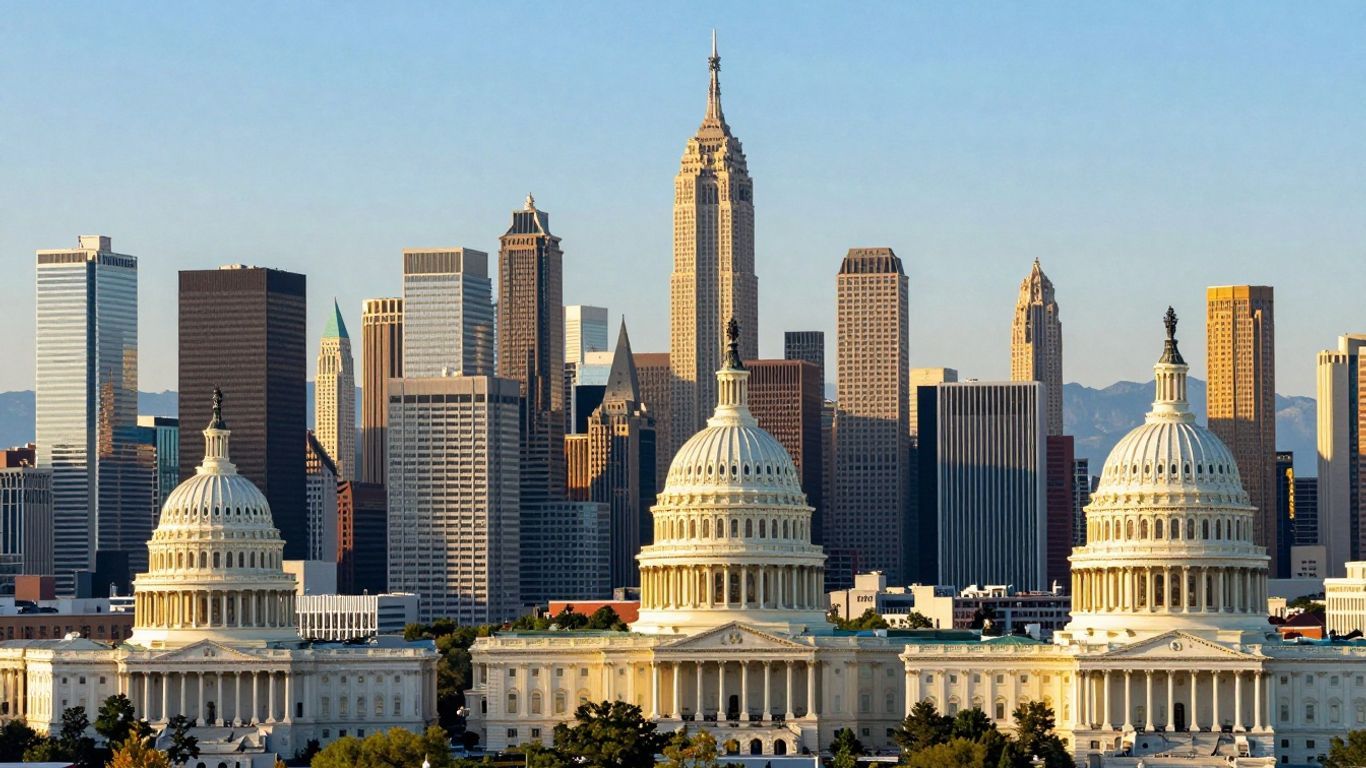
America's capital cities present a fascinating tapestry, reflecting the nation's sheer vastness and wonderfully varied character. These aren't just administrative hubs; rather, they serve as compelling windows into the distinct environments, unique cultures, and rich histories that collectively forge the United States. From the sun-baked aridity of the Southwest to the lush, verdant expanses of the Pacific Northwest, each capital city offers a truly singular slice of American life.
Geographical Spread And Environmental Influences
The geographical placement of a capital city frequently dictates its climate, the surrounding landscape, and even the very rhythm of life within its bounds. Consider the dramatic contrast between Juneau, Alaska, dramatically nestled among towering mountains and deep fjords, and Phoenix, Arizona, a vibrant metropolis thriving amidst the desert heat. These intrinsic natural settings profoundly shape everything from prevalent local industries to popular recreational pursuits.
- Mountain Capitals: Cities such as Denver, Colorado, or Boise, Idaho, are inherently influenced by their close proximity to majestic mountain ranges, affording abundant opportunities for exhilarating outdoor activities like hiking and skiing.
- Coastal Capitals: Capitals including Olympia, Washington, or Augusta, Maine, benefit significantly from their direct connection to the sea, impacting local economies through fishing and maritime trade, and fostering distinctive coastal lifestyles.
- Plains Capitals: Cities like Topeka, Kansas, or Lincoln, Nebraska, are often enveloped by expansive agricultural lands, vividly reflecting a deep connection to farming and the quintessential spirit of wide-open spaces.
The natural environment encompassing a capital city plays an immensely significant role in forging its identity and influencing the daily routines of its inhabitants. It shapes everything from architectural styles to local culinary traditions and the array of activities people choose to enjoy.
Unique Lifestyles In Different Regions
Each distinct region of the U.S. resonates with its own unique rhythm, and its capital city often embodies this characteristic spirit. You'll observe markedly different approaches to community engagement, professional life, and leisure activities, depending on whether your travels take you to the South, the Midwest, the Northeast, or the West.
- Southern Capitals: Frequently characterized by a more leisurely pace, a rich historical legacy, and deeply entrenched traditions, cities like Richmond, Virginia, or Columbia, South Carolina, beautifully showcase a unique blend of heritage and contemporary life.
- Midwestern Capitals: These cities, exemplified by Madison, Wisconsin, or Springfield, Illinois, are typically recognized for their welcoming atmosphere, robust community bonds, and their inherent connection to America's agricultural heartland.
- Western Capitals: Embodying a spirit of fierce independence and a profound appreciation for the great outdoors, capitals such as Salem, Oregon, or Carson City, Nevada, powerfully reflect the rugged beauty and adventurous ethos synonymous with the American West.
Architectural And Historical Significance
Many capital cities truly function as living museums, proudly displaying impressive architectural marvels and bearing a profound connection to seminal historical events. The very buildings themselves frequently narrate tales of bygone eras, ranging from grand, imposing government structures to meticulously preserved historic neighborhoods. What stories might these venerable walls tell?
- Government Buildings: The state capitol buildings frequently stand as architectural landmarks in their own right, showcasing diverse design styles while housing crucial state functions. Many are open for public tours, offering an insightful glimpse into state history and the mechanics of governance.
- Historic Districts: Cities such as Santa Fe, New Mexico—famously the nation's oldest capital—or Boston, Massachusetts, are replete with enchanting historic districts where one can quite literally stroll through streets that have witnessed centuries of American history unfold.
- Cultural Institutions: Museums, expansive libraries, and dedicated historical societies within capital cities diligently preserve and present the distinctive heritage of their states, ensuring that history remains accessible and engaging for both residents and visitors.
Culinary Journeys Through America's Capital Cities
Signature Dishes and Regional Flavors
Every capital city, it seems, possesses its own distinctive culinary narrative, frequently interwoven with its historical trajectory and the diverse people who chose to settle there. It's truly like savoring a taste of the region's very identity. You'll encounter these iconic signature dishes in a delightful array of settings, from elegant, upscale restaurants to charming, unpretentious family-run diners. Consider, for instance, Santa Fe, New Mexico, where you absolutely mustn't miss out on the unmistakably bold Southwestern flavors, often accentuated by vibrant green or red chile. Journeying south, Baton Rouge, Louisiana, offers an authentic immersion into Creole and Cajun cooking, with hearty dishes like gumbo and jambalaya bursting with rich, complex flavors. These meals are not merely sustenance; they represent a profound way to connect with the local culture and genuinely appreciate what makes each place so utterly unique.
Diverse Dining Experiences
When you embark on a visit to a capital city, the dining scene extends far beyond merely the food presented on your plate—it's profoundly about the entire ambiance. You might find yourself enjoying a meal within the grandeur of a beautifully restored historic edifice, or perhaps in a sleek, contemporary restaurant boasting breathtaking city panoramas. Many capitals are witnessing a burgeoning trend in farm-to-table establishments, where dedicated chefs collaborate directly with local farmers to bring the freshest, seasonal ingredients directly to your dining experience. Given that numerous state capitals serve as cultural melting pots, you can also expect to discover a rich tapestry of international cuisines. Indeed, opting for a food tour can be an exceptional way to sample a diverse array of tastes and absorb insights into the city's unique culinary landscape all at once.
Vibrant Food Festivals and Markets
If you genuinely wish to immerse yourself in a capital city's vibrant food scene, seeking out local food festivals or farmers' markets is an absolute must. These events, often held seasonally, bring together a dynamic convergence of local chefs, dedicated food producers, and skilled artisans. They offer a truly fantastic opportunity to sample everything from time-honored regional specialties to exciting, innovative new dishes. Beyond the sheer delight of eating, these gatherings are typically lively affairs, often accompanied by live music and engaging activities, making them a wonderfully enjoyable way to absorb the local vibe and connect with residents. Furthermore, you'll frequently discover unique ingredients and artisanal prepared foods at these markets that are simply unavailable elsewhere, providing a truly authentic taste of the region.
Navigating Your Visit To America's Capital Cities
Planning an exploration of America's diverse capital cities can undoubtedly be an incredibly rewarding endeavor. To truly optimize your journey, a little foresight regarding a few key considerations can make a substantial difference. It's not just about selecting a destination; it's also about strategically understanding the best ways to reach it, navigate once you're there, and determine the optimal timing to experience the very best each city has to offer.
Optimal Travel Times And Seasonal Considerations
When you're deliberating on the ideal time to visit, it's wise to factor in both the prevailing weather conditions and any significant local happenings. Generally speaking, the shoulder seasons—specifically spring and fall—tend to offer the most agreeable weather across many capital cities. Temperatures are typically mild, creating comfortable conditions for leisurely strolls and extensive exploration. Moreover, you'll often encounter fewer crowds compared to the bustling peak summer months. Summer can, of course, usher in intense heatwaves in various parts of the country, while winter might bring considerable snow and cold, particularly to northern capitals. Therefore, checking the specific climate for each city on your itinerary is always a prudent step. Furthermore, investigate local events; sometimes, a unique festival or celebration can become an unexpected highlight of your trip, though it might also mean elevated accommodation prices and increased foot traffic. Planning around these factors can help you either skillfully circumvent or fully embrace the crowds, depending entirely on your personal preference.
Transportation Options Within Cities
Once you've arrived, understanding how to navigate your chosen capital forms a crucial part of the travel equation. Most capital cities do provide some form of public transportation, but the extent and nature of these services can vary considerably. Some boast comprehensive subway systems, much like Washington D.C. or even New York City (though NYC isn't a state capital, its transit system exemplifies robust urban mobility), while others rely more heavily on extensive bus networks. Ride-sharing services, such as Uber and Lyft, are generally widely available in most urban areas, although dynamic pricing can certainly be a factor during peak hours. If your plans include venturing beyond the immediate city center or exploring the wider surrounding region, renting a car might prove indispensable. However, be prepared for potential parking challenges, especially within older or more densely populated areas. And, don't ever underestimate the efficacy of your own two feet! Many capital cities feature charming downtowns or historically significant districts that are truly best appreciated on foot—you'll uncover more hidden gems and gain some healthy exercise along the way, won't you?
Experiencing Local Events And Festivals
To truly grasp the essence of a capital city, immersing yourself in its local events and festivals is undeniably a must. These vibrant gatherings offer a unique lens into the local culture, cherished traditions, and the overarching community spirit. Food festivals, for instance, are a fantastic avenue for sampling regional specialties and forging connections with local producers and innovative chefs. You might encounter captivating music festivals, engaging art fairs, or historical reenactments that vividly bring the city's past and present to life. Even attending a local sporting event, perhaps a minor league baseball game in a smaller capital, can provide an enjoyable and affordable way to experience the local scene. It's highly advisable to check the city's official tourism website or local event calendars a few weeks prior to your trip to see what exciting happenings are scheduled. Indeed, it's often these distinctive, local experiences that transform a good trip into an truly unforgettable one.
Visiting a capital city extends far beyond merely observing government buildings; it's fundamentally about experiencing the authentic pulse of the place. Local events, whether a bustling farmers' market or a grand annual festival, offer a genuine, unfiltered connection to the city's identity and its people. They provide invaluable opportunities to taste, witness, and hear what precisely makes each capital singularly unique.
Fascinating Facts About America's Capital Cities
When our conversations turn to America's capital cities, it's quite easy to become absorbed in the intricate details of governance and political structures. But did you know there are some truly intriguing tidbits about these incredibly important places? Let's take a moment to uncover a few captivating facts that beautifully underscore the rich diversity and deep history encapsulated within these state seats.
Smallest And Largest Capitals By Population
There's quite a striking contrast when one considers the sheer scale of different state capitals. At one end of the spectrum, we have Montpelier, Vermont, which proudly holds the distinction of being the smallest state capital by population—a truly quiet, undeniably charming place. Then, at the opposite end, there's Phoenix, Arizona, which stands as the largest state capital in terms of its resident population. This vast difference vividly illustrates just how varied the urban experiences can be across the country. The entire functioning of a city, from its community feel to its roster of local events, can diverge so significantly based purely on its size.
The Oldest Capital City In The Nation
History enthusiasts, lend us your ears—this one's for you! When discussing the oldest state capital, that esteemed title belongs unequivocally to Santa Fe, New Mexico. Founded way back in 1610, it has truly witnessed centuries of history unfold within its ancient streets. As you wander through Santa Fe, you can almost palpably feel that profound historical connection embedded in its unique architecture and enduring traditions. It is, without question, a place that genuinely feels like a step back in time, offering a singular glimpse into America's earliest foundational days.
Capitals With Unique Names
Some capital cities boast names that are truly one-of-a-kind, not shared with any other major cities across the nation. Think about intriguing places like Bismarck, North Dakota, or Topeka, Kansas. These distinct designations certainly contribute to the unique identity of each individual state. It might seem like a minor detail, but it's precisely these sorts of unique characteristics that make each capital feel especially memorable and cherished. It makes you ponder the fascinating stories behind these names, doesn't it? Learning about these places can even provide practical insights for planning your travels, perhaps influencing where you might choose to invest or stay informed about currency movements if you're venturing internationally.
The sheer variety exhibited among American capital cities is truly remarkable. From the smallest populations to the most ancient foundations and the most distinctive names, each capital eloquently tells its own unique story. These fascinating facts serve as a powerful reminder that beyond their governmental roles, these cities are rich tapestries woven with history, culture, and singular character.
The Federal Capital Versus State Capitals In America
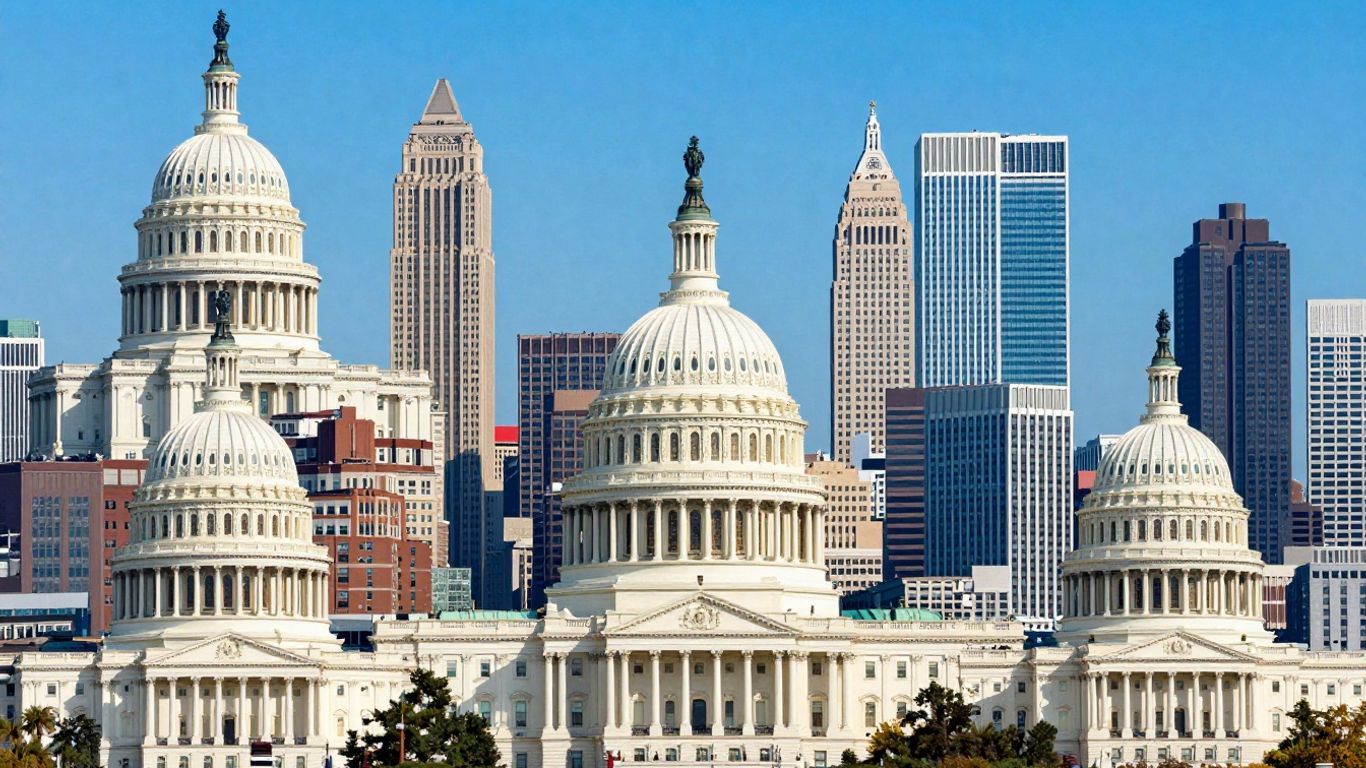
Washington, D.C. As The Federal Seat
When we refer to the capital of the United States, most people instinctively think of Washington, D.C. And rightly so! This remarkable city, officially known as the District of Columbia, is the epicenter where critical decisions for the entire nation are formulated. What's particularly unique is that it doesn't belong to any single state, distinguishing it quite significantly. You might envision it as the nation's grand headquarters. Here, you'll find the venerable White House, the official residence and workplace of the President. Congress, the legislative body responsible for enacting our laws, convenes within the iconic Capitol Building right here in D.C. Even the Supreme Court, the highest judicial authority in the land, calls this city home. It's a place brimming with history, adorned with world-renowned monuments, and populated by significant government edifices.
The Role Of Individual State Capitals
Now, while D.C. undeniably serves as the supreme authority for the entire country, each of the 50 states maintains its own distinct capital city. These cities essentially function as the state-level headquarters. They are where the governor resides and works, where the state legislature convenes to deliberate and pass laws specific to that particular state, and where numerous state government offices are situated. Beyond their administrative duties, these capitals frequently emerge as important centers for their state's unique culture and economy. They may not command the global spotlight quite like Washington, D.C., but they are absolutely crucial to how each state is managed and what contributes to its individual uniqueness. For instance, you'll discover various state agencies in each capital, overseeing everything from educational policies to transportation infrastructure within that state's borders.
Why Washington, D.C. Is The Capital
So, a natural question arises: why exactly is Washington, D.C. the capital, and not, say, New York City or Philadelphia, which historically served as capitals at different junctures? The pivotal decision to establish a permanent federal capital was, in essence, a carefully brokered compromise. Following extensive debate, Congress enacted the Residence Act in 1790. This legislation stipulated that the new capital would be constructed along the Potomac River, on land generously ceded by both Maryland and Virginia. The overarching vision was to forge a neutral territory, deliberately detached from the influence of any single state, enabling the federal government to operate with complete independence. George Washington himself played a personal role in selecting the precise site. It was, quite literally, designed from its very foundations to serve as the nation's capital—a powerful symbol of unity and the undisputed locus of federal authority.
Here's a quick look at the fundamental distinctions in their roles:
- Federal Capital (Washington, D.C.): This is the distinguished seat of the U.S. President, Congress, and Supreme Court, primarily addressing national and international affairs.
- State Capitals (e.g., Albany, NY; Sacramento, CA): These serve as the central hubs for state government, encompassing the governor and state legislature, with a primary focus on state-specific laws and administrative functions.
It's certainly easy to confuse the two, but remembering that Washington, D.C. governs for the entire nation while each individual state maintains its own capital helps to keep their respective roles clear. Both, undoubtedly, perform indispensable functions, albeit on vastly different scales.
Wrapping Up Our Capital City Journey
So, we've now taken a rather comprehensive look at the diverse capital cities scattered across the United States. It's abundantly clear that each one, from the sprawling metropolises to the charming smaller towns, possesses its own compelling story and distinctive character. They are, in fact, far more than mere sites for governmental proceedings; they truly offer a microcosm of what makes each state unique, boasting their own rich histories, iconic architecture, and palpable local sensibilities. Whether your aim is to plan an epic road trip or simply to deepen your understanding of the country, exploring these capitals can undeniably provide a richer, more nuanced picture of America. The next time you find yourself in a new state, consider dedicating a little time to its capital—you just might uncover something truly fascinating.
Frequently Asked Questions
What exactly is a capital city in the U.S.?
A capital city functions essentially as the primary administrative center for a state or for the nation as a whole. It's the designated location where government leaders conduct their work, make crucial decisions, and enact laws. For the entire United States, that central hub is Washington, D.C. Additionally, each of the 50 states maintains its own distinct capital city, such as Sacramento for California or Austin for Texas.
Why is Washington, D.C. the capital of the United States?
Washington, D.C. was thoughtfully chosen as the nation's capital during the formative years of the country. The intention was to establish a neutral territory—one that didn't belong to any single state—thereby ensuring a sense of broad representation for everyone. It is, of course, where the President, Congress, and the Supreme Court all carry out their immensely important work.
Are all capital cities big and busy?
Not at all! While some capitals are indeed quite vast and bustling, like Phoenix, Arizona, with its considerable population, others are notably smaller and possess a distinct charm, such as Montpelier, Vermont. This striking contrast beautifully illustrates the immense diversity found among each state and its unique capital.
What's the oldest capital city in the U.S.?
That esteemed title belongs to Santa Fe, New Mexico. It was founded remarkably early, way back in 1610—which makes it incredibly old in American terms! Just imagine the sheer volume of history that has unfolded within its confines over the centuries. It's a place absolutely steeped in stories.
Do capital cities have special foods?
Absolutely! Many capital cities are renowned for unique dishes that are deeply rooted in their regional culinary traditions. It's akin to savoring a taste of the state's very culture. Exploring the local food scene offers a wonderfully enjoyable way to delve into the city's history and appreciate what truly makes it distinctive.
What's the best time to visit a capital city?
Generally speaking, both spring and fall are considered excellent times to visit most U.S. capitals. The weather during these shoulder seasons is typically pleasant, and there tends to be a noticeable reduction in tourist crowds compared to the peak summer months. However, it's always a wise practice to consult the specific weather forecast for your intended destination and to check if any engaging festivals or events might be happening!


