


resources-malaysia
Exploring the Diverse Malaysia Physical Features: Mountains, Rivers, and Coastlines
16 Nov 2025

Malaysia's geography is truly fascinating. The country is uniquely split into two main landmasses, separated by the vast South China Sea. This geographical divide blesses us with an incredible variety of landscapes—from towering mountain ranges and cool highlands to sprawling coastlines and mighty rivers. Let's take a closer look at these physical features to appreciate what makes this nation so remarkable.
Key Takeaways
- Malaysia is composed of two distinct regions: Peninsular Malaysia and East Malaysia (on Borneo), with the South China Sea flowing between them.
- The country is defined by impressive mountain ranges, including the majestic Mount Kinabalu, alongside popular highland retreats like Cameron Highlands.
- With extensive coastlines, Malaysia features fertile plains to the west and stunning shores dotted with numerous islands to the east and in Borneo.
- Major rivers, such as the Rajang River, serve as crucial waterways, complemented by a mix of natural and man-made lakes throughout the country.
- Its unique landscapes include some of the world's oldest tropical rainforests, dramatic limestone karsts and caves, and breathtaking beaches perfect for all kinds of activities.
Majestic Mountain Ranges Of Malaysia
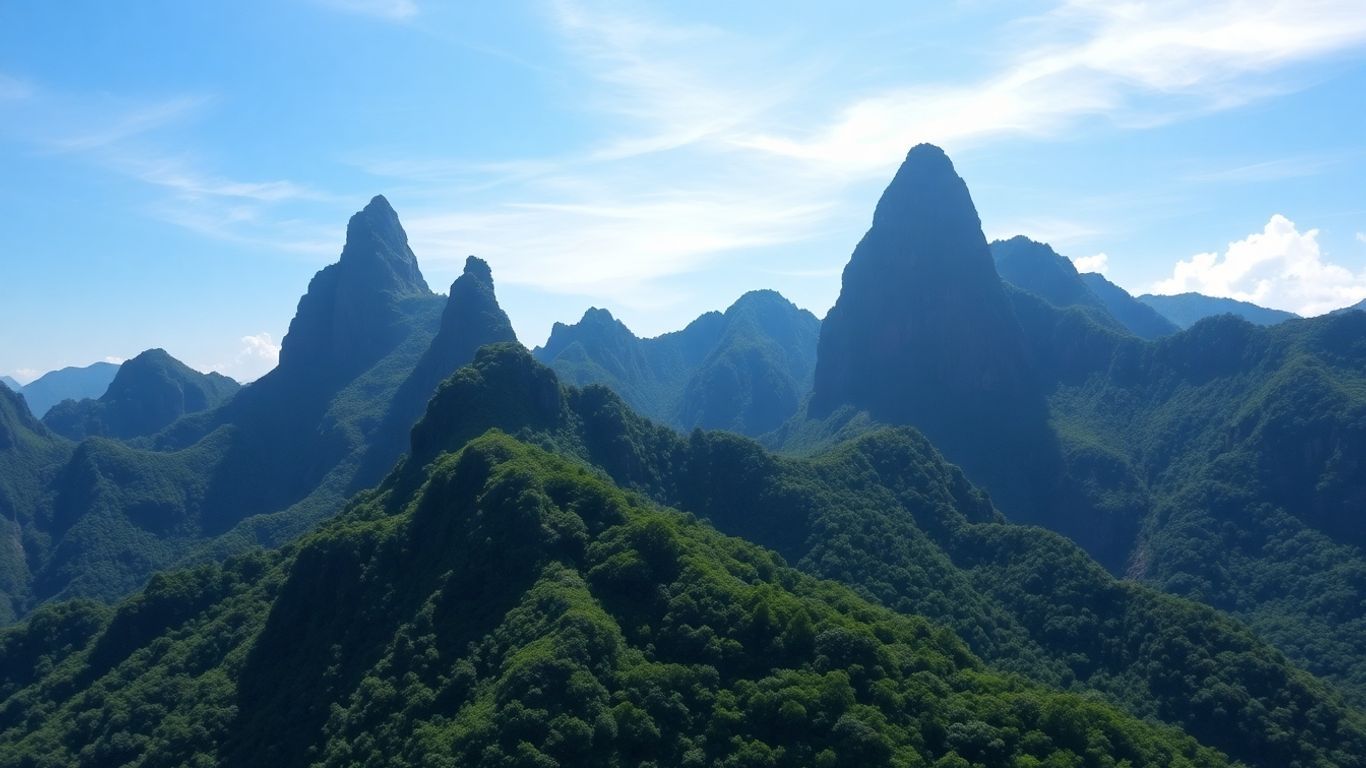
Malaysia is home to some truly awe-inspiring mountain ranges that offer everything from gruelling climbs for the adventurous to cool, misty getaways for those seeking respite. These highlands are not just beautiful; they play a crucial role in shaping the country's geography and climate.
Mount Kinabalu: The Crown Jewel Of Borneo
Towering at an impressive 4,095.2 metres (13,436 ft), Mount Kinabalu in Sabah is the undisputed king of Malaysian mountains. It's more than just the highest peak in the country; it's a UNESCO World Heritage Site, carefully protected within Kinabalu Park. This colossal granite peak is a landmark of Borneo, drawing climbers and nature enthusiasts from every corner of the globe. As you ascend, the mountain's slopes reveal an incredible diversity of plant life, changing dramatically with the altitude.
Highlands Retreats: Cameron And Fraser's Hill
For anyone looking to escape the lowland tropical heat, Malaysia's highlands offer a wonderfully refreshing change of scenery. Cameron Highlands and Fraser's Hill remain popular destinations, originally developed by the British as hill stations. Imagine cool, crisp air, rolling hills blanketed in tea plantations, and a much slower pace of life—these areas are perfect for a weekend getaway, offering ample opportunities for hiking and quiet exploration.
Peninsular Malaysia's Mountainous Interior
Over in Peninsular Malaysia, the Titiwangsa Mountains form a central backbone, effectively dividing the peninsula's east and west coasts. This range is the source for many of the nation's rivers and is draped in dense, ancient forests. While its peaks don't reach the heights of Borneo's giants, they are still significant, with Mount Korbu being a notable summit. The interior remains rugged and largely undeveloped, presenting a stark, wild contrast to the bustling coastal areas.
The geological story of Malaysia's mountains is quite varied. You'll find granite formations are common in the peninsula, while limestone features are prominent in places like Borneo, giving rise to the country's rich and complex cave systems.
Malaysia's Extensive Coastlines
It's no secret that Malaysia is blessed with an abundance of coastline—stretching for approximately 4,675 kilometres in total. This coastline is split between the peninsula and the Borneo states, and each region offers its own distinct character. The western side of Peninsular Malaysia, facing the Strait of Malacca, is a bustling shipping lane. This area is defined by wide, flat plains that are ideal for agriculture and home to the majority of the population, including our capital, Kuala Lumpur. It's really the economic heartbeat of the nation.
The Western Coastal Plains
The western coast of Peninsular Malaysia is quite developed. Picture long stretches of flat land that gently slope to meet the sea. These plains are incredibly important for agriculture, particularly for rice cultivation in states like Kedah. Their accessibility and fertility have naturally made them the most populated parts of the country. With the Strait of Malacca—a key global shipping artery—running alongside, this coast has become a major hub for trade and industry. It’s a dynamic, constantly buzzing region.
Eastern Shores And Islands
Now, if you head over to the eastern coast of Peninsular Malaysia, you'll find a different story. Facing the South China Sea and the Gulf of Thailand, this side is renowned for its stunningly beautiful islands and crystal-clear waters, making it a major magnet for tourists. Islands like Redang and Tioman are famous for their pristine beaches and vibrant coral reefs. The coastline here can be more rugged, with charming little bays and coves. It has a wilder, more untouched feel compared to the west.
Borneo's Diverse Coastlines
Over in East Malaysia, on the island of Borneo, the coastlines are even more varied and dramatic. Sarawak features a long stretch of coastal lowlands in the south, which gradually rises to plateaus as you move northward. Sabah, on the other hand, presents a captivating mix of coastal plains, rolling hills, and then, further inland, the towering mountains. The western coast of both states faces the South China Sea, while the northeast tip of Sabah looks out to the Sulu Sea and the southeast to the Celebes Sea. This results in a huge variety of coastal environments—from idyllic sandy beaches to rugged rocky shores and dense mangrove forests. It's a truly wild and beautiful part of Malaysia.
Navigating Malaysia's Waterways
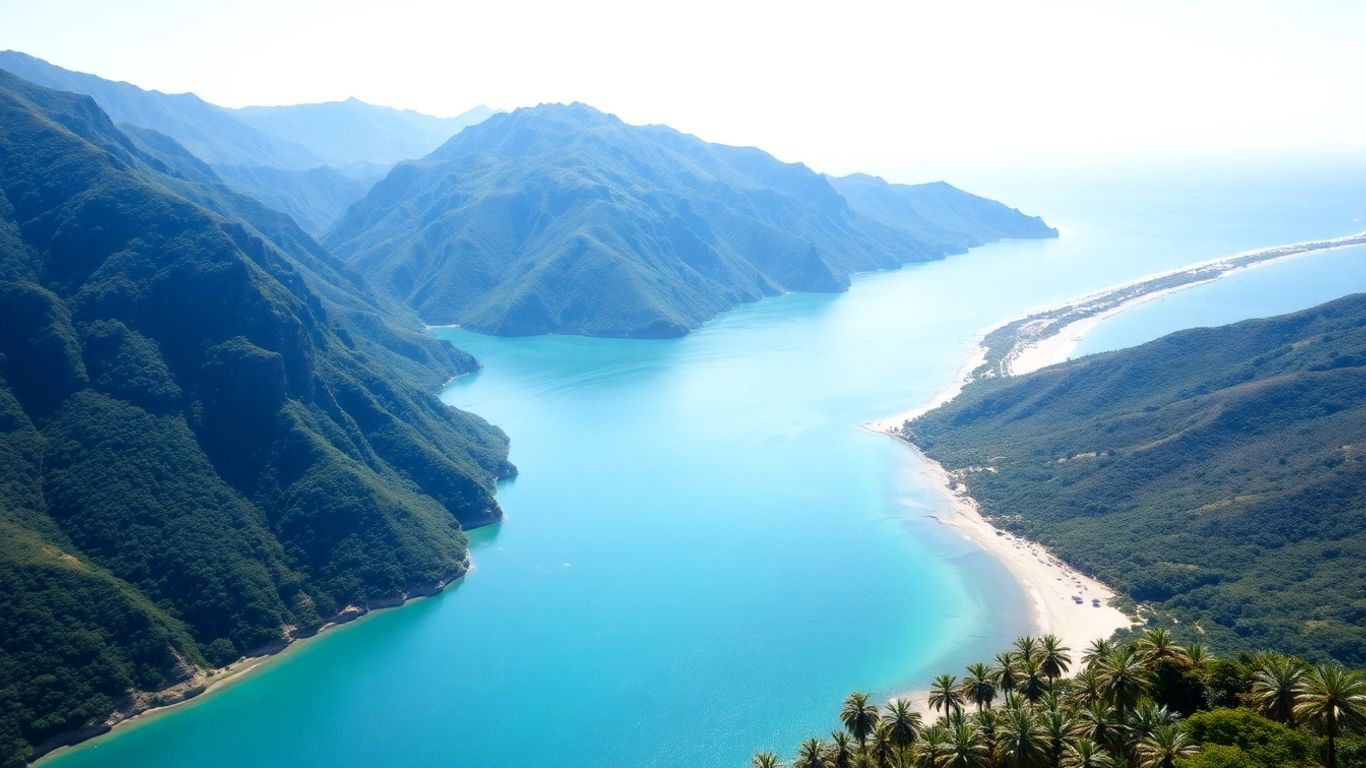
Malaysia is blessed with a rich network of rivers and lakes that have not only shaped its history but continue to be vital for transport, natural resources, and recreation. These waterways offer a completely different perspective on the country's diverse and lush landscapes.
The Mighty Rajang River
In Sarawak, Borneo, the Rajang River stands as Malaysia's longest river. It masterfully snakes its way through dense rainforests, serving as a vital artery for numerous indigenous communities. For centuries, this river has been their primary highway, connecting remote longhouses to larger towns downstream. Travelling on the Rajang, typically by longboat or express boat, offers a unique and authentic glimpse into the lives of the people who call its banks home. The river's journey is about more than just transport; it's a lifeline that supports local economies through fishing and provides essential water for agriculture.
Rivers Of Sabah And Peninsular Malaysia
While the Rajang may dominate in Borneo, other significant rivers flow through Sabah and Peninsular Malaysia. In the peninsula, the Pahang River is the longest, winding through the state of the same name before emptying into the South China Sea. Historically, it was a crucial channel for transporting goods like tin ore from the interior. Sabah boasts its own famous rivers, like the Kinabatangan, which is renowned for its incredible wildlife viewing opportunities. Planning a river cruise along the Kinabatangan? You might be lucky enough to spot proboscis monkeys, pygmy elephants, and a dazzling array of bird species in their natural habitat. These rivers are truly more than just bodies of water; they are thriving ecosystems and corridors of cultural heritage.
Lakes: Natural And Man-Made Wonders
Beyond its rivers, Malaysia also features a number of stunning lakes, both natural and artificial. Tasik Kenyir in Terengganu stands out as one of the largest man-made lakes in Southeast Asia, formed by the Kenyir Dam. It has become a popular spot for houseboating and fishing, with countless islands and hidden coves to explore. Natural lakes, such as the serene freshwater lake in Dayang Bunting Marble Geoforest Park on Langkawi island, offer tranquil beauty and local legends. These lakes provide wonderful recreational opportunities and also contribute to the nation's hydroelectric power generation, playing a multifaceted role in Malaysia's geography and economy.
From the expansive Rajang to its tranquil lakes, Malaysia's waterways are integral to its identity. They have served as pathways for trade, migration, and cultural exchange for generations, and today, they continue to be essential for both daily life and tourism.
Geographical Divisions Of Malaysia
As a country, Malaysia is quite unique in its structure. It's split into two main regions, separated by a significant body of water—the South China Sea. This division creates two distinct geographical experiences: Peninsular Malaysia and East Malaysia.
Peninsular Malaysia: A Land Of Contrasts
This part of Malaysia occupies the southern tip of the Malay Peninsula. It's the more developed and populous region, home to the vibrant capital, Kuala Lumpur, and other major cities like Ipoh and Johor Bahru. Here, you'll find a fascinating mix of landscapes, from the flat, fertile coastal plains along the west to a more rugged, mountainous interior. The west coast boasts most of the country's key harbours, making it a natural hub for trade and population growth. It’s a landscape often defined by vast palm oil plantations, especially in Johor, which also serves as a crucial gateway to Singapore.
- Western Coastal Plains: Densely populated and the centre of major cities and economic activity.
- Mountainous Interior: Covers a significant portion of the land, with elevations often rising above 150 metres.
- Eastern Shores: Generally less developed than the west, offering a different, more rustic kind of coastal charm.
Peninsular Malaysia makes up almost 40% of the country's total land area, but it certainly packs a punch with most of the population and economic power.
East Malaysia: The Borneo Experience
Crossing the sea to the island of Borneo, East Malaysia constitutes the remaining 60% of the country's landmass. This region is much larger in area but generally less populated, with a couple of major cities like Kuching and Kota Kinabalu serving as the main urban centres. The landscape here is incredibly varied. You have coastal areas, rolling hills, and a truly rugged, mountainous interior. Sarawak, the southern state, begins with coastal lowlands that gradually give way to plateaus and then mountains further north, particularly in Sabah. It’s a land where dense, ancient rainforests meet the sea.
- Coastal Regions: Characterised by beautiful beaches and lowlands, especially in southern Sarawak.
- Hills and Valleys: Neatly interspersed between the coast and the towering interior mountains.
- Mountainous Interior: Dominates much of Sabah, offering some of the most dramatic scenery in Southeast Asia.
The South China Sea Divide
The South China Sea isn't just a stretch of water; it's a significant geographical divider that shapes the nation. It separates Peninsular Malaysia from East Malaysia, influencing everything from climate patterns and trade routes to the unique biodiversity found in each region. This separation means that while both parts share a tropical climate, their specific environmental conditions and geological features can differ quite substantially. It’s a constant, beautiful reminder of Malaysia's unique geography as one nation spread across two major landmasses.
| Feature | Peninsular Malaysia | East Malaysia (Borneo) |
|---|---|---|
| Land Area Share | Approx. 40% | Approx. 60% |
| Major Cities | Numerous | Fewer (e.g., Kuching, KK) |
| Dominant Terrain | Plains & Mountains | Mountains & Rainforests |
| Coastline Length | Approx. 2,068 km | Approx. 2,607 km |
Unique Malaysian Landscapes
Malaysia is a place that truly captivates with its natural beauty, and honestly, its appeal goes far beyond the picture-perfect beaches you see on postcards. We have these incredible rainforests—some of the oldest on the planet—that are absolutely teeming with life. Then there are the dramatic limestone formations, like something out of an epic film, that jut out from the earth. It’s a country that feels vibrant and alive, from the jungle floor to its highest peaks.
Pristine Beaches and Diving Havens
When people think of Malaysia, their minds often drift to images of flawless white-sand beaches and turquoise waters—and they are absolutely right. Places like Tioman Island are simply breathtaking. The water is so clear you can often see colourful coral and darting fish without even putting on a snorkel. It's a huge draw for anyone who loves the ocean. You could easily spend your days just lounging on the sand or, for the more adventurous, exploring the rich underwater world. It's pretty amazing how much life is packed into those vibrant reefs.
Lush Tropical Rainforests
Beyond the coast, Malaysia is draped in vast, ancient rainforests. Taman Negara is one of the most famous, and its age is truly mind-boggling. Walking through it feels like stepping back into a prehistoric time. Your senses are filled with all sorts of sounds—exotic birds, a chorus of insects, and maybe the rustle of something larger in the undergrowth. It’s a whole different world in there, humid and intensely green, and always full of surprises. It serves as a powerful reminder of how wild and precious parts of our world still are.
Limestone Karsts and Caves
And then you have these incredibly striking limestone hills and caves. Gunung Mulu National Park is a prime example, home to the world-famous Pinnacles and some of the largest cave chambers on Earth. It's a landscape that looks almost otherworldly. Exploring these caves is quite an adventure; some are so immense they feel like underground cathedrals. This geological wonder offers a different kind of natural beauty compared to the beaches or the dense jungle, beautifully showcasing the deep history of the land.
Wrapping It Up
So, there you have it—a journey through Malaysia's mountains, rivers, and coastlines. It's pretty incredible how much variety is packed into this country, from the soaring peaks and winding rivers to all that beautiful shoreline. This diversity is what makes Malaysia's geography so special. Whether you're an avid hiker, a river explorer, or someone who just loves to relax by the sea, there really is something for everyone. It's a nation brimming with natural beauty, and it's definitely worth exploring whenever you get the chance.
Frequently Asked Questions
What are the main types of physical features found in Malaysia?
Oh, Malaysia is blessed with a fantastic mix of natural landscapes! You'll find towering mountains, especially on the island of Borneo—Mount Kinabalu is our most famous. We also have extensive coastlines along both the South China Sea and the Strait of Malacca, which means plenty of beautiful beaches. On top of that, Malaysia has major rivers like the Rajang, and a good number of scenic lakes, both natural and man-made.
Are there mountains in both parts of Malaysia?
Yes, absolutely! Peninsular Malaysia has its own central mountain range, the Titiwangsa Mountains. Meanwhile, East Malaysia, on the island of Borneo, is home to the country's highest and most famous peak, Mount Kinabalu. We also have popular cool-climate highland areas like Cameron Highlands, which are perfect for a getaway.
What is Malaysia's coastline like?
Malaysia has a very long and varied coastline! The west coast of the peninsula features fertile plains leading down to the sea, while the east coast is famous for its stunning islands and clearer waters. Over in Borneo, the coastline is even more diverse, with different types of beaches, mangrove swamps, and marine environments. It’s a wonderful destination for island hopping and water-based activities.
Tell me about the rivers in Malaysia.
Rivers are a huge part of Malaysia's geography and history. The Rajang River in Sarawak is the longest and serves as a vital waterway for local communities. Other major rivers can be found in Sabah and on the peninsula, such as the Pahang River. These rivers are not just important for transport; they also support our rich, biodiverse rainforests.
What makes Malaysia's landscapes unique?
Malaysia has some truly special landscapes. Imagine pristine, white-sand beaches perfect for diving, surrounded by ancient, sprawling rainforests filled with unique flora and fauna. We also have distinctive limestone karsts—these are hills that have been eroded over millions of years to form dramatic caves and incredible rock formations that you have to see to believe.
How are Malaysia's land and sea divided?
Malaysia is geographically divided into two main parts: Peninsular Malaysia, which is connected to mainland Asia via Thailand, and East Malaysia, which occupies the northern part of the island of Borneo. These two regions are separated by the South China Sea, which gives each part its own distinct character and feel.


