


resources-malaysia
Unraveling the Mystery of Malaysian Airline System Flight 653: A Historical Look
16 Nov 2025

This article revisits a sombre chapter in Malaysian aviation history: the story of Malaysia Airlines System Flight 653, a flight that tragically vanished on 4 December 1977. It was a dark day, and the details surrounding its disappearance remain shrouded in mystery even today. We'll delve into what happened, the questions that still linger, and how this event fits into the broader tapestry of air travel enigmas.
Key Takeaways
- On 4 December 1977, Malaysia Airlines System Flight 653 disappeared under mysterious and tragic circumstances.
- The precise cause of the crash and the sequence of events that led to it have never been fully determined.
- While the cockpit transcript provides some clues, it also adds layers of confusion to the investigation.
- This incident is often remembered alongside other unsolved aviation mysteries, including the more recent MH370 tragedy.
- The legacy of Flight 653 serves as a sobering reminder of the persistent challenges in aviation safety and the quest for answers.
The Unfolding Mystery of Malaysia Airlines System Flight 653
The Hijacking of Flight 653
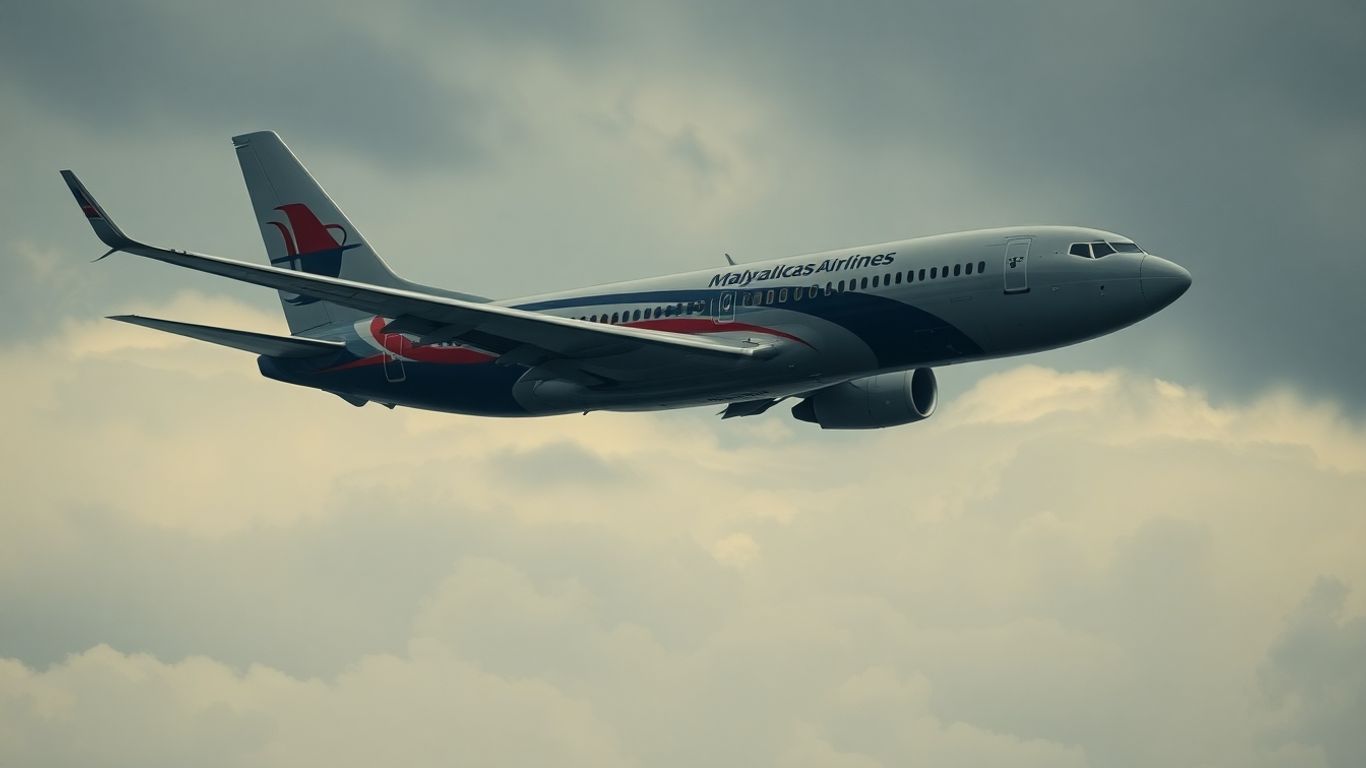
On 4 December 1977, Malaysia Airlines System Flight 653 departed from Penang International Airport, its destination Kuala Lumpur. It began as a routine flight, carrying 93 passengers and 7 crew members. Shortly after takeoff, however, the journey took a devastating turn when the Boeing 737 was hijacked. The identities of the hijackers and their motives have never been definitively proven, casting a long shadow of confusion over the event. The aircraft eventually vanished from radar screens and was later discovered to have crashed in a swampy area near Tanjung Kupang, Johor. Tragically, all 100 souls on board were lost.
Unanswered Questions Surrounding the 1977 Incident
Decades later, the crash of Flight 653 remains one of Malaysia's most profound aviation enigmas. The official investigation concluded that the hijacking directly led to the crash, but the specifics of what transpired in those final moments are murky at best. Who were the hijackers? Were they driven by political motives, a personal grievance, or something else entirely? The absence of clear answers has, quite naturally, fuelled endless speculation over the years.
- The cockpit voice recorder and flight data recorder—the "black boxes"—yielded some information, but the transcript was fragmented and ultimately difficult to interpret with any certainty.
- Eyewitness accounts from the ground were few and far between, and often conflicted with one another.
- A clear motive for the hijacking was never established, leaving a critical void in understanding the chain of events.
The sheer finality of the crash, with no survivors, meant that any direct accounts of what truly happened in those final, terrifying moments were lost forever. This has left investigators and historians to piece together a puzzle with far too many missing parts.
There were reports suggesting a struggle in the cockpit and unusual flight patterns just before the aircraft's final, tragic descent. The fragmented cockpit transcript, which captured garbled voices and the unmistakable sounds of distress, only deepened the mystery—a stark reminder of how quickly an ordinary day can turn into a national tragedy, leaving behind more questions than answers.
Investigating the Malaysia Airlines System Flight 653 Incident
The Cryptic Cockpit Transcript
The final moments of Flight 653 are shrouded in an unsettling silence, punctuated only by the haunting, fragmented audio captured in the cockpit. Investigators painstakingly pored over the transcript, desperately trying to assemble a coherent picture of what unfolded in those critical minutes. It makes for a chilling read, revealing a sudden, violent turn of events that culminated in the tragic crash. The recording hints at a loss of communication and control, but the exact sequence of actions and the reasons behind them remain agonizingly unclear.
The transcript offers a harrowing glimpse into the chaos, but it stops short of providing all the answers. It feels a bit like reading the last page of a book without ever getting to see the middle chapters.
Theories and Speculation on the Cause
In the years since the crash, numerous theories have surfaced, each attempting to explain the inexplicable. While official investigations leaned heavily towards a hijacking, the lack of any clear motive or demands from perpetrators has left the door wide open for speculation.
Here are a few of the prevailing ideas that have circulated:
- Hijacking: This remains the most widely accepted theory, suggesting that unknown individuals seized control of the aircraft. But who they were and what they hoped to achieve is a complete mystery.
- Pilot Suicide: Some have raised the possibility that the pilot intentionally crashed the plane, although it must be said there is no concrete evidence to support this grim theory.
- Mechanical Failure: While less discussed, the possibility of a catastrophic mechanical issue causing a complete loss of control can't be entirely dismissed, though it doesn't fully account for the communication breakdown.
It's a classic case where the available evidence simply leaves too many gaps, allowing for a wide spectrum of interpretations. This absence of a definitive conclusion is precisely what makes the story of Flight 653 so enduringly perplexing.
Historical Context of Aviation Incidents
The story of human flight is, unfortunately, also a story of accidents and mysteries. From the very earliest days of aviation, pushing the boundaries of what was thought possible in the air always came with inherent risks. It wasn't long after the Wright brothers' first successful flight that pioneers began flying planes further, faster, and higher—and sometimes, things went tragically wrong.
Notable Airline Disappearances and Crashes
Looking back through the archives, there have been quite a few incidents that shook the aviation world. It's not just about the major, well-known crashes; there are also those aircraft that simply vanished, leaving behind more questions than answers. Think about the early days of air travel—it was a far less regulated world than it is today. Pilots were true pioneers, often testing the limits of their machines with less sophisticated equipment and fewer safety nets.
- The early 20th century saw rapid advancements, but also tragic firsts. For instance, the first fatal crash involving a U.S. Naval aviator occurred in 1913. Just a year later, the first American-built fighter plane was shipped to Europe for World War I, highlighting how quickly aviation was being adapted for serious, and far more dangerous, purposes.
- The post-war era ushered in commercial aviation, but not without its own set of challenges. The first scheduled passenger airline began operations in 1914, but through the 1920s and 30s, accidents were still a sobering reality as the industry expanded and technology evolved.
- Even as aeroplanes became more reliable, the sheer volume of flights meant more opportunities for things to go awry. The period leading up to the 1970s, when Flight 653 disappeared, had seen huge leaps in aviation safety, yet incidents—sometimes under baffling circumstances—still occurred.
The Evolution of Aviation Security Measures
It’s become clear that every major aviation incident, especially the mysterious ones, tends to be a catalyst for change. Safety isn't a static goal; it's a process of constant improvement, built upon the hard lessons learned from past events. After a crash or disappearance, investigators dig deep to understand what happened, and from their findings, crucial recommendations are made.
- The initial focus was squarely on the aircraft itself. Early efforts were all about making planes structurally stronger, improving engine reliability, and developing better navigation tools. Innovations like the gyroscopic compass and stabilizer, developed in the early 1910s, were monumental steps forward.
- Then came a greater emphasis on the human element and operational procedures. As aviation matured, more attention was given to pilot training, air traffic control systems, and standardised flight protocols. The development of radio communication between planes and the ground, which began in the 1910s, was a true game-changer for coordination and safety.
- The rise of terrorism and hijacking in the latter half of the 20th century introduced a whole new layer of security. This led to measures we're familiar with today, like reinforced cockpit doors, passenger screening, and international cooperation on aviation security. These protocols, while sometimes inconvenient, are a direct response to threats that emerged over the decades.
The history of aviation is marked by a constant push-and-pull between innovation and safety. Each setback, each tragic loss, has served as a harsh but necessary teacher, driving the development of stricter protocols and more advanced technology. The goal has always been to make flying safer, even as our skies become more crowded and complex.
It's this backdrop of progress, risk, and the relentless quest for answers that frames the mystery of Flight 653. It wasn't an isolated event in a vacuum; it was part of the larger, ongoing story of humanity's relationship with flight.
The Lingering Impact of Malaysia Airlines System Flight 653
Even after so many years, the crash of Malaysia Airlines System Flight 653 continues to cast a long shadow. It's one of those events that remains etched in the nation's memory, a stark reminder of how quickly a routine flight can turn into a catastrophe. The lack of definitive answers about what happened that day in 1977 leaves a painful void—a space where speculation and unanswered questions continue to swirl.
Lessons Learned from the Tragedy
The incident served as a crucial wake-up call, pushing for significant changes in how aviation incidents are investigated and how security is managed. It starkly highlighted the need for clearer communication protocols and more robust methods for understanding the final, critical moments of a flight.
- Improved Cockpit Voice Recorders (CVRs) and Flight Data Recorders (FDRs): The difficulties in recovering clear data from Flight 653 almost certainly spurred advancements in the durability and data-recording capacity of these essential "black boxes."
- Enhanced Air Traffic Control (ATC) Procedures: The confusion and communication breakdown leading up to the crash likely prompted a thorough review and strengthening of ATC protocols, particularly for handling unexpected flight deviations and potential hijackings.
- Heightened Security Awareness: While perhaps not as dramatic as the changes seen post-9/11, the event contributed to a growing awareness that commercial aviation was vulnerable to criminal acts, influencing security measures at airports and on board aircraft.
The enduring mystery of Flight 653 underscores just how important thorough investigations and transparent reporting are in aviation. When answers remain elusive, the impact on public trust and, most importantly, on the families of those lost, can be profound and everlasting.
The Enduring Enigma of Flight 653
What makes the story of Flight 653 so persistent in our collective memory is the sheer, unresolved mystery of it all. Unlike many air disasters where the cause is eventually identified, Flight 653 remains shrouded in uncertainty. Was it a hijacking gone horribly wrong? A pilot's desperate act? Or something else entirely? The fragmented evidence and conflicting reports leave us with a puzzle that has too many missing pieces.
- The Hijacker's Identity: The identity and motives of the person or people who reportedly seized control of the aircraft have never been confirmed.
- Final Moments: The exact sequence of events inside the cockpit during those final, chaotic minutes remains a subject of intense debate, fuelled by the limited information available.
- Wreckage Analysis: While the wreckage was located, the recovery efforts and subsequent analysis were likely hampered by the challenging swamp terrain, further complicating the investigation.
This lingering enigma means that Flight 653 isn't just a historical footnote; it's a sobering case study in the complexities of aviation accidents and the deep human need for closure when faced with the unknown.
Comparing Flight 653 to Other Aviation Mysteries
Malaysia Airlines Flight 370: A Modern Parallel
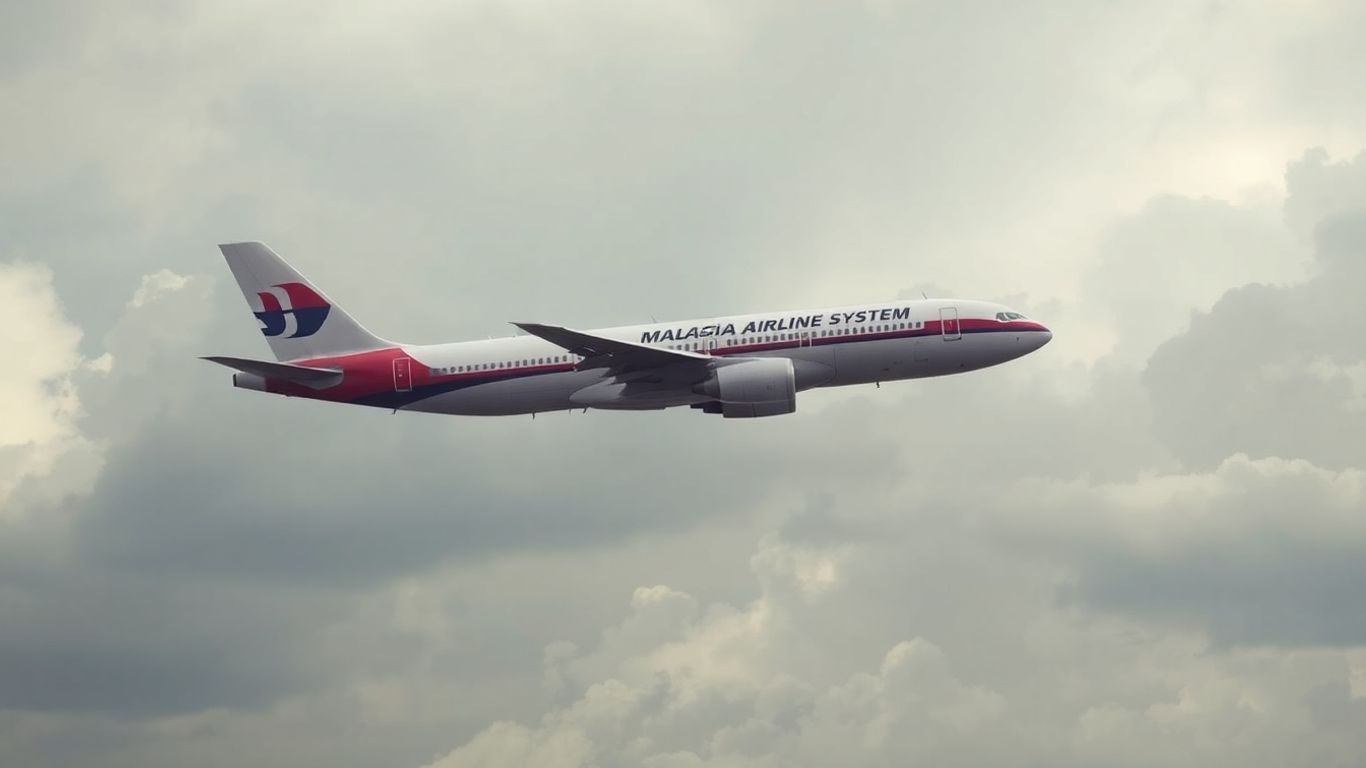
For many Malaysians, it's impossible to talk about unsolved aviation mysteries without the more recent tragedy of MH370 coming to mind. That flight vanished in 2014, and even with all our modern technology, we still don't truly know what happened. The aircraft disappeared from radar screens somewhere over the South China Sea, and despite one of the largest search efforts in history, only scattered pieces of debris have ever been found. The lack of clear answers is simply chilling.
When you place the stories of MH370 and Flight 653 side by side, some eerie similarities emerge. Both involved a Malaysia Airlines plane, and both ended with the aircraft and everyone on board lost—at least initially, without a trace. The key difference, of course, is that with Flight 653, we had a cockpit recording that strongly suggested a hijacking. With MH370, the silence was absolute, leaving us with an even deeper and more profound mystery.
Other Unsolved Cases in Aviation History
Flight 653 and MH370 are not the only times a plane has simply… disappeared or met a baffling end. Aviation history, unfortunately, is dotted with these kinds of inexplicable events. We often think of Amelia Earhart, who vanished over the Pacific in 1937. Or the legends of the Bermuda Triangle, a region infamous for missing ships and planes, though many of those tales now have more logical explanations.
Here are a few other cases that stand out:
- The disappearance of Flight 19: In 1945, five US Navy torpedo bombers vanished over the Atlantic off the coast of Florida. A search plane sent to find them also disappeared without a trace.
- The crash of Pan Am Flight 103 (Lockerbie bombing): While the cause was eventually determined to be a terrorist bomb, the event itself was a sudden, tragic loss that sent shockwaves around the world.
- The disappearance of the Star Dust airliner: This British South American Airways plane vanished in the Andes mountains in 1947. It took over 50 years to find the wreckage, and even then, the exact sequence of events remained unclear.
These incidents, whether they involve hijackings, mechanical failures, or simply vanishing into thin air, are a stark reminder of how vulnerable we can be when we take to the skies. The human desire to find answers is powerful, but sometimes, the sky simply doesn't give up its secrets.
It's fascinating, and more than a little unsettling, how some events like Flight 653 leave behind just enough clues to fuel speculation for decades, while others, like MH370, leave almost nothing at all. Each case is its own unique puzzle, and the missing pieces are what make them endure so powerfully in our collective memory.
An Unanswered Question
So, after all this time, the complete truth of what happened to Malaysia Airlines Flight 653 remains just out of reach. The official narrative points to a hijacking, but the details are frustratingly vague, and the cockpit recordings only deepen the confusion. It's one of those historical events that truly stays with you—a sombre reminder of how fragile life can be and how, despite our best efforts, some questions may never receive a clear answer. It makes you think of the people on board and their families, who were denied the closure they so deeply deserved. It is, without a doubt, a sad chapter in our nation's history.
Frequently Asked Questions
What happened to Malaysia Airlines Flight 653?
Malaysia Airlines Flight 653 was a domestic flight from Penang to Kuala Lumpur that tragically disappeared on 4 December 1977. It is widely believed to have been hijacked shortly after takeoff. The aircraft ultimately crashed in a swamp near Tanjung Kupang, Johor, resulting in the loss of all 100 people on board. The exact cause and the events leading up to the crash remain a mystery.
Was the plane hijacked?
Yes, it is widely believed that Flight 653 was hijacked before it crashed. This is supported by reports of unusual radio transmissions and evidence from the cockpit voice recorder that suggested a struggle was taking place. However, no group has ever claimed responsibility for the act, leaving this crucial aspect of the event unresolved.
What were the main theories about the crash?
Over the years, several theories have been proposed. The leading theory is that it was a hijacking by criminals or political extremists that went horribly wrong. Other possibilities that have been considered include catastrophic mechanical failure or even sabotage. The lack of conclusive evidence has allowed many different ideas to persist, but none have ever been definitively proven.
What is the 'cryptic cockpit transcript'?
The 'cryptic cockpit transcript' refers to the audio captured by the cockpit voice recorder. It's considered 'cryptic' because it contains confusing and alarming exchanges that indicate a struggle or takeover was in progress. Instead of providing a clear, step-by-step account, the recording is fragmented and only adds to the mystery surrounding the flight's final moments.
Why is Flight 653 still considered a mystery?
Despite official investigations, the exact reasons for the hijacking and the subsequent crash were never fully uncovered. The lack of a clear motive, the unknown identity of the hijackers, and the confusing final moments recorded in the cockpit all contribute to its status as one of aviation's great unsolved mysteries. It's a tragic event defined by its unanswered questions.
How does Flight 653 compare to other aviation mysteries like MH370?
Both Flight 653 and MH370 are tragic Malaysia Airlines incidents that are shrouded in mystery. While Flight 653 involved a suspected hijacking and a known crash site, MH370 vanished completely for a long time, with its final location still unconfirmed. Both cases painfully highlight the devastating impact of unexplained aviation events and the immense challenges in finding definitive answers.


