
resources
Exploring the Frontiers of Urban Studies: A Comprehensive Journal Overview
03 Dec 2025

The landscape of urban studies journals is, without question, a vibrant and rapidly evolving domain. One might ask if the myriad discussions surrounding cities truly align, or if disparate perspectives are at play. This article aims to provide a comprehensive exploration into the current trends in urban research—examining what's being published, identifying key contributors, and discerning the field's future trajectory. We’ll delve into the broader context, pinpoint the influential voices, and highlight the most pertinent topics currently under discussion. Furthermore, we’ll consider the methodologies employed in analyzing these journals and propose avenues for enhancement as we move forward. Ultimately, it’s about grasping the multifaceted conversation that continuously shapes our understanding of urban environments.
Key Takeaways
- Research dedicated to urban public spaces has experienced substantial growth, marked by a recent surge in publications that underscores a heightened academic interest in the intricate workings of cities.
- China leads globally in the volume of research published on urban public spaces, with significant contributions also emanating from the UK and US. However, there's a recognized imperative for greater scholarly input from other regions, particularly the Global South.
- While a diverse array of journals addresses urban studies, 'Sustainability' stands out for publishing a high volume of articles in this domain, and a particular paper focusing on green spaces and public health has garnered considerable influence.
- The field must cultivate greater inclusivity, actively incorporating diverse voices and research findings from various geographical and cultural contexts to foster a more complete understanding of urban challenges and potential solutions.
- Looking ahead, future research should integrate new technological advancements, such as smart city concepts, and place increased emphasis on the social and cultural dimensions of public spaces to ensure they genuinely serve the needs of all residents.
Mapping The Global Landscape Of Urban Studies Journal

Understanding The Scope Of Urban Public Space Research
The study of urban public spaces has unequivocally garnered increased attention over recent decades. From 1975 to 2024, the volume of research papers dedicated to this topic has steadily ascended, culminating in a notable surge in recent years, with publications peaking in 2023. This discernible growth signals a burgeoning interest among researchers in how shared urban areas shape our cities. Indeed, the scope has expanded far beyond the conventional understanding of parks and plazas; contemporary research now encompasses a broader spectrum of themes, including the impact of public spaces on health, social justice, and even the acoustical environments of urban settings. This evolution reflects a profound shift in how we conceptualize urban environments, extending beyond mere planning and design to integrate considerations such as digital accessibility, community engagement, and strategies for climate change adaptation.
The increasing volume of research highlights a growing awareness of how vital public spaces are for creating cities that are not only functional but also equitable and resilient. This trend aligns with global goals for sustainable urban development.
Key Journals And Publications Driving Discourse
When examining the avenues through which this critical research is disseminated, several journals invariably rise to prominence. The journal 'Sustainability,' for instance, has emerged as a significant platform, publishing a substantial number of articles and attracting a considerable volume of citations. This positioning suggests it has become a preferred destination for academics engaged in urban issues. Beyond specific journals, certain publications have demonstrably shaped the prevailing discourse. Consider, for example, a seminal study on urban green spaces, public health, and environmental justice, which has been cited extensively—a testament to its enduring influence on how researchers and policymakers approach these interconnected topics. Such influential papers and journals effectively function as intellectual hubs, facilitating the aggregation and proliferation of novel ideas within urban studies.
The Evolution Of Research Themes Over Time
The thematic focus of urban research has certainly undergone a profound transformation. Historically, early investigations often centered on the physical layout and morphological aspects of cities. Yet, the current conversation has broadened considerably, encompassing a more diverse range of contemporary concerns. We're now witnessing a significant uptick in research exploring:
- Public Health: How do urban spaces genuinely impact the well-being of city residents?
- Social Justice: Are public spaces truly accessible and equitable for all segments of the population?
- Acoustic Comfort: What constitutes a desirable sound environment in urban areas, and how does it affect human experience?
- Smart Urbanism: What role do technology and data play in designing and managing public spaces effectively?
- Climate Resilience: How can urban design strategies contribute to cities' adaptive capacity in the face of environmental changes?
This thematic evolution clearly demonstrates urban studies' trajectory toward becoming an increasingly interdisciplinary field, drawing insights from public health, sociology, environmental science, and technology to forge a more comprehensive understanding of urban life.
Identifying Leading Contributors In Urban Studies
Prominent Authors and Their Impact
In analyzing who is truly shaping the dialogue within urban studies, certain names consistently feature prominently. These are the researchers whose contributions are frequently cited, signifying their utility and relevance to other scholars in the field. Take, for instance, Kang Jian from University College London, with 16 publications attracting 222 citations—a robust body of work with clear academic resonance. Similarly, Dick Botteldooren of Ghent University in Belgium has authored six publications garnering an impressive 232 citations. This illustrates that quality and impact aren't solely determined by sheer volume; a smaller, highly influential body of work can make a substantial imprint.
Indeed, the influence of a publication isn't always tied to the number of papers an author produces. Sometimes, fewer publications, but with a high citation rate per paper, can command greater attention. This pattern suggests that such research is particularly groundbreaking, often sparking further investigation from peers. Notably, the most widely cited work overall in urban public space development is "The challenge of making cities ‘just green enough’" by Wolch, Byrne, and Newell (2014), which has amassed over 2,600 citations. This singular paper powerfully underscores the critical importance of topics like urban green space, public health, and equity to researchers globally.
Here's a snapshot of some leading contributors, measured by publication count and citations:
- Kang Jian (University College London, UK): 16 publications, 222 citations.
- Botteldooren, Dick (Ghent University, Belgium): 6 publications, 232 citations.
- De Coensel, Bert (Ghent University, Belgium): Characterized by a high citation-per-publication ratio.
- Van Renterghem, Timothy (Ghent University, Belgium): Demonstrates high citation metrics.
- Sun Kang (Ghent University, Belgium): Also exhibits strong citation metrics.
Influential Institutions in Urban Research
Beyond the contributions of individual scholars, specific universities and research centers are evolving into significant hubs for urban studies. Ghent University in Belgium, for example, stands out as a leading institution due to the substantial volume of research it produces in the area of urban public space development. This concentration of scholarly activity points to a strong institutional focus and dedicated resources. It's truly fascinating to observe how various institutions contribute to the field, sometimes through a broad spectrum of topics, and at other times by honing in on highly specialized areas, such as campus spaces or green infrastructure.
Geographical Distribution of Research Output
While urban studies is inherently a global discipline, the distribution of its research output remains notably uneven. A considerable portion of highly cited work originates from Europe and North America. However, cities across the Global South frequently contend with more pressing issues related to informality, exclusion, and contested spaces. Researchers in regions like South Africa, Brazil, and India are conducting vital work that provides distinct and invaluable perspectives. For instance, studies from South Africa often explore the enduring impact of historical legacies on public space access, while Brazilian research delves into the increasing fortification of cities driven by crime. Indian scholars, on the other hand, examine the informal utilization of streets as public spaces. Integrating these diverse viewpoints is absolutely crucial for formulating urban policy recommendations that are genuinely effective across varied contexts and for truly globalizing the discourse on urban development. This is precisely why engaging with journals such as Urban Issues, which specifically address metropolitan and community challenges, is so important for achieving a balanced perspective.
The concentration of research in certain regions can indeed lead to a narrow view of urban challenges. It's vital to recognize that urban realities differ greatly across the globe, and research from the Global South offers critical insights into issues like inequality, informal economies, and cultural practices that shape public spaces in unique ways. Acknowledging and amplifying these voices is necessary for developing more relevant and effective urban policies worldwide.
Trends And Trajectories In Urban Research
The field of urban studies is by no means static; rather, it’s a dynamic discipline, continuously shifting and expanding. An examination of scholarly output over the years reveals a clear upward trajectory in academic interest. This isn't merely a minor fluctuation, but a sustained and significant increase, indicating that a growing number of academics are dedicating their efforts to understanding cities and the complex challenges they present. This expanding body of work powerfully underscores the increasing global recognition of cities as central to both societal development and its inherent challenges.
The Accelerating Growth Of Scholarly Interest
When one scrutinizes the number of publications and citations over time, a distinct pattern unmistakably emerges. Beginning with just a handful of papers several decades ago, the sheer volume of research has steadily climbed. This trend truly began to gather momentum around the turn of the millennium and has continued to accelerate ever since. It's almost as if the world collectively realized the profound importance of in-depth urban inquiry.
- 1975-2000: Characterized by a gradual, yet steady, growth in publications.
- 2000-2015: Witnessed a noticeable acceleration in research output.
- 2015-Present: Marked by a significant surge, with recent years experiencing peaks, signaling a strong current focus.
This continuous expansion suggests that urban issues are becoming increasingly pressing, with researchers responding by intensifying their attention. It’s certainly a positive indicator for anyone invested in comprehending and improving urban environments. The sheer volume of new studies means there’s always something fresh and insightful to explore, from urban sprawl to the critical role of green spaces.
Thematic Shifts And Emerging Focus Areas
It’s not just the quantity of research that’s changing; the very topics under investigation are evolving. Earlier studies often concentrated on the foundational aspects of urban planning and design. However, the contemporary conversation has broadened considerably, with a definitive pivot towards more nuanced and pressing concerns.
The focus has demonstrably moved beyond merely how cities appear, to how they genuinely function for people, encompassing social well-being, environmental impact, and equitable access for all.
New themes are consistently emerging, reflecting the dynamic realities of urban life. Areas such as public health, social justice, and even acoustic comfort are steadily gaining traction. This signifies a more holistic and integrated approach to urban studies, recognizing that cities are intricate systems with deeply interconnected challenges.
Citation Impact And Research Influence
Beyond simply enumerating papers, analyzing how frequently research is cited offers a crucial measure of its broader impact. While some foundational works rightly retain their significant influence, newer research is also making its indelible mark. Certain journals and institutions consistently publish work that garners attention and serves as a building block for subsequent studies. This concentration of influence, while sometimes prompting questions about broader representation, simultaneously highlights areas of intense academic activity and significant impact within the field. Comprehending these citation patterns is invaluable for identifying the pivotal conversations that are currently shaping urban studies.
Addressing Gaps And Future Directions
Upon reviewing the current research landscape, it's evident that while substantial progress has been made, several areas warrant intensified attention. A primary concern revolves around ensuring a broader inclusion of diverse voices. Much of the scholarly output originates from a limited number of regions, predominantly Europe and North America. Although this research is undeniably valuable, cities in other parts of the world grapple with distinct challenges—ranging from the complexities of informal settlements to ensuring equitable access to public amenities. It's imperative that we integrate these varied experiences into the overarching academic discourse.
The Need For Broader Inclusivity In Research
It's quite common to find research papers concentrated on a handful of countries, which invariably means we're likely missing out on innovative ideas and practical solutions being developed elsewhere. Consider, for instance, urban centers in South America or Africa; they're confronting unique urban challenges that don't always receive the global spotlight. We must proactively seek out and incorporate research from these often-overlooked regions to cultivate a truly comprehensive understanding.
- Encourage more studies from the Global South: This necessitates dedicated support for local researchers and institutions.
- Translate and share findings: Making research accessible across diverse linguistic and geographical boundaries is crucial.
- Review existing theories: Are our current theoretical frameworks for cities universally applicable, or do they require recalibration based on new global experiences?
The concentration of research in certain areas can lead to a narrow view of urban issues, potentially overlooking innovative approaches developed in diverse contexts. This can impact how policies are made, making them less effective for a wider range of cities.
Bridging Geographical Divides In Urban Studies
When examining the geographical origins of urban studies research, a noticeable imbalance becomes apparent. Many highly cited papers hail from a relatively small number of countries. This isn't necessarily indicative of a lack of quality research elsewhere, but it might stem from disparities in funding, access to prominent academic platforms, or established research networks. It's clear that we need to actively seek mechanisms to level this playing field, fostering a more equitable distribution of research influence.
Integrating Diverse Perspectives For Policy Relevance
To ensure urban planning and policy are genuinely effective and equitable for everyone, it is essential to consider a broad spectrum of viewpoints. This means moving beyond merely academic papers to actively engage with the lived experiences and insights of local communities. By thoughtfully combining different forms of knowledge—academic rigor, local wisdom, and practical application—we can forge more effective and fairer solutions for cities worldwide.
Methodologies For Analyzing Urban Studies Journals
So, how precisely do we go about deciphering the extensive body of work within urban studies journals? It's far more nuanced than simply reading countless articles; rather, it involves employing sophisticated methods to dissect and interpret the information. Imagine yourself as a meticulous detective, but instead of physical clues, your focus is on empirical data and scholarly publications.
The Role Of Bibliometric Analysis
This is where the analytical process truly becomes compelling. Bibliometric analysis, at its core, involves applying mathematical and statistical methods to academic papers. We’re talking about quantifying aspects like the annual publication count, mapping citation networks, and identifying recurrent thematic patterns. This approach is instrumental in revealing the broader landscape of urban planning research—for instance, charting the emergence and decline of specific topics over time. It stands as a powerful tool for comprehensively understanding the growth, intellectual structure, and future direction of a scholarly field. By analyzing publication trends, we can discern when certain topics gained widespread academic interest, and which journals are consistently publishing the most impactful work.
Ensuring Validity And Reliability In Research
When undertaking such rigorous analysis, it's paramount to ensure the robustness of our findings. This necessitates meticulous attention to the provenance of our data. Most studies typically leverage extensive databases like Scopus or Web of Science. While these platforms are invaluable, they don't encompass every single publication. Consequently, researchers often commit to a single database to maintain methodological consistency. Furthermore, considerable effort is invested in data cleansing—rectifying author names, standardizing keywords, and similar meticulous tasks. One might compare it to thoroughly preparing all your ingredients before beginning a complex culinary endeavor; it's essential for a reliable outcome.
Employing multiple analytical approaches to scrutinize the data—such as cross-referencing citation counts with published document types—significantly bolsters the trustworthiness of the results. It's fundamentally about diversifying one's investigative tools and not putting all one's eggs in a single basket.
Leveraging Databases For Comprehensive Insights
To gain a truly comprehensive grasp of urban studies, we must analyze various data points. Here's a breakdown of the key elements we commonly examine:
- Publication Volume: How many articles are released each year? This metric is a strong indicator of burgeoning interest in a particular topic.
- Citation Counts: How frequently are papers referenced by other researchers? High citation counts often denote a highly influential paper or journal.
- Document Types: Do most publications comprise journal articles, conference papers, or perhaps book chapters? This illuminates the prevalent modes of research dissemination.
- Subject Areas: Which academic disciplines are actively contributing to urban studies? Is the field predominantly shaped by social sciences, or are engineering and environmental studies equally involved?
Consider, for example, how document types might typically be distributed within a given study:
| Document Type | Percentage |
|---|---|
| Journal Articles | 65.12% |
| Conference Papers | 17.15% |
| Book Chapters | 12.06% |
| Reviews | 3.34% |
| Books | 0.58% |
By diligently examining these distinct pieces of information, we can construct a much clearer and more nuanced picture of the prevailing research landscape. This meticulous analysis helps us understand not only the impact of urban planning by local governments but also how such efforts are contextualized and debated within academic circles.
The Significance Of Urban Public Space Development
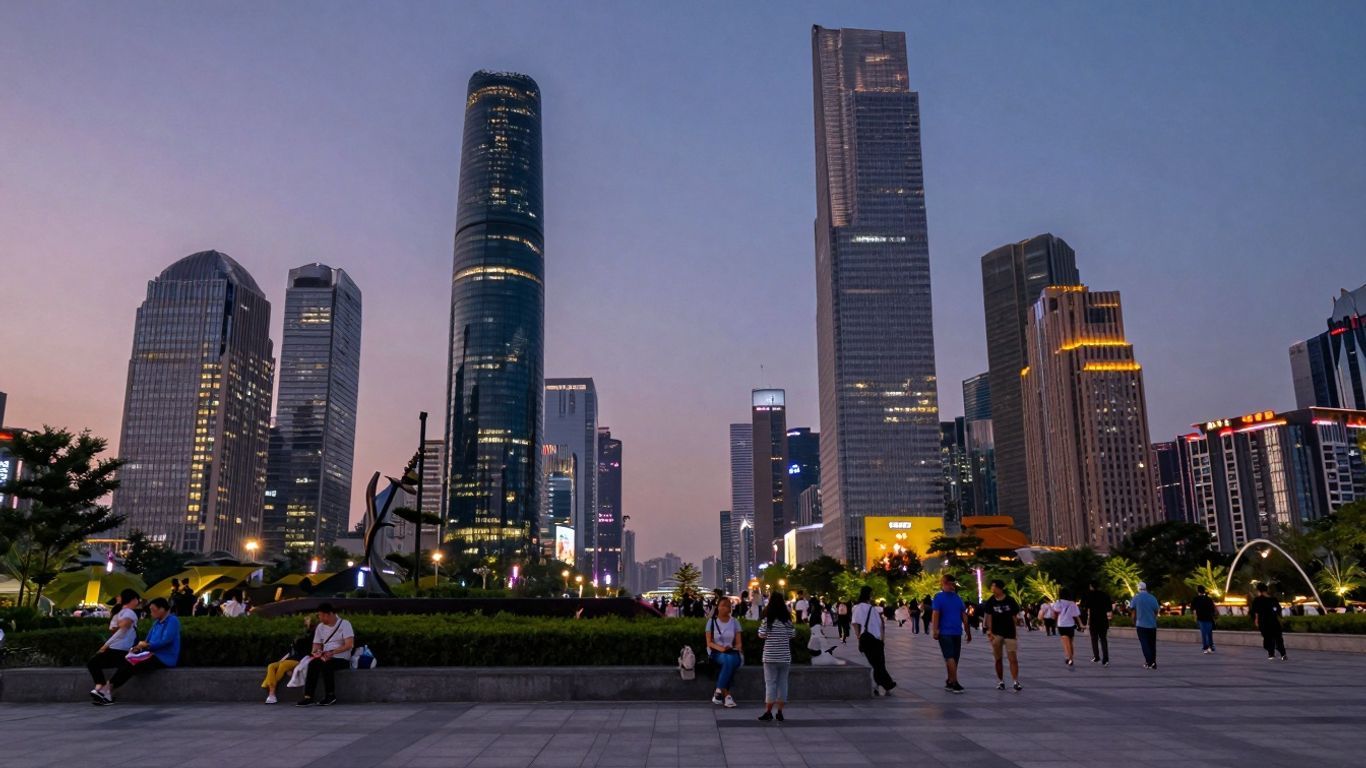
Public Spaces as Arenas for Social and Political Expression
Public spaces are far more than mere empty lots or paved thoroughfares; they constitute the very pulsating heart of a city's social and political life. Just consider: where do citizens naturally converge for protests, festive celebrations, or simply to engage in casual conversation? It is invariably within these squares, parks, and riverfronts. These are the crucial settings where diverse societal groups can meet, interact, and, at times, even respectfully clash. They serve as crucibles where ideas are exchanged and where communities articulate their identities—whether through art, music, or simply by their collective presence. These dynamic spaces complement the more private and stable settings of work and home, thereby facilitating essential movement, communication, and shared human experiences. They are indispensable for a robust democracy, providing a vital stage for civic engagement and the healthy exchange of varied viewpoints. Without them, cities risk devolving into sterile environments where genuine human connection and public discourse are likely to wither.
Theoretical Frameworks Shaping Urban Discourse
Academics and urban planners have, over time, developed a rich array of ideas—or theoretical frameworks—to help us both understand and strategically shape these profoundly important spaces. One particularly influential concept, the 'right to the city,' delves into questions of who truly gets to utilize and influence urban areas. It critically highlights how dominant economic forces can sometimes marginalize ordinary citizens, transforming public areas primarily into sites for commerce or business rather than genuine community life. Other theories investigate how the physical design and layout of a space directly impact human behavior and interaction within it. These considerations encompass crucial elements such as accessibility, comfort, and whether a space feels inherently welcoming to everyone, irrespective of their background. Ultimately, these frameworks provide invaluable tools, prompting us to think critically about the true beneficiaries of public spaces and how they can be made more inclusive and functional for all city dwellers.
The Role of Public Spaces in Inclusive Cities
The endeavor of creating cities that genuinely serve everyone necessitates meticulous attention to public spaces. This commitment extends beyond merely constructing parks; it involves designing environments that are truly accessible to individuals with disabilities, safe for children, and welcoming to people of all ages and cultural backgrounds. It requires thoughtful consideration of how these spaces can accommodate a diverse range of activities, from quiet introspection to lively community gatherings. When public spaces are thoughtfully designed and effectively managed, they possess the remarkable capacity to bridge social divides and foster a stronger sense of community belonging. They become vital common ground where people from all walks of life can connect—a crucial aspect in diverse urban environments where social dynamics within public spaces can indeed be complex. Ultimately, truly inclusive public spaces serve as a powerful emblem of a city that values all its residents and actively strives to create opportunities for everyone to participate fully in urban life.
Looking Ahead: The Evolving Landscape of Urban Studies
So, what are the broader implications of these insights for the field of urban studies? This deep dive into recent research unmistakably reveals a clear and accelerating interest in how we conceptualize, design, and ultimately utilize public spaces. It's evident that the discourse extends far beyond merely aesthetically pleasing parks; it now encompasses vital considerations of public health, social equity, and the profound impact on daily urban life. We've witnessed a significant surge in scholarly output, particularly from regions like China and Europe, yet there's an undeniable imperative to amplify voices and research from cities across the Global South. These regions often contend with the most formidable urban challenges, and their innovative solutions hold immense lessons for us all. As we collectively forge ahead, it is crucial for researchers, city planners, and all stakeholders to keep these diverse perspectives and real-world issues firmly at the forefront. By fostering collaboration and remaining attuned to ground-level realities, we can undoubtedly contribute to building more resilient, equitable, and inclusive cities for everyone.
Frequently Asked Questions
What is the main goal of studying urban studies journals?
The primary objective is to gain a comprehensive understanding of how researchers globally are engaging with cities—what topics they prioritize, who the key intellectual leaders are, and where this research activity is concentrated. Essentially, it provides a panoramic map of urban scholarship, revealing the overarching picture.
What are the most popular topics in urban studies research right now?
Currently, researchers are dedicating considerable attention to urban public spaces, such as parks and civic squares. There's also a robust interest in how cities can achieve greater sustainability and equity for all inhabitants, alongside exploring the intricate connections between public health and the urban environment.
Are there specific countries or universities doing most of the research?
Indeed, certain nations, including China, the UK, and the US, are prolific in publishing urban research. Likewise, particular universities are recognized for their leadership in this domain. However, there's a strong and growing call for increased research contributions from the Global South, given the unique urban challenges these regions often face.
How do researchers know which studies are the most important?
Scholars often gauge the significance of a study by examining how frequently it has been referenced or built upon by other researchers. This metric is commonly known as 'citation impact.' A study that garners numerous citations is generally considered to be more influential and foundational within its field.
What are the challenges in urban studies research?
One significant challenge lies in ensuring that research incorporates a diverse array of voices and experiences from various populations and geographical locations, rather than being confined to a select few. Another crucial hurdle is to facilitate the broad sharing and consideration of research from different parts of the world, especially from regions with historically less published academic output.
What does the future of urban studies research look like?
The field is undergoing rapid expansion! Future research will likely emphasize making cities more equitable and inclusive for all residents, exploring the integration of new technologies, and delving deeper into how diverse cultures shape urban life. Ultimately, it’s about pioneering innovative solutions to urban complexities that are applicable globally.


