
resources
How AI Image Editor Workflows Help Tourism Teams Create Better Visual Campaigns
26 Oct 2026

Every tourism campaign sells a feeling before it sells a place. A beach is not just sand and water; it is the promise of a slow morning. A mountain town is not just altitude; it is the idea of quiet. Photographs carry that promise, and tourism teams know the pressure of getting them right: the weather turned grey on shoot day, a crowd wandered into the frame, the autumn images arrived in time for winter. This is where a thoughtful AI image editor workflow earns its keep.
The Shot You Didn’t Get
Picture a small regional tourism board. They commissioned a photographer for two days at a lakeside resort. Day one was glorious. Day two brought drizzle and flat light. Now the campaign needs a sunrise hero image, a family-friendly version, and a vertical crop for social stories. In the old world, the answer was a costly reshoot or a compromise.
Today the answer can be a workflow: take the best frames you already have, edit them intelligently, and build the campaign set from there.
What an AI Image Editor Brings to the Table
An AI image editor lets you change an existing picture using plain-language instructions. You might brighten a dull sky, shift the mood from midday to golden hour, remove a stray object, adjust colors to match a brand palette, or restyle the image for a particular channel. The scene remains recognizable, so the place still looks like itself.
For tourism, that last point is critical. Travelers are quick to spot a destination that looks nothing like its marketing, and disappointment travels fast in reviews. Editing real photographs, rather than inventing scenery, keeps campaigns grounded.
Building the Workflow Step by Step
Think of the process as a relay, with each stage handing a cleaner result to the next.
Stage one: curate. Gather your strongest source images. Sharpness, good composition, and accurate representation of the place matter more than perfect weather.
Stage two: define the brief. Decide what each image must do. A hero banner needs space for text. A social post needs a bold focal point. An email header needs a calm, uncluttered layout.
Stage three: edit with intent. Using a tool such as the Free AI Image Editor, upload a photo and describe the change you want, such as warmer light, a clearer sky, or a more vibrant color mood. Because it is free to start, your team can test results on real campaign images before committing any budget.
Stage four: compare variations. Generate a few options and review them side by side with colleagues.
Stage five: finish and optimize. Add typography, logos, and layout in your design software, then compress the files so landing pages load quickly on mobile connections.
Where Tourism Teams Gain the Most
Seasonal flexibility. A summer lake can be adapted into a softer autumn mood for shoulder-season promotions, saving a return trip.
Cleaner scenes. Distracting elements, such as stray signage or an unfortunate parked van, can be reduced so the place looks its best.
Channel adaptation. One photograph can be reworked for a website banner, a printed brochure, a story format, and a partner newsletter, each with its own tone.
Audience variation. Campaigns for adventure seekers, couples, and families benefit from different moods. Editing lets you tune one set of images for each audience.
Speed to market. When a festival is announced or a flight route opens, visuals can be refreshed in hours instead of weeks.
The Ethics of Editing a Destination
Here is the uncomfortable part, and every tourism team should face it directly. The power to improve a photo is also the power to mislead. A hotel edited to look beachfront when it sits two streets back is not marketing; it is a complaint waiting to happen.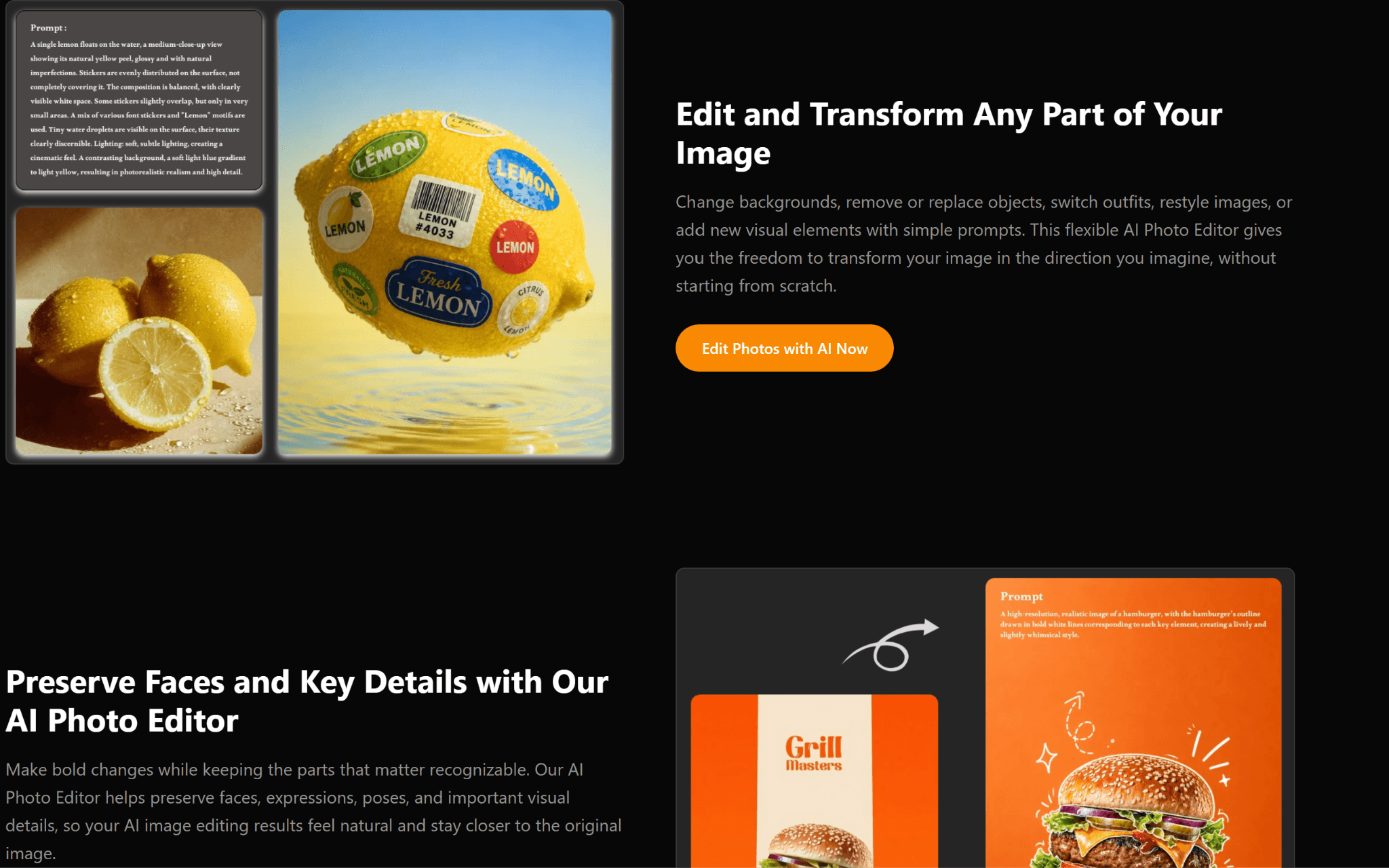
A useful rule is to ask whether a visitor arriving in person would feel the image was fair. Enhancing light, tidying distractions, and adjusting mood usually passes that test. Changing what a place fundamentally is does not. Teams should also confirm they hold rights to every source image, and be careful with identifiable people in photos, especially when permissions are unclear. Where it matters to your audience, consider being open about AI-assisted edits.
Mistakes That Undermine Good Campaigns
- Over-editing. Oversaturated skies and plastic-looking water make audiences distrust the image.
- Inconsistent style. If each image looks like it came from a different campaign, the brand feels scattered.
- Ignoring distorted details. Signs, hands, and text sometimes warp, so inspect every edit closely.
- Skipping local voices. Residents and local partners can spot inaccuracies your team might miss.
- Forgetting file size. Heavy images slow pages and hurt both visitors and search visibility.
A Few Questions Teams Often Ask
Does this replace photographers? No. It extends what a good photograph can do. Hero images and signature moments still benefit from professional work.
Can small teams really use it? Yes. The entry barrier is low, which is exactly why smaller boards and independent operators benefit most.
How do we keep a consistent look? Write a short style note covering color mood, lighting, and tone, and reuse it in every instruction.
Final Frame
Tourism marketing has always been the art of showing a place at its best while staying true to it. A well-run AI image editor workflow does not change that goal; it removes some of the obstacles between the photographs you have and the campaign you imagined. Begin with one image that almost worked, such as the grey-sky shot from day two. Upload it to the Free AI Image Editor, try a few edits, and see whether the feeling you wanted comes through. That single experiment may change how your team plans its next shoot.
Share

Peyman Khosravani
Industry Expert & Contributor
Peyman Khosravani is a global blockchain and digital transformation expert with a passion for marketing, futuristic ideas, analytics insights, startup businesses, and effective communications. He has extensive experience in blockchain and DeFi projects and is committed to using technology to bring justice and fairness to society and promote freedom. Peyman has worked with international organisations to improve digital transformation strategies and data-gathering strategies that help identify customer touchpoints and sources of data that tell the story of what is happening. With his expertise in blockchain, digital transformation, marketing, analytics insights, startup businesses, and effective communications, Peyman is dedicated to helping businesses succeed in the digital age. He believes that technology can be used as a tool for positive change in the world.


