
business resources
How Can Effective Ball Control Enhance Performance?
05 Dec 2025

Let's be honest, controlling the ball in soccer is a game-changer. It’s not just about flashy footwork; it’s about making the game bend to your will. When you can keep the ball close, guide it precisely where you want, and do it all without giving it away, you're essentially running the show. This single ability empowers you to orchestrate smarter plays, starve the opposition of possession, and simply play a more intelligent game. We're about to explore just how profoundly mastering the ball can elevate your entire performance on the pitch.
Key Takeaways
- True ball control is about keeping the ball on a string and moving it with purpose, which is the secret to dictating the game's flow.
- Consistent practice with drills like cone dribbling and wall passes is what builds the refined touch and timing essential for top-tier control.
- Staying composed and using your body to shield the ball are crucial tactics for maintaining possession when an opponent is breathing down your neck.
- Developing proficiency with both feet doesn't just add a tool to your belt—it makes you a far more unpredictable and dangerous player for defenders.
- Building confidence through regular practice and achievable goals is absolutely vital for executing skills effectively under the pressure of a real match.
Understanding The Fundamentals Of Effective Ball Control
Defining Ball Control In Soccer
So, what do we really mean by "ball control" in soccer? It refers to a player's ability to receive, manage, and move the ball using their feet, legs, or body. It’s about keeping the ball in your immediate orbit, manipulating it with intent, and moving with it seamlessly. Think of it as the bedrock upon which every other soccer skill is built. Without a solid foundation of ball control, simple acts like passing, shooting, or dribbling past a defender become monumental challenges. It's what separates a player who looks comfortable and in command from one who seems to be in a constant battle with the ball.
Key Elements: Touch, Timing, And Body Positioning
Three core components work in harmony to forge effective ball control: touch, timing, and body positioning. Your touch is the delicate conversation between your foot and the ball—how gently or firmly you make contact. A soft touch is your best friend for intricate dribbling in tight spaces, while a firmer one might be needed to push the ball ahead into open ground. Timing is all about *when* you make that contact, anticipating the ball's trajectory and the movements of your opponent. Finally, body positioning involves using your frame to shield the ball, create space, and set up your next move. It’s the art of angling your body perfectly to receive a pass or to keep a determined opponent at bay.
- Touch: That subtle dialogue between player and ball.
- Timing: Making contact at the most opportune moment.
- Body Positioning: Leveraging your physique for a tactical advantage.
Basic Techniques For Receiving And Manipulating The Ball
Learning to receive and handle the ball involves mastering a few essential techniques. When a ball is rolling on the ground, the inside and outside of your foot are the primary tools for stopping and directing it. The sole of your boot is perfect for abrupt stops or quick changes in direction. For balls coming out of the air, your thigh or chest can act as a cushion, absorbing the impact and bringing the ball down to a playable height. The ultimate goal is to absorb the ball's momentum, not to fight it.
- Receiving Ground Passes: Use the inside of your foot to gently kill the ball's pace, keeping it close. The sole is your go-to for a quick stop-and-go.
- Receiving Aerial Passes: Cushion the ball with your thigh or chest, allowing it to drop softly to your feet.
- First Touch: This is the crucial initial contact after receiving the ball. A great first touch doesn't just control the ball—it prepares your next action, be it a pass, dribble, or shot.
Mastering these fundamentals isn't magic; it's a matter of consistent practice. Concentrate on making clean contact and taming the ball's speed. It's all about developing an intuitive feel for the ball, understanding how it reacts to different surfaces of your body and various types of contact.
Drills To Cultivate Superior Ball Control
Elevating your ability to manage the ball is a journey that demands focused effort and the right set of exercises. Simply playing matches isn't enough to isolate and sharpen the specific skills required for exceptional ball control. That's precisely where dedicated drills come into play. They deconstruct complex movements into simple, repeatable steps, allowing you to build crucial muscle memory and unshakable confidence.
Mastering Close Dribbling With Cone Drills
There's a reason cone drills are a staple in every coach's playbook—they work. They compel you to keep the ball near and react swiftly to directional changes. To start, set up a series of cones in a straight line or a zigzag pattern, spaced about two to three feet apart. Your objective is to weave the ball through the cones using only the inside and outside of your feet, focusing on a light, constant touch. As you grow more comfortable, challenge yourself to increase your speed. This drill is phenomenal for developing agility and the knack for changing direction on a dime while keeping the ball glued to your foot.
Enhancing Touch Through Juggling
Juggling might seem like a flashy trick for the cameras, but it's an incredibly practical tool for improving your feel for the ball. Begin by simply dropping the ball and tapping it back up into your hands. Once that becomes second nature, try to keep it airborne using only your feet. Don't stress about the number of touches at first; just focus on the quality of the contact. Gradually, you can incorporate different parts of your foot and aim to increase your record. Juggling is fantastic for developing a soft touch, enhancing coordination, and heightening your awareness of the ball in space.
Improving First Touch With Wall Passes
Often, your first touch is the most critical part of receiving a pass. A clean first touch instantly sets you up for your next move, whether that's a pass, a dribble, or a shot on goal. The wall pass drill is tailor-made for this. Stand a few yards from a solid wall and play the ball against it with the inside of your foot. As it rebounds, concentrate on controlling it with a single, soft touch, ideally using the same part of your foot. Repeat this, aiming for a smooth, consistent rhythm. This exercise sharpens your ability to receive the ball cleanly and have it ready for immediate action.
The Figure Eight Drill For Agility
This drill brilliantly combines close-control dribbling with agility work. Place two cones about five to ten yards apart. The goal is to dribble the ball in a figure-eight pattern around them. This will force you to use both feet and execute sharp turns as you navigate the cones. It's a fantastic exercise for improving your ability to maneuver the ball in tight quarters and for developing the quick footwork needed to evade defenders. It's a direct simulation of weaving through midfield traffic.
Remember, consistent work with these drills builds more than just technical skill—it forges the confidence you need to pull them off when the pressure is on. Start slowly, prioritize the quality of each touch, and then gradually ramp up the intensity as your control improves.
Maintaining Possession Under Pressure
The Importance Of Staying Relaxed
When a defender is bearing down on you, the natural instinct is to tense up. But here's the paradox: that tension is your enemy, making your feet stiff and your touch clumsy. Staying relaxed is absolutely key to keeping the ball close and reacting with speed. Think about it—when your body is loose and fluid, it can adjust to the ball's movement far more easily. Try to keep your shoulders relaxed and your breathing even. It’s a bit like trying to catch a slippery fish; the tighter your grip, the more likely it is to escape. A calm player simply has a better feel for the ball and can execute smoother movements.
Utilizing Body Shielding For Protection
Body shielding is the art of using your body to prevent an opponent from reaching the ball. It’s not about aggression; it’s about intelligent positioning. The goal is to place yourself between the defender and the ball, using your hips and legs to form a protective barrier. A good tip is to keep the ball on your 'far' foot, away from the defender's tackling range. This technique demands good balance and a constant awareness of where the defender is. Think of it less as a battle and more as a dance, where you're constantly moving to keep the ball safe.
Keeping The Ball Close To Your Feet
When you're under pressure, long, heavy touches are an open invitation for a defender to make a tackle. Instead, you should focus on taking short, controlled touches that keep the ball well within your immediate control. This proximity allows you to change direction in an instant and react to the defender's movements. You want the ball on a very short leash, so to speak. The closer it is, the more command you have.
Adapting Your Touch To Game Situations
Not all touches are created equal. Sometimes you need a delicate touch to settle a bouncing ball, while other times you need a firmer push to poke it past a defender and into space. The best players can instinctively adjust their touch based on the speed of the ball, the condition of the field, and the tactical situation unfolding around them. This adaptability isn't something you're born with; it comes from countless hours of practice and developing a deep understanding of ball physics. It's about making the perfect decision in that split second.
Developing Versatility With Both Feet
Imagine being a defender trying to mark a player who's just as dangerous on their left foot as they are on their right. It's a nightmare for them—and a massive advantage for you. Becoming comfortable using both feet on the soccer field fundamentally changes how you play, making you far more unpredictable and opening up a world of new options when you're on the ball. If you can only use one foot effectively, defenders will quickly catch on and force you onto your weaker side. But with two capable feet, you can turn, pass, and move in any direction, keeping them guessing and keeping the ball secure.
Benefits Of Two-Footed Proficiency
Developing skill with both feet isn't just for show; it offers tangible, game-winning advantages:
- Unpredictability: You become a puzzle that defenders can't easily solve, as they won't know which way you're going to turn or pass.
- More Options: You can receive passes, dribble, and shoot from a much wider range of angles, making you a more dynamic offensive threat.
- Better Balance: The process of strengthening your weaker foot often leads to significant improvements in your overall balance and body coordination.
- Confidence Boost: Knowing you can rely on either foot in a tight spot gives you a powerful sense of confidence in challenging game situations.
Drills For Non-Dominant Foot Development
Improving your weaker foot is a marathon, not a sprint. It takes focused, consistent practice. Start with simple exercises and gradually increase the complexity as you feel more comfortable. Remember, consistency is everything; even 15 minutes of dedicated work each day can yield huge results.
- Sole Drills: Get comfortable just by rolling the ball forward, backward, and side-to-side using only the sole of your weaker foot. This builds a foundational feel and fine motor control.
- Wall Passes: Stand near a wall and pass the ball against it repeatedly with your weaker foot, focusing on controlling the rebound with a clean first touch.
- Cone Weaving: Set up a simple line of cones and practice dribbling through them using only your non-dominant foot. Start at a walking pace, concentrating on keeping the ball close.
It's going to feel awkward at first—that's a given. But just like learning any new skill, the more you practice, the more it starts to feel natural. Don't let initial mistakes discourage you; they are an essential part of the learning curve.
Improving Balance And Transitions
As you dedicate time to your weaker foot, you'll find your overall balance naturally improves. Drills that demand quick changes of direction are perfect for helping you transition smoothly between your feet. For example, practicing the 'pull-push'—where you dribble, pull the ball back with the sole, and then push it forward—sharpens your close control while simultaneously working on your footwork and balance. Incorporating the figure-eight drill around cones, with a strict focus on using your weaker foot for turns, will also build impressive agility and coordination.
Building Confidence Through Consistent Practice
The Role Of Repetition In Skill Acquisition
There's no magic pill for getting better at controlling a soccer ball. The secret, if there is one, really comes down to repetition—doing the same fundamental movements over and over again. It’s a lot like learning to ride a bike; you might wobble and fall at first, but with each attempt, your body and brain start to connect the dots. In soccer, repetition builds muscle memory, so you no longer have to consciously think about each touch. It becomes an instinct, a natural extension of your movement.
Setting Achievable Practice Goals
It’s easy to get frustrated if you set the bar too high, too quickly. A much better approach is to break down your main objective into smaller, manageable steps. What does that look like? Maybe today's goal is simply to keep the ball close while walking. Tomorrow, you can try it while jogging. The day after, you can introduce a few quick turns. Setting these small, achievable goals makes the entire process feel less daunting and provides a steady stream of accomplishments to keep you motivated.
- Dedicate each practice session to one specific skill.
- Set a target for a certain number of successful juggles or wall passes.
- Challenge yourself to complete a cone drill a few times without losing control.
Simulating Game Pressure In Training
Practice drills are fantastic, but they often lack one crucial ingredient: pressure. Real games are chaotic, with opponents actively trying to dispossess you and a much faster pace. To truly prepare for this, you have to find ways to introduce pressure into your training. You could ask a friend to act as a light defender while you dribble, or use a stopwatch to challenge yourself to complete a drill faster. This kind of simulated pressure helps you get accustomed to making sharp decisions when things are hectic on the field.
Practicing under a bit of stress is how you learn to maintain your composure and execute your skills when it truly matters. It effectively bridges the gap between the practice ground and the real game, turning you into a more reliable and clutch player.
The Impact Of Effective Ball Control On Performance
Dictating Game Pace And Dynamics
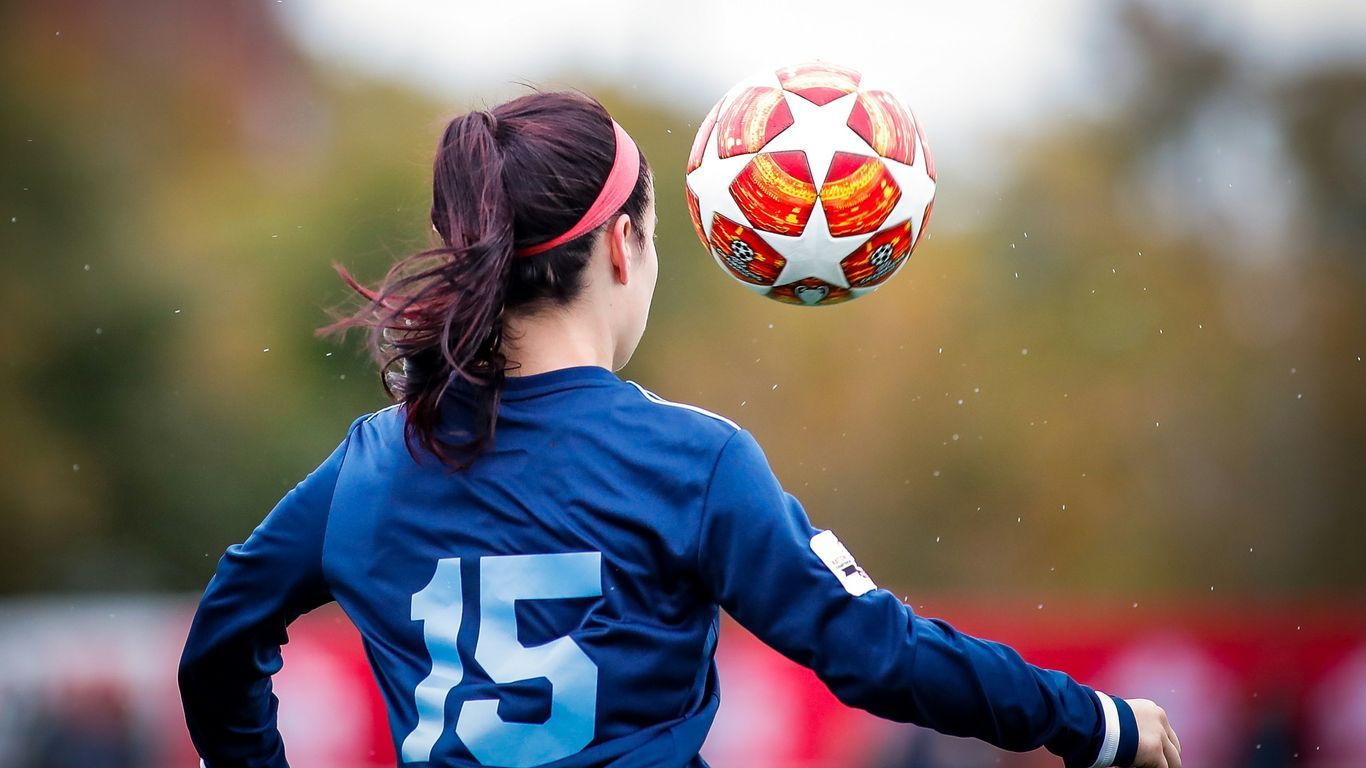
A team with masterful ball control is like the conductor of an orchestra—they set the tempo. When players can confidently keep possession, they have the power to decide when to accelerate the play for a swift attack or slow things down to reorganize and conserve energy. This ability to dictate the game's rhythm is a massive tactical advantage, forcing opponents to react rather than initiate. A team that commands the ball keeps the other side on the defensive, limiting their opportunities and forcing them to do the tiring work of chasing the game.
Creating Scoring Opportunities
At the end of the day, goals win games, and superior ball control is directly linked to creating chances to score. Players who can receive a pass under pressure, turn away from a defender, and dribble with their heads up are infinitely more likely to unlock a stubborn defense. They can maintain possession long enough for teammates to make intelligent runs or for a gap to appear. This precision in ball handling leads to more accurate passes into dangerous areas and, ultimately, better-quality shots on goal.
- Receiving passes cleanly even when marked tightly.
- Dribbling past defenders to generate space.
- Delivering precise through-balls to set up teammates.
- Maneuvering into better positions for a shot.
Enhancing Defensive Capabilities
It might sound counterintuitive, but one of the best defensive tools is actually an offensive skill: ball control. By simply maintaining possession, a team drastically reduces the number of opportunities the opposition has to threaten their goal. When a defender can calmly control a clearance or a loose ball instead of just hoofing it away, they prevent the opponent from immediately launching another wave of attack. This ability to secure the ball in your own third is, in itself, a powerful form of defense.
Sometimes the best way to stop the other team from scoring is to simply keep the ball. After all, they can't hurt you if they never have possession.
Gaining A Psychological Advantage
Don't underestimate the mental game. There's a significant psychological edge that comes from possessing excellent ball control. Players who are comfortable and confident on the ball can make opponents second-guess themselves. This can lead to frustration, rash challenges, and a loss of defensive discipline from the other team. For the team in control, it builds a powerful sense of belief and composure, making them more likely to perform at their best under pressure and trust in their game plan.
Putting It All Together
So, where do we land after all this? We've covered a lot of ground on how improving your work with the ball can truly transform your game. It goes far beyond just flashy moves; it's about the fundamentals of keeping possession under pressure, making crisp passes, and playing with more confidence. Drills like cone dribbling or juggling may seem basic, but they are the building blocks for developing that crucial feel for the ball. Always remember to stay relaxed, keep your head up to read the game, and commit to using both feet. The more you invest in these skills, the more instinctual they become—and that confidence is something that shines through on the pitch. It’s a skill that demands patience, but the effort pays massive dividends for both you and your team.
Frequently Asked Questions
What exactly is ball control in soccer?
In simple terms, ball control is your ability to be the boss of the soccer ball. It’s about how well you can receive a pass, move around the field with the ball at your feet, and keep it close enough that defenders have a tough time taking it from you. It’s about making the ball do what you want it to do.
Why is having good ball control so important?
Great ball control is crucial because it allows you to keep possession away from the other team, which is the best form of defense. It also enables you to advance the ball up the field and create scoring opportunities for your team. When you can control the ball well, you can play with more speed, precision, and intelligence.
What are some simple ways to get better at controlling the ball?
You can see big improvements by practicing simple exercises like tapping the ball back and forth between your feet or using a wall to pass to yourself and control the rebound. Juggling—keeping the ball in the air with your feet, thighs, and head—is another fantastic method for improving your overall touch and feel for the ball.
How can I improve my ball control when defenders are trying to take the ball?
To protect the ball from defenders, the first rule is to keep it close to your feet with short, quick touches. Another key technique is using your body to shield the ball, placing yourself between the defender and the ball. Critically, staying calm and relaxed rather than tensing up will allow for much smoother and more effective control.
Does practicing with my weaker foot really make a difference?
Yes, it makes a massive difference! Being comfortable with both your left and right feet makes you a far more unpredictable and dangerous player. It opens up more options on the field and helps you maintain control even when a defender is forcing you to one side. Practicing with your weaker foot improves your balance and makes you a more complete, well-rounded player.
How much practice is needed to see improvement in ball control?
The key isn't how long you practice, but how consistently you do it. Even dedicating 15-20 minutes each day to focused ball control drills can lead to significant improvements over time. The more you repeat these movements and get touches on the ball, the more natural it will feel and the more confident you'll become in a game situation.


