


business resources
How Does Medical Device Asset Management Software Optimize?
27 Jan 2026

Let's be honest, managing medical equipment can feel like a constant juggling act. Keeping track of every device, ensuring it’s in perfect working order, and knowing precisely when to replace it—it all takes a significant amount of time and effort. This is exactly where medical device asset management software comes into play. It's built to simplify these complex tasks, helping healthcare facilities operate more smoothly and, most importantly, safely. So, how can this type of software make a tangible difference in your day-to-day operations?
Key Takeaways
- Medical device asset management software automates routine tasks, leading to smoother operations and better teamwork across departments.
- Handy tools like barcodes and custom fields make it much simpler to keep a detailed eye on all your equipment.
- The software helps you stick to regular maintenance schedules, which in turn helps your equipment last longer and perform more reliably.
- It provides real data that empowers you to make smarter, more informed decisions about purchasing and utilizing equipment.
- With accurate records and confidence in your equipment's readiness, you can more easily improve patient safety and meet regulatory rules.
Streamlining Operations with Medical Device Asset Management Software
Overseeing a hospital's worth of medical equipment can be an incredibly complex task. You have countless devices to track, maintenance that needs scheduling, and a mountain of paperwork to keep in order. This is where specialized software for medical device asset management truly shines. It’s designed to eliminate much of the guesswork and manual labor from the equation, allowing everything to run much more smoothly.
Enhancing Workflow Automation and Collaboration
Just think about all the repetitive tasks involved in managing medical devices. We're talking about checking equipment in and out, sending reminders about upcoming maintenance, or even just locating a specific device. Automation is a genuine game-changer here. The software can take care of these routine jobs for you, freeing up your staff to concentrate on what matters most—patient care. It also fosters better collaboration between departments. When everyone is on the same system, information flows freely, and misunderstandings become far less common. This means less time wasted hunting for information and more time dedicated to getting work done.
Leveraging Intuitive Interfaces for Efficient Management
Nobody wants to invest hours trying to master a complicated new system. That’s why the best asset management software is designed with interfaces that are straightforward and easy to navigate. You can quickly find what you're looking for, update records, and generate reports without needing a degree in computer science. What's the bottom line? This simplicity means your team can get up and running faster and begin to see the benefits almost immediately, turning asset management from a chore into a seamless part of the workflow.
Ensuring Scalability for Evolving Healthcare Needs
Healthcare is an ever-evolving field. New equipment comes in, departments expand, and operational needs shift. Your asset management system has to be able to keep pace. A truly scalable software solution can grow right alongside your organization. Whether you're just adding a few new devices or opening an entire new wing, the system can handle the increased load of data and users—without skipping a beat. This kind of flexibility means you won't be forced to shop for a new system every few years, saving you a great deal of time and money in the long run.
Optimizing Inventory and Asset Utilization
Effectively managing your medical equipment and supplies is fundamental to keeping a healthcare facility running like a well-oiled machine. It’s not simply about owning the right tools; it's about knowing exactly where they are, understanding how they’re being used, and ensuring they’re ready to go at a moment's notice. Let's explore how software can help you get a firm grip on your inventory and make sure your assets are working as hard as possible for you.
Conducting Comprehensive Asset Inventories
Before you can start optimizing anything, you first need a clear picture of what you have. A comprehensive inventory is the essential first step. This involves cataloging every single piece of medical equipment and every consumable supply. Yes, it can sound like a daunting task, but it forms the bedrock for everything that follows. Without an accurate snapshot of your assets, it’s nearly impossible to make smart decisions about what you need, what you have too much of, or what might have gone missing.
Implementing Barcode and QR Code Tracking
Trying to track assets manually is not only slow but also ripe for human error. That's where barcodes and QR codes make a world of difference. By attaching these simple tags to each item, you make identification fast and foolproof. Whenever a piece of equipment is moved or used, a quick scan updates its status in the system instantly. It’s an incredibly straightforward method for keeping your inventory records up-to-date without a lot of hassle. This type of tracking is crucial for knowing where your equipment is at any given time, which is vital for efficient resource management.
Categorizing Assets for Streamlined Management
Once your inventory is logged and you have a system for tracking items, the next logical step is to organize them. Grouping your assets into categories makes them far easier to manage. You could organize them by type (like ventilators or wheelchairs), by the department they belong to, or even by their frequency of use. This structure is invaluable for understanding usage patterns and planning ahead for maintenance or replacements. Plus, it just makes finding what you need that much quicker.
Utilizing Custom Fields for Detailed Metadata
Every healthcare facility has its own unique quirks, and standard categories might not capture all the information you need. This is where custom fields within asset management software become incredibly useful. You can add specific details that are relevant to your operations, such as a device's last calibration date, its warranty expiration, or a particular service code. Having this rich, detailed metadata at your fingertips gives you a much deeper understanding of each asset, which ultimately supports better decision-making and strategic planning.
Maximizing Equipment Lifespan Through Proactive Maintenance
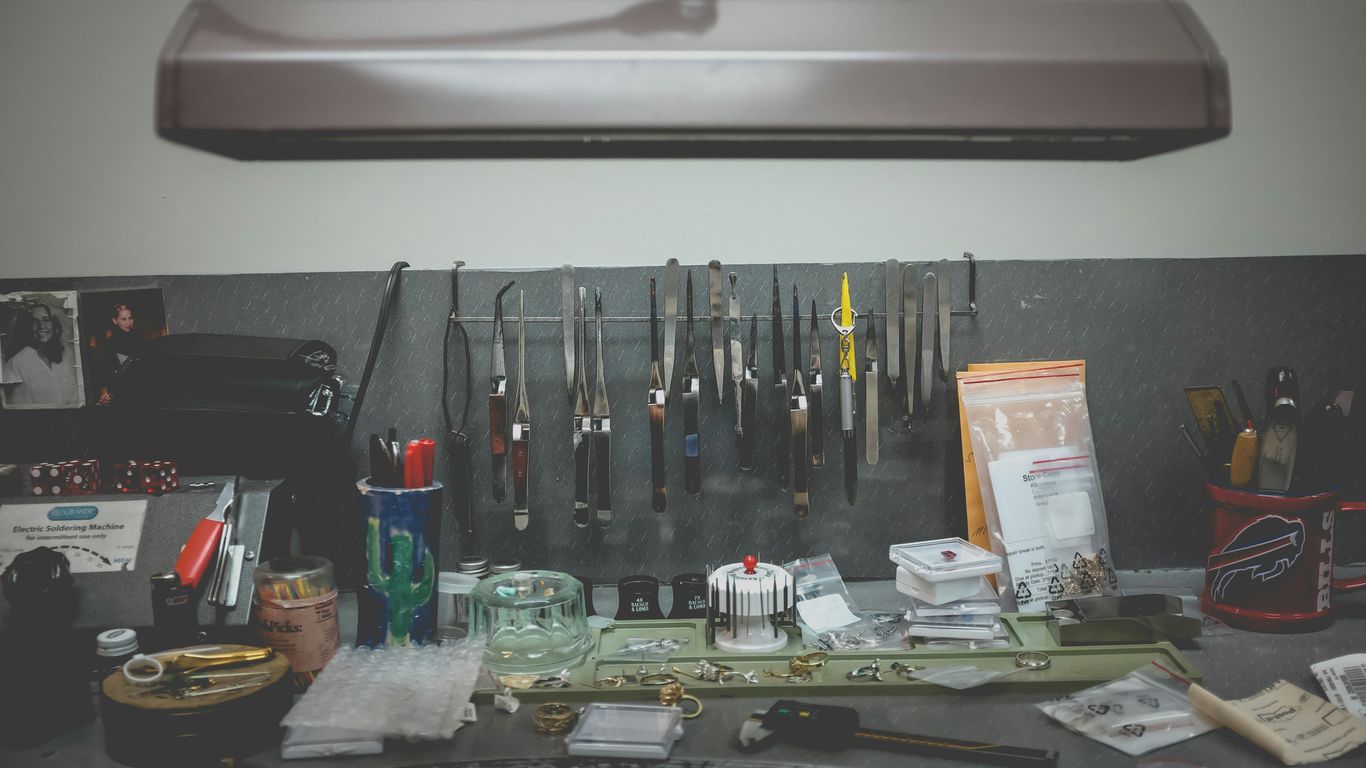
Keeping medical equipment in top-notch condition is about more than just fixing things when they break. It’s about being smart and thinking ahead. Medical device asset management software empowers facilities to shift from a reactive "break-fix" model to a proactive one, which has a huge impact on how long equipment lasts and how well it performs.
Implementing Preventative Maintenance Schedules
You can think of preventative maintenance as a regular health check-up for your medical equipment. Instead of waiting for a machine to fail in the middle of a critical procedure, you schedule routine inspections and servicing ahead of time. This approach allows you to catch small issues before they snowball into big, costly problems. Software can automate this entire process, creating a maintenance calendar for each piece of equipment based on the manufacturer’s recommendations or its hours of use.
- Automated Scheduling: The system automatically creates and assigns maintenance tasks.
- Task Assignment: It directs specific jobs to the right qualified technicians.
- Record Keeping: Every maintenance action is logged for a complete historical record.
Automating Meter Readings for Performance Tracking
Many medical devices come with internal meters that track things like hours of operation or the number of cycles completed. Checking these readings manually can be a real chore and is often prone to error. Asset management software can frequently connect with these devices (or allow for quick manual entry) to automatically log these readings. This data is incredibly valuable for knowing when a device is approaching a maintenance threshold or when certain parts might need to be replaced soon.
Tracking usage metrics helps you predict when components might fail, letting you replace them before a breakdown happens. This proactive step is crucial for avoiding unexpected downtime and expensive emergency repairs.
Extending Asset Lifespan with Regular Servicing
It’s a simple fact: when equipment is regularly serviced and maintained on a set schedule, it lasts longer. This isn’t just about keeping it running; it's about keeping it running efficiently and safely. Proper, timely maintenance can prevent wear and tear on critical components, ensure devices are accurately calibrated, and keep software up-to-date. All of these actions contribute to a longer, more productive life for your valuable medical assets, which reduces the need for premature replacements and saves significant money in the long run.
Leveraging Data for Informed Decision-Making
At its core, medical device asset management software is designed to turn raw data into meaningful intelligence. This shift allows healthcare facilities to move past guesswork and make strategic choices that boost efficiency, cut costs, and ultimately enhance patient care. By analyzing the information gathered by the system, organizations can get a crystal-clear picture of their asset performance and utilization.
Analyzing Asset Usage and Performance Metrics
Understanding how your medical equipment is truly being used is fundamental. The software can track usage patterns, pinpoint underutilized assets, and highlight the devices that are consistently in high demand. This data is instrumental in making decisions about where to allocate equipment and identifying potential bottlenecks in clinical workflows. For example, tracking how many procedures a specific MRI machine performs daily can tell you if it's operating at capacity or if another unit might be needed elsewhere in the facility.
Forecasting Future Equipment and Supply Demands
Data analysis also gives you a glimpse into the future. By examining historical usage trends, maintenance records, and even patient volume projections, facilities can better anticipate when new equipment will be needed or when certain supplies will run low. This proactive approach helps you sidestep costly emergency purchases and ensures that vital resources are always on hand when they're needed most. It’s all about planning ahead rather than just reacting to today's shortages.
Calculating Total Cost of Ownership for Equipment
The true cost of a medical device extends far beyond its initial price tag. Asset management software can help you calculate the total cost of ownership (TCO) by factoring in not just the acquisition cost, but also maintenance expenses, repair history, and even energy consumption over the device's entire lifespan. This holistic view is essential for accurate budgeting and for making sound investment decisions down the road. A simple breakdown might look like this:
| Cost Component | Example Amount | Notes |
|---|---|---|
| Initial Purchase | $50,000 | Includes installation |
| Annual Maintenance | $5,000 | Service contract |
| Repairs (3 years) | $7,500 | Unexpected breakdowns |
| Consumables (per use) | $10 | Varies with usage |
| Total Cost (3 Years) | $72,500+ | Excludes consumables based on usage |
Tracking Asset Depreciation for Financial Planning
Just like any major asset, medical equipment loses value over time. The software can track this depreciation automatically, providing accurate financial data for your accounting and planning needs. This information is crucial for several reasons:
- It ensures accurate financial reporting.
- It helps with budgeting for future replacements.
- It provides a clear understanding of the residual value of your assets.
- It supports informed decisions about whether to upgrade or dispose of equipment.
The insights you get from data analysis aren't just numbers on a screen; they represent real opportunities to refine operations, minimize waste, and improve the overall quality of care you provide. This data-driven approach is becoming indispensable in the complex world of modern healthcare. Technologies like Edge AI and TinyML are also beginning to play a role in processing this data more efficiently.
By consistently monitoring and analyzing the data generated by their medical devices, healthcare organizations can make smarter decisions, optimize how resources are allocated, and uphold a high standard of patient care.
Ensuring Compliance and Enhancing Patient Safety
Medical device asset management software plays a crucial role in keeping healthcare facilities compliant with regulations and—more importantly—in keeping patients safe. When you know precisely what equipment you have, where it is, and when it was last serviced, you're in a much stronger position to meet industry standards and deliver reliable care.
Maintaining Accurate Records for Regulatory Adherence
Regulatory bodies often require meticulous records for all medical equipment. This can include everything from purchase dates and maintenance logs to calibration records and user information. Without a solid system in place, pulling all this data together for an audit can be a nightmare. Asset management software centralizes this information, making it instantly accessible. This level of accuracy isn't just about passing an inspection; it's about demonstrating a deep commitment to safe and effective patient care.
- Automated Data Capture: The software can automatically log key events like maintenance, service dates, and calibration checks.
- Centralized Documentation: All relevant documents, such as service reports and compliance certificates, can be attached directly to individual asset records.
- Audit Trails: The system keeps a clear record of who made changes to a record and when, ensuring transparency and accountability.
Keeping detailed records for every piece of medical equipment is simply a non-negotiable part of modern healthcare operations. It serves as the foundation for both regulatory compliance and operational integrity.
Ensuring Equipment Availability for Patient Care
When a critical piece of equipment isn't where it's supposed to be, or when it's unexpectedly out of service for repairs, it can have a direct and negative impact on patient care. A patient might face a delay for a procedure, or a clinician might not have the necessary tool at a critical moment. Asset management software is designed to prevent these kinds of disruptions.
- Real-time Location Tracking: Knowing the exact location of critical devices means they can be located in seconds when needed.
- Maintenance Scheduling: Proactively scheduling preventative maintenance dramatically reduces the likelihood of sudden breakdowns.
- Status Updates: Clear, color-coded indicators can show whether a piece of equipment is available, currently in use, or undergoing maintenance.
Verifying Asset Condition and Maintenance History
Before using any medical device, especially for a critical procedure, staff need to feel completely confident that it's in good condition and has been properly maintained. Asset management software provides this crucial assurance.
- Maintenance Due Alerts: The system can notify staff when a piece of equipment is due for its next service or calibration.
- Service History Access: Clinicians can quickly pull up the full maintenance history of a device to confirm it's safe and ready for use.
- Condition Reporting: Staff can easily report any observed issues with equipment, which can trigger immediate attention and repair workflows.
Implementing Effective Healthcare Asset Tracking Strategies
Putting a solid plan in place for tracking medical equipment is more than just a good idea—it’s essential for smooth day-to-day operations and patient well-being. Without a clear system, valuable resources can get misplaced, which often leads to frustrating delays and unnecessary expenses. This section explores how to build a robust tracking strategy that actually works.
Prioritizing the Tracking of Critical Medical Assets
Let's face it, not all assets are created equal. Some pieces of equipment are absolutely vital for patient care and emergency response. It just makes sense to identify and focus on these high-priority items first. Think about devices like ventilators, defibrillators, and advanced imaging machines. If one of these isn't where it should be or hasn't been maintained, the consequences can be serious. By giving these critical assets special attention, you ensure they are always accounted for, available, and in perfect working order. This targeted focus helps prevent those high-stress moments when a life-saving piece of equipment is needed but can't be found.
Establishing Clear Asset Management Policies
Think of policies as the official rulebook for how assets should be handled. This means clearly defining who is responsible for what, outlining the proper procedure for checking equipment in and out, and specifying what to do if an item is damaged or goes missing. Clear guidelines help everyone on staff understand their role and foster a culture of accountability. For instance, a policy might state that all portable diagnostic tools must be returned to their designated charging stations at the end of a shift. This kind of structure prevents items from "walking away" and keeps your inventory records accurate. Of course, it's just as important that these policies are communicated effectively to all staff.
Providing Comprehensive Staff Training on Tracking Systems
Even the most advanced tracking software is useless if the people who need to use it don't know how. Training is absolutely key. Staff need to understand not just the "how" of operating the system, but also the "why" behind its importance. This should include hands-on practice with scanning devices, updating asset statuses in the system, and reporting any issues. When everyone is comfortable and proficient with the tools, the data you collect will be far more accurate and reliable. You can think of it like teaching someone a new skill; they need to know all the features and how to handle the tool properly to get the best results. Plus, good training can empower staff to spot potential equipment issues before they become major problems.
Engaging Stakeholders in the Asset Management Process
Asset tracking isn't a job that belongs solely to the IT or biomedical engineering departments—it impacts everyone who uses medical equipment. That's why bringing together representatives from various departments, including clinical staff, administrators, IT, and maintenance, is such a smart move. This collaborative approach helps to identify the unique needs and challenges faced by each group. It also builds buy-in and encourages everyone to actively participate in maintaining the system. When stakeholders feel that their voices are heard and that they are part of the process, they're far more likely to support and follow the established policies. This sense of shared ownership is what makes a tracking strategy truly successful and sustainable in the long run, ensuring that new technology, like healthcare IoT, is integrated effectively.
Putting It All Together
So, we've walked through how using the right software for managing medical equipment can make a world of difference. It’s not just about knowing where things are; it's about ensuring they work reliably when needed, keeping a close eye on costs, and staying compliant with all the rules. By adopting these systems, hospitals and clinics can free themselves up to spend less time worrying about their gear and more time focusing on what truly matters: taking care of patients. It's a smart, strategic move for any healthcare facility looking to operate more efficiently and provide even better care.
Frequently Asked Questions
What exactly is medical device asset management software?
Think of it as a highly intelligent digital organizer for all the medical tools and equipment in a hospital or clinic. This software helps you keep tabs on where everything is, who is using it, and when it needs maintenance. Essentially, it makes sure that crucial machines are ready to go when doctors and nurses need them, helping everything run much more smoothly.
How does this software help save money?
It helps in a few key ways! By providing a clear picture of all the equipment you own and where it is, you're much less likely to lose things or buy unnecessary duplicates. It also helps you schedule regular check-ups for machines, which prevents them from breaking down unexpectedly. Catching and fixing small issues early is always much cheaper than dealing with a major repair down the line.
Can this software really help keep patients safer?
Absolutely. When medical equipment is meticulously tracked and maintained, it’s far more likely to be in perfect working order when a patient needs it. This means clinicians can have full confidence in the tools they use for diagnosis and treatment, which is incredibly important for delivering the best possible care and avoiding potential errors.
Is it hard to learn how to use this kind of software?
Not at all. Most of these programs are designed with the user in mind, making them as easy to navigate as a smartphone app. They typically feature simple menus and clear instructions. On top of that, the software provider usually offers training to get everyone on the team comfortable with the system quickly, ensuring no one gets left behind.
What happens if a hospital gets a lot more equipment?
That's where the 'scalability' of the software comes in. A good asset management system is built to grow with the hospital. Whether you're adding a few new devices or a few hundred, the system is designed to handle it. It can easily manage more items and a greater volume of information as your needs evolve over time.
Does the software help with following rules and laws?
Yes, it's a huge help in that department! Hospitals are required to follow numerous regulations concerning their equipment. This software maintains detailed digital records of everything—like when a machine was last serviced or calibrated. Having all this information neatly organized and easily accessible makes it much simpler to demonstrate to inspectors that the hospital is fully compliant with all necessary guidelines.


