
business resources
How Engineering Helps Businesses Build More Efficient Systems and Spaces
30 Mar 2026

Fast-paced modern business environments depend heavily on efficient and accurate infrastructure to reach success levels. The expanded role of engineering beyond traditional building design now supports businesses through system development efficiency and workflow optimization and workplace space creation for innovation and productivity. Operational efficiency and enhanced decision-making in organizations result from engineering solutions applied across both manufacturing facilities and office layouts as well as digital mapping systems.
Sophisticated mapping technologies and spatial analysis systems demonstrate one of the ways engineering leads to better planning solutions. Texas companies use GIS services in Texas extensively to understand land information alongside infrastructure and environmental data before starting construction projects. Through Geographic Information Systems GIS engineers and planners develop ways to make visual representations of complicated data to enhance facility design and transportation route planning and utility network development. Mapping tools combined with accurate data enable companies to escape expensive errors and follow long-term-performance-enhancing strategic decisions.
The Role of Engineering in Modern Business Operations
The existence of the framework developed by engineers enables business operations to function smoothly. When it comes to building a manufacturing plant or developing an energy-efficient office space and designing a logistics warehouse engineers guarantee all components flow together properly. Engineering ensures that all operational components integrate effectively across the board.
Business operations face rising requirements to perform optimally while maintaining eco-friendly standards and secure operational practices. Engineering professionals solve these obstacles through creating systems that maximize energy efficiency alongside streamlining manufacturing operations while expanding space utilization. Through these system designs companies become capable of saving money on operations while sustaining high performance benchmarks.
The engineering teams study how work activities take place within the facility. When engineers track employee movements with equipment and material distribution in a workspace they can locate bottlenecks and design more productive layouts. Organizations gain operational improvements through strategic planning which leads to faster performance without needing additional facility space.
Smart Infrastructure Planning
Alsbaek Engineering specializes in infrastructur which serve as essential supports for business operations. Engineering guarantees final development and integration of essential business support systems happens efficiently from the start.
Current and future needs form the foundation of smart infrastructure planning. Before development can begin engineers execute site assessments alongside environmental studies and traffic analysis. These assessments allow businesses to identify optimal facility locations and plan for infrastructure systems that will accommodate future growth.
An efficient road system proves vital for delivery vehicle access at distribution centers. To optimize logistics performance and reduce congestion engineers study traffic patterns and transportation routes to develop entry points along with parking areas and loading docks.
Engineering and Workplace Design
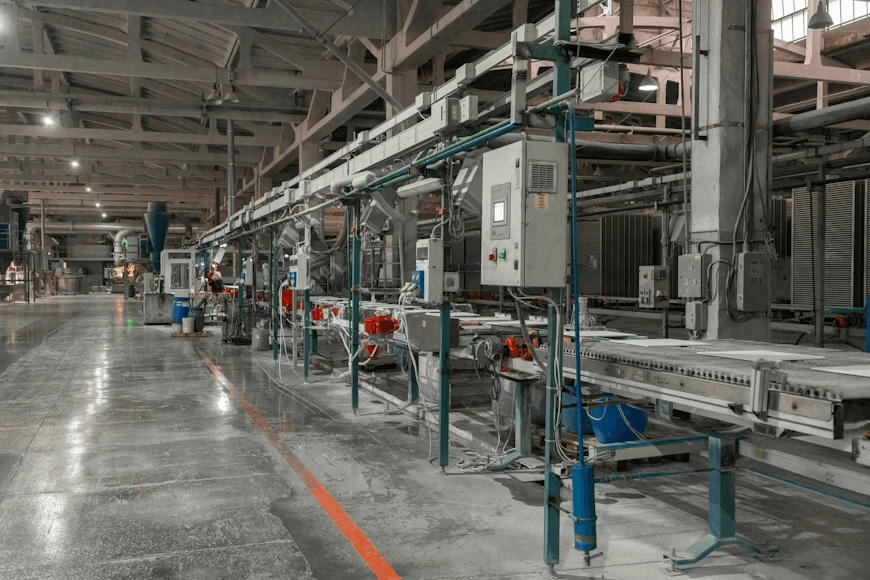
Every component of system efficiency including infrastructure and internal workspace designplays a vital role. The field of workplace engineering develops workplace settings to foster both worker productivity and safety and effective collaboration.
Modern office spaces utilize engineers together with architects and designers to develop plans that maximize sunlight and air circulation while providing ergonomic safety. Work environments use planned architectural designs to create open collaboration spaces alongside quiet work zones as well as adaptable meeting areas.
Engineering systems in industrial settings arranges equipment and storage along optimized paths that lessen movement requirements. Reduced employee movement reduces fatigue and increases production speed. Workspace safety is achieved through the integration of emergency exits and proper ventilation systems into the overall design.
Automation and System Optimization
Engineering has become an essential tool to enhance business systems through technological advancements. Companies have gained newer levels of operational efficiency through automation solutions along with data analytics platforms and intelligent monitoring systems.
Engineers create automated work processes for repetitive tasks so employees can focus their efforts on strategic responsibilities. Facilities use robotics and automated assembly lines to expand production levels while preserving quality standards.
Through data-driven engineering techniques organizations gain the ability to monitor their systems continuously. Monitoring equipment with sensors together with digital tools collects essential data regarding both operation and energy consumption and environmental parameters. Engineers use analysis of collected data to detect system weaknesses and develop solutions.
Repeating adjustment cycles establish more stable systems that experience fewer interruptions while decreasing cost for operations.
Sustainable Engineering Solutions
Businesses throughout various industries now prioritize sustainability above everything else after which engineering creates operational efficiency to cut down environmental impact. The field of engineering assists businesses in decreasing their environmental footprint and streamlining operational functions.
Sustainable engineering solutions include energy-efficient building designs, renewable energy systems, and water conservation technologies. Engineers employ sophisticated modeling technology to forecast the long-term performance of buildings and infrastructure.
Engineering applications of green building techniques incorporate both solar energy integration and improved insulation together with energy-friendly HVAC system designs. These features both decrease energy use and result in reduced operating expenses throughout time.
Businesses which adopt sustainable engineering practices receive advantages through improved public standing alongside proper fulfillment of environmental regulations.
Data-Driven Decision Making
Contemporary engineering operations depend fundamentally on analyzing data. Through engineering tools businesses gather and interpret vital information related to both their resources and operational performance while monitoring infrastructure.
Through digital mapping systems combined with simulation models and predictive analytics engineers analyze multiple scenarios before choosing which project to move forward with. It enables businesses to lower their risks so that they make credible decisions.
Engineering professionals simulate traffic flow in addition to environmental impact and energy consumption when planning new building facilities. Businesses use the generated insights to locate their most effective design solutions.
Data-driven engineering facilitates planning activities which extend into the future for organizations. Through data-driven methods companies can project future infrastructure demands and create sustainable development strategies.
Risk Reduction and Compliance
Engineering offers businesses many benefits including its essential role in risk management. Multiple safety, environmental and building regulations require businesses to fulfill compliance requirements. Engineering professionals navigate between project requirements and operational efficiency to guarantee compliance.
Before construction starts engineers perform structural analysis together with environmental impact studies and safety assessments. Through these evaluations projects can identify potential risks then verify that facilities meet regulatory standards.
When engineering professionals plan then implement projects this practice minimizes settlement delays alongside legal complications and structural risks. Engineering planning helps businesses develop secure workplaces for employees and protects both customers and communities.
The Future of Engineering in Business
Engineering in business will expand its importance when technology undergoes further advances. Artificial intelligence together with digital twins and advanced simulation tools already reshape engineers' system design management processes.
The upcoming engineering approaches will develop intelligent buildings that change according to conditions in addition to creating smart city infrastructure networks. Future-ready businesses that implement these technologies early will experience increased operational resilience combined with higher efficiency and sustainability. Engineering will grow its relationship with data science and environmental planning in addition to urban development disciplines. Businesses that use this multidisciplinary approach can develop systems together with spaces that maintain high efficiency while preparing for upcoming challenges.
FAQs
1. How does engineering improve business efficiency?
Engineering achieves operational optimization by creating efficient infrastructure along with better work process design and technology integration including data analytics and automation systems which improve business operations.
2. What role does GIS play in business planning?
Businesses utilize GIS for geographic and spatial data analysis to improve decision-making processes regarding infrastructure development and resource management as well as land use planning.
3. Why is engineering important for workspace design?
Engineering delivers workspaces that maintain safety standards and optimize ergonomic conditions while organizing spaces to increase productive output and decrease wasteful processes.
4. How do engineering solutions support sustainability?
Engineers design energy-efficient buildings, renewable energy systems, and water management solutions that reduce environmental impact while lowering operational costs.
5. Can engineering help reduce business risks?
Yes. Engineering assessments identify potential structural, environmental, and safety risks, allowing businesses to address them before they become costly problems.
Conclusion
Through the power of engineering businesses achieve their goals to develop effective systems alongside functional environments. Engineering-based solutions help companies operate better and minimize operational risks and expenses through infrastructure design and workplace planning as well as automation solutions along with sustainability initiatives. Businesses who incorporate modern technologies including GIS mapping and automated systems and data analytics capabilities can build long-lasting environments that improve productivity and support growth. The future of industrial development depends on engineering which forges innovative smarter and efficient systems to ensure competitive advantage in today's world.


