


business resources
How Interior Design Trends Shape Consumer Buying Decisions
23 Apr 2026

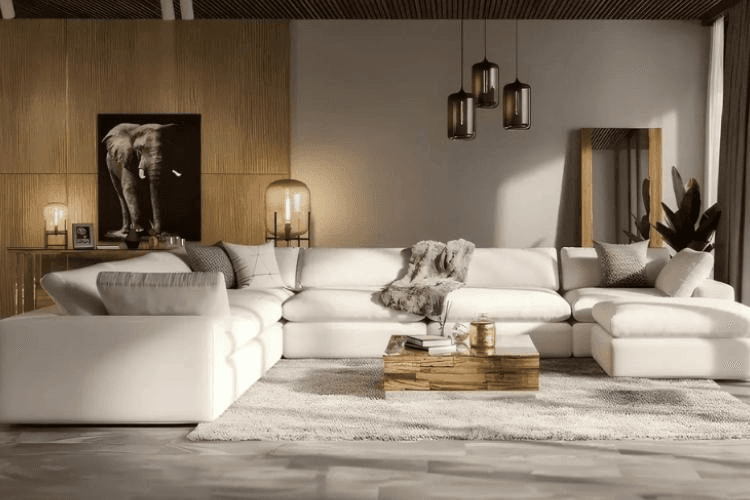
Interior design no longer sits on the sidelines of consumer decision-making. It actively shapes how people shop, what they value, and which products they bring into their homes. Design trends influence aesthetics, purchasing behavior, lifestyle priorities, and long-term investments. From multifunctional living spaces to personalized interiors, the connection between design and consumer psychology continues to deepen.
This article explores how emerging interior design trends influence buying decisions, focusing on evolving preferences, product innovation, and the growing demand for adaptable solutions.
The Trend of Intentional Living Spaces
Consumers in 2026 prioritize purpose-driven interiors. Instead of filling rooms with decorative items, they choose pieces that serve a clear function. This shift reflects a broader movement toward intentional living, where every purchase supports comfort, productivity, or well-being.
Open-plan living remains popular, but homeowners now want to create defined zones within shared spaces. This demand encourages the purchase of furniture that can adapt to different uses. For example, a dining area may double as a workspace, while a living room transforms into an entertainment hub.
This behavioral shift directly impacts buying patterns. Consumers spend more time researching products, comparing features, and evaluating how each item fits into their daily routines. They also show greater willingness to invest in pieces that offer flexibility, even if the upfront cost is higher.
Functionality Meets Flexibility in Modern Furniture
One of the most significant trends shaping consumer behavior is the growing demand for modular furniture. As living spaces become more dynamic, buyers look for products that can evolve with their needs.
This is where brands that focus on adaptable design solutions align closely with current consumer expectations. Midway through the buying journey, many consumers turn to reputable direct-to-consumer brands like https://www.soulfa.com/ to explore modular furniture options that fit changing lifestyles. Soulfa, for instance, provides access to pieces that you can rearrange, expand, or repurpose over time.
This trend reflects a practical mindset. Consumers want furniture that works harder for them. A sofa might convert into a guest bed, or a shelving unit might expand as storage needs grow. These features reduce the need for frequent replacements, making them appealing for both financial and environmental reasons.
As a result, purchasing decisions increasingly prioritize versatility over static design. Buyers evaluate how long a product will remain useful, not just how it looks in the moment.
Personalization Drives Purchasing Decisions
A defining feature of current interior design trends is the emphasis on individuality. Consumers want their homes to reflect their personality, values, and lifestyle. As a result, mass-produced, one-size-fits-all furniture loses appeal.
Instead, buyers gravitate toward customizable options. They look for products that allow them to choose colors, materials, and configurations. This trend encourages brands to offer modular and adaptable designs that cater to different tastes.
Personalization also influences how consumers discover products. Social media platforms, design blogs, and digital showrooms play a key role in shaping preferences. People no longer rely solely on traditional retail experiences. They seek inspiration online and expect brands to provide solutions that match their vision.
For businesses, this means understanding that design is no longer just about appearance. It’s about helping consumers express identity through their purchasing choices.
Sustainability Influences Design Choices
Sustainability continues to shape interior design trends and consumer behavior. Buyers pay closer attention to materials, production methods, and product lifespan. They prefer items that minimize environmental impact and support responsible consumption.
This awareness influences purchasing decisions in several ways. First, consumers tend to favor durable products that reduce waste over time. Second, they buy from brands that demonstrate transparency in sourcing and manufacturing. Third, they often choose timeless designs that remain relevant beyond short-lived trends.
Interior design plays a crucial role in reinforcing these choices. Neutral palettes, natural textures, and minimalistic layouts encourage long-term use. These styles make it easier for consumers to update their space without replacing major pieces.
The demand for sustainability also strengthens the appeal of modular furniture. Since these products adapt to changing needs, they reduce the need for disposal and replacement. This alignment between design trends and environmental values continues to influence how consumers approach purchasing decisions.
The Impact of Digital Visualization on Buying Behavior
Technology has transformed how consumers interact with interior design. Virtual tools now allow buyers to visualize products within their own spaces before making a purchase. This capability reduces uncertainty and increases confidence in decision-making.
Augmented reality applications, digital room planners, and 3D product views help consumers understand scale, color coordination, and layout compatibility. As a result, they make more informed choices and experience fewer post-purchase regrets.
This shift also changes expectations. Consumers now expect brands to provide interactive experiences that support their design journey. Static images and descriptions no longer suffice. Buyers want to see how products function in real environments.
Emotional Connection and Lifestyle Alignment
Interior design influences more than just functionality. It shapes how people feel in their homes. This emotional connection plays a significant role in purchasing decisions.
Consumers increasingly choose products that contribute to comfort, relaxation, and overall well-being. Soft textures, calming color schemes, and ergonomic designs all factor into buying choices. These elements create environments that support mental and physical health.
Lifestyle alignment also matters. Remote work, hybrid schedules, and flexible routines require adaptable spaces. Consumers look for furniture that supports these changes without compromising style.
This emotional and practical balance drives demand for thoughtful design. Buyers don’t simply purchase items; they invest in experiences that improve their daily lives.
Conclusion
Interior design trends in 2026 go far beyond aesthetics. They shape how consumers think, evaluate, and ultimately decide what to buy. From intentional living and personalization to modular furniture and sustainability, each trend reflects a deeper shift in priorities.
Consumers now approach purchasing decisions with greater awareness and purpose. They seek products that offer flexibility, align with their values, and support their evolving lifestyles. Businesses that understand this connection between design and behavior can better meet modern expectations.
As interior spaces continue to evolve, the relationship between design trends and consumer choices will only grow stronger. Those who adapt to these changes will stay relevant and build lasting connections with their audience.


