
business resources
Pest Control Strategies for a Healthier Home Environment
23 Apr 2026

Creating a safe sanctuary begins with keeping household pests at bay. Not only do pests cause discomfort, but they also pose health risks and potential property damage. Understanding how unwanted visitors enter is essential for effective control. For residents seeking a more proactive approach, local expertise, such as pest control in Augusta, GA, can provide tailored solutions for your area. Taking action early can significantly enhance the well-being of everyone in your home.
Pests carry bacteria, can exacerbate respiratory issues, and create unsanitary environments in kitchens, bathrooms, and bedrooms. Implementing preventive practices, such as regular cleaning and sealing entry points, can help keep infestations at bay. Coupled with routine maintenance and an understanding of seasonal behaviors, these actions help create a hygienic, comfortable household environment.
In addition to pest-proofing techniques, knowing when to bring in a professional is crucial. Severe cases, such as recurring infestations or pest-related health concerns, often require professional evaluation and targeted intervention. This article breaks down the essentials of pest prevention, health risks, DIY tactics, and more to provide a comprehensive guide for homeowners eager to protect their living spaces.
Common Household Pests and Their Entry Points
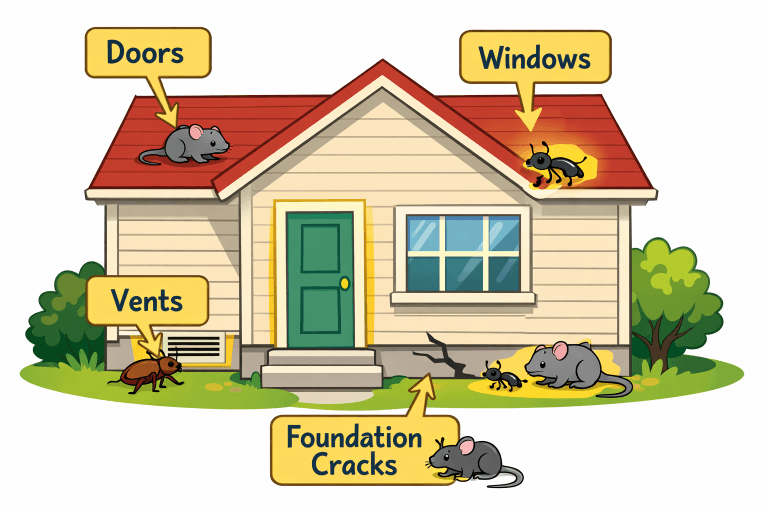
The first defense against an unwanted infestation is recognizing which pests are likely culprits in your area. Rodents such as mice and rats often slip in through gaps around doors, unscreened vents, or holes where cables and pipes enter the house. Small insects like ants, roaches, and termites take advantage of cracks in foundations, wall voids, and floorboards. Even spiders will find a way in through open windows or loose weatherstripping. By conducting periodic inspections and sealing common entry points, you can intercept many pest problems before they establish themselves indoors.
Effective Pest Prevention Tips
Effective pest control starts with basic everyday practices. Sealing cracks, crevices, and openings in walls and along foundations is crucial. Use caulking or weatherproofing strips around windows and doors, and inspect screens for holes. Cleaning up promptly after meals, storing food in airtight containers, and regularly taking out the trash will deny pests the food they seek. It is also important to keep basements, attics, and crawl spaces dry since excess moisture attracts many insects and rodents. Correcting leaky faucets and pipes and ensuring proper drainage around your foundation make your home less inviting to pests.
In addition to these steps, proactive property maintenance goes a long way toward preventing issues. Clear away yard waste, trim vegetation touching the house, and keep firewood stacked well away from your foundation to prevent easy access for outdoor pests. These habits, paired with a consistent cleaning schedule, will lower the risk of infestation and maintain a healthier home environment.
When to Seek Professional Pest Control Services
There are times when do-it-yourself methods fall short, especially if you notice signs of a growing problem. Evidence such as persistent droppings, gnawed wires, damaged wood, or recurring pest sightings indicates a need for professional evaluation. Health concerns like allergies, bites, or unexplained illnesses resulting from pest exposure should also prompt a call to an expert. A pest control service can identify root causes, propose customized solutions, and apply targeted treatments that are often unavailable to the public. This approach ensures long-lasting protection and prevents recurrence, which is especially important for properties with children, elderly family members, or pets.
Health Risks Associated with Household Pests
The presence of pests entails more than a simple nuisance; it can directly threaten your health. Rodents are known carriers of diseases such as Salmonella and hantavirus, which are often transmitted through their droppings or urine. Cockroach allergens can trigger asthma attacks and worsen respiratory conditions, while mosquitoes and ticks can spread illnesses such as West Nile virus and Lyme disease. The best way to protect your home is to act fast, addressing pest sightings immediately before health problems arise.
DIY Pest Control vs. Professional Services
Minor pest issues often respond well to over-the-counter solutions, such as rodent bait traps or insect sprays. These methods can be cost-effective for small outbreaks and offer immediate relief. However, for larger infestations, repeated returns, or pests that cause significant property damage, professional intervention is usually the best course of action. Exterminators have access to advanced treatments and the expertise to address the problem at its source, offering not only immediate eradication but plans for ongoing monitoring and prevention. In many cases, this prevents long-term damage, which can be much more costly to repair if not promptly addressed.
Seasonal Pest Control Strategies
Pest activity often fluctuates with the seasons. In spring and summer, ants, flies, and mosquitoes become more active as milder weather and higher humidity create ideal breeding conditions. Remove standing water, use window screens, and apply repellents to control these pests. As temperatures drop in fall and winter, rodents begin searching for warmth and food, increasing their attempts to enter homes. Reinforce physical barriers, store food securely, and check storage areas to stop rodents from settling in. Adjusting your pest control approach with the seasons ensures comprehensive protection year-round.
Eco-Friendly Pest Control Solutions
For environmentally conscious homeowners, there are several green pest management options. Natural repellents, such as peppermint oil or vinegar sprays, can deter common pests like ants and mice without harsh chemicals. Introducing beneficial insects, such as ladybugs or praying mantises, can help naturally balance your local ecosystem and control harmful bugs like aphids. Physical barriers, such as door sweeps, mesh screens, or even copper mesh stuffed into small openings, prevent entry without chemicals. These eco-friendly solutions support a healthy home and a more sustainable community.
Final Thoughts
Maintaining a pest-free and healthy home involves a consistent combination of practical prevention, attentive cleaning routines, and knowing when to seek professional help. Every homeowner can take simple steps to keep unwanted visitors out and reduce the risks they bring. By staying informed, adapting your strategies seasonally, and prioritizing both safety and the environment, you will foster a more comfortable, secure home for your loved ones.


