


business resources
How to Choose the Right Video Production Company in Melbourne?
06 Dec 2025

Choosing the right video production company in Melbourne can feel a bit overwhelming, can't it? You're not just looking for a vendor; you're looking for a partner—someone who grasps your vision, possesses the technical prowess to bring it to life, and respects your budget. It goes far beyond simply commissioning a video; it's about finding a collaborator who can help you tell your story powerfully and hit your business objectives. This guide is designed to walk you through the critical factors to consider as you search for that perfect match.
Key Takeaways
- Before you even start your search, it’s crucial to clearly define your project's goals, target audience, and core message.
- Dive into a company’s portfolio and client testimonials to get a real sense of their work quality and reliability.
- Verify that the company is equipped with the right technology and has the expertise to handle every stage of production, from the initial shoot to the final edit.
- Pay close attention to communication style—you're looking for a responsive and collaborative partner who aligns with your vision.
- Insist on transparent, upfront pricing to ensure it aligns with your budget, and get a clear understanding of the project timeline from the get-go.
Understanding Your Video Production Needs
Before you dive into researching video production companies in Melbourne, it's absolutely vital to pause and get crystal clear on what you actually need. Think of it like planning a trip—you wouldn't just book a flight without knowing your destination or the purpose of your journey, would you? The same logic applies here. Taking the time to map out your goals and desired outcomes will make the entire process run more smoothly and, ultimately, help you find the right creative partner.
Defining Project Objectives and Desired Outcomes
So, what's the primary driver behind this video? Are you aiming to boost sales for a new product, demystify a complex service, elevate brand awareness, or perhaps develop internal training materials? Your objectives are the blueprint that will shape everything, from the video's aesthetic to its core message. Having clearly defined goals is the best way to ensure the final product delivers precisely what you need it to.
Identifying Target Audience and Key Messages
Next, who exactly are you trying to connect with? Understanding your audience—their demographics, their interests, and what truly matters to them—is absolutely key. This insight will directly influence the tone of voice, the language you use, and the visual style of the video. Then ask yourself: what’s the single most important takeaway you want them to have after the screen goes black? The trick is to keep it simple and laser-focused.
Determining Video Type and Scope
You've got a whole menu of video types to choose from: explainer videos, customer testimonials, corporate overviews, snappy social media clips, animated pieces, and so much more. Which format best serves your objectives and speaks to your audience? It's also worth considering the scope. Are we talking about a short, punchy ad for social media, or a more in-depth, documentary-style feature? This decision will have a direct impact on the budget, timeline, and the type of company you'll need.
Here's a quick rundown of common video types and what they're typically used for:
- Explainer Videos: Perfect for breaking down complex products or services.
- Testimonial Videos: These build credibility by letting happy customers sing your praises.
- Brand Story Videos: Ideal for connecting with your audience on an emotional level.
- Product Demos: A straightforward way to show off how your product works.
- Training Videos: Great for educating employees or customers efficiently.
Getting all your ducks in a row upfront isn't just administrative busywork; it’s the bedrock of a successful video project. This crucial step allows you to communicate your vision effectively with potential production partners and ensures everyone is on the same page right from the very beginning.
Evaluating Potential Video Production Companies
Alright, so you’ve mapped out a clear vision for your video project. The next step is to start vetting the companies that can bring it to life. This isn't just about finding someone who knows how to operate a camera; you need a true partner who can understand your vision and execute it with professionalism and flair. This involves digging into a few key areas.
Assessing Portfolio and Previous Work Quality
A company's portfolio is your best window into their capabilities. It’s where you can see what they've produced in the past and—more importantly—the quality of that work. As you browse their projects, keep a few questions in mind:
- Is the production quality high? Pay close attention to the visual clarity, audio crispness, and the overall flow of the editing. Professionalism truly shines in these details.
- Do they have experience in your niche? If you need a corporate explainer video, but their portfolio is filled with music videos, they might not be the right fit. Look for work that aligns with your project type and industry.
- Can they tell a compelling story? A great video is more than just pretty visuals; it has to resonate with the viewer. See if their past work conveys a clear, engaging message.
It's also a smart move to request specific examples that are closely related to your project. This will give you a much clearer picture of what they can deliver for you.
Reviewing Client Testimonials and Reputation
What past clients have to say about a company is incredibly revealing. Testimonials and online reviews offer candid insights into their process, reliability, and overall client experience. Look for feedback that touches on:
- Communication: Were clients consistently kept in the loop? Was the team easy to reach?
- Punctuality: Did they deliver the project on schedule as promised?
- Budget Adherence: Were there any unexpected costs, or did they honor the initial budget?
Companies with a track record of overwhelmingly positive feedback are generally a much safer bet. A pattern of mixed reviews, on the other hand, could signal potential headaches down the road.
Examining Creative Approach and Storytelling Ability
Technical skill is one thing, but a company's creative approach is just as vital. How do they tackle a project from concept to completion? A top-tier production company will have a well-defined process:
- Pre-Production: Do they invest time upfront to truly understand your business, objectives, and target audience? This foundational stage is where success is born.
- Collaboration and Flexibility: Are they receptive to your ideas and feedback? The best creative partners are adaptable and willing to pivot based on your input.
- Project Management: Do they employ a structured workflow that keeps the project organized, on schedule, and moving forward?
A company that genuinely listens and collaborates—rather than simply taking orders—is far more likely to produce a video that truly captures your brand's essence and smashes your objectives. Their ability to translate your abstract ideas into a compelling visual story is ultimately what sets the great ones apart.
By carefully examining these aspects, you can begin to distinguish which companies are not just capable, but are also the right cultural and collaborative fit for your needs.
Considering Technical Capabilities and Resources
When you're sizing up video production companies, it’s easy to get wowed by beautiful visuals alone. But you need to look under the hood at the actual tools and talent they bring to the table. This is where you get into the nitty-gritty of what they can physically create and the resources they have at their disposal.
Verifying Equipment and Production Technology
You can think of this as checking the engine before buying a car. The equipment a company uses has a direct impact on the final look and feel of your video. You don't have to be a tech guru, but asking a few smart questions can reveal a lot.
- Cameras: What kind of cameras are in their arsenal? Are they shooting in high-definition or even higher resolutions like 4K? This is crucial for visual clarity and detail.
- Lighting: Professional lighting makes an incredible difference. Do they possess a versatile lighting kit suitable for various scenarios, from a bright studio to a low-light environment?
- Sound: Poor audio can instantly kill an otherwise great video. Inquire about their microphones and sound recording equipment—crisp audio is just as vital as sharp visuals.
- Editing Software: Which programs do they use for post-production? Familiarity with industry-standard software indicates they have the professional tools for seamless editing, color correction, and visual effects.
A company that invests in modern, high-quality technology is typically one that's serious about delivering a premium product.
Evaluating Expertise in Different Production Stages
Video production isn't a single task; it’s a multi-stage process. A great company will have skilled professionals who excel at each distinct phase.
- Pre-production: This is all about planning—scripting, storyboarding, and location scouting. Do they have a team that can help you refine your concept and map out every detail?
- Production: This is the filming stage. Who will be behind the camera? Who’s managing the critical elements of sound and light on set?
- Post-production: This is where the raw footage is transformed through editing, music, graphics, and color grading. Do they have dedicated, skilled editors to bring it all together?
It’s often a good sign if they have specialists for each stage, rather than one person juggling every role. This ensures you benefit from focused expertise throughout the project.
Understanding Post-Production and Editing Services
This is the stage where your video truly takes shape and comes alive. The editing process is transformative, turning raw footage into a polished and compelling narrative.
- Editing Workflow: What is their process for revisions? Will you see drafts along the way, and how many rounds of feedback are included in the scope?
- Graphics and Animation: If your project requires motion graphics, on-screen text, or custom animations, do they have talented designers on staff to create them?
- Color Grading: This process sets the mood and visual tone of your video. A professional color grade can dramatically elevate the final product’s polished appearance.
- Sound Design: This goes beyond just recording clear dialogue; it involves adding background music, sound effects, and professional audio mixing to create a rich, immersive experience.
Never underestimate the power of post-production. It's often the single biggest difference between a video that feels amateurish and one that looks truly professional and captivating. Don't be shy about asking to see examples of their editing work—perhaps even a before-and-after reel if they have one.
When you assess a company's technical side, you're essentially confirming they have both the right tools and the skilled craftspeople needed to execute your vision flawlessly.
Assessing Communication and Collaboration Style
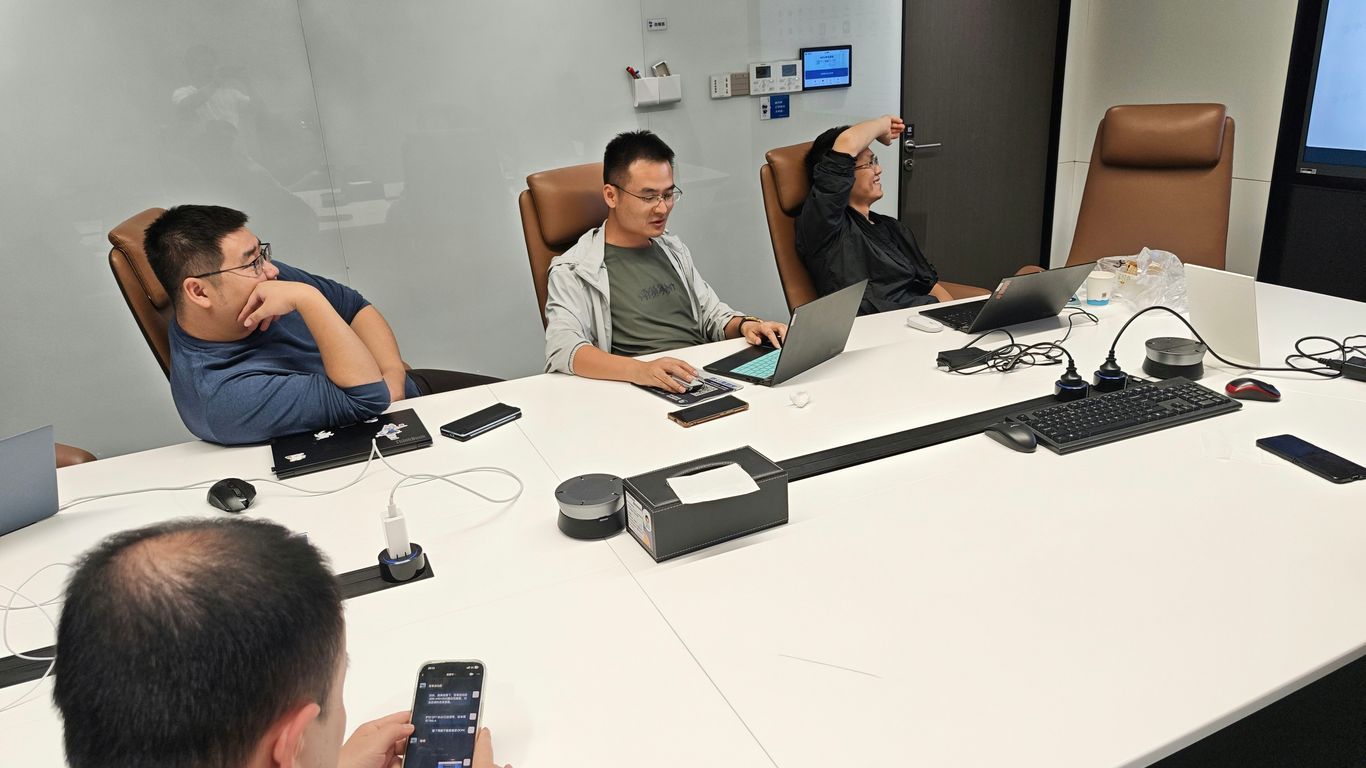
When you're hunting for the right video production company, it's easy to focus on their portfolio or their gear. But how they communicate and collaborate with you is just as critical. A successful project—and a pleasant experience—hinges on clear communication and solid teamwork.
Ensuring Clear Communication Channels
Consider how you'll be kept in the loop. Does the company assign a dedicated point of contact for your project? What are their preferred channels: email, phone, or a dedicated project management platform? It's best to clarify upfront how you'll receive updates and ask questions. A company that establishes clear and easy communication from the very beginning is usually a great sign.
Evaluating Responsiveness and Partnership Approach
How promptly do they respond? When you send an inquiry, do you hear back within a reasonable timeframe, or are you left waiting for days? Responsiveness is a clear indicator that they respect your time and value your project. Furthermore, do they feel like a genuine partner invested in your success, or more like a vendor just checking off tasks? A true partner will ask insightful questions to better understand your vision.
Understanding Their Role in Your Vision
It's vital to feel that the production company is on your team and understands what you're trying to accomplish. Do they actively listen to your ideas? When they offer suggestions, do they enhance your goals, or do they seem to be pushing their own creative agenda? You're looking for a team that will champion your vision and elevate it—not try to overhaul it completely. They should be able to clearly articulate their process and how they'll execute your concepts.
Here’s a quick checklist of what to look for:
- Proactive Updates: Do they keep you informed of progress without you constantly needing to follow up?
- Feedback Loops: Is there a structured process for you to provide feedback and for them to implement it?
- Creative Problem-Solving: When unexpected challenges pop up, do they communicate them clearly and come to you with proposed solutions?
A production partner who communicates openly when challenges arise and involves you in the solution-finding process is building real trust. It shows they view your project as a shared endeavor—not just another line item on their to-do list.
It can be incredibly helpful to schedule an initial call with the key team members who would be assigned to your project. This gives you a direct feel for their personalities and how you might gel as a collaborative team. Ultimately, you're looking for a group you can trust and work with effectively.
Reviewing Pricing Structures and Budget Alignment
Let's talk about the bottom line. When you're evaluating video production companies in Melbourne, navigating the financial side of things is obviously a major step. It’s not about just finding the lowest price; it's about securing great value for your investment and ensuring the company fully understands your budgetary constraints.
Seeking Transparent and Detailed Cost Breakdowns
A reputable company will provide a clear, itemized quote that shows exactly where your money is going. There should be no guesswork involved. A detailed breakdown typically outlines costs for pre-production (planning, scripting), production (filming days, crew, gear), and post-production (editing, sound design, graphics). If a quote feels vague or overly simplistic, that should be a red flag. You want to see specific line items to understand what's included and what's not.
- Pre-production costs (scripting, storyboarding, location scouting)
- Production costs (camera operators, lighting, actors, on-location expenses)
- Post-production costs (editing, color correction, sound design, music licensing)
- Any additional services (animation, voiceovers, revisions)
Comparing Service Offerings Against Budget
With detailed quotes in hand, you can start comparing them against your established budget. It's crucial to be realistic about what your budget can achieve. A lower-priced quote might seem tempting, but it could mean making sacrifices on key elements that affect quality. Conversely, a slightly higher quote might include value-added services that will significantly elevate your final video. It’s a balancing act—what's most important for your project’s success?
| Service Level | Estimated Cost | Key Features |
|---|---|---|
| Basic | $X,XXX - $Y,XXX | Includes standard editing, stock music, and limited revisions. |
| Standard | $Y,XXX - $Z,XXX | Offers custom graphics, professional voiceover, and more revision rounds. |
| Premium | $Z,XXX+ | Advanced animation, multi-day on-location shoots, and extensive support. |
Understanding Potential for Hidden Costs
Always be on the lookout for costs that might not be immediately apparent. Things like additional rounds of revisions beyond the agreed-upon number, travel expenses for distant shoots, or rush fees for accelerated deadlines can add up fast. It's wise to ask about their policy on revisions and what the process looks like if the project scope expands. A truly professional company will be completely upfront about any potential extra charges.
It's easy to get swept up in the creative excitement of a new video, but keeping a sharp eye on the budget from day one is what prevents nasty surprises down the road. A company that respects your budget and proactively works with you to find smart solutions is a partner you'll want to keep.
Investigating Production Timelines and Scheduling
When you're commissioning a video, one of the most pressing questions is, "When will it be ready?" But it’s about more than just the final delivery date; it’s about understanding the entire production timeline. A well-organized production company will lay out a clear roadmap for how they’ll get your project from concept to completion.
Discussing Project Deadlines and Delivery Dates
It's essential to have a candid conversation about your timeline needs right from the start. Are there specific marketing campaigns or events the video needs to be ready for? A company that is transparent about their current workload and typical turnaround times is a good sign. They should be able to provide a realistic schedule with key milestones, not just a vague final delivery date.
- Initial concept and script approval
- Scheduled filming dates
- Delivery of the first edited draft
- Final delivery of the video
Assessing Their Ability to Meet Your Schedule
Beyond simply agreeing to a deadline, a professional company will be able to explain *how* they plan to meet it. This means they have a solid workflow and contingency plans for potential delays. Don't hesitate to ask about their process for managing multiple projects and how they ensure yours receives the necessary attention to stay on track. If they seem dismissive or vague about scheduling, that could be a warning sign.
A company’s knack for managing timelines effectively is often a direct reflection of their overall organization and dedication to client satisfaction. This is about more than just hitting a date—it’s about providing you with a predictable, transparent, and reliable process from start to finish.
Understanding Their Planning and Workflow
So, how does the company actually map out a project? Do they utilize project management tools to keep everyone aligned? Do they provide regular progress updates? A clearly defined workflow shows that they’ve thought through every step of the process and have systems in place to keep everything moving efficiently. This transparency is invaluable, as it helps you know where your project stands at any given moment and what to expect next. It also proves they are well-prepared to handle the complexities of video production.
Trusting Your Instincts and Final Decision
After all the careful reviews of portfolios, client feedback, technical specs, and budgets, you're on the home stretch. But there's one final, crucial element to consider: your gut feeling. You're going to be working closely with this team, so a strong, positive working relationship is non-negotiable.
Considering the Overall Fit and Professionalism
Putting aside the tangible data for a moment, how does the company make you feel? Did their team communicate with clarity and professionalism during your interactions? Did they seem genuinely enthusiastic about your project and invested in its success? A company that demonstrates a high degree of professionalism and feels like a good cultural fit for your team is far more likely to result in a positive and productive experience.
Seeking a Partner Aligned with Your Brand Values
Take a moment to think about whether the company's creative approach and core values resonate with your own. Do they seem to have a firm grasp of your brand's identity and the specific message you want to communicate? A production partner who "gets" your brand's essence is better equipped to create a video that feels truly authentic to you.
Making an Informed Choice for Project Success
In the end, the best choice is a blend of objective analysis and subjective intuition. Trust that the thorough research you've done, combined with that gut feeling, will point you toward the right partner. The ultimate goal, after all, is to find a company that possesses not only the technical skills but also the collaborative spirit needed to bring your vision to life.
- Review your notes: Circle back to your assessments of each contender. What were the most compelling pros and cons for each?
- Consider the long-term: If the need arises, who would you be most excited to work with again on future projects?
- Final check: Does your top choice feel like a true creative partner—one who is ready and eager to help you achieve your goals?
Final Thoughts on Choosing Your Melbourne Video Partner
So, there you have it. You've navigated the key steps, reviewed the portfolios, and asked the tough questions. Choosing the right video production company in Melbourne is so much more than just hiring someone to point a camera; it’s about securing a creative partner who truly understands your vision and can shape it into a video that delivers results. Always keep your objectives in focus, scrutinize their past work, and make sure the communication flows easily. When you find that ideal fit, the entire creative journey becomes more collaborative and enjoyable, and the final product is far more likely to hit the mark for your business. Don't rush this decision—taking your time now really does pay dividends.
Frequently Asked Questions
What’s the very first thing I should do when searching for a video production company?
Before you even begin your search, the most critical step is to define what you want your video to accomplish. Ask yourself: why do we need this video, who is our ideal viewer, and what is the single most important message we want them to take away? Having this clarity from the outset will make it infinitely easier to find a company that can actually help you achieve those goals.
How can I really tell if a video production company does high-quality work?
The best way is to dive into their portfolio of past work. Pay attention to the technical quality—is the picture sharp and the sound clear? Does their creative style align with what you envision for your brand? Also, be sure to look for client testimonials or online reviews. Hearing from past clients gives you a real-world gauge of their professionalism and reliability.
What kind of equipment should I expect a good video production company to have?
A professional-grade company will be equipped with modern, high-definition cameras, a comprehensive lighting kit, and high-quality audio recording gear. Just as importantly, they should be proficient with industry-standard editing software to ensure your video looks and sounds polished. Up-to-date technology is a strong indicator that they are serious about quality.
Why is good communication so important when working with a video production company?
Because it’s a deeply collaborative process, clear and consistent communication is absolutely essential. The right partner will be easy to talk to, will actively listen to your ideas, and will keep you informed about the project's progress. This ensures that everyone stays aligned and that your final video truly reflects your original vision.
How do I know if a company's pricing is fair and transparent?
You should always ask for a detailed, itemized quote that breaks down all the associated costs. Be cautious of quotes that seem unusually low or vague, as they could conceal hidden fees that pop up later. The goal is to ensure the price is a fair reflection of the services offered and that it fits comfortably within your budget.
What if my video project has a very tight deadline?
Be upfront about your deadline from your very first conversation. A reputable company will give you an honest assessment of whether they can meet your timeline without compromising quality. They should be able to walk you through their project management workflow, which demonstrates they have a solid plan for handling projects efficiently, even under pressure.


